

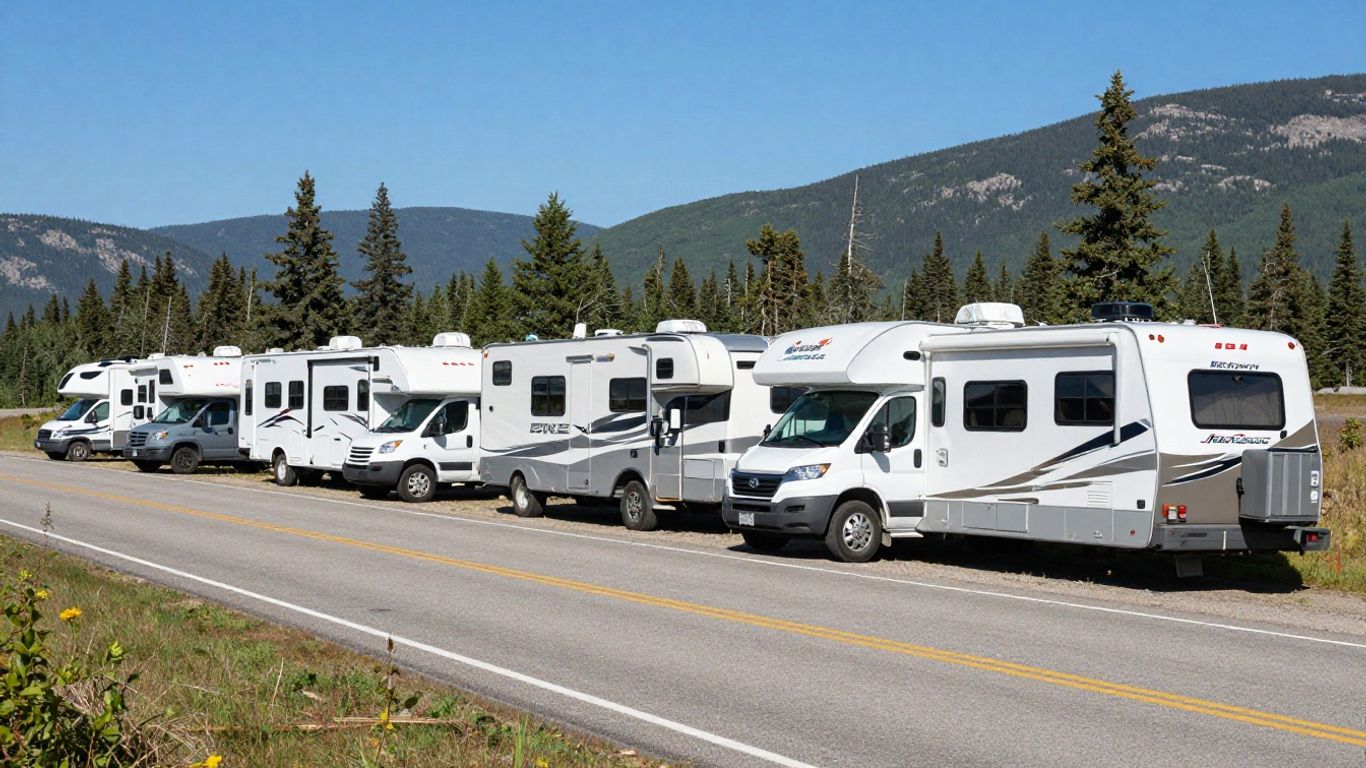
Planning an RV trip across Canada? It can feel like a maze trying to figure out what makes the prices change so much. You see one price, then add a few things, and suddenly it’s way more. This article breaks down the main things that affect the cost of renting an RV in Canada, so you can get a clearer picture and hopefully save some money. We’ll look at everything from when you book to what’s actually included.
Key Takeaways
- Rental duration and seasonal demand significantly impact daily RV rates, with peak summer months being the most expensive.
- The class and age of the RV are major price drivers; larger, newer models cost more than smaller, older ones.
- Comparison sites are helpful for a quick overview of options and prices, but always check what’s included, like mileage and insurance, as these can add up.
- Booking well in advance, especially for popular travel times, is the best way to secure lower rates and a wider selection of vehicles.
- Be mindful of extra fees such as generator usage, administrative charges, and cleaning costs, which can increase the total price beyond the base rental rate.
Understanding RV Rental Pricing Factors
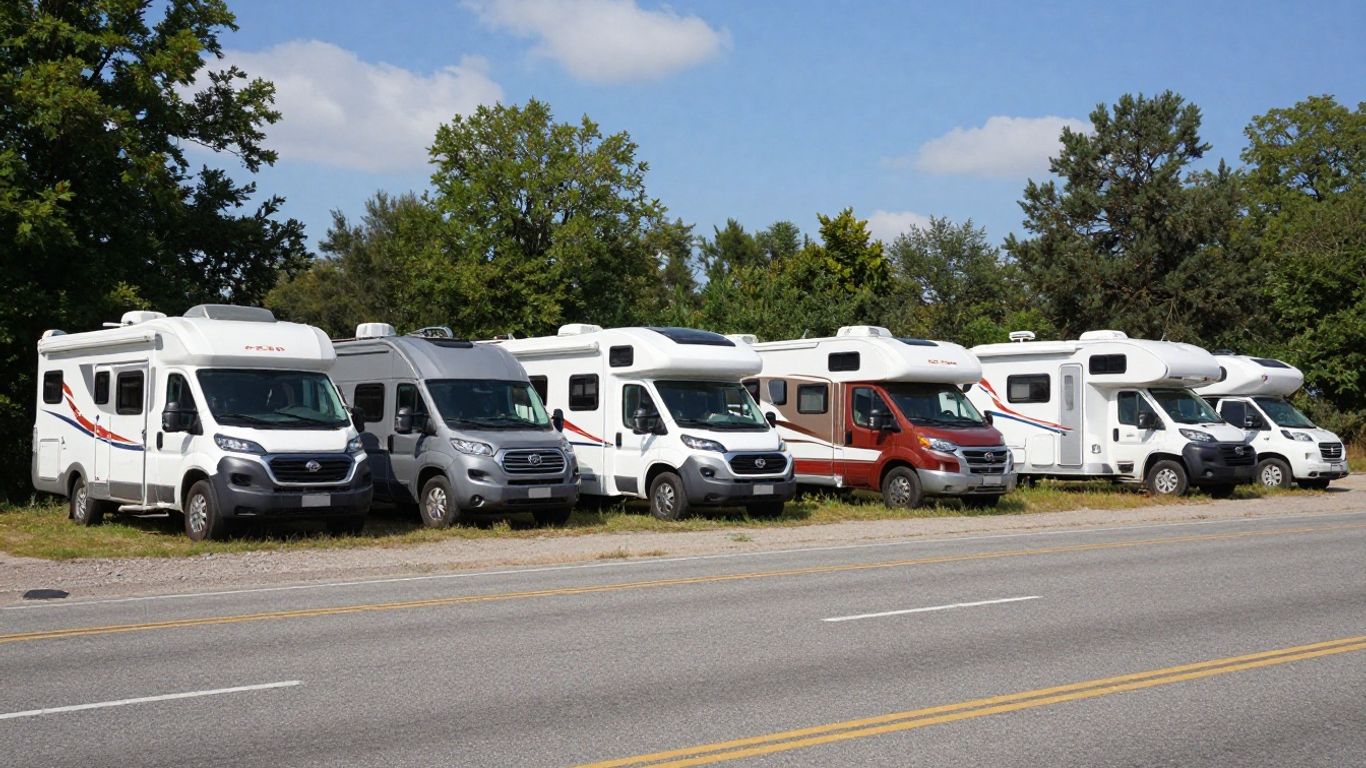
When you start looking into renting an RV for your next Canadian adventure, you’ll quickly notice that prices can swing quite a bit. It’s not just a simple daily rate; a bunch of things play into how much you’ll actually end up paying. Thinking about these factors beforehand can help you budget better and avoid those "sticker shock" moments.
The Impact of Rental Duration on Daily Rates
One of the biggest things affecting your daily rental cost is how long you plan to keep the RV. Renting for a whole week or even a month often comes with a significantly lower daily rate compared to just a weekend trip. It’s like buying in bulk – the longer you commit, the more you can save per day. Some companies might even offer discounts of up to 50% off the daily rate if you book for a longer period.
Seasonal Demand and Its Effect on RV Costs
Just like plane tickets or hotel rooms, RV rental prices go up when everyone else wants to travel. Peak season, typically during the summer months of July and August, sees the highest prices. This is when demand is through the roof, and campgrounds are packed. If you can swing it, traveling during the shoulder seasons – like late spring (May-June) or early fall (September-October) – can lead to savings of 20-40%. You’ll often find pleasant weather and fewer crowds, making for a more relaxed trip.
Vehicle Class and Age: A Key Price Determinant
The type and age of the RV itself are major price drivers. Think of it like cars: a luxury sedan costs more than a compact car. Similarly, larger motorhomes, especially newer Class A models, will generally be more expensive than smaller Class C motorhomes or campervans. Older models, often those 10 years or more, are usually more budget-friendly than their newer counterparts. For example, a newer Class A might cost $350-$450 per night, while an older one could be $150-$250. Similarly, travel trailers tend to be on the lower end of the price spectrum.
It’s always a good idea to carefully read the full RV listing description. Pay close attention to the "Rates & Availability" section, as this is where you’ll find details on rental fees, minimum rental periods, and any optional upgrades or add-ons that could increase the total cost. Don’t hesitate to ask the owner questions before booking to avoid any surprises.
Here’s a general idea of how prices can vary:
| RV Class | Age (10+ years) | Newer Models |
|---|---|---|
| Class A | $150 – $250/night | $350 – $450/night |
| Class B | $100 – $200/night | $200 – $350/night |
| Class C | $100 – $200/night | $225 – $400/night |
| Travel Trailer | $50 – $125/night | $125 – $200/night |
| Fifth Wheel | $60 – $150/night | $150 – $300/night |
Remember, these are just averages, and prices can change based on location and specific features. When comparing options, checking out sites like Motorhome Republic can help you see a range of prices and vehicle types all in one place.
Navigating Comparison Sites for Your RV Rental
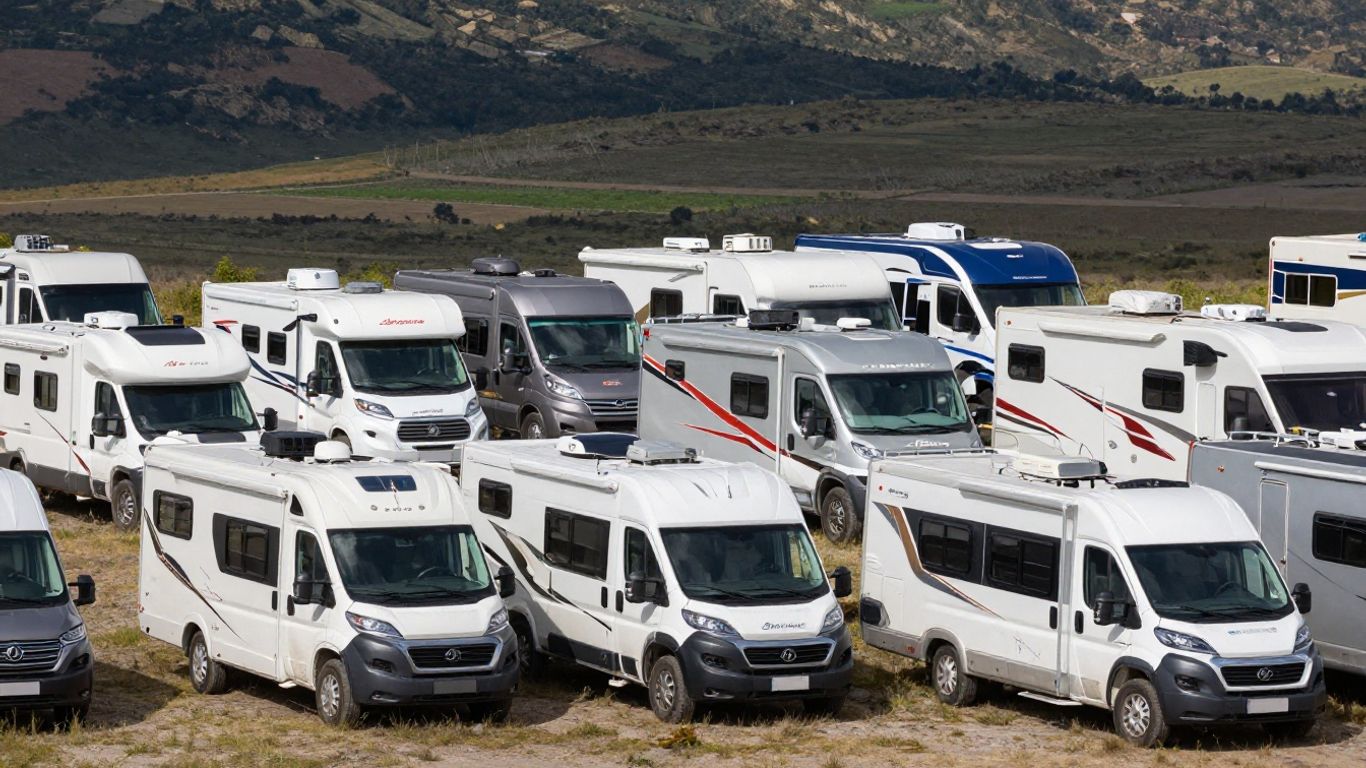
So, you’re looking to rent an RV for your Canadian adventure. Instead of bouncing between a dozen different rental company websites, which honestly sounds like a recipe for a headache, there are these things called comparison sites. Think of them as your one-stop shop for RV deals. They pull together offers from various rental companies, letting you see a bunch of options all in one place. This can seriously cut down on the time you spend searching.
Advantages of Using Comparison Platforms
Why bother with a comparison site? Well, for starters, they save you a ton of time. Instead of visiting Canadream, then Cruise Canada, then maybe Four Seasons RV, you can see what they all have available with just a few clicks. Plus, these sites often show you the full picture upfront. You can see what’s included – like mileage, insurance, or even kitchen kits – right there in the price. No more digging through fine print on multiple sites.
- See more options quickly: Compare offers from many companies at once.
- Price clarity: Understand what’s included in the price before you commit.
- Potential for better deals: Some sites negotiate special rates or offer price guarantees.
- Single point of contact: If you have questions or issues, you usually deal with one team.
Key Features of Top RV Rental Comparison Tools
When you’re looking at these comparison sites, keep an eye out for a few things. First, how many rental companies do they actually work with? More partners usually means a wider selection of RVs for you to choose from. Also, check if they have a ‘best price guarantee.’ Some sites will refund you the difference if you find the exact same rental cheaper somewhere else. It’s a nice bit of reassurance.
Here’s a quick look at what some popular sites offer:
| Site Name | Strengths | Potential Weaknesses |
|---|---|---|
| Motorhome Republic | Wide choice, global reach, price guarantee | Customer service can be slow |
| Authentik Canada | Local Canadian specialists, transparent pricing | Only covers Canada and USA |
| Campstar | Good selection, competitive prices | Interface can be less intuitive |
Remember, these sites act as middlemen. While they simplify the process, always double-check the specific terms and conditions of the actual rental company before you book. Sometimes, the details can vary.
Understanding Different Platform Types
Not all comparison sites are created equal. Some are specialized just for RVs, like Motorhome Republic or Authentik Canada. These tend to have a really good grasp of the RV market. Then you have broader travel sites that might list RVs, but they might not be as detailed. There are also peer-to-peer platforms, like Outdoorsy, where individuals rent out their own RVs. These can sometimes offer unique vehicles or lower prices, but the experience might be a bit different than renting from a big company. It’s good to know the differences so you can pick the platform that best fits what you’re looking for.
Essential Inclusions to Scrutinize
When you’re looking at RV rental prices, it’s easy to get caught up in just the daily rate. But hold on a second, because what’s actually included in that price can make a huge difference to your final bill. You’ve got to read the fine print on what comes with the rental.
Mileage Allowances: Unlimited vs. Limited
This is a big one. Some companies offer unlimited mileage, which is fantastic if you plan on covering a lot of ground. Others have a daily or total mileage limit. If you go over, you’ll be hit with extra charges, and these can add up fast. Always check the specifics:
- Unlimited Mileage: Great for flexibility, no need to constantly watch the odometer.
- Daily Limit: For example, 150 miles per day. You might be able to buy extra miles upfront, but it’s usually cheaper to know your expected mileage beforehand.
- Total Trip Limit: A set number of miles for your entire rental period.
Figure out how much driving you realistically plan to do. If you’re sticking to one region, a limited plan might be fine. If you’re road-tripping across provinces, unlimited is probably the way to go.
Insurance Coverage and Deductible Options
Rental insurance can be confusing. Most companies include some basic coverage, but it’s rarely enough for peace of mind. You’ll often have options to upgrade. Pay close attention to:
- Deductible Amount: This is the most you’ll pay out-of-pocket if there’s damage. A lower deductible usually means a higher premium.
- What’s Covered: Does it cover the vehicle itself? What about liability if you cause an accident? Some policies have weird exclusions, like damage to the roof or undercarriage.
- Collision Damage Waiver (CDW) / Loss Damage Waiver (LDW): These aren’t technically insurance but waivers that reduce your financial responsibility for damage to the rental vehicle. Understand what they cover and their cost.
Don’t just assume you’re covered. It’s worth calling the rental company or your personal insurance provider to see what’s already on your policy or what additional coverage you might need. A little extra spent here can save you a massive headache (and a lot of money) later.
Included Amenities and Equipment Packages
Think about what you’ll actually need for your trip. Some rentals come pretty bare-bones, while others are kitted out. You might have to pay extra for:
- Kitchen Kits: Pots, pans, utensils, dishes.
- Linens and Towels: Bedding, pillows, bath towels.
- Camping Gear: Outdoor chairs, tables, sometimes even a small grill.
- Navigation Systems: GPS units.
- Child Safety Seats: If you’re traveling with little ones.
Sometimes, booking a package deal for these items is cheaper than renting them individually. But if you already own some of this stuff, or you’re happy to buy cheap versions at your destination, you might save money by skipping the package.
Timing Your RV Rental for Savings
When you’re planning an RV trip, the dates you choose can make a surprisingly big difference in how much you end up spending. It’s not just about the daily rate; the whole season plays a role. Thinking ahead about when you book and when you travel can really help keep your budget in check.
The Benefits of Early Booking
Booking your RV well in advance is often the smartest move if you want to snag the best rates and the widest selection. Popular RV models, especially those that are newer or have specific features, get snapped up quickly. Waiting until the last minute might mean you’re left with fewer options or have to pay a premium for what’s left. Getting your reservation locked in early gives you peace of mind and often secures a lower price. It’s like getting the best seats at a concert – the sooner you buy, the better the view (and the price).
Off-Season Travel for Lower Prices
If your schedule is flexible, aiming for the off-season can lead to significant savings. Think about it: fewer people want to travel when the weather is less predictable or when kids are in school. This lower demand means rental companies often drop their prices to attract customers. You might find rates that are 20-40% lower than during peak summer months. Plus, you’ll likely encounter fewer crowds at popular spots and campgrounds, making for a more relaxed experience.
Shoulder Season Advantages
Shoulder seasons – the periods just before and after the peak season – offer a fantastic sweet spot. These times, like late spring (May to early June) and early fall (September to October), often provide a great balance of decent weather and lower prices. You can still enjoy beautiful scenery, perhaps even the stunning autumn colors, without the summer rush and the associated higher costs. It’s a way to get more bang for your buck and enjoy a more tranquil journey.
Here’s a general idea of how prices can shift:
| Season | Typical Price Change | Crowd Level | Weather |
|---|---|---|---|
| Peak (Jul-Aug) | Highest | High | Warm/Hot |
| Shoulder (May-Jun, Sep-Oct) | 20-40% Lower | Moderate | Mild/Pleasant |
| Off-Season (Nov-Apr) | Lowest | Low | Cool/Cold |
Planning your trip around these seasonal shifts is one of the most direct ways to control your rental costs. It requires a bit of foresight but can lead to substantial savings, allowing you to allocate more of your budget to activities or simply enjoy a more affordable adventure. Remember to check out Canadian RV rental sites for specific pricing in different regions.
Additional Costs Beyond the Base Rate
So, you’ve found an RV that fits your budget and your travel dreams. Awesome! But hold on a sec, before you hit that ‘book’ button, let’s talk about the stuff that can sneak up on you. The base rental price is just the starting point; there are a few other charges you’ll want to be aware of so you don’t get any sticker shock later.
Generator Usage Fees
Many RVs come equipped with a generator to power your electronics when you’re off the grid. While some rentals might throw in a few hours of generator use for free, others charge by the hour. It’s really important to check the listing to see if there’s a generator fee and what the rate is. If you plan on using it a lot for things like air conditioning or charging devices, this cost can add up quickly.
Always clarify the generator usage policy before your trip.
Administrative and Cleaning Charges
Some rental companies or owners might add on administrative fees, which are basically just processing or handling charges. Then there’s the cleaning fee. While many rentals expect you to return the RV in the same condition you found it (meaning you clean it yourself), some include a cleaning fee in the rental price. Others might charge an extra cleaning fee if the RV isn’t returned in a tidy state. It’s usually best to give the RV a good once-over before you hand it back to avoid any surprises.
Optional Add-ons and Extras
This is where you can really customize your rental, but also where costs can increase. Think about things like:
- Kitchen Kits: Some rentals offer fully stocked kitchen kits with dishes, utensils, and cookware. This can be super convenient if you don’t want to pack your own.
- Linen Kits: Similar to kitchen kits, you can often rent bedding and towels.
- Additional Drivers: If more than one person plans to drive the RV, there might be a small daily fee per extra driver.
- Delivery and Pickup: If you don’t want to pick up the RV yourself, many owners offer delivery to your home or campsite for a fee, often based on distance.
- Tank Dumping: While you can often dump the RV’s waste tanks yourself (and save money!), some rentals offer this service for a fee.
It’s a good idea to make a list of any extras you think you’ll need and then compare the cost of those add-ons against buying or bringing them yourself. Sometimes, the convenience is worth the extra cash, but other times, you can easily skip these to save a bit.
Here’s a look at some common extra fees you might encounter:
| Service/Item | Typical Cost Range (CAD) | Notes |
|---|---|---|
| Generator Use | $3.50/hour | Varies by rental; some include hours |
| Kitchen Kit | $110 – $120 per booking | Can vary by size and what’s included |
| Linen Kit | $85 per person | Often optional, check what’s provided |
| Additional Driver | $5 per night | For each driver beyond the primary one |
| Tank Dumping Service | $50 – $100 (estimate) | If you don’t want to do it yourself |
| Delivery/Pickup | Varies by distance | Often a base fee plus per km charge |
Choosing the Right RV for Your Trip
Picking the perfect RV isn’t just about finding the cheapest daily rate; it’s about matching the vehicle to how you actually want to travel. Think about your trip length, how many people are coming along, and what kind of comfort you’re looking for. Once you get these details sorted, the right choice usually becomes pretty clear.
Campervans vs. Larger Motorhomes
When you’re looking at RVs, you’ll mostly see two main types: campervans and larger motorhomes. Campervans, often called Class B motorhomes, are basically vans converted into living spaces. They’re super easy to drive, park, and maneuver, kind of like a regular car, which is great for city driving or tight spots. They usually sleep two to three people and have basic kitchen and bathroom facilities. If you’re a couple or a small family looking for flexibility and ease of use, a campervan is probably your best bet.
On the other hand, larger motorhomes (Class A and Class C) offer more space and amenities. Class A motorhomes look like buses and are the biggest, offering the most room and luxury. Class C motorhomes are usually built on a truck chassis and have that distinctive over-the-cab sleeping area. These are better for bigger groups or families who need more living space, dedicated sleeping areas, and more storage. They can be a bit more challenging to drive and park, though.
Here’s a quick look at what you might expect:
| RV Type | Best For | Driving Ease | Space & Amenities | Typical Occupancy |
|---|---|---|---|---|
| Campervan (B) | Couples, solo travelers, city trips | High | Basic | 2-3 |
| Class C | Families, small groups, longer trips | Medium | Moderate | 4-6 |
| Class A | Larger families, luxury seekers | Low | High | 6+ |
Luxury RV Options and Their Pricing
If you’re dreaming of a more upscale road trip, there are definitely luxury RV options available. These rigs often come with high-end finishes, spacious layouts, and all the bells and whistles. Think king-sized beds, gourmet kitchens, multiple bathrooms, entertainment systems, and even washer/dryer combos. They’re designed for maximum comfort and convenience.
Of course, this level of luxury comes with a higher price tag. Luxury RV rentals can cost significantly more per day than standard models. The exact price will depend on the specific features, the age of the RV, and the rental company. If you’re looking for a truly pampered travel experience and your budget allows, exploring these options can be worth it.
Peer-to-Peer Rentals: Pros and Cons
Beyond the big rental companies, there’s a growing trend of peer-to-peer RV rentals, where you rent directly from the RV owner through platforms like Outdoorsy or RVezy. This can be a fantastic way to find unique RVs and often get better rates.
Here are some things to consider:
- Pros:
- Often more affordable than traditional rentals.
- Access to a wider variety of RV types, including custom or vintage models.
- Direct communication with the owner can provide helpful insights and tips.
- Sometimes includes more personalized touches or included gear.
- Cons:
- Vehicle quality and maintenance can vary greatly from owner to owner.
- Insurance and roadside assistance policies might differ, so read the fine print carefully.
- You might have less recourse if something goes wrong compared to a large company.
- Pick-up and drop-off arrangements might be less standardized.
When choosing a peer-to-peer rental, always check the owner’s reviews, ask detailed questions about the RV’s condition and included items, and make sure you fully understand the insurance coverage and any potential fees before booking. It’s a bit like renting a room in someone’s house – you want to make sure you’re comfortable with the host and the property.
So, What’s the Takeaway?
Alright, so we’ve looked at all the ins and outs of RV rental prices in Canada. It’s pretty clear that just looking at the daily rate isn’t the whole story. When you book, definitely keep an eye on when you’re traveling – going during the shoulder seasons can save you a good chunk of change. And don’t forget to really check what’s included, like mileage and insurance, because those add-ons can really bump up the final bill. Using a comparison site is a smart move to get a good overview and find the best deals without a ton of hassle. Happy trails!
Frequently Asked Questions
What’s the best way to find a good deal on an RV rental in Canada?
To snag the best price, book your RV rental way ahead of time, like 5 to 6 months before your trip. Also, try to travel during the ‘shoulder seasons’ – that’s usually April to early June or September to October. Prices drop significantly then, and you’ll deal with fewer crowds.
How much does it usually cost to rent an RV in Canada?
RV rental prices can change a lot. You might find smaller camper vans starting around $80 to $150 CAD per day during the less busy times. Bigger, more comfortable RVs, especially during peak summer months, can cost much more, sometimes $300 or even $400 a day.
What’s the difference between a camper van and a larger RV?
A camper van is like a smaller, more nimble RV. It’s easier to drive and park, especially in cities. Larger RVs, like motorhomes, offer more space and amenities, making them great for longer trips where comfort is key, but they can be trickier to handle.
Are there extra fees I should watch out for when renting an RV?
Yes, definitely! Besides the daily rental price, look out for extra charges. These can include fees for using the generator, cleaning the RV when you return it, administrative costs, and sometimes even charges for the miles you drive if unlimited mileage isn’t included.
Is it cheaper to rent an RV for a whole week instead of just a few days?
Often, yes! Renting an RV for a longer period, like a full week or even a month, can significantly lower your average daily cost. Many rental companies offer discounts for longer rentals, sometimes saving you up to half the price per day compared to a short weekend rental.
Can I rent an RV directly from an owner instead of a company?
You sure can! Platforms like RVezy and Outdoorsy let you rent RVs directly from their owners. This can sometimes lead to better prices and more unique vehicle options. Just be sure to check the vehicle’s condition and the rental terms carefully, as they can vary from owner to owner.