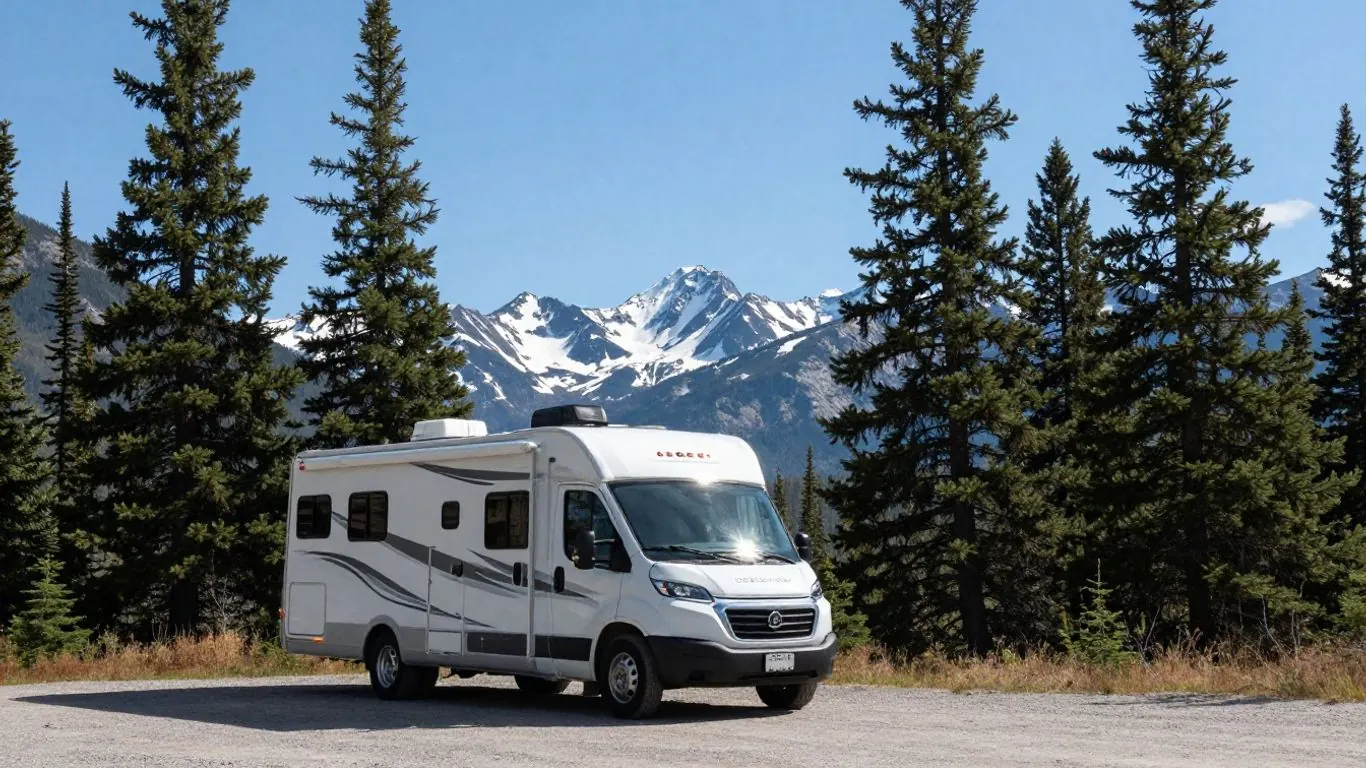
Planning a motorhome trip gets much easier when you break it into simple tools: how long to travel, how far to drive each day, what to budget, and where to place campgrounds so you’re not backtracking. This page is built as a practical “planning toolkit” you can use before booking—so your trip feels smooth from day one.
Tool 1: Trip Length Selector (Choose What’s Realistic)
Use this to decide what kind of trip you can actually enjoy.
5–7 days
Best for: a focused region and minimal long driving days. Ideal for: short loops, first-time RV testing, quick getaways.
7–14 days
Best for: one major region with deeper exploration. Ideal for: Western Canada loops, Atlantic loops, Ontario/Quebec blends.
14–21 days
Best for: one region + a second smaller add-on region. Ideal for: Rockies + interior BC, Atlantic + an extra island or coastline extension.
3–6 weeks
Best for: epic cross-country travel with breathing room. Ideal for: Pacific-to-Atlantic routes with time for the experiences that matter.
If you’re unsure, CanadaMotorhomeTrips.com can recommend the right trip length based on your desired region and comfort level.
Tool 2: Daily Driving Calculator
A simple driving guideline that works for most travelers:
- 2–4 hours/day on sightseeing days
- 4–6 hours max on occasional transfer days
Then ask: “What do we want to do on arrival?” If the answer is hike, explore, or relax—keep the drive shorter. This tool prevents the most common mistake: building a route that looks fine on paper but feels exhausting in real life.
Tool 3: Fuel Budget Estimator
Fuel budgeting becomes easy when you use this method:
From your planning framework, many RVs run roughly 12–25 L/100 km depending on size and terrain.
If you want a smoother cost forecast tied to your route, consult CanadaMotorhomeTrips.com before booking.
Tool 4: Campground Strategy Builder
Most travelers enjoy the best trip when they mix campground types:
Then build your trip with:
- a few reserved “anchor nights” near major highlights
- flexible nights between anchors
- occasional private RV park nights for laundry and full hookups
Tool 5: Route Style Selector (Scenic vs Fast)
Every route falls into one of these styles:
Scenic-first
- fewer long driving days
- more viewpoints, hikes, and slow travel
- ideal for families and first-timers
Distance-first
- more transfer days
- covers more territory quickly
- works best for experienced road trippers with limited time
Most travelers enjoy a scenic-first plan in Canada. If you’re tempted to “see it all,” we recommend consulting CanadaMotorhomeTrips.com so we can refine your route for real-world comfort.
Tool 6: Packing and Supplies Checklist Tool
Use this “category checklist” so you don’t overpack:
- layers + rain protection
- kitchen basics and snacks
- sleep comfort items
- outdoor essentials (bug spray, sun protection, water bottles)
- first aid and personal medications
- offline navigation plan
You can also use our Packing & Driving page (Page 7) for a full checklist.
FAQs
Set a maximum driving limit per day and build your route around experiences, not distance.
It depends on roads and region, but most travelers prefer shorter driving days that allow time for stops and arrival activities.
Choose based on group size, comfort needs, and driving confidence. CanadaMotorhomeTrips.com can recommend the best option for your route.
Frequently asked questions
How many hours should I drive per day?
The guideline on this page is 2 to 4 hours on sightseeing days and 4 to 6 hours at most on occasional transfer days.
How do I estimate fuel?
Multiply your planned distance by the vehicle's consumption. Many RVs use roughly 12 to 25 L per 100 km depending on size and terrain.
How do I avoid backtracking?
Place campgrounds along the route in the order you will drive it, and consider a one-way rental if the route is long.