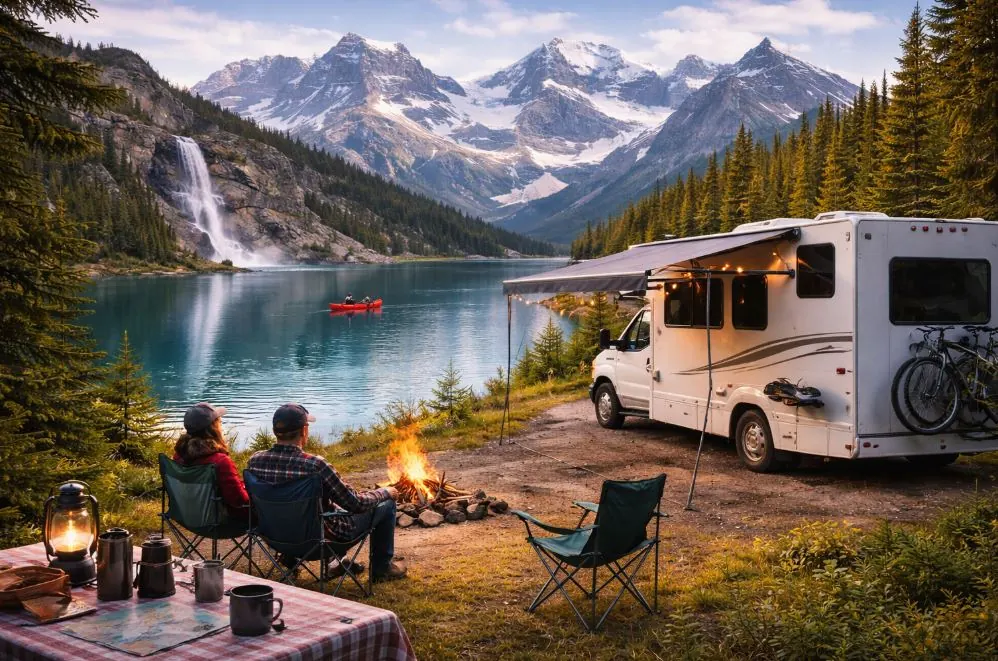
One of the most common questions we hear is: “How much does a motorhome holiday in Canada cost?” The answer depends on your season, vehicle type, trip length, and route—but the cost categories are consistent. Once you understand them, you can build a realistic budget quickly and avoid surprises.
This page covers the core expenses— rental, fuel, campgrounds, food, and activities —plus sample trip budgets that make it easy to estimate your own.
And remember: when you book your motorhome through CanadaMotorhomeTrips.com for 7 days or longer, you’ll also receive a complimentary custom itinerary with scenic stops and campground recommendations.
The rental is usually the biggest part of your budget.
Typical daily rental ranges (CAD):
Extra Charges to Plan For (So Your Total Doesn’t Jump)
Some costs appear as add-ons depending on rental structure:
Budget tip: treat add-ons like line items in your plan—don’t leave them as “maybe.”
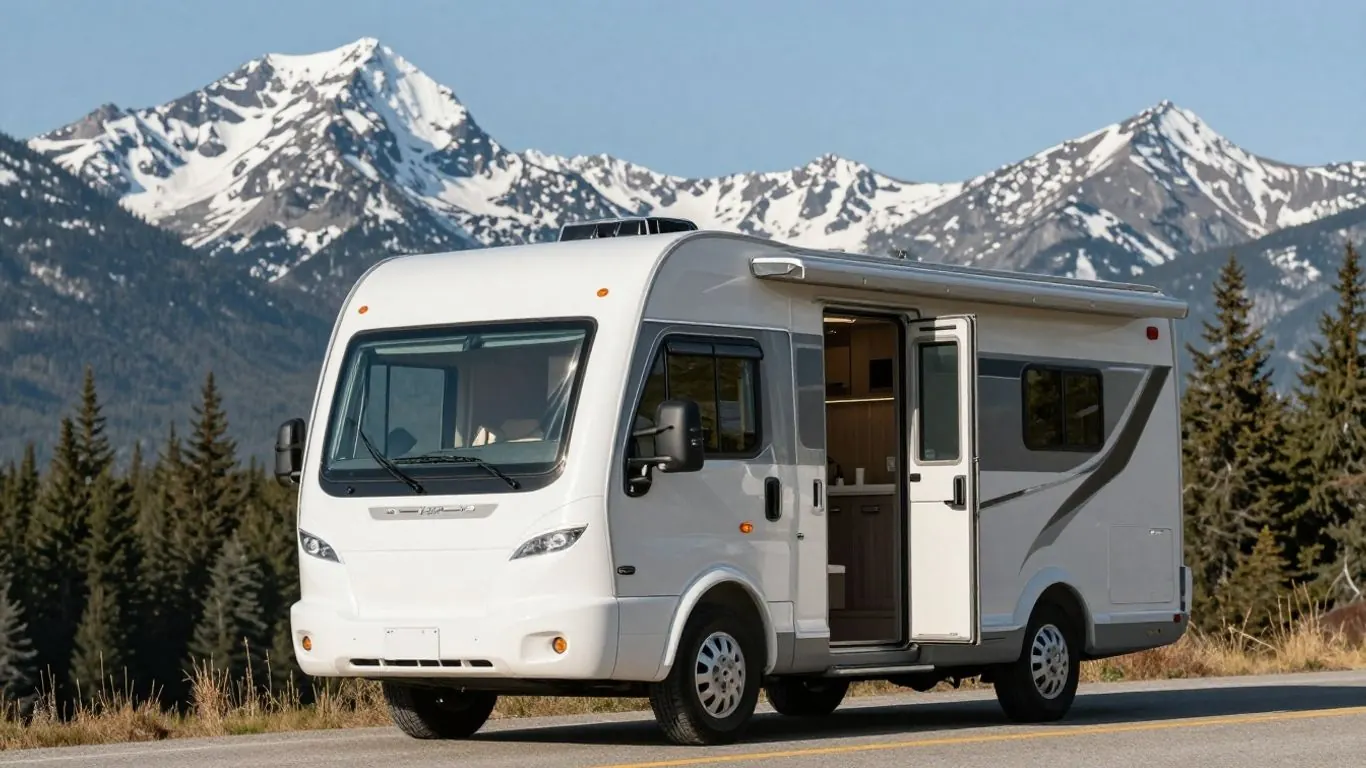
Fuel Costs (Canada is Big—Plan for Distance)
Fuel is a major factor in a country as large as Canada.
Typical fuel consumption ranges:
- 12–25 L/100 km depending on vehicle size and terrain
Example approach:
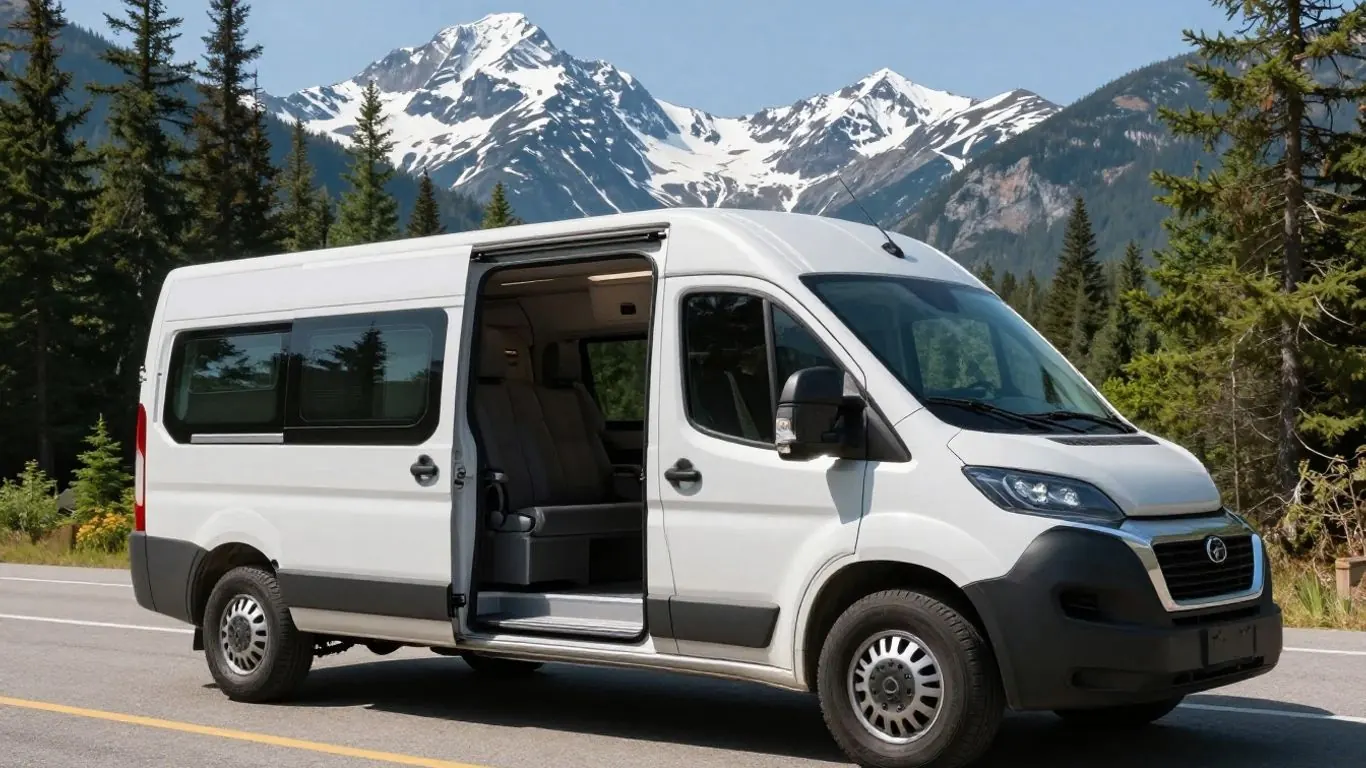
Campgrounds & RV Parks (Nightly Cost Ranges)
Camping costs depend on location and amenities.
Typical nightly rates:
Best strategy for most travelers:
- prioritize scenic public parks for the experience
- mix in private RV parks occasionally for laundry, longer showers, Wi-Fi, and full hookups
Peak season note: July and August campgrounds can book out early in key regions, so planning matters.
Food & Groceries (Where RV Travel Can Save You Real Money)
Cooking in your motorhome is one of the biggest budget advantages.
Typical planning ranges (from your original framework):
A simple budget strategy that works well:
- cook most breakfasts + several dinners
- pack picnic lunches for hiking days
- choose a few “must-try” restaurants or seafood stops
Activities & Attractions (Free Highlights + Paid Experiences)
Canada delivers many “big-ticket” moments for free: viewpoints, scenic drives, beaches, hikes, sunsets. Paid experiences add excitement and variety:
Common paid experiences:
- whale watching
- rafting
- gondolas and viewpoints
- museums and guided tours
From your original cost framework:
Cross-Canada Adventure (30 Days, Class C Motorhome)
When you book your motorhome through CanadaMotorhomeTrips.com for 7 days or longer, you’ll receive a complimentary custom itinerary suggestion including:
- scenic stop ideas
- realistic drive pacing
- recommended campground areas along your route
- highlights that match your travel style (family, scenic, wildlife, etc.)
It’s one of the easiest ways to avoid expensive mistakes like overdriving, backtracking, or staying too far from the places you actually want to explore.
Costs & Budgeting FAQs
It depends on vehicle type and season, but most daily budgets include rental + fuel + campground + food + activities. The sample budgets on this page provide a strong starting point.
Travel in shoulder season, choose a smaller vehicle, cook most meals, and focus on one region to reduce fuel and campground pressure.
Yes. RV kitchens can reduce restaurant spending significantly, especially for families and longer trips.
A complimentary custom itinerary suggestion including scenic stops and recommended campground areas to match your route and travel pace.
Ways to Save Money Without Downgrading Your Trip
Choose one region and go deeper (less fuel, more experiences)
Mix public campgrounds + private RV parks (value + comfort balance)
Cook breakfasts and simple dinners (then spend on memorable local meals)
Avoid unnecessary upgrades (choose the RV type that fits your needs)
Plan realistic driving days (less fuel + less stress)
Frequently asked questions
What is usually the largest cost of a motorhome trip?
The rental itself, followed by fuel on longer routes. Campgrounds, food and activities make up the rest.
How can I keep fuel costs down?
Plan fewer, shorter driving days, stay several nights in one place and choose a vehicle no larger than you need. Consumption varies with size and terrain.
Do rental add-ons make a big difference to the total?
They can. Treat kitchen kits, bedding, mileage packages and insurance upgrades as line items in your budget rather than leaving them as maybes.