
A cross-Canada motorhome trip is the ultimate road-trip experience in Canada —a journey that lets you watch the landscape transform province by province: Pacific coastline to towering mountains, endless prairies to Great Lakes, French-Canadian culture to Atlantic coastline. It’s the kind of trip that becomes a personal milestone.
This page outlines a 30–45 day coast-to-coast itinerary designed for real-life pacing (not “drive-all-day-every-day” misery). It can be done as a full cross-country journey or broken into regional segments if you have 2–3 weeks instead of 6.
Best Trip Length (and Who It’s For)
Ideal length: 30–45 days Minimum (still enjoyable): 21–30 days (faster pace) Best for: families, couples with time, retirees, sabbatical travelers, remote workers, “bucket-list” road trippers
This trip is most enjoyable when you pace it with:
- shorter drive days
- multi-night stays in key regions
- flexibility between “anchor” campground nights
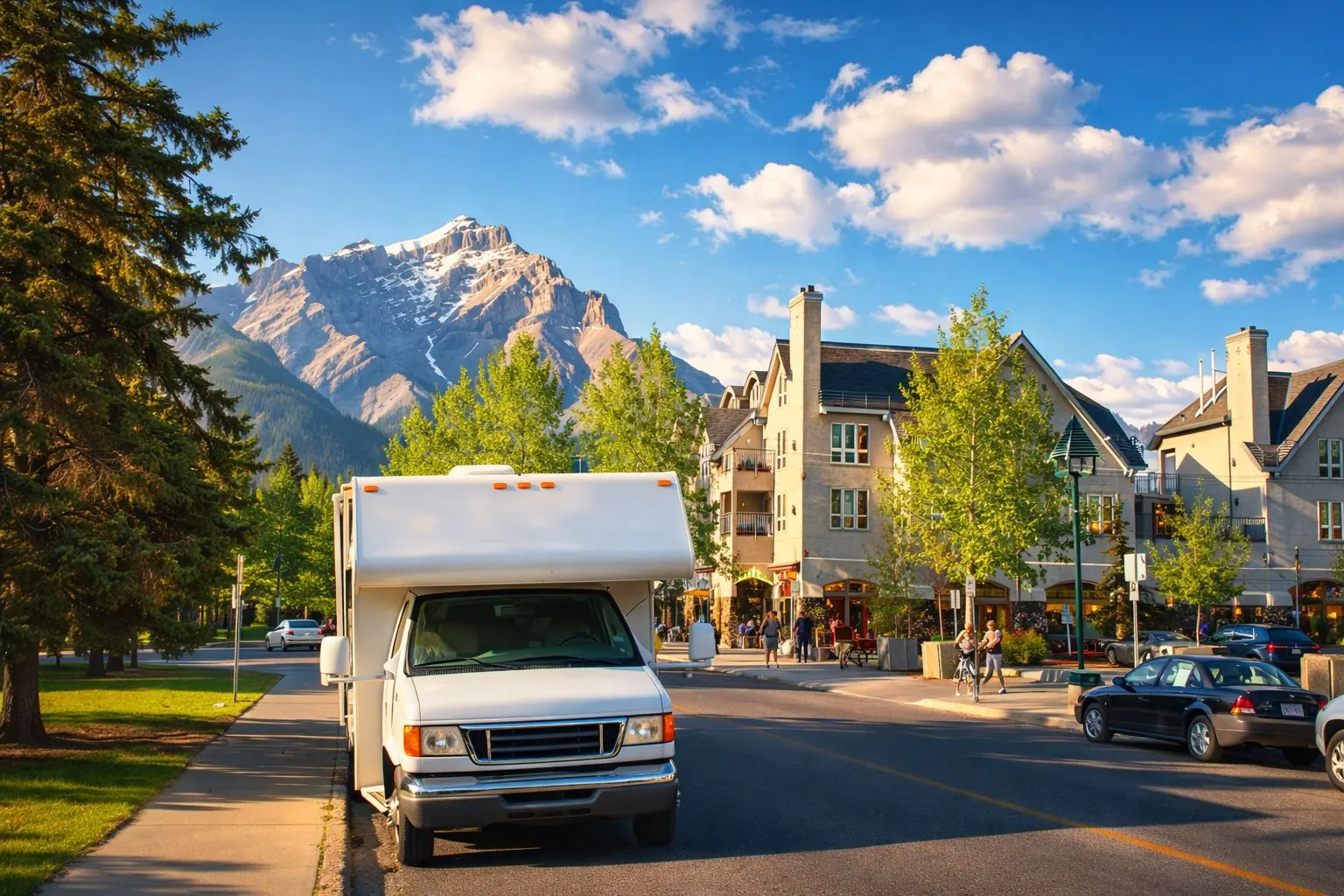
Route Overview (Vancouver to Halifax)
Most travelers begin on the Pacific side in Vancouver (or Vancouver Island), then travel east through the Rockies, across the Prairies, into Central Canada’s Great Lakes and cities, and finish on the Atlantic side in Halifax.
You can complete the coast-to-coast trip without Newfoundland—or add the Newfoundland extension if you want the “all provinces” feeling.
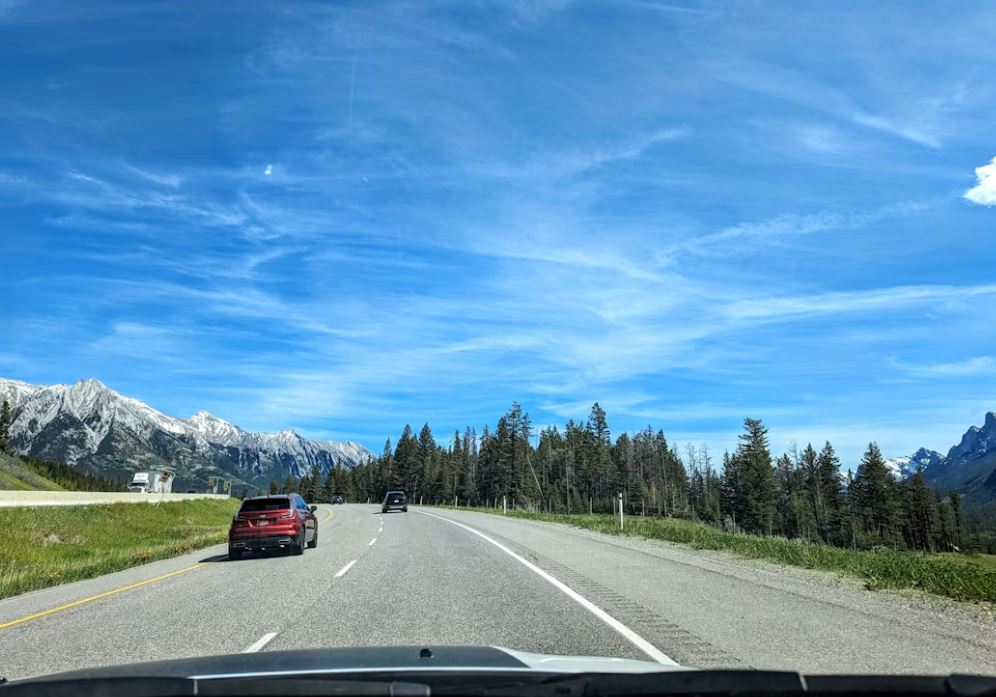
Week 1: British Columbia + Alberta (Pacific to the Rockies)
Focus: coastal start + mountain highlights Key experiences:
- Vancouver/Vancouver Island-style start days
- scenic highway travel toward the interior
- Rockies base time around Jasper National Park and Banff National Park
- the Icefields Parkway drive as a trip highlight
Pacing tip: Plan multiple nights in the Rockies. This is not a “one-night stop” region.
Week 2: The Prairies (Saskatchewan + Manitoba)
Focus: big skies, road-trip culture, surprising stops The Prairies are often underestimated—but they’re ideal foriw “easy driving days” and quirky roadside discoveries.
Best strategy:
- treat the Prairies as a scenic transition
- plan shorter driving days with fun breaks
- use private RV parks occasionally for laundry and full hookups
Week 3: Ontario (Great Lakes + Big City Options)
Focus: lake country + iconic stops Ontario offers a mix of wild lake scenery and major city experiences.
Many travelers love including:
- Great Lakes shoreline drives
- Niagara-style highlights
- time around Toronto
- Canada’s capital vibe in Ottawa
Pacing tip: Avoid rushing Ontario. Distances are large and there are lots of worthwhile stops.
Week 4: Quebec (Culture + Historic Cities + River Landscapes)
Focus: French-Canadian culture and historic charm Quebec is a highlight because it feels distinct—language, food, architecture, and atmosphere.
Key stops often include:
- Montreal
- Quebec City
- river-road scenery and nature add-ons (Tadoussac-style region for whales)
Week 5: Atlantic Canada (New Brunswick + Nova Scotia)
Focus: coastline, seafood, small towns, scenic loops Atlantic Canada is where you slow down and enjoy the coastal rhythm.
Highlights often include:
- Bay of Fundy-style tide and shoreline experiences
- Cape Breton scenic driving (Cabot Trail-style)
- lighthouse routes and waterfront communities
- finishing strong in Halifax
Pacing tip: Add extra nights in the coastal regions if possible—this is where the trip becomes deeply memorable.
Newfoundland Extension (5–7 Days)
If you want to complete the “all provinces” journey, Newfoundland is the perfect finale.
Why add it:
- dramatic coastal landscapes
- a distinct culture and atmosphere
- iconic viewpoints and scenic drives
- a true “edge of the continent” feeling
Key experiences often include:
- ferry crossing to Newfoundland
- Gros Morne-style national park landscapes
- a colorful historic city atmosphere in St. John’s-style regions
- iceberg/whale viewing opportunities seasonally
For ferry timing and best route flow, consult CanadaMotorhomeTrips.com. We’ll help you fit Newfoundland in without stress.
Campground Strategy for a Cross-Canada Trip
On long trips, campground planning is about rhythm.
- reserve “must-have” nights in peak regions (Rockies, coastal hotspots)
- stay flexible in transition zones
- add private RV park nights periodically for laundry and full hookups
- avoid late arrivals—long days are the enemy of a happy road trip
Budget Planning Notes (What Matters Most)
Cross-country budgets depend heavily on:
Because this trip is long, small planning improvements can save a lot—especially reducing backtracking and avoiding rushed long-drive days. That’s why CanadaMotorhomeTrips.com support is so valuable on epic trips.
Epic Cross-Canada FAQs
A comfortable coast-to-coast trip is typically 30–45 days, depending on how many regions you want to explore deeply.
You can, but it becomes a fast-paced driving trip. For a more enjoyable experience, consider doing a regional segment and saving the full coast-to-coast journey for a longer window.
For peak summer travel, yes—especially in the Rockies and popular coastal regions. Many other areas allow more flexibility.
If you have time, yes. It adds a dramatic finale and a distinct culture and landscape experience.
Many travelers start in Vancouver for a true Pacific-to-Atlantic experience, but route design depends on your travel dates and logistics.
How CanadaMotorhomeTrips.com Helps
This is the kind of journey where expert planning makes a big difference.
- choose a realistic route length and pacing
- decide where to spend extra nights
- plan campground zones logically
- match the right RV type to your group and comfort
- reduce stress on the road
And for 7+ day bookings, you receive a complimentary custom itinerary with recommended scenic stops and campground areas.
Frequently asked questions
Can I add Newfoundland to the cross-Canada route?
Yes. The page includes an optional Newfoundland extension. It adds time and a ferry crossing, so check the arrangements for your vehicle.
Where should I spend the most nights?
Plan multiple nights in the Rockies and in your favourite Atlantic areas. Prairie sections are usually covered more quickly.
Is a 21-day version enjoyable?
It is possible at a faster pace, but 30 to 45 days gives the shorter driving days and multi-night stays that make the trip enjoyable.