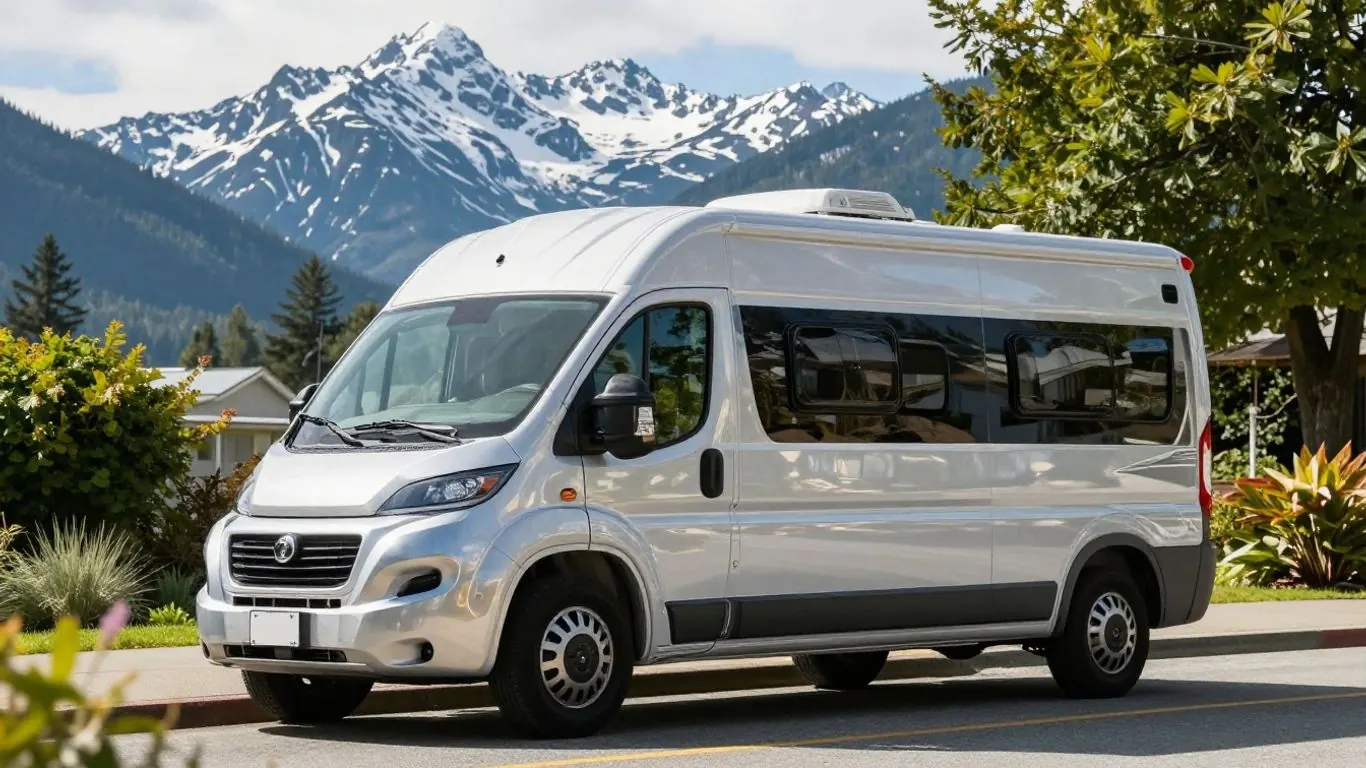
If your dream Canada trip includes wildlife sightings, quiet forests, lakes, and national parks, motorhome travel is one of the best ways to experience it. You stay closer to nature, wake up inside protected landscapes, and move at a pace that respects the environment.
This page focuses on nature- and wildlife-first motorhome travel —ideal for travelers who want fewer cities and more time outdoors.
Why Motorhomes Are Ideal for Nature Travel
Motorhome travel allows you to:
- stay inside or near national parks
- start hikes early and end days without rushing
- avoid long return drives to hotels
- adapt plans around weather and wildlife conditions
Western Canada
Known for elk, bears, mountain goats, and alpine landscapes.

Ontario & Quebec
Moose, loons, forests, and lake systems dominate these quieter regions.
Atlantic Canada
Marine wildlife, coastal birds, and dramatic shoreline ecosystems.
Wildlife-Friendly Trip Pacing
Nature-focused trips succeed when they are slower.
Best practices:
- stay 2–3 nights per campground
- drive less during dawn and dusk when wildlife is active
- choose quieter campgrounds over resort-style parks
Nature-based campgrounds are often affordable and scenic.
Typical costs:
Make Packing and Driving Simple
If you want to travel confidently, start with the right route pacing and the right vehicle type. CanadaMotorhomeTrips.com helps you do both.
Nature & Wildlife FAQs
Yes. Many national and provincial parks are easily accessible by motorhome.
Late spring through early fall offers the best balance of access and wildlife activity.
Some parks require entry passes or campground reservations, especially in peak season.
Start Planning
If nature and wildlife are central to your trip vision, thoughtful route design matters.
You can:
For bookings of 7 days or longer, you’ll receive a complimentary custom itinerary focused on national parks, scenic campgrounds, and realistic pacing.
Planning days around wildlife and parks
Wildlife is most active around dawn and dusk, which is also when driving needs the most care. Plan driving for the middle of the day and keep early mornings and evenings for walks and viewing from the campground.
Choose park campgrounds close to trailheads so you can leave the motorhome parked, and check the current wildlife and campground rules for each park, as they differ between parks.
Watching wildlife responsibly
Parks Canada asks visitors to give animals space, never feed them, and stay in their vehicle when wildlife is near the road. Do not stop on the roadway; use a pullout, and move on if traffic builds up. At campgrounds in bear country, keep food, coolers and cooking gear inside the motorhome rather than outside on the picnic table.
Binoculars and a telephoto lens let you watch from a distance without disturbing animals or putting yourself at risk.
Choosing parks for a nature trip
- In the west, Banff, Jasper, Yoho and Kootenay are linked by highways and have large campgrounds.
- In Ontario, Algonquin Provincial Park is known for moose sightings along its highway corridor.
- In Québec, the St. Lawrence near Tadoussac is a well-known whale-watching area.
- In Atlantic Canada, Cape Breton Highlands National Park combines coastal scenery with wildlife.
Check each park's campground length limits before choosing a large motorhome.
Gear that helps on a nature trip
Pack binoculars, a field guide or app for birds and mammals, layers for cold early mornings, and insect repellent for lakes and forests in early summer. If you plan to hike in bear country, learn how to carry and use bear spray and follow park guidance on travelling in groups.
A smaller vehicle makes it easier to use trailhead parking, which can be limited for large motorhomes.
Frequently asked questions
How long should I stay at each campground on a nature trip?
Two to three nights per campground works well. It gives time for early walks and wildlife viewing without packing up each day.
Which regions are best for wildlife?
Western Canada for elk, bears and mountain goats; Ontario and Québec for moose and loons; Atlantic Canada for marine wildlife and coastal birds.
Do I need park passes?
Some parks require entry passes or campground reservations, especially in peak season. Check each park before you go.