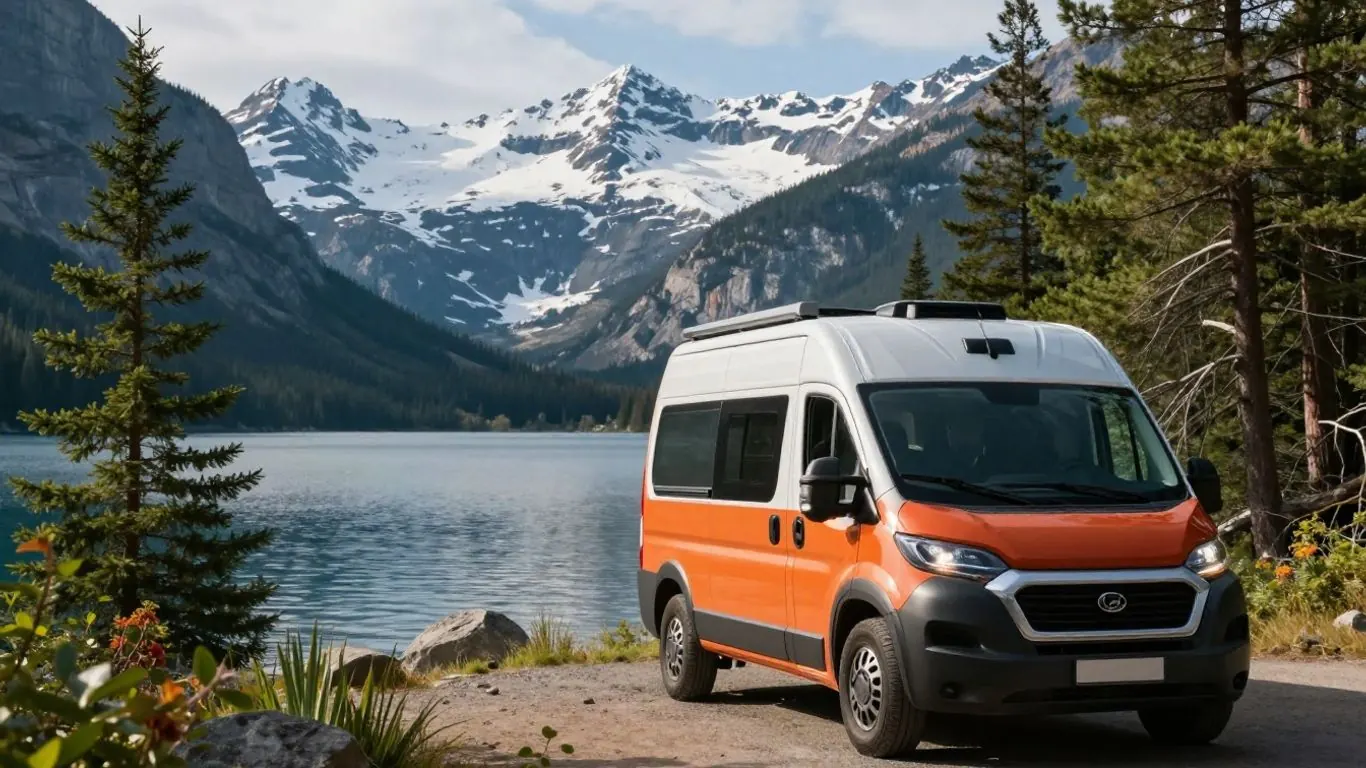
Road, weather, campground and wildlife conditions change by route and season. This is a planning checklist, not a guarantee of safe travel. Check the responsible road authority and destination before every driving day, and adjust or postpone plans when conditions require it.
Prepare before the vehicle moves
- Check the current road and weather reports for each jurisdiction on your route, rather than relying on a saved itinerary or screenshot.
- Know the motorhome’s dimensions, fuel requirements, warning indicators and operating instructions before a long or unfamiliar drive.
- Tell a trusted person the planned route and expected arrival time, particularly before a remote stretch.
- Carry appropriate supplies for the season, your route and your passengers; update the plan if conditions or services change.
Transport Canada: planning a winter driving trip
Use official road information at the time of travel
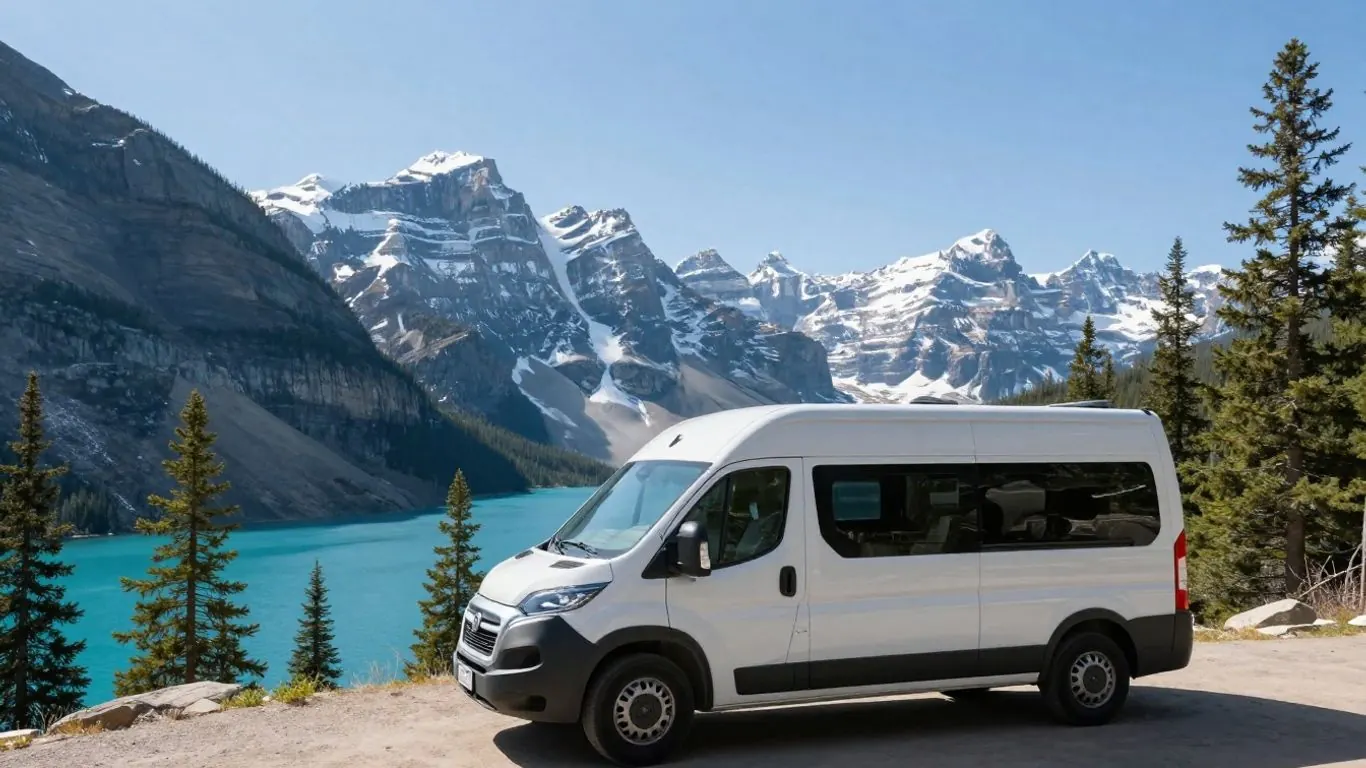
Alberta 511 provides current road conditions, closures, incidents, construction, cameras and weather-related information for provincial highways. It is useful for planning, but conditions can change rapidly and drivers must not consult it while driving.
Alberta 511 road conditions
Respect park rules and wildlife
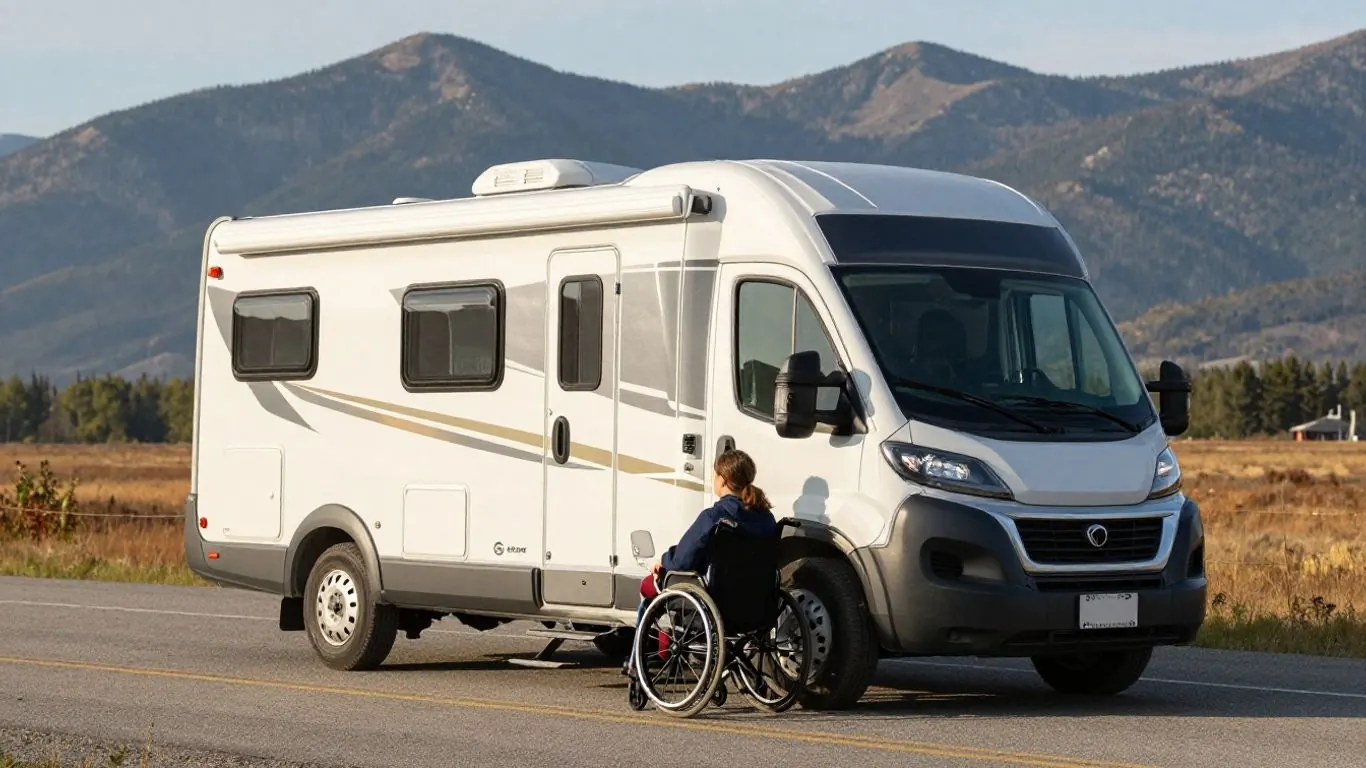
Parks Canada advises visitors to follow posted speed limits, watch for other road users and wildlife, and stay alert. Use the current rules and alerts for the exact park or protected place you plan to visit; do not assume one park’s restrictions apply everywhere.
Parks Canada visitor safety tips
Do not stop on a roadway for wildlife viewing, drive off-road in protected areas, or treat this page as emergency guidance. In an emergency, contact the relevant emergency service. For ordinary trip decisions, use current official reports and the rules at your destination.
Building safety into the daily plan
Most safety decisions on a motorhome trip happen in the morning: checking the road report, weather and any park alerts before setting off, and deciding whether to drive at all. Leave enough slack in the itinerary that waiting out bad conditions does not cost a campground booking.
Before remote stretches, fill the fuel tank, tell someone your expected arrival time, and carry offline copies of reservations and emergency contacts.
Wildfire smoke and closures
In summer, wildfires can close roads and parks and reduce air quality across wide areas. Check provincial wildfire information and park alerts along with road reports, and be ready to change the route. Respect fire bans at campgrounds, which can apply even to campfires in fire rings.
Driving a large vehicle safely
- Know the vehicle's height and length, and watch for low bridges, overhangs and drive-through roofs.
- Leave more braking distance than in a car, especially downhill.
- Use lower gears on long mountain descents rather than riding the brakes.
- Pull over where safe to let traffic pass if a queue builds behind you.
- Have a passenger guide you when reversing.
Rest and fatigue
Fatigue is a bigger risk than traffic on long Canadian highways. Keep most days to a few hours of driving, stop every couple of hours, and avoid long drives on the day you arrive from an overseas flight. See the motorhome readiness checklist for the daily routine.
If something goes wrong
Keep the rental company's roadside assistance number in the vehicle and on your phone. If you break down, move off the road if you can, switch on hazard lights and stay with the vehicle unless it is unsafe. Report any accident or damage to the rental company as its agreement requires, and photograph the scene. In an emergency, call 911.
Weather by season
Even in summer, mountain passes can see snow, and coastal routes can be foggy. Spring and autumn bring frost and early darkness. If conditions are poor, delaying departure by a few hours is usually the safest choice.
Frequently asked questions
Where should I check road conditions?
Use the official road-report service for each province or territory on your route, such as Alberta 511 in Alberta. Check before you drive, not while driving.
Do park rules differ between parks?
Yes. Check the current rules and alerts for the exact park you plan to visit rather than assuming one park's restrictions apply everywhere.
What should I do before a remote stretch?
Fill the fuel tank, carry suitable supplies for the season, and tell a trusted person your route and expected arrival time.