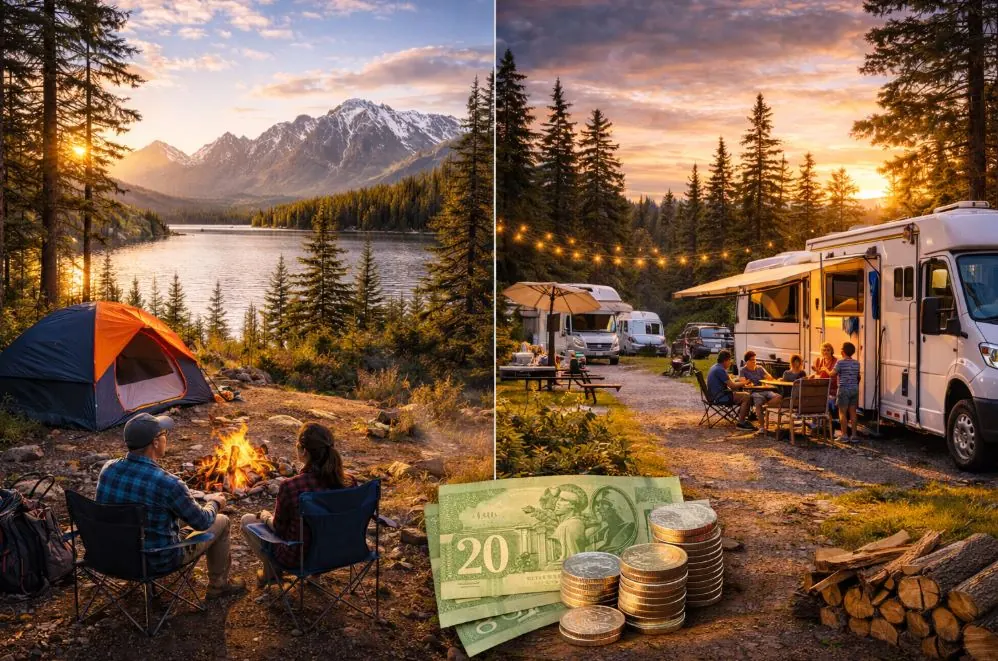
Where you stay is a huge part of the motorhome experience. The right campground can turn a good trip into an unforgettable one—especially in Canada, where many campgrounds place you close to lakes, trailheads, beaches, and iconic scenic drives.
This page shows you how to choose the best places to stay, what different campground types offer, how to plan your reservation strategy, and what to expect for pricing.
And if you’d rather not guess where to stop each night: book your motorhome with CanadaMotorhomeTrips.com. For 7+ day bookings, you receive a complimentary custom itinerary with recommended campground areas and scenic stop pacing.
1) National & Provincial Park Campgrounds
These are the “front-row seat” campgrounds—often the most scenic and the most memorable.
Why travelers love them:
natural settings (lakes, forests, mountain views)
direct access to trails and viewpoints
strong overall value compared to private resorts
classic campfire atmosphere
Trade-offs to plan for:
limited hookups at many sites
fewer services (laundry, Wi-Fi, long showers)
high demand in peak season
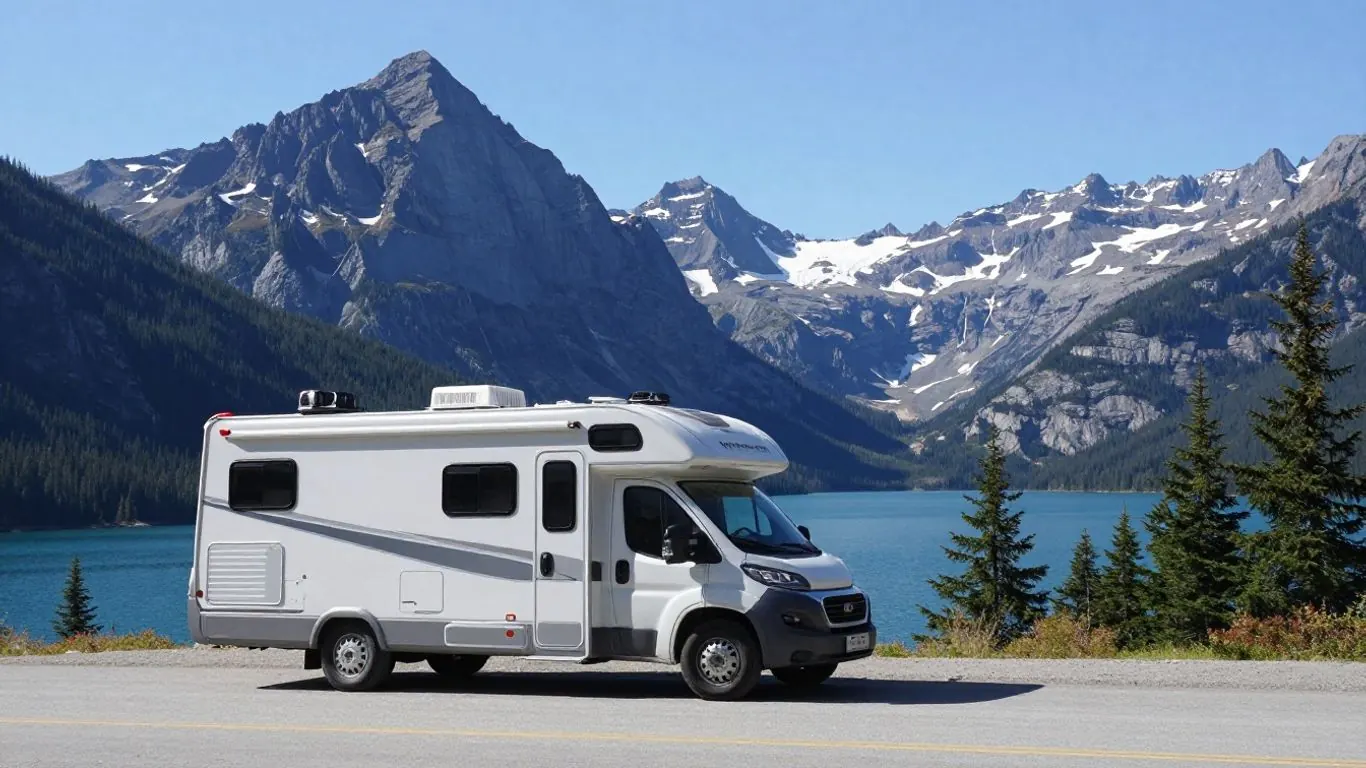
2) Private RV Parks & Resorts
Private RV parks are about convenience and amenities—excellent for “reset nights.”
Common amenities:
full hookups (power, water, sewer)
showers, laundry, store/ice, sometimes pools or playgrounds
easier check-in and predictable services
Why they’re valuable:
perfect for families who want comfort
ideal mid-trip for laundry and longer showers
often located near towns and supply stops
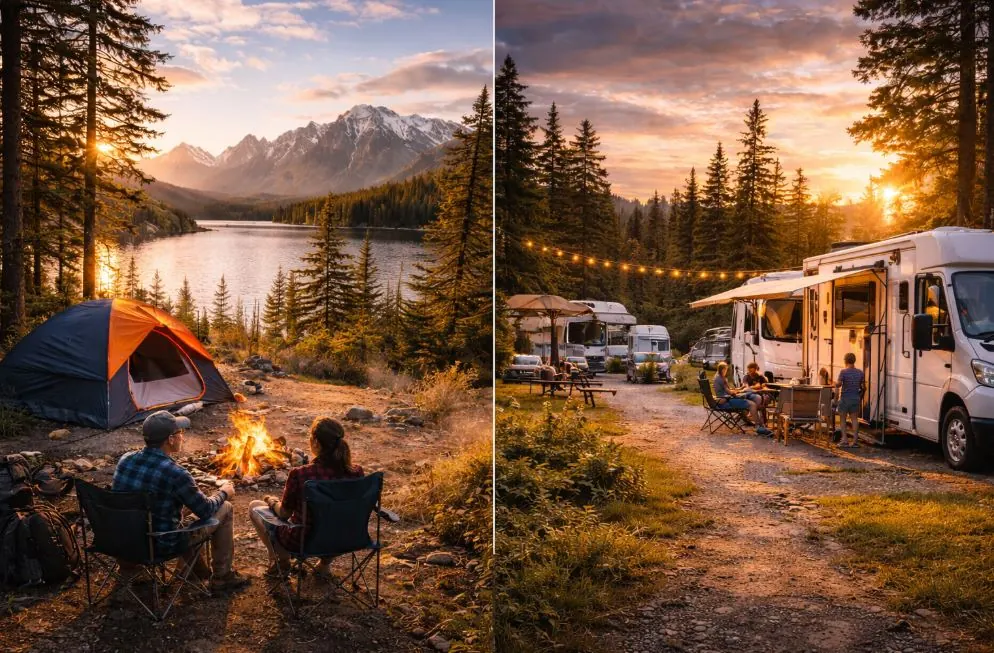
3) Scenic “In-Between” Campgrounds
These are the spots that create the unexpected highlights: a beach sunset, a quiet lake, or a forest campsite that feels completely removed.
They’re often smaller, less commercial, and perfect for travelers who want more nature and fewer crowds.
Typical Campground Pricing in Canada
Budget tip: plan a mix. Many travelers do most nights in scenic public campgrounds, then add a private RV park every few days for comfort and logistics.
Booking Strategy: How to Avoid “Everything’s Full” Stress
The #1 campground mistake is waiting too long to plan summer travel.
If you’re traveling July or August
- reserve key campgrounds early (especially in iconic park regions)
- choose a few “anchor nights” and build flexibility around them
- plan realistic drive distances so you’re not forced into the nearest full campground
If you’re traveling May, June, or September
- you often have more flexibility
- still book early for the most popular places
- confirm opening dates and service levels in shoulder season
Best practice: lock in the campgrounds that matter most, and keep the rest adaptable.
Hookups Explained (So You Know What You’re Booking)
Campground listings often use these terms:
- No hookups / unserviced: usually scenic and quiet, but no power or water at the site
- Partial hookups: typically power (and sometimes water)
- Full hookups: power + water + sewer at the site
If you’re not sure what your vehicle setup needs, consult CanadaMotorhomeTrips.com before booking—choosing the right mix of hookups helps your trip feel effortless.
Choosing Campgrounds by Region
Here’s how campground style changes across Canada:
Western Canada (mountains and big scenic routes)
- high demand in summer
- park campgrounds offer the most memorable scenery
- private RV parks are great for comfort nights and supply stops
Atlantic Canada (coastal drives and small towns)
- many scenic campgrounds with ocean viewpoints
- private parks can be great for showers/laundry mid-loop
- wind and fog are part of the charm—choose sites thoughtfully
Ontario & Quebec (lakes, forests, and city access)
- excellent public campgrounds for nature travel
- strong private RV park networks near towns
- great region for mixing city nights with nature stays
Boondocking / Wild Camping in Canada: The Real Story
Compared to some other countries, boondocking is more limited in Canada, especially in popular destinations.
Key points:
- rules vary widely by province and land type
- many iconic areas require campground reservations
- always follow posted signs and local regulations
- plan with official, legal options first
If you want flexibility without breaking rules, a smarter approach is mixing scenic public campgrounds with occasional private RV parks—this keeps your trip comfortable and legal.
Make Campgrounds Easy: Book and Consult With Us
Campground planning shouldn’t be stressful. When you book your motorhome through CanadaMotorhomeTrips.com, we help you travel smarter.
For 7+ day bookings, you receive a complimentary custom itinerary that includes:
- suggested daily pacing
- recommended campground areas
- scenic stop ideas that reduce backtracking and wasted drive time
Campgrounds & RV Parks FAQs
In peak summer, yes—especially in the most popular regions. Shoulder seasons offer more flexibility, but planning still improves your options.
Full hookups usually mean power, water, and sewer at your campsite. Partial hookups are often power only (sometimes water).
Yes—especially for laundry, longer showers, full hookups, and convenience. Many travelers use them as comfort “reset nights.”
No. Rules vary by region and land type, and many popular areas require paid campground reservations. Always follow local regulations.
suggested daily pacing
recommended campground areas
scenic stop ideas that reduce backtracking and wasted drive time
Frequently asked questions
Should I choose park campgrounds or private RV parks?
Most travellers mix them: public park campgrounds for scenery and value, and a private RV park every few nights for full hook-ups, laundry and showers.
When do I need to reserve campgrounds?
In July and August, key campgrounds in the Rockies and popular Atlantic areas can book out early, so reserve those nights first. Outside peak season there is more flexibility.
What do hook-ups mean?
Hook-ups are connections at the site for power, water and sometimes sewer. Many park sites offer limited or no hook-ups, while private RV parks usually offer full hook-ups.