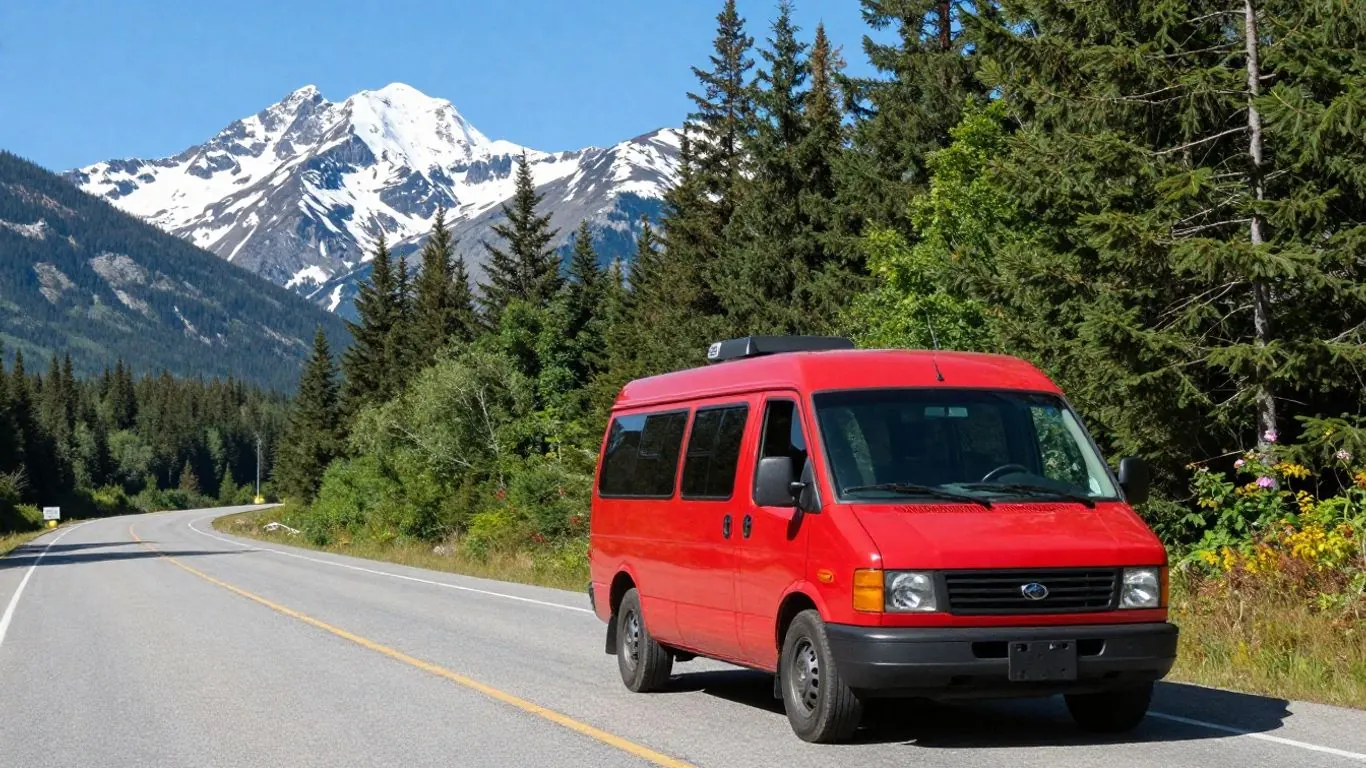
Canada is made for scenic road trips. From glacier-fed lakes to rugged coastlines and endless forests, a motorhome allows you to slow down, pull over often, and experience landscapes that are impossible to appreciate from a fast-paced itinerary.
This page highlights scenic-first motorhome travel —ideal for photographers, couples, and travelers who value views and atmosphere over distance covered.
What Makes a Route “Scenic-First”?
Scenic routes share a few traits:
- frequent viewpoints and pullouts
- short driving distances
- multiple-night base camp stays
- sunrise and sunset access from campgrounds
Motorhome travel excels here because your accommodation is already in the landscape.
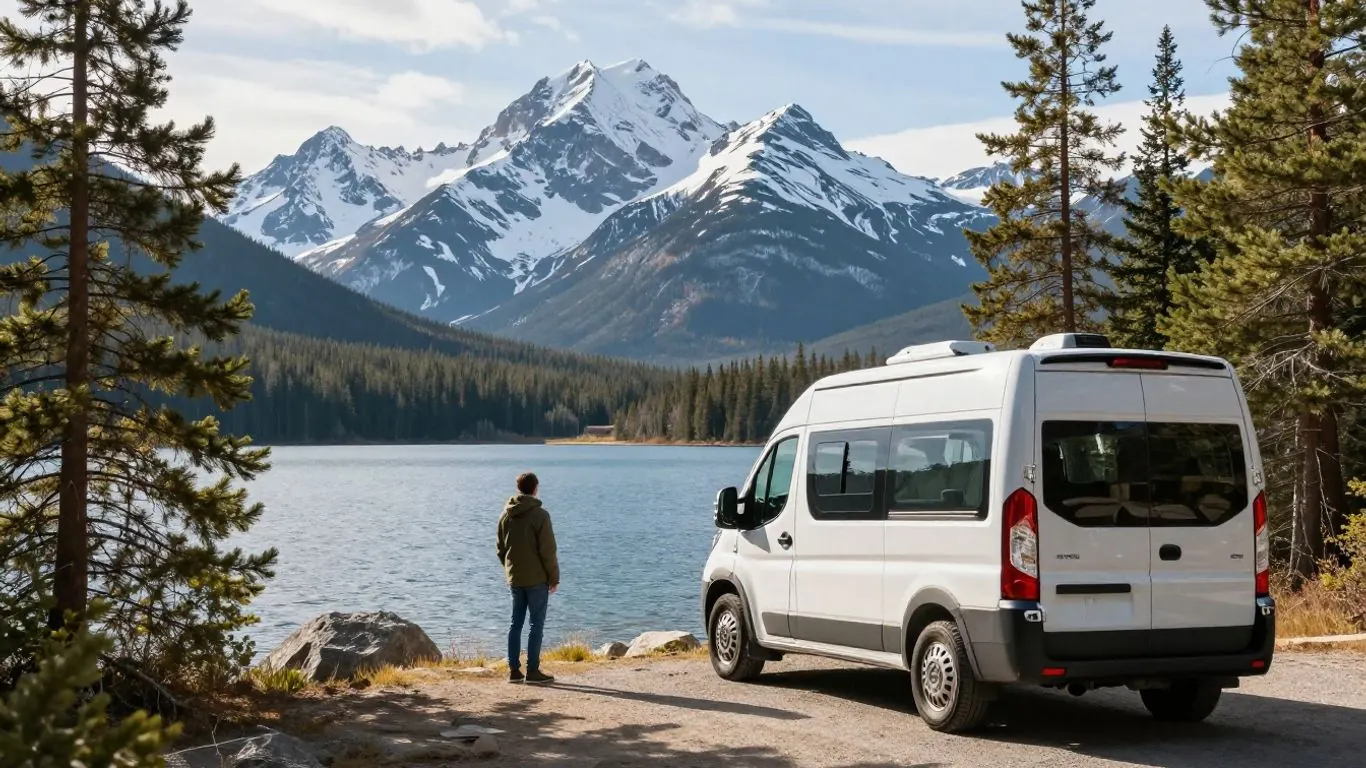
Western Canada (Mountains & Lakes)
Highlights include turquoise lakes, glaciers, and alpine highways in regions around Canadian Rockies.
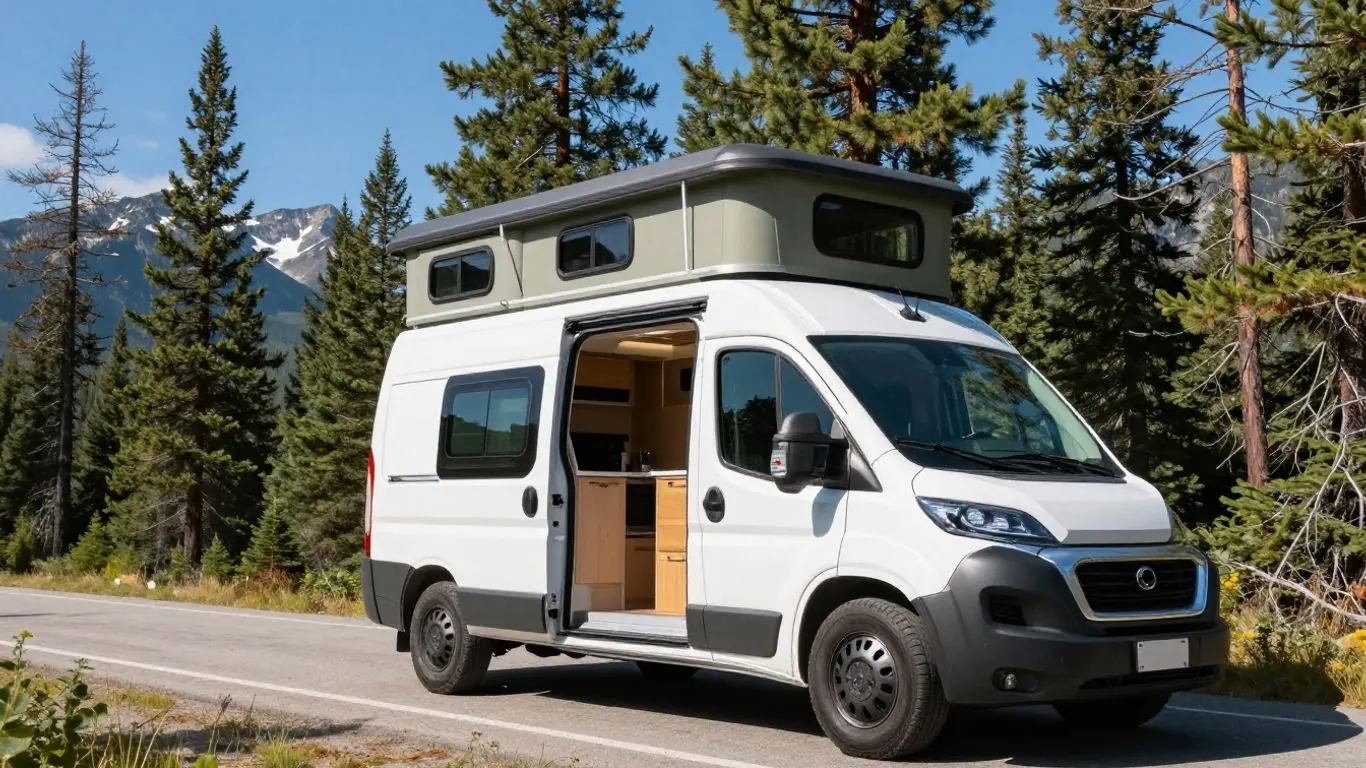
Atlantic Canada (Coastlines & Lighthouses)
Slow coastal roads, fishing villages, and dramatic ocean views make this ideal for photography-focused trips.
Ontario & Quebec (Lakes, Rivers & Forests)
Ideal for fall color trips, quiet lake mornings, and river landscapes.
Best Trip Length for Scenic Travel
Ideal length: 7–14 days This allows time to:
- stay multiple nights in scenic bases
- return to viewpoints in different light
- avoid driving during harsh weather or fog
Campgrounds That Enhance the Experience
Scenic trips benefit from campground choice more than almost any other travel style.
Look for:
- waterfront or mountain-view sites
- smaller public campgrounds
- quiet areas with fewer RVs
Typical campground costs:
Scenic Routes FAQs
Western Canada delivers the most dramatic scenery per day, while Atlantic Canada offers relaxed coastal beauty.
Yes. Campervans are excellent for scenic routes with frequent stops and pullouts.
Some planning helps—especially for campground locations—but flexibility is part of the appeal.
Start Planning
If your priority is scenery, photography, and relaxed pacing, we can help shape the right route.
You can:
For trips of 7 days or longer, bookings include a complimentary custom itinerary with scenic emphasis and viewpoint-friendly pacing.
Planning around light and pullouts
For photography, the campground location matters more than the daily distance. A base within a short drive of a lake or viewpoint lets you return at sunrise or in the evening without breaking camp.
Pullouts on mountain and coastal roads are not all sized for motorhomes, so a campervan or small Class C gives more flexibility. Never stop on the roadway itself for a photo.
Named scenic drives to build around
- Icefields Parkway between Lake Louise and Jasper, with glaciers and lakes along the way.
- Sea-to-Sky Highway from Vancouver toward Whistler, along Howe Sound.
- Cabot Trail around northern Cape Breton, with coastal cliffs and highland views.
- Lighthouse Route along Nova Scotia's South Shore, including Peggy's Cove.
- Fall colour in Ontario and Québec park country, such as Algonquin and the Laurentians.
Each is best driven slowly with time to stop, so allow more time than the distance suggests.
Practical tips for photographers
Long summer days in Canada mean early sunrises and late sunsets, especially further north, so check local times when planning. Keep camera gear secured while driving, since items shift in a motorhome. Carry a way to charge batteries from the vehicle, and ask the rental company what power is available when you are not on hook-ups.
Seasons and scenery
Early summer brings full rivers and snow on the peaks; late summer is usually the most settled weather; September and early October bring autumn colour, especially in Ontario, Québec and the Atlantic provinces, along with cooler nights and fewer visitors. Some high mountain lakes stay frozen into early summer, so check park conditions if a specific view is the reason for your trip.
Frequently asked questions
Which region is best for scenic driving?
Western Canada delivers the most dramatic scenery per day, while Atlantic Canada offers relaxed coastal views. Ontario and Québec are strong for fall colour.
Is a campervan a good choice for photography?
Yes. Campervans are easier to stop and park at viewpoints and pullouts.
How long should a scenic trip be?
7 to 14 days lets you stay several nights in scenic bases and return to viewpoints in different light.