
A cross-Canada motorhome adventure is one of the most immersive ways to experience the country. Instead of flying between highlights, you travel through Canada’s landscapes gradually—watching coastlines turn into mountains, mountains into prairies, prairies into forests, and forests into rugged Atlantic shores.
This page focuses on the experience and travel style of a coast-to-coast motorhome journey, helping you decide whether this type of trip fits your time, travel goals, and comfort level.
What Defines a Cross-Canada Motorhome Adventure
A true cross-country motorhome trip is not about speed. It’s about continuity —seeing how Canada connects from west to east (or east to west).
Key characteristics include:
- traveling through multiple provinces on one continuous journey
- staying multiple nights in key regions rather than rushing
- accepting that some days are about movement, others about exploration
- letting the trip evolve rather than following a rigid checklist
This style of travel appeals to people who enjoy the journey as much as the destinations.
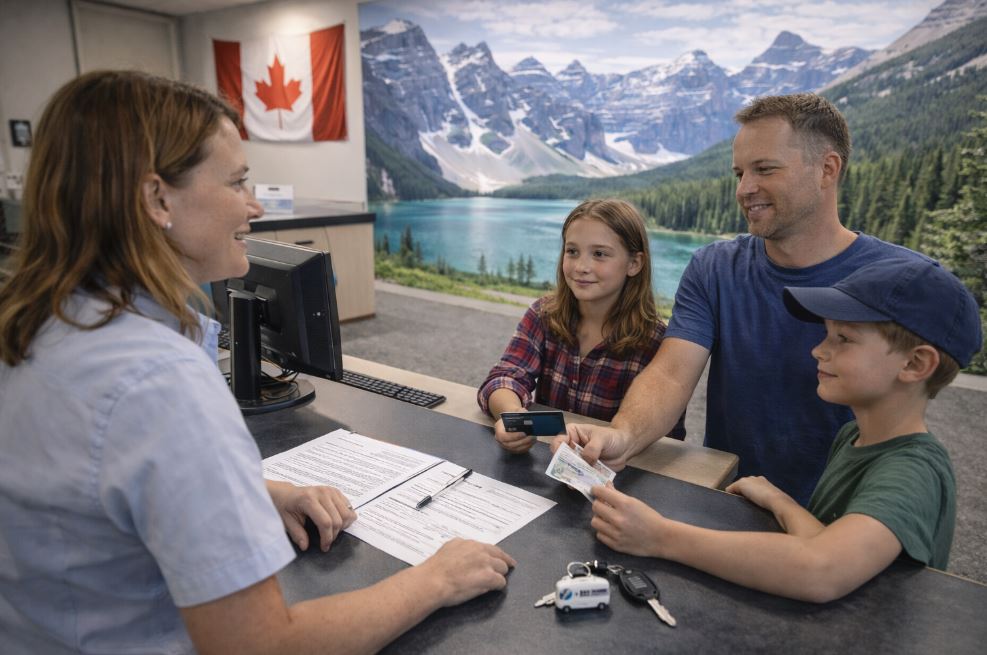
Who This Type of Trip Is Best For
Cross-Canada motorhome adventures are best suited for travelers who:
- have 3–6 weeks available
- are comfortable with long distances spread over time
- value variety over efficiency
- enjoy slow travel and changing scenery
- want a meaningful, memory-driven experience
If your time is limited, many travelers choose regional cross-country segments instead of the full coast-to-coast route.
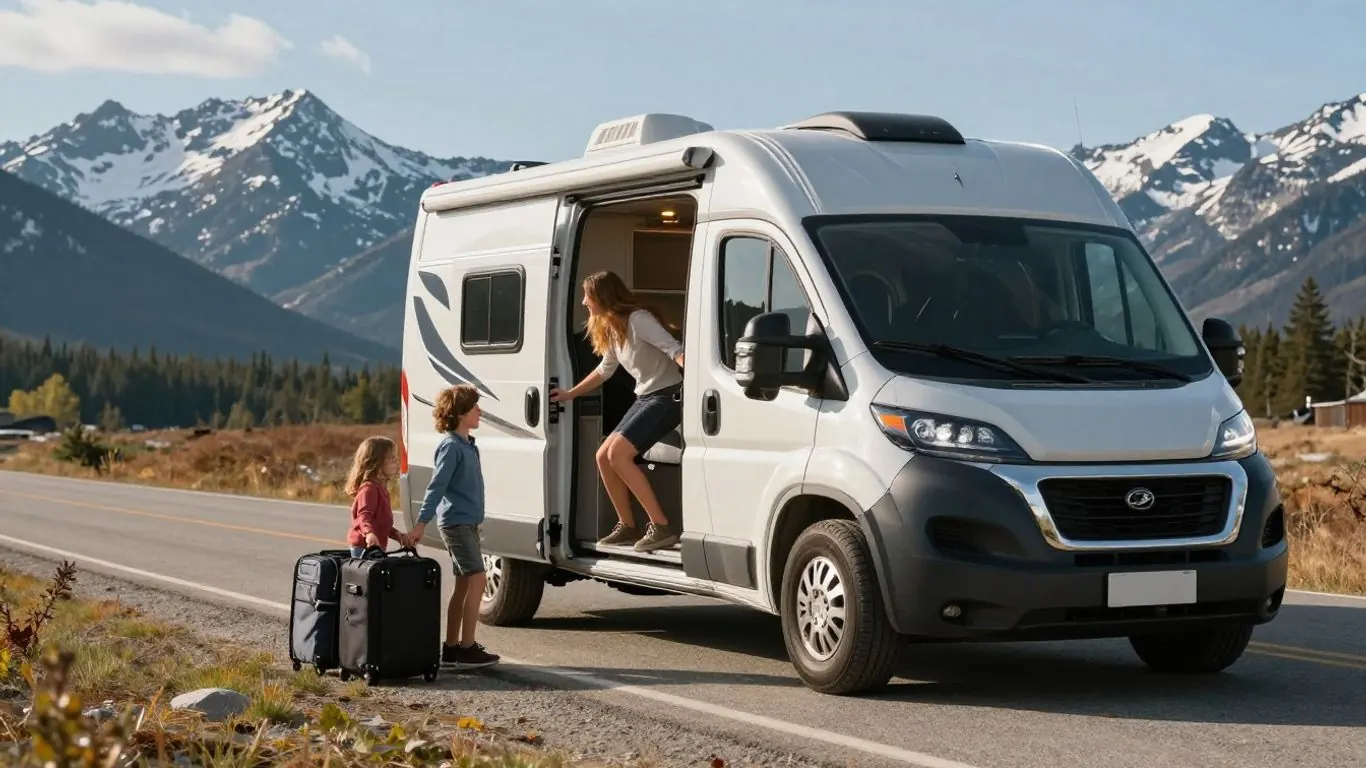
How Long Does a Cross-Canada RV Trip Take?
Most travelers plan for:
- 30–45 days for a relaxed coast-to-coast journey
- 21–30 days for a faster-paced version with fewer regional stops
- 14–21 days for one or two major segments (e.g., West + Prairies or Central + Atlantic)
Trying to compress the entire country into less than three weeks usually results in too much driving and not enough enjoyment.
Pacing a Long-Distance Motorhome Journey
Successful cross-Canada trips share a few planning principles:
- limit most driving days to 3–5 hours
- schedule regular multi-night stays
- build in rest or “no-drive” days
- avoid backtracking whenever possible
Long trips feel far more enjoyable when the route flows naturally from one region to the next.
Choosing the Right RV for a Cross-Canada Trip
Comfort matters more as trip length increases.
Most travelers choose:
- Class C motorhomes for balance, storage, and livability
- Class A motorhomes for maximum space on very long trips
Fuel use, campground strategy, and living space all become more important the longer you travel.
Learning From Real Cross-Country Family Travel
Families who have completed cross-Canada RV journeys often highlight the same lessons: slow down, stay flexible, and focus on shared experiences rather than distance covered. Long-form family RV trips across Canada show how manageable—and rewarding—this style of travel can be when paced thoughtfully.
This is the same planning philosophy used by CanadaMotorhomeTrips.com when helping travelers shape long-distance routes.
Cross-Canada Motorhome FAQs
Most travelers plan between 30 and 45 days for a comfortable pace.
Both directions work well. Many travelers choose west to east to finish at the Atlantic.
Key regions should be planned ahead, but flexibility between regions improves the experience.
Living with a long trip
On a journey of several weeks, rhythm matters more than any single stop. Many travellers settle into a pattern of two driving days followed by a rest day, with a private RV park every few nights for laundry, full hook-ups and a reset.
Check early whether your rental company allows the one-way drop-off you need and how mileage is charged over this distance, because both have a large effect on cost. Unlimited vs limited mileage explains the options.
Practical points for a long rental
Long rentals raise questions that short ones do not: how routine servicing is handled during the trip, what happens if a repair is needed far from a depot, and whether the company limits the total distance. Ask about these before booking, and keep the roadside assistance number with your documents.
Seasons across the country
A coast-to-coast trip passes through regions with different seasons. Mountain passes and northern routes have the shortest window, while the Atlantic provinces stay pleasant into September. Many travellers time the trip so they cross the Rockies in summer and finish on the Atlantic coast in early autumn.
Frequently asked questions
How long does a cross-Canada trip take?
Most travellers plan 30 to 45 days for a relaxed coast-to-coast journey. A faster version takes 21 to 30 days, and 14 to 21 days suits one or two segments.
Do I have to drive the whole country in one trip?
No. Many travellers choose regional segments, such as West and Prairies or Central and Atlantic, and return for the rest another time.
Which direction is better, west to east or east to west?
Either works. Choose based on flights, the season in each region at your travel dates, and where the rental company allows a one-way drop-off.