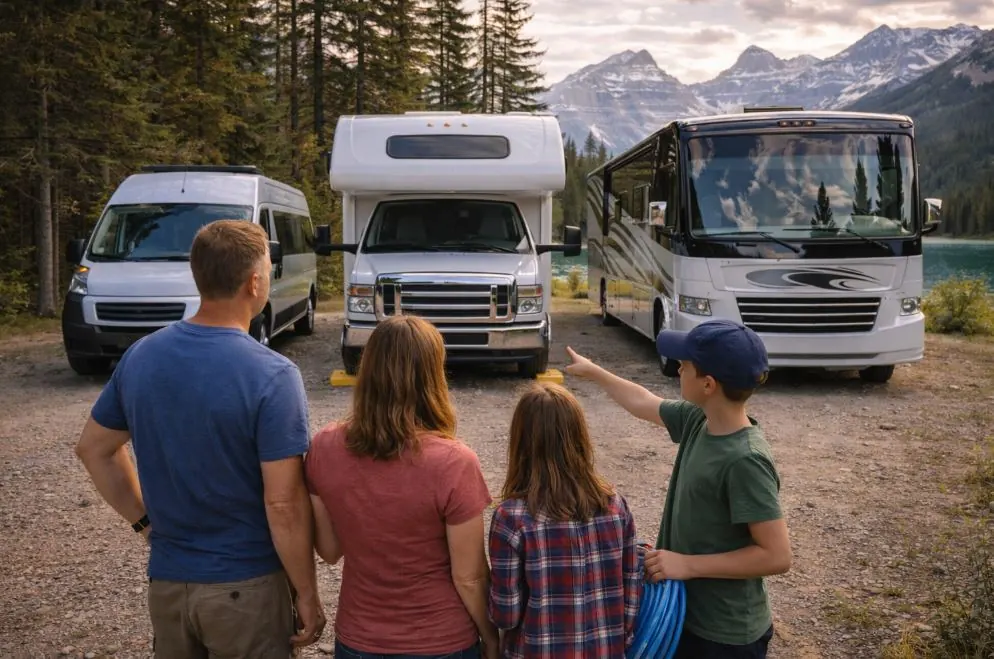
Choosing the right RV is one of the biggest decisions for any Canada motorhome trip. The “best” vehicle isn’t the biggest or the cheapest—it’s the one that matches your group size, route style, and driving comfort.
This page compares the most common RV categories used in Canada so you can decide confidently. If you want a recommendation tailored to your dates and itinerary (Western Canada, Atlantic, Ontario/Quebec, or cross-country), consult CanadaMotorhomeTrips.com —and if your rental is 7+ days, you’ll receive a complimentary custom itinerary with scenic stops and campground areas.
Fast Decision Guide: Pick Your RV in 60 Seconds
Use this quick guide:
- Traveling as a couple and want easy driving + flexibility? → Campervan (Class B)
- Traveling as a family and want the best all-around balance? → Class C Motorhome
- Want maximum space for longer trips and comfort nights? → Class A Motorhome
- Comfortable with different setups and want flexibility/value? → Truck camper or towable
If you’re unsure, tell CanadaMotorhomeTrips.com your route and group size—we’ll recommend the best fit.
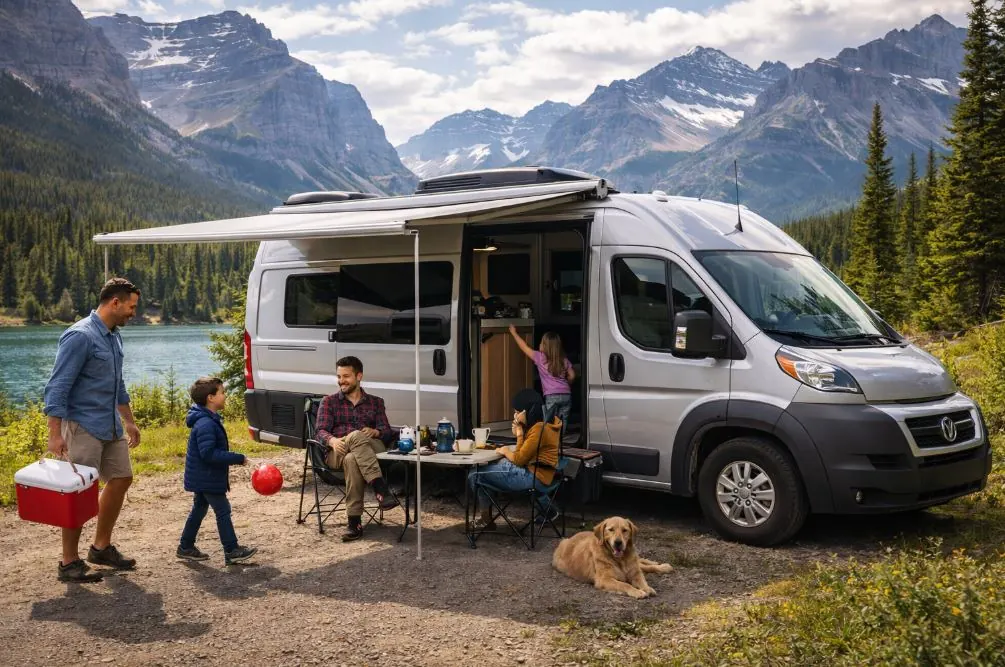
1) Campervan (Class B)
Best for: couples, solo travelers, first-time drivers who want simplicity Travel style: flexible, scenic, easy stops Why people love it: easy driving, easier parking, great fuel efficiency compared to larger RVs
Pros
- easiest to drive and park
- great for scenic routes with lots of pullouts
- usually lower fuel use than large motorhomes
- ideal for short getaways and couples trips
Considerations
- less interior space for lounging
- smaller storage for gear
- limited sleeping capacity (best for 1–2 people)
Best match routes: Western Canada (couples), Atlantic loops, 5–7 day getaways, city + nature blends.
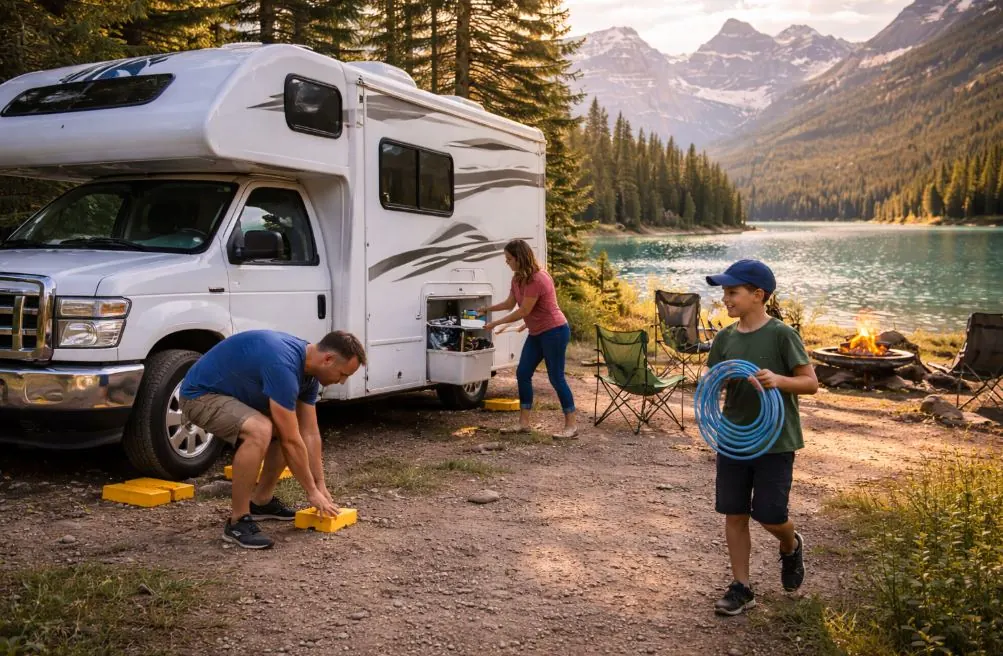
2) Class C Motorhome
Best for: families, small groups, travelers who want comfort without “bus-sized” driving Travel style: the most popular all-around option
Class C motorhomes are the most common choice for Canada motorhome trips because they balance comfort and drivability extremely well.
- great living space for families
- comfortable sleeping and storage
- easier to drive than the largest RV types
- excellent for 7–21 day regional travel
- larger than a campervan (parking takes more thought)
- higher fuel use than smaller vehicles
- peak-season demand is high for popular sizes
3) Class A Motorhome
Best for: travelers who prioritize space, comfort, and longer stays Travel style: “luxury road trip” with fewer compromises
Class A motorhomes offer maximum interior space, often with more upscale layouts and features.
- largest living space and comfort
- strong for long stays and longer journeys
- excellent for travelers who want a more “home-like” feel
- larger driving footprint (best for confident drivers)
- can be more expensive in peak season
- campground selection can be slightly narrower in very tight or rustic locations
Best match routes: longer cross-country travel, comfort-first itineraries, longer stays where living space matters.
4) Truck Campers & Towables
Best for: travelers who like flexibility/value and are comfortable with different RV setups Travel style: adaptable, often budget-conscious
These setups can work well depending on your comfort level and route.
- flexible options for certain travel styles
- potentially strong value
- good for travelers who enjoy a more “camping-forward” RV experience
- towing adds complexity for first-timers
- setup/handling differs from standard motorhomes
- storage and living space varies widely
What Matters Most When Comparing RV Types
Here are the decision factors that actually affect your trip:
Driving confidence
If you’re nervous about handling a large vehicle, choose smaller. A relaxed driver makes a better trip.
Route and parking
City-heavy routes and tight scenic pullouts are easier with smaller RVs.
Campground strategy
Public park campgrounds can be more rustic; private RV parks offer full hookups. Your RV type affects how much you care about hookups and space.
Typical campground costs:
Budget
Your RV choice affects:
If you want the right
Compare RV Types FAQs
Many first-timers choose a campervan for easy driving or a Class C for a comfortable family-friendly layout.
Class C motorhomes are the most common all-around choice for comfort and drivability.
Yes—especially for couples and shorter trips. For longer trips or families, more space may be preferred.
Usually yes. Larger RVs tend to cost more in daily rental and fuel, and may influence campground preferences.
Mountain and coastal routes work well with any type, but city-heavy routes and tight pullouts are easier with smaller RVs.
Start planning
Choosing the right RV is easier with the right route and the right pacing. Consult CanadaMotorhomeTrips.com for a recommendation, then book your motorhome through our site. For 7+ day bookings, you’ll receive a complimentary custom itinerary with scenic stops and campground areas.
Frequently asked questions
Which RV type is easiest for a first-time driver?
A campervan (Class B) is the easiest to drive and park. A Class C is a good step up for families who need more beds.
Is a Class A worth it for a Canada trip?
It offers the most space for longer trips, but it is harder to drive and park and not every campground site takes a large vehicle.
Does the RV type affect where I can camp?
Yes. Vehicle length decides which campground sites you can book, so check the limits for your key campgrounds before choosing.