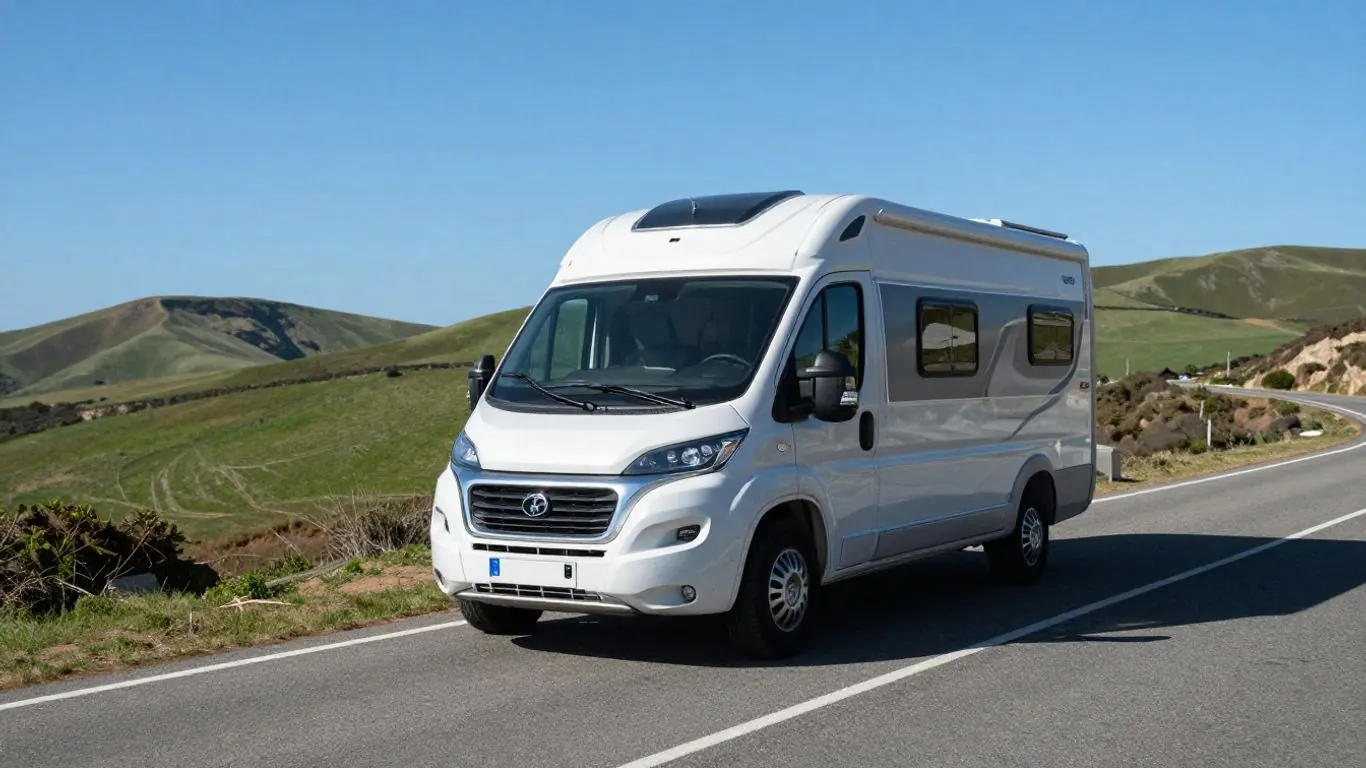
If you want the “classic” Canada RV trip—towering peaks, turquoise lakes, glaciers, wildlife, and postcard-perfect scenic drives—this Western Canada motorhome itinerary is the best place to start. It’s ideal for first-time visitors because the route is straightforward, services are reliable, and the scenery is world-class every day.
This itinerary is designed for 7–10 days (with easy extensions to 12–14 days). It includes realistic driving days, highlight stops, and campground strategy tips so your trip stays fun instead of rushed.
Best Trip Length (and Who This Itinerary is For)
Best for: first-time Canada visitors, couples, families, photographers, nature lovers Ideal length: 7–10 days Extended length: 10–14 days (recommended if you want more hiking + lake time)
If you only have one region to choose, Western Canada delivers the highest “wow factor” per day.
Route Overview (Vancouver to Calgary)
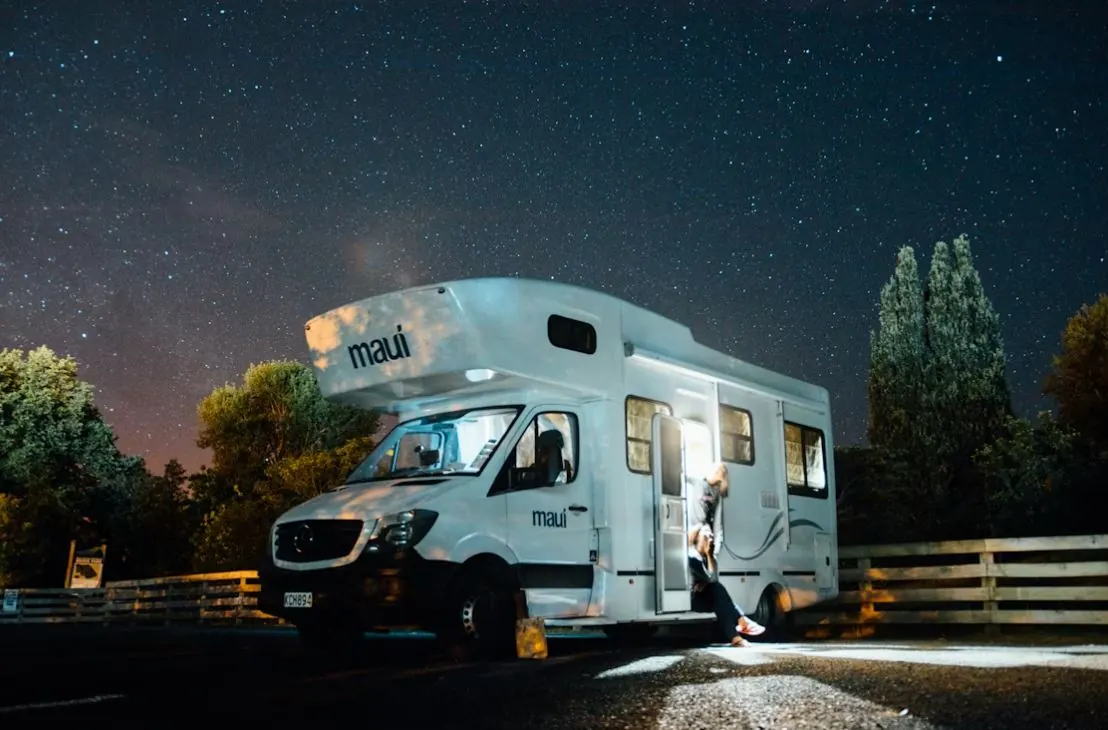
Start in Vancouver, travel the iconic Sea-to-Sky corridor toward Whistler, then head through the interior of British Columbia toward the Canadian Rockies. From there you’ll explore Jasper National Park, drive the legendary Icefields Parkway, and finish in Banff National Park before ending in Calgary.
Why this route works for motorhomes:
- scenic drives are the attraction, not a chore
- campgrounds are plentiful (but book early in peak season)
- highlights are naturally spaced for realistic drive days
Day 1–2: Vancouver (Pick up + Settle In)
Start your trip by picking up your motorhome in Vancouver and doing a relaxed “RV-friendly” intro day.
Top ideas (choose what fits your style):
- Stanley Park loop and viewpoints
- waterfront strolls and easy city sightseeing
- stock up groceries and supplies for the road
- practice basic RV systems in a calm campground setting
Campground strategy: Stay just outside central Vancouver for easier access and a smoother first-night setup.
Day 3: Vancouver → Whistler (Sea-to-Sky Highway)
This is one of the most scenic drives in Canada and an ideal “short” drive day.
Why it’s great:
- easy pacing
- stops are part of the fun
- perfect for a first scenic day in the RV
Suggested stops:
- viewpoints and short walks along the corridor
- quick photo pullouts (don’t rush—this is the point)
Campground strategy: Choose a campground area near Whistler so you can explore without long repositioning drives.
Day 4: Whistler → Kamloops / Interior BC
This is a transition day that moves you toward the Rockies while still delivering scenery.
What this day is about:
- relaxed road rhythm
- changing landscapes (coastal mountains to interior valleys)
Campground strategy: Interior BC is a great place for a comfortable overnight “reset” (often easier campground availability than the Rockies).
Day 5–6: Into the Rockies → Jasper National Park
Now the trip shifts into full mountain mode. Base yourself near Jasper for hiking, viewpoints, and wildlife opportunities.
Top Jasper-style experiences:
- scenic lakes and short hikes
- wildlife viewing (early morning and evening are best)
- relaxed campground evenings with mountain air
Campground strategy: In peak season, Jasper-area campgrounds can fill early. Book your Jasper nights as “anchor nights” if traveling July/August.
Day 7: Jasper → Icefields Parkway → Lake Louise Area
The drive between Jasper and Banff (via the Icefields Parkway) is one of the most legendary routes on earth.
How to do it right:
- start early
- plan multiple scenic stops
- avoid rushing the drive (it’s the highlight, not a transfer)
Campground strategy: Stay near the Lake Louise area or within a practical base zone that reduces backtracking.
Day 8–9: Banff National Park (Base and Explore)
Banff is the heart of the Rockies experience: mountain towns, turquoise lakes, and scenic drives.
Top Banff-area highlights (choose your favorites):
- lake viewpoints and short hikes
- scenic drives and gondola-style experiences
- town exploration and relaxed dinners
Campground strategy: Banff-area nights are high demand in summer—reserve early. Mix scenic park nights with an occasional private RV park “amenities night” if you want laundry/showers.
Day 10: Banff → Calgary (Return + Easy City Finish)
End in Calgary for a simple return day. Many travelers add a final dinner out as a celebratory “trip complete” moment.
Western Canada Itinerary FAQs
7–10 days works well, but 10–14 days is better if you want more hikes and less rushing.
Yes. It’s a popular first trip because roads are reliable, scenery is concentrated, and campgrounds are well established.
In July and August, yes—especially in Jasper and Banff areas. Shoulder seasons may be more flexible.
Most travelers start in Vancouver or Calgary depending on flight options and one-way preferences.
Best Campground Strategy for This Route
To keep this trip smooth, use a simple model:
Frequently asked questions
How many days does the Vancouver to Calgary route need?
It is designed for 7 to 10 days, with 10 to 14 days recommended for more hiking and lake time.
Is this route one-way?
Yes, it runs Vancouver to Calgary, so it needs a one-way rental. Check availability and any one-way fee before booking flights.
Do I need to book campgrounds early?
In peak season, yes. Campgrounds are plentiful, but popular ones near Jasper and Banff fill early.