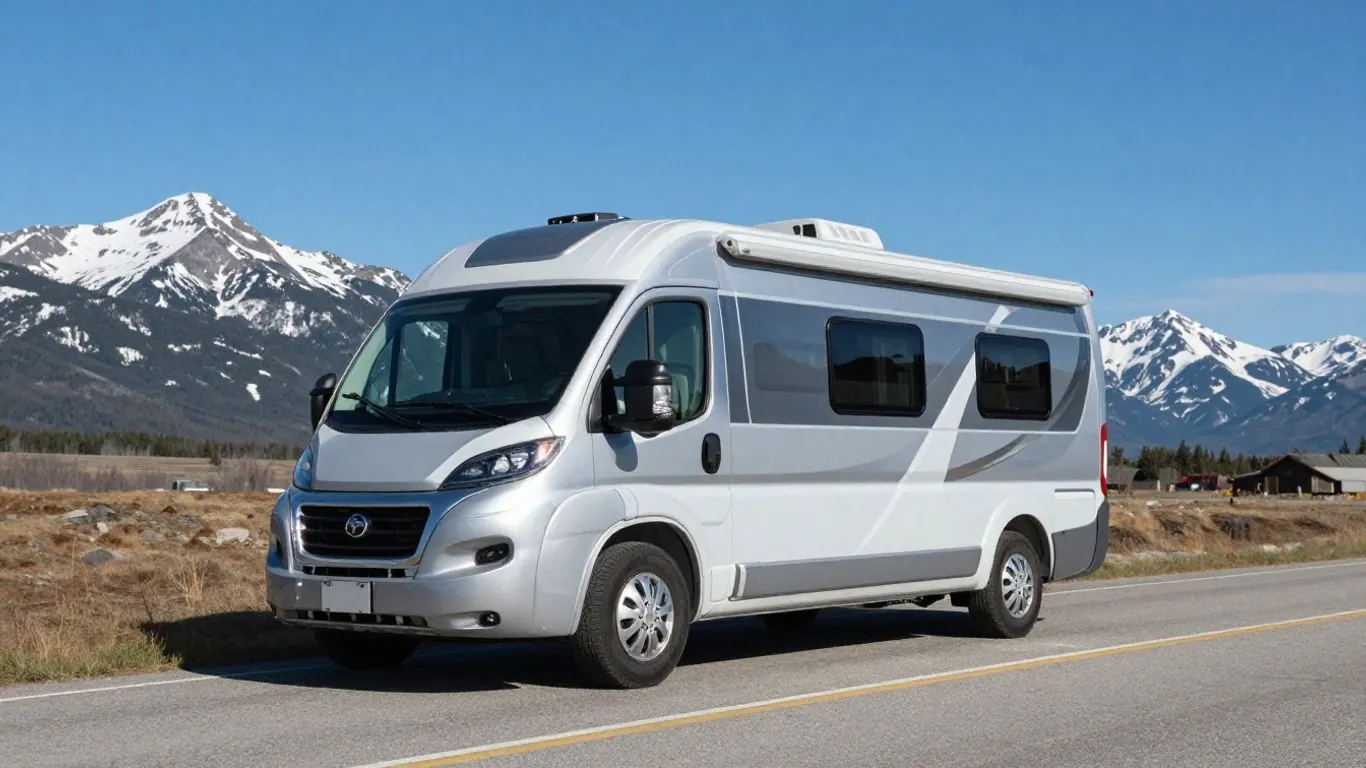
Ontario and Québec combine Canada's largest cities with lake-and-forest country, so a motorhome trip here mixes urban days with quiet campground nights. This route runs from Toronto through park country to Ottawa, Montréal and Québec City, then finishes in the St. Lawrence region.
It is designed for 9 to 12 days, with a faster 7 to 8 day version and a longer option of 12 to 14 days or more for extra nature time.
Best Trip Length (and Who It’s For)
Best for: culture lovers, food travelers, families who want variety, first-time visitors who want cities + outdoors Ideal length: 9–12 days Short version: 7–8 days (fast-paced but doable) Extended: 12–14+ days (best for extra nature time)
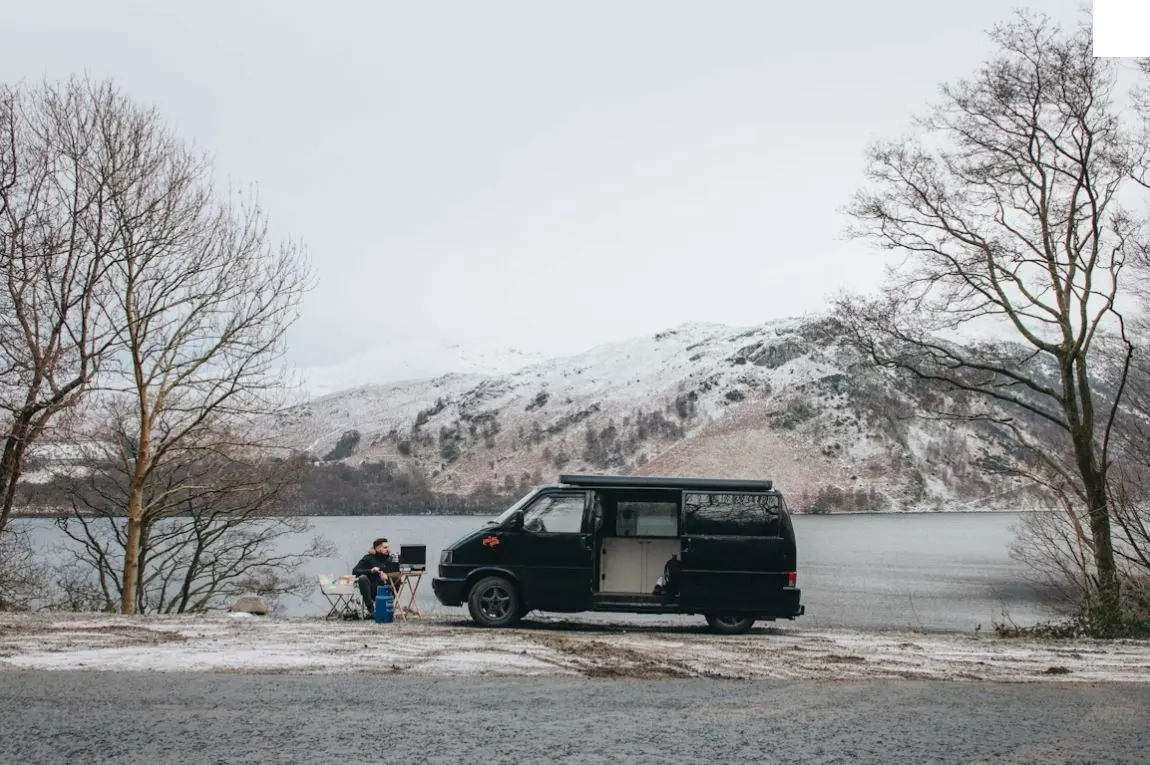
Route Overview (Toronto to Tadoussac Style Finish)
This route starts in Toronto, heads into classic Canadian lake-and-forest country (Algonquin-style parks), then moves through Canada’s capital in Ottawa, before shifting into French-Canadian culture in Montreal and Quebec City. A final stretch to the St. Lawrence region (Tadoussac-style whale watching area) makes for an unforgettable finish.
Why this route is great for motorhomes:
- lots of well-serviced campgrounds and RV parks
- easy-to-break-up driving days
- strong variety: cities + outdoors + culture
- flexible route: many add-ons without big detours
Day 1–2: Toronto (Pick up + City Highlights)
Start with a simple “RV-friendly” intro.
What to do:
- city waterfront time and neighborhoods
- groceries and supply run
- optional day trip toward Niagara-style sights if that’s on your list
Campground strategy: Stay outside downtown for easier access and a smoother setup. You can still visit the city by transit or short drives.
Day 3–4: Algonquin-Style Lake & Forest Escape
This is where the route shifts into “classic Canada” scenery: lakes, forests, and hiking.
Best experiences:
- short hikes and viewpoints
- canoe/kayak-style lake time
- campfire evenings and quiet mornings
Campground strategy: Public parks are often excellent value and scenery. In peak summer, book early.
Typical campground pricing:
Day 5: Ottawa (Capital Culture Day)
Ottawa is a great one- or two-night stop that adds variety and history.
Plan ideas:
- riverside walks
- museums or landmarks
- a relaxed city evening
Campground strategy: Choose a campground that gives easy access to city attractions without downtown RV driving.
Day 6–7: Montreal (Food, Culture, Energy)
Montreal delivers a distinctive “European-in-North-America” vibe—music, food, and lively neighborhoods.
Top experiences:
- old town walks
- food markets and restaurants
- city parks and viewpoints
Campground strategy: Stay outside the city core and use transit/short drives. This keeps motorhome travel easy.
Day 8–9: Quebec City (Historic Charm + River Views)
Quebec City is one of the most unique stops in Canada—historic streets and a strong “old world” atmosphere.
- historic district walks
- riverside viewpoints
- relaxed meals and evening strolls
Day 10–12: Tadoussac / St. Lawrence Region (Whales + Dramatic River Landscapes)
If you have the time, this extension is a highlight.
Why it’s worth it:
- whale watching-style experiences
- dramatic river views and coastal feel
- a “grand finale” stop before returning
Campground Strategy: City Access + Nature Bases
The best approach for this itinerary is a blended model:
- nature campgrounds during the Algonquin-style segment
- RV-friendly bases outside city centers for Toronto, Ottawa, Montreal, Quebec City
- occasional private RV park nights for full hookups and laundry
Western Canada Itinerary FAQs
9–12 days is ideal, but 7–8 days can work if you prioritize key stops.
Downtown driving can be stressful, so we recommend staying outside the city core and using transit or short drives. CanadaMotorhomeTrips.com can recommend RV-friendly base areas.
In peak summer, yes—especially for popular park regions and weekends. City-area RV parks can also fill.
Toronto is the most practical start for this route.
If you have the time, yes. It adds a memorable nature-and-wildlife finale.
Budget Notes (Typical Costs)
Costs vary by season and RV type. Helpful planning ranges:
Frequently asked questions
How long does the Toronto to Québec route take?
The route is designed for 9 to 12 days. A 7 to 8 day version is possible at a faster pace, and 12 to 14 days or more allows extra nature time.
Where should I camp near the big cities?
Stay outside downtown Toronto, Montréal and Québec City for easier access and setup, then visit by transit or a short drive.
Is this route one-way or a loop?
It can be either. A one-way route ending in Québec avoids backtracking but depends on the rental company offering that drop-off.