Travel guide
A Canada motorhome trip benefits from a flexible plan, a vehicle-specific check and live road information. Conditions, closures, vehicle requirements and park rules vary by route, province, season and weather, so this guide is a planning framework rather than a promise that a road or campground will be available.
Before each driving day
- Check the current road, weather, closure and visitor information for the route and jurisdictions you will actually use.
- Review the motorhome’s manual, warning indicators and the rental or insurance terms that apply to your vehicle.
- Carry an appropriate emergency kit and keep communication and charging plans practical for the trip.
- Share a realistic route and expected arrival plan with someone you trust, especially when conditions may change.
Driving around wildlife and protected areas
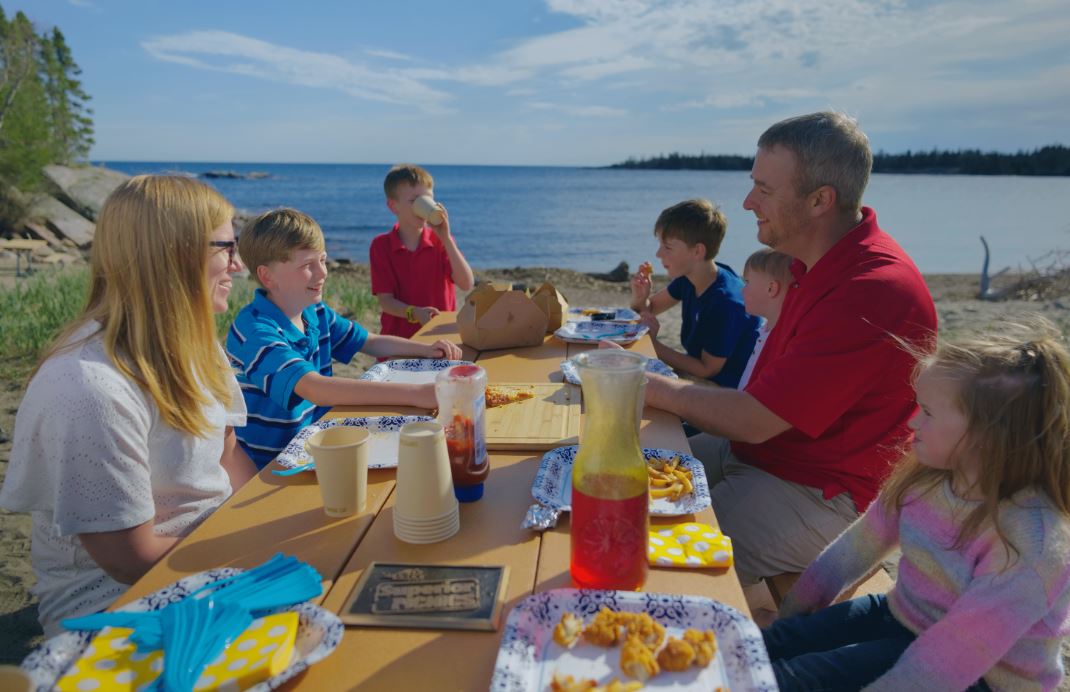
Parks Canada advises drivers to respect posted speeds, remain alert for wildlife and avoid creating hazards by stopping for roadside wildlife photographs. Follow the signage and local directions in the park or region you are visiting rather than relying on a generic route article.
Transport Canada’s winter-planning guidance is useful when cold-weather conditions are possible, but requirements and conditions are local and changeable. Check current provincial, territorial, park and operator information before departure; this page does not state seasonal tire rules, closure status, emergency contacts, driving times, prices or a safety guarantee.
Transport Canada: planning your winter driving trip
Parks Canada: making roads safer for wildlife
Preparing for the first driving day
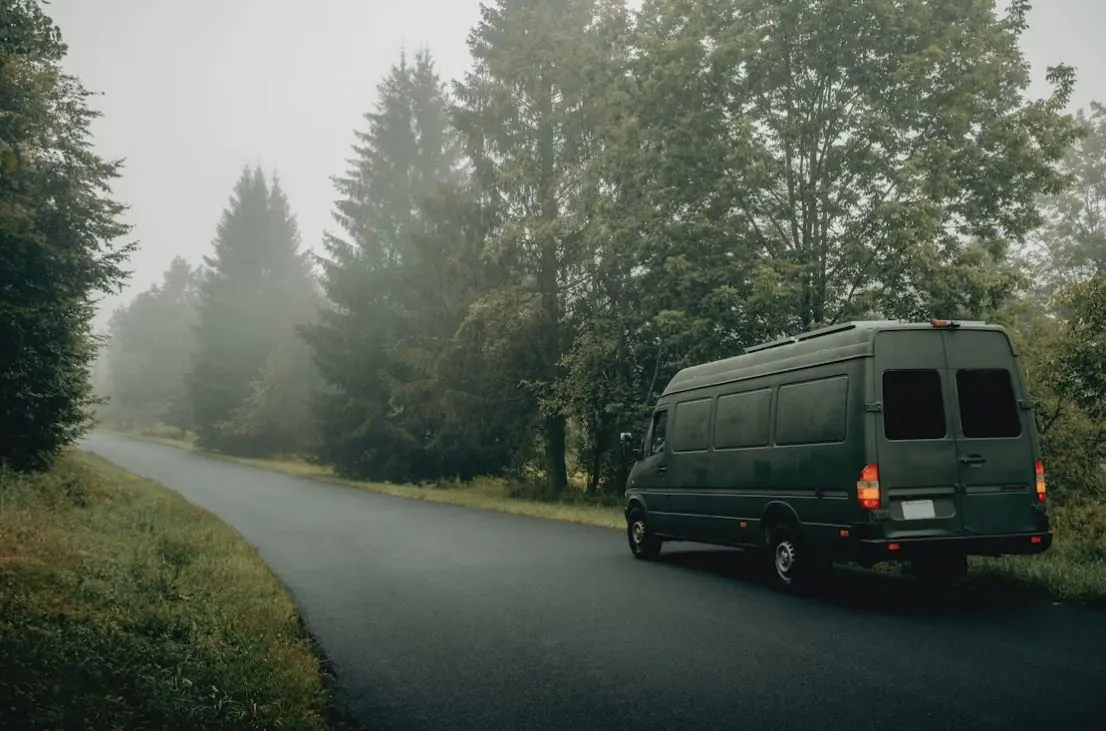
The first day after pick-up is usually the hardest: an unfamiliar vehicle, city traffic and often jet lag. Keep it short, ideally to a campground within an hour or two of the depot, and use the evening to learn the water, power and waste systems.
Pack soft bags rather than hard suitcases, which are hard to store in a motorhome, and keep a small day bag with documents, chargers and layers within reach of the front seats.
What to pack for a motorhome
- Soft, foldable bags that fit storage lockers.
- Layers, including a warm jacket and rain gear, even in summer in the mountains and on the coasts.
- Sturdy shoes for walks and for working outside the vehicle at campgrounds.
- Phone mounts and charging cables suited to the vehicle's 12-volt or USB outlets.
- A printed or offline copy of reservations, the rental contract and emergency numbers.
- Insect repellent and sun protection.
Check whether kitchen and bedding kits are included before packing towels and cookware. See kitchen kits and gear.
Driving rules that catch visitors out
Canada drives on the right, speed limits are in kilometres per hour, and fuel is sold by the litre. Right turns on a red light are generally allowed after stopping, except on the island of Montréal and where signs prohibit it. School buses with flashing red lights must not be passed. Rules can differ between provinces, so check the rules for each one on your route.
Fuel and supplies on long stretches
On northern and mountain routes, fuel stations can be far apart and may close early. Top up when the tank reaches half rather than waiting for the warning light, and carry drinking water and snacks for delays. Know whether your motorhome uses gasoline or diesel before the first fill.
Learning the vehicle
At pick-up, ask for a walk-through of the water, power, propane and waste systems, and film it on your phone for reference. Before leaving the depot, adjust the mirrors, find the hazard lights and wipers, and note the vehicle's height. A short practice drive in a quiet area helps before tackling highways.
Frequently asked questions
What should I check before each driving day?
Current road, weather, closure and visitor information for the route, the vehicle's warning indicators, and the rental or insurance terms that apply.
Should I stop to photograph wildlife by the road?
No. Parks Canada advises drivers to stay alert, respect posted speeds and avoid creating hazards by stopping for roadside wildlife photos.
Does this page list winter tire rules?
No. Requirements vary by province, territory and season, so check the official source for each part of your route.