

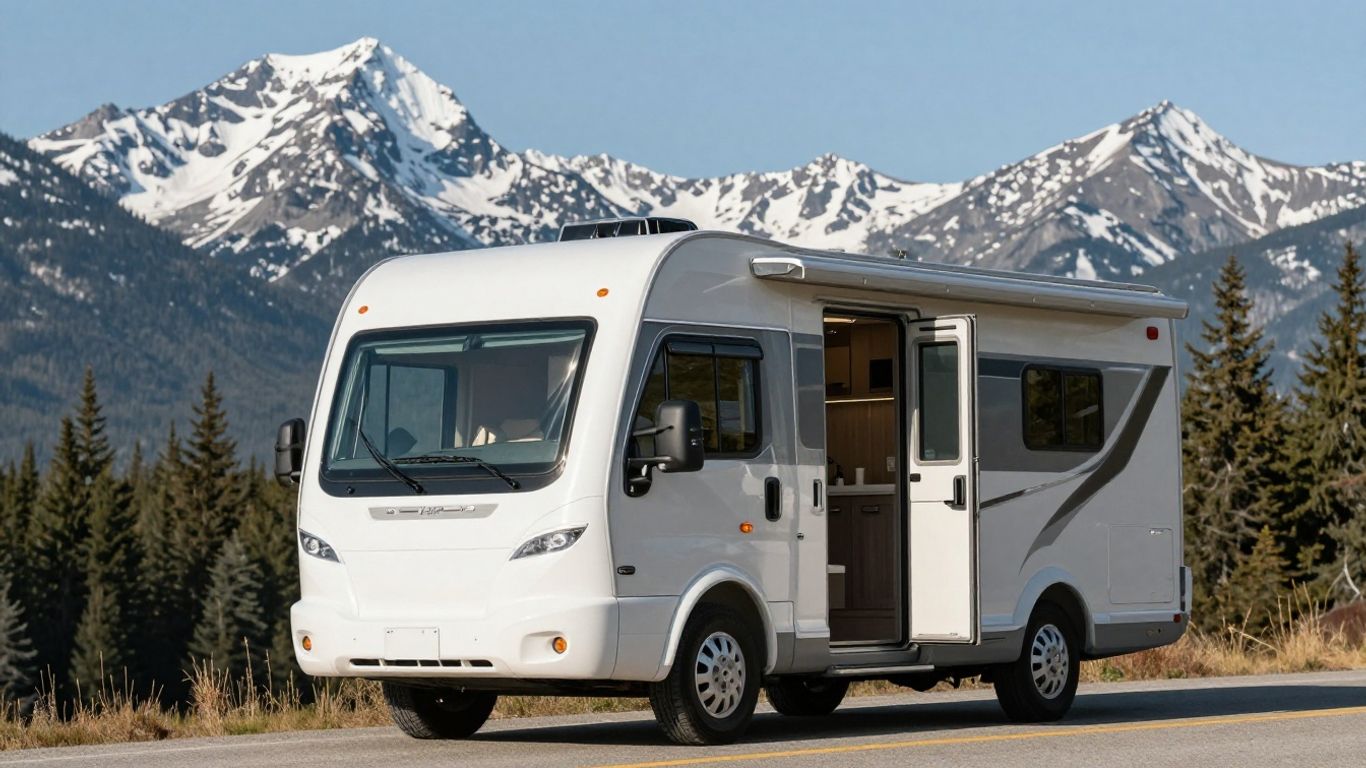
Thinking about a road trip in a motorhome across Canada? Awesome idea! But before you pack your bags and hit the road, let’s talk about the real costs involved. It’s not just about the rental price you see online. There are a bunch of things that can add up, and knowing about them beforehand can save you some serious cash and headaches. We’re going to break down what goes into motorhome hire Canada costs so you can plan your adventure without any surprises.
Key Takeaways
- The type of motorhome you pick, like Class A, B, or C, really changes the price. Bigger and fancier usually means more expensive.
- When you rent matters. Summer and holidays cost more than the off-season. Plan ahead if you can.
- Don’t forget extra costs like fuel, insurance, and any gear you might need. These can add a good chunk to your total bill.
- Read your rental agreement carefully. Understand the deposit, what happens if you cancel, and the rules for returning the motorhome to avoid extra fees.
- Shop around and compare different rental companies. Sometimes small changes, like booking early or traveling in the shoulder season, can save you a lot on your motorhome hire Canada costs.
Understanding Motorhome Hire Canada Costs
Factors Influencing Rental Prices
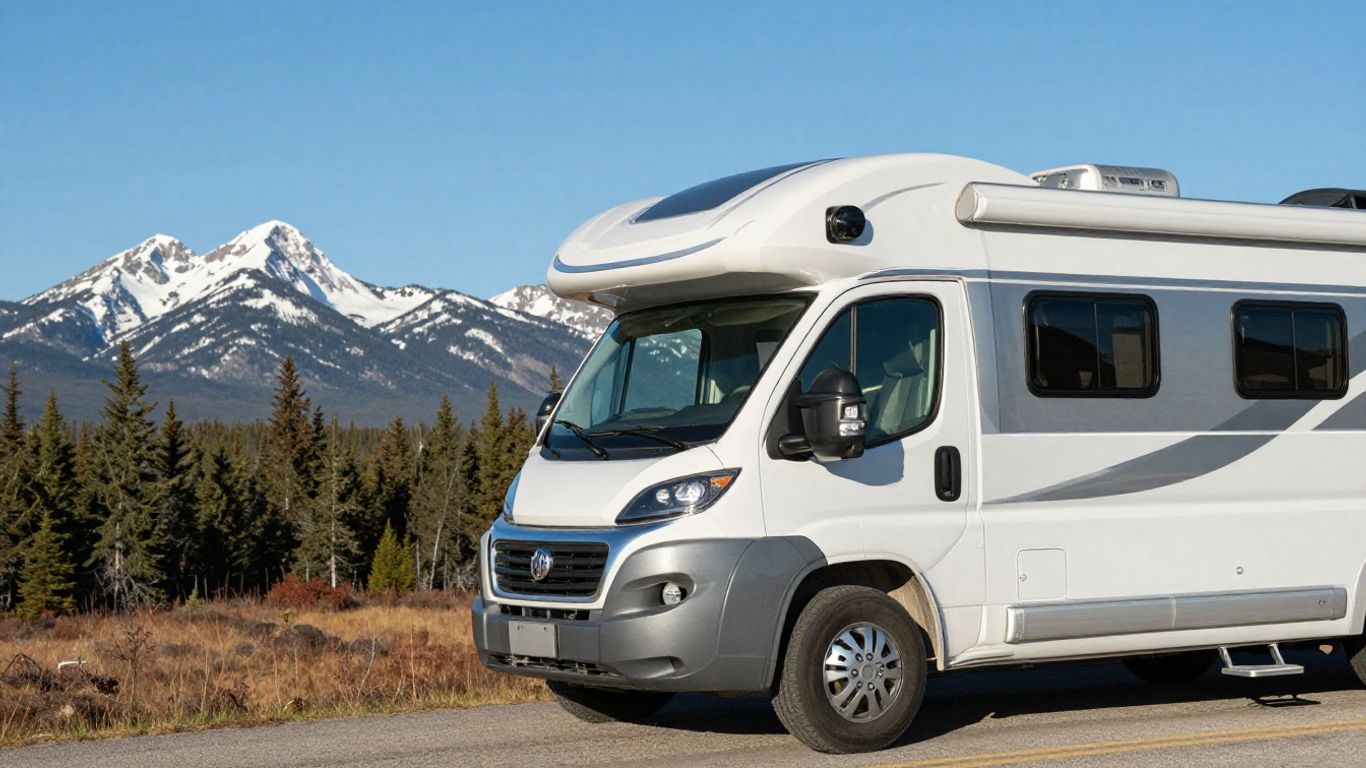
When you’re looking into motorhome hire in Canada, the price tag can seem a bit all over the place. It’s not just a flat rate; a bunch of things play a role in what you’ll actually end up paying. Think of it like booking a flight – prices change based on when you fly, how far in advance you book, and what kind of seat you want. Motorhomes are similar.
Here are some of the main things that bump the price up or down:
- Time of Year: This is a big one. Summer months, especially July and August, are peak season. Everyone wants to be out exploring Canada’s beautiful landscapes when the weather’s good, so prices go way up. Shoulder seasons, like late spring (May-June) and early fall (September-October), can offer a nice balance with decent weather and lower costs. Winter? Well, that’s the off-season, and you’ll see the lowest rates, but your travel options will be limited.
- Rental Duration: How long are you planning to rent the motorhome for? Often, the longer you rent it, the cheaper the daily rate becomes. Many companies offer discounts for weekly or monthly rentals. So, if you’re planning an extended trip, it might actually be more cost-effective per day than a short weekend getaway.
- Booking Lead Time: Just like with flights or hotels, booking your motorhome well in advance, especially for peak season, usually gets you better rates and more choices. Last-minute bookings can sometimes mean paying a premium, or worse, finding that all the popular models are already taken.
- Pick-up and Drop-off Locations: Where you pick up and return the vehicle can also affect the price. Popular tourist hubs or major cities might have higher rental fees. Sometimes, one-way rentals (picking up in one city and dropping off in another) come with extra fees, so it’s worth checking if returning to the same location is cheaper.
Seasonal Pricing Variations
Canada’s seasons dramatically impact motorhome rental costs. Planning your trip around these variations can save you a significant amount of money.
- Peak Season (June – August): This is when demand is highest. Expect the most expensive rates, limited availability, and the need to book months in advance. The weather is generally at its best, making it prime time for exploring national parks and scenic routes.
- Shoulder Seasons (April – May & September – October): Prices start to drop, and there’s more availability. The weather can still be quite pleasant, though you might encounter cooler temperatures or occasional rain, especially in the fall. This is a great time for budget-conscious travelers who don’t mind a bit of unpredictability.
- Off-Season (November – March): This is the cheapest time to rent, but it comes with major caveats. Many campgrounds are closed, roads can be impassable due to snow, and the motorhome itself might not be equipped for extreme winter conditions. Rentals are typically limited to specific models and locations, and travel is generally restricted to milder southern regions.
The cost of a motorhome rental isn’t just about the vehicle itself. It’s a complex equation involving when you travel, how long you need it, and how far ahead you book. Understanding these factors is the first step to getting a fair price for your Canadian adventure.
Included vs. Additional Charges
When you see a rental price, it’s important to know what’s actually included and what’s going to cost extra. Companies often advertise a base rate, but the final bill can grow quickly if you’re not careful.
Typically Included:
- The motorhome itself (obviously!)
- Basic insurance (often with a high deductible)
- A certain number of kilometers or miles (check this carefully!)
- Standard equipment like a stove, fridge, and basic kitchenware
Common Additional Charges:
- Unlimited Mileage Packages: If the base rate includes limited kilometers, you’ll pay extra for more. This can add up fast if you plan on covering a lot of ground.
- Insurance Upgrades: The basic insurance might not cover everything you’re comfortable with. Collision damage waivers (CDW) or other protection plans can significantly increase the cost but offer peace of mind.
- Prep Fees/Cleaning Fees: Some companies charge a fee for cleaning and preparing the vehicle before you pick it up. Others expect you to return it in a pristine condition, or they’ll charge you for it.
- Taxes and Fees: Don’t forget to factor in GST/PST (Goods and Services Tax/Provincial Sales Tax) and any other administrative or airport fees.
- Optional Extras: Things like portable generators, camping chairs, bedding, or even GPS units often come with a daily rental charge.
Vehicle Type and Its Impact on Motorhome Hire Canada Costs
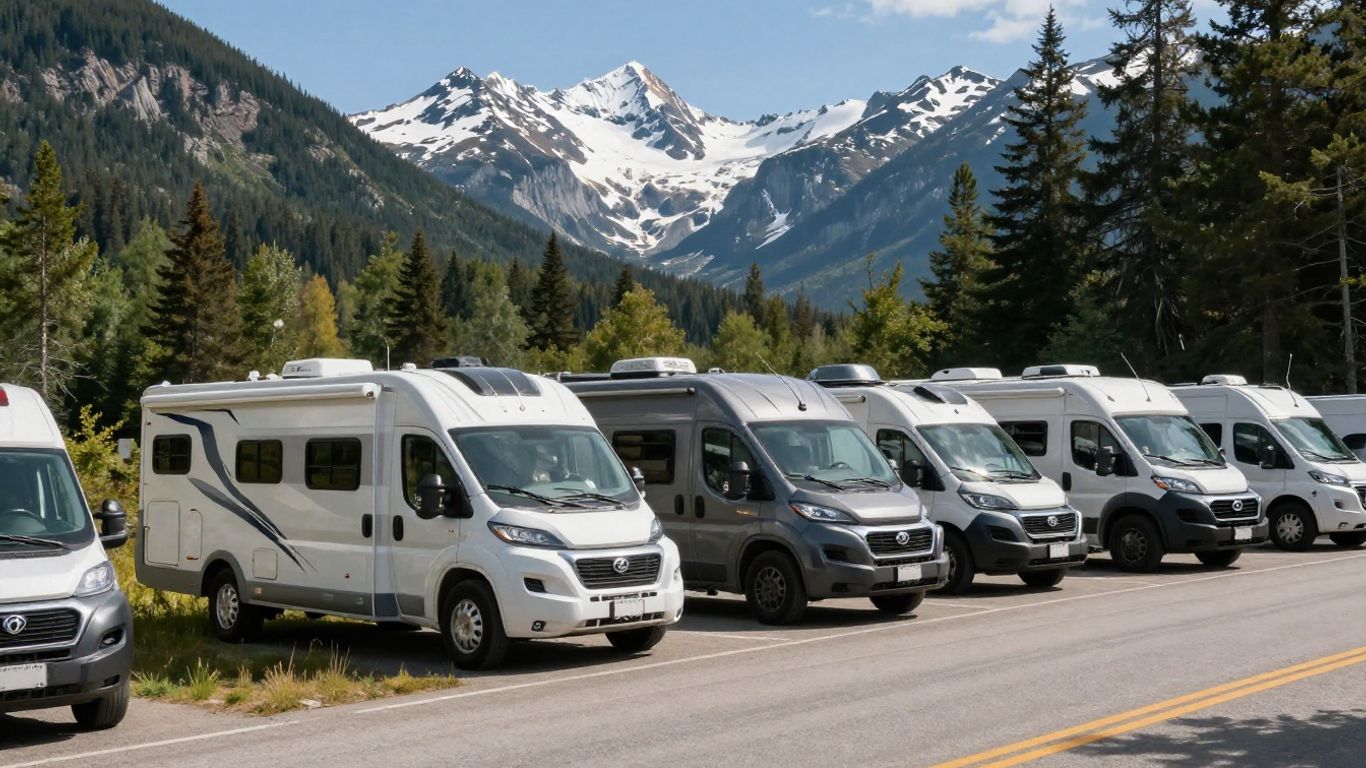
When you’re looking at motorhome rentals in Canada, the type of rig you pick plays a pretty big role in what you’ll end up paying. It’s not just about how many people it sleeps; the actual build and class of the motorhome make a difference.
Class A, B, and C Motorhomes
These are the main categories you’ll see, and they each come with their own price tag. Think of it like choosing between a sedan, an SUV, and a van for your regular car – different sizes, different features, different costs.
- Class A: These are the big ones, often looking like a bus. They usually have the most space and the most amenities, which means they’re generally the most expensive to rent. If you want all the comforts of home and don’t mind a larger vehicle, this is your pick, but be ready for the higher rental fees.
- Class C: These are typically built on a truck or van chassis with an attached RV body. They’re a popular choice because they offer a good balance of space and drivability. You’ll often find them a bit more affordable than Class A models.
- Class B: Often called campervans, these are the smallest and most maneuverable. They’re built within a standard van chassis. While they might be cheaper to rent, they offer less living space and fewer amenities, so they’re best for couples or solo travelers.
Size and Amenities
Beyond the class, the actual size of the motorhome and what’s inside it will affect the price. A longer motorhome with multiple slide-outs will cost more than a shorter one. Similarly, a rig with a full-sized fridge, a separate shower and toilet, and maybe even a washing machine will command a higher rental rate than a more basic model.
Consider what you actually need. Do you really need that king-sized bed and a dishwasher, or will a queen bed and a stovetop do the trick? Being realistic about your needs can help you avoid paying for features you won’t use.
Age and Condition of the Vehicle
Just like with cars, newer motorhomes tend to cost more to rent than older ones. A brand-new model with all the latest tech and a fresh interior will definitely be priced higher. Older vehicles, while potentially cheaper, might have more wear and tear, and could be missing some of the modern conveniences.
It’s worth checking the age and looking at photos or reviews to get a sense of the condition. Sometimes, a slightly older but well-maintained motorhome can be a great value, offering a comfortable experience without the premium price of a brand-new unit.
When you’re comparing prices, remember that a cheaper rental fee for an older or smaller motorhome might mean fewer creature comforts or less space. Weigh the cost against the experience you’re hoping for on your Canadian adventure.
Additional Expenses in Motorhome Hire Canada
So, you’ve picked out the perfect RV for your Canadian road trip. Awesome! But before you hit the open road, let’s talk about the stuff that can add to your bill beyond the daily rental rate. It’s easy to get caught up in the excitement and forget about these potential costs, so it’s good to be aware.
Mileage and Fuel Considerations
Most motorhome rentals come with a certain number of free miles per day, often around 100-200. Go over that, and you’ll start racking up extra charges. These per-mile fees can add up surprisingly fast, especially if you’re planning on covering a lot of ground. Always check the rental agreement for the exact mileage allowance and the cost per additional mile.
Fuel is another big one. These vehicles are not exactly known for their fuel efficiency. Think of it like filling up a large truck – it’s going to cost more than your average car. Prices at the pump in Canada can also vary quite a bit depending on the region and the time of year. It’s a good idea to budget a significant amount for fuel, and maybe even plan your route to take advantage of more economical stretches of highway where possible.
Insurance and Protection Plans
This is super important. Your standard car insurance likely won’t cover a motorhome. Rental companies offer various insurance and protection packages. These can include collision damage waivers (CDW), liability insurance, and personal effects coverage. While they add to the cost, they can save you a massive headache (and a lot of money) if something goes wrong. Don’t skip over these options without understanding what you’re covered for.
Here’s a quick rundown of what these plans might cover:
- Collision Damage Waiver (CDW) / Loss Damage Waiver (LDW): This limits your financial responsibility if the motorhome is damaged or stolen. It usually has a deductible, meaning you’ll still pay a portion of the cost.
- Liability Insurance: Covers damage or injury you might cause to others or their property.
- Supplemental Liability Insurance (SLI): Often increases the liability coverage limits.
- Personal Effects Coverage: Protects your belongings inside the motorhome if they are stolen or damaged.
Optional Equipment Rentals
Need a generator for off-grid camping? Want to bring along bikes? Many rental companies offer additional equipment for a fee. This can include things like:
- Camping chairs and tables
- Linens and towels
- Kitchenware kits
- GPS units
- Bike racks
- Portable grills
While it’s convenient to rent these items, consider if you really need them. Sometimes, bringing your own from home can be cheaper, especially for smaller items. Also, think about the space you’ll have in the motorhome – you don’t want to rent too many bulky items if you’re already packed tight.
Be sure to read the fine print on all rental agreements. Sometimes, what seems like a good deal upfront can have hidden fees or restrictions that only become clear later. Asking questions upfront is always the best policy.
Navigating Rental Agreements for Motorhome Hire Canada
So, you’ve picked out the perfect RV for your Canadian road trip. Awesome! But before you can hit the open road, you’ve got to get through the rental agreement. This is where things can get a little tricky if you’re not paying attention. It’s not just about the daily rate; there are a bunch of other details that can really add up.
Understanding Deposit Requirements
Most rental companies will want a security deposit. This is basically a hold on your credit card, and it’s there to cover any damage that might happen to the motorhome while it’s in your care. The amount can vary a lot, sometimes a few hundred dollars, sometimes over a thousand. Make sure you know exactly how much it is and when it will be released back to you. Some companies might also charge a separate cleaning fee deposit.
Here’s a general idea of what to expect:
- Standard Deposit: Covers minor damages, cleaning issues, or late returns.
- Worry-Free/Premium Deposit: Sometimes offered at a higher rate, this might reduce your liability for damages.
- Payment Method: Usually requires a credit card. Debit cards or cash are often not accepted for the security deposit.
Cancellation Policies
Life happens, right? Plans change. That’s why it’s super important to check the cancellation policy before you book. Some companies are pretty lenient, offering full refunds if you cancel way in advance. Others have stricter rules, and you might lose a significant portion of your payment if you have to back out, especially if it’s close to your pickup date.
- Early Cancellation: Usually gets you a full or partial refund.
- Last-Minute Cancellation: Often results in forfeiting most, if not all, of your rental fee.
- Rebooking: Some companies might let you reschedule without penalty, which is worth asking about.
Return Conditions and Fees
How you return the motorhome matters. Most companies expect it back in the same condition you got it, minus normal wear and tear, of course. This usually means:
- Fuel: You’ll likely need to return it with a full tank of gas, just like you picked it up.
- Cleaning: It should be reasonably clean inside. Think swept floors, no excessive trash, and dishes done. A deep clean might be charged if it’s returned messy.
- Waste Tanks: The black and grey water tanks usually need to be emptied before return. Failure to do so can result in a hefty dumping fee.
Returning the motorhome on time is also a big one. Late returns can rack up significant extra charges, sometimes equivalent to an extra day’s rental or more. Always double-check the exact return time and location specified in your agreement to avoid any surprises.
Pay close attention to these details. Reading the fine print now can save you a lot of headaches and unexpected costs later on.
Budgeting for Your Motorhome Hire Canada Adventure
Alright, so you’ve picked out your dream motorhome and you’re ready to hit the road in Canada. But before you start picturing those epic mountain views, let’s talk about making sure your wallet stays happy. Planning your budget is key to a stress-free trip, and it’s more than just the rental price.
Comparing Rental Companies
Don’t just go with the first company you find. Prices can really vary, and what one place includes, another might charge extra for. It pays to do a little digging.
- Check multiple companies: Look at big names and smaller, local outfits. Sometimes the little guys have better deals.
- Read the fine print: What’s included in the base rate? Unlimited mileage? Basic insurance? Kitchen supplies?
- Look for reviews: See what other renters say about their experience, especially regarding hidden fees or customer service.
Tips for Cost Savings
Saving money on your motorhome hire doesn’t mean roughing it. It’s about being smart with your choices.
- Travel in the shoulder seasons: Spring and fall often have lower rental rates than the peak summer months. Plus, you’ll deal with fewer crowds.
- Book in advance: Especially if you’re traveling during a popular time, booking early can lock in better prices and ensure you get the vehicle you want.
- Consider smaller vehicles: A smaller motorhome will generally have better fuel economy and might be cheaper to rent.
- Pack smart: Bring your own linens, towels, and kitchen basics if the rental doesn’t include them. Buying these items on the road adds up.
Estimating Daily and Total Expenses
Beyond the daily rental fee, there are other costs to factor in. It’s good to have a rough idea of the total so there are no surprises.
Here’s a general breakdown of what to expect:
| Expense Category | Estimated Cost Range (CAD) | Notes |
|---|---|---|
| Daily Rental Rate | $100 – $400+ | Varies by vehicle size, season, and company |
| Insurance | $20 – $50 per day | Varies by coverage level |
| Mileage Fees (if any) | Varies | Check if unlimited or per km |
| Fuel | $20 – $60 per day | Depends on driving and fuel prices |
| Propane | $5 – $15 per day | For cooking, heating, fridge |
| Campsite Fees | $30 – $80 per night | Varies by location and amenities |
| Optional Equipment | $5 – $20 per item/day | Chairs, bikes, generators, etc. |
| Cleaning/Prep Fees | $50 – $200 (one-time) | Some companies charge this |
Remember that these are just estimates. Always get a detailed quote from the rental company and factor in your personal travel style. A little extra buffer in your budget can go a long way for unexpected opportunities or minor hiccups.
By taking the time to compare, save, and estimate, you’ll be well on your way to a fantastic and affordable motorhome adventure across Canada.
So, What’s the Real Cost?
Look, when you’re looking at motorhome hire in Canada, it’s easy to get caught up in just the daily rate. But as we’ve seen, there’s a whole lot more going on behind the scenes. Think about those extra fees – insurance, mileage limits, cleaning charges, and sometimes even campsite hookup costs. Plus, you’ve got to factor in your own spending on gas, food, and activities. It all adds up. So, before you book that dream RV trip, do your homework. Compare prices, read the fine print, and figure out what you’re really paying for. That way, you can avoid any nasty surprises and just focus on enjoying the open road.
Frequently Asked Questions
What affects the price of renting a motorhome in Canada?
The cost can change based on a few things. When you want to rent it (like summer versus winter), what kind of motorhome you pick (a big fancy one costs more than a smaller, simpler one), and how long you plan to rent it for all play a role. Also, some companies might charge extra for things like mileage or special equipment.
Are there different types of motorhomes, and do they cost differently?
Yes, there are! Think of them like different car sizes. Class A motorhomes are the biggest and most luxurious, like a bus. Class C ones are usually built on a truck chassis with an over-the-cab sleeping area, and Class B are more like a van. The bigger and more features a motorhome has, the more it will likely cost to rent.
What are some extra costs I should expect when renting a motorhome?
Besides the rental price, you’ll want to think about gas, as motorhomes use a lot! Insurance is usually extra, and you might want to pay for extra protection. If you need things like a bike rack, chairs, or bedding, those often cost more too.
What should I look out for in the rental agreement?
Always read the fine print! You’ll need to know how much money you have to put down as a deposit and when you get it back. Check the rules for canceling your trip. Also, make sure you understand how to return the motorhome – like if it needs to be cleaned or have a full tank of gas, or you might get charged extra fees.
How can I save money when renting a motorhome in Canada?
To save cash, try renting during the off-season when prices are lower. Look around at different rental companies to compare prices. Sometimes, booking in advance can get you a better deal. Also, pack smart and bring some of your own supplies instead of renting everything.
How do I figure out the total cost for my motorhome trip?
First, get quotes from a few different rental places. Add up the daily rental cost multiplied by the number of days you need it. Then, add estimates for gas, insurance, and any extras you want. Don’t forget to include costs for campgrounds and activities. This will give you a good idea of your total adventure budget.