

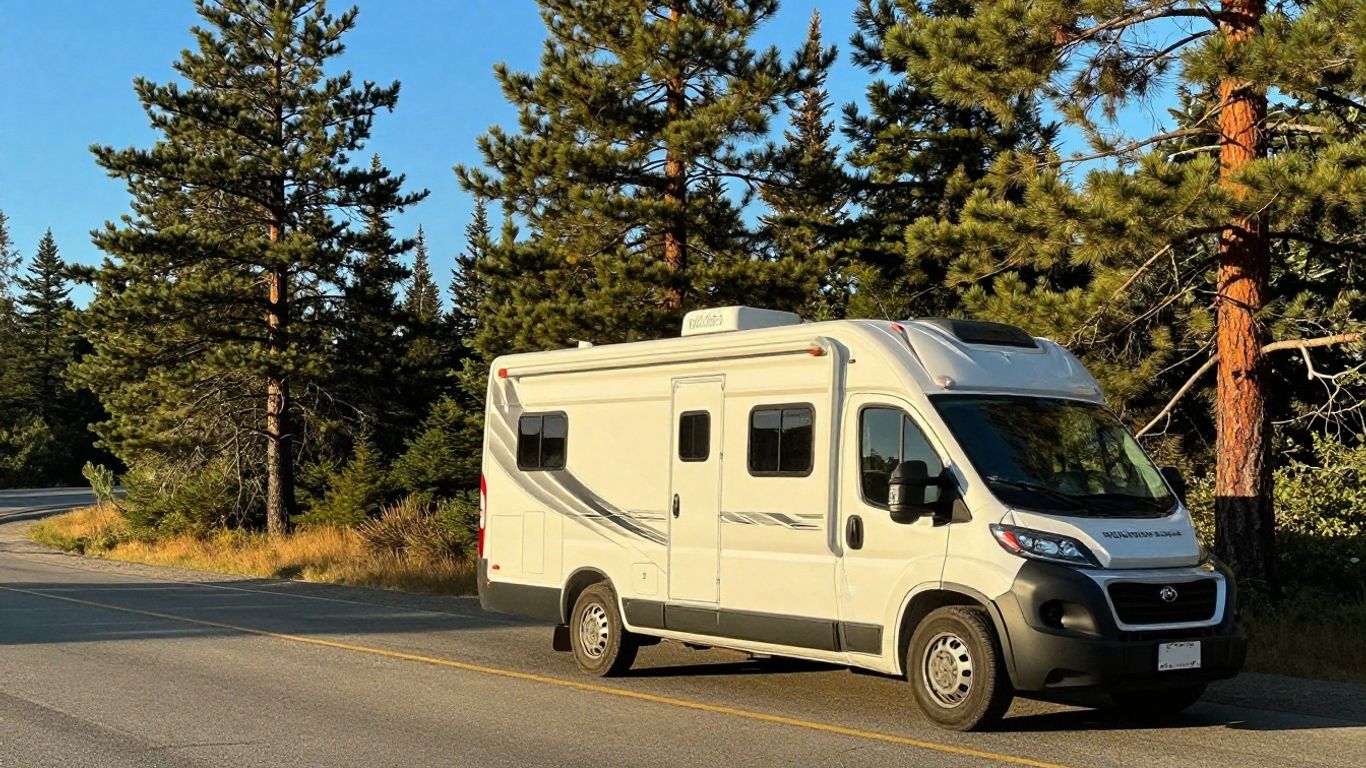
Thinking about renting a motorhome in Canada? It’s a fantastic way to see the country, but figuring out when to book can feel like a puzzle. You want to make sure you find the right vehicle without too much hassle or paying a fortune. Let’s break down when is the best time to rent a motorhome in Canada so your trip goes smoothly.
Key Takeaways
- The best time to rent a motorhome in Canada often falls outside the peak summer months. Consider the shoulder seasons like spring (April-May) and fall (September-October) for better availability and potentially lower prices.
- Booking well in advance is key, especially if you have specific dates or popular vehicle types in mind. Early bird discounts can also significantly reduce costs.
- Understand the different rental options available. Peer-to-peer rentals offer variety and flexibility, while dealerships often provide newer models and more structured service.
- Factors like vehicle size, rental duration, and pickup location can impact availability and cost. Be flexible where you can.
- Always check what’s included in your rental, like amenities and mileage policies, and be prepared for additional costs such as fuel and campsite fees.
Understanding Motorhome Rental Options in Canada
Peer-to-Peer Versus Dealership Rentals
When you’re looking to rent a motorhome in Canada, you’ve got a couple of main paths to go down: peer-to-peer rentals or going through a dealership. Think of peer-to-peer like Airbnb for RVs. Private owners list their vehicles, which means you can find a huge variety of RVs all over the country. This can be super convenient for pickup locations, and you might even get some insider tips straight from the owner. Plus, prices can really vary, which is great if you’re trying to stick to a budget. Sometimes, pickup and drop-off times are more flexible too, which is nice.
On the flip side, dealerships usually have newer models, and they’re often located conveniently near major airports. They tend to have a more standardized process for maintenance and cleaning, and they usually include 24/7 roadside assistance. If you’re looking for a consistent experience and don’t want to worry too much about the nitty-gritty, a dealership might be your best bet. They also often have options for one-way rentals between their locations, which can be handy for planning longer trips.
- Peer-to-Peer Pros: Wide variety of vehicles, flexible pickup/drop-off, potentially lower prices, owner tips.
- Dealership Pros: Newer models, consistent service, 24/7 roadside assistance, convenient locations.
- Peer-to-Peer Cons: Inconsistent cleanliness, potential for older units, variable roadside assistance, owner-set restrictions.
- Dealership Cons: Potentially fewer vehicle choices, fixed pickup/drop-off hours, sometimes higher prices.
Key Considerations Before Booking
Before you even start looking at specific RVs, it’s a good idea to ask yourself a few questions. Where do you want to start and end your trip? Knowing this helps narrow down pickup and drop-off points. What size of RV feels comfortable for you to drive and sleep in? A big Class A motorhome is very different from a small campervan. Also, think about what amenities are must-haves versus nice-to-haves. Do you need a full kitchen, or will a microwave suffice? Are you packing all your own gear, or do you need to rent things like bedding or kitchenware? Figuring out your needs upfront makes the whole process smoother. You’ll also want to check out the licensing requirements to make sure you’re covered.
Planning ahead helps avoid surprises. Knowing your comfort level with driving different vehicle sizes and what features you absolutely need will save you time and potential headaches later on.
What Sets Rental Companies Apart
Established rental companies, like CanaDream, often stand out because they’ve been doing this for a while. They typically have a fleet of newer vehicles that are regularly maintained and serviced. Many offer extras that can make a big difference, such as hotel-quality linens, upgraded mattresses, and even 24/7 on-road assistance. Some companies also have loyalty programs or partnerships that can get you discounts on campgrounds or attractions, which is a nice bonus. They usually have customer service agents who know their RVs inside and out and can help you pick the right one for your trip. This level of support can be really reassuring, especially if it’s your first time RVing in Canada.
- Fleet Quality: Newer, well-maintained vehicles.
- Customer Support: 24/7 roadside assistance and knowledgeable staff.
- Added Perks: Discounts on campgrounds, attractions, and sometimes fuel.
- Convenience: Online trip planning tools and easy-to-use apps.
Navigating Peak Seasons for Motorhome Rentals
When you’re planning a motorhome trip across Canada, timing is everything, especially when it comes to snagging the best vehicle at a decent price. Understanding the different seasons and how they affect availability and cost can make a huge difference in your trip planning.
Summer Travel and Availability
Summer, from June through August, is undeniably the most popular time to rent a motorhome in Canada. The weather is generally fantastic, with long, sunny days perfect for exploring national parks, hitting the coastlines, or venturing into the mountains. However, this popularity comes with a trade-off. Expect higher rental rates and significantly less availability during these months. Popular models, especially larger ones that can accommodate families, get booked up months in advance. Campgrounds, too, fill up quickly, so booking your campsites ahead of time is just as important as securing your motorhome. If you’re set on a summer adventure, start your search and booking process as early as possible – think six months to a year out for the best selection and prices.
Shoulder Seasons for Easier Booking
If you’re looking for a sweet spot between great weather and better availability, the shoulder seasons are your best bet. These typically include April, May, September, and October. During these months, the weather is often still quite pleasant in many parts of Canada, though perhaps a bit cooler and with shorter days than mid-summer. The biggest advantage? You’ll likely find more motorhomes available and at lower prices, often 20% to 40% less than peak summer rates. Crowds at popular attractions and campgrounds are also thinner, making for a more relaxed experience. Booking a few months ahead, say two to three months, should give you a good range of options.
Winter RVing Considerations
Don’t rule out winter RVing entirely, especially if your travel plans take you to warmer regions of Canada or if you’re looking for the absolute lowest rental prices. While many people associate RVs with summer camping, some models are equipped for colder weather, and certain destinations remain appealing year-round. However, availability will be much lower, and you’ll need to be more selective about the type of motorhome and its features. Ensure the vehicle is properly winterized and equipped for cold temperatures if you plan to travel in snowy or icy conditions. This is definitely an off-peak time, so deals can be found, but preparation is key.
When planning your motorhome rental, always consider that the most sought-after vehicles and prime camping spots disappear fast. Booking well in advance, even outside of summer, is a smart move to avoid disappointment and secure the best options for your adventure.
Securing Your Motorhome Rental in Advance
Okay, so you’ve decided on a motorhome adventure across Canada. Awesome! Now, let’s talk about actually getting your hands on one. If you’re picturing strolling into a rental place a week before you want to leave and picking out the perfect RV, think again. Booking well ahead of time is pretty much the golden rule here. It’s not just about getting any motorhome; it’s about getting the right one for your trip, and that takes planning.
The Importance of Early Bird Discounts
Think of booking early like getting a good seat at a concert – the sooner you buy, the better your options and often, the price. Many rental companies and peer-to-peer platforms offer sweet deals if you commit months in advance. These aren’t just small savings either; sometimes they can knock a good chunk off the total rental cost. It’s a nice way to start your trip with a little extra cash in your pocket, maybe for some fancy campsite or an extra excursion.
Booking Windows for Popular Models
Certain motorhomes are like the rockstars of the rental world. The newer models, the ones with all the bells and whistles, or the larger rigs that can fit a whole family? Yeah, those go fast. We’re talking months in advance, especially if you’re planning to travel during the summer or around major holidays. If you have your heart set on a specific layout or a particular size, you absolutely need to get your name on the list early. Trying to snag one of these last minute is like trying to find a unicorn – possible, but highly unlikely.
Planning for Specific Travel Dates
Life happens, and sometimes your travel dates are fixed. Maybe it’s a family reunion, a specific festival, or just the only time everyone can get away. When your dates are non-negotiable, booking early becomes even more critical. You don’t want to be scrambling at the last minute, settling for an RV that doesn’t quite fit your needs or paying a premium because you waited too long. Having your dates locked in means you can focus on finding the perfect vehicle and then planning the fun stuff, like where you’re going to park it each night.
Here’s a general idea of when to book, depending on your travel plans:
- Summer Travel (June – August): Aim for 4-6 months in advance, especially for popular destinations or specific models.
- Shoulder Seasons (April-May, September-October): 2-3 months ahead is usually a good bet, though popular weekends can still fill up.
- Winter Travel (November-March): If heading to warmer climates, 2-3 months is still wise. For colder regions, you might find more availability closer to the date, but options will be limited.
- Holidays & Long Weekends: Treat these like peak summer travel. Book 4-6 months out, minimum.
When you book your motorhome rental, remember that campgrounds often have their own booking windows, and popular spots can fill up just as quickly, if not faster, than the RVs themselves. It’s a good idea to research and book your campsites around the same time you secure your vehicle to avoid ending up with a great RV and nowhere to park it.
So, don’t delay! Start looking and book that motorhome. Your future self, cruising down the highway with plenty of legroom and all your gear, will thank you.
Factors Influencing Rental Availability
When you’re trying to snag a motorhome for your Canadian adventure, a few things really shake up how easy or hard it is to find what you’re looking for. It’s not just about when you book, but also what kind of rig you need and where you plan to pick it up.
Vehicle Size and Type
Think about what you actually need. Are you a solo traveler or a couple looking for a cozy campervan? Or maybe you’ve got the whole family in tow and need something bigger, like a Class C or even a Class A motorhome? Smaller vehicles, like campervans and Class B motorhomes, are often in higher demand, especially during peak season, because they’re easier to drive and park. They tend to get booked up faster. Larger motorhomes, while great for families, might have fewer available options overall, but they can sometimes be easier to find last minute if you’re flexible. It really depends on the specific model and how popular it is with other renters.
Rental Duration and Flexibility
How long you plan to rent for plays a big part. Shorter rentals, like a weekend trip, can be tricky to book, especially if they fall on a popular holiday weekend. Many rental companies or owners prefer longer bookings, so they might not even list shorter windows. If you can be flexible with your dates, say by adding a day or two, you might find it easier to secure a vehicle. Sometimes, a company might have a gap between two longer bookings, and they’ll be more willing to rent it out for a shorter period to fill that space. Being open to different start or end dates can really open up your options.
Geographic Location of Pickup
Where you pick up your motorhome makes a huge difference. Major cities and popular tourist hubs, especially those close to international airports, tend to have the most motorhomes available. This means more competition, but also a better chance of finding something. If you’re looking to pick up in a more remote or less-traveled area, your choices will likely be much more limited. Sometimes, you might find better deals or more availability in smaller towns, but you’ll need to consider how you’ll get there. Relocation deals can pop up in these areas, but they’re rare and usually require a lot of flexibility on your part.
The availability of motorhomes isn’t just about supply and demand; it’s a mix of the specific vehicle you want, how long you need it for, and where you’re starting your journey from. Being aware of these factors can help you plan better and increase your chances of finding the perfect RV for your trip.
Maximizing Your Motorhome Rental Experience
So, you’ve picked out the perfect motorhome for your Canadian adventure. Awesome! But before you hit the road, let’s talk about making sure your trip is as smooth and enjoyable as possible. It’s not just about the driving; it’s about the little things that make a big difference.
Included Amenities and Extras
When you’re looking at different motorhomes, pay close attention to what’s already included. Some rentals come pretty bare-bones, while others feel like a home away from home. Think about what you’ll actually need. Do you want a fully stocked kitchen with pots, pans, and utensils? What about bedding and towels? Some companies, like CanaDream, offer hotel-quality linens and upgraded mattresses, which can be a real comfort on a longer trip. Others might charge extra for these basics, or expect you to bring your own. Also, consider entertainment – does it have a TV, DVD player, or even Wi-Fi? These extras can really bump up the comfort level, especially if you’re traveling with kids or planning on spending a lot of time inside the RV.
Understanding Mileage Policies
This is a big one, and it can seriously impact your budget if you’re not careful. Mileage policies vary wildly between rental companies and even between individual owners on peer-to-peer platforms. Some might offer unlimited mileage, which is fantastic if you plan on covering a lot of ground. Others give you a set number of miles per day – say, 100 or 150 – and then charge you a per-mile fee for anything over that. If you’re planning a cross-country trek, those extra charges can add up fast. Always clarify this policy before you book. A quick calculation based on your planned route can save you a lot of headaches (and money) down the line. It’s worth checking out resources like CanadaMotorhomeTrips.com to compare different options and understand typical policies.
Preparing for Your Trip
Getting ready for an RV trip involves a bit more than just packing a suitcase. A little preparation goes a long way toward a stress-free experience. Here are a few things to think about:
- Familiarize yourself with the RV: Most rental companies offer a thorough walkthrough when you pick up the vehicle. Pay attention! Ask questions about how everything works – the water system, the generator, the propane tanks, the slide-outs. Some places even have online videos you can watch beforehand.
- Pack smart: Think about space. You don’t have unlimited closet space like at home. Pack versatile clothing and essentials. Don’t forget things like a basic toolkit, first-aid kit, and maybe some outdoor chairs if they aren’t included.
- Plan your route and stops: While spontaneity is great, having a general idea of where you’re going and where you might stay is helpful. Researching campgrounds in advance, especially for popular spots or during peak season, is a must. Many book up months ahead.
Don’t underestimate the importance of a good walkthrough. It might seem tedious, but understanding how to operate the RV’s systems, from the toilet to the heating, will prevent minor issues from becoming major problems on the road. A little knowledge upfront saves a lot of hassle later.
Remember, the goal is to relax and enjoy Canada’s beautiful scenery. Taking a bit of extra time to sort out these details beforehand means you can focus on making memories once you’re out there.
Choosing the Best Time to Rent a Motorhome Canada
Figuring out the best time to rent a motorhome in Canada really boils down to what you’re looking for in your trip. Are you chasing the sun, trying to save a few bucks, or just want to avoid the crowds? Knowing your priorities will point you in the right direction.
Ideal Months for Motorhome Travel
Generally, the sweet spot for motorhome travel in Canada is during the shoulder seasons. Think April, May, September, and October. The weather is usually pretty nice across most of the country, not too hot and not too cold, which makes driving and exploring much more pleasant. Plus, you’ll often find that rental prices are lower than in the peak summer months, and popular spots aren’t quite as packed.
- Spring (April-May): Great for seeing wildflowers and fewer people at national parks. Days are getting longer, but it can still be a bit chilly, especially in the mountains.
- Summer (June-August): This is prime time. Longest days, warmest weather, perfect for hitting the beaches or exploring the northern territories. But, expect higher prices and busy campgrounds.
- Fall (September-October): Stunning fall colors, especially in Eastern Canada. Cooler temperatures are great for hiking, and you’ll see a drop in prices and crowds compared to summer.
Avoiding Holiday Crowds
If you’re looking for a more relaxed experience, try to steer clear of major Canadian holidays and long weekends. Places like Banff, Jasper, and the popular coastal areas get swamped. Booking your rental and campsites well in advance is always a good idea, but it becomes absolutely critical if your travel dates overlap with holidays like:
- Victoria Day (late May)
- Canada Day (July 1st)
- Civic Holiday (early August)
- Labour Day (early September)
- Thanksgiving (mid-October)
These periods see a big jump in demand, meaning fewer available motorhomes and higher rental rates. Planning your trip to start or end just before or after these busy times can make a big difference.
Leveraging Off-Season Deals
Don’t underestimate the appeal of renting a motorhome during the off-season, especially if you’re heading to warmer parts of Canada or focusing on specific activities. While some campgrounds might have reduced services, the savings can be substantial. You might find rental rates that are significantly lower than during the summer rush. This is often when you’ll find the best value for your money. It’s a fantastic way to explore without breaking the bank, though you’ll need to be prepared for potentially cooler weather and shorter daylight hours.
When considering off-season travel, always check the operating status of campgrounds and attractions you plan to visit. Some may close or have limited hours outside of the peak summer months. Researching specific regions and their seasonal offerings is key to a successful off-season adventure.
Rental Requirements and Documentation
Before you can hit the open road in a Canadian motorhome, there are a few important things you’ll need to sort out. It’s not super complicated, but you definitely don’t want to get to the pickup location and realize you’re missing a key piece of paper or don’t meet a certain requirement. Think of it like getting ready for any big trip – a little prep work goes a long way.
Driver’s License and Age Restrictions
First off, you need to be of a certain age to rent. Most companies require renters to be at least 21 years old, though some might bump that up to 25. This is pretty standard across the board. You’ll also need a valid, full driver’s license. Most standard driver’s licenses are perfectly fine for renting typical motorhomes, as long as they’re not expired. You won’t usually need a special commercial license unless you’re looking at some of the absolutely massive RVs, which are rare for rentals anyway. Always double-check the specific age and license requirements with your chosen rental company before you book.
International Driving Permits
If you’re coming from outside of Canada, you might need an International Driving Permit (IDP). This isn’t a license itself, but rather a translation of your home country’s license into several languages. It’s a good idea to have one if your license isn’t in English or French. You usually get an IDP from your country’s automobile association before you leave home. It’s a simple document, but it can save you a lot of hassle if you’re stopped by the police or need to deal with insurance issues. Make sure your home country’s license is valid and that the IDP corresponds to it.
Payment and Credit Card Necessities
When it comes to paying for your rental and any associated costs, you’ll almost always need a credit card. This isn’t just for the rental fee itself. Rental companies typically require a security deposit, which can be a significant amount, often ranging from $500 to $2,000 or even more, depending on the motorhome’s value. This deposit is held on your credit card and is refunded after you return the vehicle in good condition. Debit cards or cash usually aren’t accepted for the security deposit. You’ll also want to check the specific descriptive phrase for details on what’s included in rental costs, as there can be various fees beyond the daily rate. It’s also worth noting that some companies might put a hold on your credit limit for the deposit, so make sure you have enough available credit for the duration of your rental.
Here’s a quick rundown of what to expect regarding payments:
- Rental Fees: The base cost for renting the motorhome.
- Security Deposit: A refundable amount held on your credit card.
- Insurance/Protection Plans: Costs for coverage during your trip.
- Potential Add-ons: Fees for extras like mileage packages or special equipment.
It’s always wise to have a clear conversation with the rental provider about all potential charges before you finalize your booking. Understanding the payment structure upfront can prevent surprises down the road and help you budget more effectively for your adventure.
Exploring Canada with Your Rental
Popular Destinations for RV Trips
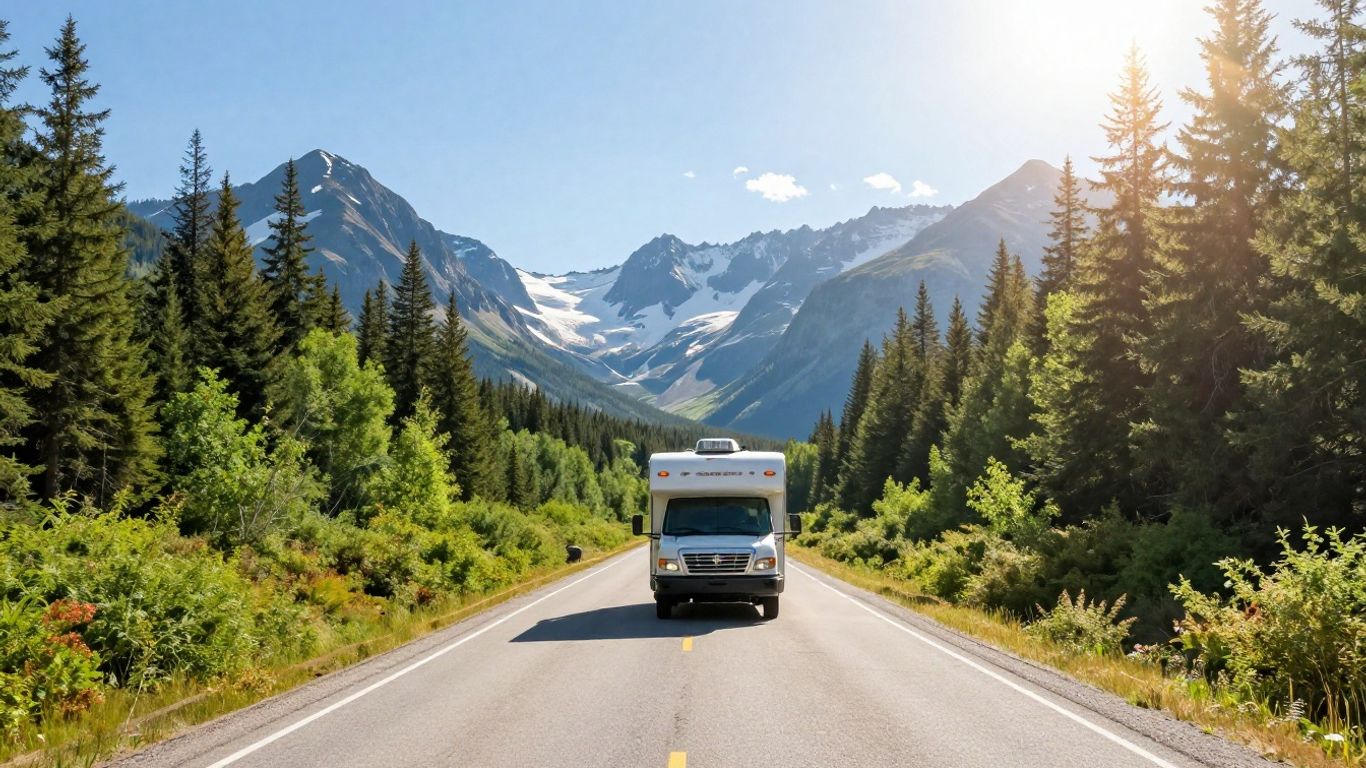
So, you’ve got your motorhome booked and you’re ready to hit the road in Canada. That’s awesome! But where to go? Canada is huge, and an RV gives you the freedom to see so much of it. Think about what kind of scenery you’re after. Are you dreaming of towering mountains, rugged coastlines, or maybe charming small towns?
For a classic Canadian Rockies experience, heading west from Calgary or Edmonton is a must. You’ll find incredible national parks like Banff and Jasper, with turquoise lakes and wildlife around every bend. If you’re starting from Vancouver, the possibilities are pretty much endless. You could cruise along the stunning Pacific coast, explore Vancouver Island with its quirky towns and wild beaches, or head inland towards the mountains.
Here are a few ideas to get you started:
- The Canadian Rockies: Think Banff, Jasper, Lake Louise. Majestic peaks, glacial lakes, and plenty of hiking opportunities.
- Vancouver Island: Take a ferry from Vancouver and discover Victoria, Tofino’s surf beaches, and old-growth forests.
- The Okanagan Valley (British Columbia): Known for its wineries, lakes, and sunny weather – perfect for a more relaxed trip.
- The Maritimes (Nova Scotia, PEI, New Brunswick): If you’re looking for coastal drives, lighthouses, and fresh seafood, this is the place.
Remember, Canada is vast. Don’t try to cram too much into one trip. Pick a region or a route and really enjoy it. Trying to see everything in a couple of weeks will just leave you feeling rushed and exhausted. It’s better to explore one area thoroughly than to skim the surface of many.
One-Way Rental Possibilities
Sometimes, the perfect trip isn’t a round trip. Maybe you want to fly into one city, pick up your RV, drive across the country, and fly home from another. This is where one-way rentals come in handy. Many rental companies offer this option, allowing you to maximize your exploration without backtracking.
It’s important to know that one-way rentals often come with an extra fee. This fee helps the company reposition the vehicle. So, when you’re comparing prices, make sure to factor this in. It’s usually worth it if it means you can see more of Canada without spending days driving back to your starting point. Always confirm the drop-off location and any associated costs when you book.
Cross-Border Travel Options
Thinking of extending your adventure south of the border? Many RV rental companies in Canada permit cross-border travel into the United States. This opens up a whole new world of possibilities, from the national parks of the American West to the sunny beaches of California.
However, this isn’t always a given. Always check with your rental provider before you book to confirm their policy on international travel. Some companies have restrictions, and you’ll need to ensure your insurance covers you in the US. You might also need specific documentation, like an International Driving Permit, especially if your license isn’t in English or French. Planning ahead for this can save a lot of hassle later on.
Cost Considerations for Motorhome Rentals
So, you’re thinking about hitting the road in a motorhome across Canada. Awesome! But before you start picturing yourself by a campfire, let’s talk about the money side of things. Renting an RV isn’t just about the daily rate; there are a bunch of other costs that can sneak up on you if you’re not prepared. Understanding these upfront will help you budget better and avoid any sticker shock.
Daily Rates and Seasonal Pricing
The biggest chunk of your rental cost will be the daily rate. This can change a lot depending on what kind of RV you pick and when you decide to travel. Think of it like airline tickets – prices go up when everyone else wants to travel too.
- Campervans (Class B): Generally the most budget-friendly, often ranging from $150 to $300 per day.
- Class C Motorhomes: A popular middle-ground, usually costing between $175 and $350 daily.
- Class A Motorhomes: The biggest and often most luxurious, these can set you back $200 to $500 or more each day.
Summer months, especially July and August, are peak season, meaning higher prices. If you can swing it, traveling in the shoulder seasons – like May, June, or September – can save you a good chunk of change. You’ll often find better deals and still have pretty decent weather for exploring. For example, a week-long rental in peak summer could easily cost over $2,000, whereas the same RV in September might be closer to $1,400.
Understanding Additional Fees
Beyond the daily rate, there are other fees to keep an eye on. These can add up quickly, so it’s smart to ask about them when you book.
- Mileage Charges: Some rentals include a set number of miles per day, and then charge extra for anything over that. If you plan on covering a lot of ground, this can get expensive fast. Rates can be anywhere from $0.35 to $0.75 per mile over the limit.
- Generator Use: If you plan to use the generator for power when you’re not hooked up to electricity, there’s usually an hourly charge, often around $3 to $8 per hour.
- Cleaning Fees: Most companies charge a cleaning fee, typically $75 to $200, regardless of how clean you leave the RV. It’s best to return it reasonably tidy to avoid any extra charges or bad reviews.
- Prep Fees: Some places might charge a small fee for things like propane refills, dumping tanks, and general prep work before you pick up the vehicle.
- Insurance: While often included in the base price on many platforms, it’s important to understand what your coverage includes and what your deductible is. This can range from $1,000 to $5,000.
Always ask for a full breakdown of potential fees before signing any rental agreement. It’s better to know the total cost upfront than to be surprised later.
Budgeting for Fuel and Campsites
Don’t forget about the ongoing costs once you’re on the road! Fuel for a motorhome can be a significant expense. These vehicles aren’t exactly known for their fuel efficiency, often getting between 8 to 12 miles per gallon. So, if you’re planning a long trip, factor in a good amount for gas. You can use online calculators to estimate fuel costs based on your planned mileage and current gas prices. Planning your route across Canada with fuel stops in mind can also help. Campsite fees are another big one. Public campgrounds are generally cheaper, costing around $30 to $52 per night, while private campgrounds can range from $46 to $80 or more per night. Booking campsites in advance, especially during peak season, is highly recommended.
Finding Deals and Discounts
Early Booking Incentives
Want to snag a sweet deal on your motorhome adventure across Canada? Start by looking way ahead. Many rental companies, especially the big dealerships, offer discounts if you book months in advance. It’s like getting an early bird special, but for an RV. Think of it as a thank you for helping them fill up their schedule early on. You’ll often find better prices and a wider selection of vehicles this way, meaning you’re more likely to get that perfect-sized RV for your family trip.
Relocation Trip Savings
Keep an eye out for relocation deals. Sometimes, rental companies need to move their motorhomes from one city to another. They might offer these trips at a really low daily rate, sometimes even just a dollar a day, plus you might get a fuel allowance. It’s a bit of a gamble because you have to be flexible with your dates and destination, but if you can make it work, it’s a fantastic way to save a ton of money. Just make sure you understand all the terms, like how many miles you have to drive and by when.
Package Deals and Excursions
Don’t just look at the base rental price. Some companies bundle deals that include things like campground reservations, activity passes, or even special equipment. These packages can sometimes offer better value than booking everything separately. It’s worth asking about what’s included or if they have any special offers running, especially if you plan on visiting popular attractions or need extra gear like bikes or kayaks. You might find that a package deal simplifies your planning and saves you cash in the long run.
Finding a good deal often comes down to timing and flexibility. Being open to different travel dates or pickup locations can open up significant savings. Always read the fine print to understand what’s included and what extra costs might pop up, like mileage fees or insurance deductibles. A little bit of research can go a long way in making your motorhome trip more affordable.
Wrapping Up Your RV Adventure Plans
So, finding the right motorhome in Canada really comes down to knowing what you want and when you want it. Booking ahead, especially for popular times like summer or holidays, is a smart move. Whether you go with a big rental company or a private owner, doing a little homework beforehand makes a huge difference. Think about where you’re headed, what you need inside the RV, and how much you’re comfortable spending. Get all that sorted, and you’ll be well on your way to an amazing Canadian road trip without the stress of last-minute scrambling. Happy trails!
Frequently Asked Questions
When is the best time to rent a motorhome in Canada?
The easiest time to find a motorhome rental in Canada is usually during the ‘shoulder seasons,’ which are spring (April to May) and fall (September to October). During these times, the weather is still pleasant for exploring, but there are fewer crowds and more available vehicles compared to the busy summer months. Booking well in advance is always a good idea, no matter the season.
What’s the difference between renting from a person or a company?
You can rent motorhomes from private owners through websites like Outdoorsy (this is called peer-to-peer rental), kind of like renting a room on Airbnb. Or, you can rent from a dealership, which is more like renting a car from a rental company. Dealerships often have newer vehicles and more support, while peer-to-peer rentals might offer more choices and sometimes lower prices.
How far in advance should I book my motorhome rental?
It’s best to book your motorhome rental as early as possible, especially if you plan to travel during the summer or holidays. Popular models and sizes get reserved quickly. Booking months ahead can also help you snag early bird discounts and ensure you get the exact vehicle you want for your specific travel dates.
What factors affect motorhome rental availability?
Several things can influence how easy it is to find a motorhome. The size and type of vehicle you need play a big role – larger RVs are often in higher demand. Also, how long you want to rent it for and where you plan to pick it up can make a difference. Being flexible with your dates or pickup location might open up more options.
What do I need to rent a motorhome?
You’ll generally need a valid driver’s license and be at least 21 years old, though some companies require you to be 25. If your license isn’t in English or French, you might need an International Driving Permit. You’ll also need a credit card for the booking and any security deposits.
Can I drive a motorhome anywhere in Canada?
Most rental companies allow you to travel throughout Canada. However, some might have restrictions on where you can take the vehicle, especially for off-road driving. Always check the rental agreement for any limitations on travel destinations or road types. Some companies also allow cross-border travel into the US, but you must confirm this beforehand.
What’s usually included with a motorhome rental?
Basic rentals typically come with essentials like kitchenware, bedding, and sometimes basic camping gear. However, it’s crucial to check what’s included. Some companies offer extra amenities like bikes, kayaks, or special equipment for an additional fee. Always ask about included mileage, insurance, and roadside assistance.
How can I save money on a motorhome rental?
To save money, try booking during the off-season or shoulder seasons, as prices are usually lower. Look for early bird discounts if you book many months in advance. Sometimes, you can find deals on relocation trips where you drive a motorhome from one city to another for a reduced rate. Being flexible with your rental dates can also help.