

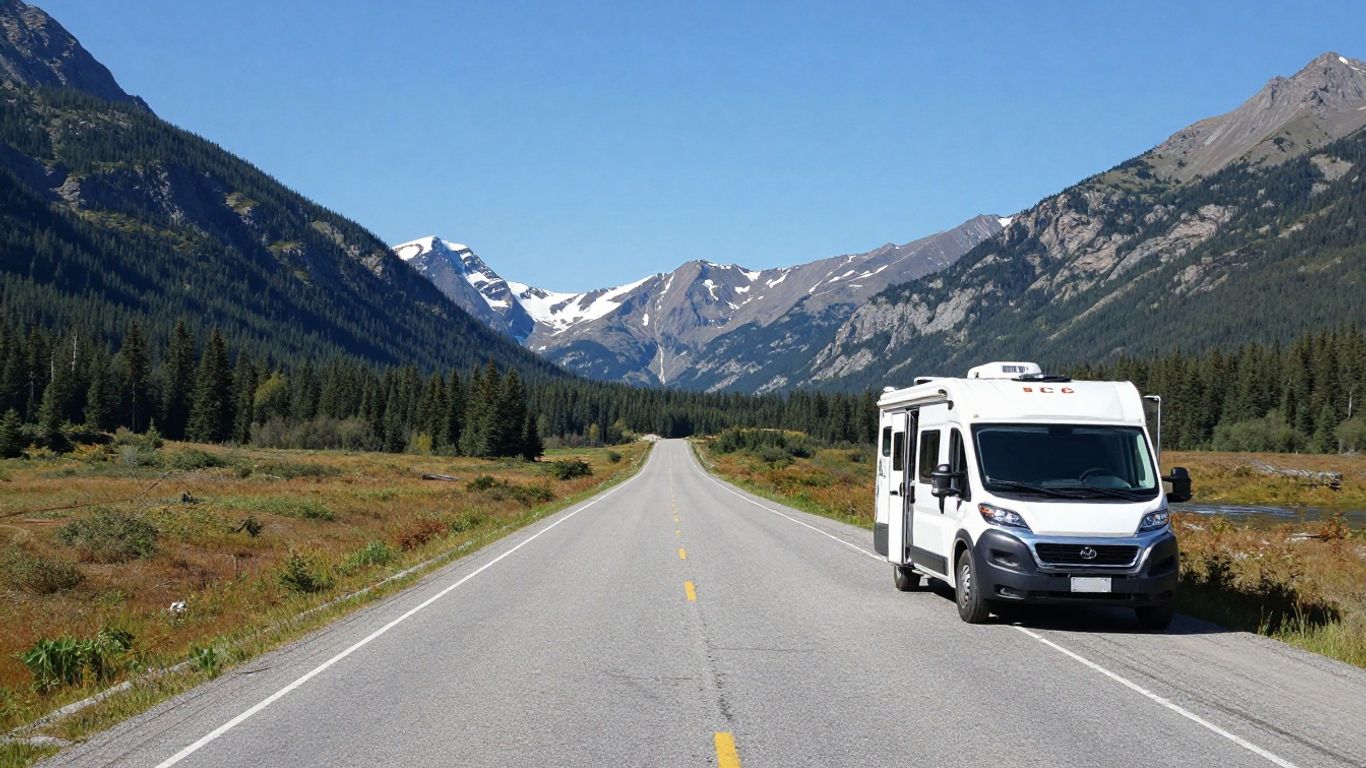
So, you’re thinking about renting an RV in Canada and wondering about all the mileage stuff? It can seem a bit confusing at first, with terms like ‘unlimited mileage’ and ‘mileage fees.’ But don’t worry, it’s not as complicated as it sounds. We’re going to break down what these rv rental canada mileage fees really mean for your trip, helping you figure out the best way to budget and plan your adventure. Let’s get you on the road without any surprises.
Key Takeaways
- Most RV rental companies in Canada charge mileage fees, which is pretty standard. This usually means you pay a set rate per mile driven.
- Unlimited mileage sounds great, but it’s often a flat daily rate. For shorter trips or if you don’t plan on driving a lot, this might cost you more than paying per mile.
- Renting with a mileage-based fee means you pay for what you use. This can be better for your budget if you know your route and can estimate your driving distance accurately.
- When comparing rental options, think about your total trip cost. Sometimes, deals on one-way rentals can significantly cut down on mileage charges.
- Beyond mileage, consider other costs like preparation fees, kit rentals, and potential surcharges for certain regions in Canada to get the full picture of your rental expenses.
Understanding RV Rental Mileage Fees
The Industry Standard for RV Rentals
When you’re looking into renting an RV for your Canadian adventure, you’ll quickly notice that most companies have a standard way of handling mileage. It’s pretty common for rental places to charge based on how many miles you drive. This isn’t just some random fee; it helps the rental company cover the wear and tear on their vehicles. Think of it like this: the more miles a camper travels, the more maintenance it will eventually need. By charging per mile, they can keep their fleet in good shape for everyone.
This model also has some upsides for you, the renter. It means you can often get a clearer picture of your costs upfront, especially if you have a good idea of your travel plans.
Calculating Your Trip Costs with Certainty
One of the biggest pluses of a mileage-based fee structure is predictability. If you’ve mapped out your route and know roughly how many kilometers you’ll cover, you can do some pretty solid math to figure out your total rental cost. This helps a lot with budgeting, so you’re not caught off guard by unexpected charges when you return the RV.
Here’s a simple way to think about it:
- Estimate your total distance: Look at your planned route on a map and add up the kilometers. Don’t forget to factor in any side trips or detours you might make.
- Find the per-mile rate: This is usually listed clearly by the rental company. It might be a set price per kilometer or mile.
- Multiply: Total distance multiplied by the rate gives you a good estimate of your mileage charges.
This upfront calculation means you can plan your budget more effectively and avoid any sticker shock later on.
No Surprises with Upfront Mileage Fees
Many rental companies are upfront about their mileage charges. They’ll tell you the rate per mile or kilometer right when you book. This transparency is a big deal. It means you’re not going into the rental blind. You know what to expect, and you can compare different companies based on their mileage rates and overall cost.
The key is to always read the fine print. Understand exactly how the mileage is calculated and what happens if you go over any included limits. This way, you can truly plan your trip without worrying about hidden fees popping up at the last minute. It makes the whole process feel much more straightforward and less stressful.
Unlimited Mileage: A Flat Rate Approach
The Appeal of Unlimited Mileage
When you first see "unlimited mileage" on an RV rental, it sounds like a dream, right? No more watching the odometer like a hawk. You pay one price for the rental period, and theoretically, you can drive as much as you want. This can be really appealing, especially if you’re planning a trip with a lot of driving or you’re not entirely sure about your exact route. It offers a sense of freedom, letting you explore without the constant worry of racking up extra fees. It’s the ultimate ‘set it and forget it’ option for your driving costs.
Lack of Cost Breakdown
But here’s the thing: that flat rate often hides the details. Because you’re paying one lump sum, it’s tough to see exactly how much of that cost is tied to the miles you’re actually covering. Unlike rentals where you pay per mile, you don’t get that clear breakdown. This makes it harder to compare different rental options or to figure out if you’re actually getting a good deal for the distance you plan to travel. You’re essentially paying for potential miles, not necessarily the miles you’ll use.
When Unlimited Mileage Makes Sense
So, when does this all-inclusive driving package actually make sense? It’s usually best for those epic, cross-country adventures where you know you’ll be covering thousands of kilometers. If your trip involves a lot of long-distance driving between destinations, an unlimited mileage plan might end up being cheaper than paying per kilometer, especially if you tend to go over any pre-set limits. It can also be a good choice if you prefer simplicity and don’t want to bother with calculating mileage costs for different routes.
- Long-distance trips: Covering vast distances across provinces or states.
- Uncertain itineraries: When you want the flexibility to change your route on a whim.
- Peace of mind: Avoiding the stress of mileage overage charges.
While the idea of unlimited driving is attractive, it’s important to remember that this convenience often comes at a premium. The base rate for unlimited mileage RVs can be higher than those with a mileage cap, and you might end up paying for miles you never actually drive.
The Benefits of Mileage-Based RV Rentals
When you’re looking at RV rentals, especially up in Canada, you’ll see a couple of main ways they charge for miles. One is the unlimited mileage deal, which sounds great on the surface. But then there’s the mileage-based system, and honestly, for a lot of people, this one makes more sense. It’s all about paying for what you actually use, which feels pretty fair, right?
Pay Only for Miles Driven
This is the big one. With a mileage-based rental, you’re not paying a flat fee that might be way more than you need. Instead, you’re charged based on the actual distance you travel. Think of it like buying gas – you only pay for the fuel that goes into your tank. This means if you’re planning a shorter trip or just want to stick to a specific region, you won’t be footing the bill for thousands of miles you never intended to drive. It’s a straightforward approach that puts you in the driver’s seat regarding costs. You can get a good idea of your total cost by looking at the per-mile rate and estimating your route. For example, if a rental company charges $0.39 per mile, and you plan to drive 500 miles, you can easily calculate that part of your cost will be around $195. This transparency is a huge plus.
Control Over Your Budget
Because you’re paying for miles driven, you have a lot more control over your overall trip budget. If you find yourself wanting to explore a bit more than planned, you can see the cost implications immediately. Conversely, if you decide to shorten your route or spend more time in one place, you can adjust your spending accordingly. This flexibility is fantastic for managing finances on the go. It helps avoid those nasty surprises that can pop up with other rental structures. You can really tailor your trip to fit your wallet, not the other way around. This is especially helpful when planning a one-week motorhome trip in Canada, where unexpected costs can add up quickly.
Ideal for Shorter Journeys
While unlimited mileage might seem appealing for epic cross-country adventures, mileage-based rentals often shine for shorter trips or more localized explorations. If your plan involves visiting a few national parks within a specific province or taking a loop around a particular region, you’re likely not going to rack up excessive mileage. In these cases, paying per mile is almost always more economical than a daily unlimited rate. It prevents you from subsidizing the mileage needs of long-haul travelers. You’re essentially getting a more accurate price for the actual travel you’re doing, making it a smart choice for many types of RV adventures.
Navigating Mileage Fees in Canada
When you’re planning an RV trip up north, understanding how mileage fees work is pretty important. It’s not always a straightforward thing, and different rental companies in Canada have their own ways of doing things. This can really affect your overall trip cost, so it’s worth paying attention to the details.
Typical Mileage Charges Per Night
Most RV rental companies in Canada don’t just give you a flat rate and call it a day. They often charge based on how many miles you’re expected to drive each night. For example, a common setup might include a base number of miles per night, say 100 or 250 miles, depending on whether it’s a local rental or a one-way trip. If you go over that included amount, you’ll usually get hit with an extra charge per mile. It’s not a huge amount per mile, maybe around $0.35 to $0.40, but it adds up fast if you’re not careful.
Estimating Mileage for Your Trip
This is where you really need to do your homework before you even book. You’ve got to look at your planned route and figure out the total distance. Websites like Google Maps are your friend here. Once you have that total, divide it by the number of days you’ll have the RV. This gives you a rough idea of your average daily mileage. Then, compare that to what the rental company includes per night. If your estimated daily average is higher than their included miles, you know you’ll be paying extra. It’s all about trying to get as close as possible to your actual expected mileage to avoid surprise fees.
Refunds and Additional Mileage Rates
What happens if you plan for a lot of driving but end up staying closer to home? Some companies offer refunds for unused mileage, but this isn’t super common, so always check the fine print. More often, you’ll be charged for additional miles if you exceed the pre-paid or included amount. The rate for these extra miles is usually listed in the rental agreement. It’s often a bit higher than the rate you might have paid if you’d bought a mileage package upfront. So, while it’s good to know there’s a rate for going over, it’s definitely more economical to estimate accurately from the start.
Planning your route and estimating your mileage is key to avoiding unexpected costs. Don’t just guess; use mapping tools and compare them to the rental company’s included mileage to budget effectively.
Maximizing Savings on RV Rentals
When you’re planning an RV adventure, keeping an eye on costs is smart. It’s not just about the daily rental rate; those mileage fees can add up faster than you think. But don’t worry, there are definitely ways to keep more money in your pocket.
Leveraging Special Deals
Keep an eye out for special promotions. Rental companies often run deals, especially during the shoulder seasons or for specific types of rentals. Sometimes these deals are on the daily rate, but often they focus on mileage packages. Scoring a discount on mileage fees can significantly lower your overall trip cost. It pays to do a little digging before you book.
Understanding One-Way Trip Discounts
If your trip involves picking up an RV in one location and dropping it off in another, you might encounter a one-way fee. However, some companies offer substantial discounts on mileage for these types of rentals to encourage you to reposition their vehicles. These can be a fantastic way to save money if your itinerary aligns with their needs. For example, some deals can slash mileage fees by up to 95% for one-way trips.
Calculating Total Trip Costs Effectively
Don’t just look at the sticker price. You need to get a clear picture of all the potential costs. This means understanding how mileage is charged (per mile, per night, or unlimited) and estimating your daily driving. A good rule of thumb is to budget for around 150-250 miles per day, but adjust this based on your planned route. Always factor in insurance, potential prep fees, and any other add-ons. Knowing the total cost upfront helps you avoid sticker shock later.
Here’s a quick look at some common additional costs to consider:
- Preparation & Kit Fees: Some companies charge a fee for cleaning, basic supplies, or a kitchen kit. These can range from $100 to $120 or more.
- One-Way Fees: As mentioned, these can be substantial, sometimes over $1000, but look for mileage discounts that might offset this.
- Regional Surcharges: Traveling to certain areas, like Northern Canada, might incur extra fees.
Planning your route carefully is key. If you’re looking at a mileage-based rental, mapping out your journey and estimating the total miles will give you a much clearer picture of the final cost compared to an unlimited mileage plan where the cost is fixed regardless of how much you drive. This allows for more precise budgeting for a campervan trip in Canada.
By being aware of these potential savings and costs, you can make a more informed decision and ensure your RV rental experience is both enjoyable and affordable.
Factors Beyond Mileage Fees
So, you’re looking at RV rental costs, and mileage is a big piece of the puzzle, right? But it’s not the only thing that adds up. Think about the whole trip, not just how many kilometers you’ll be covering. Sometimes, the little extras or the overall length of your adventure can really shift the balance.
Considering Trip Length and Comfort
How long are you planning to be out on the road? A weekend getaway to a nearby provincial park is a totally different beast than a month-long cross-Canada tour. For shorter trips, maybe a few days, the daily rate and any included mileage (or lack thereof) might be more important than the per-kilometer charge. You’re not going to rack up huge mileage anyway, so a slightly higher daily rate with unlimited miles might even out.
But if you’re going for weeks or months, that daily rate, even if it seems low, can add up significantly. This is where mileage fees can become more attractive, especially if you’re sticking to a planned route. You pay for what you use, and that can be a big saver over a long haul.
And comfort? That’s a big one. Are you okay with a more basic camper, or do you need all the bells and whistles? More amenities, like a bigger fridge, a separate shower, or more sleeping space, often come with a higher rental price. Don’t forget to factor in how much space you and your travel companions will need. Cramped quarters can make even the shortest trip feel long.
The Role of Group Size
Who are you traveling with? A solo trip or a romantic getaway for two has different needs than a family vacation with kids or a trip with a group of friends. The number of people dictates the size of the RV you’ll need. A larger RV generally means a higher rental cost, and it might also use more fuel, impacting your overall mileage expenses.
Think about sleeping arrangements. Do you need multiple beds, or will a dinette that converts into a bed suffice? More sleeping areas usually mean a larger vehicle. Also, consider how much gear you’ll be bringing. More people often means more luggage, which can also influence the RV size you choose.
First-Time Renter Considerations
If this is your first time renting an RV, it can feel a bit overwhelming. There are so many options and fees to consider. Don’t be afraid to ask questions! Rental companies are used to dealing with newbies.
Here are a few things to keep in mind:
- Read the fine print: Seriously, go through the rental agreement carefully. Understand what’s included and what’s not.
- Ask about orientation: Most companies will give you a walkthrough of the RV. Pay attention! It’s important to know how everything works before you hit the road.
- Consider insurance: What kind of coverage do you need? Your personal auto insurance might not cover an RV rental, so look into the options the rental company provides.
Sometimes, the simplest option is the best, especially when you’re just starting out. Don’t get bogged down in trying to find the absolute cheapest deal if it means a complicated fee structure you don’t fully understand. A straightforward rental process can make your first RV trip much more enjoyable.
Choosing the Right Rental Structure
When you’re looking at RV rentals, it’s not just about the daily price tag. You’ve got to figure out which way of charging for miles fits your trip best. It’s like picking the right tool for the job – you want one that makes sense for what you’re doing.
Matching Your Travel Style
Think about how you actually like to travel. Are you the type to stick to one area, or do you want to cover a lot of ground? This is the biggest question. If you’re planning a big loop around the country, unlimited mileage might seem like a good idea at first glance. But if you’re just heading to a national park a few hours away and back, paying for every mile driven is probably going to be way cheaper. It really comes down to your itinerary and how much driving you anticipate.
- Short, local trips: Mileage-based rentals are usually the winner here. You pay for what you use, and you won’t be stuck paying for miles you didn’t even drive.
- Long-distance, cross-country adventures: This is where unlimited mileage could be better, but you need to do the math. If you’re driving 300+ miles a day for weeks, a flat rate might save you money compared to per-mile charges.
- Uncertain itineraries: If you’re not sure how far you’ll end up going, a mileage-based plan gives you more flexibility to adjust without penalty, as long as you stay within your budget.
Flexibility and Control in Rentals
Having control over your budget is a big deal. With mileage-based rentals, you get a clear picture of costs upfront. You can estimate your total mileage, multiply it by the rate per mile, and know pretty much exactly what you’ll owe. This makes planning much easier and takes away a lot of the guesswork.
The key is to look beyond the daily rental rate. Factor in the mileage plan, any extra fees, and your expected driving distance. This way, you’re not caught off guard by unexpected charges at the end of your trip.
Unlimited mileage, on the other hand, can feel a bit like a black box. You pay a flat fee, but you don’t get a breakdown of what that fee covers. You might be paying for a lot of miles you never actually use, especially if your daily driving is on the lower side. For example, if the average daily drive is between 150-300 miles, and you only plan to drive 100 miles a day, an unlimited plan is likely costing you more than you need to spend.
Low-Friction Travel Planning
Ultimately, the goal is to have a good time without a lot of hassle. Choosing the right rental structure is part of that. If you’re a first-time renter, it’s probably best to go with the option that offers the most clarity. Mileage-based rentals usually win here because you can calculate your costs more precisely. This helps you budget effectively and avoid any nasty surprises when you return the RV.
Here’s a quick look at how costs can add up:
| Rental Type | Cost Structure | Best For |
|---|---|---|
| Mileage-Based | Pay per mile driven (e.g., $0.39/mile) | Shorter trips, budget-conscious travelers, those with fixed itineraries |
| Unlimited Mileage | Flat daily rate, regardless of miles driven | Very long-distance trips where daily mileage is consistently high |
| Time & Mileage | Daily rate plus a per-mile charge (less common) | Specific situations, often for commercial or specialized rentals |
By understanding these differences and matching them to your travel plans, you can pick an RV rental structure that makes your Canadian adventure smooth and affordable.
Potential Additional Rental Costs
Beyond the daily rate and mileage fees, RV rentals can come with a few other charges you might not immediately think about. It’s good to know these upfront so there are no surprises when you pick up your rig or when you return it. These can add up, so keeping them in mind helps with budgeting.
Preparation and Kit Fees
Some rental companies charge a fee for getting the RV ready for you. This often covers things like cleaning, a basic walkthrough of the vehicle’s systems, and stocking it with essential supplies. You might also see separate charges for specific kits:
- Kitchen Kit: Usually includes basic cookware, utensils, and dishes. This can be a per-booking fee.
- Linen Kit: Provides bedding and towels. This is often priced per person.
These fees can vary quite a bit, so check the rental agreement carefully. For example, a kitchen kit might cost around $110-$120, while a linen kit could be about $85 per person.
Surcharges for Specific Regions
If your travel plans take you to certain areas, you might encounter regional surcharges. These are often applied for:
- Northern Travel: Traveling in more remote northern parts of Canada can incur a significant surcharge, sometimes in the hundreds of dollars, to account for increased wear and tear and logistical challenges.
- Specific Pickup Locations: Some locations, like Whitehorse, might have their own surcharges, potentially adding a few hundred dollars to your rental cost.
- One-Way Rentals: Dropping the RV off at a different location than where you picked it up usually comes with a hefty one-way fee, which can range from over $1,000 to $1,500 or more, depending on the specific route.
Generator and Demonstration Charges
If you plan on using the RV’s generator for power, especially during peak seasons (like May to September), there’s often an hourly charge. This is typically a few dollars per hour.
Additionally, some companies might charge a small fee for a personal demonstration of the RV’s features. While many include a basic orientation, a more in-depth, personalized session could have a separate charge, perhaps around $50.
It’s always a good idea to ask about all potential fees when you’re booking. Sometimes, what seems like a simple rental can have a few extra costs hidden in the fine print. Getting clarity on these upfront can save you a headache later on and help you stick to your travel budget more effectively. Don’t be shy about asking for a full breakdown!
When Limited Mileage Might Be Better
Sometimes, paying for exactly what you use makes more sense than a flat fee. If your RV adventure is going to be relatively short, or if you’ve mapped out a route that doesn’t involve a ton of driving, a limited mileage plan could be your best bet. It’s all about matching the rental structure to your actual travel plans.
Affordability for Shorter Distances
If you’re planning a weekend getaway or a short trip to a nearby national park, you probably won’t rack up a lot of miles. In these cases, paying a per-mile rate is often way cheaper than a daily unlimited mileage fee. You’re not paying for miles you’ll never use, which keeps more money in your pocket for campfire s’mores or souvenir magnets.
Avoiding Overages on Agreed Limits
With a limited mileage plan, you agree on a certain number of miles upfront. Let’s say you book 500 miles for your trip. If you stick to that, great! No extra charges. But you do need to be mindful of that limit. If you go over, the per-mile charges can add up fast, sometimes surprisingly so. It’s a good idea to estimate your mileage pretty carefully and maybe add a small buffer just in case.
Comparing Time-and-Mileage Rates
Some rental companies offer a combination rate: a daily fee plus a per-mile charge. This can be a good middle ground. You get a base rate for using the RV, and then you pay for the distance you cover. It’s worth doing the math to see how this compares to both unlimited and strictly limited mileage options for your specific trip. You might find that for certain distances, this hybrid approach is the most cost-effective.
Here’s a quick look at how costs might stack up:
| Rental Type | Estimated Daily Cost | Potential Extra Charges |
|---|---|---|
| Unlimited Mileage | Higher Flat Rate | None (but you might overpay if you drive less) |
| Limited Mileage | Lower Daily Rate | Per-mile charges if you exceed the agreed limit |
| Time-and-Mileage | Moderate Daily Rate | Per-mile charges for all miles driven |
The key is to be realistic about your driving habits. If you’re the type who likes to explore off the beaten path or take spontaneous detours, an unlimited plan might save you stress. But if you’re a planner with a clear destination and a set route, limited mileage can offer significant savings.
Making an Informed Rental Decision
Understanding Rental Company Policies
When you’re looking at RV rentals, it’s not just about the sticker price. You really need to dig into what each company includes and what they charge extra for. Some might seem cheaper at first glance, but then you find out they charge for things like basic kitchen supplies or even an extra driver. It’s like buying a car – you gotta check the fine print. Always ask for a full breakdown of all potential fees before you sign anything. This way, you won’t get any nasty surprises when you pick up the RV or when you return it.
Planning Your Itinerary Wisely
Your trip plan is a big deal when it comes to mileage. If you’re thinking of a long haul across the country, you’ll probably want to look at unlimited mileage options, or at least a plan with a generous allowance. But if you’re just planning a weekend getaway to a nearby national park, paying for every mile might be way more cost-effective. Think about your daily driving habits. Most people drive between 150-300 miles a day. If your planned route keeps you well within that range, a limited mileage plan could save you a good chunk of change.
Here’s a quick way to estimate:
- Map your route: Use online tools to get a rough mileage estimate.
- Add buffer: Always add a bit extra for detours or spontaneous stops.
- Calculate daily average: Divide total miles by the number of days.
Securing the Best Rental Prices
Getting the best deal often comes down to timing and knowing where to look. Rental companies sometimes have special deals, especially for one-way trips or during the off-season. Keep an eye out for these. Also, remember that the mileage rate can vary. Some companies charge a flat rate per mile, while others might have a daily mileage allowance included, with extra charges if you go over. It’s worth comparing these rates across different companies. For example, one company might charge $0.39 per mile, while another includes 250 miles per day in their base rate.
Don’t just focus on the daily rental rate. The total cost of your trip is what really matters. Factor in mileage, potential fees for extra equipment, and any one-way charges. A slightly higher daily rate might end up being cheaper overall if it includes unlimited mileage or has lower per-mile fees.
So, Which Mileage Option is Right for Your Canadian RV Adventure?
Alright, so we’ve talked about the two main ways RV rentals handle mileage: pay-as-you-go and the all-inclusive unlimited plan. Honestly, it really boils down to your trip. If you’re planning a shorter getaway or know your route pretty well, the pay-per-mile option often makes more sense. You can budget it out, and you’re not paying for miles you won’t use. But, if you’re dreaming of a massive cross-Canada trek with no set end in sight, the unlimited mileage might save you headaches and cash down the road. Just do a little math based on your expected driving, and you’ll figure out the best fit for your adventure. Happy trails!
Frequently Asked Questions
Do RV rentals usually charge for mileage?
Yes, most RV rental companies charge for mileage. It’s a common way for them to cover the wear and tear on their vehicles. This means you’ll often pay a certain amount for each mile you drive.
What’s the difference between unlimited and limited mileage RV rentals?
With unlimited mileage, you pay a single flat rate and can drive as much as you want. With limited mileage, you pay a base rate and then an extra charge for every mile you go over a certain amount. Sometimes, you pay per mile driven.
When is unlimited mileage a better deal?
Unlimited mileage can be a good choice if you plan on taking a very long trip and don’t want to worry about racking up miles. It offers peace of mind for extensive travel, though you might not always use all those miles.
When is paying per mile better for RV rentals?
Paying per mile is often better if you’re only going on shorter trips or sticking to a specific, shorter route. You only pay for the distance you actually travel, which can save you money if you don’t plan on driving a lot.
How do rental companies figure out mileage costs in Canada?
Companies might charge a daily rate that includes a certain number of miles, or they might have a set price per mile. Sometimes, they estimate your miles beforehand and adjust the cost at the end. Always check the specific company’s rules.
Are there extra fees besides mileage when renting an RV?
Yes, there can be. You might pay for things like cleaning kits, linen kits, extra drivers, or special surcharges for certain regions or one-way rentals. It’s important to ask about all potential costs.
How can I save money on RV rental mileage fees?
Look for special deals or discounts, especially for one-way trips, as these can sometimes significantly lower your mileage costs. Planning your route carefully to avoid unnecessary driving also helps.
What should I consider besides mileage when choosing an RV rental?
Think about how long your trip will be, how many people are traveling, and how comfortable you want to be. The size of the RV and the features it offers can also affect the total cost and your travel experience.