

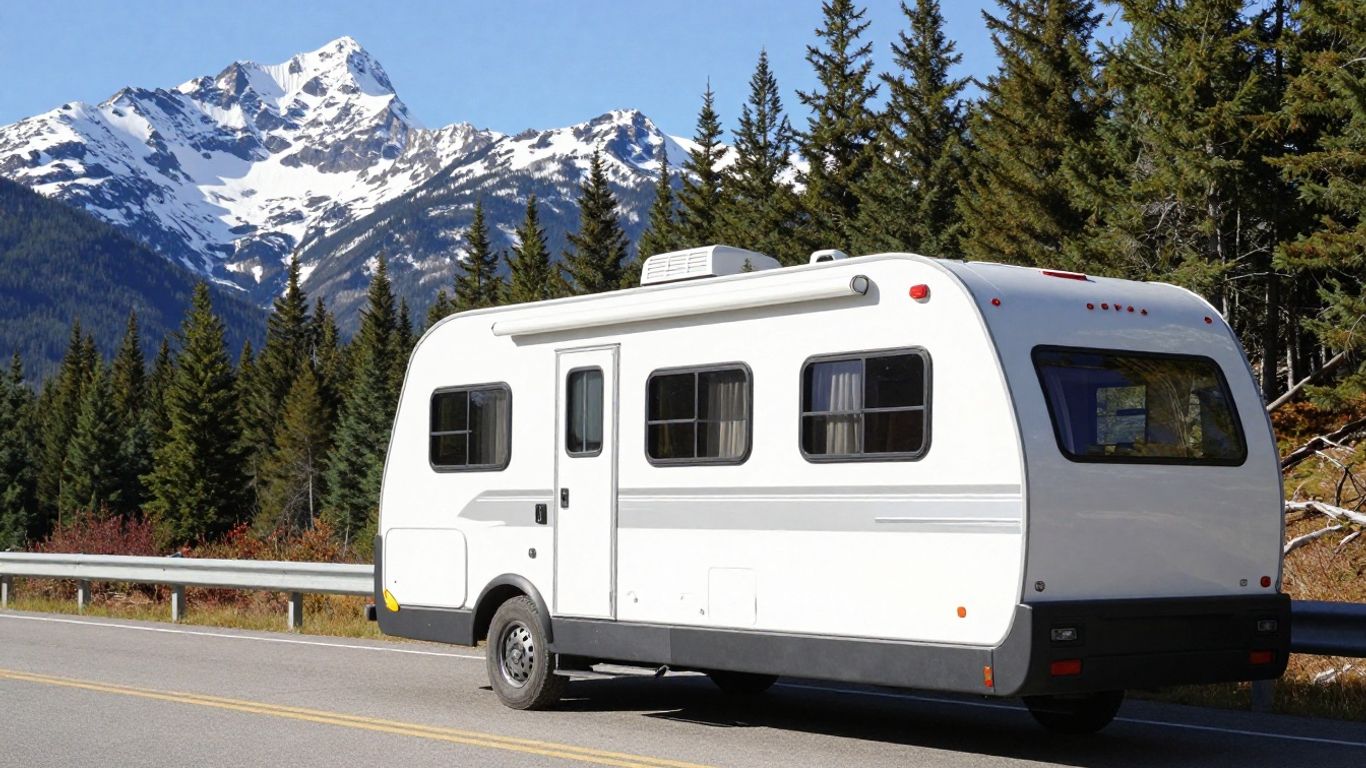
Planning a Canada RV trip for international travelers can feel like a big task, but it doesn’t have to be. You might be wondering what’s different about driving your rig north of the border compared to staying stateside. Well, there are a few things to keep in mind, from border crossing rules to insurance and even how people camp. This guide breaks down the key differences and offers tips to make your adventure smooth sailing, or rather, smooth driving.
Key Takeaways
- Before you go, make sure you have all your documents in order for the border crossing. This includes your passport, RV registration, and proof of insurance that’s valid in Canada.
- Check your RV insurance to confirm it covers you in Canada. Some U.S. policies don’t automatically extend, and you might need an extra card or rider.
- Canada uses the metric system for speed limits (kilometers per hour), and road signs might be in both English and French. Pay attention to these differences while driving.
- Plan your fuel stops, especially if you’re heading into remote areas. Gas stations can be far apart in some parts of Canada, so don’t let your tank get too low.
- Book your campsites in advance, particularly if you’re traveling during peak season. Popular spots fill up quickly, and knowing campground etiquette will help you fit in with the local RV community.
Navigating the Canadian Border with Your RV
Essential Documents for Entry
Getting your RV across the Canadian border is usually pretty straightforward, but you gotta have your paperwork in order. Think of it like this: the border agent is just doing their job, and having everything ready makes their job easier, which in turn makes your life easier. You’ll definitely need a valid passport for everyone in the vehicle. Don’t forget your RV’s registration papers – this proves it’s yours or you have permission to bring it. And super important, make sure your vehicle insurance is valid in Canada. Sometimes your U.S. policy covers it, but it’s best to check with your insurance company beforehand. They might even issue a special card for Canada. If you’re bringing kids who aren’t traveling with both parents, a consent letter from the absent parent is a good idea. Same goes for pets; check what health certificates or permits you might need.
Understanding Border Patrol Expectations
Border patrol agents want to make sure everyone entering Canada is doing so legally and safely. They’ll likely ask where you’re coming from, where you’re headed, and the purpose of your visit. Be honest and direct with your answers. They might also ask about what you’re bringing into the country. It’s always better to declare items, especially things like food, alcohol, or even gifts, rather than trying to hide them. If you’re unsure about something, just ask the agent. They appreciate honesty, and it can save you a lot of hassle down the road. Remember, they’re looking for anything that might be a risk to Canadian agriculture, public health, or security.
What to Declare and What to Avoid
This is where people sometimes get tripped up. You need to declare pretty much everything you’re bringing across, including any goods you’ve purchased or received as gifts. However, there are specific items that are restricted or prohibited. Things like fresh fruits, vegetables, firewood, and certain types of meat or dairy products can be a problem. Canada has strict rules to protect its environment and agriculture. It’s a good idea to check the Canada Border Services Agency (CBSA) website before you leave to get the latest list of what you can and can’t bring. If you’re bringing in a lot of alcohol or tobacco, there are limits, and you’ll have to pay duties if you go over. Honestly, it’s usually easier to just buy those things once you’re in Canada.
When in doubt, declare it. Border agents are there to help you understand the rules, and being upfront is always the best policy. Trying to sneak something through can lead to confiscations, fines, or even being denied entry.
Here’s a quick rundown of common items:
- Declare: Gifts, electronics, personal effects, alcohol/tobacco (within limits).
- Check Rules For: Food items (varies by type and origin), pets (health certificates needed).
- Avoid/Prohibited: Firewood (risk of invasive pests), certain fresh produce, weapons, illegal substances.
RV Insurance and Vehicle Requirements for Canada
Getting your RV ready for a Canadian adventure involves more than just packing your bags. You’ve got to make sure your rig meets all the requirements, especially when it comes to insurance and vehicle safety. It’s not quite the same as driving across state lines, so a little homework now saves a lot of headaches later.
Comparing U.S. vs. Canadian Insurance Coverage
Your U.S. auto insurance policy might not automatically cover you in Canada. While it often includes liability coverage, you’ll want to confirm the specifics with your provider. Many insurers offer a "Canada Non-Resident Inter-Province Motor Vehicle Liability Insurance Card," which is basically proof that your insurance is valid north of the border. It’s a good idea to get this before you leave. Canadian insurance requirements can be a bit different, with mandatory accident benefits and strongly recommended comprehensive coverage, which isn’t always the case back home.
| Insurance Aspect | U.S. Insurance | Canadian Requirements |
|---|---|---|
| Liability Coverage | Typically included | Mandatory |
| Accident Benefits | Varies by state | Required |
| Comprehensive | Usually optional | Strongly recommended |
Don’t assume your current policy is enough. Always call your insurance company to verify your coverage extends to Canada and ask for any specific documentation they provide for cross-border travel.
Ensuring Your RV Meets Safety Standards
Canada has its own set of road safety rules, and border agents will check your RV. They’re looking for things like:
- Tires: They need to have good tread and be properly inflated. No bald tires allowed!
- Brakes and Lights: All your braking systems and lights, including turn signals and brake lights, must be in good working order. This is especially important for larger vehicles.
- Towing Setup: If you’re towing a vehicle, they’ll check your baseplate, safety chains, and wiring to make sure it’s all secure and functional.
If your RV looks unsafe, they can deny you entry or send you for a more thorough inspection. It’s worth doing a full walk-around and checking all these systems before you even get to the border. You can find more information on border requirements on the Canada Border Services Agency website.
Special Considerations for Towed Vehicles
If you plan on towing a car behind your motorhome, there are a few extra things to keep in mind. First, make sure your towing setup complies with Canadian provincial laws. This includes checking that you’re not exceeding your RV’s towing capacity. Also, double-check that all safety chains, lights, and any supplemental braking systems are working correctly. If you’re flat-towing, ensure the vehicles are compatible for it. Overlooking these details could lead to fines or, worse, a breakdown in a remote area. It’s always better to be safe than sorry when it comes to towing.
Driving and Road Rules for International RV Travelers
Understanding Canadian Speed Limits and Road Signs
When you’re behind the wheel of your RV in Canada, it’s important to know that things might look a little different than back home. For starters, speed limits are posted in kilometers per hour (km/h), not miles per hour. You’ll typically see limits ranging from 90 km/h to 100 km/h on major highways, but always keep an eye out for posted signs, as they can change depending on the province and the type of road. Road signs are generally similar to what you’re used to, but many are bilingual, featuring both English and French, especially in Quebec and other areas. Don’t be surprised to see metric measurements on signs for distances and weights too.
Navigating Road Etiquette and Navigation Apps
Canadian road etiquette is pretty much what you’d expect – be courteous, signal your turns, and let faster traffic pass. However, there are a few things to keep in mind. Seatbelt use is mandatory for everyone in the vehicle, and using your phone while driving is a big no-no, just like in many U.S. states. When it comes to getting around, your favorite navigation apps like Google Maps or Waze will work just fine in Canada. Just make sure your device is mounted safely and doesn’t obstruct your view. Downloading offline maps before you head into areas with spotty cell service is a smart move, especially if you’re venturing into more remote parts of the country.
Planning for Fuel Stops in Remote Areas
Fuel is generally easy to find along main highways and in populated areas. But if you’re planning to explore more remote regions or national parks, it’s a good idea to keep a closer eye on your fuel gauge. Gas stations can be few and far between in some of the vast, less populated parts of Canada. It’s wise to top up your tank whenever you have the chance, rather than waiting until you’re running on fumes. Most stations accept major credit cards, but it’s always a good idea to have some Canadian currency on hand, just in case.
Remember that Canada is a huge country, and distances between services can be significant. Always err on the side of caution when it comes to fuel, water, and supplies, especially when traveling off the beaten path.
Planning Your Canada RV Trip Itinerary
Alright, so you’ve got your RV ready and you’re dreaming of Canadian landscapes. Now comes the fun part: figuring out where you’re actually going to go! Canada is huge, and trying to see it all in one go is probably not the best idea. It’s more about picking a region or a route that speaks to you and then building your trip around that. The key is to balance seeing amazing places with not spending all your time just driving.
Choosing RV-Friendly Entry Points
When you’re coming from the U.S., you’ve got a few main ways to get your RV into Canada. Think about where you want to start your adventure. Are you heading for the mountains in the west, the lakes in the center, or the historic sites in the east? Each entry point leads to different experiences.
- Pacific Highway Crossing (BC/Washington): Great if you want to hit the Pacific coast, Vancouver Island, or head straight for the Rockies.
- Sweet Grass–Coutts Crossing (Montana/Alberta): A common entry for those aiming for the Canadian Rockies (Banff, Jasper) or heading north through the prairies.
- Thurston–Rooseville Crossing (Montana/BC): Another option for accessing the Kootenay region of British Columbia.
- Thousand Islands Crossing (New York/Ontario): Perfect if you’re looking to explore Ontario’s wine regions, historic towns, or the Great Lakes.
- Niagara Falls Crossing (New York/Ontario): A popular, though often busy, entry point for accessing Southern Ontario.
Your choice here really sets the stage for the rest of your trip, so pick one that aligns with your overall goals.
Researching Campground Availability and Reservations
This is a big one, folks. You can’t just show up and expect a prime spot, especially during peak season (think summer months and long weekends). Canadian campgrounds, from national and provincial parks to private sites, fill up fast. Seriously, some spots get booked six months in advance.
Here’s a quick rundown of what to expect and how to handle it:
- Types of Campgrounds:
- National Parks (Parks Canada): Often stunning locations, but reservations are a must. They have varying facilities, from basic to full hookups.
- Provincial Parks: Similar to national parks, but managed by each province. Great access to nature, and reservations are highly recommended.
- Private Campgrounds: These can range from simple roadside stops to full-service resorts with pools and activities. Good for when park sites are full or if you need specific amenities.
- Booking Platforms: Most park systems have their own online reservation websites. For private campgrounds, you’ll usually book directly through their individual sites or through aggregators.
- Site Selection: Pay attention to the details! RV length limits, hookup availability (power, water, sewer), and even site pad material are important. What looks like a good spot on a map might not actually fit your rig.
Don’t underestimate how quickly popular spots disappear. If you have a specific park or region in mind, especially in places like Banff, Jasper, or along the coast, get those reservations locked in as early as possible. Winging it might work in the off-season or in less-traveled areas, but for prime locations, it’s a gamble you might not want to take.
Considering Provincial Driving Regulations
Canada is a big country, and while the general rules of the road are similar to the U.S., each province and territory has its own specific regulations. It’s not just about speed limits; think about things like:
- Speed Limits: These are posted in kilometers per hour (km/h). Always be aware of the posted limits, as they can change frequently, especially when entering different zones or construction areas.
- Tolls: Some highways, particularly in Ontario and British Columbia, have tolls. Make sure you have a plan for payment, as many are now electronic.
- Wildlife Awareness: In rural and wilderness areas, especially at dawn and dusk, you need to be extra vigilant for animals like moose, deer, and caribou crossing the road. Slow down and be prepared to stop suddenly.
- Fuel Availability: This is a big one for RVers. Gas stations can be few and far between in remote areas, sometimes over 100 miles apart. Always keep an eye on your fuel gauge and top up whenever you have the chance, especially when leaving larger towns.
- Navigation Apps: While Google Maps is useful, consider apps like GasBuddy to track fuel prices and availability, or dedicated RV GPS apps that account for vehicle height and weight restrictions on certain roads. Offline maps are your best friend when cell service disappears.
Staying Connected and Safe on Canadian Roads
So, you’ve crossed the border, RV is packed, and you’re ready to roll. Awesome! But before you get too far, let’s talk about keeping your rig humming along safely and making sure you don’t get totally lost in the wilderness. Canada is huge, and sometimes cell service decides to take a vacation of its own.
Managing Connectivity in Remote Regions
This is a big one. You might be heading into some seriously beautiful, but seriously remote, spots. Don’t count on your phone having bars everywhere. It’s a good idea to get ahead of this.
- Download offline maps for your GPS or phone apps before you leave. Google Maps and Gaia GPS are great for this. It’s like having a paper map, but digital and way less bulky.
- Consider a Canadian SIM card or check with your provider about an international plan. Roaming charges can sneak up on you faster than a moose on the highway.
- Don’t rely solely on campground Wi-Fi. Many places, especially outside of major towns, don’t offer it, or it’s as slow as molasses in January.
Being prepared for spotty service means you can still find your way, let people know if you’re running late, or just enjoy the quiet without constant notifications.
Tips for Overnight Rest Stop Planning
Sometimes you just need to pull over for the night. It’s not always about campgrounds. Planning these stops makes a big difference in how restful your sleep is.
- Look for designated rest areas. Most highways have them, and they’re usually safe and well-lit.
- Check local regulations. Some towns or provinces have rules about overnight parking, even in rest stops.
- Be aware of your surroundings. If a spot feels off, it’s probably best to move on to the next one. Safety first, always.
Ensuring Safety with Pets and Children
If you’ve got little ones or furry friends along for the ride, their safety is top priority. It’s not just about keeping them entertained, but also about making sure they’re secure.
- Secure pets properly when driving. A loose dog can be a huge distraction. Use crates, harnesses, or car seats designed for pets.
- Childproof your RV as much as possible. Think about sharp corners, unsecured cabinets, and anything they could trip over.
- Always have a first-aid kit that’s easily accessible and stocked for both human and pet needs. You never know when a minor scrape or a tummy ache might happen.
Understanding Canadian Culture and RV Community
You might think that RVing is just for retirees looking to escape the cold, but honestly, that’s not really the case in Canada. Sure, you’ll meet plenty of folks who’ve sold their houses and are living the dream on wheels, but there’s a much wider mix of people out there than you might expect. We met families with young kids, couples who were just starting out, and even people working remotely who’d turned their RVs into mobile offices. It’s a pretty diverse crowd, really.
The Diverse Demographic of Canadian RVers
It’s easy to spot the long-term RVers, though. They’re the ones with the little touches that make a campsite feel like home – think doormats, maybe a potted plant or two, and all sorts of clever collapsible gadgets. These are also the people who are usually happy to lend a hand if you’re struggling with something, like figuring out a tricky hookup or just needing to borrow an extension cord. We found that most people were really open to sharing their knowledge, which was great for us newbies.
Campground Etiquette and Social Interactions
Campgrounds tend to be pretty social places. Since everyone’s spending time outside, it’s natural to strike up conversations with your neighbors. We met people from all over, sharing stories and even some local treats. Just remember to be a good neighbor yourself. Most campgrounds have quiet hours, usually starting around 10 p.m. and going until 7 a.m. It’s polite to keep your noise down during these times. Also, stick to your designated spot – don’t spread out into your neighbor’s site. And always clean up after your pets and keep them on a leash. These simple things make a big difference in keeping the peace and making everyone feel welcome.
Adapting to Different Lifestyles on the Road
RVing is a bit like living in a tiny, mobile apartment. You learn to make do with the space you have, and teamwork is key, especially if you’re traveling with others. It’s not uncommon for people to bring a few home comforts along, like chairs for around the campfire or even small tables. It really adds to the experience. You’ll also find that while some areas have great cell service and Wi-Fi, others, especially in national parks, can be pretty spotty. So, be prepared for a bit of a digital detox – it might be just what you need to really enjoy the scenery and the company.
One of the best parts about RVing in Canada is the sense of community. People are generally friendly and willing to help each other out. It’s a great way to meet new people and share experiences, whether it’s around a campfire or just a casual chat at the dump station.
Common Pitfalls for International RV Adventurers
So, you’re planning an epic RV adventure across Canada. That’s fantastic! But before you hit the road, let’s chat about some common slip-ups that can turn your dream trip into a bit of a headache. Avoiding these little traps can make a world of difference.
Mistakes in Border Declarations
This is a big one. It’s easy to think that a few extra snacks or a bottle of wine won’t matter, but Canadian border officials take declarations seriously. Forgetting to mention that apple you packed or that souvenir you bought can lead to delays, thorough inspections, or even fines. Always be upfront and declare everything, even if you’re not sure if it’s allowed. The border agent will tell you what’s okay. It’s better to declare something and have it be fine than to not declare it and get into trouble.
Overlooking Insurance Cross-Border Coverage
Many folks assume their U.S. auto insurance automatically covers them when they cross into Canada. Surprise! That’s often not the case. Your RV, and any vehicle you might be towing, could be uninsured if you haven’t specifically arranged for cross-border coverage. This is a costly mistake to make if you have an accident. Before you leave, call your insurance provider and ask specifically about coverage in Canada. They can usually provide you with a Canadian Non-Resident Inter-Province Motor Vehicle Liability Insurance Card, which is often free. Keep this documentation handy.
Failing to Book Accommodations in Advance
Canada is a huge country, and while it might seem like there are endless places to park your RV, popular campgrounds, especially those with full hookups, can fill up months in advance, particularly during the summer months and in well-known spots like Banff or Jasper. Don’t just wing it and expect to find a spot. Research campgrounds along your route and make reservations. Websites like Parks Canada are a good place to start, but also look into provincial parks and private campgrounds. You’ll want to double-check the site dimensions too, to make sure your rig will actually fit!
Preparing Your RV for the Canadian Journey
Before you even think about hitting the road north, giving your RV a good once-over is a smart move. It’s not just about making sure it looks good; it’s about making sure it’s ready for whatever the Canadian roads throw at it. Think of it as a pre-flight check, but for your home on wheels.
Vehicle Registration and Ownership Proof
This one’s pretty straightforward. You absolutely need to have your vehicle registration papers with you. If you’re renting, make sure you have the rental agreement. Border agents will want to see proof that you own the RV or have the legal right to drive it across the border. It’s a basic requirement, but surprisingly, some people forget it. Having these documents readily accessible will speed up your border crossing significantly.
Ensuring Proper Towing Setup and Capacity
If you’re towing a vehicle behind your motorhome, this is where things can get a bit more technical. You need to be sure your towing setup is secure and that your RV has the capacity to handle the extra weight. Check your RV’s owner’s manual for its towing limits. You don’t want to be halfway to Banff and realize your setup isn’t quite right. It’s also a good idea to double-check all the connections – lights, brakes, and the hitch itself. A quick walk-around before you leave your campsite each day can catch potential issues before they become big problems.
Checking Tire Tread and Lighting Systems
Your tires are literally what connect you to the road, so they need to be in good shape. Check the tread depth – you want enough grip, especially if you plan on venturing onto any less-maintained roads or encountering varied weather. Also, make sure all your lights are working: headlights, taillights, brake lights, and turn signals. This isn’t just for safety; it’s a legal requirement, and border officials will be looking. Don’t forget about the lights on any towed vehicle, too. A quick test of all your lights before you depart is a simple step that can prevent headaches later on.
Health and Travel Considerations for Canada
Getting ready for your RV adventure in Canada means thinking about a few things beyond just the driving and the sights. It’s about making sure you and your travel companions, including any furry friends, are set for a smooth trip. While Canada is generally a very safe place to visit, a little preparation goes a long way.
Staying Informed on Health-Related Entry Rules
Canada has mostly dropped COVID-19 related entry rules, which is great news for travelers. However, health situations can change, and it’s always a good idea to check the official Government of Canada website before you leave. They’ll have the most up-to-date information on any requirements, just in case.
- Keep an eye on the Government of Canada’s travel advisories.
- Be aware that rules can change based on global health developments.
- Have digital copies of any required health documents, just in case.
Required Documentation for Specific Travelers
When you’re crossing the border, having the right paperwork is key. For most folks, a valid passport is the main thing. But if you’re traveling with kids or pets, there are a few extra items to consider.
- Children: If your children are not traveling with both parents or legal guardians, bring a consent letter signed by the parent(s) not accompanying them. This letter should state they give permission for the child to travel.
- Pets: For your animal companions, you’ll likely need a health certificate from your veterinarian. Depending on the type of pet, there might be other specific permits required by the Canadian Food Inspection Agency. It’s best to check their website beforehand.
- Towed Vehicles/Trailers: If you’re bringing a separate vehicle or a trailer, make sure you have its registration and proof of ownership with you.
Border agents are there to help ensure everyone entering Canada meets the requirements. Being upfront and having your documents organized will make the process much quicker and less stressful for everyone involved.
Understanding Local Customs and Practices
Canada is a big country with a lot of diversity, and people are generally friendly and polite. You’ll find that most Canadians appreciate respect for the environment and local rules. When you’re out and about in your RV, remember that campgrounds often have quiet hours, and it’s good practice to keep your site tidy. Also, be mindful of wildlife – keep a safe distance and never feed wild animals. It’s all about being a good visitor and enjoying the beautiful country responsibly.
Wrapping Up Your Canadian RV Adventure
So, you’re thinking about an RV trip up to Canada? It’s a fantastic idea, really. You get to see some amazing places and have a ton of freedom. Just remember, it’s not exactly like driving your RV around the States. Things like crossing the border, insurance, and even just knowing the road signs are a bit different. But honestly, with a little bit of planning beforehand, like getting your documents in order and checking your insurance, you’ll be totally fine. It’s all about being prepared so you can just relax and enjoy those incredible Canadian landscapes. Happy trails!
Frequently Asked Questions
What documents do I absolutely need to cross the Canadian border with my RV?
You’ll need your passport, of course. Also, bring your RV’s registration papers to show it’s yours or you have permission to use it. And super important: proof that your RV insurance covers you in Canada. Double-check with your insurance company before you leave!
Do I need special RV insurance for Canada?
Yes, it’s highly recommended. Your U.S. insurance might not cover you in Canada, or it might have limits. Ask your insurance provider for a Canada Non-Resident Inter-Province Motor Vehicle Liability Insurance Card. It’s like a special pass showing you’re covered.
Are Canadian road signs and speed limits the same as in the U.S.?
They’re pretty similar, but there are differences. Speed limits are in kilometers per hour (km/h), not miles per hour. Signs might also be in both English and French. Always look for the posted speed limit signs, as they can change depending on the area.
Can I use my regular GPS or phone apps to navigate in Canada?
Most U.S. navigation apps like Google Maps work well in Canada. However, it’s a good idea to download offline maps in case you lose cell service, especially in remote areas. Sometimes, Canadian-specific maps or GPS devices have more detailed info.
What should I declare when crossing into Canada with my RV?
It’s best to declare everything you’re bringing, especially food, alcohol, tobacco, and gifts. If you’re unsure if something is allowed, just declare it. Border agents appreciate honesty, and it avoids potential fines or delays.
How do I find campgrounds that are good for RVs in Canada?
You’ll want to research campgrounds ahead of time, especially if you’re traveling during busy seasons. Websites like Parks Canada or private campground directories can help. Look for sites that mention RV hookups and check the size to make sure your RV will fit.
What are some common mistakes international RV travelers make in Canada?
People often forget to check their insurance coverage for Canada, don’t declare items properly at the border, or don’t book campgrounds in advance. Also, make sure your RV is in good shape, especially tires and brakes, and that your towing setup is safe and legal.
Is it easy to get fuel for my RV in Canada, especially in remote areas?
Fuel is usually easy to find along major highways and in cities. But, in more remote areas or national parks, gas stations can be far apart. It’s smart to fill up your tank whenever you see a station, especially if you’re heading into less populated regions.