

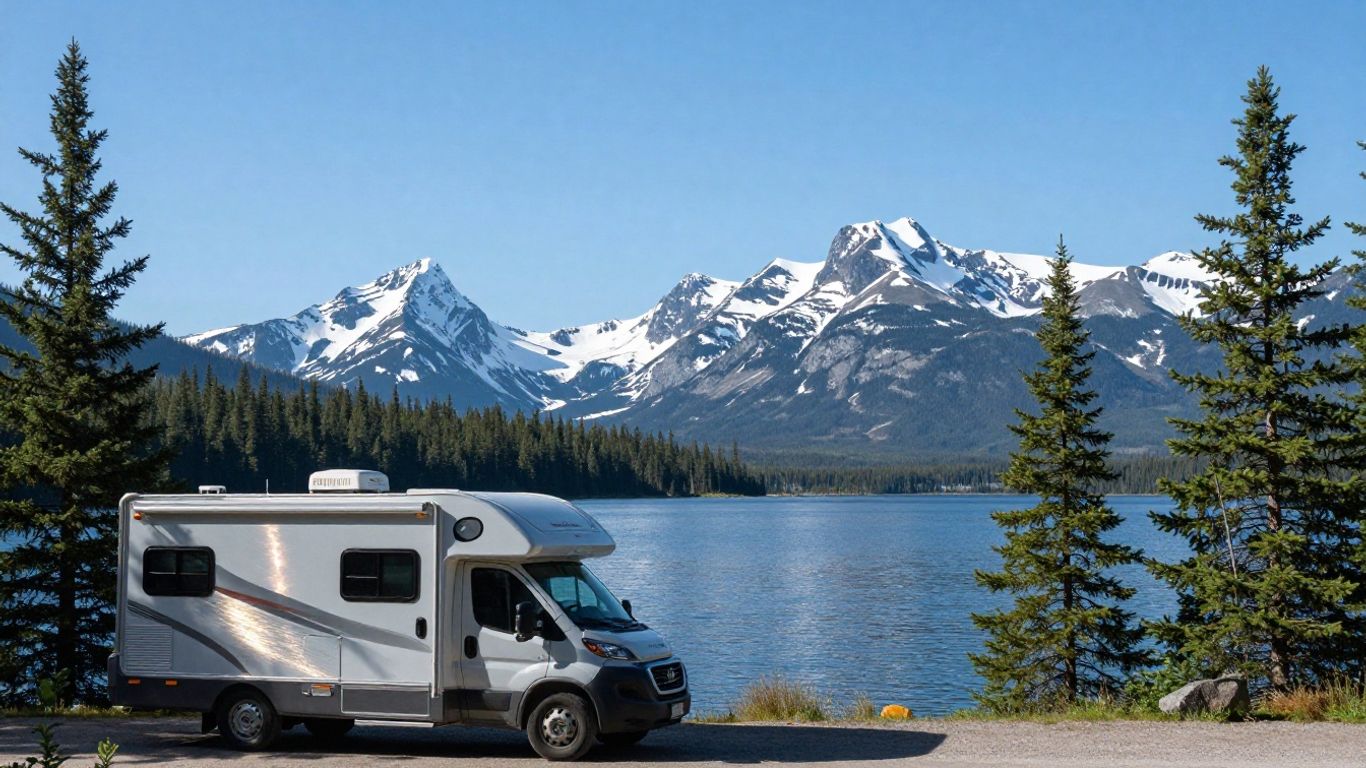
Planning a motorhome trip across Canada might seem like a big task, but it doesn’t have to be stressful. Think of it like packing for a regular vacation, just with a few more wheels. This guide is all about making your canada motorhome holiday planning smooth, so you can focus on the amazing scenery and experiences waiting for you. We’ll break down the steps, from picking the right RV to knowing what to do once you’re on the road. Let’s get this adventure started!
Key Takeaways
- Choosing the right motorhome depends on your group size and travel style; smaller options are easier to drive and park.
- Map out your route in advance, considering scenic drives and researching RV parking at attractions to avoid surprises.
- Book popular campgrounds, especially in national and provincial parks, well ahead of time, and check for necessary amenities.
- Prepare by packing convenience kits, stocking up on groceries, and getting familiar with how your motorhome operates before you leave.
- Driving an RV takes practice; take your time, use pull-offs for breaks and photos, and adjust your travel pace for a more relaxed journey.
Choosing Your Ideal Motorhome
Picking the right motorhome is like choosing your adventure buddy. It needs to fit your crew, your style, and the kind of trip you’re dreaming of. Don’t just grab the first one you see; take a moment to figure out what’s going to make your Canadian journey smooth and fun.
Understanding Different Motorhome Classes
Motorhomes aren’t all the same. They come in different sizes and styles, often called ‘classes’. Think of it like picking a car – a small sedan is different from a big SUV. The main ones you’ll see are Class A, B, and C.
- Class A: These are the big ones, like a bus. They offer the most space and amenities, often with separate living areas and full bathrooms. Great for larger families or if you want all the comforts of home, but they can be a bit more work to drive and park.
- Class B: These are often called campervans. They’re built on a van chassis and are the easiest to drive and maneuver. They’re good for couples or solo travelers, but storage and living space can be limited.
- Class C: These are a good middle ground. They usually have an attached cab and a distinctive over-cab sleeping area. They offer more space than a Class B but are generally easier to handle than a Class A. They’re a popular choice for families.
Selecting a Vehicle for Your Travel Group
Who’s coming along for the ride? This is a big one. A motorhome that’s perfect for a couple might feel cramped for a family of four, and vice versa. Think about how much space you’ll actually need for sleeping, eating, and just relaxing after a day of exploring.
- Couples/Solo: A Class B campervan or a smaller Class C might be just right. You get the convenience without a lot of extra bulk.
- Small Families (2-3 people): A standard Class C often works well. Look for models with a dedicated sleeping area for kids or a dinette that converts into a bed.
- Larger Families/Groups (4+ people): You’ll likely want a larger Class C or even a Class A. These give you more room to spread out and often have more sleeping capacity and storage.
Don’t forget to consider how much stuff you’re bringing. Gear for hiking, bikes, or just extra clothes can take up a surprising amount of space.
Considering Compact Options for Easier Navigation
Canada is vast, and while the highways are generally good, some smaller roads, charming towns, and even certain campgrounds can be tight. If you’re new to driving larger vehicles, or if you plan on exploring more off-the-beaten-path spots, a smaller motorhome can make a world of difference.
Opting for a vehicle under 30 feet is often a smart move. It means you’ll have a much easier time fitting into standard parking spots, navigating narrow streets, and getting into many national and provincial park campsites, which often have size restrictions. It takes some of the stress out of the driving part, leaving you more time to enjoy the scenery.
Think about your comfort level with driving. If the idea of maneuvering a large vehicle makes you nervous, a more compact option will let you relax and enjoy the journey a lot more.
Planning Your Canada Motorhome Holiday Route
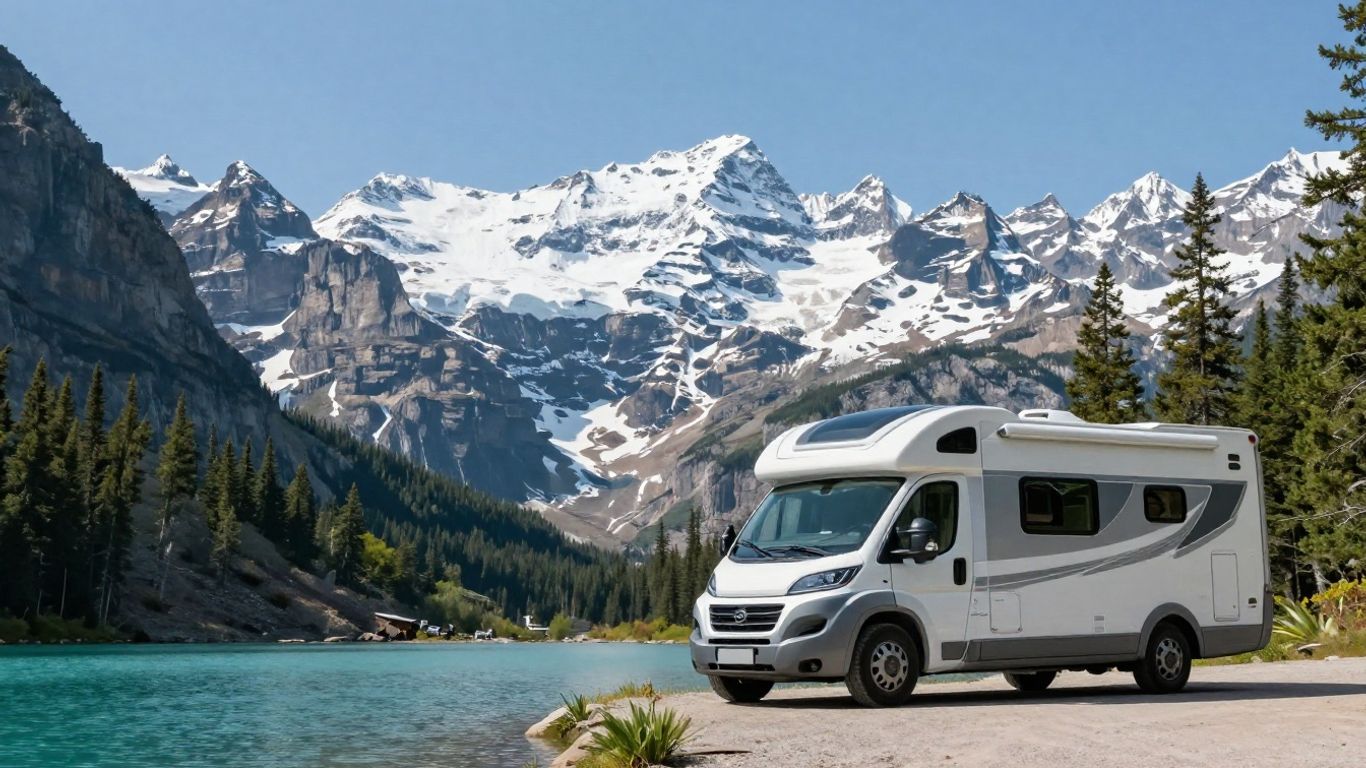
Figuring out where you’re going to go in your motorhome is half the fun, right? But it can also feel a bit overwhelming with so many amazing places in Canada. The key is to break it down and think about what kind of trip you want. Do you want to stick to one province, or are you aiming for a cross-country adventure? Thinking about this early on will help you map out a route that makes sense and doesn’t have you backtracking too much.
Mapping Out Scenic Drives and Stops
Canada is famous for its stunning scenery, and a motorhome trip is the perfect way to soak it all in. Look for designated scenic routes – places like the Sea to Sky Highway in British Columbia are incredible. You’ll want to build in extra time for these drives because you’ll be stopping constantly for photos. Seriously, the views can be breathtaking. Think about major attractions you want to see, but also look for smaller, charming towns or natural wonders along the way. It’s often the unexpected stops that become the best memories.
- Identify your must-see destinations: Are you dreaming of the Rockies, the Pacific coast, or maybe the Maritimes?
- Research scenic byways: Look for routes known for their views, like the Icefields Parkway or the Cabot Trail.
- Factor in driving time: Remember, a motorhome isn’t a sports car. Roads can be winding, and you’ll want to pull over often.
- Consider your pace: Don’t try to cram too much in. A relaxed pace allows for spontaneous detours and more enjoyment.
Researching RV Parking at Attractions
This is a big one. You can’t just pull up a massive motorhome anywhere. Before you set your heart on visiting a particular spot, do a quick search for "RV parking" or "camper parking" for that attraction. Some places have dedicated lots, while others might have restrictions. National and provincial parks often have specific areas for RVs, but city centres can be trickier. You might need to park further away and walk, or use public transport. It’s always better to know this beforehand than to arrive and be stuck looking for a spot.
Planning your route and knowing where you can park your motorhome at your destinations will save you a lot of headaches. It’s worth spending a bit of time on this before you leave.
Adjusting Travel Times for RV Driving
Driving a motorhome is different from driving a car. They’re bigger, slower on hills, and take longer to stop. You’ll want to add a good chunk of time to your estimated driving distances. A route that looks like a four-hour drive on a map might easily take six or more in a motorhome, especially if you’re taking your time and enjoying the journey. Apps and GPS can help, but always add a buffer. It’s better to arrive at your campsite with plenty of daylight left to set up than to be fumbling in the dark. You can find some great resources to help you plan your ideal Canada road trip with custom itineraries.
Securing Your Campsites
Finding a good spot to park your motorhome each night is a big part of planning your Canada trip. It’s not like just showing up at a hotel; you need to think ahead, especially if you want to stay in some of the really popular places. Booking your campsites well in advance is key to avoiding disappointment.
Booking Popular Campgrounds in Advance
Many travelers dream of just hitting the road and seeing where it takes them. While that has its appeal, the reality for motorhome travel in Canada is that the best campsites, particularly those in or near national and provincial parks, get reserved months ahead of time. If you have specific locations in mind, especially during peak season (summer and early fall), you’ll want to get those reservations locked in as soon as your travel dates are firm. Websites for individual campgrounds or booking platforms will show you availability and allow you to secure your spot. Always check the cancellation policies, too, just in case your plans shift while you’re on the move.
Exploring National and Provincial Park Options
Canada’s national and provincial parks offer some of the most stunning locations to park your motorhome. These sites often come with basic hook-ups for electricity, water, and sometimes even sewage, which makes life a lot easier. Plus, you get to wake up surrounded by incredible scenery you just can’t get from a hotel window. Reservations for these spots are usually managed through Parks Canada or the respective provincial park systems. They can fill up fast, so keep an eye on their booking windows.
Understanding Campground Amenities
Campgrounds vary a lot, so it’s smart to know what you need before you book. Some places are pretty basic, offering just a place to park and maybe a fire pit. Others are more like resorts, with pools, laundry facilities, and full hook-ups (power, water, and sewer). Think about what’s important for your trip. Do you need Wi-Fi? Full hook-ups to run your appliances easily? Clean shower facilities? Knowing this will help you pick the right spot and avoid surprises. It’s also worth noting if they have a dump station for emptying your grey and black water tanks, which you’ll need to do every couple of days.
Here’s a quick look at what you might find:
- Basic Campsite: Usually just a designated spot, maybe with a picnic table and fire ring. Good for a night or two if you’re self-sufficient.
- Partial Hook-ups: Offers electricity and water. Great for most motorhomes.
- Full Hook-ups: Includes electricity, water, and sewer connections. Ideal for longer stays or if you plan to use a lot of power.
- Park Amenities: Look for things like washrooms, showers, laundry, playgrounds, and sometimes even camp kitchens or visitor centers.
When you’re looking at campgrounds, don’t just focus on the price. Think about the location relative to your route, the type of environment (wooded, open, lakeside), and the specific amenities that will make your stay more comfortable. A little research now saves a lot of hassle later.
Preparing for Your Journey
Packing Essential Convenience Kits
Before you even think about hitting the road, let’s talk about getting your motorhome ready. It’s not just about the big stuff; it’s the little things that make a big difference. Think about putting together a "convenience kit" for a few key areas. For the kitchen, include things like a good can opener, a bottle opener, a whisk, and maybe some reusable food storage containers. You’ll thank yourself later when you’re not rummaging for a specific utensil. Then there’s the bathroom kit – don’t forget extra toilet paper (the RV kind, it’s different!), hand soap, and a small first-aid kit. Seriously, a basic first-aid kit is a lifesaver for minor cuts or scrapes. And for general living, a small toolkit with a screwdriver, pliers, and some duct tape can fix a surprising number of small issues. Having these kits pre-assembled means you can just grab them and go, saving you a ton of time and stress when you’re packing up.
Stocking Up on Groceries and Supplies
Okay, so you’ve got your convenience kits sorted. Now, let’s tackle the food situation. It’s tempting to just plan on eating out every night, but that gets expensive fast, and honestly, part of the fun of an RV is cooking your own meals with a view. Before you leave, do a big grocery run. Focus on non-perishables first: pasta, rice, canned goods, snacks, coffee, tea. Then, add in some fresh items that will last a few days, like potatoes, onions, and hardier fruits. Don’t forget cleaning supplies too – dish soap, sponges, paper towels, and trash bags are a must. You’ll also want to think about water. If you plan on doing any dry camping (boondocking), having extra water jugs is a smart move. Remember to check your RV’s tank capacity so you know how much you can carry.
Familiarizing Yourself with Vehicle Operation
This is a big one, and it’s easy to overlook when you’re excited to start your trip. Before you drive off the lot, take some time to really get to know your motorhome. Don’t just assume you know how everything works. Ask the rental company to walk you through everything: how to start the generator, how to operate the propane tanks, how to manage the fresh water and waste water tanks, and how to use the heating and cooling systems. If possible, practice driving it in an empty parking lot. Get a feel for its size, how wide it is, and how it turns. Knowing where all the controls are and how they function will make a world of difference once you’re on the road. It’s better to feel a little silly asking questions now than to be stuck on the side of the road later.
It’s easy to get caught up in the excitement of a new adventure, but taking a little extra time to prepare your motorhome and understand its systems can prevent a lot of headaches down the line. Think of it as setting yourself up for success.
Navigating and Driving Your Motorhome
Getting Comfortable with Vehicle Size
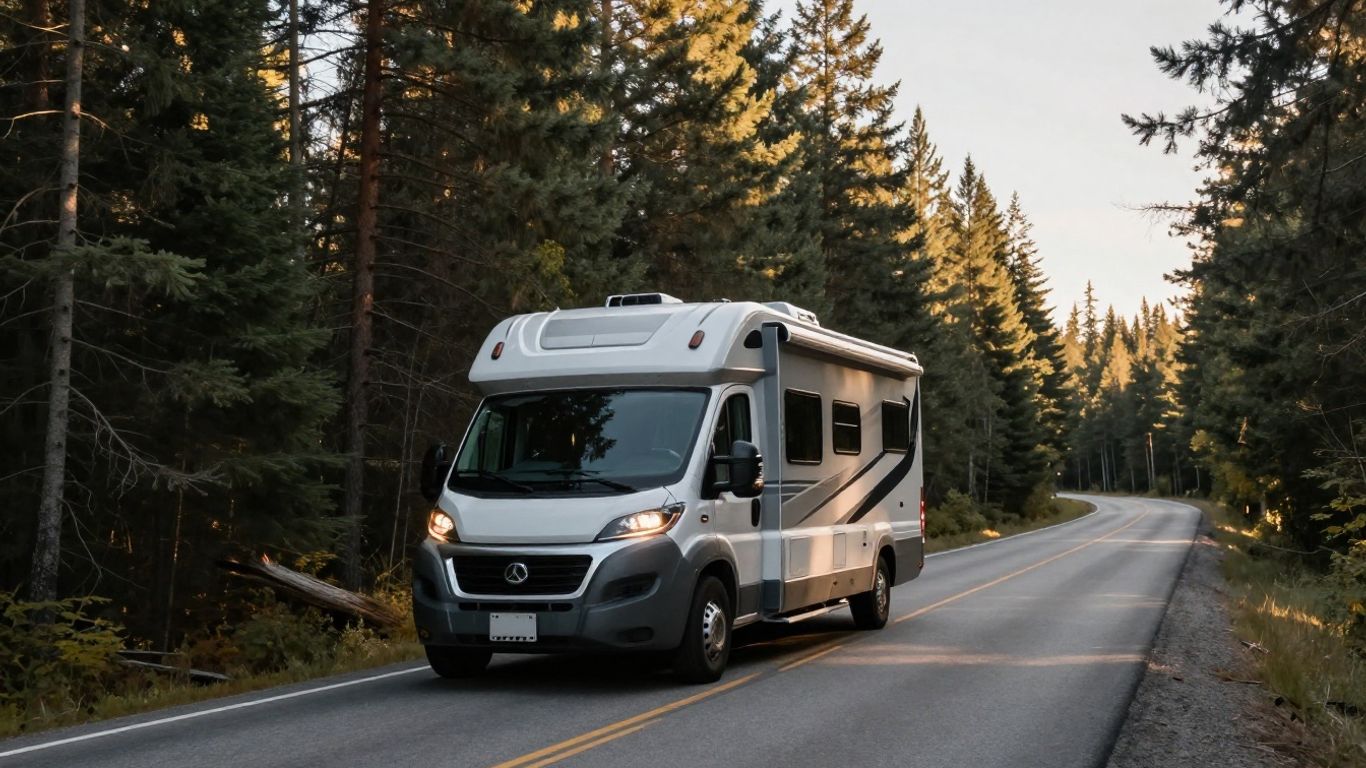
Okay, so you’ve picked out your perfect rolling home, and now it’s time to actually get behind the wheel. It’s totally normal to feel a bit intimidated by the size at first. These things are bigger than your average car, no doubt about it. But honestly, they’re designed to be surprisingly easy to handle. Canada’s roads are often pretty open, which really helps. You’ll get the hang of it faster than you think. Just remember to take it slow, especially when you’re first starting out. Think of it like learning to ride a bike again, but, you know, much bigger and with a kitchen.
Utilizing Scenic Pull-Ins and Parking
One of the best parts of RV travel is stopping whenever the mood strikes. You’ll find tons of scenic pull-offs all over the place, perfect for snapping photos or just taking a breather. Don’t be shy about using them! They’re there for you. When you need to grab groceries or supplies in a town, look for larger parking spots. Sometimes, you might need to do a little extra maneuvering, but most places are pretty accommodating. Planning ahead for parking at popular spots is a good idea, too. You don’t want to get to a major attraction and find out there’s no room for your rig. Checking out RV parking information beforehand can save you a lot of hassle.
Understanding Driving Pace and Rest Stops
Here’s a big one: don’t expect to travel at car speeds. RVs are heavier and less aerodynamic, so you’ll naturally go slower. A good rule of thumb is to plan for an average speed of around 50 miles per hour. This gives you wiggle room for slower stretches, plus more frequent stops for gas and just to stretch your legs. Driving an RV takes more concentration than a car, and you might find yourself feeling tired after a shorter amount of time behind the wheel than you’re used to. Some folks swear by the ‘3/300 rule’: drive no more than 300 miles in a day and aim to arrive at your campsite by 3 PM. This leaves you plenty of time to set up camp without feeling rushed.
- Plan your daily mileage realistically. Don’t overschedule yourself.
- Take breaks every couple of hours. Even short stops help.
- Listen to your body. If you’re tired, pull over and rest.
Driving an RV is a different experience than driving a car. It requires more awareness of your surroundings, including the vehicle’s height and width, and anticipating the needs of a larger vehicle on the road. Adjusting your expectations for travel time and incorporating regular rest stops will make your journey much more enjoyable and safe.
Managing Your Motorhome On The Road
So, you’ve got your motorhome all packed and you’re ready to hit the road. Awesome! But now comes the part where you actually live in this thing for a while. It’s not like a hotel where you just call for room service. You’re the one in charge of keeping everything running smoothly. Don’t sweat it, though. Most of these rigs are pretty user-friendly, and once you get the hang of it, it’s actually pretty satisfying.
Monitoring Battery Power and Water Levels
Keeping an eye on your power and water is probably the most important thing you’ll do. You don’t want to be stuck in the middle of nowhere with no lights or running water, right? Most motorhomes have a control panel that shows you exactly how much of each you have left. Learn to read this panel like the back of your hand.
- Battery: Your motorhome runs on batteries, and if you’re not plugged into shore power (that’s the electricity at a campsite), they’ll drain. Driving the motorhome for a couple of hours or running the engine for a bit while parked will recharge them. Some rigs also have solar panels, which help a lot.
- Water: You’ll see how much fresh water is in your tank. If you’re at a campsite with a hookup, you can connect directly to their water supply, which saves your onboard tank. The pump that sends water to your taps runs on battery power, so keep an eye on that too.
Think of your battery and water levels like your phone’s battery. You wouldn’t wait until it’s at 1% to find a charger, would you? A little proactive checking goes a long way.
Operating the Refrigerator and Water Heater
These are two big ones for comfort. Your fridge will keep your food from going bad, and the water heater means you can actually take a hot shower.
- Refrigerator: These usually work best when plugged into shore power. If you’re running on battery alone, they can drain it pretty quickly. Some have propane options, which are great for when you’re not hooked up.
- Water Heater: You can usually choose whether to heat your water using electricity (when plugged in) or propane. It’s a good idea to turn the water heater off when you’re not actively using hot water, especially if you’re trying to conserve power.
Utilizing On-Board Resources and Support
Don’t forget that the rental company is there to help! They usually provide detailed manuals or even videos showing you how everything works.
- Manuals/Videos: Before you even leave the rental lot, take some time to look through the provided materials. It’s way easier to figure things out when you’re not stressed and parked on the side of the road.
- 24/7 Support: Most rental companies offer some kind of roadside or technical assistance. If you’re really stuck, don’t hesitate to call them. That’s what they’re there for!
- Checklists: Create your own simple checklists for things like starting up in the morning, shutting down at night, or preparing to drive. It helps make sure you don’t forget anything important.
Ready for Your Canadian Adventure?
So, there you have it. Planning a motorhome trip across Canada might seem like a big task at first, but with a little bit of forethought, it’s totally doable. Remember to pick the right vehicle for your crew, book those popular campsites early, and don’t try to cram too much driving into one day. Canada’s vast landscapes are best enjoyed at a relaxed pace. Once you’re on the road, you’ll find that driving these rigs is easier than you think, and the freedom to stop wherever the view strikes your fancy is unbeatable. Get out there and make some memories!
Frequently Asked Questions
What kind of motorhomes can I rent?
You can rent different sizes of motorhomes. Some are big and great for families, with space for everyone to sleep and store your stuff. Others are smaller, perfect for couples or smaller families. There are even camper vans that are like a truck with a cozy sleeping area on top, which are easy to drive around towns.
Is it hard to drive a motorhome in Canada?
Don’t worry, motorhomes are easier to drive than they look! Canadian roads are usually not too busy, making it simpler to get around. There are plenty of spots along the way to pull over for photos or a break, and parking lots in towns are often big enough for motorhomes.
How do I find places to park my motorhome overnight?
It’s a good idea to book campsites ahead of time, especially popular ones. Many national and provincial parks in Canada have campgrounds where you can stay. These often have hook-ups for electricity, water, and a place to empty your waste tanks. Staying in these parks lets you enjoy beautiful nature spots.
What should I pack for a motorhome trip?
Many rentals come with ‘convenience kits’ that include things like bedding, towels, and kitchen stuff. It’s also smart to pack some essentials like rubber gloves for cleaning and maybe a basic first-aid kit. Don’t forget to stock up on groceries before you head out!
How do I manage things like water and power in the motorhome?
Your motorhome has a control panel that shows you how much battery power and water you have. You can recharge the battery by driving or running the engine for a bit. You can fill up your water tank or connect to water at many campsites. The fridge and water heater work on power, so keep an eye on your battery levels, especially if you’re not plugged in.
How fast should I drive and how far should I go each day?
Motorhomes are slower than cars, so don’t plan to drive as fast or as far. A good rule is to plan for about 50 miles per hour on average. It’s also best not to drive more than 300 miles in one day and try to reach your campsite before it gets dark, especially on your first day, so you can set up easily.