

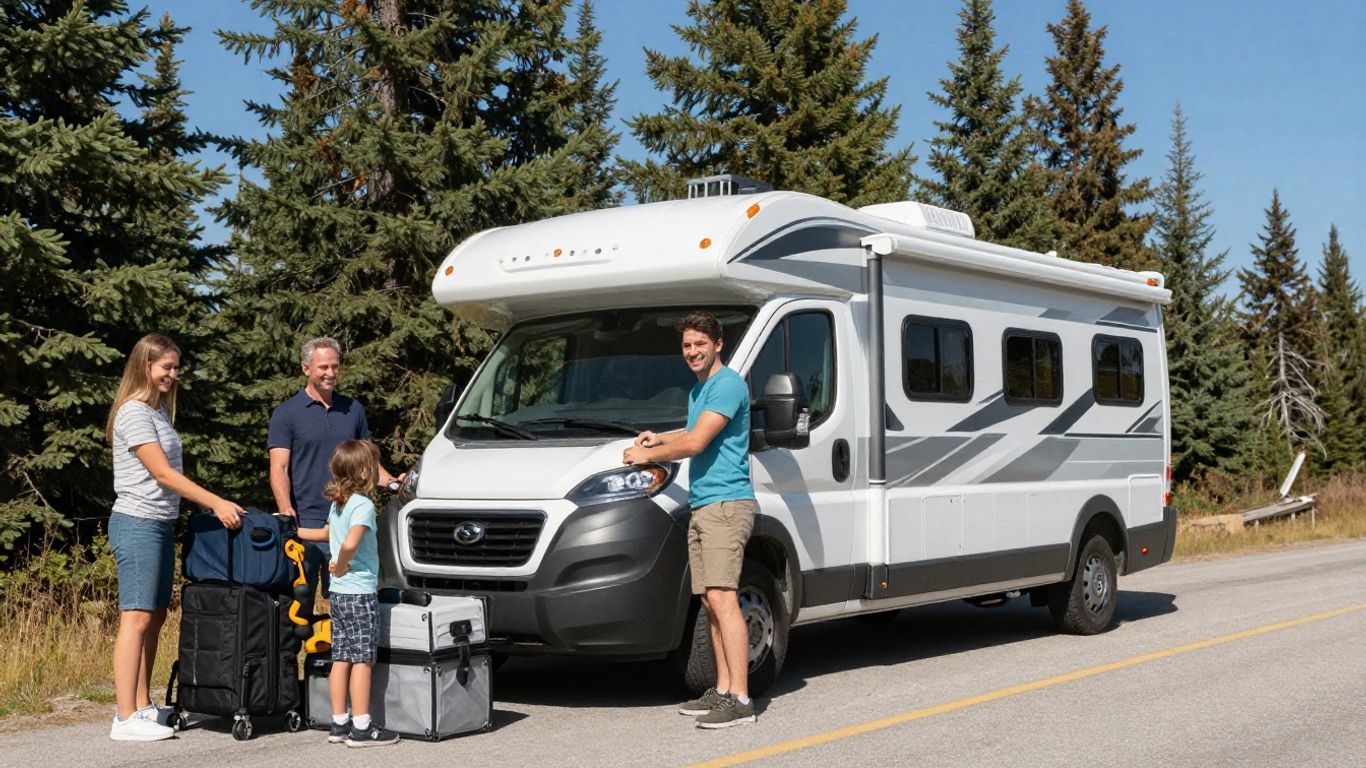
Thinking about renting an RV in Canada for your next trip? It sounds like a blast, right? Cruising around, seeing the sights, and having your own little home on wheels. But before you get too excited and click that ‘book’ button, there are a few things you should really know. It’s not quite as simple as just grabbing the keys to a car. You want to make sure you’re getting the right RV for you and your crew, and that you know what you’re getting into. Let’s break down what to consider when you book an RV rental in Canada.
Key Takeaways
- Figure out how many people are going with you and what your budget looks like. This helps narrow down RV sizes and types.
- Know the make, model, and year of the RV. This helps you research its performance and reliability.
- Understand all the costs involved, not just the daily rate. Ask about extra fees for things like cleaning, propane, or mileage.
- Inspect the RV thoroughly before you leave and know the cancellation policy. This avoids surprises and problems later.
- Book your RV rental in Canada well in advance, especially for popular travel times, to get the best selection.
Understanding Your RV Rental Options
Determine the Number of People Accompanying You
Before you even start looking at RVs, figure out exactly who’s coming along for the ride. This isn’t just about having enough seats; it’s about sleeping arrangements too. A couple might be perfectly happy in a smaller campervan, but if you’ve got a family of five, you’ll need something with more sleeping space and probably more than one sleeping area. Make sure everyone has a seatbelt for travel, too. It’s a safety thing, you know?
Consider Your Budget
Let’s be real, RVs can get pricey. You’ve got the rental cost itself, but then there are fuel, campsite fees, and maybe even extra charges for mileage. Figure out what you can comfortably spend before you get your heart set on a luxury motorhome. Sometimes a more basic, but still roomy, towable RV might be the way to go if you’re trying to save a few bucks. It’s all about finding that sweet spot between what you want and what you can afford.
Figure Out Your Preferred Camping Style
Where do you see yourself camping? Are you dreaming of parking at a remote spot with no hookups, just you and nature? If so, you’ll need an RV with good water tanks and power capabilities. Or maybe you’re more of a campground person, wanting to be close to amenities. Some national parks have size restrictions for RVs, so if you plan on exploring those, a smaller rig might be better for navigating those tighter roads. Think about the kind of trips you want to take.
Decide Between Towable or Driveable RVs
This is a big one. Do you want an RV that you drive yourself, like a motorhome? Or are you thinking about a trailer that you tow behind your vehicle? If you go the towable route, you’ll need a truck that’s capable of pulling it. If you don’t have one, you’ll have to factor in the cost of renting a truck or having the trailer delivered to your campsite. It really changes how you plan your trip.
Choosing the right RV type is like picking the right tool for a job. You wouldn’t use a hammer to screw in a bolt, right? Similarly, the RV you pick should match your travel plans, your group size, and your comfort level with driving and managing a larger vehicle. Taking a little time to think this through upfront can save you a lot of hassle later on.
Key Questions Before You Book an RV Rental in Canada
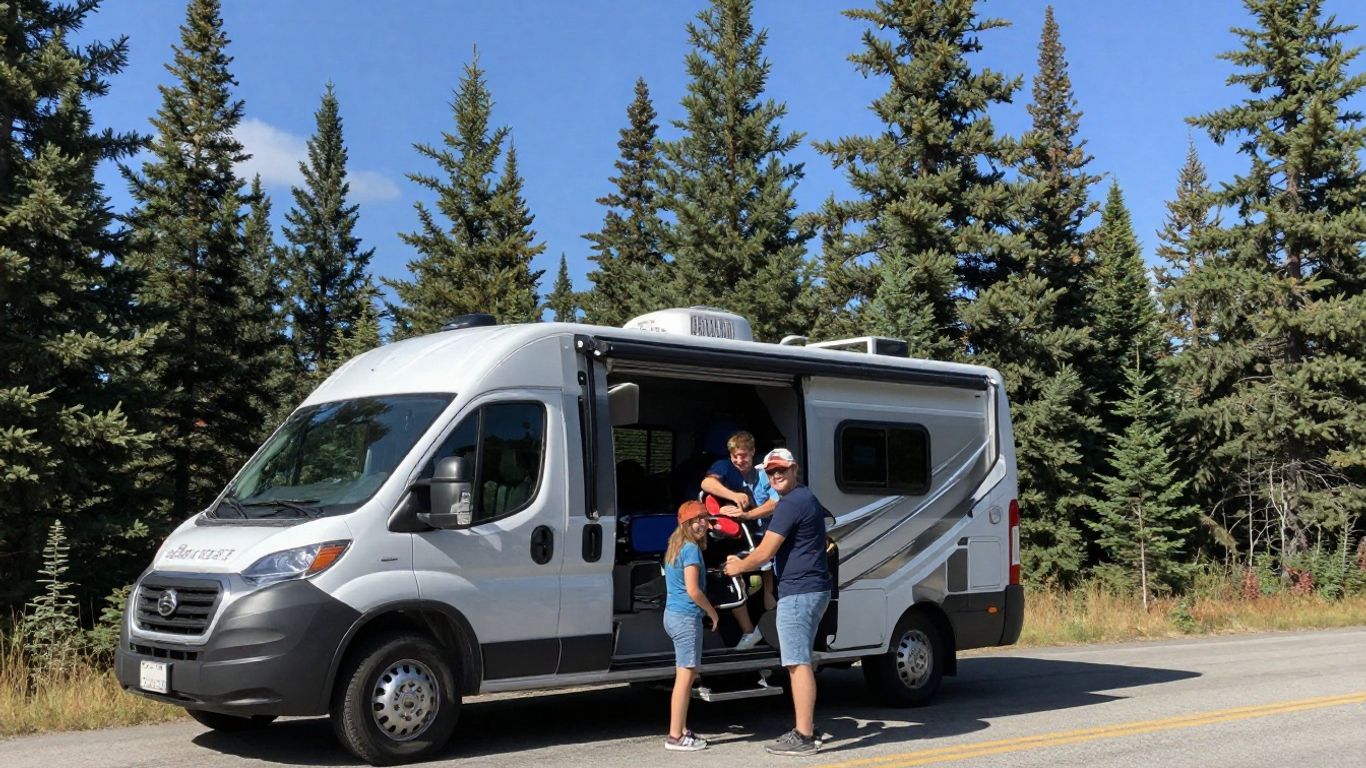
Before you hand over your hard-earned cash for an RV rental, there are a few things you really should ask. It’s not just about picking the prettiest camper; it’s about making sure it fits your trip and won’t leave you stranded or stressed.
What Is The Make, Model, And Year Of The RV?
Knowing the specific make, model, and year of the RV is more than just a detail. It lets you do a little digging. You can look up reviews for that particular model, check its safety ratings, and get a general idea of how it performs. If you’re not seeing this info clearly listed, don’t hesitate to ask the owner directly. They’re the ones who know it best from personal experience.
How Many People Can Sleep Comfortably In The RV?
This is a big one, seriously. You don’t want to find out your "cozy" RV is actually just plain cramped. Ask how many people can comfortably sleep. This usually means looking beyond just the number of beds and considering actual living space. A host should be able to give you a realistic number based on the RV’s layout and amenities.
Will I Need A Special Driving License?
For most RV rentals in Canada, if the vehicle isn’t excessively large (think under three axles), your standard driver’s license should be perfectly fine. However, if you’re eyeing a really big Class A motorhome, it’s wise to double-check. Some larger vehicles might have specific weight or length restrictions that could require a special license or endorsement. It’s always better to ask than to assume.
How Old Is The Rental RV?
This might seem minor, but the age of the RV can matter, especially if you plan on staying at certain RV parks or resorts. Some upscale places have age limits for the vehicles they allow on their grounds, often around 10 years old. If the listing doesn’t mention it, ask the owner. It could save you a headache later on.
Always get the details in writing or via the rental platform’s messaging system. This creates a record of what was agreed upon, which can be super helpful if any questions or disagreements pop up down the road. It’s just good practice for any rental, really.
Here’s a quick rundown of what to confirm:
- Vehicle Specifications: Make, model, year, and dimensions (height, width, length).
- Sleeping Capacity: The number of people who can sleep comfortably.
- Driver Requirements: Confirm if your standard license is sufficient.
- Age Restrictions: Especially if you have specific campgrounds in mind.
- Included Amenities: What basic items come with the rental (linens, kitchenware, etc.)?
Navigating RV Rental Costs and Fees
Alright, let’s talk about the money side of renting an RV. It’s not just about the sticker price you see first off. There are a bunch of things that can add up, and it’s good to know about them before you get hit with a surprise bill.
Understanding RV Rental Pricing
The daily rate for an RV can change quite a bit. Some places keep it the same all year, but many will charge more during busy times, like summer or during big local events. Think of it like airline tickets – when everyone wants one, the price goes up. If you can travel when it’s less popular, like in the fall or winter, you might snag a better deal. Just watch out for holidays, as those can bump prices up too, even in the off-season.
Here’s a rough idea of what you might see for daily rates, but remember, these are just averages and don’t include everything else:
| RV Type | Average Price Per Night |
|---|---|
| Class A Motorhome | $300 |
| Class B Motorhome | $238 |
| Class C Motorhome | $215 |
| Travel Trailer | $116 |
| Fifth-Wheel | $160 |
| Pop-up Camper | $91 |
The base price is just the beginning; other fees can easily add 50% or more to your total cost.
Be Aware Of All Potential Fees
This is where things can get tricky. The daily rate often doesn’t cover a lot of extras. You’ll want to get a clear list of everything you might be charged for. Common ones include:
- Prep Fees: Getting the RV ready for you.
- Cleaning Fees: Both for pickup and return.
- Mileage Charges: Some rentals have a limit on miles, and going over costs extra.
- Generator Use: If you plan to run the generator a lot, there might be a fee.
- Propane Refills: You usually have to return it with a full tank.
- Tank Dumping: Fees for emptying the waste tanks if you don’t do it yourself.
- Insurance: Sometimes this is separate.
- Taxes: Don’t forget these!
- Pet Fees: If you’re bringing a furry friend.
Always ask for a written quote that breaks down every single charge. This way, there are no surprises when it’s time to pay up or return the RV.
What Free Items Are Included In The Rental?
On the flip side, some things might be included that you don’t have to pay extra for. It’s worth asking about these. Often, rental companies will include basics like:
- Linens (sheets, blankets, pillows)
- Basic kitchenware (pots, pans, utensils)
- RV-safe toilet paper
- Cleaning supplies
- Sometimes even camp chairs or a small grill
Confirming what’s included can help you pack lighter and save money on buying or renting these items separately.
Essential Checks and Policies for Your RV Rental
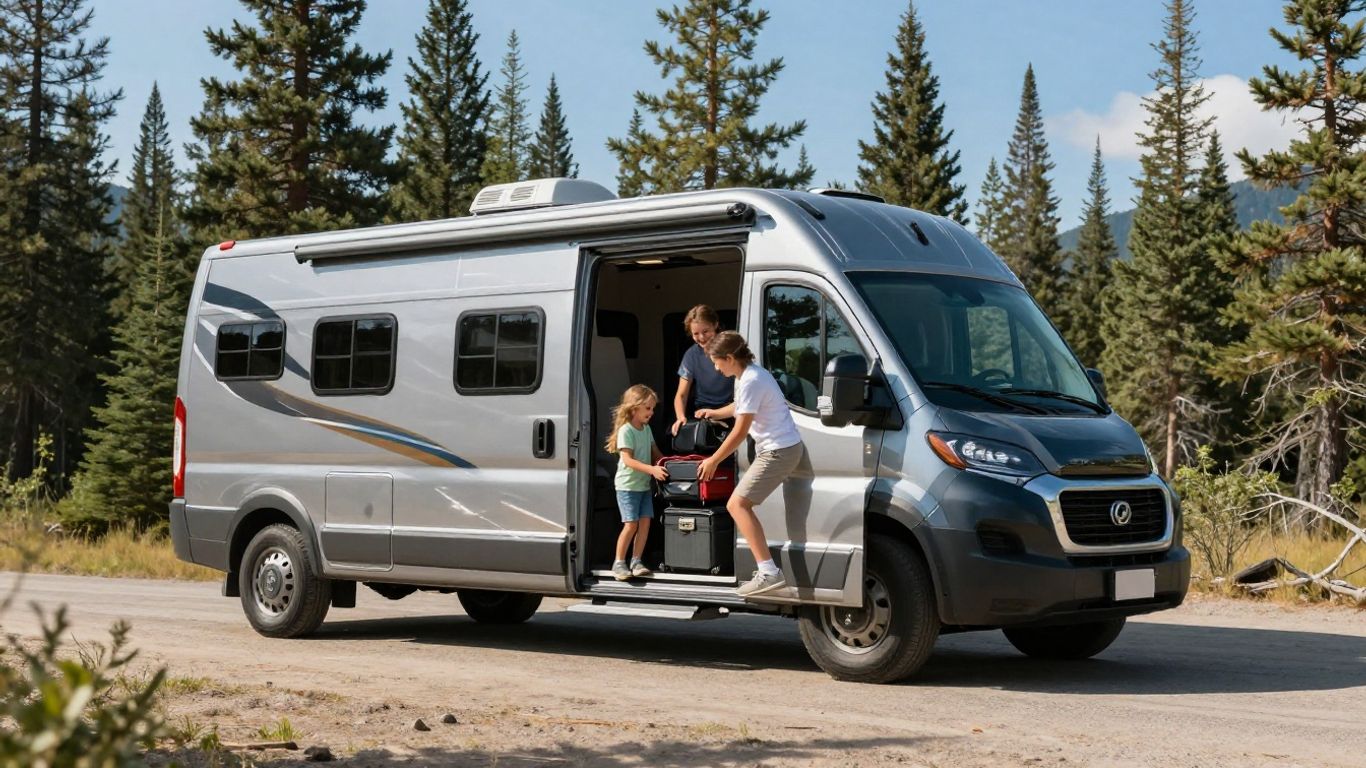
Alright, so you’ve picked out your RV, which is awesome! But before you hand over the keys and hit the road, there are a few really important things to check and understand. It’s like doing a final once-over before a big trip – you don’t want any surprises popping up when you’re already miles away from home.
Inspect the RV Inside and Outside
This is a big one. When you pick up the RV, don’t just glance at it. Take your time and really look it over, both inside and out. Snap some photos or even a quick video on your phone. This is your proof of what the RV looked like when you got it. Check for any dings, scratches, or weird stains on the outside. Inside, make sure everything works – the lights, the faucets, the fridge, the stove, the toilet flush. Test out the awning if it has one. Also, get a feel for how everything operates. Ask them to show you how to fill the water tanks, dump the waste tanks (yep, it’s a thing!), and how to work the heater and air conditioner. Knowing these basics upfront will save you a headache later.
What Is the RV Rental Cancellation Policy?
Life happens, right? Sometimes plans change at the last minute. It’s super important to know what happens if you need to cancel your rental. Ask about their policy: how many days in advance do you need to cancel to get a full refund or credit? Some places are really strict, and you might lose your whole deposit if you cancel even a week out. Others are more flexible. Make sure you understand this before you book, so you’re not caught off guard if something unexpected comes up.
What Responsibilities and RV Rental Policies Should I Be Aware Of?
This covers a few different things. First off, what are you responsible for while you have the RV? Ask about things like tire blowouts – what’s the procedure? What about cleaning? Do you need to return it spotless, or is there a cleaning fee? Also, inquire about their pet policy if you’re thinking of bringing a furry friend, and if there are any extra charges or deposits for that. Some rentals have rules about where you can and can’t take the RV, like off-road driving or crossing borders, so get the lowdown on any restrictions.
Are There Towing Policies I Should Be Aware Of?
If you’re renting a trailer or a pop-up that needs to be towed, there are specific things to ask about. You’ll need to know what kind of hitch and electrical connector is required. Does your tow vehicle have the right setup? Sometimes you might need a special brake controller installed on your vehicle. Also, get the exact weight of the RV you’re renting and compare it to your tow vehicle’s capacity. You don’t want to overload your vehicle – that’s a recipe for disaster. If you’re renting a motorhome and planning to tow a car behind it, ask about the rules and any extra costs or insurance needed for that setup.
Don’t forget to ask about roadside assistance. It’s a lifesaver if you run into trouble on the road, like a flat tire or a breakdown. Knowing who to call and what’s covered can make a stressful situation much more manageable.
Preparing for Your RV Adventure
So, you’ve picked out the perfect RV and you’re ready to hit the road. Awesome! But before you just jump in and go, there are a few things that’ll make your trip way smoother. Think of this as your pre-flight checklist, but for a rolling home.
Book Well in Advance
Seriously, don’t wait. RVs are popular, especially during peak seasons like summer, holidays, or school breaks. If you’re dreaming of a specific RV or a particular time, you might need to book months, or even up to a year, ahead of time. The earlier you book, the better your chances of snagging the RV you really want.
Secure Items Inside the RV
When you’re driving, things inside can get a bit wild. Cabinets can pop open, and loose items can go flying. Before you start rolling, take a few minutes to secure everything. Clear off counters and tables, latch cabinets shut, and make sure things like shoes, books, or even your pet’s water bowl are stowed away safely. It’s a simple step that can prevent a lot of mess and potential breakage.
Determine What Kind of Gas Mileage to Expect
RV gas mileage can be a bit of a surprise if you’re not prepared. It really depends on the size and type of RV you’re renting. The owner should be able to give you a ballpark figure, but remember that driving uphill or going faster will use more fuel. It’s good to have a rough idea so you can budget for fuel stops.
Here’s a general idea, but always ask your rental company:
| RV Type | Typical MPG |
|---|---|
| Class A Motorhome | 6-10 |
| Class C Motorhome | 10-15 |
| Travel Trailer | Varies (towed) |
| Campervan | 15-25 |
Know How to Generate Power in the RV
Most RVs have a couple of ways to get power. You can plug into an electrical hookup at a campsite, or you can use the RV’s own batteries. When you’re not plugged in, the batteries take over, but they don’t last forever. That’s where a generator comes in handy. Some rentals have them, some don’t. Find out if yours does, where it’s located, how to start it, and what kind of fuel it needs. It’s your lifeline for keeping things running when you’re off the grid.
Being prepared for these aspects before you even turn the key can make a world of difference. It’s about setting yourself up for a relaxing and fun trip, rather than dealing with unexpected issues on the road.
Making the Most of Your RV Experience
Consider the Sleeping Arrangements
When you’re planning your trip, think about who’s sleeping where. Some RVs have dedicated beds, while others rely on convertible sofas or dinettes. It’s a good idea to get a feel for how these arrangements work before you hit the road. Knowing your sleeping setup in advance can prevent a lot of "who gets the pull-out couch?" debates. If you’re traveling with a group, make sure everyone’s comfortable with the sleeping situation. You might even want to ask the owner about the specific mattress sizes or if bedding is provided. It’s these little details that can make a big difference in how restful your nights are.
Practice Driving Your Rental RV
Driving an RV is quite different from driving a car. They’re bigger, heavier, and have a wider turning radius. Before you embark on your grand adventure, take some time to get comfortable behind the wheel. Find an empty parking lot and practice maneuvering, braking, and backing up. Get a feel for the vehicle’s dimensions and how it handles. This practice run is super important, especially if you’re new to RVing. It’s way better to have a minor fender-bender in a parking lot than on a busy highway.
Plan Your Trip
While spontaneous road trips are fun, having a basic plan for your RV adventure can make things much smoother. Think about where you want to go, how long you want to stay in each place, and what kind of activities you’re interested in. Research campgrounds along your route and check their amenities. Having a general itinerary helps you make the most of your time and avoids last-minute scrambling. You can always adjust your plans as you go, but a starting point is always a good idea. Consider looking into RV trip planning resources to help you map out your route.
Look Into Roadside Assistance
Even with the best planning, things can sometimes go wrong on the road. Flat tires, engine trouble, or other unexpected issues can happen. It’s wise to know what kind of roadside assistance is included with your rental. Some rental companies offer 24/7 support, which can be a lifesaver if you find yourself stranded. Make sure you have the contact information readily available and understand what services are covered. Knowing you have a safety net can give you peace of mind as you travel.
Don’t forget to secure all loose items inside the RV before you start driving. Things can shift around quite a bit when the vehicle is in motion, and you don’t want anything breaking or becoming a projectile. Latch cabinets, put away dishes, and make sure anything on the counters or tables is stowed away safely.
Ready to Hit the Road?
So, you’ve done your homework and are ready to book that RV adventure across Canada. Remember, a little planning goes a long way. From figuring out who’s sleeping where to understanding all the potential costs, taking these steps will help make your trip smooth sailing. It’s all about getting out there, seeing the sights, and making some great memories. Happy trails!
Frequently Asked Questions
What kind of RV should I pick?
Think about how many people are going with you and how much money you want to spend. Also, consider if you like roughing it in the wild or prefer more comfortable spots. You can choose between an RV you drive or one you tow with another vehicle.
Do I need a special license to drive an RV?
Usually, you don’t need a special license if the RV has fewer than three axles. Just your regular driver’s license should be enough. However, if it’s a really big RV, it’s best to check the rules for where you’re going.
How much does it really cost to rent an RV?
The price you see might not be the final price. There can be extra fees for things like cleaning, insurance, or using the generator. Always ask for a full list of all possible costs before you book.
What should I check when I pick up the RV?
Before you drive away, look over the RV inside and out. Make sure everything works, like the lights, appliances, and water tanks. Take pictures of any damage you see so you don’t get charged for it later.
What happens if I need to cancel my RV rental?
Every rental company has its own rules for canceling. Some are strict and might charge you a lot, while others are more flexible. It’s important to ask about the cancellation policy before you pay to avoid surprises.
Should I book my RV rental way ahead of time?
Yes, definitely! RVs are very popular, especially during holidays and summer. Booking months in advance, or even up to a year, is a good idea to make sure you get the RV you want when you want it.