

Thinking about a campervan trip across Canada? It’s a fantastic idea! Imagine waking up to mountain views or the sound of the ocean, all from your own wheels. But before you hit the gas, there’s a bit to figure out, especially when it comes to getting the right van and sorting out the booking. This guide is here to help make that process smoother, so you can focus on the adventure ahead. We’ll cover how to pick the perfect van, what to expect with booking, and some tips to make your trip awesome.
Key Takeaways
- When picking a campervan in Canada, think about the van type (like a converted van, minivan, or SUV with a rooftop tent), how many people it fits, your budget, and when you’re traveling. A 4×4 is good for rougher roads, while a smaller van is easier to drive in cities.
- Booking your campervan hire in Canada should be done ahead of time, especially if you’re traveling during the busy summer months (July-August). This helps you get the best choice of vehicles and rates.
- When comparing rental companies, look at what’s included in the price, like mileage limits, insurance options, and any extra gear. Companies like Canadream, Fraserway, and Four Seasons are popular choices.
- Factor in all costs beyond the rental price, such as fuel, campground fees, and insurance. Basic insurance is usually included, but check what it covers.
- Plan your route carefully, keeping in mind that distances in Canada are huge. Also, book popular campgrounds in advance, especially those in national parks, to avoid disappointment.
Choosing Your Ideal Campervan For Canadian Adventures
Picking the right campervan is kind of a big deal when you’re planning a trip across Canada. It’s not just about having wheels; it’s about having a home on the road that fits your travel style and the places you want to see. Think of it as your personal adventure capsule. You’ve got a few main types to consider, and each has its own vibe.
Understanding Different Van Models
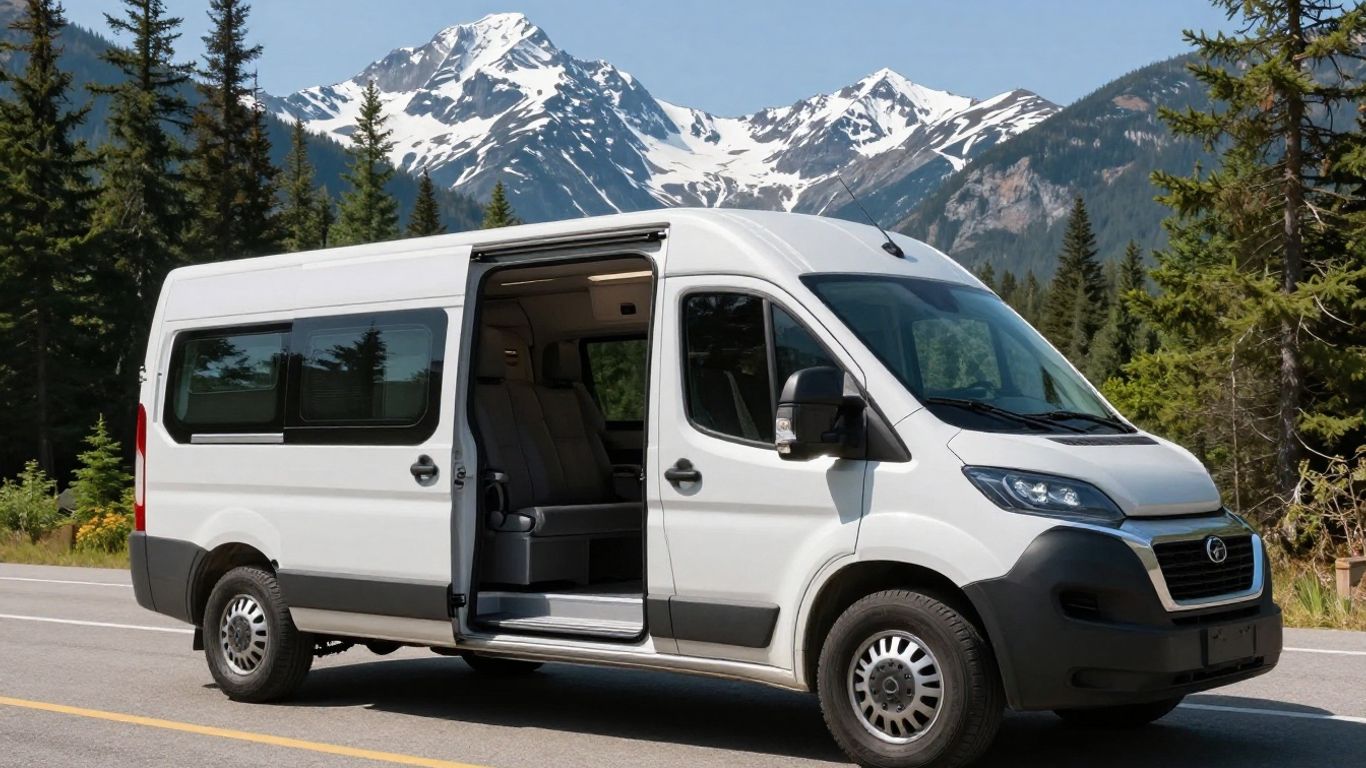
When you start looking, you’ll see a few common setups. There are the classic converted vans, often built on chassis like the Ford Transit or Ram ProMaster. These are usually kitted out with a bed, a small kitchen area, and storage. They’re great for couples or small groups who want a bit more space and comfort, and they’re generally easier to drive than a full-blown RV.
Then you have converted minivans. These are smaller, more discreet, and usually more budget-friendly. They offer the basics – a place to sleep and maybe a tiny cooking setup – but they’re super easy to park and handle, which is a plus in towns and cities.
For a more rugged experience, you might look at an SUV with a rooftop tent. This setup is for those who really want to get off the beaten path. You get the capability of an SUV for rougher roads, and the tent pops up on the roof, leaving the inside free for gear or a small cooking area. It’s a good way to feel closer to nature.
And if you’re planning a winter trip, you’ll want to look for a "4-season" van. These are built to handle the cold with better insulation and heating systems. They’re designed to keep you cozy even when it’s freezing outside.
Key Factors for Van Selection
So, how do you pick the one that’s right for you? First off, think about who’s going. A van that’s perfect for a solo traveler or a couple might feel cramped with a family. Also, consider your comfort needs. Do you just need a place to sleep and make coffee, or do you want a full kitchen and maybe even a small bathroom?
Your planned route matters too. If you’re sticking to paved highways, most vans will do just fine. But if you’re thinking about gravel roads or more remote areas, you’ll want something with a bit more ground clearance or even a 4×4 option. And don’t forget the season. A rooftop tent might be fine in summer, but it’s not ideal when there’s snow on the ground.
Here’s a quick rundown of things to keep in mind:
- Number of travelers: How many people need to sleep and live comfortably?
- Comfort level: What amenities are non-negotiable for you (kitchen, toilet, heating)?
- Driving experience: Are you comfortable driving a larger vehicle, or do you prefer something more compact?
- Road conditions: Will you be on highways, or exploring rougher terrain?
- Time of year: Summer trips have different needs than winter adventures.
Choosing the right van is about matching the vehicle to your adventure, not the other way around. It should feel like a natural extension of your travel plans.
Budget Considerations for Van Hire
Let’s talk money. The cost of renting a campervan in Canada can really vary. You’ll find that prices change a lot depending on the time of year. Summer, especially July and August, is peak season, so expect higher daily rates. During the shoulder seasons, like May, June, September, and October, you can often find better deals.
Here’s a rough idea of what you might expect:
| Van Type | Low Season (CAD/day) | High Season (CAD/day) |
|---|---|---|
| Converted Minivan | $80 – $150 | $130 – $180 |
| Classic Van | $120 – $250 | $200 – $350 |
| 4×4 / Premium Van | (Higher) | (Higher) |
Remember, these are just averages. Prices can also depend on the rental company, how long you rent for, and what’s included. Always check what the daily rate covers – sometimes mileage is limited, and other times it’s unlimited. You’ll also need to factor in costs for fuel, campsites, and insurance, which we’ll get into later.
Navigating Campervan Hire Booking in Canada
So, you’ve decided a campervan is the way to go for your Canadian adventure. Awesome choice! Now comes the part where you actually get the keys to your rolling home. It might seem a bit daunting with all the options out there, but honestly, it’s pretty straightforward if you know a few things.
Advance Booking Strategies
Booking your campervan well ahead of time is probably the single most important thing you can do. Seriously, especially if you’re planning to travel during the peak summer months (July and August) or if you have very specific dates in mind. Popular models, like those designed for four seasons or ones with rooftop tents, get snapped up fast. Waiting too long means you might end up with a vehicle that doesn’t quite fit your needs or paying way more than you have to. Think months in advance, not weeks.
Here’s a quick rundown on why booking early is smart:
- Wider Vehicle Selection: You get first dibs on the exact type of van or RV that suits your group size and comfort level.
- Better Rates: Rental companies often offer early bird discounts, and you avoid the last-minute price hikes.
- Peace of Mind: Knowing your accommodation on wheels is sorted lets you focus on the fun stuff, like planning your route.
Comparing Rental Companies
Canada has a good number of campervan and RV rental companies, and they all have slightly different perks and prices. It’s worth spending a bit of time comparing them. Look beyond just the daily rate. Check what’s included in the price – things like mileage, basic insurance, and kitchen kits can add up.
Here’s what to keep an eye on:
- Pick-up and Drop-off Locations: Can you pick up in one city and drop off in another? This is super handy for one-way trips across the country.
- Vehicle Types: Do they have the size and style you need? From small campervans perfect for couples to larger RVs for families, there’s a lot of variety.
- Included Extras: Some companies include unlimited kilometers, which is a big deal in a country as vast as Canada. Others charge extra for this, so do the math.
- Customer Reviews: See what other travelers say about their experience with the company. Reliability and customer service matter!
Securing the Best Deals
Finding a good deal often comes down to timing and knowing where to look. Sometimes, booking directly through a rental company’s website is best, while other times, comparison sites can show you a range of options all in one place. Don’t forget to check for any special offers or package deals that might include things like campground bookings or activity discounts.
When you’re comparing prices, make sure you’re looking at the total cost. A lower daily rate might hide expensive fees for things like cleaning, extra drivers, or mileage. Always ask for a full breakdown before you commit to anything. It’s better to be upfront about all the costs now than to be surprised later.
Also, consider the time of year. Traveling in the shoulder seasons (spring or fall) can often mean lower rental prices and fewer crowds, giving you a more relaxed experience and potentially saving you some cash.
Essential Information for Your Canada Campervan Trip
Understanding Rental Costs and Inclusions
When you’re looking at campervan hire in Canada, the price tag can seem a bit all over the place. It’s not just about the daily rate; there are a bunch of other things that add up. Most companies will include basic mileage, but if you plan on covering serious ground, you’ll want to check those limits. Some rentals might throw in basic kitchen stuff or bedding, but don’t assume. Always ask what’s actually included – things like propane for the stove, toilet chemicals, or even just a basic toolkit can sometimes be extra. It’s worth making a list of what you absolutely need and then comparing the total cost, not just the sticker price.
Here’s a quick rundown of what to look out for:
- Base Rental Rate: The daily or weekly cost of the van itself.
- Mileage Fees: Check if there’s a daily or total mileage limit, and what the cost is per extra kilometer.
- One-Way Fees: If you’re picking up in one city and dropping off in another, expect a significant extra charge.
- Optional Extras: Things like GPS units, camping chairs, extra bedding, or child seats usually cost more.
- Prep Fees: Some companies charge a cleaning or preparation fee, regardless of how you return the van.
Necessary Insurance Coverage
Insurance is a big one, and honestly, it can be confusing. The rental company will offer some level of coverage, but it’s often the bare minimum. Think of it like the basic insurance on your own car – it covers the absolute essentials. You’ll likely want to look into additional coverage for things like damage to the vehicle (CDW or LDW), theft, and maybe even tire or windshield protection. Some credit cards offer rental insurance, so it’s a good idea to call your bank and see what they cover. Don’t skip this step; unexpected things happen on the road, and you don’t want to be stuck with a massive bill.
Preparing for Your Journey
Getting ready for a campervan trip in Canada involves more than just packing clothes. First off, your driver’s license needs to be valid. If it’s not in English or French, you might need an International Driving Permit, so check with the rental company beforehand. Also, most places require you to be at least 21 or 25 years old, and sometimes they want to see you’ve had your license for a year or two. When it comes to entering Canada, depending on where you’re from, you might need an eTA or a visitor visa. It’s best to sort these out well before you plan to leave.
Here are a few other things to think about:
- Connectivity: While you might want to disconnect, having a way to get online can be helpful for maps or checking weather. Consider a local SIM card or a portable Wi-Fi hotspot.
- Navigation: Don’t rely solely on your phone’s data. Download offline maps or bring a dedicated GPS. Cell service can be spotty in remote areas.
- Safety Kit: Pack a basic first-aid kit, some common tools, and maybe even a headlamp. You never know when you might need them.
- Wildlife Awareness: Canada has a lot of wildlife. Be aware of speed limits, especially around dawn and dusk, and know what to do if you encounter animals on the road. Moose and deer are common sights.
Remember that distances in Canada are vast. What looks like a short drive on a map can easily turn into a full day of travel, especially when you factor in stops for photos, snacks, and just soaking in the scenery. Plan your days realistically and don’t try to cram too much in. It’s better to enjoy a few places thoroughly than to rush through many.
Maximizing Your Campervan Experience
So, you’ve got your campervan booked and you’re ready to hit the road. Awesome! But how do you make sure this trip is more than just a drive? It’s all about planning ahead and being smart on the go. Think of it like packing for a big trip – the more you prepare, the smoother it goes.
Planning Your Route Across Canada
Canada is huge, seriously massive. You can’t see it all in one go, so picking a route is key. Are you dreaming of the Rocky Mountains or the coastal vibes of the Maritimes? Decide what kind of scenery you’re after. For example, heading west means you’ll likely encounter places like Banff and Jasper, famous for their stunning peaks and turquoise lakes. Eastern Canada offers a different kind of beauty, with historic towns and rugged coastlines. Don’t try to cram too much in; pick a region and explore it well.
Here’s a quick look at some popular route ideas:
- Western Canada: Think mountains, glaciers, and wildlife. This route often includes Banff, Jasper, and Yoho National Parks. It’s perfect for hiking and nature lovers.
- Eastern Canada: Explore historic cities like Quebec City and Halifax, plus the scenic Cabot Trail. This is great for those who enjoy culture and coastal drives.
- The North: For a truly unique experience, consider the Yukon or Northwest Territories. This is for the adventurous, seeking vast, wild landscapes.
Choosing the Right Campgrounds
Where you park your van at night makes a big difference. You’ve got a few options:
- National and Provincial Parks: These often have the best locations, right in the heart of nature. Book these way in advance, especially during peak season.
- Private Campgrounds: These usually offer more amenities like showers, laundry, and Wi-Fi. They can be a good backup if park sites are full.
- Boondocking (Dispersed Camping): This means camping on public land, often without facilities. It’s free and offers a real sense of solitude. Just remember, rules vary, and non-Canadians might need a permit for boondocking on Crown lands [0443]. Always check local regulations before you park.
Tips for a Smooth Road Trip
Little things can make a big impact on your trip. Here are some ideas to keep things running smoothly:
- Stock Up Smart: Plan your meals and grocery stops. Having a good supply of non-perishables is a lifesaver when you’re in remote areas.
- Vehicle Check: Before you leave, do a quick check of your van – tire pressure, oil, water. It’s better to catch small issues early.
- Stay Connected (or Disconnected): Download offline maps. Cell service can be spotty, especially in national parks. Decide if you want to be fully off-grid or have a backup plan for communication.
- Embrace Flexibility: Sometimes the best adventures happen when plans change. Don’t be afraid to take a detour if you see something interesting.
Being prepared doesn’t mean sticking rigidly to a plan. It means having the knowledge and supplies to handle whatever the road throws at you, so you can relax and enjoy the journey. Think of it as having a good toolkit for your adventure.
Remember, the goal is to enjoy the incredible scenery and freedom that comes with a campervan. With a bit of planning, your Canadian adventure will be one for the books.
Exploring Canada’s Diverse Landscapes by Van
Canada is just massive, right? And seeing it all from the driver’s seat of a campervan is a pretty sweet deal. You get to wake up to mountain views one day and ocean breezes the next, all without packing and unpacking your bags. It really lets you get up close and personal with the country’s wild side.
Western Canada’s Majestic Scenery
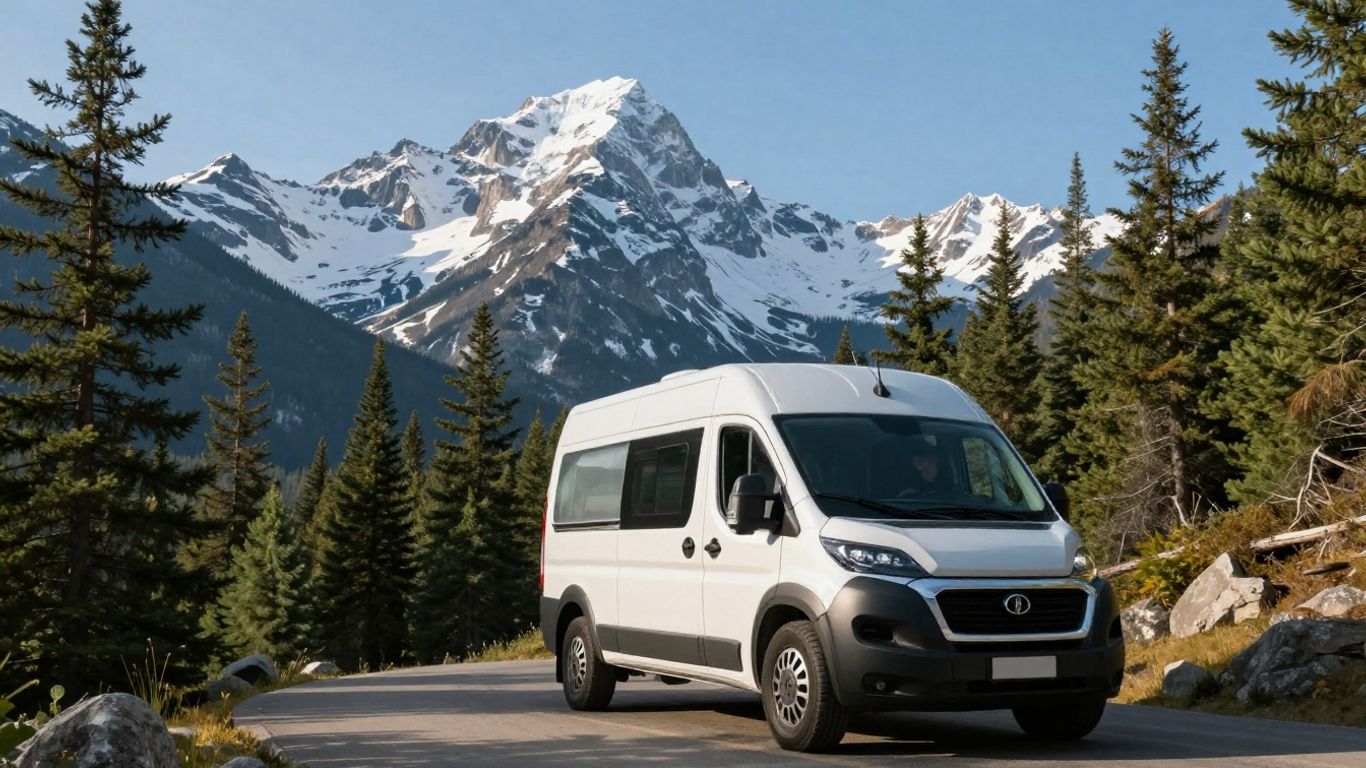
When most people think of a Canadian road trip, they picture the West. And honestly, it’s easy to see why. Think towering Rockies, impossibly blue lakes, and forests that go on forever. Driving from Calgary towards Vancouver is a classic for a reason. You can hit up places like Banff and Jasper National Parks, which are just stunning. The van is perfect for this because you can easily pull over at viewpoints or find a spot in a campground right in the heart of the parks. It’s a great way to really soak in that raw nature.
Here are a few route ideas to get you started:
- The Rocky Mountain Circuit: This route covers Banff, Jasper, Yoho, and Kootenay National Parks. Expect glaciers, turquoise lakes, and plenty of wildlife spotting opportunities.
- Pacific Coast Highway (BC): Drive along the coast, stopping in charming towns and exploring national parks like Pacific Rim.
- Yukon Adventure: For the truly adventurous, head north into the Yukon for vast, untamed wilderness and a real sense of solitude.
Planning your route in advance can save a lot of hassle, especially in popular national parks. Having a good map or GPS is also a lifesaver when you’re out in the middle of nowhere.
Exploring Eastern Canada’s Charms
Don’t sleep on Eastern Canada, though! It’s a whole different vibe. You’ve got the rolling hills of Quebec, the rugged coastlines of the Maritimes, and the historic charm of Newfoundland. Driving through Quebec’s countryside, stopping at local markets for fresh cheese and bread, is a treat. Then, heading east, you hit the Atlantic provinces. Places like Nova Scotia and Prince Edward Island offer dramatic ocean views and cozy fishing villages. It’s a bit more laid-back than the West, but just as beautiful in its own way. You can find some amazing road trip routes that showcase the best of the East.
Off-the-Beaten-Path Adventures
Once you’ve got a feel for the main routes, why not go a little wild? Canada has so many lesser-known spots that are just begging to be explored. Think about heading up to the Northwest Territories for the Northern Lights, or exploring the vast boreal forests of Manitoba. These places often require a bit more planning and maybe a sturdier vehicle, but the payoff is huge. You’ll find fewer crowds and a deeper connection with nature. It’s about finding those quiet moments, like watching a moose by a remote lake or stargazing with zero light pollution. That’s the real magic of van life in Canada.
Ready for Your Canadian Adventure?
So, you’ve got the lowdown on picking the right campervan for your Canadian trip, from figuring out what fits your budget to knowing if you need a 4×4 for those backroads. Remember, the best van is the one that feels right for you and your travel plans. Don’t forget to factor in fuel, campsites, and insurance when you’re budgeting. Canada’s huge, and the freedom a campervan offers is pretty amazing. It lets you really get out there and see the incredible nature up close, on your own schedule. So, start comparing those vans, book up, and get ready for an unforgettable journey across this amazing country. Happy travels!
Frequently Asked Questions
What’s the best kind of campervan to rent in Canada?
The best van for you depends on your trip! Think about how many people are going, how much money you want to spend, and what you want to do. Small vans are cheaper, while bigger ones with more stuff like kitchens or bathrooms cost more. If you’re going in winter, get a van made for all seasons. If you’re sticking to paved roads, a regular van is fine, but if you want to explore dirt roads, a 4×4 van is better.
How much does it cost to rent a campervan in Canada?
The price changes depending on the time of year and the van you pick. During the busy summer months (July and August), you might pay between $200 to $350 CAD each day for a nicer van. In the less busy times, like spring or fall, it could be around $80 to $250 CAD per day. Remember to also think about gas, places to park overnight, and insurance!
Do I need special insurance for a campervan rental?
Most rental companies include basic insurance with their rentals. However, it’s always a good idea to check exactly what’s covered and if you need to add more protection. Think about things like damage to the van or if someone gets hurt. Sometimes, your credit card might offer some extra coverage, so it’s worth looking into.
Should I book my campervan rental ahead of time?
Yes, definitely! Especially if you’re traveling during the popular summer season or have specific dates you need. Popular van models, like those with rooftop tents or designed for winter, get booked up fast. Booking a few months in advance will give you more choices and likely better prices.
Can I travel in a campervan with my kids?
Absolutely! Campervans are great for family trips. Just make sure the van you choose has enough beds for everyone and can fit car seats if your kids need them. For bigger families, a larger motorhome might offer more room and comfort.
Where are the best places to drive a campervan in Canada?
Canada has amazing places for van trips! Western Canada, with its huge mountains and beautiful lakes like Banff and Jasper, is a classic choice. Eastern Canada, with its charming towns and coastlines, is also wonderful. You can explore forests, coastlines, and even remote spots if your van is ready for it!