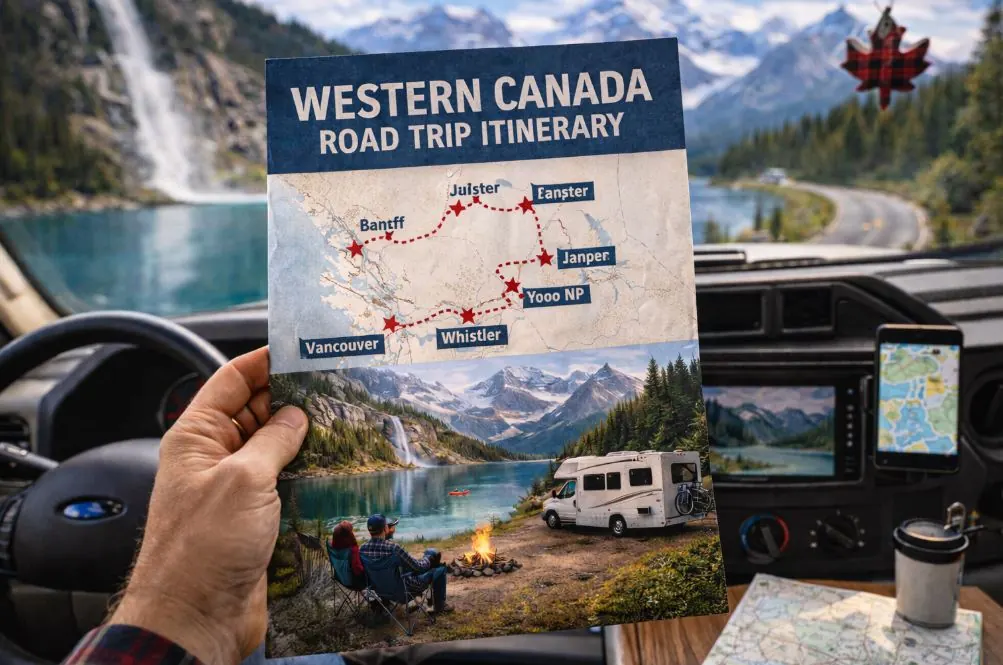
Thinking about a motorhome trip in Canada? It’s a fantastic idea, really. Imagine waking up to a new view every day. But before you hit the road, there’s a bit of planning involved. It’s not just about grabbing the keys and going. You need to figure out the right RV for you, understand the rules, and pack smart. This guide will help you book motorhome rental Canada with confidence.
Key Takeaways
When you book motorhome rental Canada, pick the RV type that fits your trip. A campervan is great for couples, while a Class C motorhome works well for families needing more room.
Understand the rental agreement. Pay attention to pickup and drop-off times, cancellation policies, and any driving restrictions.
Know the legal stuff before you go. Check your driver’s license requirements, insurance needs, and rules about vehicle size and weight for Canadian roads.
Plan your route and book campsites ahead of time, especially if you’re traveling during peak season. Canada has many types of campgrounds, from basic to full-service resorts.
Planning Your Motorhome Rental in Canada
Getting ready for a motorhome trip in Canada is kind of like packing for a big camping adventure, but with a house on wheels. It’s not just about grabbing your toothbrush and a map; there’s a bit more to think about to make sure everything goes smoothly. The first step is really about figuring out what kind of motorhome fits your trip and your budget.
Choosing the Right Motorhome Type
Motorhomes come in all shapes and sizes, and picking the right one makes a huge difference. Think about how many people are traveling, how much driving you plan to do, and what kind of places you want to visit.
Class A: These are the big ones, like a bus. They offer the most space and amenities, perfect for longer trips with more people, but they can be trickier to drive and park.
Class B: These are more like a van, smaller and easier to maneuver. Good for couples or small families who want something more nimble.
Class C: These have a distinctive cab-over-bed section. They’re a good middle ground, offering more space than a Class B but easier to handle than a Class A.
Comparing Rental Companies and Rates
Once you know what kind of motorhome you need, it’s time to shop around for rentals.
Don’t forget to check what’s included. Some companies include mileage, while others charge extra.
Understanding Rental Agreements and Policies
This is where you really need to pay attention. Rental agreements can be long, but they hold all the important details.
Mileage Limits: Know how many kilometers you can drive. Going over can get expensive.
Fuel Policy: Most rentals want them back with a full tank of gas.
Cancellation Policy: Life happens, so know your options if you need to cancel.
Always read the fine print before signing anything. It’s better to ask questions now than deal with surprises later. Make sure you know the rules about where you can and can’t take the motorhome, like driving on unpaved roads or crossing borders.
Essential Legalities for Your Canadian Motorhome Adventure
The legal side of a motorhome booking covers driver eligibility, licence validity, insurance and the conditions in the rental contract. Sorting these out early keeps the trip within the rules.
Driver’s Licence and Insurance Requirements
First off, your driver’s licence. For most motorhomes and RVs, a standard car licence (like a Class 5 in most provinces) is usually enough. However, this can change if the vehicle has air brakes or weighs a lot. For instance, Alberta generally says a Class 5 is fine for most RVs, but Ontario has a combined weight limit of 11,000 kg for a Class G licence. If you’re pushing those limits, you might need a special licence. It’s always best to check the specific rules for the province you’ll be driving in the most.
And insurance? It’s a big one. Motorhomes absolutely need to be insured in Canada. While travel trailers might not always be legally required to have insurance, it’s still a really good idea for liability protection. Your rental company will likely have this covered, but it’s worth double-checking what your policy includes. If you own your RV, make sure your insurance covers it properly, as policies can differ a lot.
Towing Limits and Vehicle Size Regulations
When you’re towing a trailer or driving a larger motorhome, you’ve got to be aware of size and weight limits. These rules can change from one province to another. Generally, a standard licence lets you tow up to about 4,500 kg. 5 metres. 5 metres, but again, check provincial guidelines. Some places, like the Yukon, might allow longer combinations, but don’t assume.
Overnight Parking and Campground Rules
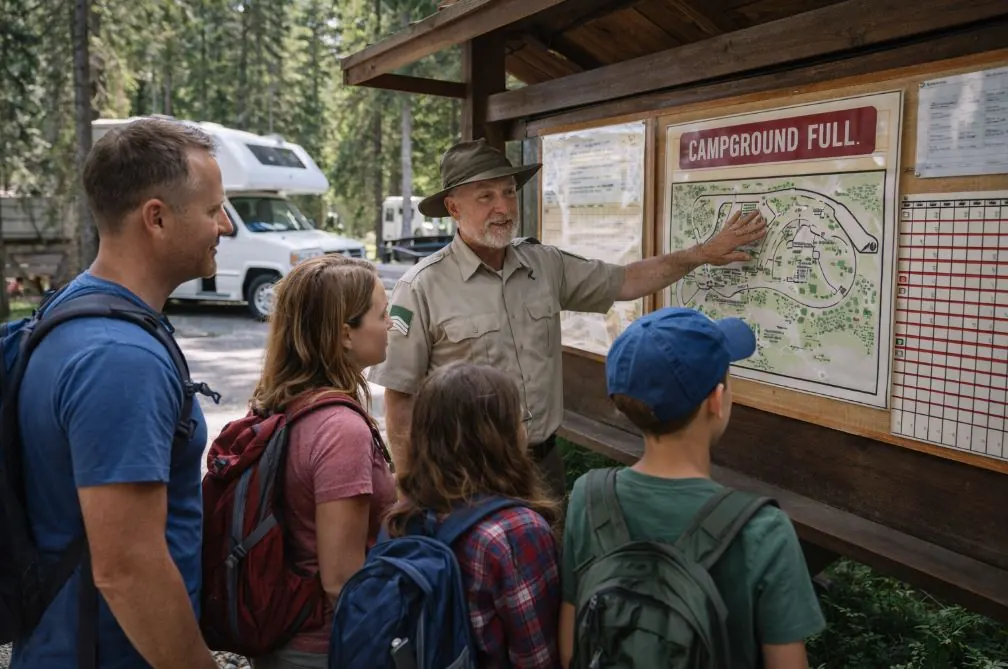
This is where things can get a bit confusing if you’re not careful. You can’t just pull over anywhere and decide to camp for the night. National and provincial park day-use areas typically don’t allow overnight parking. Most towns have bylaws against parking RVs on city streets overnight, so always look for signs or check with local authorities. Parking on private property without asking is a no-go – that’s trespassing. Some big-box stores might let you park overnight, but you must ask the manager first. It’s always better to be in a designated campground or have explicit permission.
When planning your trip, remember that boondocking’ or dry camping’ means setting up camp without typical campground hookups like electricity or water. You’ll rely on your own supplies, like batteries and water tanks. This is often done in more remote spots and requires you to be more self-sufficient with managing your resources and waste.
Navigating Canada’s Roadways and Campgrounds
So, you’ve got your motorhome booked and you’re ready to hit the road. Awesome! But before you just point the vehicle north and go, let’s talk about actually getting around and finding a place to park it for the night. This part is super important, and honestly, a little planning goes a long way.
Mapping Your Route and Scenic Stops
First things first, you need a plan for where you’re going. Don’t just wing it, especially if you’re new to this. Think about the general area you want to explore, whether it’s the Rocky Mountains, the Maritimes, or somewhere else entirely. Then, start plotting your course. Tools like Google Maps are great for basic directions, but for RV travel, you’ll want to check out apps like iOverlander or use resources from Parks Canada and provincial tourism sites. These often have info specific to larger vehicles.
While you’re mapping, don’t forget to mark down any cool spots you want to see along the way. Are there famous viewpoints, quirky roadside attractions, or national parks you want to visit? Jot them down! Also, make a note of where you can find fuel stations and, importantly, places to empty your RV’s waste tanks (dump stations).
Booking Campsites in Advance
This is a big one, especially if you’re traveling during the summer or heading to popular spots like Banff or Algonquin Park. Campgrounds, particularly in national and provincial parks, can fill up incredibly fast. You don’t want to end up driving around late at night looking for a place to sleep. It’s way less stressful to have your spots secured. If you’re looking for alternatives, there are also private campgrounds, and you can often find them through sites like Campendium or Hipcamp.
Understanding Campground Types and Etiquette
Canada has a ton of different places to stay with your motorhome. You’ve got your provincial and territorial parks, which often have areas for RVs with basic hookups, and then there are Parks Canada sites, which can range from fully serviced to pretty rustic. Private campgrounds are usually more like resorts, offering all the bells and whistles – pools, Wi-Fi, playgrounds, you name it. And then there’s boondocking, which is basically camping for free on Crown land in some areas, but it means no hookups at all, so you need to be self-sufficient.
Here’s a quick rundown of what you might find:
Provincial/Territorial Parks: Often have frontcountry (RV-friendly) and backcountry (hike-in) sites. Facilities can vary.
Parks Canada Sites: Range from serviced spots for RVs to more primitive options. Some even have unique shelters.
Private Campgrounds: Typically offer more amenities like full hookups, Wi-Fi, and recreational facilities.
Boondocking (Dispersed Camping): Free camping on Crown land, but with no services. Great for self-contained units.
No matter where you stay, there are general rules of the road, or rather, campground. m. m. It’s also good practice to keep your site tidy, store food properly so you don’t attract animals, and just be considerate of your neighbors. Basically, leave the place as you found it, or even better.
When you’re planning your route, always check the weather for the regions you’ll be visiting. Canada’s climate can change drastically from one province to another, and even within the same province. Mountainous areas can get snow late into spring, while the prairies can be scorching hot in summer. Checking Environment Canada’s forecasts and any provincial travel advisories for road closures or other issues is a smart move before you leave and even during your trip.
Preparing for Your Motorhome Journey
Alright, so you’ve picked out your motorhome and you’re almost ready to roll. It’s not just about packing clothes, you know. Think of it like getting ready for any big adventure – a little prep work goes a long way.
Creating Your Motorhome Essentials Packing List
This is where you start thinking about what you really need. It’s easy to go overboard, but remember, space is limited. Start with the basics for living and cooking. You’ll want things like bedding, towels, basic kitchenware (pots, pans, utensils), and cleaning supplies. Don’t forget personal items, of course, but try to pack them efficiently. Think multi-purpose items where you can. A good rule of thumb is to lay everything out before you pack it, then take out about a third of it. Seriously.
Packing Smart: Balancing Needs and Space
This is the tricky part. You want to be comfortable, but you also don’t want to be tripping over stuff. Soft bags are your friend here; they squish into nooks and crannies better than hard suitcases. Use packing cubes to keep things organized within drawers or cupboards. Think vertically too – shelves and hanging organizers can make a big difference. And for goodness sake, secure everything before you drive. Cabinets need to be latched, and loose items should be stowed away. Nobody wants a flying toaster.
Considering Weather and Provincial Travel Advisories
Canada is huge, and the weather can change on a dime. Before you leave, check the forecast for the regions you’ll be visiting. Are you heading north in the shoulder seasons? You might need warmer gear than you think. Also, look up any provincial travel advisories. Sometimes, road construction or even wildfires can cause detours or closures. A little bit of research here can save you a lot of hassle later on.
Don’t forget to check your motorhome’s specific fuel economy. These vehicles aren’t exactly gas sippers, and knowing your approximate miles per gallon (MPG) will help you plan fuel stops and budget accordingly. Most Class C motorhomes get somewhere between 8 to 12 MPG, so keep that in mind when you’re looking at maps for your next fill-up.
First-Time Motorhome Driving Techniques
Driving a motorhome feels different from a car, no doubt about it. You’re sitting higher, the vehicle is bigger, and everything takes a bit more planning. The biggest thing to remember is to give yourself extra space for everything. Turns need to be wider – start them a little later than you think and swing out. Merging into traffic requires patience; motorhomes don’t accelerate like a sports car, so plan your entry well in advance. Braking is also different; you’ll need to start slowing down much earlier than you would in a regular vehicle. And those blind spots? They’re significant. Get really comfortable using your mirrors, and consider if adding extra mirrors or a backup camera would make you feel more secure.
Practice makes perfect: If you’re feeling nervous, find a large, empty parking lot. Spend some time just getting a feel for the size, turning radius, and braking. It’s way better to make mistakes there than on a busy highway.
Watch for overheads: Bridges, gas station awnings, and even some parking garages can be lower than you expect. Always be aware of your vehicle’s height.
Weather is a factor: Rain, snow, or strong winds can make driving a motorhome more challenging. If the weather looks dicey, it’s often best to wait it out or adjust your plans.
Don’t try to cram too much driving into one day. It’s easy to underestimate how tiring it can be to drive a larger vehicle. You’re on vacation, after all!
Ensuring Vehicle Safety and Maintenance Checks
Before you even pull out of the rental lot, take a few minutes to do a quick check. Most rental companies will walk you through the basics, but it’s good to have your own checklist. Make sure you know where the emergency kit is, how to check tire pressure (and if you have a spare), and how to operate the generator and propane tanks if you plan to use them. It’s also smart to understand how the water and waste tanks work – knowing how to hook up to water and where to find dump stations is key to a smooth trip.
Tire pressure: Check the tires. Underinflated tires are a safety hazard and hurt your fuel economy.
Fluid levels: While the rental company should have done this, a quick glance at the engine oil and coolant levels doesn’t hurt.
Lights and signals: Test all the lights, including brake lights and turn signals.
Propane and generator: Understand how to turn them on and off, and where the shut-off valves are.
Navigating Canadian Roads Safely
Canada is a big place, and its roads can vary a lot. You’ll encounter everything from multi-lane highways to narrow, winding routes through mountains. Always be aware of your surroundings. Pay attention to speed limit signs, especially in national parks and campgrounds where they are often lower. If you’re traveling in more remote areas, keep an eye on your fuel gauge; gas stations can be few and far between. Using a GPS is helpful, but having a paper map as a backup is a smart move, especially if you venture into areas with spotty cell service.
Fuel planning: Motorhomes aren’t exactly fuel sippers. Expect mileage in the 8-12 MPG range. Plan your fuel stops, especially in rural or mountainous areas. Don’t wait until the last minute to fill up.
Road conditions: Check provincial travel advisories before you leave and periodically during your trip. Road construction, weather closures, or other issues can pop up unexpectedly.
Ferry travel: If your route includes ferries, check their size restrictions and book in advance if possible. Some ferries have length limits for vehicles.
Wildlife: Be extra vigilant when driving at dawn and dusk, as this is when many animals are most active. Slow down if you see wildlife near the road. Never swerve suddenly to avoid an animal; it’s safer to brake firmly.
Ready for Your Canadian RV Adventure?
So, you’ve gone through the checklist, planned your route, and figured out the nitty-gritty details of renting an RV in Canada. It might seem like a lot, but taking the time to prepare means you’ll spend less time worrying and more time actually enjoying the incredible scenery. Whether you’re cruising through the Rockies or exploring the Maritimes, having your ducks in a row before you hit the road will make all the difference.
What kind of driver’s license do I need to rent an RV in Canada?
For most RVs, a regular driver’s license is all you need, like a Class 5 in most provinces. However, if the RV has air brakes or is super heavy, you might need a special license. Always check the rules for the province you’ll be driving in to be sure.
Can I park my RV anywhere overnight?
Nope, you can’t just park anywhere. National and provincial parks usually don’t allow overnight parking in day-use areas. Most towns have rules against parking on the street overnight, and parking on someone’s private property without asking is a no-go. Some big stores might let you, but it’s best to ask the manager first.
How much space should I plan for when turning an RV?
RVs are big, so they need way more room to turn than a regular car. Always plan for wider turns, especially in parking lots or at gas stations. It’s a good idea to practice in a large, empty parking lot if you’re new to driving one.
What are the main types of campgrounds in Canada?
Canada has different kinds of places to park your RV. Provincial and territorial parks often have spots with hookups for RVs (frontcountry) or more basic spots for hikers (backcountry). Parks Canada has similar options, plus unique stays like tents called oTENTiks. Private campgrounds are like resorts with lots of amenities like pools and Wi-Fi. You can also find free spots on Crown land, but these are usually more basic with no hookups.
Should I book campsites in advance?
Definitely! Especially if you’re traveling in the summer or going to popular places like Banff or Jasper. Campsites, particularly in national and provincial parks, can fill up really fast, sometimes within minutes. Booking ahead saves you the stress of not finding a spot.
What are some essential items to pack for an RV trip?
Besides your clothes and personal items, think about things like bedding (sheets, pillows), kitchen stuff (dishes, pots, utensils), basic tools, safety gear (first-aid kit, flashlight), and toiletries. It’s also smart to pack layers of clothing because Canadian weather can change quickly. Soft bags are great for packing because they save space.
Use this guide for trip ideas, not a current quotation or a guarantee of access, safety, inclusions or availability. Confirm the requirements and conditions for your dates, destination and provider before booking.