

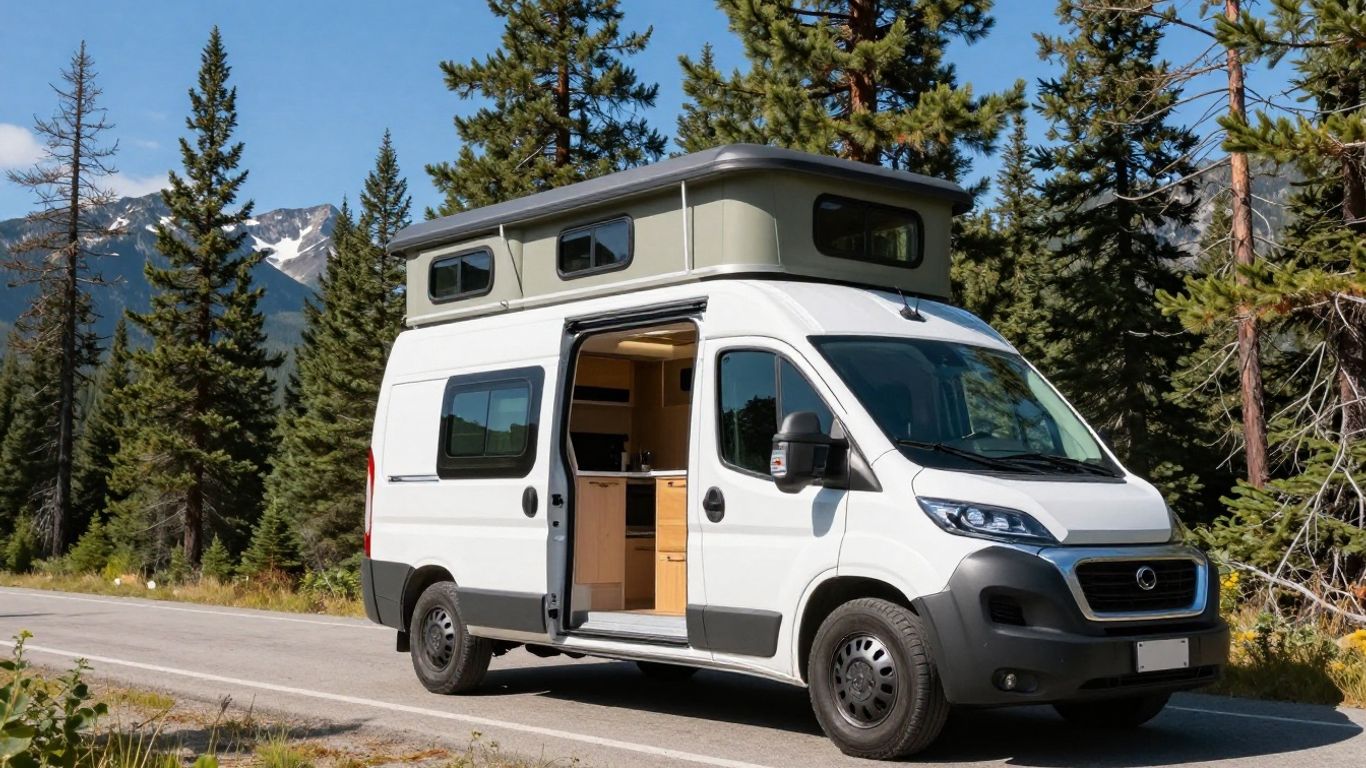
Planning a road trip across Canada in a campervan is a fantastic idea. But before you hit the road, it’s super important to know what you’re actually paying for. Rental companies often include the basics, like the van itself and some living stuff, but then there are all these extras. We’re talking about everything from bedding and kitchen gear to insurance and even how many kilometers you can drive. Figuring out what’s included versus what costs extra for your kanada campervan hire will save you headaches and maybe even some cash. Let’s break it down so you know exactly what to expect.
Key Takeaways
- Most kanada campervan hire packages include the vehicle, basic living amenities like beds and a kitchen, and an orientation session. Make sure to clarify what ‘basic’ means for your specific rental.
- Optional add-ons are common and can significantly change your rental cost. Things like kitchen kits, bedding, and child seats are usually extra, so budget for what you truly need.
- Understand the mileage policy for your kanada campervan hire. Some offer unlimited kilometers, while others have a daily allowance with overage charges. Know the cost per kilometer if you go over.
- While basic insurance is typically included, consider upgrading for added peace of mind, especially for longer trips or if you’re new to RVing. Look into options like reduced deductibles and tire protection.
- Be aware of potential extra fees. These can include things like northern surcharges for remote travel, generator usage fees, or even pet fees. Always ask about these upfront when booking your kanada campervan hire.
Understanding What’s Included in Kanada Campervan Hire
So, you’re thinking about renting a campervan in Canada? That’s awesome! Before you get too excited about hitting the open road, let’s talk about what actually comes with the rental. It’s not just a box on wheels, you know. Most companies will give you the basics to get you started, which is pretty handy.
Core Vehicle and Living Essentials
When you pick up your campervan, it’s going to have the vehicle itself, obviously. But beyond that, you’ll find it’s set up for you to live in for a bit. This usually means:
- Sleeping arrangements: Beds and seating that match the number of people the van is rated for. No one wants to sleep on the floor if they don’t have to.
- Kitchen basics: A place to cook, like a stove, a sink for washing up, and a fridge to keep your snacks cool. It’s not a gourmet kitchen, but it does the job.
- Bathroom facilities: Most of the bigger vans (Class C and A) will have a toilet and shower. Smaller ones might just have a toilet, or sometimes none at all, so check this if it’s important to you.
- Water and waste systems: You’ll have tanks for fresh water, grey water (from sinks and showers), and black water (from the toilet). Knowing how these work is pretty key.
- Heating: Some basic heating to keep the chill off, especially if you’re traveling outside of peak summer.
- Storage: Places to stash your bags and gear. It’s amazing how much stuff you can accumulate, even on a short trip.
It’s really important to get a handle on how these systems work before you drive off. A quick rundown from the rental company can save you a lot of headaches later on, especially when it comes to managing water and waste.
RV Systems Orientation and Support
Before you even turn the key, the rental company should give you a walkthrough. Think of it as your RV 101 class. They’ll show you:
- How to operate the water pump, hook up to power (or use the battery/generator), and manage those waste tanks we just talked about.
- How to use the appliances safely – the stove, the fridge, the heater. You don’t want to accidentally set anything on fire or run out of power in the middle of nowhere.
- Some basic driving tips. RVs handle differently than cars, especially when parking or going around corners. They’ll give you the lowdown.
This orientation is super helpful, especially if you’ve never driven or lived in an RV before. It makes you feel a lot more confident about heading out on your adventure.
Included Insurance and Protection
Good news: basic insurance is usually part of the deal. This covers you for the standard stuff, like third-party liability. It’s what allows you to legally drive the vehicle. However, it’s worth noting that this basic coverage often comes with a pretty high deductible. That means if something happens, you could be on the hook for a significant amount of money. We’ll get into the upgrade options for this later, but for now, just know that the bare minimum is typically included.
Optional Add-Ons for Your Kanada Campervan Hire
So, you’ve got your campervan booked, but what about all the little things that make a trip truly comfortable and convenient? While the core vehicle is equipped, many companies offer a range of optional add-ons to tailor your experience. Think of these as upgrades that can really smooth out your journey, especially if you’re new to RVing or just want to pack lighter.
Kitchen and Bedding Kits
Packing a full kitchen and all your bedding can take up a ton of space. To make things easier, most rental companies offer pre-packaged kitchen and bedding kits. The kitchen kit usually includes the basics: pots, pans, utensils, plates, cups, and cutlery. It’s a lifesaver if you don’t want to buy all new kitchenware just for your trip. Similarly, bedding kits typically come with sheets, a pillow, and a duvet or blanket for each person. It means you don’t have to stuff sleeping bags into your luggage.
- Kitchen Kit: Cookware, utensils, dishes, glasses.
- Bedding Kit: Sheets, pillow, blanket/duvet per person.
These kits are generally priced per rental, so check the specific cost when you book. It’s often a small price to pay for the convenience and space saved.
Outdoor and Recreational Gear
Canada is all about the outdoors, right? If you plan on spending a lot of time at campsites, enjoying the fresh air, or exploring, consider these extras. Many companies offer camping chairs, which are perfect for sitting around a campfire or just relaxing at your site. Some might even have small tables or portable BBQs available. If you’re bringing bikes, a bike rack can be a really useful addition, saving you space inside the van. Always ask what’s available – you might be surprised!
Child Seats and Extra Storage
Traveling with little ones? Most rental companies can provide child seats, though availability can vary, so book these well in advance. It’s a huge relief not having to transport your own car seats across the country. For those who tend to overpack or are bringing larger gear like skis or extra sports equipment, inquire about additional storage solutions. Sometimes, roof boxes or cargo carriers can be added to the rental, giving you that much-needed extra space without cluttering the interior of your campervan.
Mileage and Fuel Policies for Kanada Campervan Hire
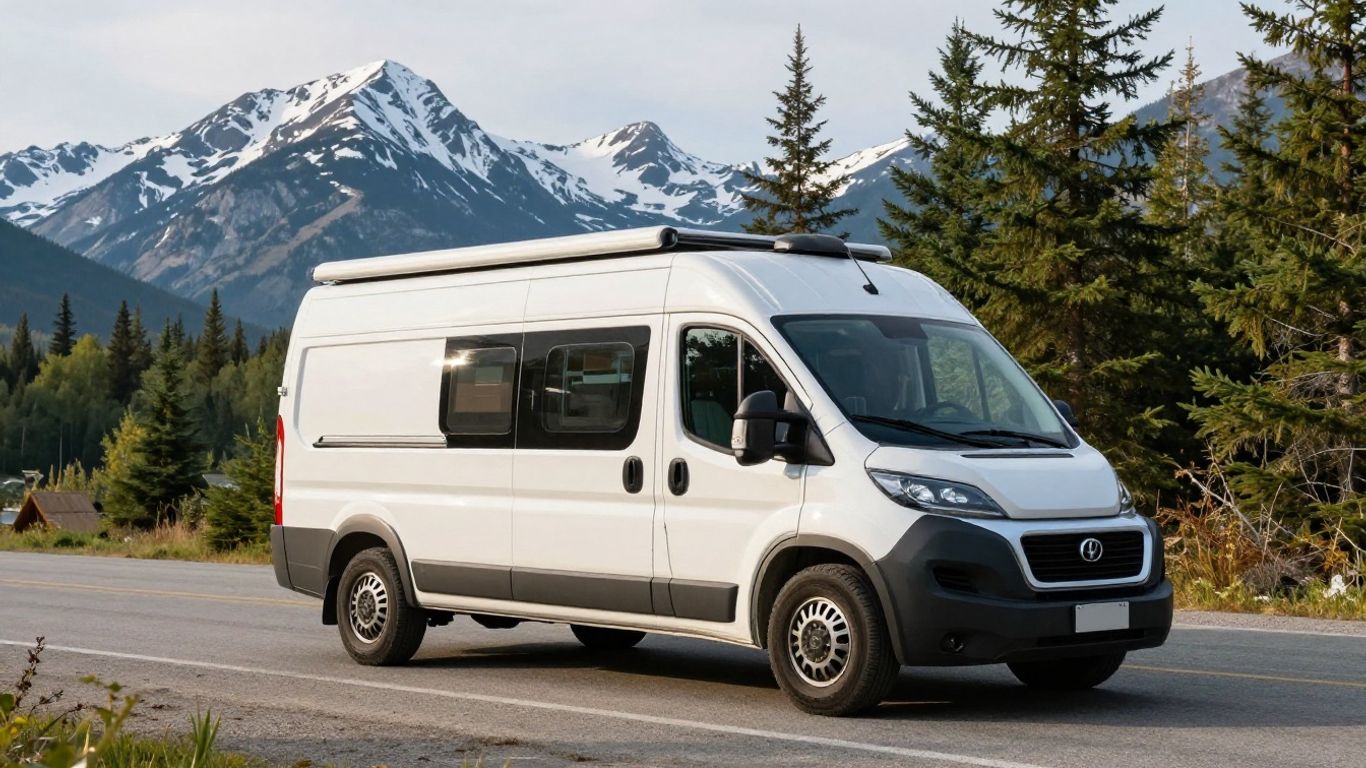
When you’re planning your big Canadian adventure in a campervan, figuring out the mileage and fuel situation is pretty important. It’s not always as straightforward as filling up your car at home, so let’s break it down.
Unlimited vs. Kilometre Allowance
Most campervan rentals come with a set number of kilometres included per day. Think of it like a daily allowance. For example, your rental might include 100 kilometres per night. If you’re sticking to a smaller area or shorter trips each day, this might be perfectly fine. However, if you’re planning on covering a lot of ground, you’ll want to pay close attention to this. Some companies offer unlimited mileage, but this usually comes with a higher daily rental rate. It’s a trade-off: pay more upfront for the freedom to drive as much as you want, or stick to a limit and potentially pay extra later.
Overage Charges and Pay-Per-Kilometre
So, what happens if you go over your included kilometre allowance? This is where overage charges come in. Most companies will charge you a per-kilometre rate for every kilometre you drive beyond your daily limit. This rate can add up quickly, so it’s wise to estimate your driving needs. Some rentals might even offer a pay-per-kilometre option from the start, where you’re not given a daily allowance but instead pay for every kilometre driven. This can sometimes be more cost-effective if you know you’ll be driving a lot, but it requires careful budgeting. For instance, additional kilometres at drop off can cost around $0.47 per kilometre.
Fuel Responsibility for Renters
This is a big one, and it’s pretty consistent across the board: you, the renter, are always responsible for fuel. The campervan will be provided with a full tank, and you’re expected to return it with a full tank. This applies whether your campervan runs on regular gasoline or diesel, so be sure you know which type of fuel your specific vehicle takes. It’s a good idea to factor in fuel costs when you’re budgeting for your trip, especially if you plan on doing a lot of driving. Don’t forget to check the fuel policy details before you set off on your Canadian campervan trip.
Understanding these policies upfront can save you a lot of headaches and unexpected costs. Always clarify the specifics with your rental company before you sign anything. It’s better to be over-prepared than to be surprised by extra fees at the end of your journey.
Enhanced Protection and Insurance Options
Upgraded Coverage for Peace of Mind
When you rent a campervan in Canada, the rental company usually includes some basic insurance. But honestly, it’s often worth looking into more coverage, especially if you’re new to RVing or planning a long trip. Think of it like this: you wouldn’t drive across the country without car insurance, right? This is kind of the same, but for a much bigger, more complex vehicle. It’s about having that extra layer of security so you can focus on the adventure, not on potential problems.
Reduced Deductibles and Additional Drivers
Most rental agreements have a deductible, which is the amount you’re responsible for if something goes wrong. For example, a standard security deposit might be $3,000. If there’s damage, you could be on the hook for that full amount, or a portion of it, depending on the situation. Options like ‘Liability Reduction’ can lower this amount significantly. For instance, paying an extra $30 per night might reduce your liability to $1,000. Then there’s ‘Liability Reduction Zero’ at $45 per night, which brings your responsibility down to $0. It’s a good idea to check what’s covered and what’s not with these plans.
Here’s a quick look at how the liability can change:
| Plan Name | Cost Per Night | Your Maximum Liability | Notes |
|---|---|---|---|
| Standard Liability | (Included) | Up to $3,000 | Standard security deposit required at pickup. |
| Liability Reduction | $30 | $1,000 | Must report incidents within 24 hours. Exclusions apply. |
| Liability Reduction Zero | $45 | $0 | Includes windshield/tire replacement. Must report incidents within 24 hours. Exclusions apply. |
Also, think about who will be driving. Sometimes there’s an extra fee for additional drivers, but it’s usually a small price to pay for flexibility on longer drives.
Windshield and Tire Protection Plans
Canadian roads can be tough on vehicles. You might hit a rock or a pothole, and suddenly you’ve got a cracked windshield or a flat tire. Repairing or replacing a windshield can get expensive, easily costing hundreds of dollars. For about $14 per night, you can get a Windshield Protection Plan. This usually covers one windshield replacement or a few stone chip repairs during your trip. If you opt for the ‘Liability Reduction Zero’ plan, windshield and tire replacement are often included, though you might still pay for the service call to fix it. It’s a smart move to protect yourself from these common, costly issues.
When considering extra protection, weigh the cost of the plan against the potential cost of repairs or replacements. Think about your travel route, the time of year, and your comfort level with risk. Sometimes, a little extra payment upfront saves a lot of stress and money down the road.
Personal Items to Pack for Your Kanada Campervan Trip
So, you’ve got your campervan booked and you’re dreaming of the open road. Awesome! But before you hit the gas, let’s talk about what you actually need to bring with you. While the rental company covers the big stuff like the vehicle itself and basic living amenities, there are definitely some personal items that are all on you. Packing smart means more comfort and less hassle on your adventure.
Clothing for Variable Weather
Canada’s weather can be a real wild card, no matter the season. One minute it’s sunny and warm, the next it’s chilly and raining. Layering is your best friend here. Think breathable base layers, insulating mid-layers like fleece, and a waterproof outer shell. Don’t forget a good pair of walking shoes, some comfy camp shoes, and maybe a hat and gloves, even in summer if you’re heading to higher elevations or the coast.
Personal Toiletries and Medications
This is pretty straightforward, but easy to forget in the excitement. Bring your usual toiletries – toothbrush, toothpaste, soap, shampoo, conditioner, and anything else you use daily. If you take any prescription medications, make sure you pack enough for your entire trip, plus a little extra just in case. It’s also a good idea to have a basic first-aid kit handy for minor scrapes or headaches.
Food, Groceries, and Reusable Items
While your campervan will have a kitchen, it usually doesn’t come stocked with food. You’ll need to plan your meals and buy groceries. Consider non-perishable items for the start of your trip and plan stops for fresh produce. Bringing reusable water bottles and coffee cups is a great way to cut down on waste and save money. You might also want to pack some favorite snacks or comfort foods from home. Planning your grocery stops can be part of the fun!
Remember that space in a campervan is limited. Try to pack efficiently and avoid bringing too many bulky items that you won’t use. Think about multi-purpose items and pack things in soft bags rather than hard suitcases if possible.
Specialty Packages for Hassle-Free Kanada Campervan Hire
So, you’re looking to make your campervan trip across Canada as smooth as possible? That’s where these specialty packages come in. Think of them as your pre-packaged solutions to common travel headaches. They bundle up a few extras that can really make a difference, especially if you’re new to RVing or just want to minimize any potential stress.
Platinum Plus Package Benefits
This is the top-tier option, designed for the ultimate hassle-free experience. It’s a bit pricier, but it covers a lot of bases. You get:
- Drop & Go Service: This is a big one. It means you can return the campervan without having to do a full clean-out or empty the waste tanks yourself. They handle it.
- Peace of Mind Service: This usually covers things like roadside assistance and general support during your trip.
- Windshield Protection: Accidents happen, and a cracked windshield can be a costly surprise. This covers that.
- Unlimited Use of Generator: If you plan on using the generator a lot for power, this removes any worry about usage fees.
Platinum Package Inclusions
This package is a step down from the Platinum Plus but still offers significant benefits. It’s often the most popular choice for good reason. It includes:
- Drop & Go Service: Just like the Platinum Plus, this lets you skip the end-of-rental cleanup.
- Peace of Mind Service: You get that extra layer of support and roadside assistance.
- Windshield Protection: Again, this is a great safeguard against unexpected damage.
These packages are generally best purchased before you pick up your campervan, as they often can’t be added on later. They’re a way to bundle services and save a bit compared to adding each one individually. It’s worth looking at the total cost versus what you think you’ll actually need for your specific trip.
Drop & Go and Peace of Mind Services
These two services are often bundled into the higher-tier packages, but it’s good to know what they are individually. The ‘Drop & Go’ service is all about convenience at the end of your rental. Instead of spending your last morning emptying tanks and cleaning the interior, you can just return the vehicle, and the rental company takes care of it. The ‘Peace of Mind Service’ is essentially an enhanced support package. It typically includes things like:
- 24/7 roadside assistance for mechanical issues or accidents.
- Support for any operational questions you might have while on the road.
- Sometimes, it can also include reduced deductibles on insurance claims.
Additional Fees and Surcharges for Kanada Campervan Hire
So, you’ve picked out your perfect campervan and planned your route. Awesome! But before you hit the road, let’s chat about a few extra costs that might pop up. It’s not about hidden fees; it’s just about being prepared for some specific situations that can add to your rental price. Think of it like knowing you’ll need to pay for parking in the city – it’s just part of the deal sometimes.
Northern Surcharge Details
If your adventure is taking you way up north, you might run into a Northern Surcharge. This fee is applied to rentals that venture onto certain remote highways or into specific northern territories. It helps cover the increased costs associated with operating and maintaining vehicles in these challenging environments. Basically, if you’re planning to explore areas like the Alaska Highway north of Fort St. John, the Cassiar Highway, or parts of Quebec and Labrador far from major centers, expect this extra charge. It’s a good idea to check the specific routes that trigger this fee on the rental company’s website, as they often have maps to help you visualize it.
Generator Usage Fees
Most campervans come with generators to keep your lights on and devices charged when you’re not plugged into a campsite’s power. Using the generator usually comes with a per-hour charge. This fee covers the fuel and wear and tear on the generator itself. However, some rental packages, like the top-tier ‘Platinum Plus’ option, might include unlimited generator use, so it’s worth checking if that package fits your needs. Also, if you’re renting during the colder months (October 1st to April 30th), generator use might be free, which is a nice perk.
Pet Fees and Other Charges
Bringing your furry friend along for the ride? Most rental companies allow pets, but they typically charge a pet fee. This fee helps cover the extra cleaning required to get the campervan ready for the next renter. It’s usually a one-time fee per pet, or for a small number of pets. Beyond that, keep an eye out for other potential charges. For instance, if you plan on picking up your campervan in one city and dropping it off in another (a one-way rental), there’s a significant one-way fee. Early pick-up might also incur a small charge if you want to get on the road a bit sooner than the standard time.
It’s always best to ask directly about any fees you’re unsure of. Rental companies want you to have a good trip, and being upfront about costs helps everyone avoid surprises. A quick call or email can clear up a lot of potential confusion before you even hand over your deposit.
Here’s a quick rundown of some common extra fees:
- Northern Surcharge: Applies to travel in remote northern regions. Varies by route and territory.
- Generator Usage: Charged per hour of generator use, unless included in a premium package or during specific off-season months.
- Pet Fee: A fee for bringing pets, typically covering extra cleaning.
- One-Way Fee: For dropping off the campervan at a different location than pick-up. Can be substantial.
- Early Pick-Up Fee: For collecting your vehicle before the standard check-in time.
Comfort and Convenience Extras for Your RV
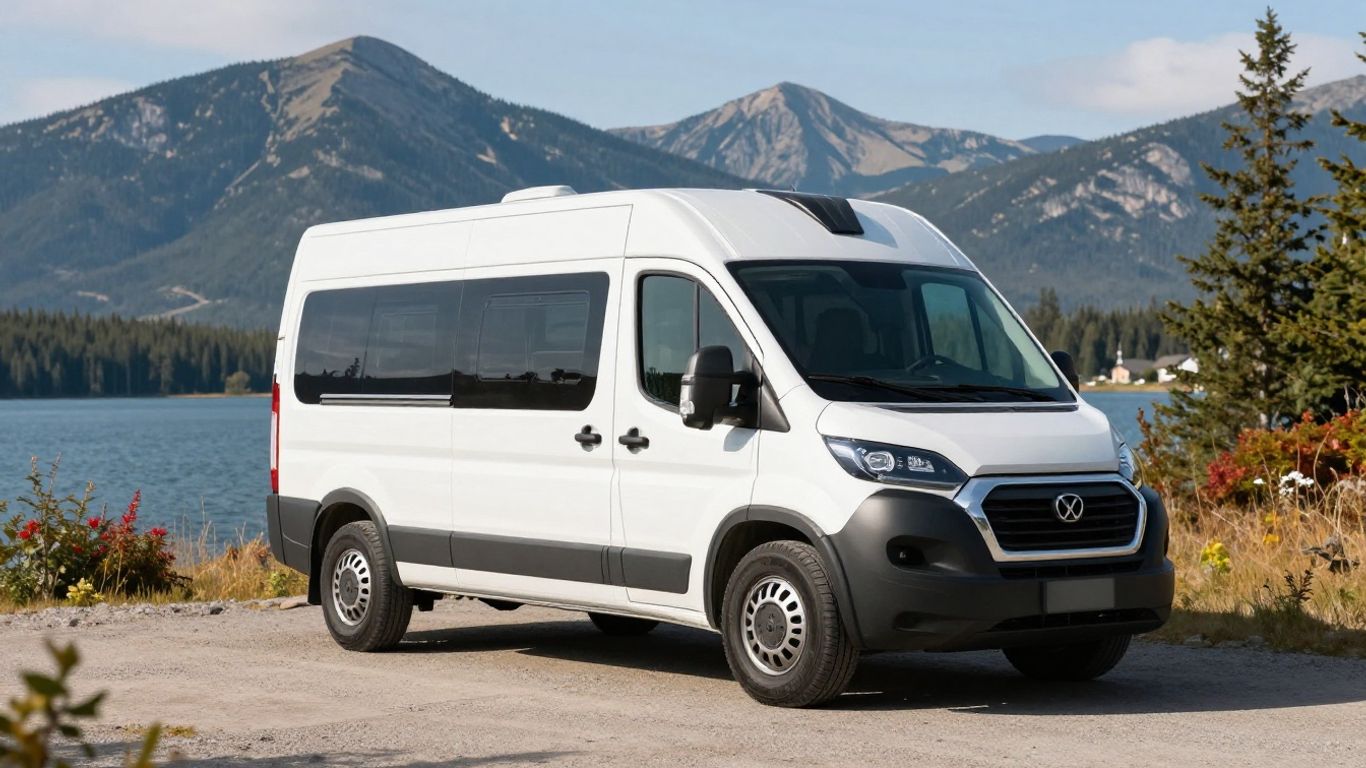
So, you’ve got your campervan booked and you’re ready for an adventure. That’s awesome! But before you hit the road, let’s chat about those little extras that can make your trip even better. Think of these as the cherry on top of your Canadian road trip sundae.
Lawn Chairs for Campfire Evenings
Picture this: you’ve found the perfect spot for the night, the campfire is crackling, and you’re ready to relax. Having a comfortable place to sit is key, right? Many rental companies offer lawn chairs as an add-on. It’s a small thing, but it makes a big difference when you’re trying to unwind after a day of exploring. Don’t underestimate the joy of a proper camp chair!
Levelling Blocks for Uneven Sites
Okay, so sometimes campsites aren’t perfectly flat. It happens. That’s where levelling blocks come in handy. These sturdy blocks go under your tires to help you get your RV nice and level. This is super important for a comfortable night’s sleep and for making sure your fridge works properly. Most places offer them for a small fee per booking, and they’re definitely worth considering, especially if you plan on staying at more rustic campgrounds.
Nespresso Coffee Machine Option
For all you coffee lovers out there, this one’s for you. Some rentals give you the option to add a Nespresso coffee machine. Imagine waking up to a fresh, hot cup of coffee right in your campervan every morning. It’s a little bit of luxury that can really start your day off right. Just remember, these machines usually need to be plugged into shore power or have the generator running, so keep that in mind when you’re planning your stops. It’s a nice perk, especially if you’re not keen on instant coffee.
While the core vehicle provides the basics for travel and sleeping, these convenience items transform your rental from just a mode of transport into a truly comfortable home on wheels. They address those small but significant aspects of daily life on the road that can greatly impact your overall enjoyment.
Kilometre Package Upgrades for Extended Travel
So, you’re planning a big road trip in your campervan across Canada, huh? That’s awesome! But have you thought about how much driving you’ll actually be doing? Most rentals come with a certain number of kilometres included each day, and if you go over, well, it can get pricey. That’s where these kilometre package upgrades come in handy.
Understanding Included Kilometres
First off, check your rental agreement. It’ll clearly state how many kilometres are included in your base rate, usually per night. For example, a common setup might give you 100 kilometres per night. If you’re sticking to a smaller loop or just moving between a couple of nearby spots, this might be totally fine. But if you’re aiming to cover a lot of ground, you’ll want to look at your options.
175km Per Night Upgrade
If the standard 100km per night just isn’t going to cut it, you can often upgrade to a higher daily allowance. The 175km per night upgrade is a popular choice for those who want a bit more freedom without going completely unlimited. It’s usually an additional fee per night, so you can see how it adds up over your trip. It’s a good middle-ground option.
250km Per Night Upgrade
Want to really explore? The 250km per night upgrade gives you even more flexibility. This is for the adventurers who plan on covering significant distances daily, maybe hitting multiple national parks or driving between cities that are a good distance apart. Again, this comes with a nightly charge, so weigh the cost against your planned route.
Additional Kilometres at Drop-Off
What happens if you don’t pre-purchase any upgrades and just wing it? Well, at drop-off, you’ll be charged for every kilometre you went over the included amount. This rate can be quite a bit higher than if you’d bought a package in advance. It’s usually a set price per kilometre, like $0.47, but it’s always best to confirm this with your rental company. It’s almost always cheaper to buy kilometre packages beforehand than to pay the overage fees later.
Here’s a quick look at how the per-night upgrades stack up:
| Package | Cost Per Night | Included Kilometres Per Night |
|---|---|---|
| Standard | (Included) | 100 km |
| 175km Per Night | $29 | 175 km |
| 250km Per Night | $57 | 250 km |
Planning your route and estimating your daily mileage is key. Don’t just guess; look at maps, figure out driving times, and add a buffer for spontaneous detours. It’s better to have a little extra kilometre allowance and not use it than to be stuck paying hefty fees at the end of your trip.
Planning Your Kanada Campervan Hire Itinerary
So, you’ve got your campervan booked, and you’re ready to hit the open road in Canada. That’s awesome! But where do you even start with planning the actual trip? It can feel a bit overwhelming, right? Don’t worry, that’s where a bit of itinerary planning comes in handy. It’s not about sticking to a rigid schedule, but more about having a good idea of where you want to go and what you want to see.
Custom Itinerary Services
Some rental companies actually offer services to help you map out your adventure. Think of it like having a travel agent, but for RVs. They can take your interests – maybe you’re all about wildlife, or perhaps you’re a history buff – and suggest routes and stops that fit. They’ll consider how long you have, what kind of campervan you’ve got, and even your budget. This kind of personalized planning can save you a ton of time and help you discover hidden gems you might have missed otherwise.
Campground Recommendations
Finding a place to park your home on wheels each night is a big part of RV travel. Canada has everything from basic national park campgrounds to private RV resorts with all the amenities. A good itinerary service or even just some pre-trip research will point you towards campgrounds that suit your needs. Do you want to be right in the heart of nature, or closer to town for supplies? Are you looking for hookups for power and water, or are you happy to go off-grid for a bit? Knowing your options ahead of time makes finding a spot much easier, especially during peak season.
Budget Guidance and RV Type Advice
Planning your itinerary also ties directly into your budget. Different routes mean different distances, which affects fuel costs. Some areas might have more expensive campgrounds than others. Plus, the type of RV you choose impacts your daily costs too. A smaller, more fuel-efficient campervan will cost less to run than a large, luxurious motorhome. Getting advice on which RV type best suits your planned route and travel style can help you manage expenses. It’s all about finding that sweet spot between comfort, convenience, and cost.
Planning ahead doesn’t mean you can’t be spontaneous. It just means you have a solid foundation to build your adventure upon. Knowing your general direction and having a few key spots in mind allows you to relax and enjoy the journey, rather than stressing about where to go next.
Wrapping Up Your Canadian Campervan Adventure
So, when you’re looking at campervan hire in Canada, remember to check the fine print. Most companies will give you the basics like the vehicle itself and some kitchen stuff, which is pretty handy. But don’t forget about things like bedding, extra mileage, or even a coffee maker – those often cost extra. It’s all about knowing what’s included upfront so you can budget right and avoid any surprises on your trip. A little planning goes a long way to making sure your Canadian road trip is smooth sailing, or driving, rather.
Frequently Asked Questions
What basic things come with my campervan rental?
When you rent a campervan, it usually comes with the essentials for living and driving. This includes the vehicle itself, beds, seating, a small kitchen with a stove and fridge, and usually a bathroom. You’ll also get a rundown on how to use the RV’s water, power, and waste systems, plus some basic driving tips.
Do I need to bring my own bedding and kitchen stuff?
Sometimes bedding and kitchen kits are included, but often they are extra. It’s a good idea to check if these are part of your rental. If not, you might need to rent them or bring your own basics like sheets, towels, pots, pans, and utensils.
What about insurance for the campervan?
Basic insurance is usually included with your rental. However, many people choose to get extra coverage for more peace of mind. This could include things like lower deductibles, coverage for extra drivers, or protection for tires and windshields.
How does mileage work with campervan rentals?
Mileage policies can differ. Some rentals offer unlimited kilometers, which might mean a higher daily price. Others give you a certain number of kilometers each day, and you pay extra if you go over that limit. Sometimes, you can pay for kilometers as you use them.
What are some common optional add-ons?
You can often add things to make your trip more comfortable or convenient. Common extras include kitchen kits, bedding, camping chairs, bike racks, or even child seats. These usually cost a bit extra per rental.
Am I responsible for fuel?
Yes, you are always responsible for the fuel. You’ll need to know if your campervan runs on gasoline or diesel and make sure to fill it up as needed during your trip. Most rentals also require you to return the vehicle with a full tank of fuel.
Are there extra fees I should know about?
Be aware of possible extra charges. Some rentals might have a surcharge for traveling in certain remote areas, fees for using the generator, or charges if you bring a pet. It’s best to ask about these upfront.
What personal items should I pack?
Even with included kits, you’ll want to pack your own clothes suitable for different weather, personal toiletries, any necessary medications, and your own food and drinks. Don’t forget chargers for your electronics too!