Thinking about a Canada motorhome holiday from the UK? It’s a fantastic idea, offering a unique way to see the country. You get the freedom to explore at your own pace, wake up to new views each day, and really immerse yourself in the stunning Canadian landscapes. It might seem a bit daunting at first, especially if it’s your first time RVing, but with a little planning, it’s totally doable and incredibly rewarding.
Key Takeaways
A Canada motorhome holiday from the UK offers unparalleled freedom to explore diverse landscapes, from mountains to coastlines, with the flexibility to change your itinerary on the go.
Rental requirements, including age (typically 21+) and a valid driver’s license, are important to check before booking your motorhome.
Packing smart is key; include clothing for varied weather, toiletries, and consider bringing some non-perishable food items, but be aware of Canadian import restrictions.
Booking campsites in advance, especially in popular areas and during peak season, is highly recommended to secure your spot.
Embrace the social aspect of RVing; fellow travelers are often happy to share tips and assistance, making the experience more communal than a traditional hotel stay.
Understanding The Appeal Of A Canada Motorhome Holiday
So, you’re thinking about a motorhome trip across Canada from the UK? It’s a fantastic idea, honestly. Forget being stuck in one hotel room; with a motorhome, your accommodation travels with you. This means you can wake up to a new view every single day. The sheer freedom to explore Canada’s vast landscapes at your own pace is what makes this kind of holiday so special. Whether you want to cover a lot of ground quickly or take your sweet time soaking in the scenery, it’s all up to you. Canada is really set up for this kind of travel, with wide roads and plenty of great places to park up for the night. It’s a country that just begs to be explored from behind the wheel of your own rolling home.
Choosing Your Ideal Motorhome For Canadian Roads
Picking the right motorhome is a big step. Think about how many people are travelling and what kind of roads you’ll be on. Some are more compact and easier to maneuver, while others offer more living space. Most rental companies have a range of options, from smaller campervans to larger, more equipped motorhomes. It’s worth looking at floor plans and considering things like kitchen facilities, bathroom setups, and sleeping arrangements. Don’t just pick the biggest one you see; consider what will actually be comfortable and practical for your specific trip.
Essential Documents For Your Journey
Before you even think about booking, get your paperwork sorted. You’ll definitely need your passport, of course, and it needs to be valid for at least six months beyond your planned stay. For driving, you’ll need your UK driving licence. In most cases, this is fine, but some rental companies might ask for an International Driving Permit (IDP) as well, especially if your licence isn’t in English. It’s always a good idea to check with the rental company directly about their specific requirements. You’ll also need to sort out your visa or electronic travel authorization (eTA) for Canada. Don’t leave this to the last minute; processing times can vary.
Here’s a quick checklist:
Valid UK Passport
UK Driving Licence
International Driving Permit (check with rental company)
Canadian Electronic Travel Authorization (eTA) or Visa
Travel Insurance documents
For UK travellers, the documents are the part of the plan that cannot be fixed at the last minute: passport validity, entry authorisation and an accepted driving licence. Double-checking expiry dates and application requirements well in advance is key to a smooth start.
Understanding Rental Age And Driver Requirements
Before you book your motorhome holiday in Canada, it’s really important to check the age and license rules for renting an RV. Some companies might set the bar at 25 or add a surcharge if you’re under 25, so don’t get caught out. Bring your UK photocard license—if you only have an old-style paper license, also bring another form of photo ID.
Driver’s license: UK or EU licenses are accepted; international driving permit not always necessary but recommended
Planning ahead and having your paperwork sorted takes a lot of stress off at the depot. Nothing worse than a last-minute scramble for documents when all you want to do is get on the road.
Crossing Borders: Canada To The USA
Tell your rental company if you plan to cross into the US
Bring your passport, visa/ESTA as required (UK citizens need ESTA for US entry)
Check insurance covers both Canada and the US
Be aware of any restrictions on where the RV can go (some prohibit Alaska, Mexico, or certain remote areas)
Here’s a quick look at the paperwork:
Storage Solutions For Your Luggage
Packing for a motorhome adventure is different from a regular trip—think more storage bins, fewer suitcases. Most RVs have built-in wardrobes, over-bed cupboards, and an outside storage compartment for larger items like folding chairs or outdoor grills. When flying from the UK, you’ll arrive with large bags, but once you’re set up in your motorhome, you’ll want to unpack into the available cupboards and stow those empty suitcases out of the way.
Use packing cubes to organize clothes and essentials
Opt for soft bags—they squish into storage spaces more easily than hard suitcases
If you’ve got too much stuff, many rental depots in Canada will let you leave empty suitcases or excess items in a secure room for the duration of your trip
Keep heavier items low and secured to avoid any mishaps while driving
It’s honestly a relief not having to live out of a rucksack for weeks—motorhomes come with more space than you’d think, so once you’re unpacked, everything has its place and it feels a lot more like home on wheels.
Packing Essentials For Your Canadian Adventure
Alright, let’s talk about what to actually bring with you for your big Canada motorhome trip. It’s easy to overthink this, but honestly, you want to pack smart, not just heavy. Remember, you’ll have storage, but it’s not infinite, and you don’t want your motorhome feeling like a packed sardine can.
Clothing For All Weathers And Occasions
Canada is famous for its unpredictable weather, so layering is your best friend. Seriously, pack a mix. You’ll want comfortable, casual clothes for driving and exploring during the day. Think t-shirts, long-sleeved tops, and maybe a pair of jeans or comfortable trousers. But don’t forget the warmer stuff! Even in summer, evenings can get chilly, especially in the mountains or by the coast. A fleece jacket or a warm sweater is a must. And if you’re traveling outside of the peak summer months, think thicker coats, hats, and gloves. Waterproofs are also a good idea – a rain jacket and maybe waterproof trousers, just in case.
Base Layers: Think thermal tops and bottoms for cooler days or nights.
Mid Layers: Fleeces, sweaters, hoodies.
Outer Layers: A waterproof and windproof jacket is non-negotiable. Consider a warmer coat if traveling in shoulder seasons.
Footwear: Comfortable walking shoes or hiking boots are key. You’ll be doing a lot of exploring! Also, pack some casual shoes for around the campsite or towns.
Bringing Food Items Into Canada
This is a bit of a tricky one, and it’s worth checking the official Canadian Border Services Agency website before you go for the most up-to-date rules. Generally, you can bring some non-perishable items with you to get started, which can save you a trip to the store right after picking up your motorhome. Things like baked goods, sweets, and hard cheeses are usually okay. However, fresh produce, dairy products (like milk), and fresh or frozen meats are often restricted or prohibited. It’s usually best to buy perishables once you’re in Canada.
Be aware that bringing certain food items into Canada can lead to confiscations and potential fines if not declared properly. It’s always better to err on the side of caution and check the regulations beforehand.
Entertainment And Comfort Items
While the scenery outside your motorhome window will be your main entertainment, it’s good to have some backup for downtime or rainy days. A deck of cards or a travel board game can be fun for evenings. Don’t forget your camera to capture all those amazing views! Also, consider things that make your living space more comfortable. While motorhomes come with bedding and kitchenware (often as optional kits you can rent), bringing a small, comfortable travel pillow from home might be nice. And if you’re sensitive to light or noise, earplugs and an eye mask can be lifesavers.
Books or e-reader: For quiet evenings.
Portable charger/power bank: Handy for keeping devices topped up on the go.
Small backpack: For day trips and hikes.
Reusable water bottle: Stay hydrated and reduce plastic waste.
Bug spray and after-bite cream: Canadian mosquitoes can be intense, especially in summer!
Understanding Generator Usage And Costs
Most Canadian RVs come with generators, but don’t assume unlimited use. Use it mainly for essentials: recharging batteries, running air conditioning, or powering the microwave off-grid. Make sure to:
Check if your rental includes any free generator hours.
Track your usage so there are no surprises at drop-off.
Balance between battery power, generator hours, and campsite electricity.
Don’t rely on always having electricity hookups—remote campgrounds often don’t have them. Monitor usage to avoid running dry or racking up a big bill.
The Social Side Of Motorhome Travel
RVers love to chat at campsites, swap stories around the fire, and share helpful tips—especially with newcomers. Here’s how to get the most out of the social side:
Join communal campfires or potlucks if invited.
Don’t be shy about asking for advice—it’s normal!
Respect quiet hours but mingle during the day.
You might swap itineraries, pick up shortcut routes, or end up making friends from all over Canada (and the world). Sometimes the best memories aren’t just the places, but the people you meet along the way.
Tips For First-Time RVers
Starting out can feel a bit overwhelming, but driving and living in a motorhome is more comfortable than most expect. Especially in Canada—big roads, helpful locals, and lots of places designed with RVs in mind. Here are a few proven tips for first-timers:
Practice driving before hitting busy highways—get a feel for the size and turning radius.
Keep a checklist of setup/pack-down tasks (think: extending slide-outs, connecting water, stowing belongings).
Don’t overpack. Space is limited, and extra stuff gets in the way.
Embrace flexibility—weather, traffic, and campsite availability can all throw off plans.
Plan for digital detox—cell signal is spotty in big parks. Download maps and bring offline entertainment.
Enjoy the small everyday things—campfire s’mores, sunrise breakfasts, a rainy movie night inside the RV. These little moments make road trips unforgettable.
Discovering Canada’s Diverse Landscapes
Canada is just massive, right? And when you’re in a motorhome, you really get to see just how big and varied it is. It’s not just one kind of scenery; it’s a whole bunch of different worlds all rolled into one country. It’s pretty wild.
Iconic Drives Like The Icefields Parkway
The Icefields Parkway, officially Highway 93, is a must-do. It stretches for about 181 miles between Banff and Jasper in Alberta, right through the heart of the Canadian Rockies. Seriously, the views are unreal. You’ve got glaciers, massive icefields, crazy-blue rivers, and waterfalls everywhere. Keep your eyes peeled for wildlife too; you might get lucky and spot some elk or even a bear.
This road is more than just a way to get from A to B; it’s an experience in itself, offering breathtaking vistas at every turn.
Exploring The Canadian Rockies And Prairies
When people think of Canada, they often picture the Rockies, and for good reason. Places like Banff and Jasper National Parks are stunning. But don’t forget the prairies! It’s peaceful and vast, and you can see for miles. It’s a great place to just slow down and take it all in. If you’re planning your trip, remember that your valid home country driver’s license is usually all you need to get around.
Coastal Beauty And Historic Villages
And then there’s the coast! British Columbia has this rugged coastline that’s just beautiful. Think fjords, islands, and forests meeting the sea. On the other side of the country, Nova Scotia’s Cabot Trail on Cape Breton Island is another gem. It’s a 185-mile loop with amazing coastal views, highlands, and charming little seaside towns. You can hike, go whale watching, or just enjoy the local food. It really shows you how much variety Canada packs into one country.
Route Planning And Navigation Tips
When it comes to planning a Canada motorhome holiday, having a solid route and navigation plan is just as important as picking the right RV. Here’s what you should consider:
Booking Campsites In Advance
Canada’s most popular campsites can fill up quickly, especially in the Rockies and near the lakes, particularly over summer weekends.
Don’t underestimate smaller, lesser-known campgrounds—they often offer more privacy and last-minute availability.
A bit of planning upfront means you won’t be stuck driving tired or hunting for sites in the dark.
In my experience, pulling up to a fully reserved campsite after a long day is no fun—so I always book the first and last few nights, then play the rest by ear.
Accurate Travel Time Estimations
Traveling by motorhome in Canada can take longer than driving a car. Here’s why:
Motorhomes are harder to maneuver and generally cruise at slower speeds, so you might average 50-55 mph (80-90 km/h) on highways, slower on winding or mountain roads.
Google Maps is decent but often underestimates RV travel times. Try using an offline GPS app set up for large vehicles or a dedicated RV GPS.
Leave time for fuel stops, wildlife crossings (especially at dawn or dusk), and quick roadside breaks—moose and deer love the early and late hours.
Exploring Off The Beaten Path
Highways will get you there quick, but backroads show you a whole different side of Canada.
Pack a paper road atlas as a backup; cell service is unreliable in some remote regions.
Use apps like Roadtrippers to find quirky roadside sites, or AllStays for secluded camping options (sometimes old-school directories or forums are helpful too).
Be ready to stop when you see something interesting—from local diners to lakeshores worthy of a picnic.
A few things to keep in mind when heading off the main route:
Know your motorhome’s height and width for bridges or tunnels.
Watch for wildlife, especially where signs indicate crossings.
The real magic in a Canadian road trip comes when you leave space for the unexpected detour or spontaneous lakeside coffee break. Sometimes the best day is the one that goes slightly off-script.
Campsite Facilities And Amenities
When you’re planning your motorhome adventure across Canada, figuring out where you’ll park it each night is a big part of the puzzle. Campsite facilities can really vary, from super basic spots to places that feel more like holiday resorts. It’s good to know what to expect so you can pick the right kind of stop for your needs.
Varying Facilities Across Canada
Honestly, you’ll find a huge range of campsites all over the country. Some are just simple pull-offs with a place to empty your tanks, while others have everything you could possibly need. We found that the bigger, privately-owned sites often had more bells and whistles, like little shops, places to grab a bite, and even swimming pools. It really depends on where you are and what kind of experience you’re after.
Private Versus National Park Campgrounds
So, you’ve got two main types of campgrounds: private ones and those run by the National or Provincial Parks. The park campgrounds are often in stunning, back-to-nature’ locations. You might find yourself parked right by a lake or deep in a forest. They usually have a check-in building where you can grab essentials like ice and firewood, plus shared washrooms and showers. You’ll often need to bring your own coins, like loonies’ (Canadian dollar coins), for the laundry facilities.
Private campgrounds, on the other hand, tend to offer more amenities. Think full hookups for power, water, and sewage right at your spot. They can be a bit more developed, sometimes feeling more like a traditional campground with lots of services. The choice between them often comes down to whether you prioritize a wilder setting or more convenience.
Essential Campsite Services
No matter where you stay, there are a few services you’ll likely find helpful:
Hookups: Many sites offer electrical hookups, which are a lifesaver for keeping your batteries topped up and running appliances. Full hookups include water and sewage, making longer stays much easier.
Dump Stations: You’ll need these to empty your grey and black water tanks. They’re usually located conveniently within the campground or at the entrance.
Potable Water: Access to fresh drinking water is a must for cooking, cleaning, and drinking.
Washrooms and Showers: While some remote sites might not have them, most campgrounds provide shared facilities. It’s always a good idea to pack your own towel and toiletries.
Fire Pits: Many sites come with a fire pit, perfect for those classic campfire evenings. Just remember to check local fire restrictions before lighting up.
When you’re planning your route, it’s a really good idea to book your campsites in advance, especially if you’re traveling during peak season or heading to popular spots like the Canadian Rockies. Websites like AllStays can be super helpful for finding places to park, even for overnight stays. Always do a bit of extra research on Google Maps and check reviews to make sure a spot is right for you. Planning ahead means less stress and more time to enjoy the amazing scenery. Remember that RV insurance needs to meet Canadian requirements which might be different from what you’re used to.
Generator use is something to be aware of too. It can use a fair bit of fuel and often comes with an hourly charge if not pre-paid. So, factor that into your budget if you think you’ll need it often. It’s all about balancing comfort with the practicalities of motorhome life on the road.
Embracing The Freedom Of The Open Road
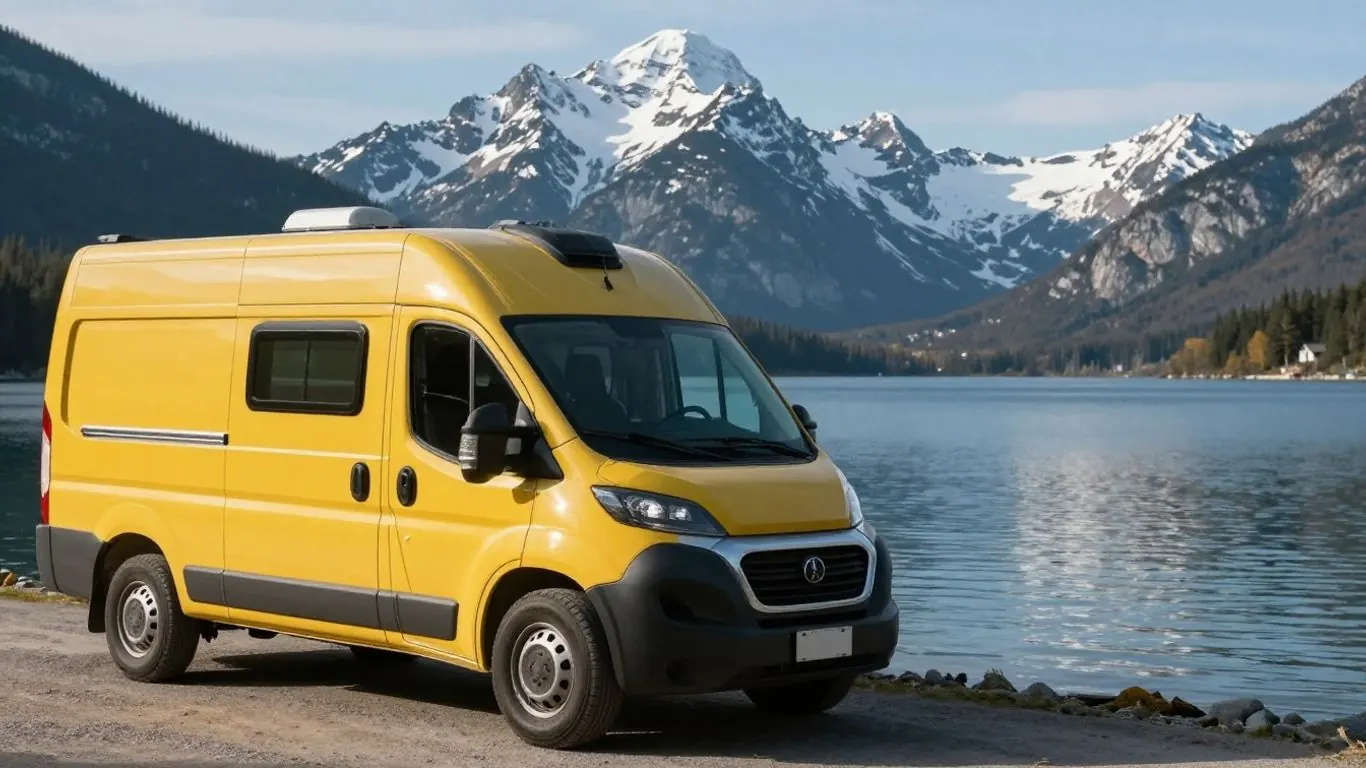
The secret to a real Canadian motorhome adventure is embracing the freedom to choose your own pace and path. One morning, you could be sipping coffee by a misty lake, and the next, driving to a different province for new scenery. With a home on wheels, you’re never tied down to one location, and the opportunity to wake up to a fresh view each day can be pretty thrilling. If you love stopping for ice cream at a roadside stand or pulling over when you see mountains looming in the distance, this flexibility is your best friend.
Change up your plans if you spot something interesting—no fixed itinerary needed.
Plan for spontaneous detours; some tiny towns will be your trip highlights.
Remember, travel days are as much a part of the experience as the destinations themselves.
The quiet moments—like brewing tea in the morning light, birds chirping outside—are often the ones that stick with you long after the trip ends.
Considering Different Regions For Future Trips
Canada’s size is honestly hard to imagine until you’re driving across it. Don’t feel pressured to cover it all during one holiday. Think about trying different regions over multiple trips. Each has its own feel and scenery:
Prioritize just 1-2 provinces per visit so you can explore properly.
For a first trip, the Rockies or the Maritimes are both fantastic starting points.
Consider a future adventure in the prairies, Quebec, or even the far North if you want something truly unique.
The Addictive Nature Of RVing In Canada
After you’ve taken your first Canadian RV trip, don’t be surprised if you catch the bug. Many folks return again and again, ticking off new parks, backroads, and tiny towns each time.
Traveling by motorhome lets you slow down and really see the country, not just pass through it.
The variety—from rugged mountains to prairies, forests, and coastlines—means every trip feels fresh.
Meeting other RVers at campsites turns the journey into a community experience; you’ll swap stories and tips with people you’d never have met otherwise.
Deciding where to drive next is both the hardest and the most exciting part. One trip is rarely enough, and chances are your first won’t be your last.
Early Booking Discounts For 2026
Thinking about a Canadian motorhome adventure for 2026? Booking early is definitely the way to go. Many rental companies offer sweet deals if you get your reservation in before a certain date. Plus, you often get to pick an extra perk, like a discount on unlimited kilometers or even complimentary convenience kits. It really pays to plan ahead and lock in those savings.
Understanding Kilometer Packages
Kilometers can add up fast when you’re exploring Canada’s vast landscapes. Most rentals come with a base mileage allowance, but if you plan on covering a lot of ground, you’ll want to look at kilometer packages. For instance, you might buy two 800km packages and get two more for free. 37 per extra kilometer. Always check what’s included and what makes sense for your planned route.
One-Way Rental Options
One-way rentals offer incredible flexibility for seeing more of Canada without backtracking. You can pick up your motorhome in one city, like Vancouver, and drop it off in another, such as Calgary or even Toronto. This is perfect for covering long distances and experiencing different regions. Just keep in mind that these options often have a minimum rental period, usually around 14 nights. Also, be aware that one-way rentals might come with a discount, making them a more attractive option for those wanting to maximize their travel time and see as much as possible. Remember to clarify any specific pick-up and drop-off locations available, as these can vary.
It’s worth double-checking your quote to make sure these items are accounted for, as they can add up if purchased separately. Also, remember that while you can leave your luggage at the rental station if you’re returning to the same location, it’s best to pack light for your motorhome journey.
Here’s a quick look at some common booking considerations:
Make sure your license is valid for the entire duration of your rental.
Security Deposit: Expect a refundable security deposit, often around $3,000, which is processed on a credit card.
Be aware of restrictions on bringing food items across the border. International travelers renting RVs in Canada should be aware of specific insurance requirements, coverage limitations for remote regions, and the need for a valid driver’s license. Clarify coverage details with your rental company.
Unauthorized Areas: Driving in certain areas, like un-numbered roads or specific northern regions without prior permission, can void your insurance and incur penalties. Always check the rental company’s policy on restricted zones.
Ready for Your Canadian Adventure?
So, you’re thinking about a motorhome trip across Canada from the UK? It sounds like a big undertaking, but honestly, it’s totally doable and can be an amazing experience. We’ve covered a lot, from packing the right stuff and figuring out where to stay to understanding how to drive these big rigs. Remember, Canada is set up for this kind of travel, and the people you meet on the road are usually pretty friendly and happy to help out. Just take it all in stride, plan a bit ahead, but don’t be afraid to go with the flow. You’ve got this!
Do I need a special driver’s license to rent a motorhome in Canada?
No, you just need a regular driver’s license. It must be valid for the whole time you have the motorhome.
Can I drive my rental motorhome from Canada into the USA?
Remember, you can’t bring fresh meat, fruits, or vegetables across the border.
What should I pack for a motorhome holiday in Canada?
Bring clothes for all kinds of weather, comfortable shoes, a raincoat, toiletries, your passport, and any travel documents. Board games and snacks are also good to have for fun and comfort.
Do I need to book campsites ahead of time?
It’s a good idea to book campsites before you go, especially in popular places like the Rockies or during the summer. The best sites can fill up quickly.
Is it easy to drive a motorhome in Canada?
Yes, Canada has wide roads and is very friendly for RVs. Even if you’ve never driven a motorhome before, you’ll likely get used to it quickly.
Can I leave my suitcase at the rental station?
Yes, if you pick up and drop off your motorhome at the same place, most rental stations will let you store your suitcase there for free.
What is included in the motorhome rental?
Most rentals come with basic kitchen items, bedding, and sometimes a convenience kit.
Are there any special deals if I book early?
Yes, if you book your motorhome holiday early, you can often get discounts or special offers, like free extra kilometers or free kits. Check with your rental company for the latest deals.
Confirm current details
Entry documents, licence acceptance and rental age rules can change, so check the current Government of Canada entry requirements and your rental company's terms for UK licence holders before booking flights.