Thinking about an RV trip in Canada from New Zealand? It’s a big adventure, and getting the details right makes all the difference. From figuring out the best time to go and the most scenic routes to understanding how one-way rentals work, this guide is here to help. We’ll cover everything you need to know to plan your Canadian RV rental from New Zealand, making sure your journey is as smooth and enjoyable as possible.
Key Takeaways
Booking your Canada RV rental from New Zealand well in advance is smart, especially for one-way trips, to get the best availability and prices.
Timing your trip to avoid harsh winter conditions and peak summer crowds can lead to a more pleasant and affordable experience.
Popular routes often include the Pacific Coast and the Rocky Mountains, offering stunning scenery and diverse experiences.
Familiarize yourself with Canadian road rules, including roundabouts and driving in remote areas, before you set off.
Utilize online tools and apps to plan your route, find campsites, and stay connected throughout your Canadian RV adventure.
Planning Your Canada RV Rental From New Zealand
So, you’re a Kiwi looking to explore Canada in an RV? Awesome choice! It’s a fantastic way to see the country at your own pace. But before you start dreaming of vast landscapes, let’s get down to the nitty-gritty of planning your rental.
Understanding One-Way RV Rentals in Canada
One of the biggest perks for travelers coming from afar is the availability of one-way RV rentals. This means you can pick up your vehicle in one city, like Vancouver, and drop it off in another, say Calgary, without the hassle of backtracking. It really opens up your itinerary and lets you cover more ground. Companies like CanaDream and Fraserway RV are known for offering these types of rentals across Canada. Just be aware that there’s usually a fee for this convenience, but it’s often way less than the cost of returning the vehicle to its original spot. It’s a smart way to maximize your vacation time and see new places.
Choosing the Right RV for Your Journey
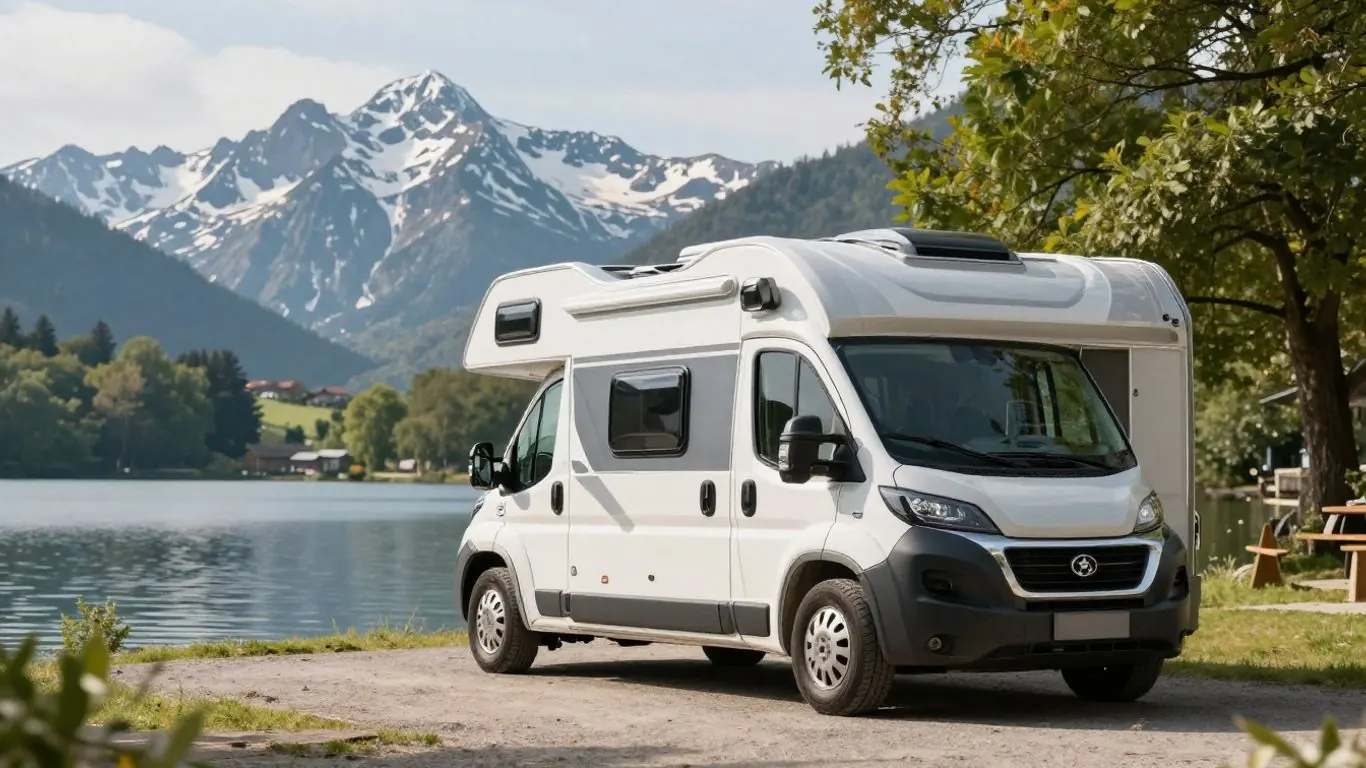
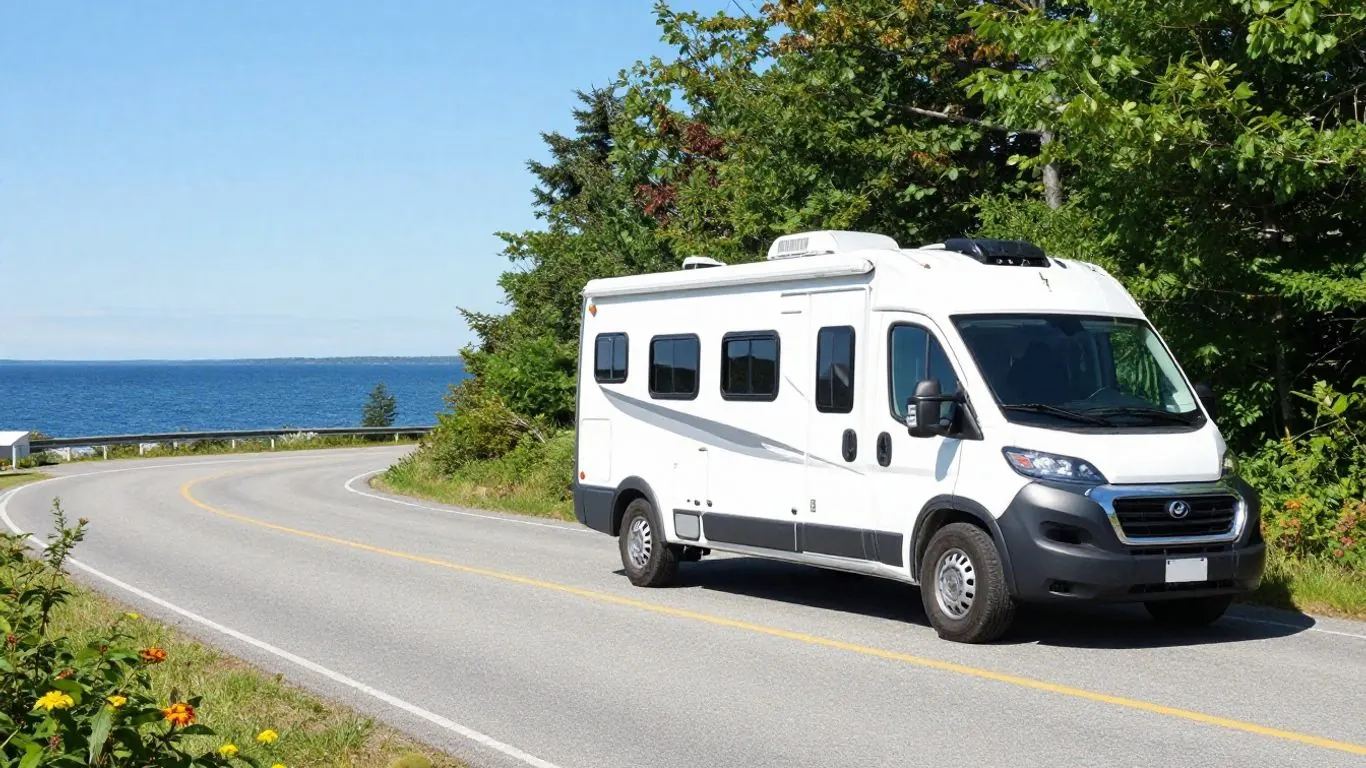
Canada’s got a huge range of RVs, and picking the right one is key. Are you traveling solo or as a couple? A smaller camper van might be perfect, offering flexibility and easier parking. If you’ve got the family in tow, you’ll want something bigger with more living space and a proper kitchen. Think about what you’ll be doing too. Long drives might mean you want something with more comfort and amenities. It’s worth looking at different classes, like Class C motorhomes, which are built for comfort and come with all the modern bits you’d expect.
Here’s a quick look at some common RV types:
Small Camper Vans: Great for solo travelers or couples. Easy to drive and park.
Medium Motorhomes: Good for small families, offering more space and amenities.
Large RVs: Ideal for larger groups or families needing lots of room and full facilities.
Booking Your Canada RV Rental in Advance
This is a big one, especially if you’re planning your trip during the popular summer months (June to September). Booking your RV well in advance is super important to secure availability and often get better prices. Think months ahead, not weeks. The earlier you book, the more likely you are to get the exact vehicle you want, on the dates you need, and potentially snag some early bird deals. Websites like Motorhome Republic can help you compare different companies and vehicles all in one place. Don’t leave this to the last minute; it could mean disappointment or paying a premium.
Planning ahead also means you can start thinking about your route and booking campsites. Many popular spots fill up quickly, so getting those booked early will save you stress later on.
Optimal Timing for Your Canadian Adventure
Planning your RV trip through Canada from New Zealand is all about picking the right season—weather, pricing, and crowds matter more than you might think. If you want your journey to go smoothly, you should look at more than just your vacation dates. Here’s how to make the best timing choices for your trip.
Considering Seasonal Weather Patterns
Canada’s weather varies enormously across regions and seasons.
Summer (June-August) means warm days and the most daylight, but the further north you go, even summer nights can be chilly.
Spring (April-May) and autumn (September-October) can surprise you with cold spells and possible snow, especially in the Rockies or northern provinces.
Winter RV travel is extremely limited—expect closed campgrounds, tricky conditions, and extra equipment needs.
If you’re not used to sudden weather changes, especially if you’re coming from New Zealand’s milder climate, always check regional forecasts right before you set out.
Leveraging Shoulder Seasons for Better Value
The best deals are usually found in May-June and September-early October—these ‘shoulder’ months are cheaper than peak-summer and still comfortable enough for road tripping.
You’ll find it easier to book campsites and rental vehicles at short notice.
Many popular routes remain scenic, with autumn’s golden leaves or springtime’s wildflowers.
Three reasons to consider shoulder seasons:
Lower rental and campsite rates, saving you money on big-ticket travel costs.
Less competition for prime viewpoints, attractions, and parking spaces.
Enjoyable weather—no intense heat, but not too cold for exploring outside each day.
Avoiding Peak Tourist Crowds
July and August are Canada’s busiest holiday months, especially around Banff, Jasper, and BC’s Okanagan Valley. Expect heavy traffic in national parks and queues for attractions.
If crowds bother you, start your trip right after schools return—mid-September is much quieter but still pleasant.
Some festivals and local events pop up during peak months, so double-check dates if you wish to join or avoid them.
Some quick ways to avoid crowds:
Set off early in the morning or choose weekdays for major site visits.
Look for less-visited national or provincial parks—there are hundreds to choose from.
Book your campsites and major routes in advance if you must travel in the heart of summer.
Picking the right months really changes your whole Canada RV road trip experience—what’s peaceful in September might be packed in July.
Popular Canadian RV Routes for New Zealanders
So, you’ve got your RV sorted and you’re ready to hit the road in Canada. Awesome! But where to go? Canada is massive, and trying to see it all in one go is probably not the best idea. Luckily, there are some seriously epic routes that are perfect for exploring by RV, especially if you’re coming from New Zealand and want to make the most of a one-way rental.
The Pacific Coast: Vancouver to Calgary
This is a classic for a reason. You start in Vancouver, British Columbia, a vibrant city with a stunning natural backdrop. From there, you can head east, often through the beautiful Okanagan Valley, known for its orchards and lakes. It’s a pretty scenic drive, with plenty of opportunities to stop and explore charming towns.
Day 1-2: Explore Vancouver and its surroundings. Think Stanley Park, Granville Island, maybe a ferry trip.
Day 3-4: Drive into the Okanagan Valley. Stop in towns like Kelowna or Penticton. Fruit stands and lakeside beaches are a must!
Day 5-6: Continue east towards the Canadian Rockies. You’ll start seeing those majestic mountains appear.
Day 7: Arrive in Calgary, Alberta. You’ve made it!
This route is great because it offers a mix of city, orchard country, and the dramatic start of the Rockies. It’s not too long, making it manageable for a shorter trip, but packed with variety.
Exploring the Rockies and National Parks
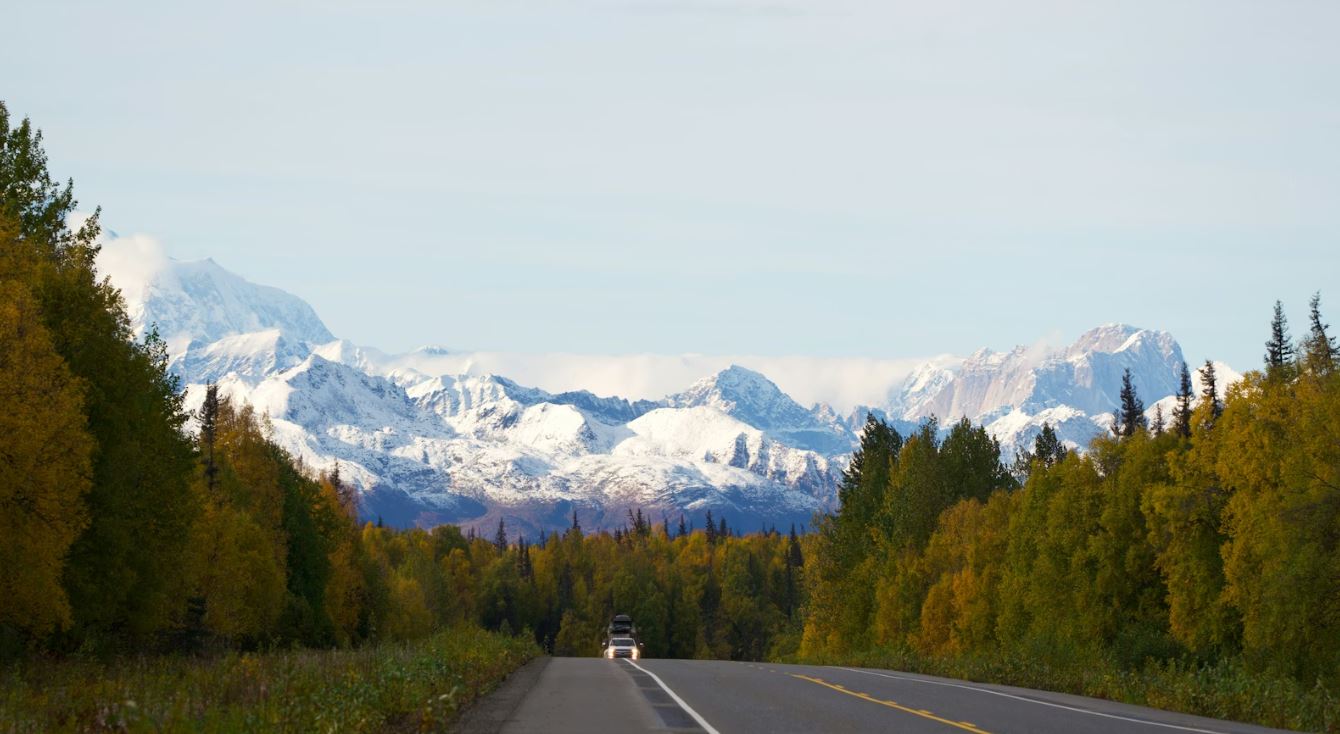
Once you’re in the vicinity of the Rockies (whether you came from Vancouver or elsewhere), this is where the real magic happens. Think Banff, Jasper, Yoho, and Kootenay National Parks. These places are just jaw-droppingly beautiful.
Banff National Park: Home to the iconic Lake Louise and Moraine Lake. Hiking, canoeing, and just staring at the scenery are the main events here.
Jasper National Park: Further north, it’s a bit wilder than Banff. The Icefields Parkway, connecting Banff and Jasper, is one of the most scenic drives in the world. Seriously, pull over often.
Yoho National Park: Don’t miss Emerald Lake and Takakkaw Falls.
Kootenay National Park: Offers hot springs and diverse landscapes.
Driving the Icefields Parkway is an absolute highlight of any Canadian RV trip. You’ll want to take your time, stopping at viewpoints and short hikes. Booking campsites in the national parks well in advance is pretty much non-negotiable, especially during the summer months. They fill up fast!
Remember that wildlife is common in these areas. Keep a safe distance, never feed the animals, and store your food properly. It’s their home, after all.
Cross-Canada Journeys: East to West
Okay, this is the big one. If you have serious time and want the ultimate Canadian adventure, a coast-to-coast trip is it. This is where a one-way rental really shines, as backtracking would be insane. You’re looking at thousands of kilometers and a huge variety of landscapes.
Starting Point: Usually Vancouver, BC.
Through the Prairies: Driving through Saskatchewan and Manitoba offers a different kind of beauty – vast, open skies and farmland. It’s a good time to catch up on podcasts or audiobooks.
Ontario: This is a huge province. You could go through Toronto, visit Niagara Falls, or explore the rugged Canadian Shield north of the Great Lakes.
Quebec: Experience French-Canadian culture in cities like Montreal and Quebec City. The scenery changes again, becoming more rolling hills and historic towns.
The Maritimes: Prince Edward Island, Nova Scotia, and New Brunswick offer coastal drives, charming fishing villages, and a distinct East Coast vibe.
Ending Point: Typically St. John’s, Newfoundland and Labrador, or Halifax, Nova Scotia.
This kind of trip takes weeks, if not months. It’s a serious commitment but offers an unparalleled look at the sheer scale and diversity of Canada. You’ll see everything from Pacific rainforests to Atlantic coastlines, with plenty of unique towns and natural wonders in between.
Navigating Canada’s Road Rules and RV Etiquette
Driving an RV in a foreign country can feel a bit daunting, but Canada’s roads are generally well-maintained and straightforward. Still, there are a few things to get your head around to make sure your trip goes smoothly and safely.
Understanding Traffic Laws and Roundabouts
Canada drives on the right side of the road, just like the US. Speed limits are posted in kilometers per hour (km/h), so get used to that conversion. Most provinces have a default highway speed limit of 100 km/h, but it can vary, especially in national parks where it’s often lower, like 90 km/h. Always keep an eye out for signs.
Roundabouts are becoming more common, and they can be a bit confusing at first. The general rule is to yield to traffic already in the roundabout coming from your left. Signal your intention to exit the roundabout as you approach your turn. Don’t stop inside the roundabout unless absolutely necessary.
Tips for Driving in Remote Areas
Many of the most scenic routes in Canada take you through remote areas. Cell service can be spotty, so don’t rely on your phone for navigation alone. Download offline maps before you leave populated areas.
Fuel Up: Always keep your gas tank at least half full. You might drive for a long time between stations in some regions.
Wildlife Awareness: Be extra vigilant, especially at dawn and dusk. Animals like deer, moose, and even bears can wander onto the road. Slow down and be prepared to stop.
Road Conditions: Inquire about road conditions before heading into remote areas, especially if you’re traveling outside of the summer months. Some roads might be unpaved or affected by weather.
Respecting Local Camping Regulations
When it comes to parking your RV overnight, there are rules to follow. "Boondocking" or free camping is allowed in some areas, but it’s often restricted to specific public lands and requires research.
Designated Campsites: Most travelers will use official campgrounds, either in national or provincial parks, or private RV parks. These usually require reservations, especially during peak season.
Leave No Trace: Whatever your location, always pack out everything you pack in. This means no litter, and properly disposing of waste.
Quiet Hours: Most campgrounds have designated quiet hours, typically from 10 PM to 7 AM. Be mindful of your neighbors and keep noise levels down.
RV parks and campgrounds often have specific rules about generator use, fire bans, and pet policies. It’s always a good idea to check these regulations upon arrival or when booking to avoid any surprises.
Maximizing Your Canada RV Rental Experience
So, you’ve got your RV booked and you’re ready to hit the road across Canada. Awesome! But how do you make sure you’re getting the absolute most out of this adventure? It’s all about being prepared and smart with your planning. Think of it like packing for a trip to a new place – you wouldn’t just throw things in a bag, right? Same goes for your RV trip.
Utilizing Online Trip Planning Tools
Before you even pick up your RV, spend some time with online trip planners. These tools are seriously helpful for mapping out your route, finding points of interest, and even locating potential campsites. Many companies offer these, and they can be customized to what you want to see and do. It’s like having a personal travel assistant right at your fingertips. You can plug in your start and end points, how long you have, and what kind of scenery you prefer, and it spits out a suggested itinerary. This saves a ton of guesswork later on. You can also use these tools to get a feel for driving times between locations, which is super important when you’re dealing with the vast distances in Canada. Planning your campervan trip in Canada this way can really set you up for success.
Packing Essentials for Canadian Conditions
Canada is a big place, and the weather can change on a dime. Even in summer, you can encounter cool evenings, especially in the mountains or further north. So, packing layers is key. Think t-shirts, long-sleeved shirts, a fleece or sweater, and a waterproof outer layer. Don’t forget comfortable walking shoes, as you’ll likely be doing a fair bit of exploring on foot. If you’re traveling outside of the main summer months, you’ll definitely want to pack warmer clothing, including hats and gloves. Here’s a quick rundown:
Clothing: Layers are your best friend. Include waterproofs.
Footwear: Comfortable walking shoes and maybe a pair of sturdier boots if you plan on hiking.
Toiletries: Pack your usual items, but consider travel-sized versions to save space.
First-Aid Kit: Always a good idea to have one, even for minor scrapes.
Entertainment: Books, cards, or downloaded movies for downtime.
Finding Campsites and Amenities
This is a big one. You can’t just pull over anywhere to park your RV for the night. You need to find designated campsites. During peak season (June to September), popular campgrounds fill up fast. It’s highly recommended to book your spots in advance, especially if you have a specific route or location in mind. Websites and apps dedicated to RV camping can help you find sites, check availability, and even see what amenities are offered, like hookups for electricity and water, showers, and laundry facilities. Some sites are first-come, first-served, but relying on those can be risky. Planning ahead means less stress and more time enjoying the scenery.
Booking your campsites in advance, particularly during peak travel season, is a must. This proactive step helps avoid the disappointment of arriving at a full campground and allows you to focus on enjoying your journey rather than scrambling for a place to stay.
Remember, a little bit of planning goes a long way in making your Canadian RV adventure smooth and memorable. Happy travels!
Key Considerations for New Zealand Travelers
Traveling from New Zealand to Canada in an RV is exciting, but it’s definitely different from exploring home turf. There are a few practical things to keep in mind if you want your trip to go smoothly and without surprises.
Currency Exchange and Budgeting
It’s simple, but easy to forget: Canada runs on Canadian dollars – not NZD or USD. Exchange rates fluctuate, and transaction or ATM fees add up quickly if you don’t plan.
Let your bank know you’ll be using your cards abroad.
Always carry some cash—remote areas don’t always accept cards.
Try using a currency conversion app so you’re not surprised by costs mid-trip.
Even though everything feels similar, budgeting for Canada’s bigger distances will save you stress once you hit the road.
Communication and Connectivity
Roaming with a New Zealand SIM is expensive and coverage is spotty in many wild places in Canada.
It’s usually cheaper to buy a local Canadian SIM on arrival, or get an eSIM with data in advance.
Many campgrounds and towns have WiFi, but don’t count on it in the wilderness.
Download offline maps before leaving urban areas, especially if you want GPS or navigation to actually work.
Cultural Differences and Expectations
Most of Canada’s social habits aren’t too far off from New Zealand’s, but you’ll notice a few quirks:
Tipping is the norm at restaurants, cafés, and even for some services (15-18% is standard).
People are friendly, but more reserved—don’t expect the same casual banter you might get in a Kiwi holiday park.
Taking time to adjust to the little differences—like what to tip or how chatty people are—makes the trip less stressful, and way more enjoyable overall.
Choosing Your Canada RV Rental Provider
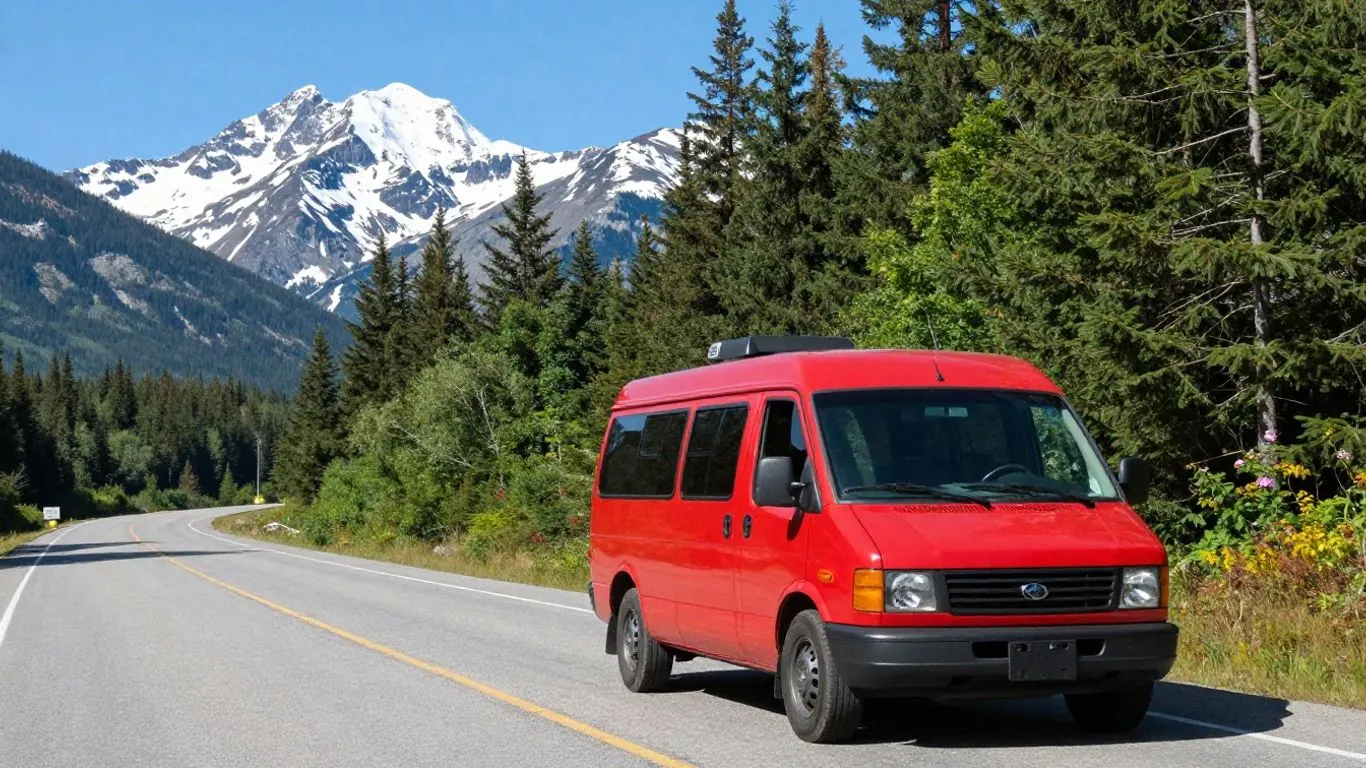
Picking the right company to rent your RV from is a big deal, especially when you’re coming from New Zealand and planning a one-way trip across Canada. It’s not just about the vehicle; it’s about the service, the flexibility, and making sure you don’t end up with a bunch of surprise fees. You want a provider that understands the needs of travelers doing these longer, point-to-point journeys.
Reputable Companies Offering One-Way Rentals
When you’re looking for a one-way rental, stick to companies that have a solid presence across Canada. These are the ones most likely to have the infrastructure to support you dropping off your RV in a different city than where you picked it up. Think about the big names that have multiple locations from coast to coast. They often have specific programs for one-way rentals, which can make the whole process smoother. It’s worth checking out companies like CanaDream, Fraserway RV, and Cruise Canada. They’ve been around for a while and generally have a good reputation for maintaining their fleet and offering support.
Comparing Rental Companies and Vehicle Options
Don’t just go with the first company you find. Take some time to compare what different providers offer. Look at the types of RVs they have available. Are you looking for a small campervan for just two people, or do you need something larger for a family? Consider the amenities included – some companies offer packages with bedding, kitchen supplies, and even things like camp chairs, which can save you a lot of hassle. Also, pay close attention to the pricing. One-way fees can vary quite a bit, so get quotes from a few places. Some might even have special deals or relocation offers that could save you money.
Here’s a quick look at what to compare:
Vehicle Types: Small campervans, medium motorhomes, large RVs, Class C.
Included Amenities: Kitchen kits, bedding, linen, cleaning supplies.
One-Way Fees: Check the specific cost for your chosen drop-off location.
Mileage Options: Unlimited mileage packages can be a good idea for long trips.
Customer Reviews: See what other travelers say about their experience.
Understanding Rental Agreements and Fees
This is where you really need to read the fine print. Rental agreements can be long, but the sections on fees, insurance, and return conditions are super important. Make sure you know exactly what’s included in the rental price and what’s extra. Are there charges for additional drivers? What’s the policy if you’re late returning the RV? And critically, what are the exact terms for dropping off the vehicle at a different location? Some companies might charge a significant one-way fee, while others might have it built into the overall cost. Always clarify the return location, time, and any potential charges for cleaning or damage before you sign anything. It’s better to ask all the questions upfront than to be surprised later.
When you’re comparing providers, look beyond just the sticker price. The cheapest option might not always be the best if it comes with restrictions or hidden costs. A slightly more expensive rental from a company with better support and clearer terms could save you a lot of stress down the road.
Essential Resources for Your Trip
Alright, so you’ve got your RV booked and you’re dreaming of those Canadian landscapes. Before you hit the road, let’s talk about some tools and info that can make your trip way smoother. It’s like having a good map and a fully charged phone – you don’t want to be without them.
Helpful Apps for RV Travel in Canada
There are tons of apps out there that can really help. Think of them as your co-pilot. Here are a few types that are super handy:
Navigation & Maps: Beyond your standard GPS, apps like Google Maps or Maps.me are great for offline use, which is a lifesaver when you’re out in the sticks with no signal. Some RV-specific apps even show you where RV-friendly parking or dump stations are.
Campsite Finders: Apps like iOverlander, Campendium, or AllStays are gold for finding places to park your RV, whether it’s a full-service campground or a free spot for the night. User reviews are usually included, which is a big help.
Weather Apps: Canada’s weather can change fast, especially in the mountains. Having a reliable weather app like The Weather Network or AccuWeather means you can stay ahead of storms or sudden temperature drops.
Online Forums and Travel Communities
Sometimes, you just need to ask someone who’s been there. Online communities are fantastic for getting real-time advice and tips from other travelers. You can find forums dedicated to RVing in Canada, or even specific groups for one-way rentals. People are usually happy to share their experiences, warn you about road closures, or recommend a hidden gem of a diner.
Don’t underestimate the power of asking questions online. You might get advice on the best time to visit a certain park to avoid crowds, or learn about a local festival you wouldn’t have known about otherwise. It’s like having a whole network of travel buddies.
Emergency Contact Information
It’s always smart to have important numbers handy, just in case. Keep these somewhere accessible, maybe in your phone’s contacts and written down in your travel binder:
Local Emergency Services: In Canada, this is 911. Make sure you know how to explain your location clearly, especially if you’re in a remote area.
Your RV Rental Company: Have their roadside assistance number and customer service line readily available. They can help with breakdowns or mechanical issues.
Embassy/Consulate: As a traveler from New Zealand, know the contact details for your country’s nearest embassy or consulate in Canada. It’s good to have this for serious situations.
Travel Insurance Provider: Keep your policy number and their emergency contact information handy.
Wrapping Up Your Canadian RV Adventure
So, you’re thinking about renting an RV in Canada and heading out on an adventure. It sounds pretty great, right? Remember to book ahead, especially if you’re traveling during the busy summer months. Planning your route and where you’ll stay is a good idea, and there are some handy apps and websites that can help with that. Don’t forget to check the weather and pack layers – Canada can be unpredictable! Taking your time and enjoying the journey is what it’s all about. You’ll probably have some funny stories to tell when you get back home, and that’s part of the fun.
When is the best time to rent an RV in Canada from New Zealand?
The best time to rent an RV in Canada depends on what you want to see and do. Spring (April to May) and fall (September to October) are often great choices. The weather is usually mild, there are fewer tourists, and you might find better deals on rentals. Summer (June to August) is popular but can be crowded and more expensive. Winter can be challenging with snow and cold, so it’s usually best for experienced RVers.
What are one-way RV rentals in Canada?
A one-way RV rental means you can pick up your camper in one city and drop it off in another. This is super handy for long trips because you don’t have to drive all the way back to where you started. It saves you time and lets you see more places without backtracking.
How do I choose the right RV for my trip?
Think about how many people are traveling and what you plan to do. Small camper vans are good for couples or solo travelers. Medium-sized RVs are great for families, offering more space. Big RVs are best for larger groups. Consider if you need a full kitchen, bathroom, and how much driving you’ll be doing.
Should I book my RV rental in advance?
Yes, absolutely! Booking your RV rental ahead of time, especially if you’re traveling during the busy summer months (June to September), is a really good idea. It helps you get the RV you want and often secures a better price. Many people book their RVs months before their trip.
What are some popular RV routes in Canada?
A popular route is from Vancouver to Calgary, going through the beautiful Rocky Mountains and national parks. Another option is exploring the Pacific Coast. For a really big adventure, you could try a cross-Canada trip from east to west, but that takes a lot of time.
What are the rules for driving and camping in Canada?
Canada has traffic laws similar to other countries, but pay attention to signs. In rural areas, you might encounter one-way bridges. For camping, research local rules. Some places allow free camping, while others require you to stay in designated parks. Always check campsite rules and book spots ahead if possible, especially during peak season.
What should I pack for a Canadian RV trip?
Pack layers of clothing because the weather can change quickly, even in summer. Include warm jackets, rain gear, comfortable shoes for walking, and any personal items you’ll need. Don’t forget essentials like a first-aid kit, navigation tools, and chargers for your electronics.
How can I find campsites and amenities?
There are many helpful tools! You can use apps like Campermate or Rankers’ Camping NZ (though these are more for New Zealand, Canada has similar apps like iOverlander or AllStays). Online trip-planning websites and RV rental company resources can also show you where to find campsites, dump stations, and other useful spots.
Use this guide for trip ideas, not a current quotation or a guarantee of access, safety, inclusions or availability. Confirm the requirements and conditions for your dates, destination and provider before booking.