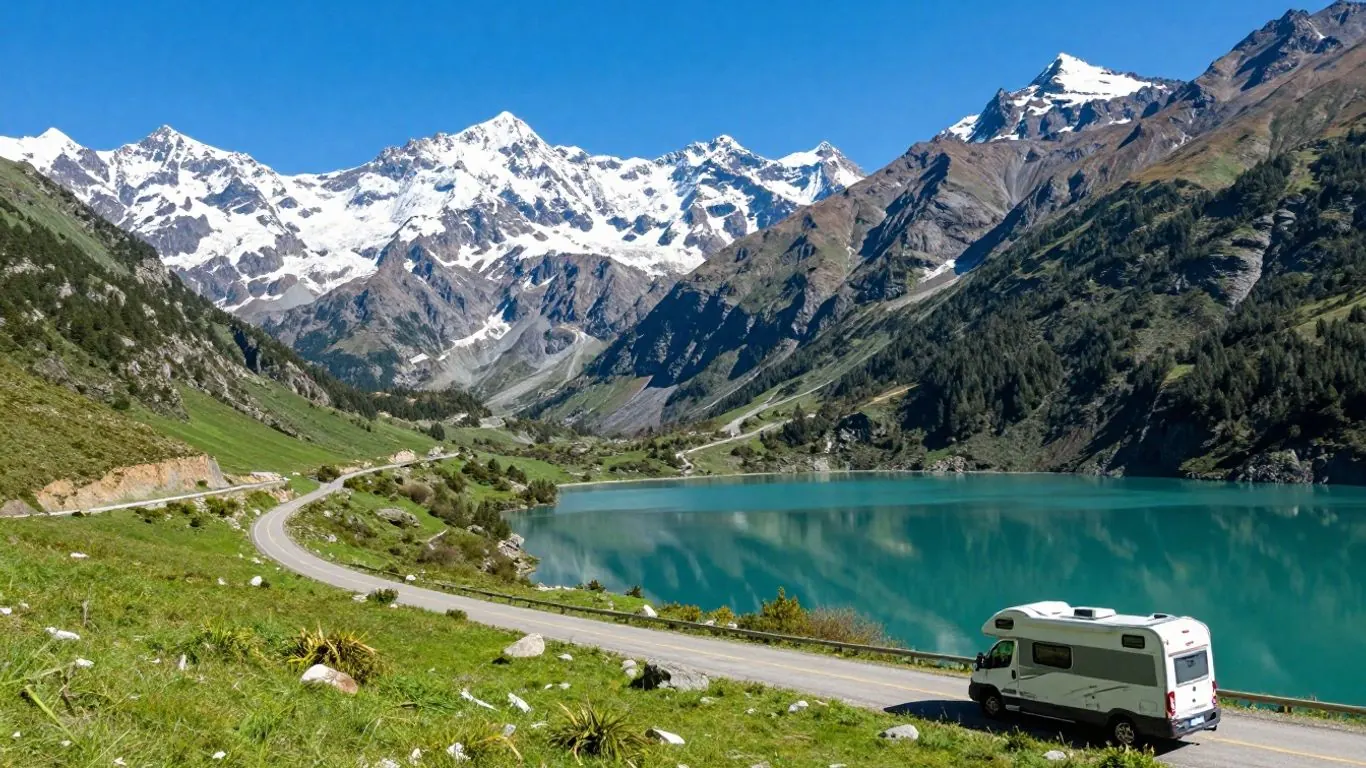
Travel guide
A Canadian Rockies RV trip is easier to plan when you separate the durable decisions from the time-sensitive ones. Choose your route shape and vehicle first, then verify each campground, pass, road and weather detail close to travel. This guide avoids fixed prices, drive times and availability claims because those change.
Start with campsites, not a wish list
Parks Canada manages camping differently by location and season. For Banff National Park, camping is permitted only in designated areas with a valid camping permit and national park entry pass. Use the current reservation service to search a campground by travel dates, party size and equipment, then read that campground’s own conditions before committing to a route.
Match the RV to the specific site
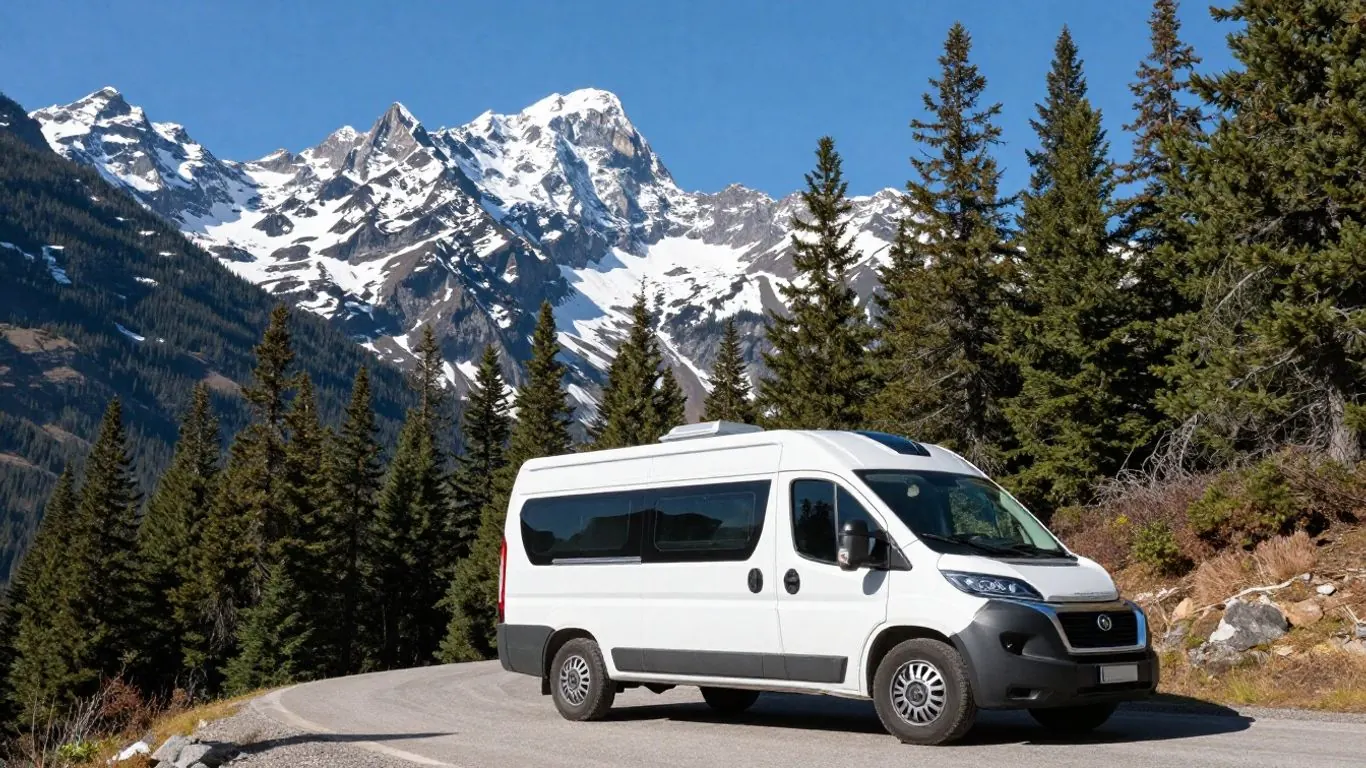
Do not assume an RV that is suitable for one campground will fit every Rockies site. Parks Canada’s Banff camping information lists different site types, hook-ups and vehicle limits. Record your actual vehicle length, whether you need power or a dump station, and whether your party needs a tent site, then check the selected campground’s current listing.
Treat road conditions as a day-of-travel decision
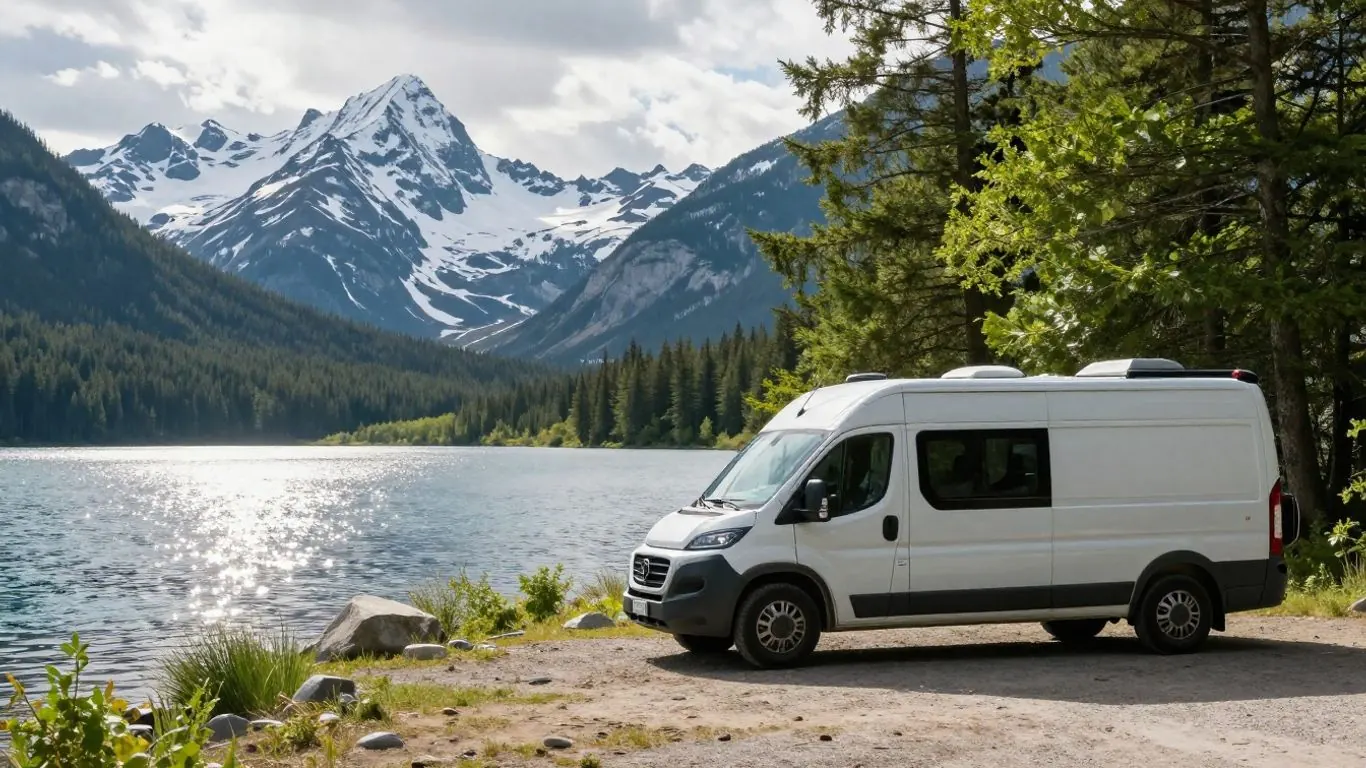
Weather, construction, closures and visibility can change the practical route. Alberta’s 511 service publishes road-condition, closure, incident, construction, camera and weather information. Check the official road service immediately before driving and adapt the plan when conditions do not support the route you had hoped to take.
Keep the itinerary flexible
- Book the campsite or accommodation that makes the next day’s route realistic, rather than treating a map distance as a promise.
- Keep current reservation confirmations, park-entry information and road-condition links available offline where possible.
- Build a backup stop into days affected by mountain weather, closures or a slower-than-expected arrival.
- Confirm the rental company’s vehicle rules, insurance, roadside-support and equipment terms directly; they are not universal.
Camp respectfully
In Banff, Parks Canada asks campers to keep a clean campsite and store food and related items in a hard-sided vehicle or wildlife-proof locker. Follow the specific park’s current wildlife, food-storage and camping rules rather than relying on advice copied from another location.
Official planning sources
Parks Canada: Banff camping
Parks Canada: how to make a reservation
511 Alberta road conditions
Putting the Rockies checklist in order
Work through the checklist in this order: campground availability for your dates, the vehicle length those campgrounds accept, then the route that links them. Doing it the other way round, choosing the route first, is the usual reason a Rockies plan falls apart when the reservation window opens.
Once the anchor nights are secured, add one buffer day somewhere in the middle of the trip. It absorbs a weather day, a road delay or simply a place you want to stay longer.
Sources to keep open while you plan
- Parks Canada pages for Banff, Jasper, Yoho and Kootenay, for alerts, campground opening periods and visitor rules.
- The Parks Canada Reservation Service, for campground availability by date and equipment.
- Alberta 511 for Alberta highways and DriveBC for British Columbia highways, including the Trans-Canada west of the Alberta border.
- Your rental contract, for any restrictions on gravel roads or areas the vehicle may not enter.
Keep these as bookmarks rather than copying details into your plan, so you always read the current version.
Fitting a buffer into a Rockies route
Mountain weather can close or slow a road at short notice. A plan with one flexible day lets you wait out snow on a pass or smoke from a wildfire without losing a reserved campground. The best place for that day is usually just before the most important booking, such as a hard-to-get campground near Lake Louise.
Respecting the parks while you camp
Use designated sites only, follow quiet hours, use dump stations rather than draining tanks anywhere else, and keep food stored inside the vehicle. Check for fire bans before lighting a campfire, as they can be put in place at short notice in dry weather.
Frequently asked questions
Can I camp anywhere in Banff National Park?
No. Camping in Banff is permitted only in designated areas with a valid camping permit and a national park entry pass.
How do I know if my RV fits a campground?
Check the individual campground listing for site types, hook-ups and vehicle limits. One campground suiting your RV does not mean all Rockies sites will.
Should I fix the whole route before I travel?
Fix the campground nights and keep the driving flexible. Road conditions are a day-of-travel decision, so check the official road service before each drive.