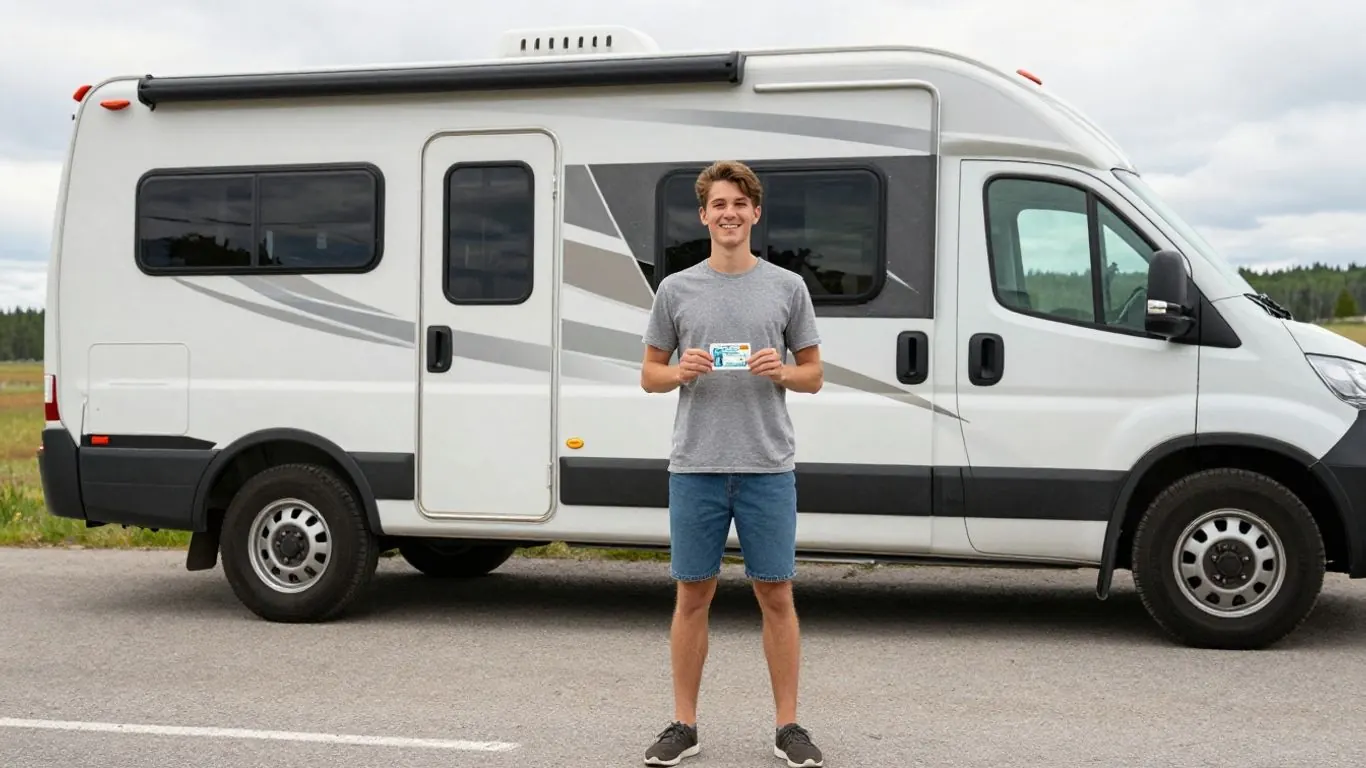
Thinking about renting an RV in Canada? It’s a great way to see the country, but there are a few things you need to know before you hit the road. This article covers the main rv rental canada driver requirements, so you can plan your trip without any surprises. We’ll go over who can drive, what papers you need, and some other important details to make your adventure smooth.
Key Takeaways
You generally need to be 21 or older to rent and drive an RV in Canada. Make sure you have a valid driver’s license.
Rental companies will check your driver’s license and possibly your passport. You’ll also need to sign the rental agreement.
Good news for younger drivers: most places don’t charge extra if you’re under 25, and adding extra drivers is usually free.
Be prepared to leave a security deposit, usually around CAD $500, which you’ll get back when you return the RV in good condition. Cash is typically not accepted for deposits.
Pets are often allowed, but you’ll need to clean up after them to avoid extra fees. Check the specific policy before you bring your furry friend.
Understanding RV Rental Age Requirements In Canada
Who may drive a rented RV in Canada comes down to a few points: minimum age, how long the licence has been held, where it was issued, and whether each driver is named on the contract.
Minimum Age For Operating An RV
First things first, you’ve got to be old enough to get behind the wheel. Most RV rental companies in Canada require drivers to be at least 21 years old. This applies to anyone who plans on driving the RV during your trip. It doesn’t matter if you’re just planning a short hop or a cross-country adventure; the age rule is pretty standard across the board.
Driver Verification Process
When you show up to pick up your RV, they’re going to want to see some proof. This isn’t just a casual glance. They need to verify that you meet the age requirement and that you’re legally allowed to drive. This usually involves:
Showing your valid driver’s license: This is non-negotiable. It needs to be current and in your name.
Presenting your passport: This is used as a secondary form of identification, especially if your driver’s license is from another country.
Signing the rental contract: By signing, you’re agreeing to all the terms and conditions, including confirming you meet the age and licensing requirements.
It’s all about making sure everyone on the road is properly qualified and that the rental company is covered.
No Surcharges For Younger Drivers
Here’s some good news, especially if you’re on the younger side of the eligible age range. Unlike some car rental places that hit you with extra fees if you’re under 25, most RV rental companies in Canada don’t charge extra for drivers who are 21, 22, 23, or 24. So, if you’re 21 and have a clean license, you’re good to go without any surprise fees just for your age. This makes RVing a bit more accessible for younger adventurers looking to explore Canada.
Valid Driver’s License Necessity
To rent an RV in Canada, you absolutely need a valid driver’s license. It’s not just a suggestion; it’s a hard requirement. This license proves you’re legally allowed to operate a vehicle. Make sure it’s current and not expired before you even think about booking. Most rental companies will check this thoroughly. If you have a license from outside Canada, you’ll likely need to present it along with an International Driving Permit (IDP) if your home license isn’t in English or French. It’s always a good idea to check with the specific rental company about their policies on foreign licenses.
Passport As Identification
Beyond your driver’s license, you’ll need a valid passport. This serves as your primary identification and confirms your identity. Rental agencies use it in conjunction with your driver’s license to verify you are who you say you are. It’s also important for any cross-border travel you might plan. Think of it as the second piece of the puzzle that gets you behind the wheel of your rented RV.
Signing The Rental Contract
Once all your documents are in order and verified, you’ll be presented with the rental contract. This is a legally binding agreement outlining the terms and conditions of your rental. It covers everything from the rental period and mileage limits to insurance details and responsibilities. Read this document carefully before signing. Pay attention to clauses about late returns, damage, and prohibited uses of the vehicle. You and any other authorized drivers will need to sign this contract. It’s a good idea to keep a copy for your records throughout your trip.
Here’s a quick checklist of what you’ll need:
Valid Driver’s License (from your home country or province)
International Driving Permit (if your license isn’t in English or French)
Valid Passport
Credit Card (for security deposit and rental charges)
Remember that all drivers must be listed on the rental agreement and sign it. This ensures everyone operating the RV is authorized and aware of the terms. It also helps with insurance coverage in case of any incidents.
Key Considerations For Your RV Rental Journey
So, you’re gearing up for an RV adventure in Canada. Awesome! Before you hit the road, there are a few practical things to keep in mind to make sure everything goes smoothly. It’s not just about picking the RV; it’s about the whole trip.
Minimum Rental Duration
Most rental companies have a minimum rental period, and for RVs in Canada, this is typically set at seven days. This isn’t just a random number; it gives you enough time to actually settle into the RV lifestyle and explore without feeling rushed. Trying to cram a big trip into just a few days often leads to more stress than enjoyment, so factor this in when you’re planning your itinerary. It’s a good idea to check the specific minimums when you book, as it can vary slightly.
Security Deposit And Payment Methods
When you pick up your RV, you’ll need to put down a security deposit. This is pretty standard practice and usually ranges around CAD $500. It’s held on a credit card, and it covers any potential damages or extra charges that might come up during your rental. Once you return the RV in good condition, this deposit is refunded. Just a heads-up: cash usually isn’t accepted for these deposits or for any extra fees you might incur.
Bringing Your Pets Along
Good news for animal lovers! Many Canadian RV rental companies welcome pets. It’s a fantastic way to include your furry family members in your travels. However, there’s a catch: you’ll need to clean up after your pet and return the RV in the same condition you found it. If the rental company has to do extra cleaning because of your pet, you could be looking at a fee, sometimes up to $250. So, be prepared to do a thorough clean-up before you hand back the keys.
Planning an RV trip involves more than just picking a vehicle. You’ll want to think about the type of RV that fits your group, make sure everyone has the right travel documents, and budget for campgrounds and gas. Booking popular spots ahead of time is also a smart move.
Here are some other points to ponder:
Towing Capabilities: If you plan on towing a vehicle or trailer, check the RV’s specific towing weight restrictions. You’ll usually need to provide your own towing equipment, and there might be an extra daily charge. Remember, the rental company typically won’t cover damage to the towed item.
Passenger Limits: Each RV model has a set limit on how many people can travel in it. For example, a C25 model might allow 5 passengers, while a larger C30 could accommodate up to 7. Always stick to these limits for safety and to avoid any issues.
RV Amenities: Don’t expect TVs or awnings to be standard. Most RVs don’t come with these. If you like having shade outside, you might want to bring your own canopy or shade structure. This is a good thing to know so you can pack accordingly and have the comforts you’re used to. You can find more details on planning an RV trip to Canada to help with these decisions.
Navigating Canadian Roads With Your Rental RV
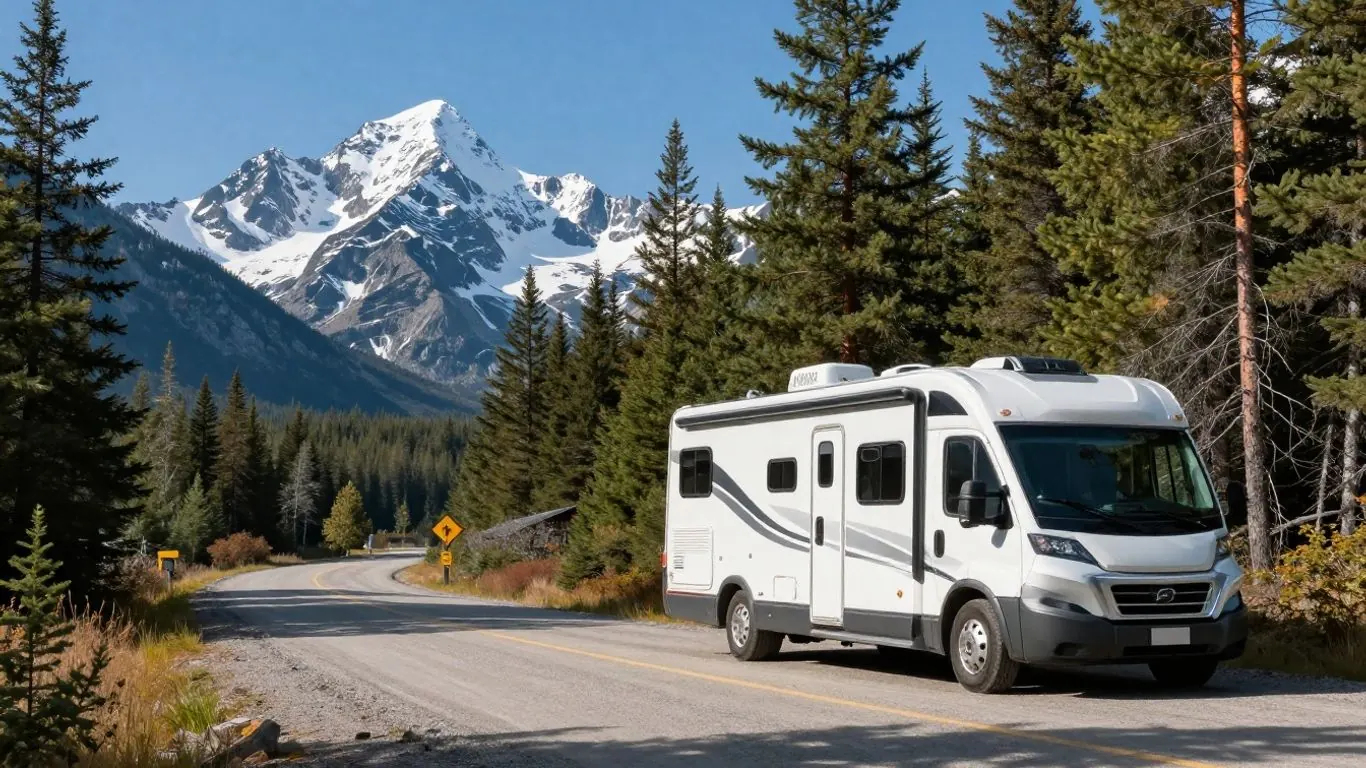
Driving an RV in Canada is a bit different than your everyday car, but it’s totally doable. Think of it like driving a bigger van; most RVs are built on a standard chassis, so the feel isn’t wildly unfamiliar. Still, there are a few things to keep in mind to make your trip smooth.
Towing Capabilities And Restrictions
Most RVs available for rent in Canada do allow towing, but it’s not a free-for-all. You’ll need to bring your own towing gear, as the rental company only provides the hitch. It’s super important to declare your intention to tow beforehand. They’ll also have a weight limit you absolutely cannot exceed – usually around 1100 kg. Keep in mind, the rental company doesn’t cover any damage to whatever you’re towing or any issues it might cause to others. So, if you plan on bringing a small car or trailer, double-check those specs.
Passenger Capacity Per RV Model
Figuring out how many people can actually ride in the RV while you’re driving is key. It’s not just about fitting everyone in; it’s a safety and legal thing. Different RV models have different limits.
Here’s a general idea:
C30 Models: Up to 7 passengers
C25 Models: Up to 5 passengers
C21 Models: Up to 4 passengers
C19 Models: Up to 3 passengers
Always confirm the specific passenger limit for the RV you book. It’s printed on the vehicle and in your rental agreement.
Familiarizing Yourself With RV Handling
Getting comfortable behind the wheel of an RV is step one. While they handle much like a car, especially the C-class models built on van frames, there’s a learning curve. You’ll want to get a feel for its size, braking distance, and how it corners. Take some time in a quiet parking lot before hitting the highway to practice.
Remember that an RV is much larger and heavier than a standard car. This means you’ll need more space to maneuver, longer braking distances, and a wider turning radius. Always check your surroundings, especially when changing lanes or backing up.
It’s also worth noting that you can’t store anything on the roof of the RV. If you need extra space, look into towing options or packing smart.
RV Amenities And What To Expect
When you rent an RV in Canada, it’s good to know what’s typically included and what you’ll need to bring yourself. It’s not quite like renting a hotel room on wheels, so a little preparation goes a long way.
Absence Of Televisions In RVs
Don’t expect to find a TV in your rental RV. Most rental companies, including Cruise Canada, don’t equip their vehicles with televisions. The idea is to encourage you to disconnect and enjoy the scenery, but if you’re set on catching up on shows or news, you’ll need to bring your own portable device and figure out how you’ll get a signal.
Bringing Your Own Shade Solutions
Another thing you won’t usually find pre-installed is an awning. If you’re planning on spending a lot of time outside your RV, perhaps at a campsite or a scenic overlook, you might want to bring your own portable canopy or shade shelter. This can make a big difference on sunny days, giving you a comfortable spot to relax out of the direct sun. It’s a simple item that can really improve your outdoor experience.
RVs are designed for adventure and experiencing the outdoors. While they offer shelter and basic comforts, they often omit entertainment systems and external amenities like awnings to keep the focus on the journey and the natural surroundings. Packing smart means anticipating these differences and bringing along personal items that enhance your comfort and enjoyment.
Logistics At The Rental Depot
Alright, so you’ve picked out your perfect RV and you’re ready to hit the road. But before you can start your adventure, there are a couple of practical things to sort out at the rental depot. It’s not the most glamorous part, but getting these details squared away makes the whole trip smoother.
Luggage Storage Options
When you’re packing for an RV trip, you might be tempted to bring everything but the kitchen sink. However, RVs, while spacious compared to a car, still have limits. Think about what you really need. Most rental RVs have dedicated storage compartments, often accessible from the outside. These are great for larger items like camping chairs, coolers, and duffel bags. Inside, you’ll find overhead cabinets and under-bed storage, which are better suited for smaller bags and personal items. It’s wise to pack in soft-sided bags rather than rigid suitcases, as they’re much easier to fit into the available spaces.
Here’s a quick rundown of where to stash your stuff:
Exterior Storage Bays: Ideal for bulky gear, sports equipment, and anything you won’t need during the drive.
Kitchen Cabinets: For food items and smaller kitchenware.
Bedroom/Under-Bed Storage: Good for clothes and personal belongings.
Overhead Cabinets: Best for lighter items and things you might need quick access to.
Remember, while RVs offer more space than you might think, keeping things organized is key. Overpacking can make your living space feel cramped very quickly, and it can also affect the vehicle’s weight distribution, which isn’t ideal for driving.
Vehicle Parking Availability
This is something you might not think about until you get there, but it’s worth considering. If you’re driving your own car to the rental depot, you’ll want to know if there’s a place to park it while you’re away. Parking at some rental centers can be quite limited, so it’s a good idea to call ahead and ask about their policy. They might have designated spots, or they might allow you to park at your own risk. If you’re relying on public transport or a taxi to get to the depot, then this isn’t an issue for you. If they do allow you to leave your car, make sure you understand the terms – anything left behind is usually at your own risk, so don’t leave anything valuable in it. For those needing accessible motorhomes, planning parking at your destination is also important, and you can find information on accessible campgrounds to help with that.
Cross-Border Travel With Your RV Rental
Thinking about taking your Canadian RV adventure south of the border? It’s definitely possible, but there are a few things you’ll want to sort out before you hit the road.
Driving Into the United States
Most Canadian-registered RVs are allowed to cross into the U.S. and come back without any major hiccups. Just make sure you have all your paperwork in order. Your rental agreement should clearly state if cross-border travel is permitted, and it’s always a good idea to double-check with the rental company beforehand. They might have specific requirements or restrictions you need to be aware of.
Restrictions On One-Way Rentals
If you were hoping to pick up an RV in Canada and drop it off in the U.S. (or vice versa), that’s generally not an option. Most rental companies have strict policies against one-way international rentals. This means you’ll need to plan a round trip, returning the RV to the original pickup location. Also, remember that Canadian residents can’t rent a U.S.-registered vehicle in the States to bring back into Canada. The primary renter’s residency is what counts here.
Planning a trip that involves crossing borders requires extra attention to detail. Always confirm with your rental provider about their specific policies regarding international travel, including any mileage limitations or required documentation beyond your standard driver’s license and passport. It’s better to be over-prepared than to run into issues at the border.
Here’s a quick rundown of what to keep in mind:
Vehicle Registration: Ensure your RV is properly registered in Canada and that this registration is valid for international travel.
Insurance: Verify that your rental insurance covers you for driving in the United States. Some policies may have limitations.
Documentation: You’ll need your valid driver’s license, passport, and the RV rental contract. It’s wise to have copies of everything.
Return Plan: Be prepared to return the RV to the Canadian location where you picked it up.
Winter Travel Considerations For RV Rentals
Thinking about an RV trip when the weather gets chilly? It’s definitely doable, but you’ve got to be aware of a few things. Most rental companies "winterize" their RVs from about mid-October through late March. This basically means they drain all the water systems – sinks, showers, toilets – to stop pipes and tanks from freezing and bursting. It’s a smart move to prevent costly damage.
Understanding Winterized’ RVs
When an RV is winterized, you can’t use the water systems. It’s like the RV is on a winter break from plumbing. This is the standard setup to protect the vehicle during colder months. If you plan to travel during this period, you need to know that the water and toilet facilities won’t be operational unless you make specific arrangements.
De-Winterizing Options And Costs
If you absolutely need to use the water and toilet facilities, you can request that the RV be "de-winterized." This process allows you to use the sinks, shower, and toilet. However, it usually comes with an extra charge, sometimes up to $40. It’s not just a flip of a switch; it requires preparation by the rental company.
Responsibility For Freeze Damage
Traveling in a de-winterized RV during freezing temperatures requires serious attention. You’ll need to keep the heater running constantly to protect the pipes and tanks. In really cold snaps, you might even need to add RV antifreeze to the water and holding tanks, which means you can’t use the water systems at all. If any pipes or tanks freeze and get damaged, it’s considered negligent damage. That means you’ll be on the hook for the full repair costs. It’s a big responsibility, so weigh the pros and cons carefully before opting for de-winterization. For those planning longer trips or needing more comfort, consider looking into senior-friendly RVs that might offer better insulation or heating options, though specific winter features vary by model and rental company.
Handling Unexpected Situations During Your Rental
Even with the best planning, things can sometimes go sideways when you’re on the road in an RV. It’s good to know what to do if something unexpected pops up.
Procedures For Late Returns
If you find yourself running behind schedule and can’t make it back to the rental depot on time, the most important thing is to let them know. Seriously, just give them a call as soon as you realize you’re going to be late. They usually have a cutoff time, often around 11:00 AM on your return date. If you’re past that, expect to be charged a late fee. It’s typically a per-hour rate, so being late can add up pretty quickly. Communication is key here; don’t just show up late without a heads-up.
Reporting Accidents And Incidents
Getting into an accident, even a minor fender-bender, is stressful. The rental company needs to know about it within 24 hours. You’ll likely need to fill out a written report detailing what happened. On top of that, you’ll probably have to file a police report as well. This documentation is really important for insurance and for the rental company’s records.
Breakdown Assistance Services
Breakdowns happen, and they’re never convenient. Most rental companies, like Cruise Canada, offer a 24-hour assistance line. Keep that number handy! They can help you troubleshoot over the phone or arrange for roadside assistance to get you back on the road as quickly as possible. It’s a good idea to know what kind of coverage you have for breakdowns before you even leave the depot.
Remember that some issues, like freezing pipes in winter if the RV wasn’t properly winterized or de-winterized, can be your responsibility. Always follow the guidelines provided by the rental company, especially when dealing with extreme weather conditions. Negligence can lead to significant repair costs.
Here’s a quick rundown of what to do:
Late Return: Call the depot immediately to inform them of your delay. Be prepared for potential hourly fees.
Accident/Incident: Notify the rental company within 24 hours and file a police report.
Breakdown: Contact the 24-hour assistance line provided by the rental company.
Child Seat Provisions
When you’re planning your RV adventure, especially if you’ve got little ones joining you, it’s important to sort out car seats. Rental companies generally don’t provide these. You’ll need to bring your own child safety seats to comply with safety regulations and ensure your kids are properly secured for the journey. It’s a good idea to check the specific requirements for your destination province, but generally, you’ll need to use seats that meet Canadian safety standards.
Airport Transfer Availability
Getting to the rental depot can sometimes be a puzzle, especially if you’re flying in. Most RV rental places don’t offer direct airport shuttle services. However, they can often point you in the right direction for local transport options. It’s wise to ask about this when you book so you can plan your arrival. They might suggest local taxi companies or public transit routes that can get you there. If you’re arriving at the airport, let the rental company know, and they can usually give you some good advice on the best ways to reach their location. You can explore Canada’s diverse landscapes by campervan, so planning your transport to the depot is just part of the adventure. Plan your transport ahead of time.
Wrapping Up Driver Age Rules
So, when you’re planning that Canadian RV adventure, remember the age thing. Most rental places want their drivers to be at least 21. It’s pretty straightforward, really. Just make sure you’ve got your license handy, and you’re good to go. No need to stress about extra fees for younger drivers either, which is a nice bonus. Keep this in mind, and you’ll be one step closer to hitting the road in your RV.
How old do I need to be to rent an RV?
You must be at least 21 years old to rent and drive an RV. Make sure you have a valid driver’s license with you. We’ll check your license and foreign passport to make sure everything is in order. All drivers need to be listed on the rental agreement and sign it.
Are there extra charges for younger drivers?
Nope! We don’t charge extra if you’re under 25, and adding more drivers to your rental agreement is completely free. Just make sure everyone who plans to drive is listed and signs the contract.
What’s the minimum time I can rent an RV?
You’ll need to rent for at least 7 days. This gives you enough time to really enjoy your Canadian adventure!
Do I need to pay a security deposit?
Yes, a security deposit of CAD $500 is required. You’ll need a credit card to cover this and any other costs during your rental. We’ll refund the deposit after you return the RV, minus any extra charges. We can’t accept cash for deposits or payments.
Can I bring my pet along for the ride?
Absolutely! Your furry friends are welcome. Just remember to clean up after them and return the RV in the same condition you got it to avoid a cleaning fee.
Can I tow something behind the RV or put stuff on the roof?
You can tow with most of our motorhomes, but not with truck campers. You’ll need your own towing equipment. We don’t allow anything to be stored on the roof, though.
What if I’m running late to return the RV?
If you’re late, there’s a fee of $25 for every hour you go over the return time, which is usually 11:00 AM. It’s best to call the rental center as soon as you know you’ll be delayed.
What should I do if the RV breaks down?
Don’t worry! We have a 24-hour help line you can call. They’ll do their best to get you back on the road quickly.
Use this guide for trip ideas, not a current quotation or a guarantee of access, safety, inclusions or availability. Confirm the requirements and conditions for your dates, destination and provider before booking.