

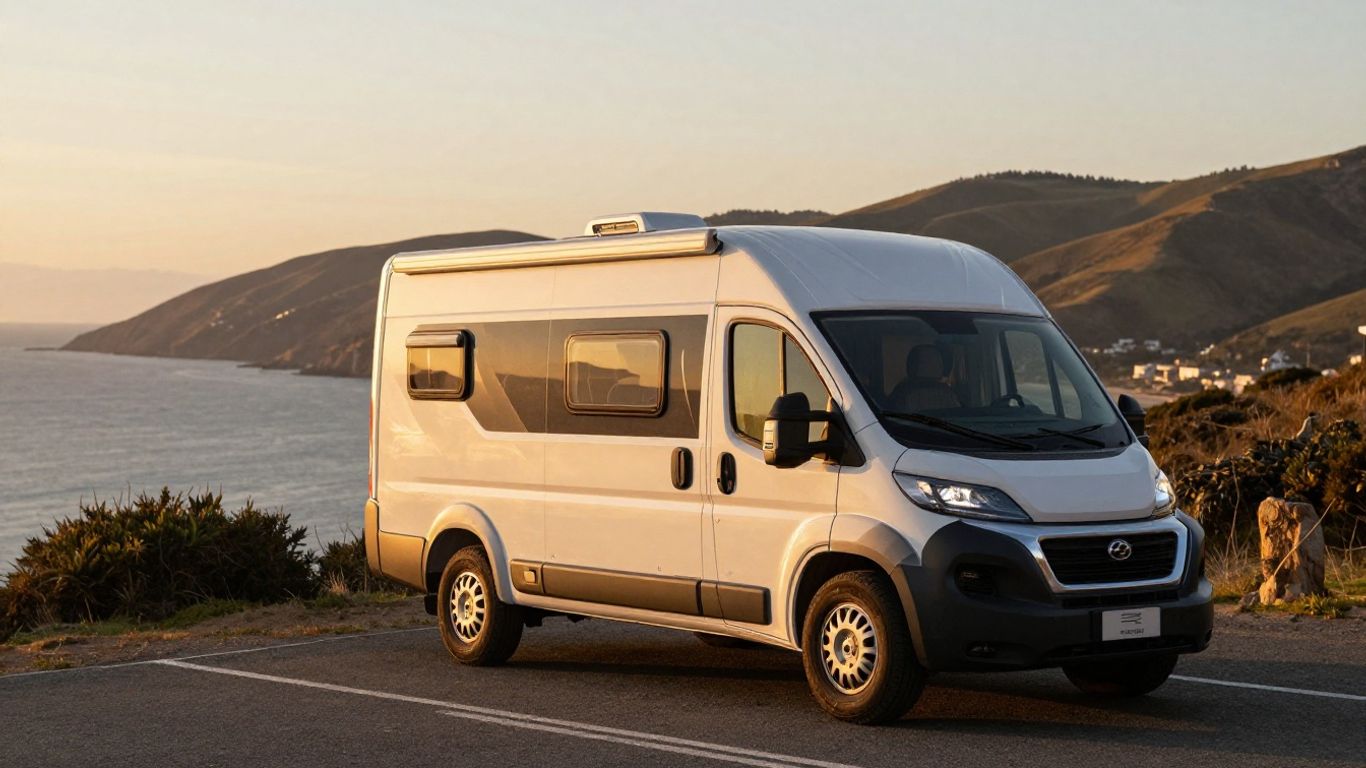
Thinking about renting a motorhome for your next trip in Canada? It’s a great idea, honestly. You get to see the country at your own pace, pull over whenever you see something cool, and basically have your own little home on wheels. But, if you’ve never done it before, it can seem a bit much. There’s a lot to think about, from what kind of rig to pick to how to actually drive the thing. This guide is here to make your first motorhome hire Canada first timer experience a whole lot easier. We’ll cover the basics so you can focus on the adventure.
Key Takeaways
- Figure out which motorhome type fits your trip best. Class A is big and comfy, Class B is like a van and easy to drive, and Class C is a good middle ground, often recommended for beginners.
- Budgeting is key. Don’t forget to factor in the rental cost, gas, insurance, campground fees, and even food and activities. It all adds up.
- Check the motorhome’s layout and amenities. Make sure there’s enough space for everyone to sleep, and see if the kitchen and bathroom setup works for you.
- Know the rules for driving and insurance. Make sure you meet the rental company’s requirements and understand what your insurance covers before you hit the road.
- Plan your route and practice driving. RVs handle differently than cars, so be ready for wider turns and longer braking distances. Also, inspect the motorhome thoroughly before you leave the lot.
Understanding Motorhome Types For Your First Canadian Adventure
So, you’re thinking about hitting the road in a motorhome for the first time, eh? That’s awesome! Canada is huge and beautiful, and seeing it from your own rolling home is a pretty sweet deal. But before you even think about packing, you gotta figure out what kind of rig you’re gonna drive. They’re not all the same, you know.
Class A Motorhomes: The Spacious Option
These are the big kahunas, the ones that look like a bus. If you want all the bells and whistles and don’t mind something that takes a bit more effort to handle, a Class A might be your jam. They’ve got tons of room, often with separate living areas and full-size appliances. Think of it as your rolling condo. They’re great for longer trips where you plan to stay put for a while, but maneuvering them in tight spots or busy campgrounds can be a challenge. If you’re feeling confident and want maximum comfort, this is the way to go.
Class B Motorhomes: Compact and Maneuverable
Class B motorhomes are basically camper vans. They’re the smallest and easiest to drive, kind of like a big van. If you’re traveling with just one or two people and want something that’s good on gas and can fit into regular parking spots, a Class B is a solid choice. They usually have a small kitchenette and a bathroom, but don’t expect a lot of extra space. They’re perfect for zipping around national parks or exploring smaller towns. You can find some great deals on these if you’re looking for a more nimble adventure.
Class C Motorhomes: Ideal for Novice Renters
Class C motorhomes are often recommended for first-timers, and for good reason. They’re built on a truck or van chassis, so they drive a bit more like a familiar vehicle than a Class A. They usually have that distinctive over-the-cab sleeping area, which is great for extra guests or kids. You get a good balance of space and drivability with a Class C. They’re a popular choice because they offer more amenities than a Class B without being as intimidating as a Class A. Planning an RV trip to Canada involves key decisions before booking. First, choose the right RV type (Class A, C, B, or towable) based on your group size and travel style. Ensure your paperwork is in order.
Here’s a quick rundown:
- Class A: Largest, most luxurious, bus-like. Best for comfort and space.
- Class B: Smallest, van-like, easiest to drive. Good for couples or solo travelers.
- Class C: Mid-size, truck chassis, over-cab bunk. Great all-around option, especially for beginners.
Choosing the right type of motorhome is the first big step. It really sets the tone for your whole trip. Don’t rush this part; think about who’s going with you and what kind of places you want to visit. It makes a difference.
Budgeting For Your Motorhome Hire Canada First Timer Experience
Alright, let’s talk about the money side of things for your first motorhome trip in Canada. It’s easy to get excited about the open road, but keeping a handle on costs is super important so you don’t end up stressed about bills instead of enjoying the scenery. Figuring out your budget upfront will save you a lot of headaches later on.
Estimating Rental Costs
The biggest chunk of your budget will likely be the motorhome rental itself. Prices can really swing depending on a few things:
- Type of Motorhome: Class A, B, or C – they all have different price tags. Bigger and fancier usually means more expensive.
- Time of Year: Summer and holidays are peak season, so expect higher rates. Shoulder seasons (spring and fall) might offer better deals.
- Rental Duration: Daily rates often drop when you rent for a week or longer.
- Rental Company: Different companies have different pricing structures and fees.
It’s a good idea to get quotes from a few places. Don’t forget to ask about any hidden fees, like mileage charges or extra charges for specific equipment.
Factoring in Fuel and Insurance
Beyond the rental fee, you’ve got fuel and insurance to consider. Motorhomes aren’t exactly known for their fuel efficiency, so gas costs can add up quickly, especially on longer trips. Keep an eye on current gas prices in Canada. Insurance is another big one. Most rental companies offer their own insurance packages, but they can be pricey. You’ll want to understand exactly what’s covered and what’s not. Sometimes, your personal auto insurance or a credit card might offer some coverage, so it’s worth checking that out before you commit.
Considering Campground and Activity Expenses
Don’t forget about where you’ll be parking your home on wheels each night! Campground fees vary wildly. Some are basic spots with just enough room to park, while others offer full hookups (water, electricity, sewer), showers, laundry facilities, and even pools. You’ll need to decide what level of comfort you need and budget accordingly. Booking popular campgrounds, especially in national parks, often needs to be done months in advance. And then there are the fun things! Think about park entrance fees, tours, activities, and souvenirs. It’s wise to set aside a separate fund for these experiences so you can truly enjoy them without guilt.
Planning your spending ahead of time helps you make informed choices. You might decide a slightly smaller, more fuel-efficient motorhome saves you enough money to enjoy an extra excursion or two. Or perhaps you’ll opt for more rustic campgrounds to free up funds for a special meal out.
Here’s a quick look at potential costs:
| Expense Category | Estimated Cost Range (CAD) | Notes |
|---|---|---|
| Motorhome Rental | $100 – $300+ per day | Varies by size, season, and company |
| Fuel | $50 – $150+ per day | Depends on mileage and fuel prices |
| Insurance | $20 – $50+ per day | Check rental company and personal policies |
| Campground Fees | $30 – $100+ per night | Varies by amenities and location |
| Food & Groceries | $50 – $100+ per day | For 2-4 people, cooking some meals |
| Activities & Attractions | $20 – $100+ per day | Highly variable based on your plans |
Choosing the Right Motorhome Layout and Amenities
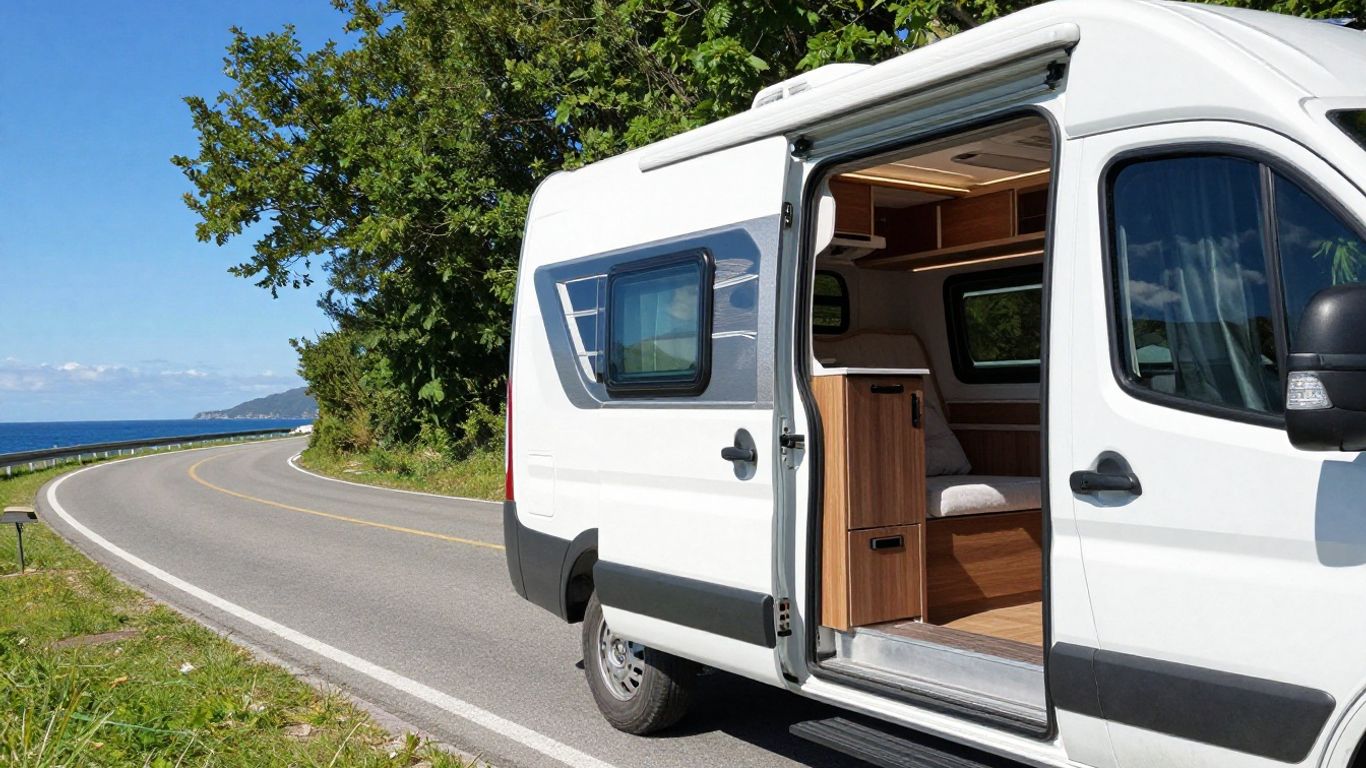
Picking the right motorhome isn’t just about the size; it’s about how the space works for you and what features make your trip comfortable. Think about who’s coming along and what you’ll actually be doing inside the RV. The goal is to find a home on wheels that fits your travel style and needs.
Assessing Sleeping Capacity Needs
First things first, how many people need a place to sleep? It sounds simple, but it really dictates the kind of layout you’ll need. Are you a solo traveler, a couple, a family with kids, or a group of friends? Each scenario calls for different sleeping arrangements.
- Couples/Solo: A smaller Class B or a compact Class C might be perfect, often with a convertible dinette or a fixed bed.
- Small Families: Look for models with dedicated bunks for kids or a separate sleeping area. Class C motorhomes often excel here with their over-cab sleeping spots.
- Larger Groups: You’ll likely need a Class A with multiple sleeping zones, possibly including sofa beds and dinette conversions, or even a larger Class C.
Don’t forget to consider if everyone needs a private sleeping space or if sharing a larger bed or using convertible areas is okay. It’s also worth thinking about how easy it is to convert dinettes or sofas into beds each night – you don’t want to be doing that every single day if you can avoid it.
Evaluating Kitchen and Bathroom Facilities
What kind of cook are you? If you plan on making elaborate meals, you’ll want more than just a microwave. Check out the kitchen setup:
- Appliances: Is there a full-size refrigerator, or a smaller one? Do you need a stovetop and an oven, or will a two-burner cooktop suffice? Some rentals might only have a microwave and a small fridge.
- Counter Space: This is often overlooked but is super important for prepping food. More space means less juggling.
- Storage: Where will your food and cooking gear go? Look for ample cabinets and drawers.
For the bathroom, consider the "wet bath" versus a "dry bath." A wet bath combines the shower and toilet into one small space, which is efficient but can feel cramped. A dry bath has separate areas for the toilet and shower, offering more comfort and privacy.
Prioritizing Living Space and Features
Beyond sleeping and eating, where will you relax? Think about how you’ll spend your downtime.
- Seating: Is there enough comfortable seating for everyone? Some motorhomes have cozy dinettes, while others offer plush sofas.
- Slide-outs: These extend the living area when parked, making a huge difference in spaciousness. If you plan to spend a lot of time inside, especially on rainy days, a model with slide-outs is a game-changer.
- Entertainment: Do you need a TV, DVD player, or good sound system? Some rentals come equipped, while others are more basic.
- Climate Control: Air conditioning and reliable heating are big ones, especially if you’re traveling in varied weather. Don’t forget to ask about generator power for running these when you’re not hooked up to shore power.
When you’re looking at floor plans online, try to visualize yourself using the space. Imagine making breakfast, getting ready for bed, or just sitting down to read. Does it feel natural? Does it seem like there’s enough room to move around without bumping into each other? Sometimes the smallest details in the layout can make the biggest difference in your overall comfort.
Essential Insurance and Driver Requirements
Before you even think about hitting the road in a rented motorhome, you’ve got to sort out the paperwork. This means making sure you meet the driver requirements and have the right insurance sorted. It might not be the most exciting part, but trust me, it’s super important.
Verifying Rental Company Insurance Policies
When you rent a motorhome, the company will have its own insurance policies. You need to figure out what’s covered and what’s not. Sometimes, your personal car insurance might extend to rental RVs, but you absolutely have to check this with your provider. Don’t just assume it’s covered. If it’s not, you’ll likely need to buy a policy from the rental company. These policies can vary a lot, from basic to more premium options with lower deductibles. Think about how much risk you’re comfortable with and what kind of RV you’re renting.
- Check your personal auto insurance: Call your provider and ask specifically about rental RV coverage.
- Understand rental company options: Ask for a breakdown of their different insurance packages.
- Consider your risk tolerance: Decide how much you’re willing to pay out-of-pocket if something happens.
Many credit cards offer some kind of rental insurance, but be aware that they often exclude motorhomes. So, relying on that might leave you exposed.
It’s always a good idea to get everything in writing. If you’re unsure about any terms or coverage details, don’t hesitate to ask for clarification. You don’t want any surprises down the road.
Understanding Driver Eligibility Criteria
Rental companies have rules about who can drive their vehicles. The most common requirement is age. You’ll usually need to be at least 25 years old and have held a valid driver’s license for a couple of years. Some companies might let younger drivers rent, but they often charge an extra fee, sometimes called a "young driver fee." You’ll also need to have a clean driving record. Make sure you have your physical license with you when you pick up the motorhome. Some places might also ask for a second form of ID.
- Minimum Age: Typically 25 years old.
- License Duration: Usually requires a license held for 2+ years.
- Additional Fees: Younger drivers (21-24) may face extra charges.
When you pick up the motorhome, you’ll also likely need to provide a credit card for a security deposit. This is usually a few thousand dollars and is held to cover any potential damage or extra charges. It’s refundable, of course, assuming everything is returned in good condition. Planning your trip across Canada can be a fantastic experience, and understanding these requirements is a big step towards a smooth adventure. Explore Canada’s diverse landscapes via campervan.
Preparing for Your Motorhome Journey
Alright, so you’ve picked out your perfect motorhome and you’re itching to hit the road. That’s awesome! But before you fire up the engine and blast off into the great Canadian wilderness, there are a few things you’ll want to sort out to make sure your trip goes off without a hitch. Think of this as your pre-flight checklist, but for wheels.
Strategic Packing for RV Travel
Space in an RV is a bit like real estate – it’s limited and you need to use it wisely. Forget stuffing your biggest suitcase; think smart and lean. Layers are your best friend here, because Canadian weather can be a real mood-swinger. You might start your day with a chill in the air and end it with sunshine that feels like summer. So, pack items you can easily add or remove. When it comes to footwear, aim for versatility. A good pair of walking shoes or boots, some comfy sandals, and maybe a pair of slippers for inside the rig should cover most bases. For toiletries, those clear, zip-top bags are a lifesaver for keeping things organized and preventing spills. And try to decant larger bottles into smaller travel-sized ones if you can – every bit of cabinet space counts.
Essential Items for Your Trip
Beyond your clothes and personal bits, there are some must-haves that make RV life way easier. Think about things that make your temporary home more functional and comfortable. A basic first-aid kit is non-negotiable, of course, but also consider things like a good flashlight or headlamp (especially if you plan on any evening strolls or setting up camp after dark), a multi-tool, and maybe some extra batteries. Don’t forget things like a small trash bin with liners – you’ll be generating trash, and dealing with it promptly keeps smells down and critters away. A clothesline and a few clothespins can also be surprisingly useful for drying towels or damp gear.
Packing for Meal Preparation
Eating well on the road is totally doable, but it requires a little planning. You don’t need to pack your entire kitchen, but a few key items will make a big difference. A good non-stick frying pan, a medium-sized pot, a spatula, and a cutting board are pretty standard. If your rental has a microwave, it might also function as a convection oven, which opens up more cooking possibilities. Collapsible bowls and stackable plates are great for saving space. When it comes to food, try to limit how much you buy before you leave. Hitting up local farmers’ markets once you’re on your route is a fantastic way to get fresh ingredients and experience the local flavor. And remember those food storage containers and bags we talked about? They’re going to be your best friends for leftovers.
Before you even start packing, take a good look at what your rental company provides. Some motorhomes come pretty well-equipped with basic kitchenware, linens, and even some cleaning supplies. Knowing what’s already included can save you from overpacking and buying duplicates.
Mastering Motorhome Driving Techniques
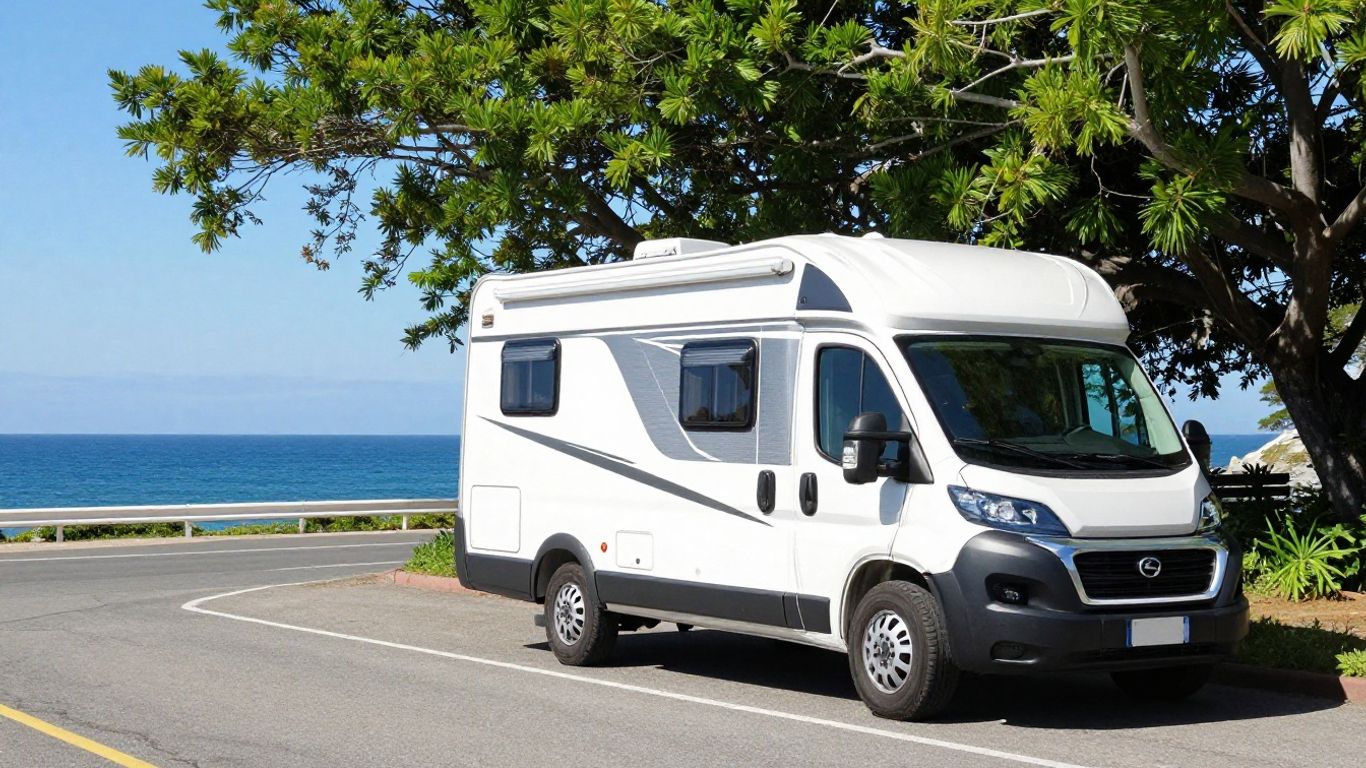
Driving a motorhome is a whole different ballgame than zipping around in your everyday car. It’s bigger, heavier, and handles differently, especially when you’re first getting the hang of it. Don’t worry, though; with a little practice and awareness, you’ll be cruising down the highway like a pro.
Navigating Wide Turns and Braking Distances
One of the biggest adjustments is understanding how much space you need. Motorhomes have a much larger turning radius than you’re used to. Always plan for wider turns, especially at intersections or when making U-turns, to avoid hitting curbs, signs, or even scraping the back end. It’s easy to misjudge, so take it slow and give yourself plenty of room. Similarly, braking takes longer. A fully loaded motorhome needs significantly more distance to stop than a car. Always maintain a generous following distance from the vehicle in front of you – think double or triple what you normally would. This buffer is your best friend.
Here’s a quick look at stopping distances:
| Vehicle Type | Approximate Stopping Distance (from 60 mph) |
|---|---|
| Passenger Car | ~200 feet |
| Motorhome (Loaded) | ~400 feet |
Remember, these are estimates. Road conditions, tire wear, and driver reaction time all play a role. Always err on the side of caution.
Utilizing Mirrors and Spotters for Maneuvering
Backing up a motorhome can feel like a challenge, especially into a campsite. Your side mirrors are your primary tools, but they don’t show you everything. Many motorhomes have blind spots. If yours doesn’t have a built-in backup camera, consider getting a simple aftermarket one. Even better, if you have a travel companion, use them as a spotter. Establish clear hand signals beforehand so you both know what you’re communicating. Have them stand where you can see them in your mirrors and guide you verbally. This teamwork makes tight spots much easier to manage.
Planning Routes to Avoid Road Obstacles
Before you even hit the road, smart route planning is key. Not all roads are motorhome-friendly. Look out for low bridges, narrow underpasses, and weight restrictions. Many GPS devices and apps have an RV setting that can help you avoid these hazards. It’s also a good idea to identify potential stopping points like truck stops or large parking lots for breaks, fuel, and restrooms. Checking the weather forecast is also important; high winds can be tricky for larger vehicles, and heavy rain can reduce visibility. Planning ahead can save you a lot of stress and potential trouble on your trip. For seniors planning RV travel in Canada, paying attention to wildlife warnings, especially during dawn and dusk, is also a good idea. Planning your route carefully can make all the difference.
Conducting a Thorough Motorhome Inspection
Before you even think about hitting the road, taking a good, long look at the motorhome you’re about to rent is super important. It’s not just about kicking the tires; you want to make sure everything is in working order and document any existing issues. This way, you won’t get hit with surprise charges when you return it.
Exterior Checks for Damage and Functionality
Start by walking around the outside. Look for any dents, deep scratches, or cracks in the body. Pay attention to the roof, too – check for any signs of leaks or damage around vents and seals. Test all the lights: headlights, taillights, brake lights, and turn signals. Make sure the tires look good, with decent tread, and check the tire pressure if you can. Also, give the stabilizer jacks a try to see if they move up and down smoothly.
Interior Inspection of Appliances and Systems
Inside, it’s time to play inspector. Turn on the water pump and check that all the faucets work, including the hot water. Flush the toilet to make sure it’s functioning correctly. Test the refrigerator, stove, furnace, and air conditioning. If the motorhome has slide-outs, extend and retract them to ensure they operate without issue. Open and close all the cabinet doors and check that their latches are secure. It’s also a good idea to test the generator if one is included, especially if you plan on boondocking.
Verifying Safety Equipment Operation
This is non-negotiable. Locate the fire extinguisher and check its pressure gauge. Make sure the smoke detector and carbon monoxide detector are present and functioning – most have a test button. Also, confirm the propane gas detector is operational. Having all safety equipment in good working order is paramount for a safe trip.
It’s a good practice to document everything you find. Take pictures or videos of any pre-existing damage or issues you discover. Have the rental agent note these on your rental agreement before you sign it. This protects you from being blamed for something that was already there.
Here’s a quick checklist to help you:
- Lights: Headlights, taillights, brake lights, turn signals, hazard lights.
- Appliances: Refrigerator, stove, oven, microwave, furnace, A/C.
- Plumbing: Water pump, faucets (hot/cold), toilet flush, water heater.
- Mechanical: Slide-outs, awning, stabilizer jacks, doors, windows.
- Safety: Fire extinguisher, smoke detector, CO detector, propane detector.
Don’t be shy about asking the rental company staff to demonstrate how things work. They are there to help you get acquainted with the vehicle. A little time spent on inspection now can save you a lot of headaches later on your adventure.
Campground Etiquette and On-Road Responsibilities
Being a good neighbor on the road and at the campsite makes everyone’s trip better. It’s not just about following the rules; it’s about being considerate.
Respecting Quiet Hours and Fellow Campers
Most campgrounds have designated quiet hours, usually from 10 PM to 7 AM. This means keeping generator noise to a minimum and lowering your voice and music. Think about how sound travels, especially in a campground where RVs are parked close together. Being mindful of noise levels is probably the most important part of campground etiquette. It’s a simple courtesy that goes a long way in making sure everyone can relax and enjoy their stay.
Ensuring Pedestrian and Wildlife Safety
When you’re driving your motorhome around a campground, remember that people are walking, kids are playing, and pets might be exploring. Always drive slowly, typically under 5 mph, and be extra watchful. Keep an eye out for children who might dart out unexpectedly. Also, wildlife is part of the experience, but it can also be a hazard. Secure all food and trash properly to avoid attracting animals. Never feed wildlife, as it can make them dependent on humans and can lead to dangerous encounters. If you’re in an area known for bears or other large animals, be sure to follow specific park guidelines for food storage.
Performing Daily Maintenance Checks
Keeping your motorhome in good shape while you’re on the road is part of your responsibility. It helps prevent breakdowns and ensures a smoother trip for you and others. Here are a few things to check daily:
- Tire Pressure: Check your tires each morning and evening. Temperature changes can affect the pressure, and properly inflated tires are safer and more fuel-efficient.
- Fluid Levels: Keep an eye on engine oil, coolant, and any other necessary fluids. Low levels can indicate a problem.
- Propane and Battery: Make sure your propane tank has enough fuel for cooking and heating, and check your battery levels, especially if you’re not always hooked up to power.
Taking a few minutes each day for these checks can save you a lot of hassle later on. It’s like giving your motorhome a quick once-over to make sure it’s ready for the day’s adventures. Think of it as part of the rhythm of RV travel.
Returning Your Motorhome Smoothly
Handing your motorhome back isn’t just about dropping off the keys. If you want to avoid extra charges, and—maybe more importantly—save the next family from cleaning up your mess, you’ll want to give yourself a bit of time for the process. For a lot of first-timers, this part can feel rushed, especially if you’re trying to catch a flight. Here’s how to make it painless:
Cleaning and Tidying the Interior
Most rental companies expect the motorhome to be returned in a similar state to how you found it. Leaving the RV messy almost guarantees you’ll get hit with a cleaning fee. Focus on these must-dos:
- Gather all trash and food; check cupboards and fridge so nothing gets left behind to rot.
- Sweep floors and wipe down surfaces, especially tables and counters.
- Empty all bins, including bathroom trash.
Taking 20 extra minutes to tidy up before returning your RV can mean the difference between a smooth check-in and an awkward conversation about extra charges.
Refueling and Replenishing Propane
Most rentals require you to bring the motorhome back with the same fuel and propane levels as when you got it. Forgetting this usually means you’ll pay more, since companies charge a premium for refueling.
| Fluid | Return Level Needed | Company Fee if Not Returned Properly |
|---|---|---|
| Gas or Diesel | Same as pickup (full/marked) | $60–$100 fuel service charge |
| Propane | Same as pickup (full/marked) | $50–$75 propane fill fee |
- Refill gas/diesel tank before you head to the drop-off location; get a receipt.
- Top up the propane at a gas station that offers it—don’t count on rentals doing it cheaply.
- Keep proof of your fill-ups. Sometimes, agents will ask for receipts, especially if the tank isn’t quite at full.
Completing the Final Walkthrough
Before you hand back the keys, do your own quick inspection. Don’t rely on staff to find issues for you.
- Check for any personal belongings (phone chargers love hiding!).
- Make sure lights, appliances, and water are turned off.
- Walk around the exterior for new scrapes or dents.
If the agent is available, ask to walk through with them. Point out any pre-existing damage you had noted when picking up. This can save you headaches later if something gets missed.
In the end, returning your motorhome smoothly is less about rushing and more about following a simple checklist. A little organization here can really pay off when it’s time to get your deposit back.
Researching Campgrounds and Booking Your Stay
Okay, so you’ve got your motorhome picked out and you’re ready to hit the road. But where are you going to park it at night? That’s where campground research comes in. It’s not just about finding a spot to sleep; it’s about finding a spot that fits your trip.
Understanding Campground Facilities and Hookups
Campgrounds can be super different. Some are pretty basic, just offering a place to park your rig. Others are like mini-resorts with pools, golf courses, and all sorts of activities. You’ll want to figure out what kind of experience you’re after. A big thing to look into is hookups. These are your connections for electricity, water, and sewage. If you want to run your AC, use your shower without worry, or flush your toilet whenever, you’ll need full hookups. If you’re going for a more rustic vibe, you might be okay with fewer hookups, but then you’ll need to know where the public restrooms and showers are.
- Full Hookups: Power, water, and sewer connections at your site.
- Partial Hookups: Usually includes power and water, but no sewer.
- No Hookups (Dry Camping): You’ll rely on your motorhome’s tanks and power supply.
Checking Campground Ratings and Reviews
Don’t just pick the first campground you see on a map. Take a few minutes to see what other people are saying. Websites and apps dedicated to RV travel often have ratings and reviews. You can learn a lot from these – like if the sites are level, if the staff is friendly, or if the Wi-Fi actually works. Sometimes, you can even find out if a particular spot is better for larger motorhomes. It’s like getting advice from people who have already been there.
Always check the campground’s policies on things like pets, campfires, and quiet hours. You don’t want any surprises when you arrive.
Booking Campsites in Advance
This is a big one, especially if you’re traveling during peak season or visiting popular areas like national parks. Campgrounds, particularly those with good amenities or prime locations, can fill up months ahead of time. Don’t assume you can just roll up and find a spot. Make your reservations as early as possible to avoid disappointment. When you book, be sure to confirm the size of the site to make sure your motorhome will fit comfortably. It’s also a good idea to have a backup plan or two in case your first choice is full.
Ready for Your RV Adventure?
So, you’ve looked into the different types of motorhomes, figured out your budget, and maybe even started a packing list. It might seem like a lot at first, but taking a motorhome out on the road is a pretty unique experience. It’s a great way to see new places and have a bit more freedom than a regular vacation. Don’t stress too much about getting everything perfect for your first trip. Just remember to do a quick check of the RV before you leave, plan your route a little, and most importantly, relax and enjoy the journey. You’ll learn as you go, and before you know it, you’ll be planning your next adventure.
Frequently Asked Questions
What are the different kinds of motorhomes available for rent?
There are three main types of motorhomes. Class A looks like a bus and is the biggest, offering lots of room. Class B is like a van, smaller and easier to drive, great for just a couple of people. Class C is a good middle ground, usually with a bed over the driver’s area, and is often recommended for beginners because it’s easier to handle than a Class A.
How much does it cost to rent a motorhome?
The price can change a lot depending on the size and type of motorhome, how long you rent it for, and when you go. You’ll also need to think about money for gas, insurance, and where you’ll park it overnight, like campgrounds. It’s a good idea to budget for food and fun activities too!
What should I look for when picking the inside of a motorhome?
Think about how many people are going with you and how much space you’ll need to sleep. Also, check out the kitchen – do you need a big fridge or just a small one? And what about the bathroom? Some have separate showers, while others have a ‘wet bath’ where the shower and toilet are in the same small space. More space to hang out inside is always nice, especially if you might have rainy days.
Do I need special insurance or a special license to drive a motorhome?
Usually, you don’t need a special license to drive most motorhomes, but it’s always best to check with the rental company. You’ll definitely need insurance. The rental company will offer insurance options, and it’s important to understand what’s covered and what’s not. Make sure you meet the age and driving record requirements too.
What are the most important things to pack for an RV trip?
Besides your clothes, think about things you’d use at home but might not be in a hotel. You’ll need bedding and towels, cooking stuff like pots and pans, a basic tool kit, and a first-aid kit. Don’t forget things like sunscreen, bug spray, and of course, toilet paper and cleaning supplies!
Is driving a motorhome hard?
It’s different from driving a car! Motorhomes are bigger and heavier, so you need to turn wider and give yourself more space to stop. It’s helpful to practice in a parking lot before you hit the road. Using your mirrors a lot and having someone help you when you’re backing up can make things much easier.
What should I check before I drive away with the motorhome?
Before you leave the rental place, do a full check. Look all around the outside for any dents or scratches. Inside, test the lights, stove, fridge, and water. Make sure the toilet flushes and the heater and air conditioner work. It’s a good idea to take pictures of anything that looks damaged and have the rental person note it down.
What are the rules at campgrounds?
Campgrounds usually have quiet hours, often from 10 PM to 7 AM, so keep noise down. Always watch out for kids and pets walking around, and drive slowly. It’s also important to keep your food put away safely so you don’t attract wildlife.