National park campgrounds put you inside the scenery, usually at a lower nightly fee, but often with fewer hookups and stricter rules. Private RV parks trade some of that setting for full hookups, laundry, Wi-Fi and easier access to towns. For most rental motorhome trips in Canada, the best plan uses both.
Here is how the two compare on the points that matter in a rental, with real examples from Parks Canada.
Side-by-side comparison
| National park campgrounds | Private RV parks | |
|---|---|---|
| Setting | Inside the park, close to trails, lakes and viewpoints | Usually on the edge of towns or along highways |
| Hookups | Mix of unserviced, electrical-only and some full hookup sites | Full hookups common; 30-amp and sometimes 50-amp service |
| Facilities | Washrooms, showers at larger campgrounds, dump stations | Often laundry, Wi-Fi, a store, sometimes a pool or playground |
| Site size | Varies widely; some sites limited in length | Many pull-through sites built for large RVs |
| Rules | Quiet hours, generator limits, wildlife rules, fire permits | Park rules vary; generally fewer restrictions |
| Booking | Parks Canada Reservation Service; key campgrounds book out fast | Direct with the park; many accept bookings closer to the date |
| Cost | Published fees plus park entry pass and reservation fee | Set by each business; often higher in tourist hubs |
Hookups: what a rental motorhome actually needs
A rental motorhome can run for a couple of nights on its own fresh-water tank, holding tanks, house battery and propane. What it cannot do without power is run the air conditioner or microwave, unless you use the generator.
That is why hookups matter more than many first-time renters expect:
- Unserviced sites are fine for one or two nights in mild weather.
- Electrical sites keep the battery charged and run heaters and appliances. Water and dumping are handled at the campground's taps and dump station.
- Full hookups (power, water and sewer) let you stay several nights without moving the vehicle.
National park campgrounds offer all three in some places. In Banff, Tunnel Mountain Trailer Court has 322 full hookup sites with 15 and 30 amp service for units up to 15 metres, while Tunnel Mountain Village II offers power without full hookups and some sites for RVs over 12 metres. Smaller and remote park campgrounds are often unserviced: Kathleen Lake in Kluane, for example, has 38 sites with a drinking water tap, bear-proof lockers and outhouses.
Location and setting
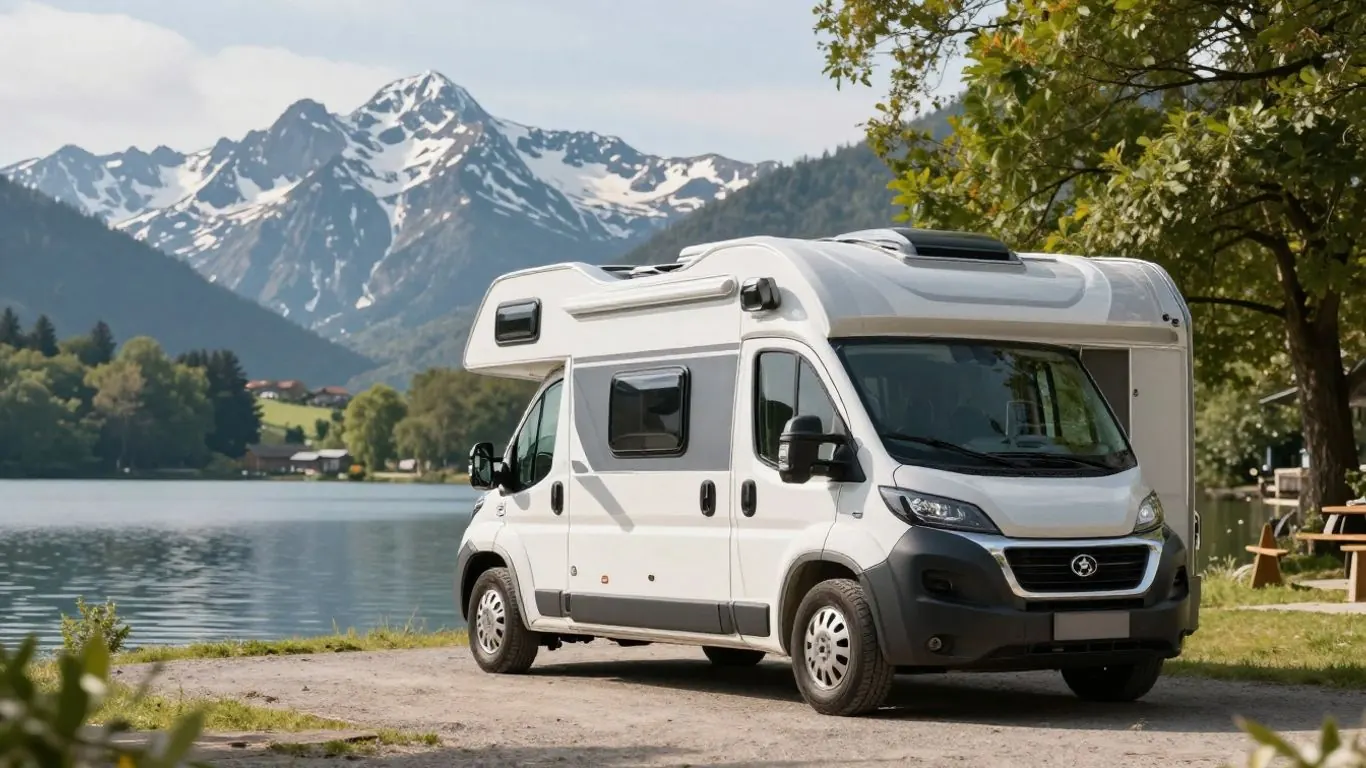
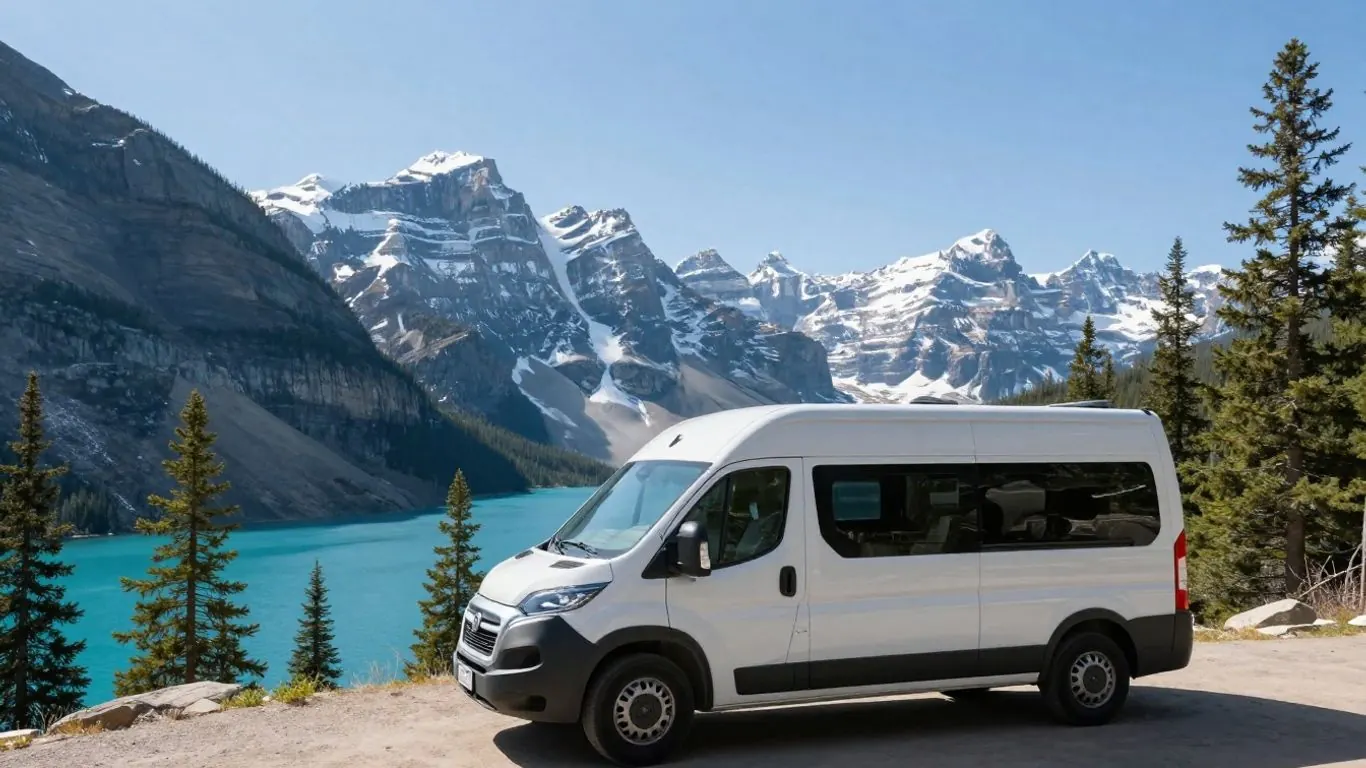
This is where national park campgrounds win. You wake up near the trailhead, the lake or the parkway, and can often walk or take a short drive to the main sights before day visitors arrive. On mountain parkways and coastal routes, that can save an hour or more of driving each day.
Private RV parks are usually in or near towns. That is less scenic, but practical for grocery runs, fuel, laundry, restaurants and rental-company service calls. Some, especially near major attractions, run shuttles. At Niagara Falls, for example, several campgrounds near Lundy's Lane advertise shuttle or transit access, which is easier than parking a motorhome near the falls.
Timing differs too. Banff's park campgrounds list check-in from 2 p.m. and check-out by 11 a.m., and at several national parks, after-hours arrivals follow the signs posted at the campground kiosk. Private parks set their own office hours, and some close the office early in the evening, so call ahead if you expect to arrive after dinner.
Quiet, rules and atmosphere
National park campgrounds have clear rules designed to protect both wildlife and a good night's sleep:
- In Banff, quiet hours run from 11 p.m. to 7 a.m.
- In Jasper, generators are permitted only from 8 to 10 a.m. and 5 to 7 p.m.
- Food, coolers and scented items must be stored inside your vehicle under the Bare Campsite program in bear country.
- Campfires need a fire permit and are not allowed at some full hookup campgrounds, including Tunnel Mountain Trailer Court.
The result is usually a quiet, nature-focused atmosphere with generous space between sites at many campgrounds. Private parks vary more. Some are peaceful and well spaced; others are busy, tightly packed and close to highway noise. Read site maps and ask about site spacing when you book.
What it costs
Parks Canada publishes its fees. As an example, Banff's fee schedule sets prices by service level, from highest to lowest:
- Tunnel Mountain with water, sewer and electrical: the top nightly rate
- Tunnel Mountain electrical only: a little less
- Unserviced sites with toilets and showers: mid-range
- Primitive sites: the lowest nightly rate
Add a park entry pass for each day in the park, a modest online reservation fee per booking and a fire permit if you want a campfire. Some parks offer discounts for longer stays; Cape Breton Highlands, for example, has offered a discount for seven or more consecutive nights. Check current rates, as fees change.
Private RV park rates are set by each business and vary with location, season and site type. In busy tourist areas they are often higher than nearby park sites, while rural highway parks can be similar or cheaper. Our budgeting guide puts campground costs in the context of a full trip.
How we mix them on a typical trip
For most rentals, we build a rhythm rather than choosing one type:
- Book national park campgrounds for the scenery nights, as soon as the Parks Canada reservation window opens for your dates.
- Put a private RV park every third or fourth night for laundry, a full tank refill and dump, long showers and Wi-Fi to plan the next leg.
- Use private parks on the first and last nights, near the rental depot, where convenience matters more than views.
- Keep a private-park back-up in mind near each park in case of a fire ban, closure or a full campground.
Our overview of campgrounds and RV parks in Canada covers provincial parks and smaller independent campgrounds too.
Bottom line
Choose national park campgrounds for location and atmosphere, and private RV parks for full hookups and convenience. Check the service type and site length on every reservation, and plan a reset night every few days. If you want help matching sites to your motorhome size and route, we can book the mix for you.
Frequently asked questions
Can a large Class C motorhome fit in national park campgrounds?
Many campgrounds have sites for large units, but length limits are set site by site. Enter your full vehicle length, including any bike rack, when you reserve.
Do private RV parks need a park pass?
Not if they are outside a national park. If you drive into the park for the day, you still need a park entry pass.
Is boondocking an alternative?
Rules on overnight parking outside campgrounds vary by municipality and many towns prohibit it. Check your rental agreement as well, and plan on campgrounds for most nights.
Use this guide for trip ideas, not a current quotation or a guarantee of access, safety, inclusions or availability. Confirm the requirements and conditions for your dates, destination and provider before booking.