

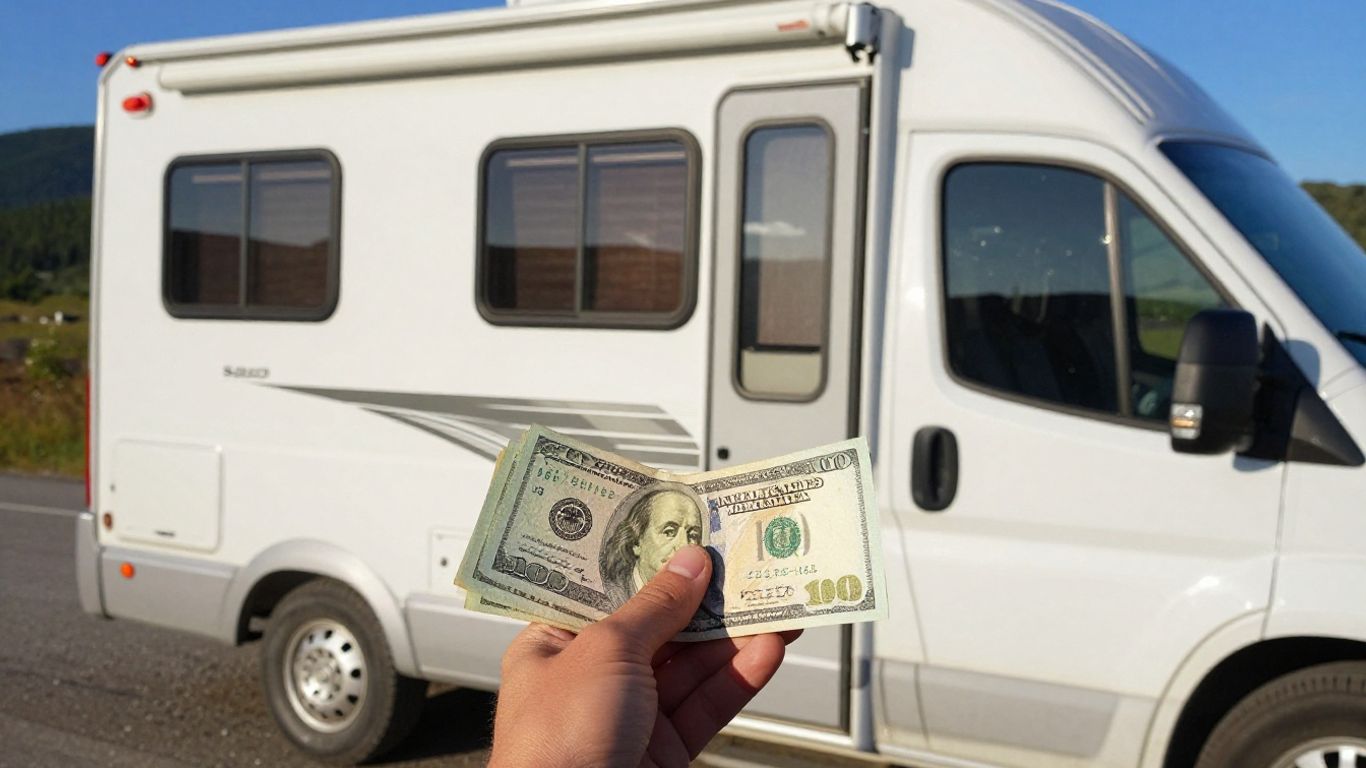
Thinking about renting an RV in Canada? You’ll want to know how rv rental canada deposits work before you book. The whole deposit thing can feel a bit confusing, especially if you’re new to renting. Here’s a simple breakdown of what to expect, how much you’ll need to put down, and how the refund process usually goes. Let’s clear up the basics so you can focus on planning your trip, not stressing about the money side of things.
Key Takeaways
- You’ll need to pay a reservation down payment and a separate security deposit for most RV rentals in Canada.
- Only major credit cards like Visa, MasterCard, and American Express are accepted for rv rental canada deposits—no debit, Interac, or cash.
- Security deposits are usually fully refundable if the RV is returned in good condition, but extra fees (like cleaning or generator use) can be taken out.
- Deposits are processed right before you pick up the RV and refunded after it’s checked over at return—refund times can vary by company.
- Special events or changes to your booking can mean higher deposit amounts, so always read the rental agreement and ask questions if you’re unsure.
Understanding RV Rental Deposits In Canada
What Is An RV Rental Security Deposit?
A security deposit for an RV rental in Canada is basically a financial safety net held by the rental company. Think of it as a promise that you’ll return the RV in the same shape you picked it up. This deposit is usually separate from any payment you make to reserve the RV and exists mainly to cover costs for damages, cleaning, late returns, or other extra charges that might come up.
- Protects the rental company from potential losses
- Covers any possible damage or excessive wear
- Can be used to pay for cleaning or mileage overages
You’ll only get your full deposit back if the RV is returned on time, clean, and undamaged. It’s standard, not personal—it’s just how rentals work across the board.
How RV Rental Deposits Function
Here’s a quick breakdown of how the deposit process usually works:
- You pay the deposit (usually by credit card) right before you take the RV.
- The company holds onto this money (not spending it, just parking it in their account).
- When you bring the vehicle back, the company inspects it.
- If all’s good, the money is released back to your card. If not, deductions are made for any issues.
The process itself is pretty straightforward, but each company might vary with timing or refund details. For more on security deposit basics, check out the overview on rental costs and security deposit requirements.
Key Factors Affecting Deposit Amounts
Not every RV rental deposit is the same. Companies look at a few things when setting deposit amounts, such as:
- Vehicle type and age (newer RVs often mean higher deposits)
- The length of your rental period
- Where you plan to travel (some locations are riskier or harder on vehicles)
- Special events (like music festivals may require a bigger deposit)
| Factor | Typical Impact on Deposit |
|---|---|
| Vehicle Age/Condition | Older = lower, new = higher |
| Rental Length | Longer = higher |
| Travel Area | Remote/harsh = higher |
| Events (ie. festivals) | Often higher |
That means if you’re booking for a weeklong road trip around high-traffic or rough areas, expect a heftier deposit compared to, say, a short off-season getaway.
Deposit Requirements For Canadian RV Rentals
Before you even set foot in your rental RV, you need to know what’s expected when it comes to deposits. This is one area where it pays to be ready—both financially and logistically—so your vacation doesn’t start with any annoying surprises.
Reservation Down Payments
Most Canadian RV rental companies require a reservation down payment to hold your booking. This fee isn’t just to keep your spot, but usually goes straight toward your final rental bill. The typical process looks like this:
- Down payments range from about $300 to $500.
- This payment is due when you book, whether that’s online or over the phone.
- The down payment is credited toward your total rental cost (not an extra fee).
- If you have to cancel, companies often deduct a penalty from this amount based on how close to the pickup date you cancel.
| Company Type | Typical Down Payment | Refundable? |
|---|---|---|
| Major National Firm | $300 | Only if canceled early |
| Local Operators | $200-$500 | Partial refunds possible |
Some folks get caught off guard by cancellation terms, so always glance at the fine print before locking in your dates.
Security Deposit Amounts
The security deposit is different than your reservation down payment. This one is a temporary hold to cover possible damage or extra charges on the RV.
- Most Canadian companies ask for a $500 to $1500 security deposit.
- The deposit covers issues like damage, cleaning, traffic tickets, or tolls.
- For special events (think music festivals like Bonnaroo, or big summer holidays), rental locations may bump up the required deposit.
- The security deposit is usually fully refundable unless there’s damage or extra fees.
| Situation | Typical Security Deposit |
|---|---|
| Regular rental | $500 – $1000 |
| Special events/holidays | $1000 – $2000 |
| Luxury/large RVs | Often higher—ask ahead |
When Are Deposits Due?
You’ll want to plan your cards and bank balance around payment timing, since deposits don’t all happen at once. Here’s the usual rundown:
- Reservation down payment is due right when you book.
- Security deposit is processed just before pick-up, often at the rental desk as you sign the paperwork.
- Both payments are typically run on a credit card (sometimes the same card, sometimes not—check your provider’s rules).
If you’re tight on funds right before your trip, remember that your security deposit will sit pending on your credit card limit until the RV’s returned in good shape.
- Tip: If your credit card limit is low, call the rental company in advance to confirm the exact deposit amounts, so you aren’t scrambling the day of pickup.
Payment Methods For RV Rental Deposits
When you book an RV in Canada, you’ll need to put down a deposit. It’s pretty standard practice, and most places are pretty clear about what they take. The most common way to pay is with a major credit card.
Accepted Credit Card Types
Most Canadian RV rental companies stick to the big players. You’ll generally be able to use:
- Visa
- MasterCard
- American Express
- Discover
Just a heads-up, the name on the credit card needs to match the name on your driver’s license. Also, the cardholder has to be present and listed as a driver on the rental agreement. It’s not like you can just hand over someone else’s card, you know?
Restrictions On Payment Methods
There are a few things you can’t use for your deposit. They’re usually pretty strict about this, so pay attention:
- No prepaid cards: Those gift cards or reloadable cards won’t cut it for the security deposit or the main rental costs.
- No cash: Forget about paying with physical money.
- No virtual or one-time use cards: These aren’t accepted either.
It’s all about having a card that can be held for the deposit amount, and these types of cards just don’t work for that.
Why Debit And Interac Are Not Accepted
This is a big one, especially if you’re used to using debit or Interac for everything. In Canada, many RV rental places specifically state that they do not accept debit or Interac payments for security deposits or rental charges.
Why? It often comes down to how these transactions are processed and the hold capabilities. Credit cards allow rental companies to place a temporary hold on funds, which is crucial for security deposits. This hold is easily released when the RV is returned in good condition. Debit and Interac transactions, on the other hand, often involve immediate fund transfers, making them less suitable for the temporary hold required for a security deposit. It’s a bit of a hassle, but it’s how they manage the risk. So, make sure your credit card is ready to go before you head out on your trip; you can find reliable companies through RV rental booking help services.
It’s always a good idea to double-check the specific payment policies of the rental company you choose. Sometimes there are slight variations, and you don’t want any surprises when you’re trying to pick up your RV.
Security Deposit Refunds And Deductions

Conditions For Full Refund
To get your full security deposit back after your Canadian RV rental, you need to meet some clear guidelines:
- Return the RV on time, without late drop-offs.
- Make sure the inside and outside are as clean as when you picked it up (excluding normal road dirt).
- Empty the holding tanks fully before you return the vehicle.
- Report and avoid any new damage to the RV during your trip.
- Settle any outstanding fees, like for extra mileage or generator usage.
If all these requirements are met, your deposit is usually refunded in full.
Before heading out, double-check your rental agreement for any unique conditions or cleaning requirements; surprises aren’t fun, especially when they’re expensive.
Potential Deductions From Your Deposit
If something’s not right during the return, some of your deposit will be withheld. Common reasons for deductions include:
- Damage to the motorhome, inside or out
- Returning the vehicle late
- Tank not emptied (often up to $100 dump fee)
- Interior is excessively dirty (possible $250 cleaning charge)
- Missing equipment or lost items
- Extra mileage or generator hours used
| Reason | Typical Deduction ($CAD) |
|---|---|
| Dump charge (tanks) | Up to $100 |
| Excessive cleaning | Up to $250 |
| Minor damages | Varies, typically $100+ |
| Generator use | $3.50/hour |
More potential charges, from unemptied waste to late returns, can quickly add up. Check your paperwork and keep documentation to help avoid problems, as noted in tips on avoiding security deposit deductions.
Timeline For Refund Processing
- Security deposit refunds are generally issued within a few business days after return (often 3-7 days).
- The refund goes back to the credit card you used when you started the rental.
- Some banks take longer to process, so it could be up to two weeks to see the full credit on your statement.
Here’s how it usually works:
- You return the RV and a staff member checks everything.
- They calculate any extra fees or damages.
- The refund (minus any deductions) is processed to your card.
If you don’t see the refund after two weeks, it’s a good idea to call the rental company’s support team with your contract and payment details handy.
Special Circumstances Affecting Deposits
Sometimes, the standard deposit amount can change based on a few things. It’s not always a one-size-fits-all situation, and rental companies have policies in place for these scenarios.
Increased Deposits For Specific Events
Certain events or destinations can trigger a higher security deposit. Think of major festivals or rallies where the risk of damage or unusual wear and tear might be higher. For example, some companies might require a larger deposit if you plan to attend events like Burning Man or Bonnaroo. This is just a precaution to cover any unexpected issues that could arise from the unique environments or conditions associated with these gatherings. Always check if your planned destination or event falls into this category.
Impact Of Rental Modifications On Deposits
If you plan to make any changes to the RV, like adding special equipment or altering its setup, this could also affect your deposit. While most rentals are for standard use, any modifications that aren’t pre-approved might be viewed as a risk. It’s best to discuss any planned changes with the rental company beforehand. They can tell you if it will impact your deposit or if it’s even allowed under the rental agreement.
Handling Pricing Errors And Deposit Adjustments
Mistakes happen, even with pricing. If there’s a significant error in the quoted rental price, the company might need to adjust the deposit. For instance, if a price was listed incorrectly online, they might reserve the right to charge the correct, higher price. In such cases, your liability is usually limited to the difference in price, and they’ll typically return your initial deposit. It’s a good idea to keep records of your booking confirmation and any price quotes you receive, just in case. You can find more details about potential hidden fees when booking an RV.
Rental Agreement And Deposit Clauses
When you rent an RV, you’ll sign a rental agreement. This document is super important because it lays out all the rules and what you’re responsible for. Think of it as the contract that makes everything official.
Understanding The Rental Contract
The rental agreement is where you’ll find all the nitty-gritty details about your rental. It covers things like the rental period, mileage limits, and what happens if something goes wrong. It’s really important to read this carefully before you sign it. You’ll see sections on insurance, what you can and can’t do with the RV, and how the deposit works. If you’re unsure about anything, don’t hesitate to ask the rental company for clarification. They should be able to provide you with a copy, though sometimes you have to specifically request it.
Driver Requirements And Deposit Liability
Your rental agreement will also specify who is allowed to drive the RV. Usually, there are age restrictions and requirements for having a valid driver’s license. The agreement will clearly state that the renter is liable for any damages or violations that occur during the rental period. This means if the driver breaks a rule or causes damage, it’s your responsibility, and it can affect your security deposit.
- Driver’s License: Must be valid and often requires a minimum age (e.g., 25).
- Authorized Drivers: Only those listed on the agreement can drive.
- Liability: The renter is responsible for all actions of authorized drivers.
Consequences Of Violating Rental Terms
Breaking the rules laid out in your rental agreement can have some pretty hefty consequences, especially when it comes to your deposit. For instance, if you return the RV dirty, you might face a cleaning fee. If you smoke inside or bring a pet without permission, expect to pay extra. The agreement will detail these potential charges. It’s also worth noting that certain activities or uses of the RV might be prohibited, and violating these can lead to significant penalties or even voiding your insurance coverage.
Returning the RV in the same condition you received it, minus normal wear and tear, is key to getting your full deposit back. This includes things like emptying the holding tanks and making sure the interior is reasonably clean. Ignoring these simple steps can turn a small fee into a much larger deduction from your refund.
Additional Fees And Their Relation To Deposits
Beyond the main rental cost and the security deposit, there are a few other charges you might run into. These aren’t usually part of your initial deposit, but they can definitely affect the final amount you get back, or what you owe at the end of your trip. It’s good to know about them beforehand so there are no surprises.
Generator Usage Fees
Many RVs come with a generator to power your appliances when you’re not hooked up to shore power. Using this convenience isn’t typically free. Most rental companies charge by the hour for generator use. This fee is usually calculated and collected when you return the RV. Keep an eye on the generator’s hour meter during your rental to estimate your costs. For example, a common rate might be around $3.50 per hour, but this can vary. It’s a good idea to check the specific policy for your rental.
Cleaning And Damage Charges
Your security deposit is there to cover damages, but it also often covers excessive cleaning. If you return the RV significantly dirtier than you received it, you could face a cleaning fee. This isn’t for a little dust or a few crumbs; it’s for situations where the RV needs a deep clean. Fees can go up to $250 or more, depending on the mess. Similarly, any damage to the interior or equipment beyond normal wear and tear will be charged to you. This could include things like stains on the upholstery, broken fixtures, or lost items. Always aim to return the vehicle in the same condition you found it, minus the expected wear from regular use.
Holding Tank Disposal Fees
RV bathrooms and kitchens produce waste that goes into holding tanks. These tanks need to be emptied before you return the vehicle. Most rental agreements require you to empty both the grey water (from sinks and showers) and black water (from the toilet) tanks. If you don’t, you’ll likely be charged a disposal fee, which can be up to $100. Some rental centers might offer a service to empty them for you for a fee, but it’s usually cheaper to do it yourself at an approved dump station. Planning your stops to include dump stations can save you this extra cost.
It’s important to remember that while your security deposit acts as a buffer for these potential charges, it’s not a free pass to incur them. The goal is to return the RV in good condition, with all tanks emptied and the interior reasonably clean, to get your full deposit back. Understanding these extra fees helps you budget and plan your trip more effectively, avoiding unexpected costs at the end of your adventure.
These additional fees are separate from your rental rate and deposit, but they are directly tied to how you use and return the vehicle. Being mindful of generator use, keeping the interior clean, and properly disposing of waste are key to a smooth return process and getting your full security deposit back.
Preparing For Your RV Rental Deposit
Getting your RV rental deposit sorted out isn’t the most exciting part of trip planning, but ignoring it can lead to a lot of hassle right before you hit the road. Here’s exactly what you want to know so you’re not scrambling at pickup.
Ensuring Your Credit Card Is Valid
Most Canadian RV rental companies will only accept major credit cards for your security deposit. If your card is maxed out, expired, or has an international block, you might be left standing at the counter. Here’s how to avoid that:
- Check your card’s expiration date – make sure it’s valid for the whole rental period.
- Make sure there’s enough available credit to temporarily cover both your reservation payment and the additional deposit (often $300–$500+).
- If you’re using a card that isn’t in your own name, you’ll probably need that cardholder present for pickup, and they’ll need to be listed as a driver.
- Cards that don’t bear your printed name (virtual, prepaid, or one-time use cards) typically aren’t accepted.
RV rentals run security deposits as a hold, not a payment, so the funds are "frozen" and released after you return the vehicle in good condition.
Reviewing Rental Center Policies
Don’t just gloss over the fine print. Each rental location might have small policy differences, and those details can impact your deposit or even your ability to rent.
Consider these areas:
- Office hours: Many centers close on Sundays or holidays, so plan your pickup and drop-off accordingly—late returns may cost you.
- Cancelation policies: Some companies will refund your deposit with 7 days’ notice; special events may require even more.
- Fees for cleaning, dumping tanks, generator usage, or late returns can come out of your deposit, so read up in advance.
| Deposit Type | Typical Amount (CAD) | Notes |
|---|---|---|
| Reservation Down Pay | $300 | Often goes toward total rental fees |
| Security Deposit | $500+ | Held on credit card, refunded if all ok |
What To Expect At Vehicle Pickup
Pickup day is when all the paperwork gets real. If your details aren’t lined up, you could face delays or even lose your reservation. Here’s how to get through quickly:
- Bring your valid driver’s license, credit card, and any paperwork requested in advance.
- Be prepared for a walk-around inspection. Make note (with photos) of any scratches or damage you see.
- Ask about the expected timeline for your deposit to be released after drop-off. It can take anywhere from immediately up to several days, depending on the company and your bank.
Don’t assume last-minute fixes will work—plan ahead, double-check your credit card limits, and review all rental details before you show up at the counter. That way, you can focus on the road instead of paperwork.
Navigating Potential Deposit Issues
Sometimes, things don’t go exactly as planned with your RV rental deposit. It’s not the end of the world, but it’s good to know what to do if you run into a snag. Most of the time, issues pop up around the refund, or maybe there’s a disagreement about charges.
Disputing Deposit Deductions
If you get your RV back and notice charges you weren’t expecting, take a deep breath. First, check your rental agreement carefully. It should outline all the potential fees and conditions for deductions. If you still feel the charge is unfair, you’ll want to gather any evidence you have. This could include photos or videos you took of the RV’s condition when you picked it up and when you returned it. Also, keep all your receipts and communication with the rental company.
Here’s a general process for disputing a deduction:
- Review the Charges: Understand exactly what you’re being charged for and why.
- Gather Evidence: Collect photos, videos, and any relevant documents.
- Contact the Rental Company: Reach out to their customer service department to explain your case.
- Formal Dispute: If a resolution isn’t reached, ask about their formal dispute process.
- Escalate if Necessary: If you still can’t resolve it, consider a credit card chargeback or small claims court, though these are usually last resorts.
Contacting Customer Support
When you have a question or a problem, the first step is usually to contact the rental company’s customer support. They are there to help sort things out. Be prepared to give them your rental agreement number and details about your issue. It’s often helpful to have a written record of your conversations, so if you speak on the phone, follow up with an email summarizing what you discussed and any agreements made.
Tips For A Smooth Return Process
Avoiding deposit issues often comes down to a smooth return. The key is to be thorough and communicative.
- Pre-Inspection: Before you even leave the rental lot, do a walk-around with the agent and note any existing damage on the contract. Take pictures or a video of the exterior and interior.
- Cleanliness: Return the RV as clean as you received it, especially the holding tanks. If you’re unsure about cleaning the tanks, ask the rental company about their policy or if they offer a cleaning service.
- Fuel and Propane: Check your contract for fuel requirements. Most rentals need to be returned with a full tank of gas.
- Final Walk-Through: When you return the vehicle, request a final inspection with an agent. Go over the RV together and get confirmation that everything is in order.
Sometimes, rental companies might try to charge for things that are considered normal wear and tear. It’s important to know the difference and to have your rental agreement handy to refer to the specific terms.
Wrapping Up Your RV Deposit Questions
So, that’s the lowdown on RV rental deposits in Canada. It’s basically a safety net for the rental company, covering any unexpected issues that might pop up. Most of the time, if you treat the RV well and return it clean and on time, you’ll get that deposit back without a hitch. Just remember to check the specific terms with your rental provider, keep the RV in good shape, and you’ll be all set for a great trip. Happy travels!
Frequently Asked Questions
What is an RV rental security deposit?
Think of a security deposit like a safety net for the rental company. It’s an amount of money they hold onto, usually on your credit card, to cover any unexpected costs. This could be for damages to the RV, if you go over the allowed mileage, or if you don’t return the RV as clean as you got it. If everything is fine when you return the RV, you get this money back.
How much is the security deposit?
The amount can change, but it’s often around $500 or more. It depends on the type of RV you rent and sometimes where you’re going. For special events like big music festivals, they might ask for a bigger deposit just in case. Always check with the rental company for their exact amount.
When do I have to pay the deposit?
You’ll usually pay a smaller amount when you first book your RV, which is like a down payment to hold it for you. The main security deposit is typically due right before you pick up the RV. Make sure you have the right payment method ready for when you’re set to leave.
What payment methods do they accept for the deposit?
Most places really prefer credit cards, like Visa, MasterCard, American Express, or Discover. The name on the card has to match your driver’s license. They usually don’t accept debit cards, especially in Canada, or prepaid cards. It’s best to use a credit card that you know they’ll accept.
How do I get my security deposit back?
You get your deposit back after you return the RV. The rental company will check the RV for any new damage, see how clean it is, and check the mileage. If everything is okay and matches the condition it was in when you picked it up, they’ll release the hold on your credit card. This usually happens within a few days to a couple of weeks.
What could cause them to keep some of my deposit?
Several things can lead to deductions. If there’s damage to the RV that wasn’t there before, like a scratch or a broken part, they’ll charge for repairs. If you return the RV really dirty, especially if there are pet hairs or strong smells, they might charge a cleaning fee. Also, if you don’t empty the waste tanks before returning it, that’s another fee. Going way over the agreed-upon mileage can also cost you.
Can I dispute a deduction from my deposit?
Yes, you absolutely can. If you think a charge is unfair, gather any proof you have, like photos from when you picked up the RV. Contact the rental company’s customer support and explain your situation calmly. Keep records of all your communication.
What if there’s a mistake in the price or deposit amount?
Rental companies try to get their prices right, but sometimes mistakes happen. If they quote you one price and then realize it was wrong, they might cancel your booking and give you your deposit back. In some cases, they might let you keep the booking but ask you to pay the correct, higher price. It’s important to read everything carefully.