

Thinking about an RV trip in Canada? It sounds amazing, right? But then you start wondering about the cost. It’s not always clear what you’ll end up paying, and nobody wants surprises. This guide breaks down the typical rv hire canada costs so you can plan your adventure without any guesswork. We’ll cover everything from the daily rates to those little extras that add up.
Key Takeaways
- RV rental prices in Canada change a lot depending on the time of year. Summer and holidays are usually the most expensive, while spring and fall can offer better deals.
- Booking your RV well in advance is usually cheaper. Last-minute rentals often come with higher price tags.
- Beyond the daily rental fee, expect charges for mileage (sometimes included in bundles), insurance, campsite fees, and fuel.
- Consider the type of RV that best fits your needs and group size. Delivered RV services can simplify setup and pickup, saving you time and stress.
- Carefully read your rental agreement, paying close attention to insurance requirements, policies, and any restrictions to avoid unexpected fees.
Understanding RV Hire Canada Costs
Renting an RV in Canada might seem straightforward, but there are quite a few things that can change the price you end up paying. It’s not just a simple daily rate; a bunch of factors come into play, and knowing them beforehand can save you a headache, and maybe some cash too.
Factors Influencing Rental Prices
Several things can make your RV rental cost more or less. Think about the type of RV you want – a small camper van is usually cheaper than a big, fancy motorhome with all the bells and whistles. The age of the RV also matters; newer models often come with a higher price tag. And where you pick it up and drop it off can affect the cost too, especially if you’re looking at one-way rentals.
- RV Size and Class: Smaller Class C or B motorhomes are generally more budget-friendly than larger Class A models.
- RV Age and Features: Newer vehicles with modern amenities will cost more than older, more basic models.
- Rental Company Policies: Different companies have different pricing structures and add-on costs.
- Location: Pick-up and drop-off locations can influence the price, especially for one-way trips.
Seasonal Price Variations
Canada is a big place, and its weather changes a lot depending on the time of year. This directly impacts RV rental prices. Summer, from June to August, is peak season. Everyone wants to be out exploring when the weather is warm and the days are long, so prices go up. Shoulder seasons, like spring (April-May) and fall (September-October), can offer a nice balance with fewer crowds and lower rates. Winter is generally the cheapest time to rent, but your travel options will be limited by snow and cold, especially in certain regions.
| Season | Typical Price Range (CAD) | Notes |
|---|---|---|
| Summer (Peak) | $150 – $350+ per day | High demand, best weather, most services open |
| Spring/Fall | $120 – $280+ per day | Moderate demand, variable weather, some closures |
| Winter | $100 – $200+ per day | Low demand, limited access, potential for snow |
Booking Lead Times and Their Impact
Just like booking flights or hotels, booking your RV well in advance is usually a good idea, especially if you’re planning a trip during the popular summer months or want a specific type of RV. Booking early often means you’ll get better rates and have a wider selection to choose from. Last-minute rentals can sometimes be more expensive, and you might have fewer options available. If you’re looking at a popular route or a specific park, campsites also fill up fast, so planning ahead is key for everything.
Planning your trip well ahead of time is often the best way to secure a good deal and the RV that fits your needs. Waiting too long can mean higher prices and fewer choices, which can put a damper on your adventure before it even starts.
Here are some general timelines to consider:
- 6-12 Months in Advance: Ideal for peak summer travel, popular routes (like the Icefields Parkway), or if you need a specific RV model (like a larger family-friendly motorhome).
- 3-6 Months in Advance: Good for shoulder season travel (spring/fall) or if you’re flexible with your RV choice and dates.
- Less than 3 Months: Possible, but expect higher prices and limited availability, especially for popular rental periods.
Key Components of RV Rental Expenses
Daily Rental Rates
The base price you see advertised for an RV rental is usually the daily rate. This is the most straightforward part of the cost, but it can change a lot depending on the type of RV, the time of year, and how long you’re renting it for. Think of it like a hotel room – a basic room is cheaper than a suite, and a weekend night is often pricier than a Tuesday. Smaller, older RVs will generally have lower daily rates than larger, newer, or more luxurious models. You might also find that weekly or monthly rental rates offer a discount compared to booking day by day.
Mileage Charges and Bundles
This is where things can get a bit tricky if you’re not careful. Many rental companies include a certain number of miles per day or per rental period. For example, a rental might come with 100 miles included per night. If you plan on sticking close to your campground or taking shorter trips, this might be plenty. However, if you’re planning a cross-country road trip, those included miles can disappear fast.
- Exceeding Included Mileage: If you go over the allotted miles, you’ll be charged a per-mile fee. This rate can add up quickly, so it’s important to know what it is before you book.
- Mileage Bundles: Some companies offer ‘mileage bundles’ that you can purchase in advance. These bundles often come at a lower per-mile rate than the standard overage charge. If you know you’ll be driving a lot, buying a bundle can save you money.
- Unlimited Mileage: A few rentals might offer unlimited mileage, which can be a great option for peace of mind if you plan on extensive travel, though it usually comes with a higher daily rate.
It’s always best to clarify the mileage policy upfront. Ask: "What’s the mileage allowance, and what’s the cost per mile if I go over?"
Insurance Options and Costs
Think of RV insurance like car insurance, but for a much bigger, more complex vehicle. You’ll likely have a few choices here, and they can significantly impact your total cost.
- Rental Company Insurance: Most rental companies offer their own insurance plans. These can range from basic liability coverage to comprehensive plans that cover damage to the RV itself. The cost varies based on the coverage level and the value of the RV.
- Personal Insurance: Sometimes, your personal auto insurance policy might extend to cover rental RVs. You’ll need to check with your provider to see if this is an option and what your coverage limits are. If you use your own insurance, the rental company might still require an insurance binder as proof of coverage.
- Third-Party Insurance: You might also be able to purchase insurance from a third-party provider. This can sometimes be more affordable than the rental company’s options.
Regardless of the option you choose, make sure you understand exactly what is covered and what isn’t. Pay close attention to deductibles and any specific requirements the rental company has.
The insurance details are often buried in the fine print of the rental agreement. Don’t be shy about asking for a clear explanation of the different policies, their costs, and what situations they cover. It’s better to pay a little extra for good coverage than to be caught out with a huge bill after an unexpected event.
Additional Costs to Consider
Beyond the daily rental rate and mileage, there are several other expenses that can add up during your Canadian RV adventure. It’s smart to factor these in when you’re planning your budget so you don’t get any nasty surprises.
Campsite Reservation Fees
Think of campsites as your home base. While some might be free or very cheap, popular spots, especially in national or provincial parks, can get booked up fast and often come with a fee. These fees can vary wildly depending on the location and the amenities offered. Some sites might just offer a patch of dirt, while others have full hookups (water, electricity, sewer) and even laundry facilities.
- National and Provincial Parks: Often require reservations well in advance, especially during peak season. Fees can range from $20 to $50 CAD per night.
- Private Campgrounds: Can be more expensive, sometimes $40 to $70+ CAD per night, but often include more amenities like pools, Wi-Fi, and organized activities.
- Dispersed Camping: In some areas, you might find free camping on public lands, but these spots usually lack any facilities.
It’s a good idea to research and book your campsites ahead of time, particularly if you’re traveling during the summer or to well-known destinations. Websites like Parks Canada or provincial park systems are your go-to for booking.
Fuel Expenses
RV’s, especially the larger ones, can be thirsty. Fuel costs are a significant part of the budget and depend on the type of RV you rent, how much you drive, and current gas prices in Canada. Gas prices fluctuate, so it’s hard to give an exact figure, but expect to spend more on fuel than you would in a regular car. Some rental companies might offer a pre-paid fuel option, but often you’ll need to return the RV with a full tank, so factor in stops at gas stations.
Propane and Other Utilities
Many RVs use propane for heating, cooking, and running the refrigerator. You’ll likely need to purchase propane during your trip, and the cost depends on how much you use and the local price per gallon or pound. Some rentals might include a full tank at the start, but you’ll be responsible for refilling it. Other utilities, like electricity if you’re not at a full hookup site, or even things like dumping your grey and black water tanks (though often free at designated dump stations), are also things to keep in mind. Some RVs might also have generators that run on gasoline, adding to your fuel costs.
Always check with your rental company about what utilities are included or how they are managed. Some might have specific instructions for propane refills or waste disposal, and understanding these upfront can save you time and hassle on the road. It’s also worth asking if any initial propane or basic utility supplies are provided to get you started.
Don’t forget to ask about any potential charges for things like generator use or specific waste disposal fees.
Maximizing Value in Your RV Hire
Choosing the Right RV Type
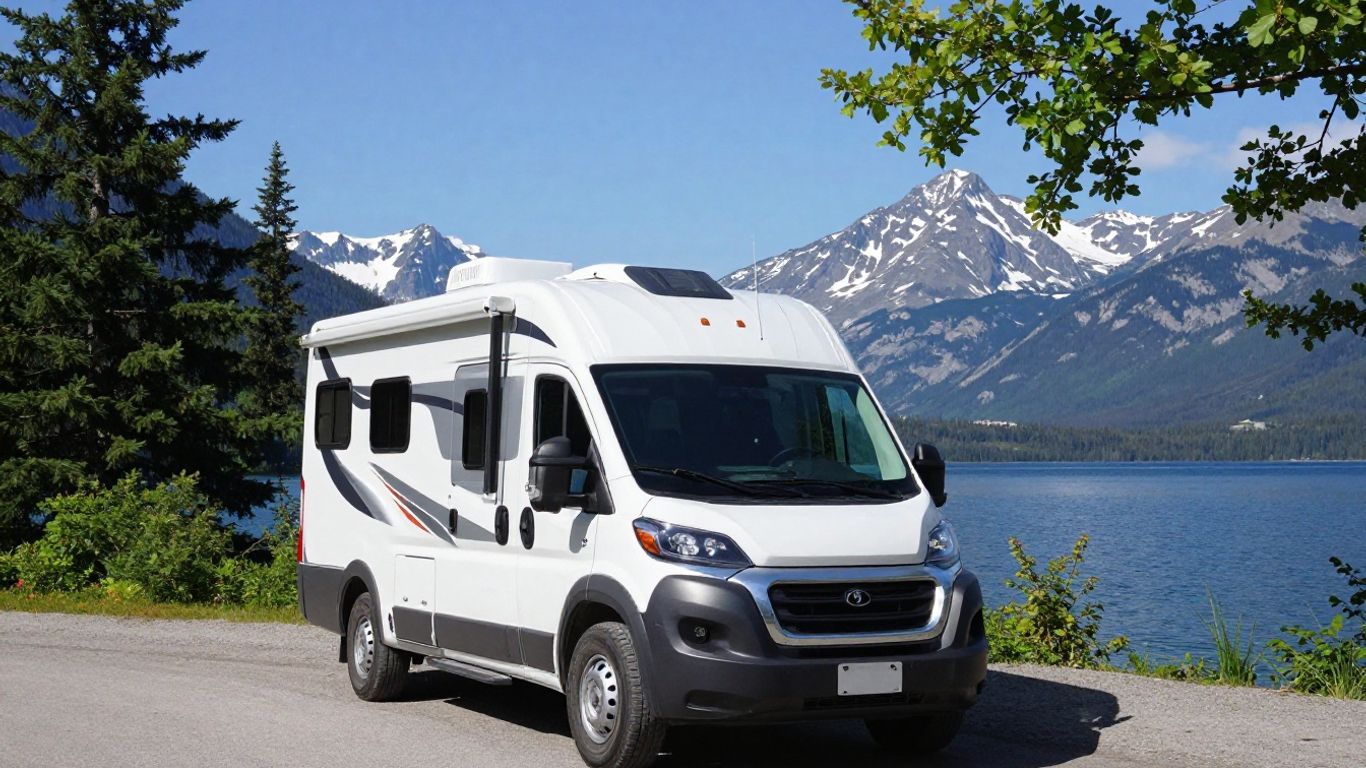
When you’re looking at RVs, it’s easy to get swayed by the biggest and fanciest option. But honestly, sometimes a smaller, more basic model is the way to go. Think about where you’re going and what you’ll be doing. If you plan on doing a lot of driving on winding roads or parking in tight spots, a massive RV might become more of a hassle than a convenience. Campervans, for example, are often easier to handle and can fit into more places, giving you more freedom to explore.
Consider these points when picking your ride:
- Size Matters: A smaller RV is usually cheaper to rent and easier to drive. Plus, it might fit into campsites that larger ones can’t.
- Your Itinerary: Will you be sticking to highways or exploring backroads? Some RVs handle rougher terrain better than others.
- Amenities: Do you really need that king-size bed and a full-sized shower, or will a comfortable sleeping area and a functional bathroom do the trick? Focus on what you’ll actually use.
Benefits of Delivered RV Services
This is a game-changer, especially for your first RV trip. Imagine showing up at your campsite and the RV is already there, all set up. No wrestling with hookups, no figuring out where the water goes. The rental company or owner handles all of that before you even arrive. When it’s time to leave, you just hand over the keys. It takes a huge amount of stress out of the equation.
Here’s why delivery can be worth the extra cost:
- Stress Reduction: You arrive and immediately start relaxing, not troubleshooting.
- Time Savings: You get more vacation time back by skipping setup and breakdown.
- Convenience: Perfect if you’re not comfortable setting up an RV yourself or if you want to maximize your time exploring.
Having an RV delivered can really change the whole vibe of your trip. It lets you focus on the fun stuff, like hiking or just chilling by the campfire, instead of worrying about the technical bits of setting up your temporary home.
Planning for Included Amenities
Many RV rentals come with a surprising number of things already included. Before you go out and buy a bunch of extra gear, check what’s already in the RV. You might find things like kitchenware, bedding, towels, and even outdoor chairs are provided. Some rentals even offer extras like bikes or camping equipment for an additional fee, which can sometimes be cheaper than renting them separately at your destination.
Always ask about:
- Kitchen Supplies: Pots, pans, utensils, plates, cups.
- Linens and Towels: Sheets, blankets, bath towels, hand towels.
- Outdoor Gear: Chairs, tables, maybe even a grill.
Knowing what’s included helps you pack lighter and avoid unnecessary purchases. It’s all about getting the most bang for your buck and making your trip smoother.
Navigating Rental Agreements
Reading the fine print on your RV rental agreement is super important. It’s not just about the price you see upfront; there are details in there that can really affect your trip and your wallet. Think of it like getting a lease for an apartment – you wouldn’t just sign without knowing what you’re agreeing to, right? The same goes for an RV.
Understanding Insurance Requirements
This is a big one. Most rental companies will require you to have some form of insurance. You might have a few options here. Sometimes, you can use your personal auto insurance if it covers rental vehicles, but you’ll need to check the specifics. Other times, the rental company will offer their own insurance package. This usually costs extra, but it can give you peace of mind.
- Company Insurance: Often a package deal covering various risks. Check what it includes (liability, collision, etc.).
- Personal Auto Insurance: Verify if your policy extends to RV rentals and what the coverage limits are.
- Third-Party Insurance: Some companies specialize in rental vehicle insurance.
It’s vital to understand exactly what your chosen insurance covers and what it doesn’t. You’ll typically need to provide proof of insurance a week or so before your rental starts, often in the form of an insurance binder. This document confirms your coverage details with the rental company.
Rental Policies and Restrictions
Beyond insurance, rental agreements lay out the rules of the road. These policies cover things like:
- Mileage Limits: Many rentals include a certain number of miles per day or for the entire trip. Exceeding this can lead to extra charges, so it’s good to know the rate per mile if you plan on driving a lot. Some companies offer mileage bundles you can buy ahead of time to save money.
- Geographic Restrictions: Are you allowed to take the RV into certain states or provinces? Are there any off-road limitations?
- Pet Policies: If you plan on bringing your furry friends, make sure the RV is pet-friendly and understand any associated cleaning fees.
- Smoking Policies: Most RVs are strictly non-smoking. Violating this can result in hefty cleaning charges.
- Generator Use: If the RV has a generator, there might be limits on how many hours per day you can run it, and you might need to pay for the fuel.
Always ask for clarification on anything you don’t understand. A quick question now can prevent a big problem later. Don’t be shy about asking the rental company to explain terms you find confusing.
Preparing for Drop-Off and Pick-Up
Agreements also detail the condition the RV should be in when you return it. This usually includes:
- Fuel Levels: You’ll likely need to return the RV with a full tank of gas.
- Cleanliness: The interior should be returned in a reasonably clean state. This means emptying trash, washing dishes, and sweeping floors. Deep cleaning fees can be substantial.
- Waste Tanks: Black and grey water tanks usually need to be emptied before return.
- Inventory Check: Both at pick-up and drop-off, do a thorough walk-through. Note any existing damage or missing items on the agreement form to avoid being charged for them later. This is also your chance to familiarize yourself with how everything works.
Taking photos or videos of the RV’s condition at both pick-up and drop-off can be a good idea, just in case there are any disputes later. It’s all about being prepared and knowing what’s expected so you can enjoy your trip without any surprises. For information on campground rules and expectations, you can check out Daiva RV Resorts details.
Budgeting for Your Canadian RV Adventure
Figuring out the total cost of an RV trip in Canada can feel like a puzzle, but it doesn’t have to be a mystery. By breaking down the expenses and planning ahead, you can create a budget that works for you. The key is to anticipate all the potential costs, not just the obvious ones. Think of it like packing for a trip – you wouldn’t leave home without your toothbrush, right? Same idea here. Let’s get into the nitty-gritty of how to estimate your spending so you can focus on the fun parts of your adventure.
Estimating Total Trip Expenses
When you’re planning your Canadian RV journey, it’s easy to get caught up in the daily rental rate. But that’s just one piece of the pie. You’ve got to consider everything from where you’ll park each night to how much gas you’ll burn driving through those vast landscapes. A good way to start is by listing out all the categories of spending. This helps you see the whole picture and avoid sticker shock later on.
Here’s a breakdown of what to think about:
- Vehicle Costs: This includes the daily rental fee, any mileage charges (or included kilometers), and the cost of insurance. Don’t forget potential fees for things like generator use or extra drivers.
- On-the-Road Expenses: Fuel is a big one, and it varies wildly depending on the RV’s fuel efficiency and current gas prices. You’ll also need to factor in propane for cooking and heating, and potentially dumping fees for waste.
- Accommodation: While RVing offers freedom, you’ll still need places to park. Campsite fees can range from basic provincial park spots to more amenity-rich private campgrounds. Some spots might even have hook-up fees for electricity and water.
- Activities and Food: Think about park entrance fees, tours, attractions, and of course, groceries. Eating out can add up quickly, so planning some meals in the RV can save a lot.
- Contingency Fund: Always, always have a buffer for unexpected issues. A flat tire, a minor repair, or just a spontaneous detour can happen. Aim for at least 10-15% of your total estimated budget for these surprises.
Setting a Realistic Budget
Once you have a handle on the potential expenses, it’s time to put some numbers to them. This is where you get specific. If you know your rental rate is $150 per day and you plan to travel for 14 days, that’s $2,100 right there. Then add estimated fuel costs, campsite fees, and so on. It’s helpful to create a spreadsheet or use a budgeting app to track these figures.
Consider these points when setting your budget:
- Duration of Trip: Longer trips naturally cost more. Be realistic about how many days you can afford to be away.
- Time of Year: As we’ve discussed, peak season (summer, holidays) means higher rental rates and campsite fees. Traveling in the shoulder seasons (spring, fall) can offer significant savings.
- RV Size and Type: A larger, more luxurious RV will cost more to rent and to fuel than a smaller, more basic model.
- Travel Style: Are you planning to hit major tourist spots or explore off-the-beaten-path locations? Some areas have higher costs for services and attractions.
Remember that prices in Canada can fluctuate. What seems like a good deal today might change by next week, especially for RV rentals during popular travel times. Booking well in advance is often the best way to lock in better rates and avoid last-minute price hikes. Don’t underestimate the value of early planning for your budget.
Tips for Cost-Effective Travel
Making your RV adventure more affordable is totally doable with a bit of smart planning. It’s not about roughing it; it’s about being savvy.
- Cook Your Own Meals: Eating out every meal will drain your wallet fast. Plan your meals, do your grocery shopping at larger towns, and utilize your RV’s kitchen. Pack lunches for day trips.
- Embrace Free Activities: Canada is full of stunning natural beauty. Hiking, exploring local parks (many have free entry or low day-use fees), and enjoying scenic drives cost very little.
- Look for Included Amenities: When comparing RV rentals, see what’s already included. Some companies offer unlimited mileage, basic kitchen kits, or even linens, which can save you money on add-ons.
- Travel in the Shoulder Seasons: If your schedule allows, visiting in May, June, September, or early October can mean lower rental prices and fewer crowds at popular spots.
- Utilize Provincial Parks: While private campgrounds can be nice, provincial and national park campgrounds are often more affordable and offer a more immersive nature experience. Book these well in advance, as they fill up quickly.
- Consider RV Size: Do you really need that massive Class A motorhome? A smaller, more fuel-efficient RV might be perfectly adequate for your needs and will save you a bundle on gas.
Wrapping It Up
So, renting an RV in Canada doesn’t have to be a big mystery. We’ve seen that costs can really change based on the type of RV, how long you need it, and when you go. Remember to factor in things like mileage, insurance, and any extras you might want. While some companies focus on pre-planned trips, platforms like RVshare make it easier to find what works for you, especially if you want the convenience of delivery. It’s all about doing a little homework beforehand so you can just relax and enjoy the open road. Happy travels!
Frequently Asked Questions
How much does it cost to rent an RV in Canada?
The price for renting an RV in Canada can change a lot depending on when you go, how long you rent it for, and the type of RV. During busy times like summer, it costs more. Booking ahead of time usually gets you a better deal. You’ll also pay extra for things like miles driven, insurance, and campsite fees.
What’s included in the rental price?
Usually, the daily rental rate covers the RV itself. However, you’ll often pay extra for mileage over a certain amount, insurance, and sometimes even things like propane or cleaning fees. Always check what’s included and what’s extra before you book.
Are there extra fees I should know about?
Yes, there are often extra costs. Think about campsite fees, gas for the RV, and sometimes propane for heating or cooking. Some rentals might also charge for things like dumping the waste tanks or for using certain equipment. It’s smart to ask about all possible extra charges.
How can I save money on an RV rental?
To save money, try renting during the off-season when prices are lower. Also, consider renting a smaller RV if you don’t need a lot of space. Booking well in advance can help you find better deals, and planning your route to minimize extra mileage charges is a good idea too.
Do I need special insurance for an RV rental?
Yes, you usually need insurance. Some rental companies offer their own insurance plans, while others might let you use your personal car insurance if it covers rentals. Make sure you understand the insurance requirements and costs before you hit the road.
What’s the difference between an RV and a campervan?
An RV, or recreational vehicle, is generally larger and offers more living space and amenities. A campervan is typically smaller, built on a van chassis, and is easier to drive and park, making it more like a mobile hotel room. The best choice depends on how much space you need and where you plan to travel.