

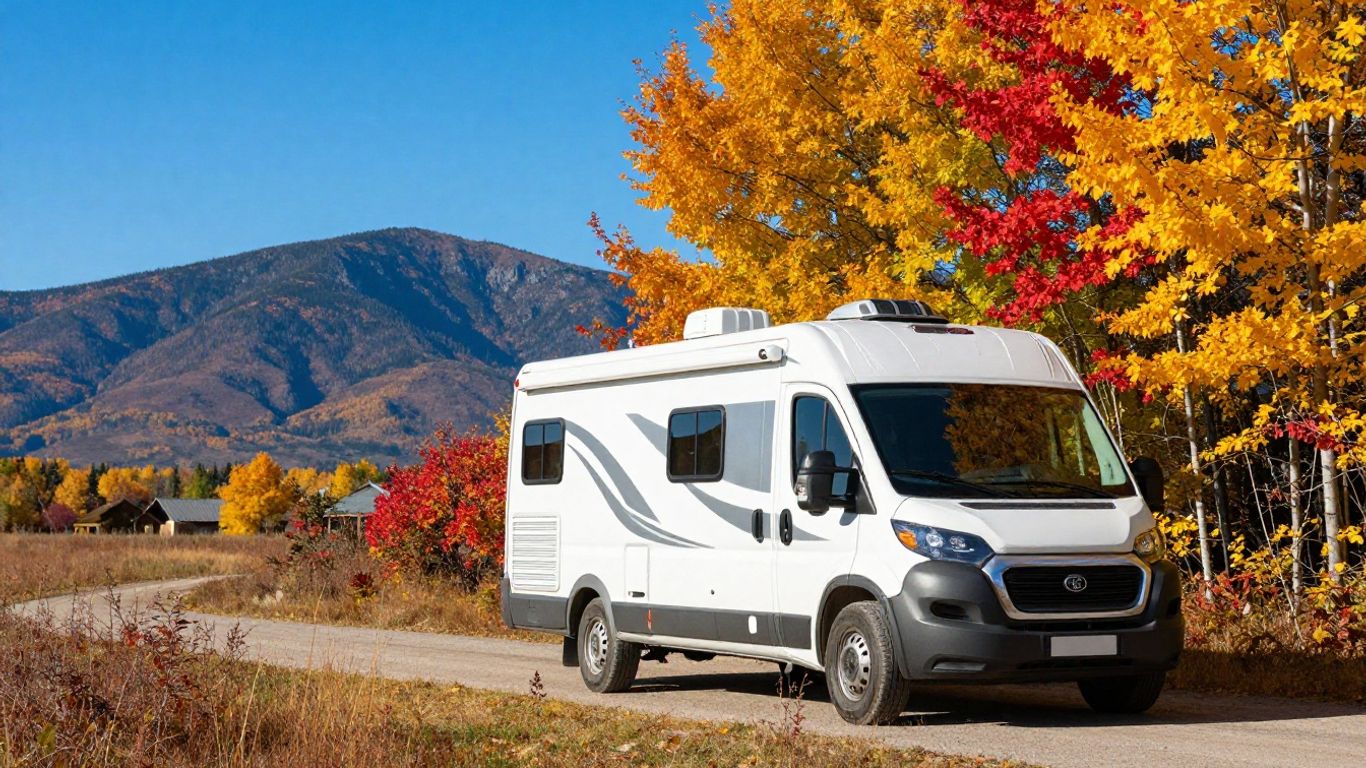
Thinking about an RV trip in Canada but not sure when to go? Forget the summer rush. The sweet spot might just be the ‘shoulder season’ – think spring or fall. It’s a time when the crowds thin out, the scenery really shines, and your wallet might even thank you. Plus, you get a different kind of magic compared to the busy summer months. Let’s look at why hitting the road in your RV during these times, often called the shoulder season RV Canada trips, can be a seriously good idea.
Key Takeaways
- Travel during the shoulder season for shoulder season RV Canada adventures means fewer people at popular spots like national parks and campgrounds, giving you a more peaceful experience.
- Canada’s landscapes put on a show in spring and fall, with vibrant colors and blooming nature, making for stunning views during your shoulder season RV Canada trip.
- Renting an RV and paying for campsites is often cheaper in the spring and fall, helping your money go further for your shoulder season RV Canada exploration.
- Wildlife is often more active and visible during the shoulder seasons as animals prepare for winter or emerge in spring, offering great viewing opportunities for your shoulder season RV Canada journey.
- Be ready for changing weather by packing layers and checking road conditions, and make sure your RV is prepped for cooler temperatures, which is important for any shoulder season RV Canada trip.
Embrace Fewer Crowds During Shoulder Season RV Canada Trips
One of the biggest perks of RVing in Canada during the shoulder seasons – that’s spring (May-June) and fall (September-early October) – is the noticeable drop in crowds. Forget the summer rush where popular spots feel more like a parking lot than a peaceful getaway. You actually get to see the places you’ve traveled to.
Discover Solitude in National Parks
Imagine pulling into a national park and finding a great spot without having to circle for ages. In the summer, places like Banff or Jasper can be packed. But come September, you can often find yourself with a bit more breathing room. This means better views, less noise, and a chance to really connect with the natural beauty around you. It’s like having a private showing of Canada’s stunning landscapes.
Experience Quieter Campgrounds
Campgrounds are a different story in the shoulder season too. Instead of being shoulder-to-shoulder with other RVs, you might find yourself with a few empty sites around you. This translates to more privacy, less competition for the best spots, and a generally more relaxed atmosphere. You can actually hear the birds singing instead of just the hum of generators. It makes a huge difference in the overall feel of your trip.
Enjoy a More Personal Travel Experience
When things aren’t so hectic, you also tend to have more personal interactions. Park rangers might have more time to chat about local trails, and fellow campers are often more open to striking up conversations. It feels less like a mass migration and more like a community of travelers sharing a common interest. You might even find local businesses less swamped, leading to a more relaxed and friendly service.
The shift from peak summer to the shoulder season is like trading a bustling city street for a quiet country lane. The pace slows down, and you can actually appreciate the details you might have missed in the rush.
Spectacular Scenery Awaits Your Shoulder Season RV Canada Adventure
When you travel by RV during Canada’s shoulder seasons – that’s spring and fall – you get to see the country in a whole new light. Forget the summer rush; this is when the landscapes really put on a show, and you can actually take the time to appreciate it all.
Witness Vibrant Fall Colors
As summer fades, Canada transforms into a painter’s palette. The leaves on the trees start to change, creating a stunning display of reds, oranges, and yellows. Driving through areas like the Bulkley Valley in British Columbia, especially along Highway 16, is like driving through a postcard. The aspen and birch trees really light up the landscape. It’s a photographer’s dream, and honestly, just a really peaceful time to be on the road.
Marvel at Blooming Spring Landscapes
Spring is just as magical, but in a different way. After the long winter, the land feels like it’s waking up. You’ll see rivers swelling with snowmelt, and waterfalls really start to roar. It’s a time of renewal, and the fresh green growth against the still-snowy peaks is something special. Plus, the wildflowers start to pop up, adding pops of color everywhere you look.
Capture Stunning Autumnal Skies
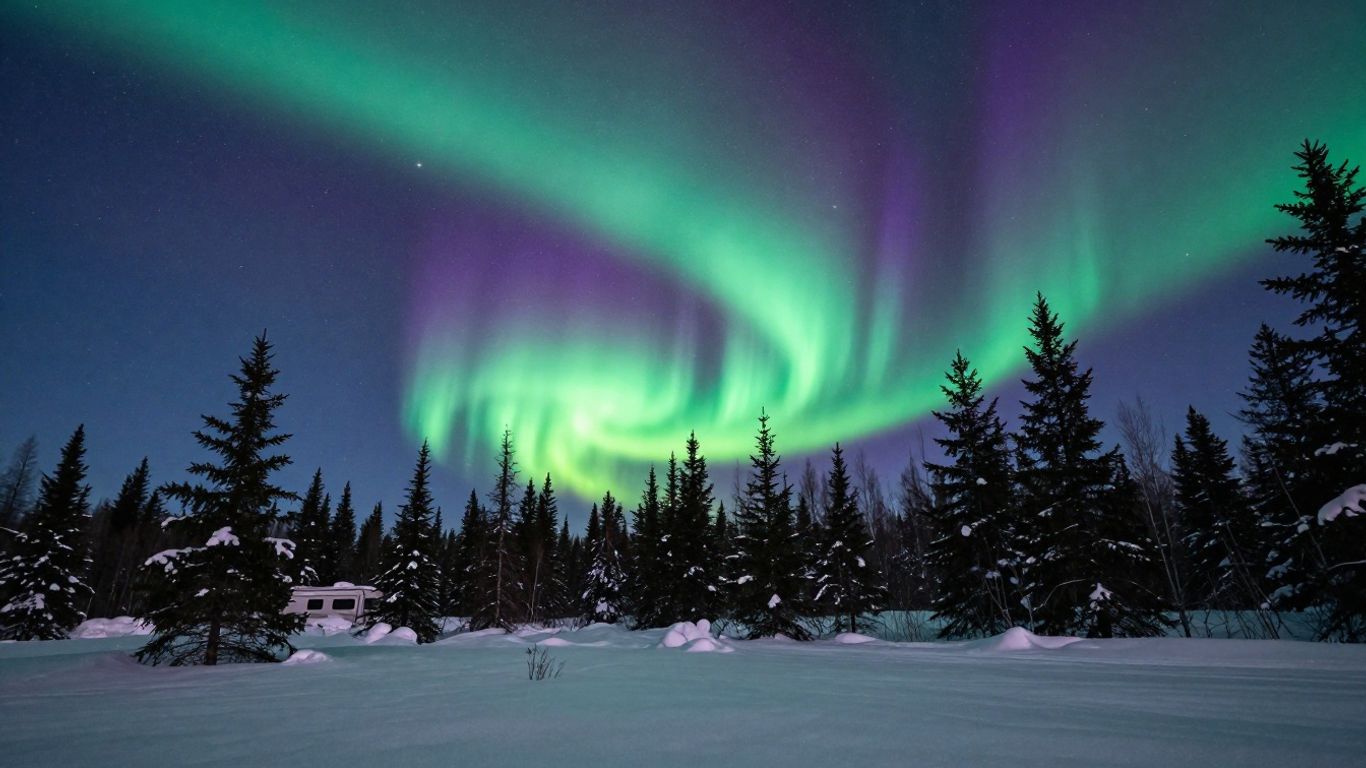
Fall isn’t just about the leaves, though. The skies themselves seem to get deeper and more dramatic. With longer nights starting to roll in, you also get a better chance to see the Northern Lights. Places like Fort Nelson or Watson Lake become prime spots for aurora viewing. Imagine sitting in your RV, cup of hot chocolate in hand, watching the sky dance with color. It’s an experience you won’t forget.
Traveling in the shoulder season means you’re often the only one around to witness these natural wonders. It feels more personal, more real, and way less crowded than the peak summer months. You can pull over whenever you want, take your time, and really soak it all in without feeling rushed.
Affordable RV Rentals for Shoulder Season Canada Exploration
Thinking about an RV trip to Canada but worried about the cost? You’re in luck! Traveling during the shoulder seasons – that’s spring (April/May) and fall (September/October) – can seriously lighten the load on your wallet. Rental companies often drop their prices when the summer rush dies down, making it a much more budget-friendly time to get behind the wheel of a home on wheels.
Benefit from Reduced Rental Prices
The biggest perk of RVing in the shoulder season is often the significant drop in rental rates. While peak summer might see daily rates climbing, these months usually offer a welcome discount. It’s not uncommon to find deals that make renting an RV feel much more accessible. This means you can potentially afford a larger or more feature-rich RV for the same budget, or simply save a good chunk of change to spend on experiences.
Save on Campground Fees
It’s not just the rental itself that gets cheaper. Campground fees tend to follow suit. Popular spots that might charge a premium in July and August often have lower rates in April, May, September, and October. This can add up to substantial savings over the course of your trip, especially if you plan on staying put for a few days at a time or moving between multiple campgrounds.
Maximize Your Travel Budget
When you combine lower rental costs with cheaper campground stays, your overall travel budget stretches a lot further. This extra wiggle room means you can:
- Stay on the road longer, exploring more of Canada’s diverse landscapes.
- Treat yourself to more activities, like guided tours or unique dining experiences.
- Allocate more funds towards fuel, which can be a significant expense for RV travel.
- Consider visiting more remote or less-traveled areas that might have lower associated costs.
The financial advantage of shoulder season RV travel is undeniable. It opens up possibilities that might be out of reach during the peak summer months, allowing for a richer and more extensive exploration of Canada without breaking the bank. Planning ahead and comparing rental options can further amplify these savings.
Here’s a general idea of potential savings, though actual prices vary by rental company, RV type, and specific dates:
| Season | Average Daily Rental Rate (CAD) | Average Campground Fee (CAD) |
|---|---|---|
| Peak Summer | $150 – $300+ | $40 – $70+ |
| Shoulder Season | $100 – $200 | $30 – $55 |
| Off-Season | $80 – $150 | $25 – $45 |
Remember, these are just estimates. Always check specific pricing for your desired travel dates and locations.
Wildlife Viewing Opportunities in Shoulder Season RV Canada
Shoulder seasons in Canada offer a fantastic, often overlooked, chance to see wildlife without the summer crowds. As the seasons shift, so does animal behavior, making spring and fall particularly rewarding for RVers who appreciate nature.
Observe Animals Preparing for Winter
In the fall, as the air gets crisper and the days shorter, many animals begin their preparations for winter. This is a prime time to spot creatures stocking up on food or changing their coats. You might see moose browsing in wetlands or deer becoming more visible as they forage in open fields. It’s a quieter time in the parks, and the animals seem to sense it too, often becoming less wary.
Spot Bears Emerging Near Roadsides
Spring and fall are excellent times to see bears. In the spring, after emerging from hibernation, bears are often seen near roadsides, especially along routes like the Alaska Highway, looking for early vegetation and food sources. Similarly, in the fall, they’re busy fattening up before winter. Always maintain a safe distance and never feed them. Remember to travel with bear spray and know how to use it when exploring.
See Bison Grazing in Open Fields
Bison are a common sight in many parts of Canada, and shoulder seasons are no exception. You’ll often find them grazing in large, open fields or along the highways, particularly south of Liard River on the Alaska Highway. They tend to be more active during the cooler parts of the day in spring and fall. Seeing these magnificent animals roam freely is a truly memorable experience for any RV traveler.
Here’s a quick look at what you might see:
- Black Bears: Most active from May to July, often seen near roadsides.
- Bison: Visible year-round, but especially active in spring and summer, commonly found along the Alaska Highway.
- Moose: Often spotted in wetlands and marshy areas during spring and fall.
When RVing in Canada during the shoulder seasons, remember that wildlife sightings are never guaranteed. Patience and a keen eye are your best tools. Always prioritize safety, both for yourself and for the animals. Respect their space and enjoy the incredible opportunity to witness them in their natural habitat. Booking a motorhome in Canada during these times can lead to a more personal travel experience, allowing for more spontaneous wildlife encounters.
For those looking to rent an RV in Canada, the shoulder seasons can offer a more relaxed and affordable trip, which also means more opportunities for undisturbed wildlife viewing. rent an RV during these periods can be a smart move.
Navigating Weather and Road Conditions for Shoulder Season RV Canada
When you’re RVing in Canada during the shoulder seasons – that’s spring (April/May) and fall (September/October) – the weather can be a bit of a mixed bag. You might get some glorious sunny days, but you could also run into chilly nights, rain, or even early/late snow, especially in mountainous areas or further north. It’s really important to stay on top of what’s happening outside your windshield.
Prepare for Variable Spring and Fall Weather
Canada’s weather can change on a dime, and the shoulder seasons are prime examples of this. One day it’s pleasant enough for shorts, and the next you might need a hat and gloves. Regions like the Rockies or parts of Quebec can see temperatures dip below freezing, even bringing unexpected snow. It’s not just about comfort; freezing temperatures can affect your RV’s plumbing if you’re not careful.
Check Road Conditions Regularly
Before you set off each day, and even during your drive if you have service, it’s a good idea to check road conditions. Websites like DriveBC (for British Columbia) or provincial transportation ministries offer real-time updates on closures, construction, or any weather-related hazards. This helps you avoid getting stuck or encountering unexpected difficulties.
Understand Tire Requirements
While not always mandatory outside of winter months, understanding tire needs is smart. In some provinces, like Quebec and British Columbia, specific tire requirements kick in during certain periods. Most RVs are equipped with all-season "Mud and Snow" (M+S) tires, which are usually fine for shoulder season travel. However, if you’re venturing into areas known for early snow or icy patches, or if the forecast looks dicey, consider if your tires are up to the task. Always drive slower and with extra caution when road conditions are uncertain.
Being prepared for changing weather means packing smart. Think layers – a base layer, a fleece, and a waterproof outer shell can make a huge difference. Also, keep an eye on your RV’s heating system and propane levels, as those chilly nights can sneak up on you.
Essential Preparations for Shoulder Season RV Canada Travel
Getting your RV ready for a shoulder season trip in Canada is super important, and honestly, it’s not that complicated if you think ahead a little. You don’t want to be stuck somewhere with no heat or water, right? Being prepared means you can actually relax and enjoy the scenery instead of worrying about your rig.
Winterize Your RV or Bring Extra Propane
When the temperatures start dipping, especially at night, your RV’s plumbing can become a real problem if it freezes. If you’re traveling in late fall or early spring, you might need to "winterize" your RV. This usually means draining all the water lines and tanks to prevent ice damage. If you’re not doing a full winterization, make sure you have plenty of propane for your heater. Running out of heat when it’s cold is no fun at all. Some folks even bring extra propane tanks just in case. It’s better to have too much than not enough when you’re out exploring.
Be Self-Sufficient with Fuel and Supplies
This is a big one, especially if you’re heading to more remote areas. In the shoulder seasons, some services might have shorter hours or even close up shop for the year. Gas stations can be further apart, and smaller towns might have limited grocery options. Always keep your fuel tank at least half full. It’s also a good idea to stock up on non-perishable food items, water, and any other essentials you might need. Think about what you’d need if you were unexpectedly stuck for a day or two. Being self-sufficient means you can handle minor inconveniences without them turning into major headaches. You can find great deals on RV accessories that help with self-sufficiency on many travel sites.
Pack Layers for Changing Temperatures
Canadian weather in the spring and fall can be, well, unpredictable. You might get a warm, sunny afternoon perfect for shorts, and then a chilly, rainy evening that feels like winter. The best way to handle this is by packing layers. Think base layers, a fleece or sweater, and a waterproof outer shell. This way, you can add or remove clothing as the temperature changes throughout the day. Don’t forget a good hat and gloves, even if you think you won’t need them. It’s amazing how much difference a little extra warmth can make when you’re out for a walk or just sitting by the campfire.
Maximizing Your Shoulder Season RV Canada Experience
So, you’ve decided to go for the shoulder season RV trip in Canada – smart move! Now, how do you make sure you get the absolute most out of it? It’s all about being a little more prepared and embracing the unique vibe of these in-between months. Think of it as getting the VIP treatment without the usual crowds and higher price tags.
Plan Your Itinerary in Advance
While shoulder seasons offer more flexibility, having a general plan is still a good idea. You don’t want to end up driving around aimlessly looking for a place to park, especially when some services might be winding down. Figure out the main areas you want to explore and the key sights you don’t want to miss. This doesn’t mean every minute needs to be scheduled, but having a roadmap helps.
- Research potential routes and attractions.
- Note down any specific events or festivals happening.
- Check operating hours for attractions, as they might be reduced.
Reserve Campgrounds Early
This might sound counterintuitive since shoulder seasons are less crowded, but it’s still a good practice. Popular spots, even in the spring or fall, can fill up, especially on weekends or during local events. Plus, booking ahead can sometimes snag you better rates. It’s a good way to secure your spot and avoid any last-minute stress. Remember, renting an RV in Canada during these times is often easier due to higher availability, but campgrounds can still be busy renting a motorhome in Canada.
Don’t assume that just because it’s not summer, every campground will have open spots. A little foresight goes a long way in ensuring a smooth trip.
Embrace Off-Grid Opportunities
Shoulder seasons are perfect for those who enjoy a bit more independence. With fewer people around, you might find more opportunities for boondocking or staying in less developed areas. This is where being self-sufficient really pays off. Make sure your RV is equipped for it – think extra water, power, and waste management. It’s a fantastic way to connect with nature and experience some truly quiet nights under the stars.
Northern Lights Viewing During Shoulder Season RV Canada
Experience Longer Nights for Aurora Displays
When you’re RVing in Canada during the shoulder seasons, especially in September and early October, you get a fantastic bonus: longer nights. This means more darkness, which is exactly what you need to see the Northern Lights, or Aurora Borealis. While summer has its perks, the extended daylight hours make aurora viewing pretty much impossible. But come fall, as the sun sets earlier and rises later, the sky becomes a much better canvas for those dancing lights. It’s a whole different kind of magic compared to the long, bright days of summer.
Identify Prime Viewing Locations
If you’re serious about catching the aurora, you’ll want to head north. Places like Fort Nelson, Tumbler Ridge, and Watson Lake in British Columbia are often mentioned as top spots. These areas tend to have less light pollution from cities, which is a big deal for seeing faint celestial displays. The further away from urban centers you can get your RV, the better your chances. Think wide-open spaces, clear skies, and minimal artificial light. It’s all about finding that sweet spot where the sky is dark and the view is unobstructed.
Combine Stargazing with RV Travel
RV travel in the shoulder season naturally lends itself to stargazing, and the aurora is just the ultimate prize on top of that. Imagine pulling your RV into a quiet spot, setting up camp, and then looking up. You’ve got the vastness of space above, and if you’re lucky, the aurora will put on a show. It’s a pretty humbling experience. You can even make a night of it: set up some chairs outside your RV, bring a thermos of hot chocolate, and just wait. Sometimes the best shows happen unexpectedly, so being prepared and patient is key. It’s a great way to connect with nature and feel really small in the best possible way.
The extended darkness of the shoulder season provides a much-needed backdrop for the aurora. While summer offers long daylight hours for exploration, it’s the fall and early spring that truly open up the night sky for celestial wonders. Planning your route to include areas with minimal light pollution significantly increases your chances of witnessing this spectacular natural phenomenon. Remember to check aurora forecasts, as activity can vary night to night.
Choosing the Right RV for Shoulder Season Canada
When you’re planning an RV trip to Canada during the shoulder seasons – that’s spring and fall – picking the right vehicle makes a big difference. You’re not just looking for a place to sleep; you need a cozy, reliable home on wheels that can handle changing conditions. The right RV will keep you comfortable and safe, no matter what the weather decides to do.
Select Models with Effective Heating Systems
This is probably the most important feature for shoulder season travel. Nights can get surprisingly chilly, even in late spring or early fall. You’ll want an RV with a robust heating system that can keep the interior warm and toasty. Look for models that have propane furnaces or even electric heating options. It’s worth asking about the heating capacity and how quickly it can warm up the space. Some newer models even have heated tanks, which is a huge plus if you’re worried about freezing temperatures.
Ensure Proper Water and Tank Management
Dealing with water and waste tanks in cooler weather requires a bit of attention. If temperatures are expected to dip below freezing, even for a short while, you need to be careful. Water left in tanks or pipes can freeze, expand, and cause damage. It’s a good idea to:
- Avoid keeping your tanks completely full if freezing weather is predicted. Emptying them as a precaution is wise.
- Be mindful of using your toilet, shower, and sinks if it’s consistently below zero. You might want to limit usage.
- Consider bringing bottled water for drinking and cooking, just to be safe and avoid any potential issues with frozen lines.
Taking these simple steps can prevent a lot of headaches. Damage from freezing can sometimes be costly and might not be covered by insurance, so a little foresight goes a long way.
Consider All-Season Tire Suitability
While you might not need full-on winter tires everywhere, especially in early spring or late fall, having the right tires is important. Most rental RVs come with all-season tires, often marked as "Mud and Snow" (M+S). These are usually fine for general shoulder season travel. However, if you plan on heading into areas known for early or late snow, like the mountains, it’s worth checking if all-season tires are sufficient for your specific route. Always check local regulations, as some regions, like Quebec, have mandatory winter tire periods. You can find great RVs for your trip on Canada RV rentals.
Driving Safely in Shoulder Season RV Canada
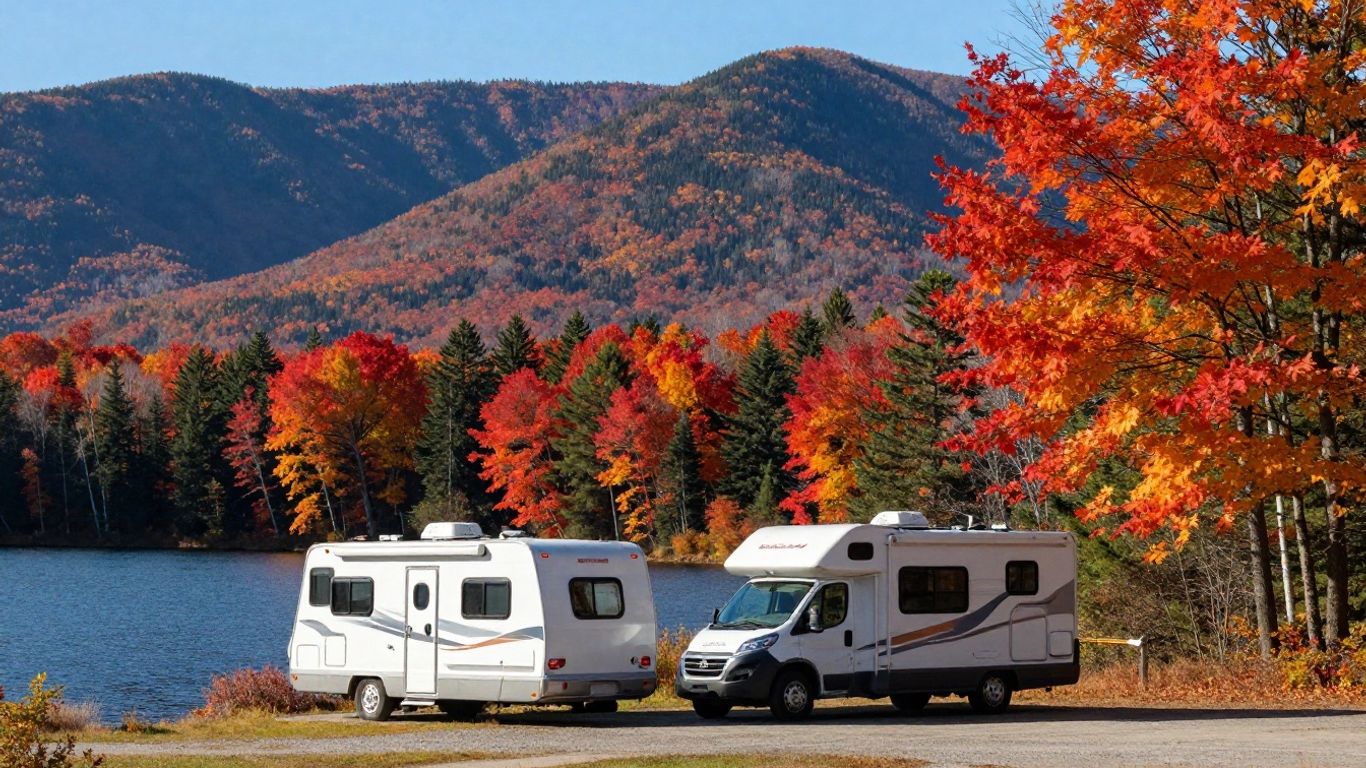
When you’re out exploring Canada in an RV during the spring or fall, the roads can be a bit unpredictable. It’s not quite summer, and it’s not full-on winter, so you’ve got to be ready for anything. Always keep an eye on the weather forecast and road conditions before you head out each day.
Here are a few things to keep in mind:
- Slippery Roads: Freezing temperatures or unexpected snow can make roads slick. Take it slow, especially on curves and bridges. You don’t want to end up like my buddy Jake trying to fix his bike – a mess!
- Wildlife on the Move: Animals are often more active during these seasons, especially around dawn and dusk. They might be looking for food or migrating. Be extra watchful, particularly if you’re driving at night, though it’s best to avoid that if you can.
- Tire Check: While most RVs come with all-season tires, which are usually fine for shoulder seasons, it’s good to know the rules. Some areas, like Quebec, have mandatory winter tires during specific periods. Always check if your rental has appropriate tires for where you’re going.
Remember that road conditions can change quickly across Canada. Even in milder months, areas like the Rockies can see sudden weather shifts. Staying informed helps you adjust your plans and travel without worry. Checking resources like The Weather Network can be a lifesaver.
Driving an RV is different from a car. They’re bigger, heavier, and take longer to stop. So, give yourself plenty of space, reduce your speed when conditions aren’t ideal, and be patient. It’s all part of enjoying the journey and getting to see all those amazing fall colors or spring blooms safely.
So, Is Shoulder Season RVing for You?
Look, if you’re someone who likes things easy and predictable, maybe sticking to the summer months makes sense. But if you’re up for a bit of adventure and want to see Canada without all the hustle and bustle, then the spring and fall really shine. You get those amazing colors, fewer people, and often, a better price. Just be ready for whatever the weather throws at you, pack smart, and you’ll probably find that these ‘in-between’ seasons are actually the sweet spot for RVing in Canada. It’s a different vibe, for sure, but one that many travelers end up loving.
Frequently Asked Questions
What are the best months for shoulder season RV travel in Canada?
The sweet spots for shoulder season RV trips in Canada are typically April, May, September, and October. Think of it as the time between the busy summer rush and the deep winter chill. Spring (April-May) brings blooming nature, while fall (September-October) offers stunning colors and cozy nights.
Why is shoulder season better for visiting national parks?
During the shoulder seasons, national parks are way less crowded. This means you can explore popular spots without bumping into tons of people. Imagine having those breathtaking views all to yourself – it’s a much more peaceful and personal experience.
Can I see wildlife during the shoulder seasons?
Absolutely! Wildlife is often more active during the spring and fall. In the spring, animals are coming out after winter, and in the fall, they’re busy getting ready for the cold. You might see bears near roads, or bison grazing in open fields, which is pretty cool.
Are RV rentals cheaper in the shoulder season?
Yes, you can often find better deals on RV rentals during the shoulder seasons. Because fewer people are traveling, rental companies might lower their prices. Plus, campground fees can be cheaper too, which helps your travel budget go further.
What kind of weather can I expect in the spring and fall?
The weather can be a bit unpredictable. Spring might bring sunshine one day and rain or even a late snow flurry the next. Fall can be crisp and cool, with chilly nights. It’s smart to check the forecast often and be ready for anything by packing layers of clothing.
Do I need special tires for my RV in the shoulder season?
In most parts of Canada, all-season tires (often marked M+S) are usually fine for spring and fall travel. However, some areas, like Quebec, have specific dates for mandatory winter tires. It’s always a good idea to check the rules for the specific provinces you’ll be visiting.
What preparations should I make for shoulder season RV travel?
It’s smart to be prepared! Make sure your RV’s heating system is working well, especially for cooler nights. You might also want to bring extra propane. Being self-sufficient with fuel and supplies is also important, as some services might have shorter hours.
Is it possible to see the Northern Lights during the shoulder seasons?
Yes, the shoulder seasons, especially fall, are fantastic for seeing the Northern Lights! The nights get longer and darker, which makes the aurora displays much more visible. Areas further north are prime spots for this amazing natural light show.