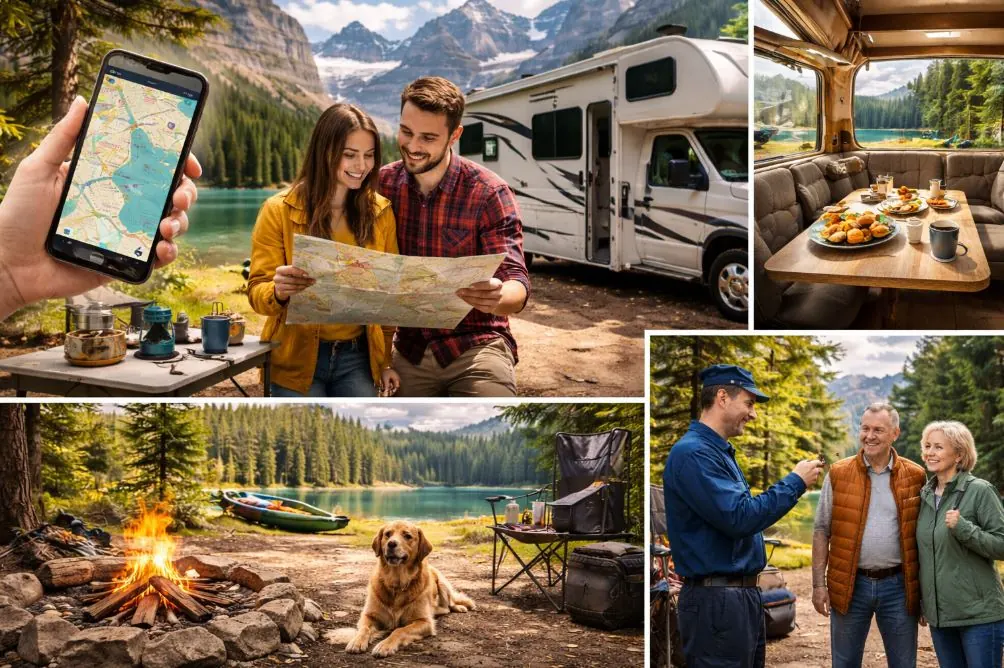
Planning a trip in a motorhome across Canada sounds pretty amazing, right? Waking up to new views every day, having your own space on wheels it’s a dream for a lot of people. But here’s the thing: if you don’t plan ahead, especially for motorhome rental Canada early booking, you might find yourself out of luck. It’s a popular way to travel, and when everyone wants one at the same time, things get booked up fast. So, let’s talk about how to make sure you actually get to go on that epic RV adventure.
Key Takeaways
Successful RV trips involve more than just booking the vehicle; planning your route, reserving campsites in advance, and considering practicalities like driving and packing are also important.
Why Summer Months See Highest Demand
When most people think about a Canadian adventure, they picture long, sunny days and warm weather. Everyone wants to hit the road, explore national parks, and enjoy the great outdoors when the weather is at its best. This means that if you’re dreaming of a summer RV trip, you’re definitely not alone. Demand really ramps up, and it’s a common sight to see rental lots looking pretty bare.
The Impact of Limited Availability
Because so many people want to rent a motorhome during the summer, availability can get really tight. It’s not uncommon for travelers to find that the exact type of RV they wanted, or even any RV at all, is already booked. This scarcity can be frustrating, especially if you’ve already planned your route and your heart is set on a specific travel window. You might end up settling for a vehicle that isn’t quite right for your needs, or worse, having to postpone your trip altogether.
Booking Considerations for July and August
Seriously, think about booking your motorhome as soon as you know your dates. It’s not unusual for rental companies to start taking reservations up to a year in advance for these prime summer months. Planning this far out might seem a bit much, but it’s often the only way to secure the vehicle you want and avoid the disappointment of finding everything is already taken. It’s a good idea to book your RV before you even book your flights, just to be sure you have wheels for your adventure.
Planning an RV trip during peak season requires a shift in mindset. Instead of thinking about booking a few weeks or months ahead, you need to treat it more like booking a popular hotel during a major holiday – the earlier, the better.
The Advantages of Early Motorhome Booking
For summer travel in Canada, booking a motorhome well in advance is close to essential. Waiting too long can mean facing a lot of disappointment.
Securing Your Preferred Vehicle
Think about it: there’s a whole range of motorhome sizes and types out there, from cozy compact models perfect for a couple to larger rigs that can comfortably fit a family. If you wait until the last minute, you’re likely to find that the specific vehicle you had in mind, the one that fits your group size and comfort needs just right, is already gone. Booking early means you get first dibs on the inventory. You can pick the layout, the features, and the size that truly suits your travel style, rather than settling for whatever’s left.
Accessing Better Rental Rates
This is a big one for the budget-conscious traveler. It’s a classic supply and demand situation. Booking months ahead can translate into significant savings compared to what you might pay if you book just weeks before your trip. Sometimes, companies even offer special early-bird discounts to encourage reservations.
Avoiding Last-Minute Scarcity
During these peak times, the demand for motorhomes can far outstrip the supply. We’re talking about a situation where many travelers find themselves unable to rent any RV at all because they’re all booked up. By booking early, you sidestep this potential headache entirely. You secure your spot on the road and can relax knowing your accommodation and transport are sorted, letting you focus on the fun parts of planning your adventure.
Planning an RV trip requires a bit of foresight. It’s not like booking a hotel room where there’s always something available. With motorhomes, especially in high season, you’re competing for a limited number of vehicles. Getting your reservation in early is your best bet for a smooth experience.
When To Book Your Motorhome Rental Canada Early Booking
Okay, so you’re thinking about an RV trip in Canada. Awesome choice! But here’s the thing: if you wait too long to book your motorhome, you might be out of luck, especially if you’re aiming for the popular summer months. It’s a bit like trying to get concert tickets for a huge band – the good ones go fast.
Booking Up To A Year In Advance
Seriously, for the best shot at getting the exact RV you want, especially if you have specific needs like a certain size or layout, start looking now if you’re planning for next summer. This is your golden ticket to snagging that perfect rig before anyone else even starts thinking about their vacation.
Six Months Prior For Peak Season
This gives you a solid chance of finding availability, though your choices might be a little more limited than if you booked a full year in advance. It’s a good compromise for many people.
Deposit Requirements For Reservations
When you do find that dream RV and decide to book, expect to put down a deposit. This is pretty standard across the industry and shows you’re serious about the booking. Make sure you understand the cancellation policy associated with your deposit, just in case plans change.
The reality is, demand for motorhomes in Canada, especially during the summer, far outstrips the supply. Waiting until the last minute is a risk that often doesn’t pay off, leaving you with limited options or, worse, no vehicle at all. Early booking isn’t just about getting what you want; it’s often about getting anything at all.
Here’s a quick look at typical booking timelines:
Benefits of May and October Travel
Think fewer crowds and a more laid-back vibe. The weather can be a bit unpredictable, sure, but you often get those crisp, clear days that are just perfect for exploring without the intense heat or the constant buzz of peak tourist season. Plus, you might find that rental companies are a little more flexible with their availability.
June and September Travel Advantages
The weather is generally quite pleasant, not too hot and not too cold, making it ideal for driving and sightseeing. This often translates to a more peaceful journey and a better chance of snagging those prime campsites without a fight.
Cost Savings Outside Peak Times
It’s a smart way to stretch your travel budget further.
Traveling in the shoulder seasons means you often get a more authentic feel for the places you visit. You’re more likely to interact with locals and experience the rhythm of daily life without the constant influx of tourists. It’s a chance to slow down and really soak it all in.
Here’s a quick look at what you might expect:
Wildlife is becoming more active. Days are getting longer, but evenings can still be cool.
It’s before the peak summer crowds arrive.
The air is crisp, and it’s a great time for hiking.
Nights will be cooler, and some services might start winding down for the season.
Planning Your Route In Advance
Thinking about where you want to go is half the fun, right? But with an RV, it’s more than just dreaming. You’ve got to get practical. Canada is huge, and just pointing the RV in a direction and hoping for the best can lead to some stressful moments. It’s a good idea to map out your general route and book overnight stays ahead of time , especially if you’re traveling during the busy summer months or hitting up popular spots like the Rockies. Websites like Roadtrippers can give you some great ideas for places to see along the way. Remember, Google Maps often underestimates how long it takes to travel in an RV, so add some buffer time. We found using an app like Navmii Canada GPS was more accurate and even works offline, which is a lifesaver when you’re out in the sticks. Don’t forget a good old paper map as a backup, too.
Booking Campsites Early
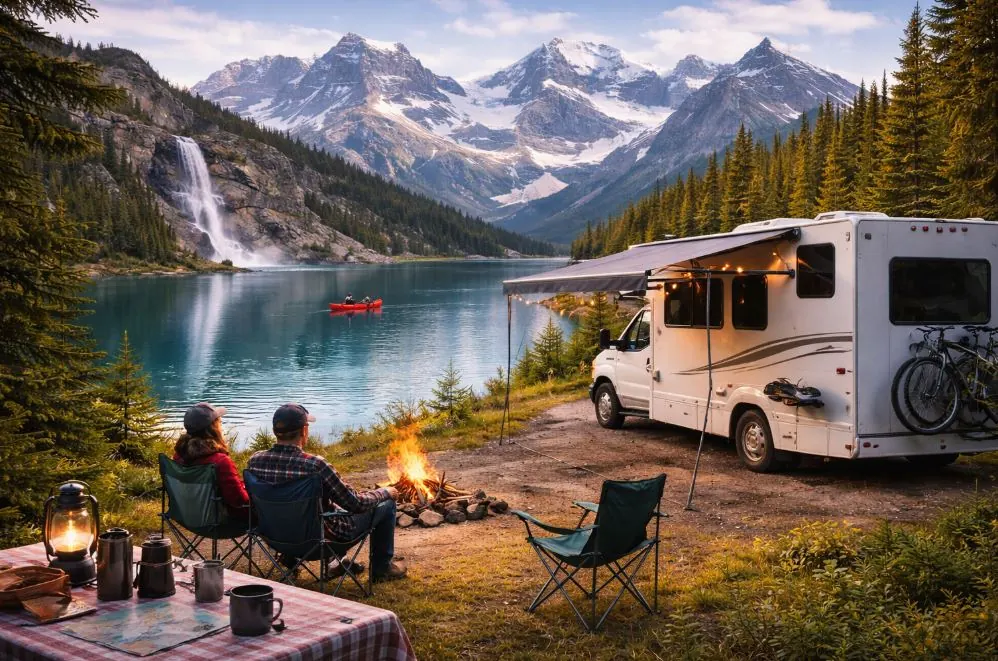
This ties right into planning your route. Campsites, particularly the ones with full hookups (power, water, sewage), can fill up faster than you might think. Provincial park campgrounds are often more rustic and beautiful, but they also get booked. If you want to wake up to a lake view or be nestled in the forest, you really need to get those reservations in early. Trying to find a spot last minute, especially on a weekend or in a prime location, can be a real headache and might mean settling for a less-than-ideal spot, or worse, no spot at all. Planning your trip itinerary is key here.
Considering One-Way Rentals
Sometimes, the most straightforward way to see a lot of Canada is to pick up your RV in one city and drop it off in another. This is called a one-way rental. It can save you a lot of backtracking time, letting you cover more ground and see different regions without having to drive all the way back to where you started. Just be sure to factor this into your budget and booking plans well in advance, as availability for one-way rentals can vary.
Maximizing Your Motorhome Rental Experience
So, you’ve got your motorhome booked and you’re ready for an adventure. That’s awesome! But before you hit the road, let’s talk about making the most of that rolling home of yours. It’s not just about having a place to sleep; it’s about how you use the space and what you bring along that really makes a trip.
Choosing The Right Motorhome Size
This is a big one, and honestly, it’s easy to get wrong. ’ But a bigger RV isn’t always the best RV. Consider who’s traveling with you. If it’s just you and a partner, a massive rig might be overkill and harder to maneuver. ’
For couples or solo travelers: A smaller, more compact model (like a Class B or C) is often easier to drive and park, and still offers all the comforts.
For families or small groups (3-4 people): A mid-size Class C or a smaller Class A can provide a good balance of space and drivability.
For larger groups (5+ people): You’ll likely need a larger Class A or a spacious Class C, but be prepared for the driving challenges.
It’s often better to have a little extra room than to feel cramped. Think about how much time you’ll actually spend inside versus exploring the outdoors. You can always compare different offers from rental companies to see what fits your needs and budget best.
Packing Essentials For Your Trip
When you’re living in a motorhome, storage space is gold. You don’t want to be tripping over suitcases or struggling to find things. The trick is to pack smart and bring items that serve multiple purposes. Think about what you really need versus what you think you might need.
Clothing: Pack layers. Canadian weather can change in an instant, even in summer. Quick-dry fabrics are your friend.
Kitchen Gear: While most rentals come with basic cookware, consider bringing a favorite sharp knife, a good can opener, or a specific spice you can’t live without. Don’t forget reusable water bottles and coffee mugs.
Comfort Items: A good book, a deck of cards, or a portable speaker can make downtime much more enjoyable. Don’t forget chargers for all your devices!
Remember that many rental companies offer provisioning kits with cutlery, crockery, and basic kitchen tools. While convenient, check what’s included and if it meets your standards before you arrive. You might want to supplement it with a few personal items.
Understanding Onboard Facilities
Every motorhome is a little different, and getting to know its quirks before you need to use them is key. Take some time when you pick up the vehicle to understand how everything works. This includes the water system, the toilet and waste disposal, the heating and air conditioning, and the propane tanks.
Water System: Know where the fresh water tank is filled and where the grey and black water tanks are emptied. This is not the most glamorous part of RVing, but it’s super important.
Appliances: Familiarize yourself with the stove, refrigerator, and microwave. Are they propane-powered, electric, or both?
Power: Understand how to connect to shore power at campsites and how to use the generator if you have one. This will help you avoid running out of battery when you least expect it.
Getting a handle on these onboard facilities will save you a lot of headaches and make your trip much smoother. It’s all part of the RV lifestyle!
Driving Considerations For RVs
Driving a motorhome in Canada is a bit different than your everyday car, but it’s totally doable. Think of it like driving a larger truck – you need more space to get going and especially to stop. So, give yourself plenty of room between you and the vehicle in front. Canadian roads are generally pretty good, often wide and straight, especially outside the big cities. Sticking to major routes like the Trans-Canada Highway can make things simpler, but don’t be afraid to explore smaller roads if you have the time. Just remember, these can be narrower and windier.
Always allow extra stopping distance. This is non-negotiable.
Be mindful of your vehicle’s height and width, especially near bridges or underpasses.
Watch out for wildlife, particularly at dawn and dusk. Animals like moose and deer can wander onto the road unexpectedly.
It’s tempting to just follow the quickest route on a map, but sometimes the most scenic paths are off the beaten track. Factor in extra time for those spontaneous stops to take in a view or grab a coffee.
Utilizing Navigation Tools
When it comes to finding your way, you’ve got a few options. While Google Maps is handy, it can sometimes underestimate how long it takes to travel in an RV. Many travelers find dedicated GPS apps that are designed for larger vehicles work better. Some apps even let you download maps for offline use, which is a lifesaver when you’re in areas with spotty cell service. Don’t forget the old-school backup: a paper road map. It’s a reliable friend when technology fails.
Download offline maps for your chosen navigation app.
Consider apps that allow you to input vehicle dimensions for safer routing.
Keep a physical map handy for areas without signal.
Understanding Road Conditions
Road conditions in Canada can change quite a bit depending on where you are and the time of year. Major highways are usually well-maintained, but rural roads might be less so. During spring, you might encounter frost heaves, and in winter, snow and ice are a big concern, even on main routes. Always check local road reports before you set off, especially if you’re heading into more remote areas or mountainous regions. Some campsites might even have specific instructions for RV access.
Check provincial road condition websites before long drives.
Be prepared for varying road surfaces, from smooth asphalt to gravel.
Seasonal changes significantly impact driving, so stay informed.
Connecting With Fellow Travelers
One of the unexpected joys of renting a motorhome in Canada is the built-in social scene. Unlike staying in a hotel where you’re mostly isolated in your room, RV travel puts you right out there. You’ll find yourself chatting with neighbors while setting up your site, sharing tips at the dump station, or just waving as you pass by. It’s a friendly atmosphere, and you’ll meet all sorts of people – families on vacation, retirees exploring the country, and even digital nomads working from the road. Don’t be shy; most RVers are happy to share a story or offer a helping hand.
Learning From Experienced RVers
Canada’s RV community is full of seasoned travelers who have seen it all. Many long-term RVers, easily spotted by their personalized setups with doormats and plants, are incredibly generous with their knowledge. If you’re struggling with a tricky hookup, unsure about a local route, or just curious about how something works on your rental, chances are a neighbor has the answer. They’ve been there, done that, and are usually happy to share their hard-won wisdom. It’s like having a built-in support network wherever you go.
The Community At Campsites
Campsites often become temporary neighborhoods. Evenings around the campfire are a classic bonding experience. People gather, share snacks (like the Canadian hobo pie’ – a toasted jam sandwich), and swap stories about their day’s adventures. You might find yourself celebrating Canada Day with new friends or learning about local wildlife from someone who’s been camping in the area for years. It’s a much more communal way to travel than staying in a hotel, offering a genuine sense of connection.
RV travel in Canada often feels like being part of a large, friendly club. The shared experience of exploring the vast landscapes creates an easy camaraderie. People are often willing to lend a hand, share a meal, or simply offer a friendly chat, making the journey more than just a trip – it becomes a social adventure.
What To Pack For Varying Weather
Packing for a Canadian RV trip means being ready for anything, weather-wise. Even in summer, mountain passes can get chilly, and coastal areas might be foggy and cool. It’s smart to pack layers. Think t-shirts, long-sleeved shirts, a fleece or sweater, and a waterproof and windproof outer jacket. Don’t forget comfortable walking shoes, as you’ll likely be doing a lot of exploring on foot. Also, consider bringing a hat and gloves, especially if you’re heading north or planning to be out early or late in the day.
Essential Motorhome Accessories
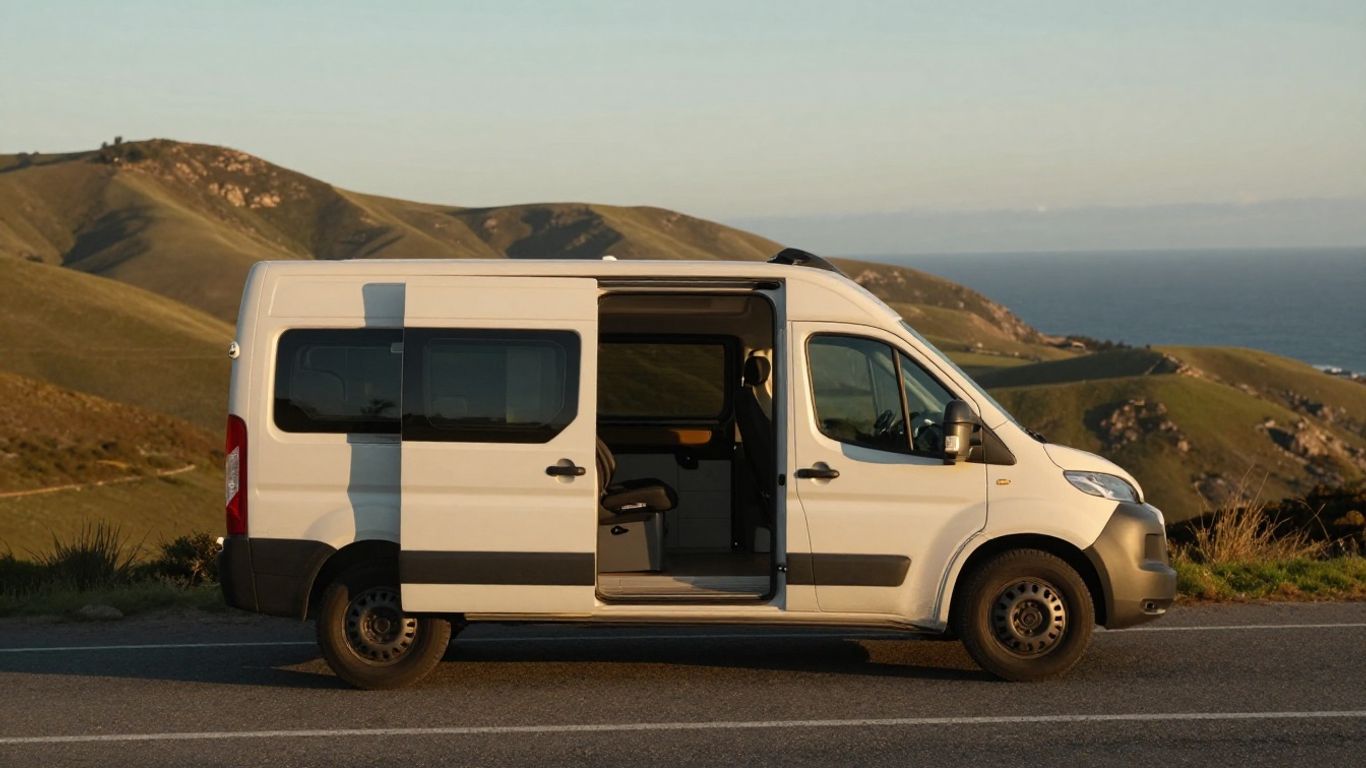
Beyond your personal clothing, there are a few accessories that can make your RV experience smoother. A good quality cooler can be a lifesaver for day trips or keeping drinks handy. Headlamps or flashlights are useful for navigating around the campsite after dark. If you plan on doing any cooking outside, a portable camp stove and some basic cooking utensils are a great addition. Also, consider bringing a small toolkit; you never know when a loose screw or a minor fix might be needed. Having a few reusable shopping bags will also come in handy for grocery runs.
Dealing With Wildlife Encounters
Canada is home to incredible wildlife, and part of the RV adventure is seeing it. However, it’s important to be prepared and respectful. Always store your food properly and never leave it out, especially overnight, to avoid attracting animals. This applies to both inside and outside your motorhome. Familiarize yourself with the types of wildlife common in the areas you’ll be visiting. If you see an animal, keep a safe distance and never try to feed it. Bear spray is recommended in bear country, and it’s wise to know how to use it. Remember, you are a visitor in their home.
Planning your route and knowing where you’ll stay each night is a big part of getting ready. It’s not just about the driving; it’s about making sure you have a spot to park your RV. Booking campsites ahead of time, especially in popular spots like national parks, is really important. You don’t want to arrive somewhere expecting to stay and find out it’s full. Think about how much time you’ll actually need for driving each day, because RVs move slower than cars. Planning your route and booking ahead can save a lot of hassle.
Understanding Waste Disposal
Dealing with waste in an RV might not be the most glamorous part of the trip, but it’s definitely important to know how it works. Most rentals have a system for both black water (from the toilet) and grey water (from sinks and showers). You’ll typically find a hose that connects to a disposal point at campgrounds or designated dump stations. It’s a good idea to get the hang of this early on. Some people prefer to empty the tanks every day or two, while others wait until they’re fuller.
Invest in heavy-duty rubber gloves – trust me, you’ll want these.
Consider getting tank cleaner or deodorizer tablets to keep things smelling fresh.
It can be a lifesaver on your last day.
Knowing how to manage your RV’s waste system is key to a comfortable trip. It’s a practical skill that makes the whole experience smoother, especially if you’re new to RVing. Don’t let it intimidate you; it’s usually straightforward once you see it done.
Utilizing Storage Space
RV storage can feel a bit like a puzzle, but once you figure it out, it’s amazing how much you can fit. Most motorhomes come with cupboards, drawers, and even under-bed storage. Don’t forget the exterior compartments too – these are perfect for larger items like folding chairs, tables, or firewood. The trick is to pack smart and keep things organized so you’re not digging around for something you need.
Use soft-sided bags instead of hard suitcases where possible; they’re easier to squish into tight spaces.
Pack items you’ll use frequently in easily accessible spots.
Designate a spot for everything – this helps prevent clutter from building up.
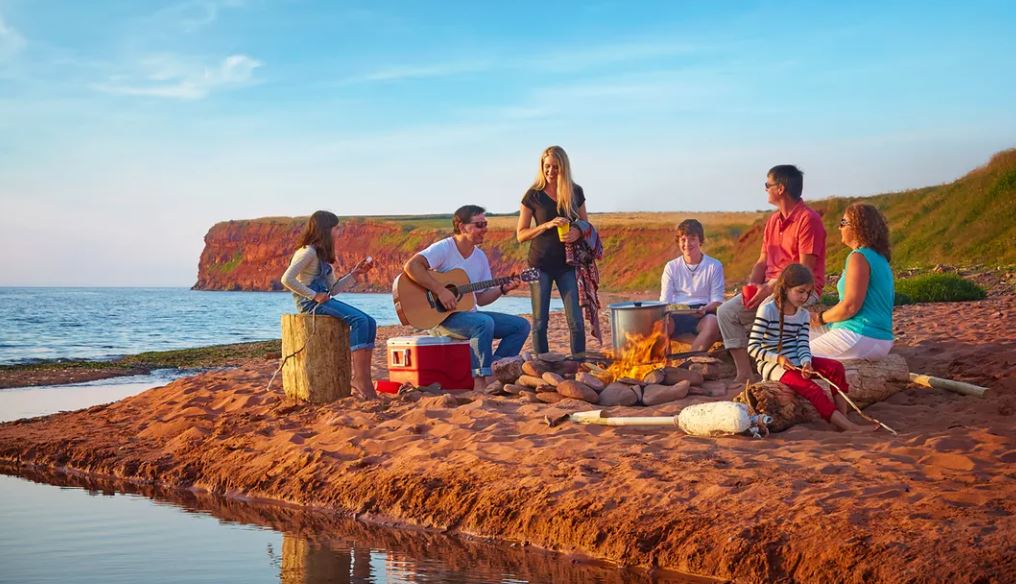
Enjoying Campfire Rituals
There’s something special about a campfire when you’re RVing. It’s more than just a way to cook; it’s a chance to relax, share stories, and just enjoy the outdoors. Whether you’re toasting marshmallows for s’mores, warming up on a cool evening, or simply watching the flames dance, it’s a classic part of the RV experience. Even if the weather turns, you can often bring that cozy campfire feeling inside by toasting marshmallows over the stove. It’s a simple pleasure that really adds to the trip.
Gather firewood (check local regulations first).
Bring along some s’mores supplies – graham crackers, chocolate, and marshmallows are a must.
Don’t forget a good marshmallow-roasting stick ; a long, sturdy one is best.
Wrapping Up Your RV Adventure Plans
So, planning an RV trip in Canada is pretty awesome, but it definitely pays to be organized. Seriously, people miss out every year because they wait too long. Think about booking up to a year in advance if you can. It’s not just about snagging a vehicle; it’s about getting the one you want and saving some cash. So, get that calendar out and start marking those dates – your future, road-tripping self will thank you.
When is the best time to rent a motorhome in Canada?
However, because so many people want to rent during this time, it’s essential to book your motorhome at least six months in advance, or even up to a year ahead, to ensure you get the vehicle you want.
Why should I book my motorhome rental early?
Booking early is super important! When you book ahead, you’re more likely to get the exact motorhome size and type you need. So, booking early can save you money and guarantee you a vehicle.
What happens if I try to book a motorhome last minute?
Trying to book a motorhome at the last minute, especially for popular times like summer, can be really tough. Most of the vehicles might already be rented out. If you do manage to find one, you’ll probably end up paying a lot more than if you had booked in advance.
Are there cheaper times to rent a motorhome?
Yes! You can often find better deals and more availability during the shoulder seasons,’ which are the times just before and after the peak summer months.
How far in advance can I book a motorhome?
You can usually start booking your motorhome rental up to a year before your travel dates. Some rental companies might even offer special discounts for booking this far out.
What’s the typical deposit for a motorhome rental?
Most companies require a deposit to hold your reservation. This deposit confirms your booking and is taken when you make the reservation.
Is it hard to drive a motorhome in Canada?
Driving a motorhome is different from driving a car, but it’s generally manageable. You need to be aware that it takes longer to speed up and slow down, so give yourself plenty of space. Canadian roads are often wide, and outside of cities, they can be quite straightforward to navigate.
What should I pack for a motorhome trip in Canada?
Pack layers because the weather can change! Bring comfortable clothes, rain gear, and warm items like sweaters and socks, especially for cooler nights. Don’t forget essentials like insect repellent, especially for summer. Since motorhomes have storage, you can pack things like towels, bedding, and kitchen items, or rent kits from the company.
Confirm current details
Availability and booking windows change each season and differ by company and campground, so check current availability for your dates rather than relying on general timelines.