

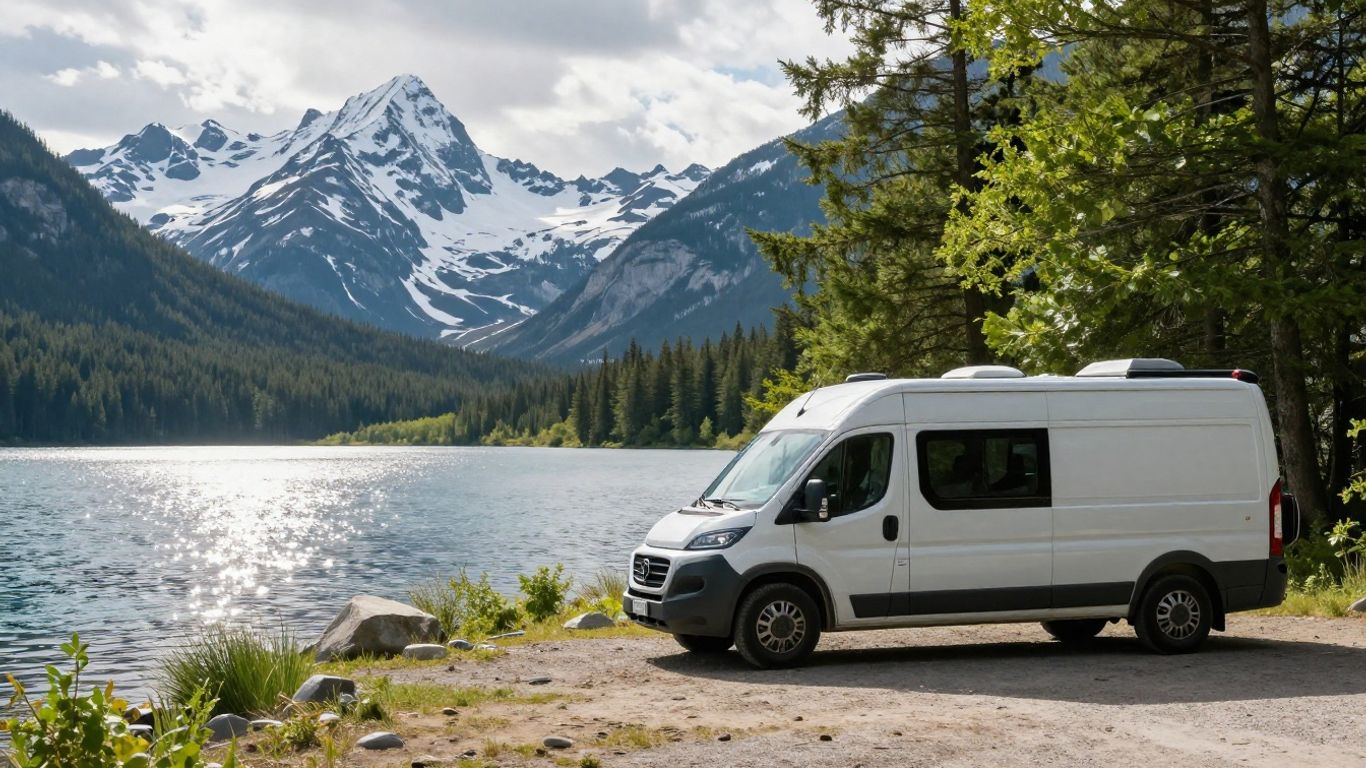
Planning a campervan trip across Canada sounds like an amazing adventure, right? Waking up to new scenery every day, the open road ahead… it’s the dream for many. But before you hit the gas, you’ve got to figure out the money side of things. Your campervan trip Canada budget is going to be a big part of making this trip happen smoothly. It’s not just about the rental cost; there are a bunch of other things to think about that can really add up. Let’s break down what you should expect so you can start saving and planning.
Key Takeaways
- Campervan rental prices can vary a lot based on the size of the van, how long you rent it for, and the time of year. Always check for unlimited mileage options.
- Fuel is a significant expense. Canada is huge, so map out your route and estimate fuel costs based on current prices and your van’s mileage.
- Accommodation costs can be managed by using campgrounds, but booking ahead, especially in popular areas or during peak season, is wise.
- Don’t forget about national park passes, food, potential tours, and everyday incidentals like parking and souvenirs when creating your campervan trip Canada budget.
- While campervans offer freedom, camping in tents or staying in hotels can sometimes be more budget-friendly, depending on your travel style and priorities.
Understanding Your Campervan Trip Canada Budget
Planning a campervan trip across Canada is exciting, but figuring out the costs can feel a bit overwhelming at first. It’s not just about the rental price; there are a bunch of other things that add up. Getting a handle on these expenses early on will make your trip much smoother and prevent any nasty surprises. Think of it like packing for a big trip – you wouldn’t just throw things in a bag, right? You plan what you need. Budgeting is the same, just with dollars instead of socks.
Key Cost Factors for a Campervan Trip Canada
Several things really influence how much you’ll spend. The type of campervan you rent is a big one – a small, basic van will cost less than a luxury model with all the bells and whistles. Then there’s how long you plan to travel. Longer trips mean more days for rentals, fuel, food, and campsites. Where you go also matters; popular spots like Banff can be pricier for camping than more remote areas. And, of course, what you do – fancy tours or mostly free hikes – makes a difference.
Here’s a quick look at what impacts your budget:
- Rental Vehicle: Size, age, and amenities.
- Travel Duration: The number of days you’re on the road.
- Season: Peak summer months are usually more expensive.
- Route & Destinations: Major cities and national parks often have higher costs.
- Travel Style: How often you eat out, what activities you choose, and your accommodation preferences.
- Fuel Prices: These can fluctuate quite a bit across different provinces.
The biggest mistake people make is underestimating the daily costs. It’s easy to focus on the big ticket items like the van rental, but the little things add up fast. Always build in a buffer for those unexpected expenses or spontaneous splurges.
Budgeting for Different Travel Styles
Your personal travel style is a huge part of your budget. Are you a "budget-conscious explorer" who’s happy with simple meals and free activities, or more of a "comfort seeker" who prefers nicer campgrounds and dining out occasionally? Knowing this helps you allocate funds more realistically.
- The Frugal Explorer: Focuses on cooking most meals, staying in basic or free campsites (where available), and prioritizing free activities like hiking and exploring towns. This style can significantly lower daily costs.
- The Balanced Traveler: Mixes it up with some home-cooked meals and some restaurant visits, stays in a mix of campgrounds (some with more amenities), and budgets for a few key paid activities. This is a popular middle-ground approach.
- The Comfort Seeker: Enjoys more frequent dining out, opts for campgrounds with full hookups and better facilities, and budgets for a wider range of tours and excursions. This style will naturally have higher daily expenses.
Estimating Your Total Campervan Trip Canada Expenses
To get a rough idea of your total costs, you can break it down into categories. While exact figures depend heavily on your choices, here’s a general framework. For a 120-day trip, one traveler spent around $130 per day, but this included buying their campervan, which isn’t part of a rental budget. For rentals, expect daily costs to vary, but a reasonable starting point might be between $150-$250 per day for two people, depending on your style.
Here’s a sample breakdown for a hypothetical 2-week trip:
| Category | Estimated Cost (CAD) | Notes |
|---|---|---|
| Campervan Rental | $1,400 – $2,800 | Based on $100-$200/day for 14 days |
| Fuel | $500 – $800 | Depends on distance and van efficiency |
| Campsites | $420 – $700 | Based on $30-$50/day |
| Food & Groceries | $560 – $840 | Based on $40-$60/day for two people |
| Activities/Parks | $200 – $500 | Varies greatly based on choices |
| Total Estimate | $3,080 – $5,640 | This is a rough range for 2 weeks |
Campervan Rental Costs in Canada
Renting a campervan in Canada is a big upfront cost, and it’s often where most people start stressing about their budget. It sounds kind of straightforward at first, but a few small details can seriously change the total price once you actually get to booking. Here’s where the real costs sneak in.
Average Campervan Hire Rates
Campervan hire rates in Canada can swing wildly depending on the season, size, and how far ahead you book.
Typical daily rate ranges for a 2-person campervan:
| Season | Rate per day (CAD) |
|---|---|
| Low (Oct-Apr) | $100 – $150 |
| Shoulder (May/Sept) | $150 – $200 |
| High (June-Aug) | $220 – $350 |
Prices jump during summer. If you’re willing to travel in the shoulder season, it could save you hundreds just from the base price alone. Some smaller companies or private rentals may have lower prices, but always check what’s included (often not much aside from the bare van).
Understanding Mileage Packages and Insurance
Most Canadian rental companies charge two ways: unlimited mileage (expensive, but simple), or you pay for a certain number of kilometers and get hit with extra fees if you go over. Here’s how it usually shakes out:
- Unlimited kilometers: Adds around $20–$40/day to your rental, but removes surprises.
- Mileage packages: Often comes in chunks (e.g., 1500 km, 2500 km, etc.), with extra km costing $0.35–$0.45 each.
- Basic insurance: Bare minimum comes standard, but extra coverage (for collision, theft, glass) usually costs $20–$30/day more. Check your home policy or credit card – sometimes you’re already partly covered.
When in doubt, choosing unlimited mileage is safer unless your route is short and predictable. Long days exploring places like the Icefields Parkway will eat up your included kilometers fast.
The Impact of Rental Duration on Your Budget
One thing people often miss: rental companies love long bookings, so weekly or multi-week rates can come with discounts. Booking for 14 days sometimes costs the same (or just a bit more) than 10–11 shorter days, so always check the next bracket.
A quick checklist for minimizing costs:
- Book early (the cheapest vans get snapped up by late winter).
- Double-check for hidden fees—cleaning, bedding, extra drivers, etc.
- Consider pick-up/drop-off locations: one-way rentals can add $300–$1000 to your bill.
If you’re traveling with friends or as a family, splitting the cost among two or more people makes bigger campervans look more affordable per person. Just don’t forget to check if there’s a fee for extra drivers.
Renting a campervan in Canada isn’t cheap, but it pays to plan ahead and know the numbers before you hit that confirm button.
Fuel Expenses for Your Campervan Journey
Alright, let’s talk about the gas guzzlers. When you’re cruising around Canada in a campervan, fuel is going to be a pretty significant chunk of your budget. It’s not like driving your regular car; these things can be thirsty!
Estimating Fuel Consumption
First off, you need to get a handle on how much fuel your specific campervan is going to burn. This really depends on the age and model of the van, plus how you drive it. A newer, more efficient model will sip fuel compared to an older, larger one. Also, driving up and down mountain passes in the Rockies will use way more gas than cruising on a flat highway. A good rule of thumb is to look up the manufacturer’s estimated miles per gallon (MPG) or kilometers per liter (km/L) for the van, and then maybe add a little extra for real-world conditions. If you’re renting, ask the company for their typical fuel consumption figures for that particular vehicle.
Current Fuel Prices Across Canada
Fuel prices can swing quite a bit depending on where you are in Canada. Generally, you’ll find prices are higher in more remote areas and in British Columbia, while they might be a bit lower in the Prairie provinces like Alberta. It’s a good idea to keep an eye on gas price apps or websites as you travel. Prices are usually listed per liter.
Here’s a rough idea of what you might expect, but remember these can change:
| Province/Territory | Average Price per Liter (CAD) |
|---|---|
| British Columbia | $1.70 – $2.00 |
| Alberta | $1.50 – $1.70 |
| Saskatchewan | $1.55 – $1.75 |
| Manitoba | $1.50 – $1.70 |
| Ontario | $1.60 – $1.85 |
| Quebec | $1.65 – $1.90 |
| Atlantic Provinces | $1.70 – $1.95 |
| Territories | $1.90 – $2.20+ |
Note: These are estimates as of early 2026 and can fluctuate significantly.
Calculating Your Total Fuel Budget
So, how do you put this all together? It’s pretty straightforward math:
- Estimate your total distance: Look at your planned route and add up the kilometers or miles. Be generous here – it’s better to overestimate than underestimate.
- Determine your van’s fuel efficiency: Use the MPG or km/L figure you found earlier.
- Calculate total fuel needed: Divide your total distance by your van’s fuel efficiency. (e.g., 5000 km / 10 km/L = 500 Liters).
- Estimate average fuel price: Pick a reasonable average price per liter for the regions you’ll be visiting.
- Multiply: Total fuel needed x average fuel price = your estimated fuel cost.
Don’t forget to factor in potential detours or spontaneous side trips. Sometimes the best adventures aren’t on the original map, and those extra kilometers add up at the pump. It’s always wise to have a little buffer in your fuel budget for the unexpected.
For example, if you plan to drive 4,000 km and your campervan gets 10 km/L, you’ll need about 400 liters of fuel. If the average price is $1.70 per liter, your fuel cost would be around $680. This is just a starting point, of course, but it gives you a solid number to work with.
Accommodation Options and Costs
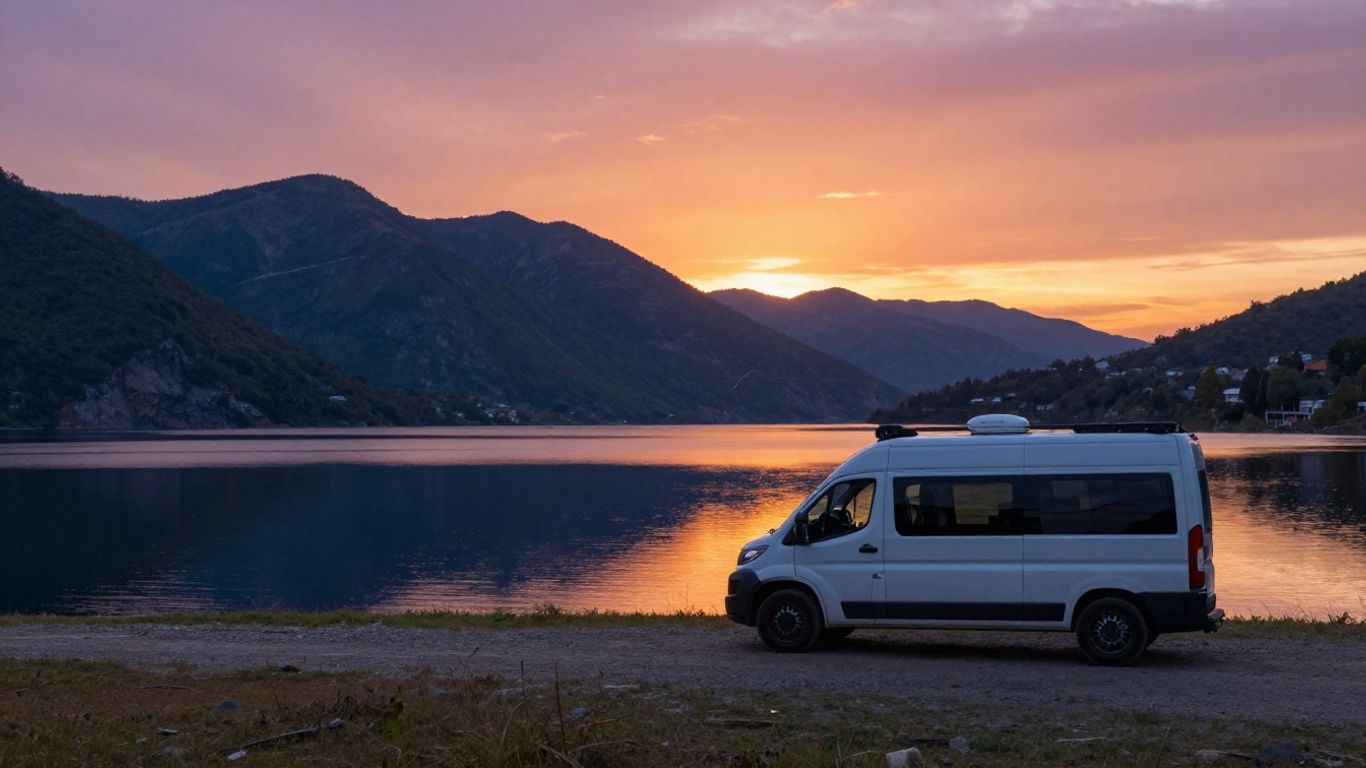
When you’re planning a campervan trip across Canada, figuring out where you’ll park it each night is a big part of the budget. It’s not just about finding a spot; it’s about what amenities you need and how much you’re willing to spend. The type of accommodation you choose can significantly impact your overall trip expenses.
Campground Fees and Amenities
Campgrounds are the most common place to stay in a campervan. They range from basic spots with just a place to park to full-service sites with hookups for electricity, water, and even sewage. Prices can vary a lot depending on the location and the facilities offered.
- Basic Campsites: These usually just offer a designated parking spot, maybe a picnic table and a fire ring. They’re the cheapest option, often found in more remote areas or national parks.
- Full-Service Sites: These come with electrical hookups (15, 30, or 50 amps), water connections, and sometimes sewer hookups. They’re more expensive but offer more comfort, especially if you need to run appliances or charge devices.
- Amenities: Look out for shared facilities like washrooms, showers, laundry, and communal kitchens. Some campgrounds even have Wi-Fi, though it’s not always reliable.
Here’s a rough idea of what you might expect to pay per night in 2026:
| Campground Type | Average Cost (CAD) | Notes |
|---|---|---|
| Basic | $30 – $50 | Often no hookups, shared facilities |
| With Hookups | $50 – $80 | Electrical, water, sometimes sewer |
| National Park Campgrounds | $40 – $70 | Varies by park, often scenic locations |
Comparing Campsites vs. Other Lodging
While campervans offer flexibility, it’s worth comparing campsite costs to other lodging options. Hotels and Airbnbs in popular Canadian destinations can be quite pricey, especially during peak season. For example, mid-range hotels in the Rockies might run you CAD $180-$350 per night. Even Airbnbs can fill up fast and command high prices. If you’re looking at a 14-night trip, the difference between staying in paid campgrounds versus hotels can add up to thousands of dollars.
Choosing to stay in campgrounds, even paid ones, generally offers a more budget-friendly approach compared to hotels or even some Airbnbs, especially when you factor in the convenience of having your campervan with you. It allows you to combine your transport and accommodation costs more effectively.
Budgeting for Campsite Reservations
Booking campsites in advance is highly recommended, particularly if you’re traveling during the summer months or visiting popular national parks. Spontaneity is great, but showing up without a reservation can lead to disappointment or having to settle for less ideal (and sometimes more expensive) options. Websites like Parks Canada, Recreation.gov (for some US border areas, though less common in Canada), and private campground chains are your best bet for booking. Factor in reservation fees and potential cancellation policies when you budget.
- Book Early: Especially for national parks and popular spots, book months ahead if possible.
- Consider Location: Sites closer to attractions or with better views might cost more.
- Membership Discounts: Some private campground chains offer membership programs that can save you money on nightly fees.
- Flexibility: If your dates are flexible, you might find better availability and rates.
Remember to check if your chosen campground has any specific rules for campervans, like size restrictions or generator usage times. Planning ahead will save you stress and potentially money.
National Park Passes and Fees
So, you’re planning to explore some of Canada’s amazing national parks in your campervan? That’s fantastic! Just remember, to actually get into these incredible places, you’ll need a Parks Canada pass. It’s a pretty straightforward system, but it’s definitely something to factor into your budget. Every vehicle entering a national park needs a pass displayed. This applies whether you’re just popping in for a quick look or planning to stay for a while.
Understanding Parks Canada Pass Options
Parks Canada offers a couple of main ways to get your park access sorted. You can buy a daily pass, which is good if you’re only visiting for a short time or just hitting one park. Or, if you’re planning on exploring multiple parks over a longer period, the Discovery Pass is usually the way to go. It’s an annual pass that covers unlimited entry to all national parks and national historic sites managed by Parks Canada.
- Daily Pass: Priced per person, per day. Good for short visits or single park explorations.
- Discovery Pass: An annual pass for unlimited access to all Parks Canada places. This is often the most cost-effective option for longer trips or if you plan to visit several parks.
Calculating Pass Costs for Your Itinerary
Figuring out the exact cost depends on how long you’ll be in the parks and how many people are in your campervan. For example, a daily pass might be around $11 per adult. If you’re a family or a group, you’ll need to multiply that by the number of adults. If you’re visiting for more than a week or plan to hit multiple parks like Banff, Jasper, and Yoho, the Discovery Pass quickly becomes the smarter financial choice. It’s usually around $83.75 for the year, which is a pretty sweet deal for unlimited access.
Maximizing Value with Annual Passes
If your campervan adventure involves more than a few days hopping between national parks, seriously consider the Discovery Pass. It’s not just for national parks; it also covers entry to national historic sites. This can save you a lot of money if your itinerary includes places like historic forts or significant heritage locations. You can purchase these passes online before you go or at the park gates when you arrive. Planning ahead can save you time and sometimes even a bit of money, so it’s worth looking into the Parks Canada website for the most current pricing and options.
Remember that park fees are separate from campground fees. You’ll pay for your park pass to enter the park boundaries, and then an additional fee if you plan to stay overnight in a designated campground within the park.
Food and Dining on the Road
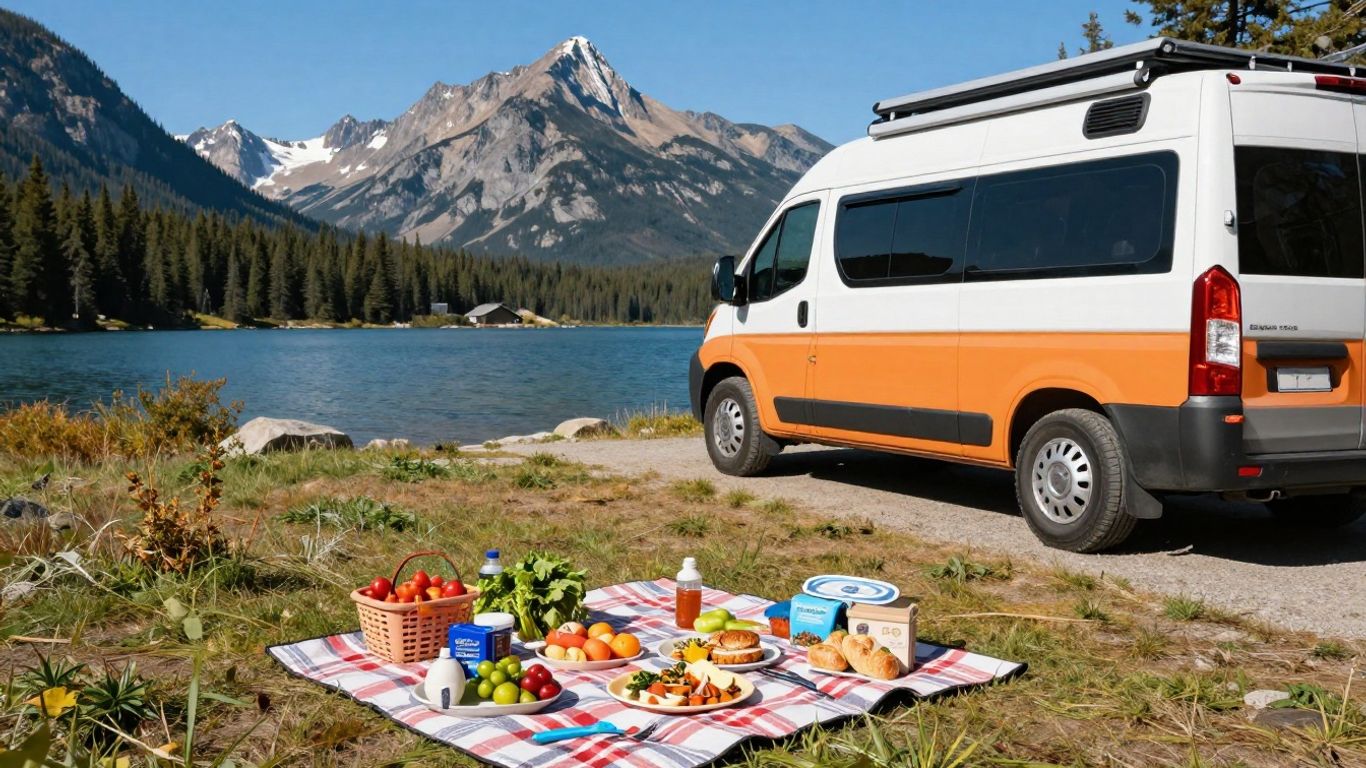
When you’re on a campervan trip across Canada, figuring out your food situation is a big part of the budget. It’s a balancing act between convenience and cost, and honestly, it can make or break your daily spending. You’ve got a few main ways to go about it, and each has its own price tag.
Groceries vs. Eating Out
This is probably the biggest decision you’ll make regarding food costs. Buying groceries and cooking your own meals in the campervan is almost always the cheaper route. Think about it: a loaf of bread, some cheese, and some deli meat for sandwiches will cost way less than buying a sandwich from a cafe every day. Plus, you can control what you eat, which is nice if you have dietary needs or just want to eat healthier.
On the flip side, eating out is just plain easier sometimes. After a long day of driving or hiking, the last thing you might want to do is chop vegetables and stand over a stove. Grabbing a quick bite or ordering a pizza can feel like a treat. However, these costs add up fast. A few restaurant meals or takeout orders can easily blow your food budget for the week.
Here’s a rough idea of how daily food costs can stack up:
| Option | Estimated Daily Cost (CAD) | Notes |
|---|---|---|
| Mostly Groceries | $30 – $50 | Cooking most meals, occasional treat |
| Mix of Both | $50 – $80 | Cooking some meals, eating out a few times |
| Mostly Eating Out | $80+ | Frequent restaurant meals and takeout |
Budgeting for Camp Cooking Supplies
Don’t forget the little things that go into making camp meals. You’ll need to factor in the cost of cooking oil, spices, condiments, coffee, tea, and maybe even some pre-packaged meals for those nights you’re too tired to cook from scratch. If you plan on doing a lot of camp cooking, it might be worth stocking up on non-perishables before you leave a major city, as prices can sometimes be higher in smaller towns or remote areas.
Also, consider things like paper towels, dish soap, and sponges. While not food, they’re necessary for keeping your cooking area clean and functional. These small items can add up, so add a little buffer for them.
Estimating Daily Food Expenses
To get a good estimate for your trip, think about your travel style. Are you a "make breakfast and lunch in the van, eat dinner out" kind of person? Or are you planning to be a gourmet chef on wheels, preparing three meals a day? Be realistic about your habits and preferences.
- Plan your first few days: When you first pick up your campervan, do a big grocery shop. This will give you a solid base and help you gauge how much food you can store.
- Research local prices: Fuel prices vary across Canada, and so do grocery prices. If you know you’ll be in a more remote or expensive region, adjust your budget accordingly.
- Factor in treats: It’s a vacation, right? Allow a little extra for those ice cream cones on a hot day, a coffee stop in a cute town, or a local craft beer with your campfire dinner.
The key is to find a rhythm that works for you. Some days you might be happy to spend less on food to splurge on an activity, while other days a hearty, home-cooked meal might be the highlight. Flexibility is your friend on a campervan trip.
Remember, these are just estimates. Your actual spending will depend on where you travel, what you eat, and how often you decide to treat yourself. It’s always a good idea to have a little extra wiggle room in your food budget for those unexpected culinary adventures or simple cravings.
Activities and Excursions
Beyond the driving and the sleeping arrangements, your campervan trip in Canada will likely involve some fun stuff to do. This is where the budget can really start to stretch, or where you can find some amazing free experiences. Think about what kind of traveler you are – are you all about adrenaline-pumping adventures, or do you prefer soaking in the scenery at a slower pace?
Budgeting for Tours and Adventures
Canada offers a huge range of paid activities. From whale watching tours on the coast to guided hikes in the Rockies, these can add up quickly. It’s a good idea to research prices for any specific tours or excursions you have in mind before you go. For example, a scenic gondola ride in Banff might cost around $50-$60, while a more involved experience like a grizzly bear refuge tour could be closer to $30 per person. Canoe rentals can also vary, with some places charging over $100 for an hour.
Here’s a rough idea of some activity costs:
| Activity | Estimated Cost (CAD) | Notes |
|---|---|---|
| Gondola Ride (e.g., Banff) | $50 – $65 | Varies by location and booking time |
| Canoe/Kayak Rental (1 hour) | $40 – $115 | Price depends on location and boat type |
| Guided Hike/Tour | $50 – $150+ | Depends on duration and exclusivity |
| Wildlife Viewing Tour | $75 – $200+ | Whale watching, bear tours, etc. |
| Museum/Attraction Entrance | $15 – $30 | Per person |
Free Activities to Save Money
Don’t let the paid activities drain your wallet! Canada is packed with incredible natural beauty that you can enjoy for free, or at least for the cost of a park pass. Hiking is a big one – there are trails for every fitness level, from gentle strolls to challenging mountain climbs. Many national and provincial parks offer stunning viewpoints, waterfalls, and beaches that don’t cost extra to access once you’re inside.
- Hiking: Explore countless trails in national and provincial parks.
- Scenic Drives: Take in the breathtaking landscapes from your campervan.
- Picnics: Pack your own food and enjoy meals with a view.
- Stargazing: Away from city lights, Canada offers amazing night skies.
- Wildlife Spotting: Keep an eye out for animals in their natural habitat (from a safe distance, of course!).
Balancing Experience and Cost
It’s all about finding that sweet spot. You don’t want to miss out on amazing experiences, but you also don’t want to come home broke. Prioritize what’s most important to you. Maybe one big splurge activity is worth it, while you can balance it out with several days of free exploration. Consider group activities if you’re traveling with others, as this can sometimes bring down the per-person cost. Also, look for package deals or discounts, especially if you’re visiting multiple attractions in one area.
When planning your activity budget, think about the memories you want to create. Sometimes a slightly more expensive experience that you’ll talk about for years is worth more than several cheaper, forgettable ones. Researching options and booking in advance can often save you money and guarantee your spot on popular tours.
Miscellaneous Expenses to Consider
When you’re planning your campervan adventure across Canada, it’s easy to focus on the major stuff—fuel, food, rentals. But if you skip the so-called minor expenses, your budget can still unravel fast. Unexpected costs have a sneaky way of adding up, especially on the road. Here’s a breakdown of those often-overlooked items you’ll want to fit into your spending plan.
Parking and Toll Fees
Don’t assume you’ll always find free parking or dodge road tolls. Cities like Vancouver and Toronto often have pricey parking, and some scenic highways include toll sections.
- Public city parking: $5–$20 per day
- Paid parking at attractions or trailheads: $2–$15 per visit
- Toll highways (like Ontario’s 407): $0.20–$0.40 per km, plus possible admin fees
Sample Parking & Toll Budget Table:
| Category | Typical Cost (CAD) |
|---|---|
| Daily urban parking | $10 |
| Attraction parking | $8 |
| Highway tolls | $20 per trip |
Personal Items and Souvenirs
It’s easy to forget all the little things that go along with van life:
- Toiletries and hygiene supplies
- Laundry (at campgrounds or laundromats)
- First aid or over-the-counter meds
- Charging cables, adapters, or other travel gadgets
- Gifts and memorabilia (those Mountie mugs are hard to resist)
Blockquote:
Even with a tight grip on my wallet, I always ended up picking up something unexpected, like a heavier jacket for chilly nights or a last-minute camp chair.
Contingency Funds for Unexpected Costs
Murphy’s Law loves a campervan trip. Setting aside a buffer is smart because…
- The RV fridge quits, and you need a repair.
- You hit a tire-popping pothole on a gravel road.
- Weather forces you to spring for a night in a hotel.
- Emergency dental or medical visits—never fun, but possible.
Rule of Thumb: About 10% of your total trip budget should go to ‘just in case’ costs. Sometimes you’ll spend less, but when things go sideways, you’ll be glad you planned ahead.
Quick Recap:
- Parking and tolls: Check local rules, plan for urban stops.
- Personal spending: Don’t forget the small stuff.
- Contingency savings: Trust me, even a couple hundred dollars extra can be a lifesaver.
Travel always brings surprises. If you budget for the unexpected, your trip won’t stall just because of a broken charger, a parking ticket, or a night of stormy weather.
Comparing Travel Styles: Camping vs. Campervan
So, you’re thinking about a trip to Canada and weighing up your options: roughing it in a tent or cruising around in a campervan? Both have their perks, but they really hit your wallet differently. Let’s break it down.
Cost Breakdown for Camping
Camping is definitely the budget-friendly champion here. You’re looking at the cost of a tent, sleeping bags, and basic cooking gear. Then, there are campsite fees, which can vary, but are generally much lower than campervan sites. Plus, you’ll be buying groceries and cooking most of your meals, which keeps food costs down.
- Gear: Tent, sleeping bags, cooking stove, cooler, basic utensils.
- Accommodation: Campground fees (often with shared facilities like kitchens and bathrooms).
- Food: Primarily groceries, cooked at the campsite.
For a 14-day trip, you might spend around CAD $860 on camping gear, campsite fees, and food, assuming you bring some items from home and shop smart.
Cost Breakdown for Campervan Rentals
Campervans offer a lot more comfort and convenience, but that comes at a price. You’ve got the rental cost itself, which can be substantial, plus insurance and often mileage packages. Then there are fuel costs, which add up quickly with a larger vehicle, and campsite fees, which can be higher for designated campervan spots with hookups.
- Rental: Daily or weekly rental fees for the campervan.
- Add-ons: Insurance, mileage packages, sometimes cleaning fees.
- Fuel: Significant cost due to vehicle size and distance traveled.
- Accommodation: Campsite fees, potentially higher for full hookups.
For a similar 14-day trip, a campervan rental, including fuel, insurance, and campsites, could easily run upwards of CAD $5,000, not including a hefty security deposit.
Financial Implications of Each Choice
When you look at the numbers, the difference is pretty stark. Camping can save you thousands of dollars over a couple of weeks, money that can be spent on activities or simply enjoyed. A campervan offers a more hotel-like experience on wheels, but it’s a significant investment. Choosing between camping and a campervan really comes down to your priorities: budget versus convenience and comfort.
If you’re aiming for an immersive nature experience and want to stretch your travel funds as far as possible, traditional camping is the way to go. If you value having your own space, a bed that’s always made, and the ability to cook more elaborate meals on the road without setting up a tent, then a campervan might be worth the splurge, provided you budget accordingly for all the associated costs.
So, What’s the Damage?
Alright, so we’ve walked through all the nitty-gritty details of budgeting for a campervan trip across Canada. It’s clear that while the allure of the open road and waking up to stunning views is strong, the costs can add up faster than you might think. Whether you’re leaning towards the full campervan experience, opting for a more budget-friendly camping setup, or even considering hotels, having a solid plan is key. Remember, prices can shift, and your own travel style will play a big part. But with a little research and smart choices, that dream Canadian adventure is totally within reach. Happy travels!
Frequently Asked Questions
What’s the biggest expense for a campervan trip in Canada?
Accommodation is usually the biggest cost. Hotels can be very pricey, especially in popular areas. Campervan rentals themselves can also add up quickly with hire fees, insurance, and mileage charges. Camping is often the most budget-friendly option for staying overnight.
How much does it cost to rent a campervan in Canada?
Renting a campervan can vary a lot. For a 2-person campervan, expect to pay around CAD $2,300 for a couple of weeks. This price can change a lot depending on the size of the campervan, how long you rent it for, and the time of year you travel.
What are the typical fuel costs for a campervan trip?
Fuel costs can add up because campervans use more gas than regular cars. For a trip covering about 2,000 kilometers, you might spend around CAD $720 on fuel. Prices at the pump change, so it’s good to check current rates.
How much should I budget for food on a campervan trip?
If you plan to cook most of your meals in the campervan, you can save a lot. Budgeting around CAD $37 per person per day for food is a good starting point. Shopping at places like Walmart can help keep grocery costs down.
Are National Park passes expensive in Canada?
Yes, you need a pass to enter National Parks like Banff and Jasper. A daily pass costs about CAD $11 per adult. If you’re staying for a while, a yearly Discovery Pass for around CAD $84 might be a better deal, offering unlimited access.
What are some ways to save money on a campervan trip?
Camping instead of staying in hotels or renting a campervan can save thousands. Cooking your own meals, looking for free activities like hiking, and traveling during the less busy seasons can also help reduce costs.
How much does camping cost in Canada?
Camping can be quite affordable. For campsites, including fire permits, you might spend around CAD $280 for a couple of weeks. Add in camping gear like a tent and cooking supplies, and the total could be around CAD $600 to $800.
What are some extra costs to consider for a campervan trip?
Don’t forget about smaller expenses like parking fees, tolls, personal items, souvenirs, and setting aside some money for unexpected costs. These ‘incidentals’ can add up to about CAD $300 or more.