Thinking about hitting the road for a Canadian RV trip? There are so many things to consider, from the type of RV you rent to the route you pick and even where you decide to camp. Add in fuel, food, and all the little extras, and it can really add up. But with a bit of planning, you can get a good idea of what you’ll be spending and maybe even find some ways to save a few bucks along the way.
Key Takeaways
Booking campsites and RV rentals ahead of time—especially during busy months—can save you money and stress.
Cooking your own meals in the RV can really help cut down on daily expenses compared to eating out.
Understanding Canada RV Trip Costs
The biggest variable is usually how you plan to travel and what kind of RV you choose.
Factors Influencing Your Canada RV Trip Costs
Several things can really change how much your trip ends up costing. Think about:
RV Size and Type: A small camper van is cheaper to rent and run than a large motorhome.
Your Travel Style: Are you hitting up fancy campgrounds every night or looking for free spots? This makes a huge difference.
Budgeting for a Canadian RV Adventure
Creating a budget helps you stay on track. It’s good to break it down into categories. Here’s a rough idea of what to consider:
Fuel: Canada is vast, so fuel will be a significant expense.
Food: Eating out versus cooking in your RV.
Activities & Attractions: National park passes, tours, etc.
Contingency: Always have a buffer for unexpected issues.
It’s wise to set aside a daily spending limit for food and activities. This helps prevent overspending without realizing it, especially when you’re enjoying yourself and exploring new places. Remember that even small purchases can add up quickly over a long trip.
Comparing RV Rentals vs. Car Travel Costs
Plus, you save money on food by cooking your own meals.
Choosing the Right RV for Your Budget
When you’re looking at RV rentals, the first thing that hits you is the sheer variety. It can feel a bit overwhelming, but it’s actually a good thing because it means you can find something that fits your budget and your travel style. Think about who’s going with you. If it’s just you or you and a partner, a smaller campervan or a Class B motorhome might be perfect. For families, a Class C motorhome often makes more sense. They usually have more sleeping space, sometimes with that fun over-the-cab bunk that kids love.
Remember, these are just ballpark figures. You might find deals, especially if you book during the off-season or for longer rental periods.
One-Way RV Rental Fees and Considerations
Taking an RV one way, like flying into one city and dropping the vehicle off in another, is super convenient for certain trip plans. It means you don’t have to backtrack, saving you time and miles.
Plan Ahead: One-way rentals are best when you have a clear start and end point in mind and don’t want to loop back.
It’s a big part of the budget.
Limited Availability: Not all rental companies offer one-way trips, and the availability of specific RV models might be more restricted.
Check Rental Company Policies: Some companies might have minimum rental periods or specific drop-off locations for one-way rentals.
If you’re considering a one-way trip, do your homework early.
Included Amenities and Additional Rental Costs
You’ll want to look closely at what’s actually included. Most rentals come with the basics: the RV itself, a full tank of gas (which you’ll need to replace before returning), and sometimes basic kitchenware. But there are often extra charges for things you might assume are standard.
Mileage: Some rentals include unlimited mileage, while others have a daily or total mileage limit. Going over can get expensive fast.
Generator Use: If you plan to use the generator for power (like running the AC or microwave when not hooked up), there might be an hourly charge.
Propane: While usually included, you might have to pay to refill the propane tank if you use a lot of it.
Optional Extras: Think about things like linens, towels, camping chairs, or even a portable grill.
Insurance: Don’t forget insurance! Understand what coverage you’re getting.
Fuel Costs for Your Canadian RV Journey
Fuel will likely be your biggest ongoing expense on an RV trip across Canada. The bigger your rig, the more you’ll pay to fill up, especially if you’re driving across stretches of the Prairies or up steep mountain passes.
Plan routes with fewer detours to save fuel.
Use cruise control and keep speeds consistent.
Campsite Fees and Overnight Stays
You’ll need somewhere to park every night. Some RV travelers go for official campgrounds: they’re safe, offer showers, and sometimes have full amenities. Others wing it and try parking for free, but not all places allow overnight parking.
When looking for a spot:
Apps like iOverlander help you find both free and paid sites
Booking busy sites ahead is wise in summer
Food and Dining on an RV Trip
Cooking in your RV will save you a ton compared to eating out every meal, but it’s not always possible, especially if you’re moving a lot or don’t have a full kitchen setup. People often spend $20–$35 per person daily if cooking most meals, but eating out a couple of times per day can push your food budget toward $50 or more.
Ways to manage food expense:
Take advantage of local farmers markets for fresh food
Limit restaurant and coffee shop stops—it adds up fast
Some days you’ll spend more than planned—splurging for a nice dinner, or needing quick snacks while on the go. Other days, it’s just sandwiches and instant coffee, and you’ll come in under budget.
Route Planning and Its Impact on Costs
Think about it – driving from the west coast to the east coast is a whole different ballgame financially than just exploring a single province. The roads you choose, the terrain you drive through, and the places you decide to stop all add up.
Coastal Drives vs. Cross-Country RV Itineraries
Taking a trip along the coast, like the Pacific Marine Circle Route in British Columbia or the Cabot Trail in Nova Scotia, often means shorter distances between stops but potentially more scenic (and sometimes slower) roads. This can affect your fuel consumption. On the flip side, a cross-country journey covers thousands of kilometers. While you might find more direct highways for longer stretches, the sheer distance means a significant fuel bill and potentially more overnight stays.
Coastal Routes: Generally shorter overall distances, more winding roads, frequent stops for attractions, potentially higher fuel use per mile due to terrain.
Cross-Country Routes: Vast distances, often utilizing major highways for efficiency, but requiring more fuel and longer travel times between points of interest.
Mountainous Regions and Their Travel Expenses
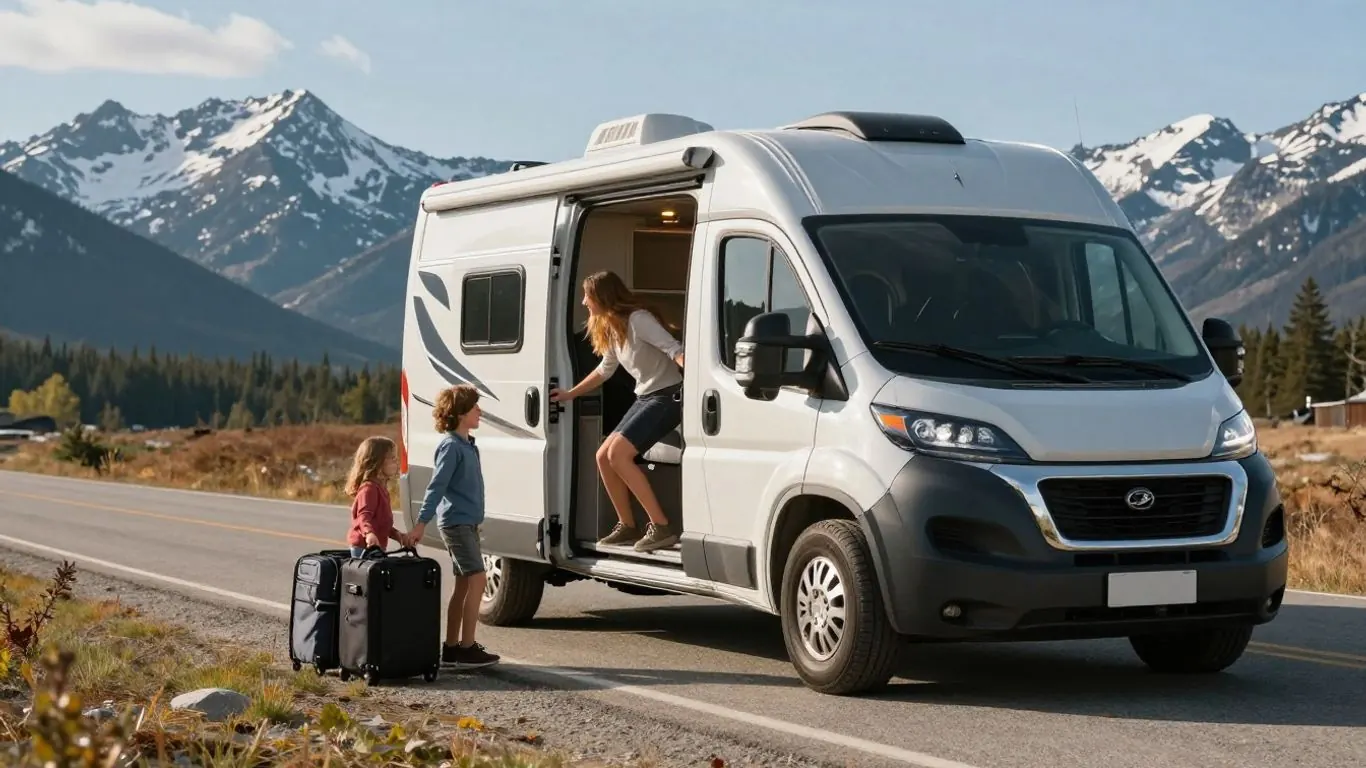
Steep inclines and descents mean your RV’s engine will work harder, burning more fuel. You might also find that some mountain passes have restrictions on larger vehicles, forcing you to take longer, more circuitous routes. Plus, the views are amazing, but sometimes those mountain roads can be slow going, adding time to your travel days.
National Parks and Scenic Route Considerations
Canada boasts incredible national and provincial parks, and many scenic routes are designed to showcase them. Some popular park campgrounds require advance booking and can be pricier than general campsites. It’s a trade-off between the experience and the expense.
Planning your route carefully can help you balance the desire for scenic beauty with the need to manage your budget. Sometimes, a slightly less direct path can lead to unexpected discoveries and memorable experiences without breaking the bank.
Cost-Saving Strategies for RV Travel
RV trips can add up, but there are definitely ways to keep your spending in check. It’s all about being smart with your choices before and during your journey. Thinking ahead can make a big difference to your wallet.
Tips for Reducing Daily Spending
Plan your meals: Eating out every meal is a quick way to blow your budget. Plan your meals ahead of time and utilize your RV’s kitchen. Pack snacks and drinks for day trips instead of buying them on the go.
Look for free activities: Canada has tons of natural beauty. Hiking, exploring local parks, and enjoying scenic viewpoints are often free. Check local tourism websites for free events or attractions in the areas you’ll be visiting.
Be mindful of fuel consumption: Drive at a steady, moderate speed. Avoid rapid acceleration and braking, which wastes fuel. Ensure your RV’s tires are properly inflated, as this also impacts fuel efficiency.
Utilize apps for budgeting: Apps like Trail Wallet can help you track your spending in real-time. This keeps you accountable.
Finding Affordable or Free Overnight Parking
While campgrounds are great, they aren’t the only option.
Boondocking: This means parking your RV in a location without any hookups (water, electricity, sewer). Many national forests and Bureau of Land Management (BLM) lands in Canada allow free overnight parking. Always check local regulations first.
Rest Stops and Truck Stops: Some rest areas and truck stops allow overnight parking for RVs. These are usually basic but convenient for a quick overnight stay, especially when you’re on a long driving day.
Walmart Parking Lots: While not officially sanctioned for overnight stays everywhere, many Walmarts allow RVs to park overnight. It’s best to call the specific store ahead of time to confirm their policy. This is a good option for a pinch, but not for a relaxing night.
This is less common but worth inquiring about if you’re in a smaller town.
The key to finding affordable or free overnight spots is flexibility and research. Apps like iOverlander or Campendium can be incredibly helpful for locating these types of places, often with reviews from other RVers. Always be respectful of the land and leave no trace.
Maximizing Your RV’s Fuel Efficiency
Fuel is a significant expense on any RV trip, so getting the best mileage possible is smart.
Remember, a little bit of planning and attention to detail can go a long way in making your Canadian RV adventure more affordable. Happy travels!
Western Canada RV Trip Cost Breakdown
Western Canada is a dream for RVers, with its stunning coastlines, majestic mountains, and vast prairies. It’s not just about the rental, but all the bits and pieces that add up.
Vancouver to Calgary RV Itinerary Costs
This classic route takes you from the Pacific coast through the Canadian Rockies. It’s a popular choice for a reason, offering incredible scenery.
RV Rental: Varies widely based on RV size and rental duration.
Fuel: This route is roughly 1000 km.
Booking ahead is a must, especially in peak season.
This itinerary is fantastic for seeing diverse landscapes, from coastal rainforests to alpine meadows. It’s a journey that really showcases the grandeur of Western Canada.
Exploring the Okanagan Valley by RV
The Okanagan Valley is known for its lakes, vineyards, and sunny weather. It’s a more relaxed pace than the mountain passes.
Shorter Distances: If you base yourself in one area, you might save on fuel compared to a cross-country trek.
Rocky Mountain National Park RV Expenses
Visiting the Canadian Rockies, including areas like Banff and Jasper National Parks, requires careful planning.
25 for a year for a small group or family.
Wildlife Viewing: While free, be prepared for potential delays or detours if wildlife is present on the roads.
Eastern Canada RV Trip Cost Considerations
Think historic towns, rolling farmland, and a coastline that just keeps going.
Atlantic Canada RV Adventure Budgets
Exploring the Maritimes by RV is all about the scenic routes and charming small towns. Expect to pay more for spots with full hookups, especially in popular areas like Prince Edward Island during the summer.
Fuel: Distances might seem shorter, but winding coastal roads can use more fuel than you’d expect. Budget around $50-$80 per day for gas.
Food: Eating out can add up, but stocking your RV fridge with local produce and seafood is a great way to save money and taste the region.
Planning ahead is key, especially for popular spots in Nova Scotia or Newfoundland. Booking campsites a few months in advance can save you stress and potentially money.
Exploring Quebec and Ontario by RV
These two provinces offer a huge variety of landscapes and experiences. You can cruise through the Laurentian Mountains in Quebec or explore the Great Lakes region in Ontario.
Urban RVing: Parking and camping near big cities can be pricey. Look for campgrounds on the outskirts or consider using RV parks with good transit access.
Reservations are almost always necessary.
Activities: Quebec and Ontario have a lot of museums, historical sites, and festivals.
Trans-Canada Highway RV Travel Expenses
Driving the Trans-Canada Highway is the classic cross-country experience. A rough daily estimate for this route could be $150-$275, heavily influenced by your driving speed and how often you stop.
Fuel Efficiency: Keep an eye on your RV’s mileage. Driving at consistent, moderate speeds on the highway is your best bet for saving on gas.
) to full-service RV resorts.
Groceries vs. Dining: Similar to other regions, cooking your own meals will stretch your dollar much further than eating out every night, especially on a long haul.
Navigating Campsite Facilities and Costs
Overnight costs depend on the type of site, which ranges from basic park campsites to private RV parks with full services. Understanding these differences will help you budget and find the right kind of stay for your adventure.
Provincial Park Campground Fees
Provincial parks often offer a more natural setting for your RV. Think lakeside spots or sites nestled among trees. These places usually have a check-in building where you can grab essentials like ice and firewood. You’ll typically find washrooms with showers and laundry facilities, but remember to have some Canadian coins ( loonies’) handy for the machines. Many provincial park sites offer electrical hookups, and there are usually stations for filling up your water tank and dumping waste. The main draw here is the location; you might find yourself parked right by a stunning lake or a forest trail.
Private Campground Amenities and Pricing
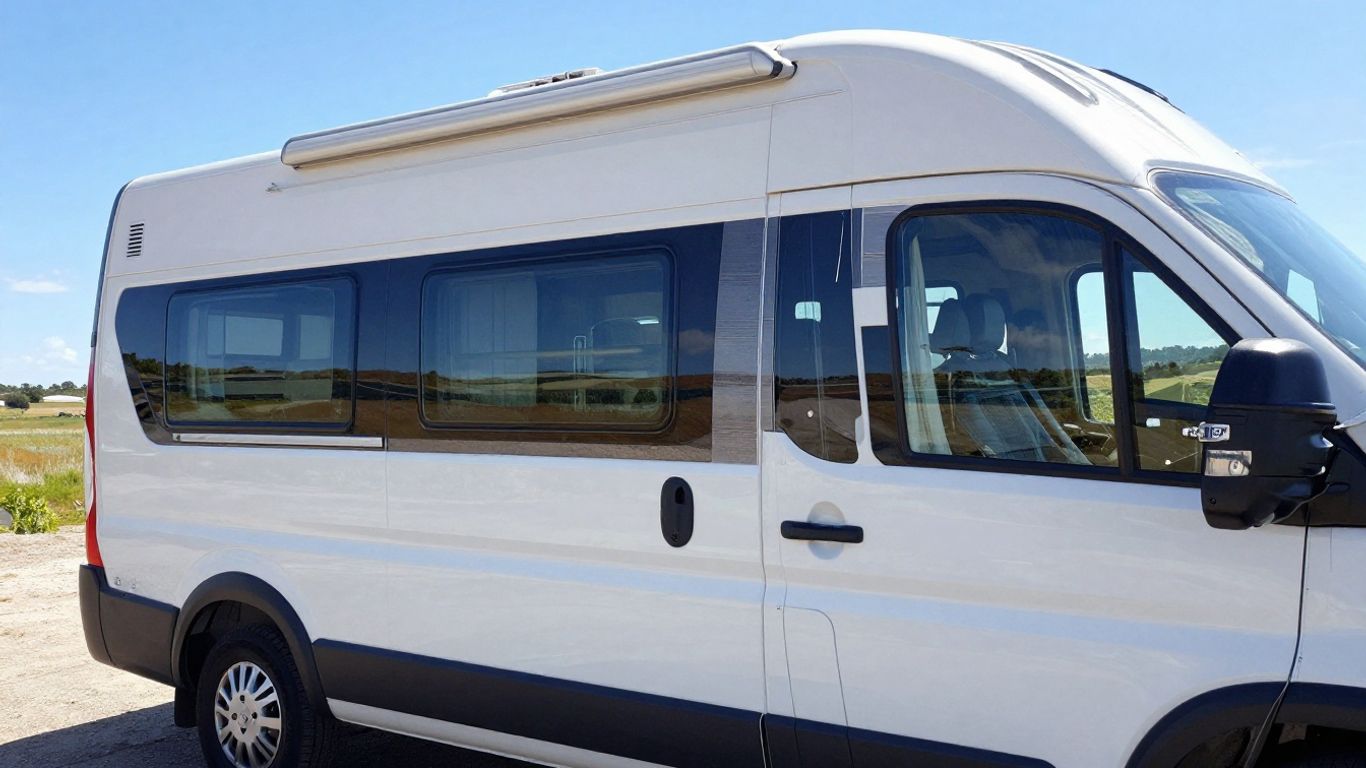
Private campgrounds tend to be larger and often come with more amenities. These can include things like on-site shops, cafes, and even swimming pools. If you’re looking for more creature comforts, these are the places to consider. They often have more pull-through’ sites, which make parking easier, and you’re more likely to find full hookups for power, water, and sewage right at your spot.
Understanding Hookup Options and Their Costs
Hookups are a big deal for RV comfort. You’ll see terms like full hookup,’ which means you can connect to electricity, water, and sewer. Some sites only offer electrical hookups, meaning you’ll still need to manage your water and waste tanks yourself. Then there are no hookup’ sites, which are often the most affordable and common in more remote or natural settings. Knowing what you need – whether it’s just power or the full package – will affect both your comfort and your budget. You can find great resources for locating campgrounds using apps like iOverlander, which is free and crowd-sourced by fellow RVers.
Emptying the RV’s waste tanks is a common concern for new RVers, but it’s usually straightforward. Your RV has separate tanks for grey water (from sinks and showers) and black water (from the toilet). Most campsites have a designated dumping station. It’s a good idea to get heavy-duty gloves and perhaps some tank cleaner to make the process less daunting.
Solo RV Travel vs. Group Trip Costs
The size of your group changes the budget. It’s not just about the RV itself, but how you split everything up.
Affordability of Solo Cross-Canada RV Trips
Going it alone in an RV can seem expensive at first glance because you’re not sharing any expenses. However, solo travelers often opt for smaller, more fuel-efficient RVs like campervans or truck campers. These are generally cheaper to rent or buy and use less gas. Plus, you have complete control over your spending – no compromises needed!
Vehicle Choice: Smaller RVs are cheaper to rent and run.
Food: Cooking all your meals in the RV is a significant money-saver.
Cost Benefits of Traveling with Friends
Teaming up with friends for an RV adventure can be a smart financial move. This approach makes longer trips or more ambitious routes, like exploring the shoulder seasons in Canada, much more feasible. It’s a great way to experience the country without breaking the bank.
It’s a practical way to enjoy the freedom of RVing.
Additional Costs for Your RV Adventure
It’s easy to forget about these little things when you’re planning, but they can really impact your overall budget. Thinking about these ahead of time can save you from any unwelcome surprises down the road.
Activity and Attraction Expenses
Think about what you want to experience. Are you planning on visiting national parks? What about museums, historical sites, or unique local attractions? Even something as simple as a scenic boat tour or a guided hike can add to your daily spending.
National Park Pass: Varies, but a Discovery Pass can cover entry to many parks for a year.
Museum Admission: $15 – $30 per person, depending on the museum.
Boat Tours: $50 – $150+ per person for scenic or wildlife tours.
Guided Hikes/Tours: $30 – $100+ per person.
, theme parks, zoos): $40 – $100+ per person.
Souvenirs and Personal Spending
This is the fun stuff, right? You’ll likely want to pick up a few mementos to remember your trip. This could be anything from a "Canada" t-shirt to local crafts or unique food items. Don’t forget about personal spending too – maybe you’ll want to treat yourself to a nice meal out one night, grab some local coffee, or buy a good book for those quiet evenings.
It’s a good idea to set a daily or weekly limit for yourself here. It’s easy to get carried away when you’re on vacation!
Contingency Funds for Unexpected Costs
No matter how well you plan, things can happen. Your RV might need a minor repair, you could get a flat tire, or maybe you just decide to take an unplanned detour to see something amazing. Having a buffer in your budget for these unexpected events is really smart. It takes the stress out of a situation if something goes wrong.
A good rule of thumb is to add an extra 10-15% to your total estimated budget for unforeseen expenses. This rainy day’ fund can be a lifesaver and allow you to handle minor emergencies without derailing your entire trip. It’s better to have it and not need it, than to need it and not have it!
Wrapping Up: What to Expect from a Canada RV Trip
Your expenses will depend a lot on your route, how many people are traveling, and what kind of RV you pick. Some folks like to keep it simple and stick to basic campsites, while others want all the hookups and extra comforts. Planning ahead definitely helps, especially if you want to snag the best campsites or save a bit on rental deals. But honestly, the best part is the freedom—being able to stop wherever you want, take in the views, and meet other travelers along the way. Whether you’re crossing the whole country or just exploring one province, an RV trip in Canada is a pretty special way to see it all. Just remember to plan a little, budget for the unexpected, and enjoy the ride.
How much does it generally cost to rent an RV in Canada?
It depends on the size and type of RV you choose, how long you rent it for, and the time of year. Smaller RVs or camper vans might start around $100-$200 per day, while larger, more luxurious ones could be $250-$500 or more per day.
What are the main daily expenses I should expect on an RV trip in Canada?
On a typical day, you’ll spend money on fuel, which can be a big one since RVs use a lot of gas. Don’t forget food – whether you cook your own meals or eat out, it adds up. Budgeting around $100-$200 per day for these basics is a good starting point.
Are one-way RV rentals more expensive?
It’s often worth it for the convenience.
How do different routes affect the cost of an RV trip in Canada?
The route you choose makes a big difference. Shorter, more focused trips can help save money.
What are some good ways to save money on a Canadian RV trip?
You can save money by cooking most of your meals instead of eating out, looking for free or cheaper campsites (like provincial parks or rest stops where allowed), and driving more fuel-efficiently by not speeding.
What kind of facilities can I expect at Canadian campsites?
Campsites in Canada vary a lot. Some are very basic, offering just a place to park, while others are like resorts with pools, shops, and laundry. Provincial parks often offer a more natural setting. Most will have washrooms and showers, and many offer hookups for electricity and water. It’s good to check what a specific campsite offers before you book.
Is it cheaper to travel solo in an RV or with a group?
Traveling with a group is often more affordable per person.
Besides the RV rental and daily expenses, what other costs should I plan for?
Don’t forget to budget for activities and attractions, like visiting national parks, museums, or going on tours. Souvenirs and personal shopping are also expenses to consider. Aim for at least 10-15% extra for unexpected things.
Use this guide for trip ideas, not a current quotation or a guarantee of access, safety, inclusions or availability. Confirm the requirements and conditions for your dates, destination and provider before booking.