

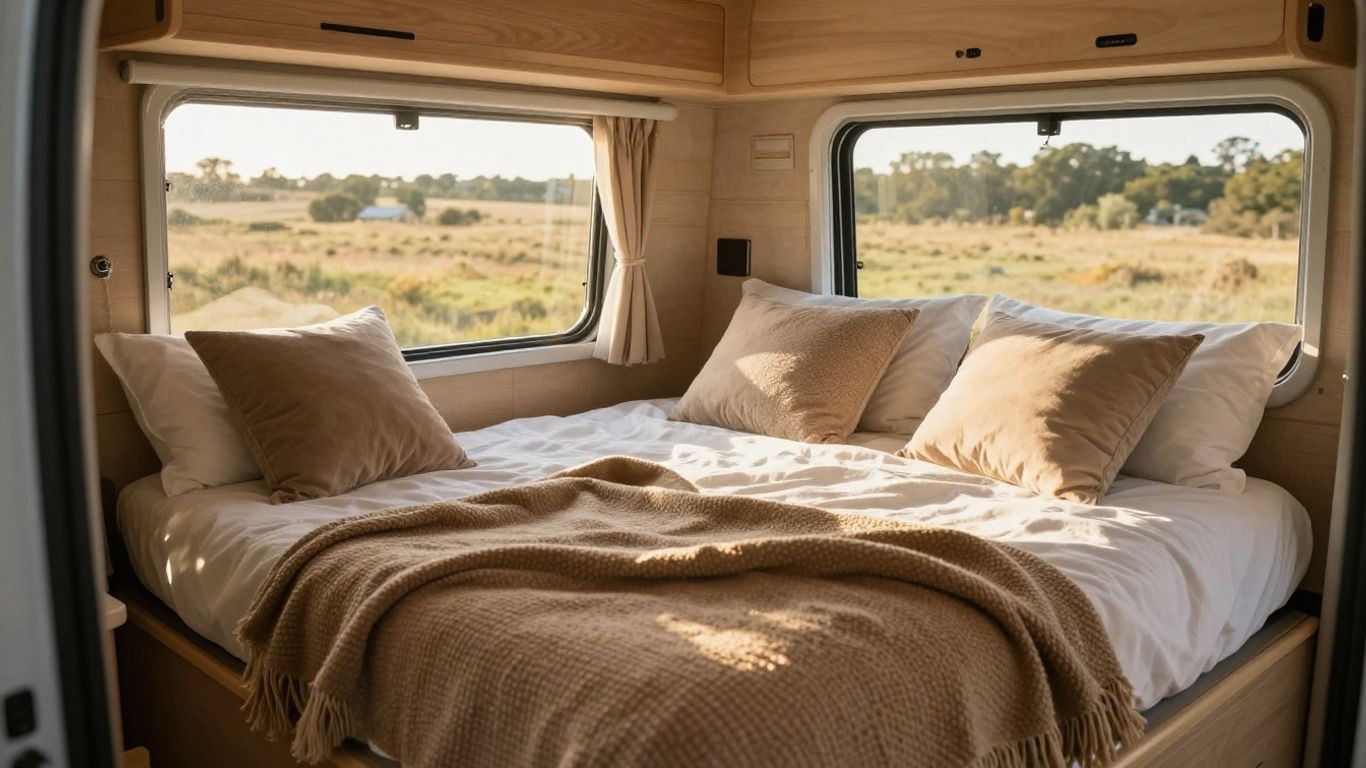
Thinking about renting a campervan in Canada? It’s a fantastic way to see the country, but there are tons of little add-ons and details to figure out. One common question is about the campervan rental Canada bedding kit. Do you need it? What’s included? We’re breaking down what you can expect so you can pack smart and hit the road without any surprises.
Key Takeaways
- The standard campervan rental usually includes basic kitchenware like plates, bowls, mugs, and utensils for the number of people in your group.
- A campervan rental Canada bedding kit typically provides a duvet, pillows, and sheets, often doubled for four-person vehicles.
- Consider packing soft bags or backpacks, as they are easier to store in the limited space of a campervan.
- While a bedding kit is provided, you’ll need to bring your own bath towels and personal comfort items.
- Be aware that campervan power is limited, so leave high-energy items like hair dryers at home unless you plan to use campground facilities.
Understanding Your Campervan Rental Inclusions
So, you’re thinking about hitting the road in a campervan across Canada. Awesome choice! But before you start dreaming of mountain views and campfire songs, let’s talk about what actually comes with your rental. It’s not always obvious, and knowing the basics can save you a lot of hassle (and money).
What Comes Standard With Your Rental
Most campervan companies include the basics to get you started. Think of it like renting a hotel room – there are certain things you expect to be there. For campervans, this usually means the vehicle itself, obviously, and often some basic furnishings. The goal is to provide a functional living space, not necessarily a fully stocked home.
Here’s a general idea of what you can typically expect:
- Sleeping Area: Beds with mattresses are standard. However, you’ll usually need to bring your own bedding.
- Seating Area: A place to sit and eat or relax.
- Basic Storage: Cupboards and drawers for your belongings.
- Vehicle Essentials: Things like a spare tire, basic tools, and a first-aid kit.
It’s always a good idea to get a detailed list from your rental company before you book. Don’t assume anything!
Essential Kitchenware Provided
Cooking in a campervan is part of the adventure, and thankfully, most rentals come with the core kitchen gear. This means you won’t have to pack your entire kitchen sink.
Typically, you’ll find:
- Stove: Usually a two-burner propane stove. You’ll need to buy propane canisters separately.
- Cooler: For keeping your food fresh. Some rentals offer an upgrade to a mini-fridge.
- Cookware: Pots and pans for cooking.
- Dishware: Plates, bowls, cups, and cutlery for a few people.
- Utensils: Spatulas, serving spoons, etc.
What’s often not included are things like a coffee press, tea kettle, or specialized cooking tools. You can usually boil water in the provided pots for coffee or tea. And those little green propane canisters for the stove? They’re a common purchase at most grocery or outdoor stores, costing a few dollars each and lasting a few days depending on how much you cook.
The Campervan Rental Bedding Kit Explained
This is where things can get a bit fuzzy if you don’t ask. While the van will have mattresses, the actual bedding – sheets, pillows, blankets, and duvet – is often an optional add-on, or something you’re expected to bring yourself. Renting a bedding kit is usually a good idea if you don’t want to pack your own.
Think about it: packing your own pillows and duvets takes up a lot of space. A rental kit typically includes:
- Fitted sheets
- A duvet or comforter
- Pillows
- A pillowcase for each pillow
Sometimes, a towel might be included, but don’t count on it. Always clarify what’s in the bedding kit and if towels are separate. If you decide to skip the rental kit, make sure you pack warm layers, as Canadian nights can get chilly, even in summer. The van itself will have insulation, but personal warmth is key.
Essential Add-Ons For Your Canadian Campervan Adventure
So, you’ve got your campervan booked and you’re dreaming of the open road. But before you hit the gas, let’s talk about those little extras that can make a big difference on your Canadian journey. Think of these as the cherry on top, the things that take your trip from good to great.
Navigating Transportation To Your Campervan
Getting to your campervan is the first step. Depending on where you pick it up, you might have a few options. Some rental companies offer shuttle services directly from airports or downtown areas, which can be super convenient if you’re flying in. Others might suggest public transport or taxis. If you’re driving your own car to the rental location, check if they have parking available for the duration of your trip. It’s always a good idea to figure this out beforehand so you’re not scrambling at the last minute. For example, if you’re flying into Montreal, there are shuttle services like Aéro Navette that can take you right to your campervan’s doorstep, or Limocar for a direct transfer from downtown.
Considering Additional Comforts
While your campervan rental likely comes with the basics, there are a few add-ons that can seriously boost your comfort. One thing to consider is a mini-fridge. While the standard cooler is fine, having a fridge means you can keep more food fresh, do a bigger grocery shop, and avoid those mid-trip ice runs. It really helps with meal planning. Another comfort to think about is bedding. Most rentals include a duvet, pillows, and sheets, but double-check what’s provided. If you’re someone who likes a bit of extra coziness, you might want to bring a favorite throw blanket. Also, consider the temperature. Canadian nights can get chilly, even in summer. Your van will likely have a heater, but packing layers is key. Sunshades for the windows are also a smart move; they keep the van cooler during hot days and offer privacy at night.
Packing Smart For Your Journey
When it comes to packing for a campervan trip, think smart and light. Soft bags or backpacks are generally easier to store than rigid suitcases, as they can be squished into nooks and crannies. Keep your living space as uncluttered as possible – it makes a huge difference. Think about easy-to-prepare meals too. You won’t have a full kitchen, so recipes that require minimal cooking and cleanup are your best friends. Things like pasta dishes or fajitas work well. Don’t forget essentials like a good set of reusable water bottles and maybe some battery-powered fairy lights to add a magical ambiance in the evenings. Being organized before you even leave home will save you a lot of hassle on the road.
Remember that the deposit for a campervan rental can be quite a bit higher than for a hotel. While it’s usually refunded within a week or so after you return the vehicle, it’s something to factor into your budget. It makes sense, given the value of the vehicle, but it’s good to be prepared for that upfront cost.
Here’s a quick look at what might be included and what could be an add-on:
| Item | Typically Included | Potential Add-On/Consideration |
|---|---|---|
| Bedding | Yes | Extra blankets, personal pillows |
| Kitchenware | Yes | Mini-fridge, specialized tools |
| Transportation | Varies | Shuttle services, parking |
| Power | Portable station | Campground hookups (15/50 amp) |
When you’re planning your trip, it’s worth checking the specifics of your rental agreement. Some companies might have mileage limits, which can affect your travel plans and budget. Understanding these details upfront helps avoid surprises and lets you focus on enjoying the incredible scenery Canada has to offer. You can find more information on RV rental costs in Canada to help budget for your adventure.
Maximizing Your Campervan Experience
So, you’ve got your campervan, and you’re ready for an adventure. But how do you make sure it’s not just a trip, but a truly great experience? It’s all about making smart choices before and during your journey. Think about how you can make the most of the space, keep things running smoothly, and just generally enjoy the freedom that comes with having your home on wheels.
Extending Your Rental Period
Sometimes, you get on the road and realize you’re having too much fun to stop. If you’re thinking about extending your rental, it’s usually possible, but you need to act fast. Availability can change quickly, so the sooner you let the rental company know, the better your chances. It’s always a good idea to call them as soon as you know you’d like more time. They want you to have a good trip, and they’ll do their best to work with you if they can.
Maintaining Your Campervan Cleanliness
Living in a small space means it can get messy fast. Shoes off at the door, a quick sweep each day, and keeping things put away makes a huge difference. It’s not just about looks; a tidy van is a more comfortable van. When it’s time to return the vehicle, a little extra effort goes a long way. Make sure to wipe down surfaces, clean any dishes, sweep the floor, and get rid of all trash and leftover food. Taking a few photos before you hand it back is a good idea too.
Understanding Vehicle Power Capabilities
Campervans have power, but it’s not like your house. You can’t just plug in a high-powered hairdryer and expect it to work. The onboard power system is usually set up for essentials. Many campgrounds offer different power hookups, like 15-amp or 50-amp. A 50-amp connection is much faster for charging, getting you a full charge in about 7 to 9 hours, which is great for keeping your devices ready. It’s worth looking for campsites with better power options if you plan on using more electronics.
Don’t forget that the van’s power isn’t unlimited. Think about what you really need to power up. Maybe skip the high-wattage appliances and stick to charging phones, cameras, and laptops. You might even find that you don’t miss those power-hungry gadgets as much as you thought you would when you’re out exploring.
Here’s a quick look at power considerations:
- Device Charging: Phones, cameras, laptops are usually fine.
- High-Power Appliances: Hair dryers, toasters, and similar items may not work.
- Campground Hookups: 15-amp is slow, 50-amp is much faster.
- Battery Power: Some vans have portable charging stations, but rely on hookups for significant charging.
Planning Your Canadian Campervan Itinerary
So, you’ve got your campervan booked and you’re dreaming of the open road across Canada. Awesome! But before you just hit ‘go’, let’s talk about actually planning where you’re going to sleep and what you’ll do. It’s not quite as simple as just pointing the van in a direction and hoping for the best, though that can be fun too sometimes.
Navigating Overnight Stays In Your Campervan
Figuring out where to park your home on wheels for the night is a big part of the adventure. In Canada, especially in places like Quebec, you can generally sleep in your campervan. That’s the beauty of it, right? But, and this is a pretty big ‘but’, you can’t just pull over anywhere. You’ve got to be smart about it. Always keep an eye out for parking signs – they’re your best friend (or worst enemy if you ignore them). Local rules are key here, so a little research before you settle down for the night goes a long way. It means respecting the area and not just parking wherever you feel like it.
Choosing The Right Campsites
Campsites are your best bet for a comfortable and legal overnight stay. They offer hookups for power and water, which is super handy, and you know you’re allowed to be there. When you’re picking a spot, think about what you need. Do you want to be right in the middle of nature, or closer to town for supplies? Some campsites are pretty basic, while others have all the bells and whistles. For campervans, especially if you’re planning on using your onboard power or charging up, look for sites with 50-amp hookups. These give you a much faster charge compared to the slower 15-amp ones. It makes a big difference if you’re relying on your van’s battery.
Here’s a quick look at campsite power options:
| Power Type | Speed | Notes |
|---|---|---|
| 15-amp | Slow | Basic charging, might take a while. |
| 50-amp | Fast | Ideal for quicker charging, usually 7-9 hours for a full charge. |
Securing Your Campsite Reservations
This is where things can get a little tricky, especially if you’re traveling during peak season or heading to popular spots like Banff or Jasper. Booking your campsites in advance is highly recommended, often months ahead of time. Seriously, don’t wait until the last minute. Popular places fill up faster than you can say ‘s’mores’. If you’re flexible, you might find last-minute spots, but it’s a gamble. For a stress-free trip, get those reservations locked in as soon as you know your dates. It means you won’t be driving around at dusk, desperately searching for a place to park, which is never fun.
Planning ahead for overnight stays and campsites isn’t just about convenience; it’s about making sure you have a safe, legal, and enjoyable place to rest each night. A little bit of research and booking ahead can save you a lot of hassle on the road.
Technology And Entertainment On The Road
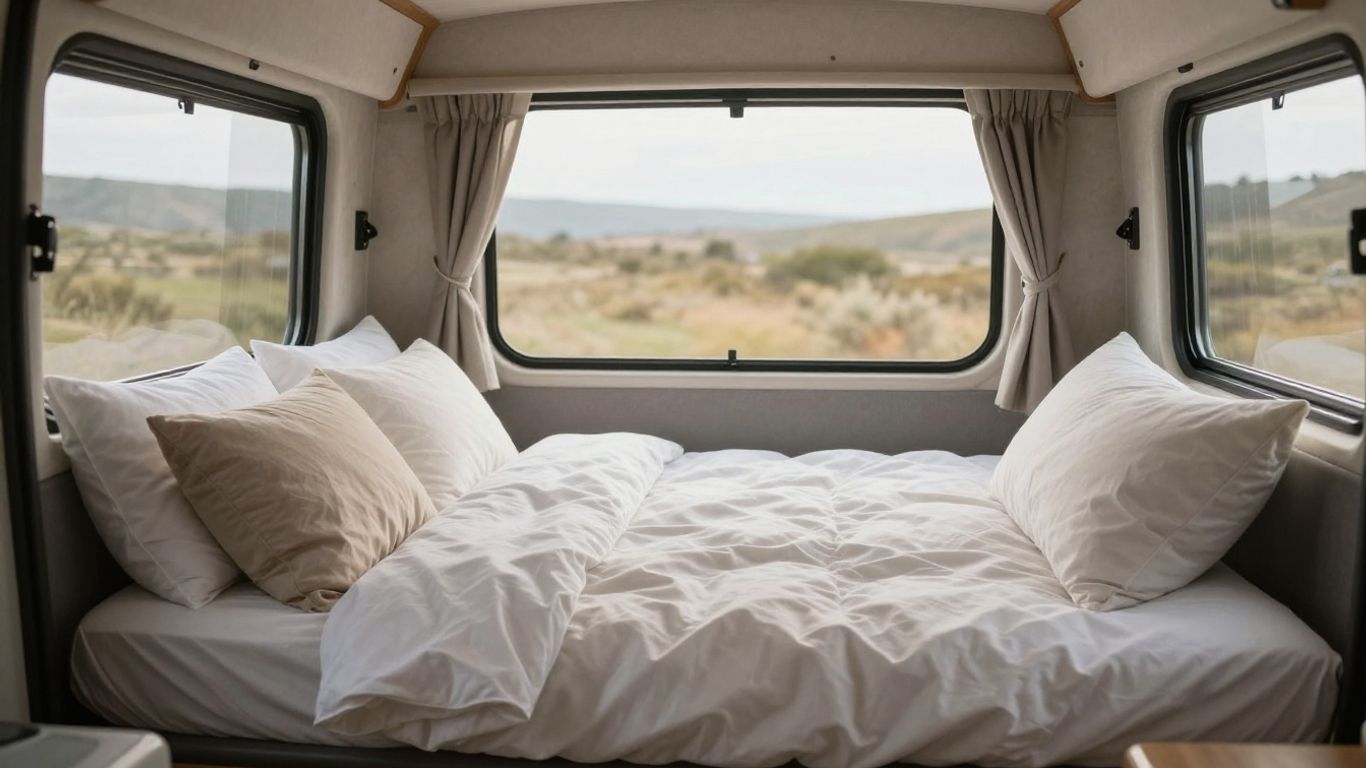
Keeping yourself connected and entertained while exploring Canada in a campervan is totally doable. Most of our rentals come with Bluetooth, so you can blast your favorite tunes straight from your phone to the van’s speakers. It’s a game-changer for those long drives through scenic routes. Some vans also have an AUX input, but you’ll need to bring your own cable for that – they’re easy to find at most electronics stores or even gas stations.
Connecting Your Devices Via Bluetooth
This is pretty straightforward. Just make sure your phone or music player’s Bluetooth is on, then search for available devices on the van’s stereo system. You should see the van’s name pop up. Select it, and you’re good to go. It’s a simple way to make the van feel like your own personal concert hall.
Charging Your Electronics Onboard
Powering up your gadgets is usually handled by 12V outlets, kind of like your car’s cigarette lighter. Most vans don’t have built-in USB ports, so you’ll want to grab a USB car charger adapter before you head out. They’re super cheap and available everywhere. Keep in mind that high-powered items like hair dryers might be too much for the van’s electrical system. You’ll likely need to rely on campsite hookups for those.
Here’s a quick look at power options:
| Feature | Availability |
|---|---|
| Bluetooth | Most vans |
| AUX Input | Some vans (cable not included) |
| 12V Outlets | All vans |
| USB Ports | Few vans (adapter recommended) |
| High-Power Outlets | Not standard |
Entertainment Options Available
Beyond streaming music, some vans still have CD players, which is a nice throwback if you’ve got a collection of discs. For longer trips, consider downloading podcasts or audiobooks beforehand. You might also want to bring along a portable speaker for when you’re hanging out at the campsite. Remember, the goal is to enjoy the journey, and having your favorite entertainment ready makes it that much better.
Don’t forget that the van’s power system has limits. While you can charge phones and smaller devices easily, running high-draw appliances like hair dryers or portable heaters might drain the battery quickly or even trip a breaker. Always check the van’s power monitor and be mindful of what you’re plugging in, especially if you’re not connected to shore power.
Important Considerations For Your Campervan Trip
So, you’re thinking about hitting the road in a campervan for your Canadian adventure? Awesome! Before you pack your bags and dream of endless scenic views, there are a few practical things to keep in mind. It’s not quite like driving your usual car, and the whole setup is a bit different. Thinking these through beforehand can save you some headaches and make your trip way smoother.
Driving A Larger Vehicle
Let’s be real, driving a campervan is a different ballgame than your everyday sedan or even an SUV. You’re sitting higher, the vehicle is longer, and it handles differently, especially when you’re trying to park or navigate tight turns. If you’re not used to driving something this size, it can feel a little intimidating at first. It takes some getting used to, but most people find they adapt pretty quickly. If you’re feeling nervous, maybe try borrowing a larger vehicle from a friend for a spin before your trip, just to get a feel for it.
Managing Power For Electronics
This is a big one. Campervans have limited power, and you won’t be running high-draw appliances like a hairdryer or a powerful coffee maker directly from the van’s system. Most vans have 12V outlets, similar to a car’s cigarette lighter, which are great for charging phones and smaller gadgets. You’ll likely need to bring a USB adapter to plug into these outlets if your devices use USB cables. Think about what you absolutely need to power and plan accordingly. Maybe that fancy hair tool can stay home this time.
Understanding Rental Deposits
When you rent a campervan, expect a security deposit that’s significantly more than what you’d put down for a hotel room. This can be a surprise for first-timers. It makes sense, though – you’re essentially taking care of a whole living space on wheels that’s quite an investment. The good news is this deposit is usually refunded a week or so after you return the van, assuming everything is in good shape. Just be prepared for this upfront cost when budgeting for your trip.
Here’s a quick look at what to expect:
| Item | Typical Cost/Amount | Notes |
|---|---|---|
| Hotel Deposit | $100 – $300 CAD | Varies by hotel |
| Campervan Deposit | $1,000+ CAD | Refundable upon return, condition dependent |
Remember, the rental company is trusting you with a significant asset. Treating the vehicle with care not only helps ensure you get your deposit back but also contributes to a positive experience for the next renter. It’s a shared responsibility in the van life community.
Preparing For Canadian Weather Conditions
Canada’s weather can be a bit of a wild card, no matter the season. One minute it’s sunny and warm, the next it’s chilly and damp. Being ready for temperature swings is key to a comfortable campervan trip.
Dealing With Temperature Fluctuations
Campervans, like any vehicle, really take on the outside temperature. During the day, especially if the sun is out, the inside can get pretty toasty. Then, as soon as the sun goes down, things can cool off fast. It’s a good idea to pack layers of clothing. You know, that t-shirt and shorts you wore during the day can easily become the base layer for leggings and a sweater when evening hits. Most rentals come with a decent blanket, which is a lifesaver when the temperature drops.
Utilizing Window Sunshades
Those sunshades aren’t just for keeping the van cool on hot days, though they do a pretty good job of that. They also help block out the sun’s rays when you’re parked, making the interior more bearable. Plus, they offer a bit of privacy when you’re trying to relax or sleep.
Staying Warm With Provided Bedding
Don’t underestimate the power of good bedding. The kits usually include a duvet and pillows, which are designed to keep you warm even when the air outside is cold. For a four-person van, you’ll typically get double the bedding, so everyone stays cozy. It’s one less thing to worry about when you’re trying to get a good night’s sleep after a day of exploring.
Maximizing Space And Minimizing Clutter
Living in a campervan, even for a short trip, means you’re essentially living in a tiny home on wheels. It can get cluttered and messy surprisingly fast, especially when it’s also your kitchen and your closet. Keeping things tidy isn’t just about aesthetics; it makes your trip way more enjoyable.
Keeping Your Living Space Tidy
Think about it: you’re coming in from a hike, maybe with muddy boots, or you’re trying to make dinner after a long day of driving. Things can pile up. A good habit to get into is removing your shoes before you step into the main living area. It makes a huge difference in keeping the floors clean. Also, try to put things away as soon as you’re done with them. That jacket you wore earlier? Hang it up or put it in its designated spot. That book you just finished reading? Slide it back onto the shelf. It sounds simple, but it really helps.
Strategic Storage Solutions
Campervans are designed with storage in mind, but you still need to be smart about it. Soft bags or backpacks are generally easier to tuck away into nooks and crannies than rigid suitcases. If your rental has a second mattress that can be removed, consider taking it out to free up more storage space underneath. Think vertically too – use any available wall space for hooks or small organizers if possible. Don’t underestimate the power of a good declutter before you even leave home.
The Importance Of Daily Sweeping
Even with the best intentions, dust and small debris are inevitable. A quick sweep of the floor each day, maybe before you settle in for the night, can prevent things from building up. It only takes a few minutes, and it makes a big difference in how clean and spacious the van feels. Keep the dustpan and brush handy so it’s not a chore to find them when you need them.
Culinary Adventures In Your Campervan
Cooking in a campervan is a bit different from your home kitchen, that’s for sure. You’ve got limited space and tools, so planning your meals is key. Most rentals come with a basic two-burner stove and a cooler. You might want to think about adding a mini-fridge if you plan on doing a big grocery shop and want to keep things cold without constantly buying ice. It really makes a difference for meal prep.
Limitations Of Campervan Cooking
Let’s be real, your campervan isn’t a gourmet kitchen. Forget about elaborate multi-course meals. The focus here is on simple, quick dishes that don’t create a huge mess. Think one-pot wonders or meals that require minimal prep and cooking time. The goal is to enjoy your food without spending hours cleaning up.
Optional Mini-Fridge Add-On
If you’re considering stocking up on perishables or keeping drinks chilled, the optional mini-fridge is a game-changer. While it’s an extra cost, it can save you money and hassle in the long run by reducing the need for frequent ice runs and allowing for better meal planning. This can be a smart move if you’re planning a longer trip or want more flexibility with your food choices. It’s worth looking into the budgeting for a campervan trip to see how this fits into your overall spending.
Finding Suitable Camping Recipes
To make the most of your campervan kitchen, look for recipes designed for small spaces and limited equipment. Pasta dishes, stir-fries, and pre-marinated meats that just need a quick sear are great options. You can also prep some ingredients at home before you leave to save time on the road. Here are a few ideas:
- One-Pan Wonders: Think sheet pan dinners where everything cooks together.
- No-Cook Meals: Sandwiches, wraps, and salads are perfect for lunches.
- Pre-Made Bases: Using pre-made sauces or marinades can simplify cooking.
Remember that propane canisters for the stove are usually not included and need to be purchased separately. One canister typically lasts a few days with regular use.
Personalizing Your Campervan Space
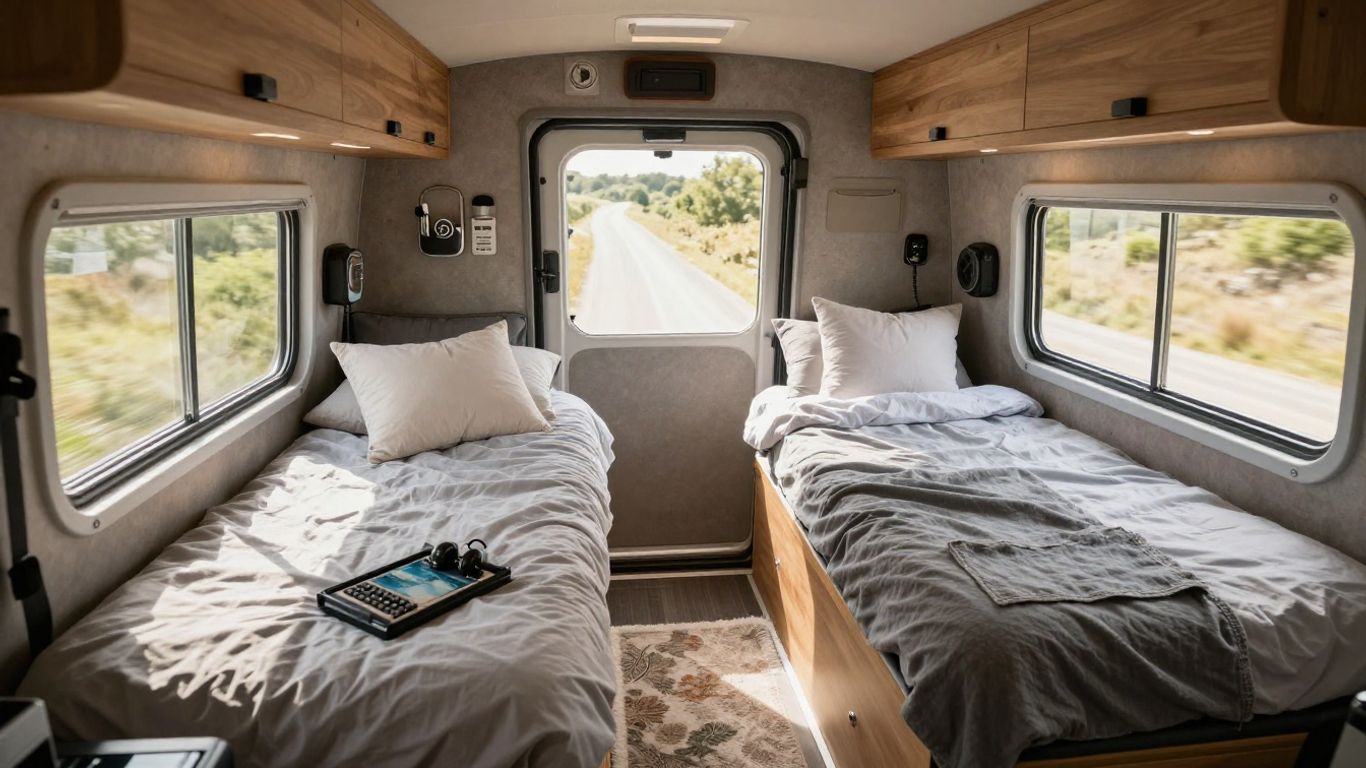
While campervans come equipped with the basics, making the space feel like your own can really boost your trip’s enjoyment. It’s about more than just sleeping and eating; it’s about creating a cozy little home on wheels.
Adding Cozy Touches
Think about what makes you feel comfortable at home and see if you can bring a bit of that with you. A favorite throw blanket can make the bed feel much more inviting, especially on a chilly Canadian night. Battery-powered fairy lights are also a fantastic way to add a bit of magic to the interior after dark. They don’t take up much space and can completely change the atmosphere. Even small things like a favorite travel mug or a few photos can make a big difference.
The Impact of Lighting
Lighting plays a huge role in how a space feels. The built-in lights in a campervan are usually functional, but they might not always create the ambiance you’re looking for. Consider bringing a small, battery-operated lantern or even some of those fairy lights mentioned earlier. These can provide a softer, warmer glow for evenings, making it easier to relax or read without the harshness of overhead lights. Remember, the van won’t come with extra lighting like lanterns or flashlights, so anything you bring is a bonus.
Ensuring a Magical Ambiance
Creating a magical ambiance is all about those little details. It’s about making the van feel less like a rental and more like your personal retreat.
- Bring a small, portable speaker: Music can set the mood for any occasion, whether it’s a quiet evening or a lively breakfast.
- Pack a few favorite books or games: Downtime is part of the campervan experience, and having entertainment options ready is key.
- Consider scents: A small, travel-sized air freshener or a natural essential oil diffuser (battery-operated, of course) can make the space smell welcoming.
Making a campervan feel like home doesn’t require a lot of stuff. It’s more about bringing a few personal items that bring you joy and comfort. Even simple additions can transform the functional space into a truly cozy haven for your adventures.
Ensuring A Smooth Rental Process
Getting your campervan rental sorted without a hitch is pretty important, right? It’s like packing for a trip – if you forget something, it can really throw off your whole vibe. So, let’s talk about a few things that can make picking up and returning your home on wheels a lot less stressful.
Understanding Rental Insurance
When you book your campervan, you’ll likely see options for insurance. This isn’t just extra fluff; it’s your safety net. Think of it like this: you wouldn’t drive your own car without insurance, and a campervan is a much bigger deal. Most companies offer different levels of coverage, and it’s worth looking at what each one includes. Sometimes, your personal credit card might offer some coverage, but it’s usually limited for rentals like these. Always check the specifics of what’s covered and what’s not.
Here’s a quick rundown of what to look for:
- Collision Damage Waiver (CDW): This covers damage to the rental vehicle itself if you’re in an accident.
- Liability Insurance: This protects you if you cause damage or injury to others or their property.
- Personal Effects Coverage: This can cover your belongings if they’re stolen from the van.
Driver Age Requirements
This is a big one, especially if you’re part of a group with varying ages. Most rental companies have a minimum age requirement, and it’s often higher than for a regular car. You’ll usually need to be at least 21, but sometimes it’s 25. There might also be a maximum age limit, though this is less common. It’s always best to confirm this directly with the rental company before you book, just to avoid any surprises at the counter.
Required Identification For Renters
So, you’ve got your dates, you’ve picked your van, and you’re ready to go. What do you need to actually pick it up? You’ll definitely need a valid driver’s license. Make sure it’s current and not expired! Depending on the company and where you’re from, they might also ask for a second form of ID, like a passport or a major credit card in your name. Some companies might also require an international driving permit if your license isn’t in English. It’s a good idea to have these documents ready to go so you can get on the road without delay.
The deposit for a campervan can be quite a bit higher than you might expect, often around $1,000 CAD. This is totally understandable given the value of the vehicle, but it’s something to budget for. The good news is, it’s usually refunded within a week or so after you return the van, provided there’s no damage.
Addressing Vehicle Issues And Damage
Reporting Accidental Damage
So, you’ve had a little oopsie with the campervan. Maybe you scraped a bit of paint in a tight parking spot or a cabinet door came loose. Don’t sweat it too much! It’s really important to let us know as soon as something happens. This way, we can get it fixed up for the next person who rents the van. It helps us keep our fleet in tip-top shape, and honestly, it’s way better to deal with small things before they become big problems. Just give us a call or send a message, and we’ll figure out the best way to handle it. We’re not looking to make things difficult; we just want to keep our vans road-ready.
Handling Mechanical Problems
Mechanical issues can be a real bummer on a road trip, but that’s what our 24/7 support is for. If the van starts making weird noises, the check engine light comes on, or something just feels off, call us immediately. We’ll walk you through some initial troubleshooting steps over the phone. If it’s something we can’t fix remotely, we’ll arrange for a tow and get you sorted with repairs. We aim to minimize the disruption to your adventure. Remember, you’re responsible for the vehicle until it’s back with us, so follow our guidance on any necessary repairs, unless we tell you otherwise.
Understanding Your Responsibilities
When you rent a campervan, you’re essentially taking care of it for the duration of your trip. This means keeping an eye on things like fluid levels and tire pressure, especially on longer rentals. We do regular maintenance, but a little attention from you goes a long way. For rentals over 21 days, we’ll need you to get a service and safety inspection done. We’ll help you find a place to do this and cover the cost, but we can’t pay for your mileage or provide a different vehicle while it’s being serviced. Most check-ups are pretty quick, usually just an hour or two.
Driving a campervan is different from driving a car. They’re bigger, heavier, and handle differently. Always be aware of your surroundings, especially when parking or maneuvering in tight spaces. Taking your time and being cautious can prevent a lot of potential damage.
Here’s a quick rundown of what to do if something goes wrong:
- Minor Damage (e.g., cosmetic scratches, loose fixtures): Contact us as soon as possible. We’ll advise on how to proceed, which might involve a simple fix or documenting it for later.
- Mechanical Issues (e.g., engine trouble, flat tire): Call our 24/7 support line immediately. We’ll guide you through the next steps, which could include roadside assistance or arranging repairs.
- Accidents: In the event of an accident, ensure everyone’s safety first. Then, contact us and the authorities if necessary. We’ll work with our insurance provider to manage the claim.
| Issue Type | Action Required |
|---|---|
| Accidental Damage | Notify rental company immediately. |
| Mechanical Failure | Contact 24/7 support line for assistance. |
| Accident | Prioritize safety, contact company & authorities. |
| Routine Maintenance | Schedule inspection for rentals > 21 days (company covers cost). |
So, Do You Need That Bedding Kit?
Alright, so we’ve gone over all these campervan add-ons, and it can feel like a lot. Think about what you really need for your trip. If you’re someone who likes to be cozy and doesn’t want to pack extra sheets, then yeah, the bedding kit is probably a good idea. It’s one less thing to worry about when you’re packing. But if you’re trying to save a few bucks or just prefer your own favorite pillow, you can skip it. Most of these extras are about making your trip a little easier or more comfortable, so just pick what makes sense for you and your adventure. Happy trails!
Frequently Asked Questions
What exactly comes with my campervan rental?
Most campervan rentals include basic kitchen items like plates, bowls, cups, and cooking tools such as pots and pans. You’ll also get utensils. Think of it as a starter pack for cooking on the go. It’s usually enough for everyone in your group.
Do I need to bring my own bedding?
Often, a bedding kit is provided, which typically includes sheets, pillows, and a duvet or blanket. If your van sleeps four people, they usually double up on these items. It’s always a good idea to check with your rental company to be sure.
What should I pack my belongings in?
Soft bags or backpacks are your best bet! They’re much easier to fit into the storage spaces in a campervan compared to hard suitcases. Think about how much room you really need.
Can I extend my campervan rental if I decide to stay longer?
Yes, you can often extend your rental, even while you’re on your trip. However, it depends on whether the van is available. It’s best to call the rental company as soon as you know you want to stay longer to see if they can make it work.
How do I keep the campervan clean during my trip?
It’s easy for campervans to get messy since it’s your living space. Try to take off your shoes before going inside and sweep the floor regularly. Keeping things tidy helps make your trip much more enjoyable.
What are the rules about where I can park overnight?
You can sleep in your campervan in many places in Canada, but you can’t just park anywhere. Always look for signs that say you can’t park overnight. It’s best to stay in designated campgrounds for a safer and more comfortable experience.
Can I charge my electronics in the campervan?
Yes, campervans usually have power outlets, often 12V ones like a car’s cigarette lighter. While they might not have built-in USB ports, you can easily use a simple adapter to charge your phone and other gadgets. Some campgrounds also offer stronger charging options.
What if I have a problem with the campervan?
If something breaks or you have an accident, contact the rental company right away. They can help with repairs and insurance. It’s important to let them know quickly so they can assist you and plan for future renters.