

Planning an RV trip across Canada is exciting, but figuring out the total cost can be a bit tricky. You’ve got the rental price, sure, but then there are all the other things that add up. This article breaks down what’s usually included in your daily rental fee and what extra costs you should expect so you can budget properly for your Canadian adventure.
Key Takeaways
- The daily cost of an RV rental in Canada can range from about $66 CAD for a small campervan to over $300 CAD for a larger RV, with prices fluctuating based on the season and specific features.
- Always compare rental packages carefully. What’s included can vary wildly, with some base rates having mileage limits or extra charges for essential items like bedding or kitchen kits.
- Factor in additional expenses such as generator usage fees (around $3.50/hour unless included in a package), pet fees (up to $350), and potential charges for cleaning or waste disposal.
- Traveling during the shoulder seasons (May-June or September-October) can significantly reduce your daily rental costs by 20-40% compared to peak summer months.
- Consider the total cost beyond the rental, including potential upgrades for mileage, insurance deductibles, and purchasing extras like Parks Canada Discovery Passes, which can add to your overall rv trip canada cost per day.
Understanding Your Canada RV Trip Cost Per Day
RV Rental Rates: What to Expect
Figuring out the daily cost of an RV rental in Canada can feel like a puzzle. Prices aren’t set in stone and can swing quite a bit. You might see basic campervans starting around $66 CAD per day, but a larger, family-friendly RV could easily jump to $300 CAD daily. The biggest factors are usually the time of year you travel and the specific features of the RV. It’s always a good idea to compare what’s included in that base rate, as things like mileage and equipment can really change the final price.
Factors Influencing Daily Rental Prices
Several things play a role in how much you’ll pay per day for an RV. Think about the size and type of vehicle – a compact campervan is generally cheaper than a big Class A motorhome. The age and condition of the RV also matter. Rental companies often have different tiers of vehicles, from basic to more luxurious. Then there’s the season. Traveling during peak summer months will almost always cost more than going in the spring or fall. Some companies might also charge more for newer models or those with specific amenities.
Campervan Versus RV Rental Costs
When you’re looking at options, campervans and RVs are different beasts, and so are their prices. Campervans are typically smaller, easier to drive, and often more budget-friendly. They might start in the $80-$150 CAD range per day during the off-season. Traditional RVs, especially larger ones like Class C motorhomes, offer more space and amenities but come with a higher price tag. They can be significantly more expensive, particularly if you’re looking at models designed for families or longer trips. Choosing between a campervan and an RV often comes down to your budget and how much space and comfort you need.
Remember that the cheapest daily rate might not always be the best deal. Always check what’s included, like mileage limits, kitchen kits, and bedding. Sometimes paying a little more upfront for a package that includes everything you need saves you money and hassle later on.
Included Amenities and Services
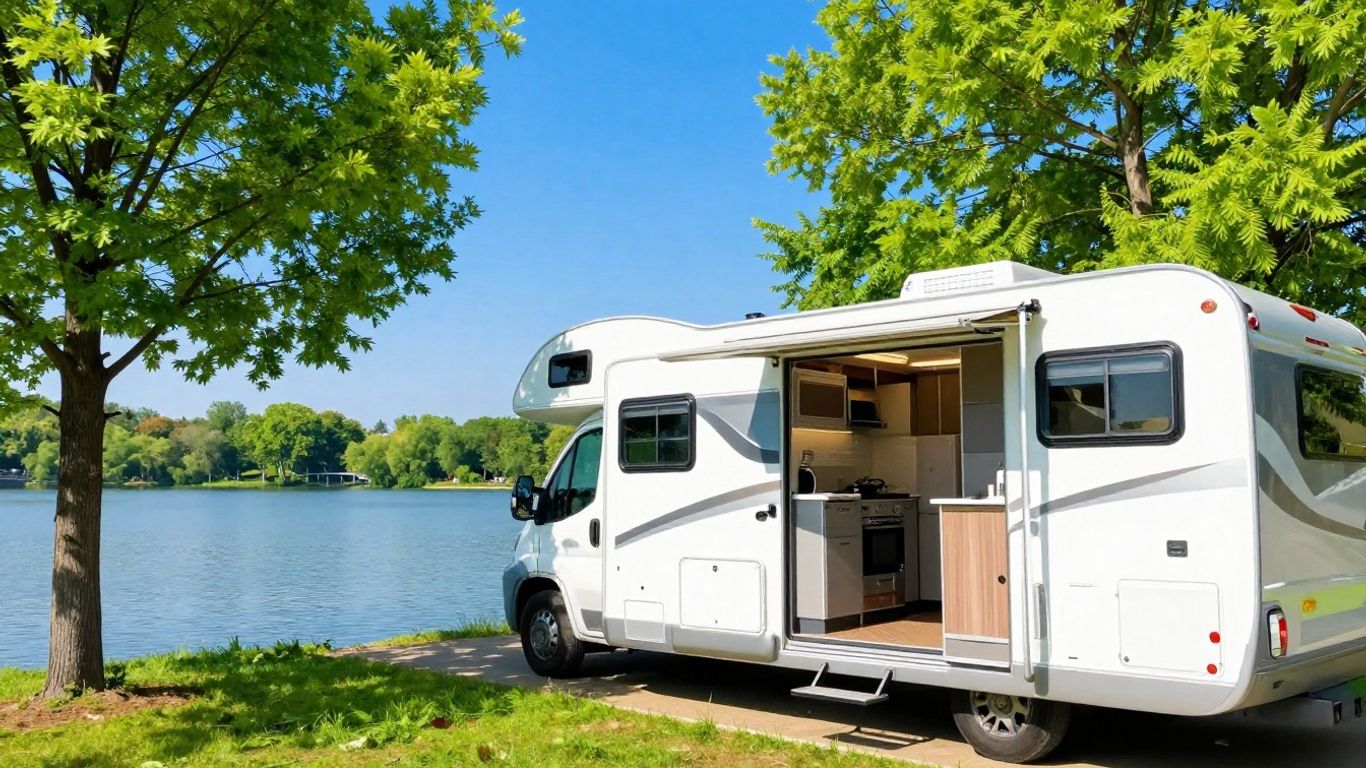
When you rent an RV for your Canadian adventure, it’s good to know what’s actually part of the price and what’s going to cost extra. Most rental companies include the basics, but the details can really change your budget.
Standard Inclusions in Rental Agreements
Most RV rental agreements come with the vehicle itself, of course. You’ll usually get the RV stocked with basic kitchenware, like pots, pans, and utensils. Think of it as a starting point for your culinary adventures on the road. You’ll also typically find bedding and towels provided, though the quality and quantity can vary. It’s always a good idea to check exactly what’s in the kitchen and linen kits before you book.
Here’s a general idea of what you might find included:
- Kitchen Essentials: Plates, bowls, cups, cutlery, cooking utensils, pots, and pans.
- Bedding: Pillows, duvets or blankets, and sheets for the number of berths.
- Towels: Bath towels and hand towels.
- Basic Cleaning Supplies: A broom, dustpan, and perhaps some cleaning spray.
Assessing What’s Covered in the Base Rate
The base rental rate is just the starting point. It covers the use of the RV itself, but often doesn’t include things that make your trip smoother. Things like insurance, propane for cooking and heating, and the initial setup of things like toilet chemicals are usually part of this base rate. However, you’ll need to be aware of what’s not covered, like fuel, campsite fees, and any potential damage.
It’s easy to get caught up in the daily rental price, but remember that this often only covers the vehicle itself. All the other bits and pieces that make an RV trip comfortable and functional can add up quickly if you’re not prepared.
The Value of Unlimited Mileage Packages
Many rental companies offer different mileage packages. Some include a set number of kilometers per day or per trip, while others offer unlimited mileage. If you plan on covering a lot of ground, an unlimited mileage package can be a real money-saver. Paying per kilometer over your limit can get expensive fast, especially if you’re exploring far and wide across Canada’s vast landscapes. Always compare the cost of an unlimited package versus the potential cost of exceeding your included kilometers based on your planned route.
For example, if a rental includes 300 km per day and you plan to drive 500 km, you’ll be charged for those extra 200 km. If the charge is $0.50 per km, that’s an extra $100 for that day alone. An unlimited package might cost an extra $30-$50 per day, which would be cheaper in this scenario.
Additional Expenses to Budget For
So, you’ve got your RV rental booked, and you’re thinking that’s the big one, right? Well, not so fast. There are definitely some extra costs that can creep up if you’re not careful. It’s like when you buy a new phone and then realize you need a case, a screen protector, and maybe some fancy earbuds. The RV is no different.
Generator Usage Fees
Many RVs come with a generator, which is super handy for powering things when you’re not hooked up to electricity at a campsite. But, guess what? Using that generator usually isn’t free. Most rental companies charge a fee based on how many hours you run it. It’s often a per-hour rate, and it can add up if you’re relying on it a lot, especially for things like running the toaster or a coffee maker.
- Check the hourly rate: Know exactly what you’ll be charged per hour of generator use.
- Monitor your usage: Keep an eye on the generator’s run time to avoid surprises.
- Consider alternatives: If possible, try to use campsite power hookups to save on generator fees.
Pet Fees and Policies
Bringing your furry friend along for the adventure? That’s awesome! But many RV rental companies have specific policies and fees for pets. Some might not allow them at all, while others will charge a cleaning fee, often a flat rate per trip or per pet, to deal with potential shedding, dander, or accidents. Always confirm the pet policy before booking.
Optional Add-On Packages
This is where things can get really interesting, and potentially expensive. Rental companies love offering "convenience" items that you can add to your rental. Think of it like the airline charging you extra for a checked bag or a better seat. You might see things like:
- Kitchen Kits: These usually include basic cookware, dishes, and utensils. Handy, but adds to the cost.
- Linen Kits: Sheets, blankets, and towels. Again, convenient, but an extra charge, often per person.
- Outdoor Chairs: Perfect for sitting around the campfire, but you’ll pay for each one.
- Bike Racks or Child Seats: If you need these, they come with their own rental fees.
It’s easy to get caught up in adding all these little extras, thinking they’ll make your trip smoother. But when you tally them all up, they can significantly increase your daily cost. It’s worth thinking about what you really need versus what would just be nice to have. Sometimes, bringing a few things from home can save you a decent chunk of change.
Seasonal Pricing and Travel Periods
Peak Season vs. Shoulder Season Costs
When you’re planning your Canadian RV adventure, the time of year you decide to go can really shake up the daily rental costs. Think of it like booking flights – everyone wants to travel during the summer holidays, right? This means RVs are in super high demand from July through August, and rental companies know it. So, prices tend to be at their highest during these months. Plus, you’ll likely be sharing popular campgrounds with a lot of other travelers, so booking your spots well in advance is a must.
On the flip side, the "shoulder seasons" – that’s usually late spring (May to early June) and early fall (September to mid-October) – can be your best friend for saving money. Rental rates can drop significantly, sometimes by 20-40%, and there are fewer crowds. The scenery in the fall, with all the changing leaves, is pretty spectacular too. Imagine driving through a landscape painted in reds and golds while enjoying a more peaceful experience and a lighter hit to your wallet. It’s a trade-off, but often a really good one.
Benefits of Off-Season Travel
Going even further off the beaten path, consider traveling during the "off-season," which typically falls outside of the May to October window. While some rental companies might have limited availability or different operating hours during these colder months, the savings can be substantial. You’ll encounter the fewest tourists, which can be a huge plus if you’re looking for solitude and a more intimate connection with nature. Just be prepared for colder weather and potentially limited access to certain roads or campgrounds. It’s a different kind of adventure, for sure, but one that can be incredibly rewarding if you’re up for it.
Impact of Travel Dates on Daily Rates
It’s not just about broad seasons; even specific dates can influence your daily rate. For instance, holidays and long weekends often see a bump in prices, similar to peak season. Some companies might also have different pricing structures depending on the day of the week you pick up or drop off your RV, though this is less common than seasonal variations. Always double-check the rental agreement for any specific date-related surcharges. It’s worth comparing rates for a few days before and after your ideal travel dates to see if shifting your trip even slightly could lead to savings.
The calendar is a powerful tool when budgeting for an RV trip. Understanding how different travel periods affect rental prices can help you make informed decisions, balancing your desire for good weather and fewer crowds with your budget constraints. Sometimes, a little flexibility can go a long way in making your dream Canadian RV trip more affordable.
Comparing Rental Options
Renting from Major Companies
When you’re looking at RV rentals in Canada, you’ll find a few big names that pop up pretty consistently. Companies like Canadream or Cruise Canada have been around for a while, and they’ve got a lot of vehicles. This means you often have a decent selection, from smaller campervans to larger, more family-friendly RVs. They usually include basic insurance and sometimes even some mileage, but you’ve got to read the fine print. Often, things like propane refills, cleaning, and extra mileage aren’t part of the base price, so those can add up. It’s good to know that these companies tend to have set policies on things like pet fees or cancellation, which can be a bit stricter than other options.
Exploring Peer-to-Peer Rentals
Then there’s the whole peer-to-peer rental scene, with platforms like Outdoorsy. Think of it like Airbnb, but for RVs. You’re renting directly from the owner. The biggest draw here is usually the price – it can often be cheaper than going through a big company. Plus, you might find some really unique or specialized vehicles that the big companies don’t offer. However, because you’re dealing with individuals, the guarantees might not be as solid. Insurance details can vary a lot from owner to owner, and cancellation policies are totally up to them. It’s a bit more of a gamble, but if you’re looking for a deal or something different, it’s worth a look.
Luxury RV Rental Considerations
If you’re looking to travel in serious style, there are always luxury RV rentals. These aren’t your average campers; they’re more like high-end apartments on wheels. Expect top-of-the-line amenities, spacious layouts, and all the bells and whistles. Of course, the price tag reflects this. These rentals often come with premium service packages, including things like pre-trip setup, detailed vehicle walkthroughs, and sometimes even concierge services. You’ll want to check what’s included, as the ‘extras’ here might be more about convenience and comfort than just basic necessities. It’s a splurge, for sure, but for a special occasion or if you just want the best, it’s an option.
When comparing different rental avenues, it’s easy to get caught up in just the daily rate. But remember to factor in everything that’s included and what might cost extra. Sometimes a slightly higher daily rate from a major company might actually be cheaper overall if it includes unlimited mileage and essential equipment, saving you from unexpected charges later on. Always ask for a full breakdown of potential fees before you commit.
Here’s a quick look at how they stack up:
| Rental Type | Pros | Cons | Best For |
|---|---|---|---|
| Major Companies | Wide selection, established service | Can have more fees, stricter policies | Reliability, convenience |
| Peer-to-Peer Platforms | Often cheaper, unique vehicles | Fewer guarantees, variable insurance/policies | Budget travelers, unique vehicle seekers |
| Luxury Rentals | High-end amenities, premium service | Very expensive, limited availability | Special occasions, ultimate comfort |
Hidden Costs and Unexpected Charges
Beyond the daily rental rate and the obvious fuel and campsite fees, there are a few other things that can sneak up on your budget when you rent an RV. It’s always a good idea to go over your rental agreement with a fine-tooth comb before you sign on the dotted line. You don’t want to be surprised by charges you weren’t expecting.
Understanding Deductibles and Insurance
When you rent an RV, you’ll likely be offered insurance options. It’s important to understand what these cover and, more importantly, what they don’t. The deductible is the amount you’ll have to pay out-of-pocket if something goes wrong, like an accident or damage. This can be quite high on RVs, sometimes running into thousands of dollars. Always clarify the deductible amount and what events it applies to. Some rental companies might also have different insurance tiers, each with its own deductible and coverage level. It’s worth comparing these to find the best fit for your peace of mind and your wallet. Remember, if you plan on driving in the United States, there’s often a specific fee and insurance requirement you’ll need to arrange beforehand.
Potential Fees for Cleaning and Waste Disposal
Most rental companies expect you to return the RV in a reasonably clean condition. If the RV is returned excessively dirty, you could face cleaning fees. This usually means more than just a quick sweep; think about things like sticky surfaces, food spills, or sand tracked everywhere. Also, don’t forget about waste disposal. RVs have tanks for grey water (from sinks and showers) and black water (from the toilet). You’ll usually need to empty these tanks before returning the vehicle. If you don’t, or if they aren’t emptied properly, you’ll likely be charged a waste disposal fee. It’s a messy job, but it’s part of the RV experience and avoiding the fee is usually straightforward if you follow the instructions provided.
Costs Associated with Specific Driving Routes
While not always a direct fee from the rental company, certain routes can incur extra costs. For instance, some remote or northern areas might have a "Northern Surcharge" if the rental company deems them higher risk or more difficult to service. Driving in the US, as mentioned, often requires a specific fee. Additionally, if your RV is particularly large or heavy, you might encounter tolls or require special permits for certain roads or provinces, which adds to your overall budgeting for a campervan trip. It’s wise to research your intended route for any such potential charges before you set off.
Maximizing Your RV Rental Value
Booking in Advance for Savings
Look, nobody likes paying more than they have to, right? When it comes to RV rentals in Canada, booking way ahead of time is pretty much the golden rule for saving cash. Seriously, the difference can be huge. I saw one example where booking six months out saved someone over $1,700 for a two-week trip compared to booking just a couple of months before. It’s not just about the price, though. The best, newest RVs get snapped up first. If you wait too long, you might end up with a vehicle that’s seen better days or doesn’t quite fit your needs. Aiming for 5 to 6 months in advance usually gives you the best shot at getting a great deal and a vehicle you’ll actually like driving.
Comparing Inclusions Beyond Price
It’s easy to get caught up in just the daily rate, but that’s a trap. That $150 a day RV can quickly jump to $250 once you add everything you actually need. So, what should you be looking at?
- Mileage: Is it unlimited, or are you stuck with a measly 150 km a day? Running out of miles can get expensive fast.
- Insurance: What’s the deductible? Can you get it lowered? Sometimes paying a bit more upfront for better insurance saves you a massive headache later.
- Equipment: Does the rental include things like kitchen kits, bedding, or even camping chairs? These can add up if you have to buy them separately.
- Hidden Fees: Watch out for admin fees, cleaning charges, or even fees for dumping your waste tanks.
Always read the fine print. Sometimes a slightly higher daily rate that includes unlimited mileage and a lower deductible is a much better deal overall than a super cheap rate with tons of extra charges. It’s about the total cost, not just the sticker price.
Negotiating Rental Terms
While not always possible, especially with larger companies, there’s sometimes room to negotiate, particularly if you’re booking during the shoulder or off-season. Don’t be afraid to ask if there’s any flexibility on things like pickup and drop-off times, or if they can throw in a small extra like a propane refill if you’re renting for a longer period. It never hurts to ask! Also, check cancellation policies carefully. Travel plans can change, and having the option for free cancellation up to a certain point can provide a lot of peace of mind.
Essential Extras for Your Journey
Beyond the big stuff like the RV itself and your daily rental fees, there are a bunch of smaller items and services that can really make your trip smoother. Think of these as the little things that add up to a lot of convenience, or sometimes, unexpected costs if you’re not prepared. It’s good to know what’s available and what you might need before you even hit the road.
Purchasing Parks Canada Discovery Passes
If you’re planning on exploring Canada’s stunning national parks, you’ll need a Parks Canada Discovery Pass. This pass grants you access to all national parks, national historic sites, and national marine conservation areas for a whole year. It’s definitely more cost-effective than paying daily entry fees, especially if you plan on visiting multiple parks. You can usually purchase these online in advance or at the entrance to the parks. Having this pass is key to enjoying the natural beauty without worrying about individual entry fees.
Convenience Items Available for Purchase
Rental companies often offer a variety of add-on items to make your stay more comfortable. These can range from practical things like camping chairs and tables for outdoor lounging, to more specific items like coffee machines or even bike racks. While these might seem like small additions, they can significantly improve your experience. For example, a set of leveling blocks can be a lifesaver when parking on uneven ground at a campsite. It’s worth checking the list of available extras when you book your RV, as some items, like bike racks, might have specific vehicle compatibility. You can often find these items listed with a per-booking fee.
| Item | Cost (per booking) | Notes |
|---|---|---|
| Camping Chairs (set) | $XX | Great for relaxing at the campsite |
| Leveling Blocks | $25 | Helps with uneven parking spots |
| Bike Rack | $80 | Check vehicle compatibility; not for e-bikes |
| Coffee Machine | $50 | Requires shore power or generator |
Additional Bedding Options
While many RV rentals include basic bedding, you might want to consider upgrading or adding to it. Some companies offer different bedding packages, or you might want to rent an extra mattress topper for added comfort on longer trips. If you’re traveling with children, you might also need to inquire about portable cribs or special bedding, though not all rental companies provide these. It’s always a good idea to clarify what’s included in the standard bedding package and what options are available for rent to ensure a good night’s sleep.
Don’t underestimate the impact of small comforts on a long trip. Things like extra blankets, comfortable pillows, or even a good set of camp chairs can make a big difference in how much you enjoy your time outdoors. While they might add a bit to the overall cost, they often pay for themselves in terms of relaxation and enjoyment.
Kilometer Usage and Associated Costs
When you rent an RV for your Canadian adventure, figuring out how far you’ll go is a big part of the budget. Most rental agreements come with a certain number of kilometers included, but what happens when you want to explore more? It’s good to know the options so you don’t get hit with surprise charges.
Understanding Included Kilometers
Your rental contract will clearly state how many kilometers are included in your base rate. This is usually calculated per night of your rental. For example, you might get 100 kilometers per night. If you plan a shorter trip or stick to one area, this might be plenty. But if you’re thinking of a cross-country road trip, you’ll likely need more.
Options for Upgrading Kilometre Packages
Most rental companies offer ways to increase your kilometer allowance before you even pick up the RV. These packages can often save you money compared to paying for extra kilometers at the end of your trip. Here are some common ways to upgrade:
- Per Night Upgrades: You can often pay an extra fee per night to increase your daily kilometer allowance. For instance, you might upgrade from 100km/night to 175km/night for a set daily charge.
- Pre-Purchased Packages: Some companies sell larger kilometer bundles, like 500km or 800km packages, for a fixed price. These are great if you have a good idea of your total mileage.
- Unlimited Kilometers: For longer trips (often up to 21 nights or more), an unlimited kilometer package might be the best bet. This gives you peace of mind to travel as much as you want without worrying about the odometer.
Here’s a look at typical package costs:
| Package Type | Cost (Approximate) | Notes |
|---|---|---|
| 175km/night Upgrade | $29 per night | Adds to your daily allowance |
| 250km/night Upgrade | $57 per night | Significant increase in daily allowance |
| 500km Package | $200 | Fixed bundle for moderate travel |
| 800km Package | $310 | For longer stretches |
| Unlimited (up to 21 nights) | $1680 | For extensive exploration |
Charges for Additional Kilometers
If you don’t pre-purchase extra kilometers or upgrade your package, any kilometers driven over your included allowance will be charged when you return the RV. This rate can add up quickly, so it’s important to know what it is. Typically, this is a per-kilometer fee, and it’s usually higher than the cost if you were to buy a package beforehand.
Always check your rental agreement carefully for the exact number of included kilometers and the rate for additional kilometers. It’s often cheaper to buy more kilometers upfront than to pay the overage fee later. Planning your route and estimating your mileage can help you choose the right package and avoid unexpected expenses.
RV Size and Transport Considerations
When you’re planning your Canadian RV adventure, the size of the vehicle you choose isn’t just about how many people it fits or how much legroom you have. It also plays a pretty big role in how you’ll get it from point A to point B, and what that’s going to cost. Bigger RVs, like those massive Class A motorhomes, often come with different transport needs and associated fees compared to a nimble campervan.
Impact of RV Size on Rental and Transport
The dimensions and weight of an RV directly influence its rental price and, if you’re not driving it yourself, its transportation cost. Larger vehicles generally cost more to rent due to higher maintenance, fuel consumption, and depreciation. If you need to have an RV transported, say for a relocation service or if you’re buying one out of province, size and weight are primary factors in calculating hauling fees. Think about it: moving a tiny teardrop trailer is a lot simpler and cheaper than shifting a 40-foot luxury coach. This is why it’s always a good idea to check multiple platforms when looking for RV relocation services.
Special Handling for Larger RVs
Larger RVs often require specialized equipment and expertise for transport. This isn’t like towing a small car; these are big, heavy vehicles. Professional haulers use specific trailers, winches, and securing methods to ensure these giants are moved safely. This specialized handling naturally adds to the overall cost. You might encounter extra fees for:
- Specialized loading and unloading equipment
- Permits for oversized vehicles on certain routes
- Additional securing materials to prevent movement
- Drivers with specific certifications for large vehicle transport
Regional and Seasonal Transport Pricing
Just like rental rates, RV transport prices can fluctuate based on where you are in Canada and when you need the service. Moving an RV across the vast Prairies might have different pricing structures than a haul through the mountainous terrain of British Columbia. Similarly, demand for transport services can spike during peak travel seasons, leading to higher rates. If you’re looking to save money, consider scheduling transport during off-peak times or exploring less common routes. Sometimes, getting a few quotes can really help you see the differences.
The logistics of moving a large RV can be surprisingly complex. It’s not just about hooking it up and driving. Factors like road restrictions, bridge heights, and even local traffic patterns can influence the feasibility and cost of transport. Professional haulers factor all of this in, which is why their services, while an added expense, often provide peace of mind and prevent costly mistakes.
Wrapping Up Your RV Trip Costs
So, planning an RV trip in Canada definitely takes some thought, doesn’t it? We’ve looked at what’s usually included in the rental price, like the RV itself and maybe some basic insurance. But then there are all those extras that can add up – think mileage limits, generator use, cleaning fees, and even those handy "we’re happy to" packages. Don’t forget things like campground fees and the Parks Canada Discovery Pass if you’re hitting the national parks. It really pays to compare what’s on offer, book ahead, and travel in the shoulder seasons if you can. By keeping an eye on both the big rental costs and the smaller add-ons, you can get a much clearer picture of your total expenses and make sure your Canadian RV adventure is amazing without any nasty financial surprises.
Frequently Asked Questions
How much does it generally cost to rent an RV in Canada?
RV rental prices can change a lot! For smaller camper vans, you might see prices starting around $66 CAD each day. Bigger RVs, the kind that feel like a small house on wheels, can cost up to $300 CAD daily. The time of year and what’s included in the rental really affect the final price. It’s smart to compare different options to find the best deal.
What’s the difference between a camper van and a bigger RV?
Think of a camper van as a small, nimble car that you can sleep in. It’s easier to drive and park, especially in cities. A bigger RV, like a Class C motorhome, is more like a small bus. It has more space and usually better amenities, but it’s a bit trickier to maneuver. Camper vans are often cheaper to rent, too.
When is the best time to rent an RV to save money?
To get the best prices, try to travel during the ‘shoulder seasons.’ This means the time between the super busy summer months and the cold winter. So, think late spring (May to June) or early fall (September to October). You’ll find lower rental rates and fewer crowds, plus the scenery can be amazing, especially in the fall!
What does ‘unlimited mileage’ mean for an RV rental?
When a rental company offers ‘unlimited mileage,’ it means you don’t have to worry about how many miles or kilometers you drive. You won’t be charged extra for covering long distances. Some rentals only include a certain number of kilometers per day, and you pay extra for anything beyond that. Unlimited mileage gives you more freedom to explore!
Are there extra fees I should know about when renting an RV?
Yes, there can be! Some common extra costs include fees for using the generator (which powers things when you’re not plugged in), fees for bringing pets, and sometimes charges for cleaning the RV when you return it. It’s important to read your rental agreement carefully to see what’s included and what costs extra.
Can I rent a really fancy, luxurious RV in Canada?
You sure can! Some rental companies offer high-end RVs that are like luxury homes on wheels. They have more space, nicer furniture, and extra comforts. These usually cost more per day, starting around $300 to $500 CAD, and they’re often in high demand, so booking way ahead of time is a good idea.
What are ‘peer-to-peer’ RV rentals?
This is like renting an RV from another person instead of a big company. Websites like RVezy or Outdoorsy connect RV owners with people who want to rent them. It can sometimes offer unique RVs or better prices, but it’s important to check the details of the rental, like insurance and the owner’s rules, very carefully.
How can I make sure I’m getting a good deal on my RV rental?
Don’t just look at the daily price! Compare what’s included. Does it have unlimited miles? Is insurance covered, and what’s the deductible (the amount you pay if something breaks)? Are basic things like kitchen stuff or chairs included? Sometimes a slightly higher daily rate that includes more can save you money overall. Booking early also usually gets you better rates.