

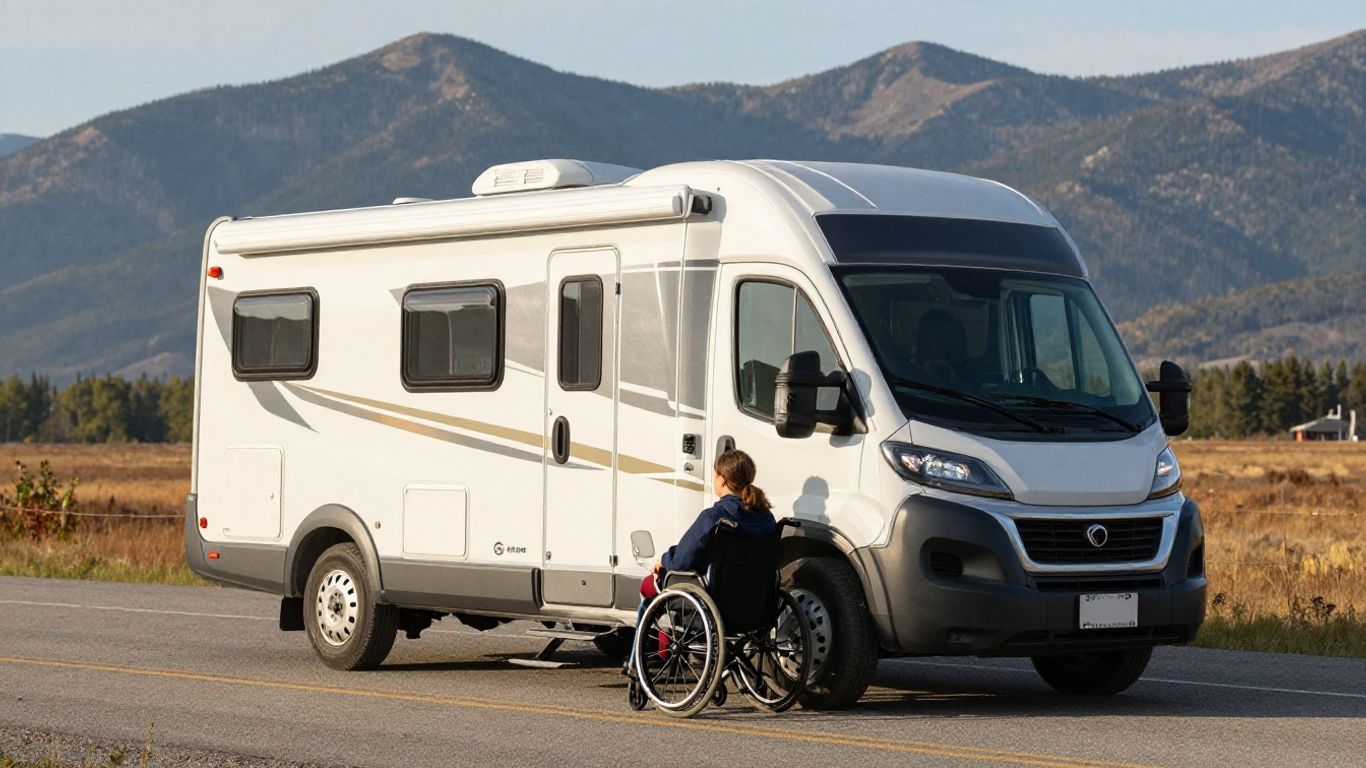
Thinking about renting a motorhome in Canada? It’s a fantastic way to see the country, but if you have specific needs, like accessibility, it can feel a bit overwhelming. This guide is here to break down what’s possible when it comes to motorhome rental Canada accessibility. We’ll cover everything from picking the right vehicle to planning your trip and what to expect on the road. Let’s get you ready for an amazing Canadian adventure.
Key Takeaways
- When looking for motorhome rental Canada accessibility, remember that not all vehicles are created equal. Some companies offer specific accessible features, while others might require modifications or careful selection of standard models.
- Planning is super important. Researching accessible campgrounds, understanding road conditions, and knowing how to use services like water and electricity hookups will make your trip smoother.
- Costs can add up. Factor in rental fees, insurance, fuel, campsite charges, and any extra equipment you might need. Traveling in the off-season can often save you money.
- Booking ahead is highly recommended, especially if you need specific features or are traveling during peak times. Provisional bookings can give you time to sort out other travel plans.
- While driving a motorhome in Canada is generally straightforward on well-maintained roads, always allow extra time for parking and maneuvering, and be aware of vehicle limitations like roof access, which is typically prohibited.
Understanding Motorhome Rental Accessibility in Canada
Defining Accessibility in Motorhome Rentals
When we talk about accessibility in motorhome rentals in Canada, it’s not just about wheelchair ramps, though that’s a big part of it for some. It’s really about making sure the whole experience is workable for as many people as possible, regardless of their physical abilities. This can mean different things to different people. For some, it’s about having enough space to move around inside, maybe with a wider doorway or a bathroom that’s easier to get into. For others, it might be about simpler controls for driving or features that make daily tasks, like cooking or sleeping, less of a strain. The goal is to remove barriers so that anyone can enjoy a road trip adventure.
Key Considerations for Accessible Travel
Planning an accessible motorhome trip involves looking at a few things beforehand. You’ll want to think about the type of motorhome itself – does it have the features you need? Then there’s the route. Are the roads generally good? Are there places to stop that are easy to access? And don’t forget about where you’ll be staying. Campground accessibility is a big one; some sites are much better equipped than others.
Here are some points to keep in mind:
- Vehicle Features: Look for things like lower floors, wider aisles, accessible bathrooms, and grab bars. Not all rental companies offer these, so you’ll need to ask.
- Route Planning: Consider the terrain and the types of roads you’ll be traveling on. Major highways are usually fine, but smaller, winding roads might be trickier.
- Campsite Research: Check if campgrounds have accessible sites, restrooms, and common areas. Websites and park services can often provide this information.
- Rental Company Policies: Some companies are more accommodating than others when it comes to modifications or specific needs. It’s worth a conversation.
Navigating Rental Company Policies
Rental companies in Canada have different rules, and it’s important to understand them, especially when you have specific accessibility needs. Some companies might have limitations on what modifications you can make to their vehicles, or they might not have vehicles specifically designed for certain disabilities. It’s always best to have a direct conversation with the rental company well in advance of your trip. Ask detailed questions about their fleet, what features are available, and if they can accommodate your requirements. Sometimes, a bit of research and clear communication can make a huge difference in finding the right fit for your journey.
It’s wise to confirm details about vehicle dimensions, door widths, and interior layouts directly with the rental provider. Photos and floor plans can be helpful, but a phone call to discuss your specific needs is often the most effective way to gauge suitability.
Choosing the Right Accessible Motorhome
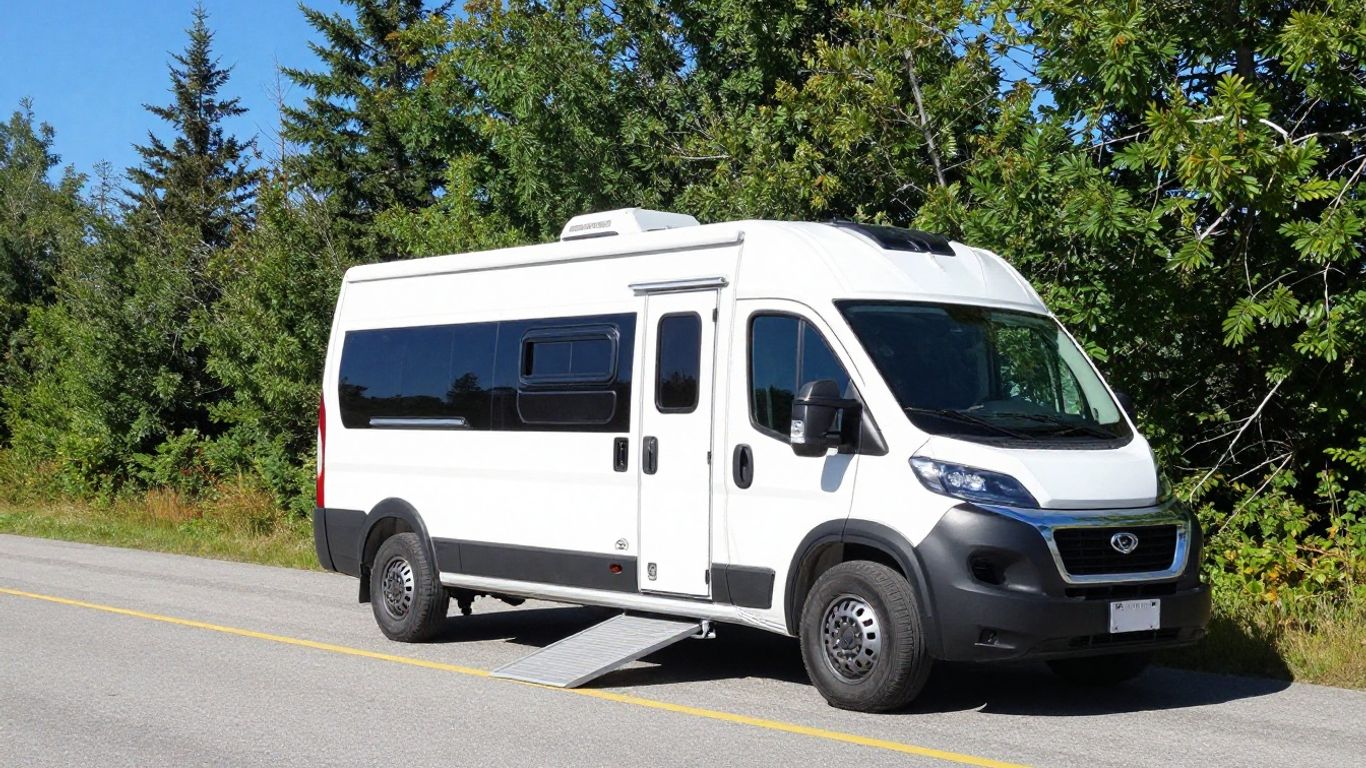
Finding the perfect motorhome for your Canadian adventure is a big step, especially when you need to consider accessibility. It’s not just about picking the first one you see; it’s about making sure the vehicle fits your needs so you can travel comfortably and safely. The right motorhome makes all the difference in your trip’s enjoyment.
Vehicle Types and Features for Accessibility
When looking at motorhomes, you’ll notice they come in different classes, and some are better suited for accessibility than others. Class A motorhomes are generally the largest and offer the most interior space, which can be a huge plus for maneuverability. Class C models, often built on a truck chassis, can also be a good option, sometimes offering easier access. When you’re checking out potential rentals, pay close attention to:
- Entry and Exit: Look for wider doorways and consider if a ramp or lift system is available or can be accommodated. Some companies might have specific models designed with this in mind.
- Bathroom Facilities: A spacious bathroom with grab bars and enough room to maneuver is key. Some units have roll-in shower capabilities.
- Aisle Width: Make sure the pathways inside the motorhome are wide enough for wheelchairs or mobility aids.
- Lowered Floors or Lifts: While less common in standard rentals, some specialized vehicles might offer these features.
Compact vs. Larger Motorhome Options
Deciding between a smaller, more compact motorhome and a larger one involves a trade-off. Compact models, like Class B campervans, are often easier to drive and park, and they tend to be more fuel-efficient. This can be great for getting around smaller towns or navigating trickier roads. However, they usually have less interior space, which can be a challenge for accessibility needs. Larger motorhomes, like Class A or Class C, provide more room to move around, which is often necessary. This extra space can make a big difference for daily living and for storing mobility equipment. If you’re traveling with a pet, larger options are generally more accommodating Planning a motorhome trip with your pet in Canada.
| Motorhome Class | Typical Size | Pros for Accessibility | Cons for Accessibility |
|---|---|---|---|
| Class A | Largest | Most interior space, often wider aisles | Can be harder to drive and park |
| Class C | Medium-Large | Good balance of space and drivability | Entry steps can be high |
| Class B | Smallest | Easiest to drive and park, better fuel economy | Limited interior space, smaller bathrooms |
Assessing Interior Space and Layout
Once you’ve narrowed down the type of motorhome, the interior layout becomes really important. Think about how you’ll use the space throughout the day. Where will you prepare meals? Where will you relax? How will you move between the living area, kitchen, and bedroom?
- Kitchen Area: Is there enough counter space? Can you comfortably reach the sink and stove? Some layouts have a more open-plan kitchen that works better.
- Sleeping Arrangements: Are the beds accessible? Consider if you need space for a hospital bed or if bunk beds are out of the question.
- Living Area: This is where you’ll spend a lot of time. Ensure there’s enough room for everyone to sit comfortably and move around without feeling cramped.
It’s a good idea to ask rental companies for floor plans or even watch video tours of the specific models you’re interested in. This gives you a much better feel for the space than just looking at photos. You want to visualize yourself living in the space for your trip.
When you’re comparing different rental companies, remember that not all motorhomes are created equal. Some companies specialize in offering a wider range of vehicles, and some comparison sites can help you see many options at once. It’s worth taking the time to look at different providers to find the best fit for your accessibility needs and your travel plans in Canada.
Planning Your Accessible Motorhome Journey
So, you’ve got your accessible motorhome sorted, and now it’s time to think about the actual trip. This is where the real fun begins, but also where a little bit of planning can save you a lot of headaches. It’s not just about picking a destination; it’s about making sure the journey itself is as smooth and enjoyable as possible.
Route Planning for Accessible Travel
When you’re planning your route, think about more than just the shortest distance. Consider the types of roads you’ll be traveling on. Are they well-maintained? Are there plenty of places to stop and rest if needed? For those with mobility challenges, shorter driving days are often much more manageable. Look for routes that offer scenic views without demanding constant attention or difficult maneuvers. It’s also a good idea to research potential stops along the way – think accessible rest areas, points of interest with good accessibility, and towns where you can easily find supplies. Planning ahead means you can relax and enjoy the scenery instead of worrying about where your next stop will be.
Campground Accessibility and Amenities
Finding a place to park your motorhome each night is a big part of the experience. Not all campgrounds are created equal when it comes to accessibility. You’ll want to look for sites that offer:
- Accessible parking spots: These are usually wider and closer to amenities.
- Level campsites: A flat spot makes setting up much easier.
- Accessible washrooms and showers: This is a must for comfort and convenience.
- Proximity to amenities: Being close to laundry facilities or a camp store can make a difference.
It’s a good idea to call campgrounds ahead of time to confirm their accessibility features. Sometimes, online descriptions don’t tell the whole story. Booking your campsites in advance is highly recommended, especially if you’re traveling during peak season. Many popular spots, particularly in national and provincial parks, fill up months ahead of time. This is especially true in provinces like Alberta and British Columbia. You can often pre-book campsites through the rental company or directly with the park services. This gives you peace of mind and lets you focus on enjoying the journey.
Essential Services: Water, Electricity, and Waste
Understanding how to manage water, electricity, and waste is pretty straightforward once you get the hang of it. Most campgrounds offer "hookups" for fresh water and electricity, which basically means you can connect your motorhome directly to the campground’s supply. This is super convenient for keeping your batteries charged and your water tanks full. For waste, you’ll be looking for "sanitary dump stations." These are designated areas where you can empty your grey water (from sinks and showers) and black water (from the toilet) tanks. It sounds a bit daunting, but the rental company will show you exactly how it works before you leave. It’s a simple process, and most people get comfortable with it after the first couple of uses. Don’t forget to check if your chosen campsites have these facilities available.
Planning your route and stops with accessibility in mind is key to a stress-free trip. Researching campgrounds and understanding the basic services will make your journey much more enjoyable.
Budgeting for Accessible Motorhome Rentals
Figuring out the cost of renting an accessible motorhome in Canada can feel a bit like a puzzle, but it’s totally doable. Think of it like planning any other big trip – there are the obvious costs and then the little extras that add up. The biggest chunk will usually be the rental fee itself, but don’t forget to factor in everything else.
Several things play a role in how much you’ll pay. The time of year is a big one. If you’re looking to travel during the peak summer months, like July and August, expect prices to be higher. Traveling in the shoulder seasons, say late May to June or September to October, can often save you a good chunk of money, sometimes 20-40% less, and you’ll deal with fewer crowds too.
Here’s a quick look at what influences the rental price:
- Rental Duration: Longer trips might have a lower daily rate, but the total cost will obviously be more.
- Vehicle Size and Features: Larger motorhomes or those with specific accessibility features might cost more.
- Time of Year: Peak season is pricier than the off-season.
- Pickup and Drop-off Locations: One-way rentals can sometimes cost more than round trips.
- Insurance Options: Different levels of coverage will affect the price.
- Included Mileage: Some rentals have a daily kilometer limit, and going over incurs extra charges.
When you’re comparing prices, it’s super important to look beyond just the daily rate. Some companies might advertise a low price, but then charge extra for things like kitchen kits, bedding, or even basic insurance. Always check what’s included. For example, does the rental come with unlimited mileage, or is it limited to, say, 150 km per day? What’s the deductible on the insurance? Getting clarity on these details upfront can save you from nasty surprises later.
Don’t just look at the sticker price. A motorhome that seems cheaper initially might end up costing more once you add in all the necessary extras and account for mileage limits. Always ask for a full breakdown of potential costs before you commit.
Beyond the rental itself, think about these other expenses:
- Fuel: Motorhomes can be thirsty, so budget for gas. Prices vary across Canada.
- Campsite Fees: You’ll need places to park overnight. Costs can range from free (if you find dispersed camping) to quite expensive at private campgrounds.
- Food and Supplies: Just like at home, you’ll need groceries and other personal items.
- Activities and Attractions: Plan for any tours, park entries, or other fun things you want to do.
- Propane: For heating, cooking, and hot water, you might need to refill propane tanks.
- Dump Station Fees: Sometimes there’s a small fee to empty your waste tanks.
It’s a good idea to create a spreadsheet or a simple list to track these potential costs. This way, you can get a more realistic picture of your total trip budget and avoid any financial hiccups along the way.
Booking and Logistics for Motorhome Rental Canada Accessibility
So, you’ve picked out the perfect accessible motorhome for your Canadian adventure. Now comes the part where you actually make it happen: booking and sorting out the details. It might seem a bit daunting, but breaking it down makes it much more manageable. The key is to start early and be organized.
Finding and Comparing Rental Options
When you’re looking for an accessible motorhome, it’s not just about finding any RV. You need one that fits your specific needs. Many rental companies now list their fleets online, and some specialize in accessible vehicles or have models that can be adapted. It’s a good idea to compare a few different companies. Look at what’s included in their base price, their insurance options, and any extra fees. Some platforms are designed to show you a range of options all in one place, which can save you a lot of time.
Here’s a quick look at what to compare:
- Vehicle Features: Does it have the accessibility features you need? (e.g., wheelchair lift, wider doorways, accessible bathroom).
- Rental Company Policies: Check their age requirements for drivers, mileage limits, and any restrictions on where you can take the motorhome.
- Included Packages: Some companies offer different tiers (like Bronze, Silver, Gold) that bundle services like insurance, mileage, and even cleaning kits. See which one makes the most sense for your trip.
The Booking Process: Provisional vs. Confirmed
This is where things can get a little tricky, but it’s important to understand. Some rental companies offer a "provisional" or "hold" booking. This is great if you’re still finalizing other parts of your trip, like flights or accommodations. It essentially reserves the motorhome for you for a short period, usually a few days, without requiring immediate payment or a firm commitment. This gives you breathing room to sort everything else out.
Once you’re ready, you’ll move to a confirmed booking. This usually involves providing payment details and signing an agreement. If you’re unsure about availability, some systems let you place an order and they’ll check for you, offering alternatives if your first choice isn’t available. They won’t charge you if it’s not available, which is a nice safety net.
Required Documentation for Renters
Before you can even think about picking up your motorhome, you’ll need to have your paperwork in order. This is pretty standard across most rental companies in Canada:
- Valid Driver’s Licence: Make sure it’s valid for the entire duration of your rental, plus at least one day after your return date. If you’re an international renter, you might need an International Driving Permit (IDP) along with your home country’s licence, depending on the rental company’s rules.
- Passport: For international visitors, your passport is a must.
- Proof of Insurance: While some rental packages include insurance, you might need to provide proof of your own coverage or opt for the company’s insurance.
- Credit Card: Most companies require a credit card for the security deposit, which is usually held during your rental period and released upon safe return of the vehicle.
It’s always best to double-check the specific requirements with your chosen rental company well in advance to avoid any last-minute surprises.
Planning ahead is really the name of the game when it comes to motorhome rentals, especially when you need specific accessibility features. Don’t be afraid to ask lots of questions and get everything in writing before you commit. It makes the whole experience much smoother.
On-the-Road Support and Services
So, you’ve got your accessible motorhome all set and you’re ready to hit the road. That’s fantastic! But what happens if something unexpected pops up? It’s good to know what kind of help is available when you’re out there exploring Canada.
Roadside Assistance and Emergency Support
Breakdowns can happen, even in the most reliable vehicles. Most rental companies offer some form of roadside assistance. This usually includes things like:
- Jump-starts if your battery dies.
- Towing services, often with a certain number of kilometers covered.
- Help with flat tires, though you might still need to pay for the actual tire.
- Fuel delivery if you happen to run out.
- Lockout services if you accidentally leave your keys inside.
It’s really important to have the contact number for your rental company’s roadside assistance handy. They’re usually available 24/7 and can help troubleshoot problems or arrange for a tow truck to get you to a repair shop. Some packages might have a limit on how much they’ll cover per incident, so it’s worth checking those details.
Always keep your rental agreement and emergency contact information in a place that’s easy to find. Knowing who to call and what information they’ll need can save a lot of stress if you run into trouble.
Generator Usage and Policies
Generators can be super useful for powering your motorhome when you’re not hooked up to electricity at a campsite. However, there are usually rules about when and how you can use them, and often a fee involved.
Here’s a typical breakdown of generator policies:
- Summer Months (e.g., May 1 – September 30): You’ll likely pay an hourly rate for generator use. This can add up, so plan your power needs accordingly.
- Winter Months (e.g., October 1 – April 30): Many companies offer free generator use during colder months, as heating systems can draw a lot of power.
Some premium rental packages might even include unlimited generator use, which could be a good deal if you plan on using it a lot. Always check the specific policy for your rental.
Driving and Maneuvering Tips
Driving a motorhome, especially an accessible one, is different from driving a car. Take your time to get used to its size and handling. Allow extra space for turns and parking, and always check your mirrors and cameras.
- Practice: Before you head out on a long journey, spend some time driving in a quiet area to get a feel for the vehicle’s turning radius and braking distance.
- Awareness: Be mindful of overhead clearances, especially when approaching bridges or drive-thrus. Also, watch out for low-hanging branches on rural roads.
- Backing Up: If possible, have someone guide you when backing up, especially in tight spots. Use your backup camera and mirrors, but don’t rely on them solely.
Most modern motorhomes come with features like power steering and automatic transmissions, which make them easier to handle. Just remember to drive defensively and give yourself plenty of time to react.
Maximizing Your Accessible Motorhome Experience
So, you’ve got your accessible motorhome booked and you’re ready for an adventure across Canada. That’s fantastic! Now, let’s talk about making this trip as smooth and enjoyable as possible. It’s all about the little things that add up to a great experience.
Packing Essentials for Comfort and Convenience
Packing smart is key when you’re living in a motorhome, especially with accessibility needs. Think about items that make daily life easier. Bedding and a kitchen kit are often available as add-ons, but check if they’re included or if you need to bring your own. If you have specific comfort items, like a favorite pillow or a particular type of blanket, it’s usually best to bring them along. Don’t forget things like non-slip mats for the bathroom, grab bars if you have specific needs not met by the vehicle’s built-in features, and perhaps a small step stool if needed. Also, consider bringing a good set of reusable containers for food storage – it cuts down on waste and keeps things tidy.
Leveraging Included Packages and Add-ons
Rental companies often have packages that can really simplify things. For instance, a "Peace of Mind" package might cover roadside assistance, towing, and even things like lost key replacement. This can be a real lifesaver if something unexpected happens. Other add-ons might include things like extra driver coverage, child seats (if applicable), or even camping chairs and a bike rack. Carefully review what’s included in the base rental versus what costs extra, as this can significantly impact your budget and convenience. Sometimes, a small extra fee for a pre-booked kitchen kit can save you a lot of hassle compared to trying to source everything yourself.
Tips for First-Time Motorhome Travelers
If this is your first time in a motorhome, take it easy. The rental company will show you how everything works before you leave, so pay close attention. Things like hooking up water and electricity at campgrounds, or emptying the waste tanks, might seem daunting at first, but they become second nature quickly. Driving a motorhome is different from a car; allow extra time for turns and parking. Don’t try to cover too much ground on your first day. Get comfortable with the vehicle, find a nice, easy-to-access campsite, and just relax. It’s a vacation, after all!
Remember that while motorhomes offer a lot of freedom, they also have limitations. Things like roof access are usually prohibited for safety and insurance reasons. Also, awnings, if present, are often disabled to prevent damage. Understanding these limitations upfront will help you plan your activities and avoid disappointment.
Here’s a quick look at some common add-ons:
- Kitchen Kit: Cutlery, plates, pots, dishcloths.
- Linen Kit: Pillow, blanket, towels, sheets (usually per person).
- Camping Chairs: For relaxing outside.
- Bike Rack: If you plan on cycling.
- Wi-Fi Hotspot: For staying connected.
- Platinum Package: Often includes insurance upgrades and other services.
Special Considerations for Motorhome Rental Canada Accessibility
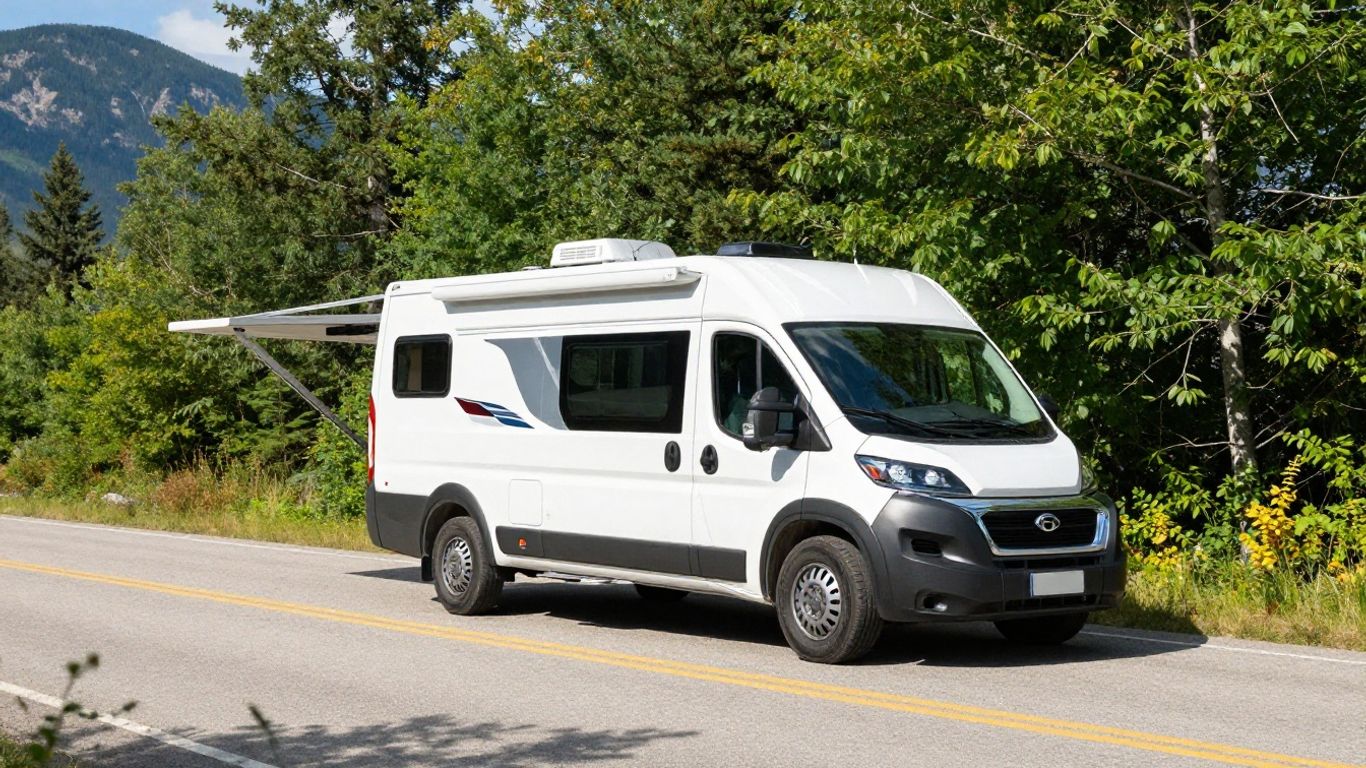
When you’re planning an accessible motorhome trip in Canada, there are a few extra things to keep in mind that go beyond the usual rental process. It’s not just about finding a vehicle with the right features; it’s about the whole experience, from how long you plan to stay to who you’re traveling with.
Long-Term Rental Economics
Thinking about a longer trip? Renting for an extended period can sometimes feel like a good deal because the daily rate might drop. However, it’s important to look at the total cost. While weekly or monthly rates might be lower per day, you’ll still rack up costs for fuel, mileage (if applicable), campsite fees, and all your daily supplies. So, while it offers more freedom to explore at a slower pace, it doesn’t always mean you’ll spend less money overall. It’s more about the experience and flexibility than a direct cost saving.
Traveling with Multiple Families or Special Needs
If you’re coordinating a trip with more than one family, or if someone in your group has specific accessibility needs beyond what a standard accessible motorhome offers, communication is key. When you book, make sure to note these details. Rental companies can sometimes accommodate requests, like ensuring a specific vehicle layout or providing extra equipment, but it’s best to ask early. They might not always have solutions for every situation, but they can often suggest the best options available.
Understanding Vehicle Limitations (e.g., Roof Access)
It’s important to know what you can’t do with a motorhome, especially when it comes to safety and vehicle upkeep. For instance, you are generally not allowed to access the roof of a motorhome. Rental companies usually don’t equip them with ladders, and trying to store things up there, like kayaks or canoes, is a big no-no. If something happens because of rooftop storage, your insurance likely won’t cover it, and repairs can be really expensive. Always stick to the guidelines provided by the rental company to avoid issues and keep your trip running smoothly.
Ready to Hit the Road?
So, planning a motorhome trip in Canada is totally doable, even with specific needs. While it might take a bit of digging to find the right fit, there are options out there. From figuring out costs to understanding what’s included, it seems like a lot of the guesswork can be taken out by using comparison sites and asking questions upfront. Don’t let the details stop you from exploring the amazing Canadian landscape from the comfort of your own wheels. It looks like with a little preparation, your adventure awaits.
Frequently Asked Questions
What makes a motorhome rental accessible in Canada?
Accessible motorhomes in Canada are designed to make travel easier for everyone. This can include features like wider doorways, ramps or lifts for wheelchair access, accessible bathrooms, and special controls for driving. It’s all about making sure people with different mobility needs can enjoy their trip comfortably.
How do I find out if a motorhome is accessible?
When you’re looking to rent, ask the rental company directly about their accessible options. They should be able to tell you what features are available. Some companies might have specific models set aside for accessibility needs, so it’s good to inquire early.
Are there extra costs for accessible motorhome rentals?
Sometimes, specialized features for accessibility might add to the rental cost. It’s important to get a clear quote that includes all charges. Ask the rental company to break down the costs so you know exactly what you’re paying for.
Can I drive a motorhome if I don’t have a special license?
In most cases, you don’t need a special license to drive a motorhome in Canada. A regular driver’s license is usually enough. However, you need to be a certain age, often 21 or 25, depending on the rental company. Always check the specific requirements before you book.
What should I do if I need help while on the road?
Most rental companies offer roadside assistance. They usually have a 24/7 hotline you can call if you have a breakdown or any issues with the motorhome. Keep their contact information handy, often provided in a welcome packet.
How do I get water, electricity, and empty waste tanks?
Campgrounds often have ‘hookups’ where you can connect your motorhome to get fresh water and electricity. They also have places called ‘dump stations’ to empty the tanks that hold waste water. The rental company will show you how to do this before you leave.
Can I put things on the roof of the motorhome?
No, you generally cannot use the roof for storage. Rental companies usually don’t allow items like canoes or kayaks on the roof, and they don’t provide ladders for access. This is for safety and to prevent damage, which could affect your insurance.
Is it better to rent a small or large motorhome?
It depends on how many people are traveling and where you plan to go. Smaller motorhomes are easier to drive and park, and they use less fuel, which can save money. Larger ones offer more space and comfort, which is great for longer trips or families. Consider what’s most important for your trip.