Thinking about hitting the road with your pet in a motorhome? There’s a lot to consider before booking, especially when it comes to the rules about animals. Every rental company has different guidelines, and some are more pet-friendly than others. If you’re searching for info on the motorhome hire Canada pet policy, you’re in the right place.
Key Takeaways
Always ask rental companies about their specific pet policy before booking, as rules can vary a lot.
Bring your pet’s health records and make sure their ID tags are up to date for travel.
Keep the motorhome clean and use seat covers or blankets to avoid extra cleaning charges.
Plan ahead for pet-friendly stops and understand campground and park rules for animals.
Key Questions Before Booking Your Pet-Friendly Motorhome
That’s awesome! But before you start picturing yourselves by a campfire, there are some important things to sort out regarding pets. Not all rental companies are created equal when it comes to our four-legged pals. It’s super important to get the details straight from the start to avoid any surprises or extra charges down the line.
Here are some things you really need to ask about:
Are pets actually allowed? Some companies might say pet-friendly’ but only mean certain types of pets, or maybe only in specific vehicles. You don’t want to show up with your Golden Retriever and find out they only allow cats, or only in the smallest campervan.
What kind of pets are permitted? Are dogs okay, but cats aren’t? What about smaller critters like hamsters or birds? Some places are really strict, only allowing dogs, and sometimes even limiting breeds or sizes.
It’s usually to cover extra cleaning. You’ll want to know exactly how much this is and what it covers.
What are the rules inside the motorhome? You’ll likely need to keep your pet off the furniture, and definitely prevent them from chewing or scratching anything. They’ll probably want proof that your pet is well-behaved, or at least that you’re prepared to manage them.
Can I take my pet to national parks or across borders? Canada has amazing parks, but many have specific rules about pets. Also, if you’re planning to pop into the US for a bit, you’ll need to know if that’s allowed and if there are any extra paperwork requirements.
Asking these questions upfront saves a lot of headaches. It helps you pick the right rental and plan your trip without any pet-related drama. Think of it as part of your pre-trip checklist, just as important as checking the tire pressure.
Navigating Rental Agreements for Traveling with Pets
Once you’ve found a motorhome that welcomes your pet, the next step is digging into the rental agreement. This is where all the nitty-gritty details about traveling with animals are laid out. It might seem like a lot of reading, but it’s really worth your time. You don’t want to accidentally break a rule and end up paying for it.
Look out for specific clauses related to pets. These might cover:
Designated Pet Areas: Some agreements might suggest keeping pets in a specific part of the motorhome, like the entryway or a designated mat.
Cleaning Expectations: The agreement will detail how clean the motorhome needs to be upon return. This often includes vacuuming up pet hair and cleaning up any accidents immediately.
Damage Liability: Understand what happens if your pet causes damage. This could range from minor scratches to more serious issues like chewed upholstery.
Prohibited Items: Are there any items you can’t bring that might be related to your pet, like certain types of pet food or bedding that could cause allergies for the next renter?
Ensuring a Smooth Journey with Your Canine Companion
Traveling with your dog in a motorhome can be a fantastic experience, but it does require a bit of preparation. It’s not just about booking the right vehicle; it’s about making sure your dog is comfortable and safe throughout the trip. A happy dog usually means a happier trip for everyone involved.
Here are a few pointers to keep in mind:
Acclimatize your dog to the motorhome: Before you leave, let your dog spend some time in the motorhome while it’s parked. Let them explore, maybe even have a meal inside. This helps them get used to the new smells and space, reducing anxiety when you’re actually on the road.
Secure your pet during travel: Just like in a car, your dog should be safely secured. This could be a harness that clips into a seatbelt, a travel crate, or a carrier. This is for their safety in case of sudden stops and also to prevent them from distracting the driver.
Plan for frequent stops: Dogs need breaks to stretch their legs, go to the bathroom, and have a drink of water. Plan your driving route to include regular stops at rest areas or dog-friendly parks. This breaks up the journey for them and prevents restlessness.
Bring familiar items: Pack your dog’s favorite bed, blanket, toys, and food bowls. Having familiar items can provide a sense of security and comfort in a new environment.
Pet Restrictions and Additional Fees
Rental companies have these policies for a reason, mostly to keep their vehicles in tip-top shape for everyone.
Breed and Size Limitations for Furry Passengers
Some companies might have rules about which breeds or how big your pet can be. This isn’t usually about being picky; it’s often tied to insurance policies or the wear and tear a larger or more energetic animal might cause. You might find that certain breeds are excluded, or there’s a weight limit. Always check this before you book, so you don’t end up disappointed.
Check breed restrictions: Some companies have a list of breeds they cannot allow.
Weight limits: Many rentals have a maximum weight for pets.
Number of pets: There might be a limit on how many animals you can bring.
Understanding Pet Fees and Their Purpose
This isn’t just an arbitrary charge; it’s typically to cover the extra cleaning that’s needed after a pet has been in the motorhome. Think about shedding, potential dander, and maybe a little extra wear on upholstery.
It ensures a fresh and comfortable space for everyone.
Consequences of Violating Pet Policies
It’s really not worth risking the penalties for not following the rules. If you bring a pet when they’re not allowed, or if your pet causes damage beyond normal wear and tear, you could be looking at some hefty charges. Always read the fine print and be upfront about bringing your pet. If you’re looking for a motorhome, you can find pet-friendly rentals that make the process easier.
Preparing Your Motorhome for Pet Travel
Getting your motorhome ready for a trip with your furry co-pilot is pretty straightforward, but a little prep goes a long way. You don’t want to be digging through cupboards for a poop bag when you’re already miles from anywhere, right? So, let’s talk about making sure your home on wheels is as comfy and safe for your pet as it is for you.
Essential Items for Your Pet’s Comfort
Think about what your pet loves at home and try to bring a bit of that with you. It helps them settle in faster and feel less stressed. Here’s a quick rundown of things that usually make a big difference:
Familiar Bedding: Pack their favorite blanket or bed. It smells like home and gives them a designated spot to relax.
Favorite Toys: A few well-loved toys can keep them entertained and provide comfort during downtime.
Food and Water Bowls: Collapsible ones are great for saving space, but any familiar bowls work. Make sure you have a good supply of their regular food.
Leash and Harness: A sturdy leash and a comfortable harness are a must for walks and keeping them secure.
Waste Bags: Never underestimate how many you’ll need! It’s better to have too many than too few.
Grooming Supplies: A brush can help manage shedding, especially if your rental company has specific rules about it.
Bringing a few of your pet’s own items can really help them adjust to the new environment. It’s like giving them a little piece of home to hold onto while they’re exploring new places.
Maintaining Vehicle Cleanliness with Pets Onboard
Keeping the motorhome tidy when you’ve got a pet along is key, not just for your own comfort but also to avoid extra charges from the rental company. Most places are cool with pets, but they do expect the vehicle to be returned in a reasonable state. Regular cleaning is your best friend here.
Wipe Down Surfaces: Keep a pack of pet-safe wipes handy for quick cleanups of muddy paws or any little accidents.
Vacuuming: If your motorhome has a small vacuum, use it daily, especially after walks. If not, a small brush and dustpan can help.
Designated Pet Areas: Try to keep your pet in one area of the motorhome when possible, especially during meal times or when they’re settling down.
Seat Covers/Throws: Use old blankets or specific pet seat covers on furniture where your pet might rest. This is way easier to clean than upholstery.
Safety Measures for Pets During Transit
Your pet’s safety is just as important as yours. When the motorhome is moving, your pet needs to be secured. This isn’t just about preventing them from bouncing around; it’s a serious safety issue in case of sudden stops or accidents.
Crates or Carriers: If your pet is used to a crate, this is often the safest option. Make sure it’s well-ventilated and secured within the motorhome.
Pet Seat Belts/Harnesses: These attach to your motorhome’s seatbelt system and keep your pet safely in their seat.
Window Screens: While it might be tempting to let them hang their head out the window, it’s generally not safe. Keep windows mostly closed or use screens to prevent them from jumping out or getting injured by debris.
Never Leave Pets Unattended: Even for a short time, leaving a pet alone in a motorhome can be dangerous due to temperature fluctuations and potential theft.
Choosing the Right Pet-Friendly Motorhome
So, you’ve decided to bring your furry best friend along for the motorhome adventure. That’s awesome! But not all motorhomes are created equal when it comes to accommodating our four-legged pals. Picking the right vehicle can make a huge difference in how comfortable everyone is, including you. It’s not just about finding a place that allows pets; it’s about finding one that’s genuinely set up for them.
Vehicle Types Suitable for Pets
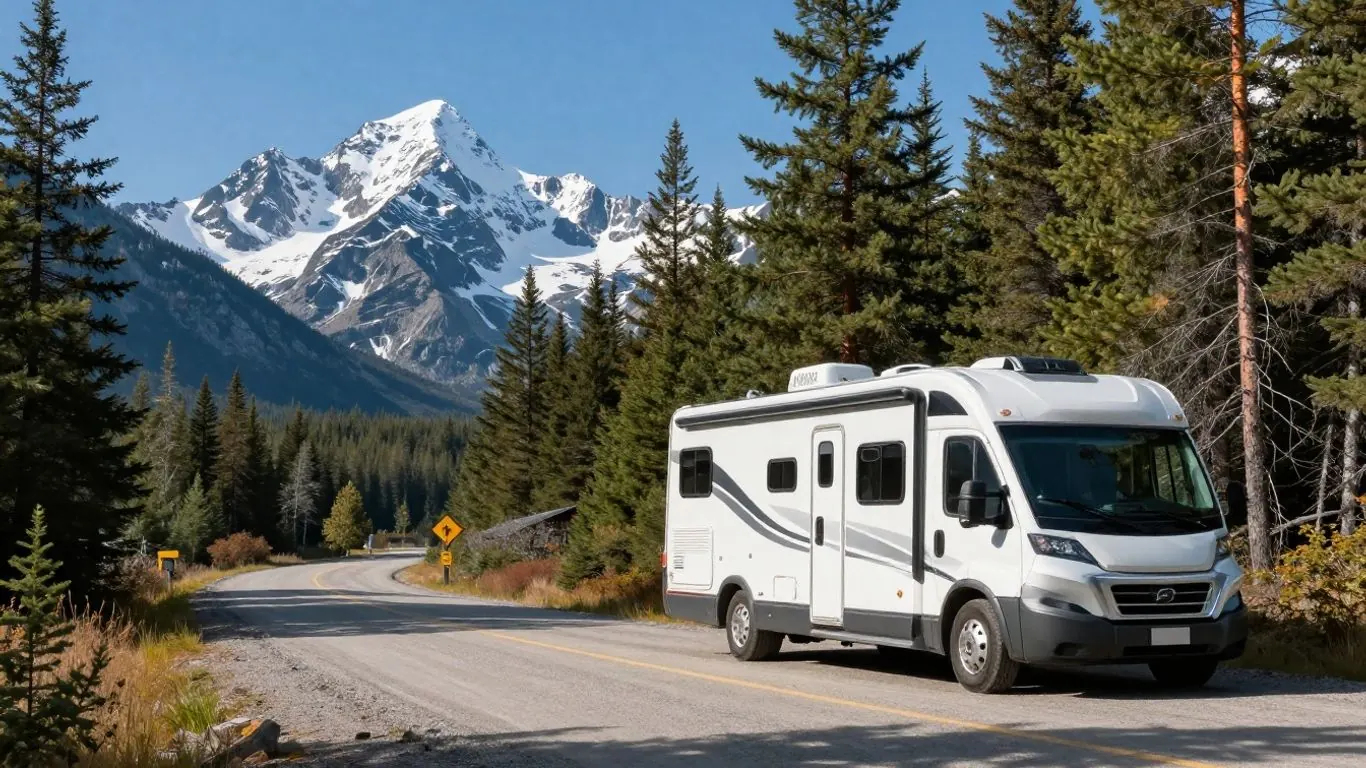
When you’re looking at motorhomes, think about the layout and how much space you’ll actually need. Some smaller campervans might feel cramped for a larger dog, especially if you’re planning a longer trip. Class A motorhomes, the big bus-like ones, usually offer the most room, with separate living areas and bedrooms. This can be great for giving your pet their own space to relax. Class C motorhomes, often built on a truck chassis with an over-cab sleeping area, are a popular middle ground. They offer decent space without being overly cumbersome to drive. For those who prefer something more compact, some Class B campervans (often called
Travel Destinations and Pet Considerations
Not every park or campground welcomes all pets or every breed, so a little planning goes a long way. Here’s what to keep in mind for a smooth trip:
Exploring National Parks with Your Pet
Check park-specific pet policies before arriving. Some national parks allow pets only on certain trails or in designated areas.
Most parks require dogs to stay leashed (usually at 6 feet or under) at all times. Off-leash zones are rare.
Wildlife is everywhere. Even friendly dogs can get excited and cause issues, so stay alert during hikes.
Before heading out, I always look up each park’s dog policy online. It only takes a few minutes but saves a lot of hassle at the gates.
Campground Regulations for Animals
Most campgrounds expect proof of up-to-date vaccines for your pet.
Quiet hours usually apply to animal noise, so if your pet is noisy, consider more isolated sites.
There might be designated dog walk areas—use them to avoid trouble with other campers.
Planning Pet-Friendly Itineraries
Choose routes with plenty of pet-friendly rest stops for potty breaks and fresh air.
Map out locations of emergency vets along your journey—you’ll be glad for the peace of mind.
Keep backup activities in mind in case you hit an area with strict pet rules.
A little extra planning means your companion can enjoy the adventure just as much as you. With so many places welcoming four-legged travelers, you won’t have to leave anyone behind on your next big road trip.
Vaccination Records and Health Certificates
Pet health paperwork should be in order before you travel. Most motorhome rental companies, especially those that are genuinely pet-friendly, will want to see proof that your pet is up-to-date on their vaccinations. This isn’t just about the rental company’s policy; it’s also about protecting your pet and other animals they might encounter. You’ll likely need a copy of their vaccination records from your veterinarian. Sometimes, especially if you’re crossing provincial or state lines, a health certificate might be required. This is a document signed by your vet stating that your pet is healthy and free from contagious diseases. It’s always better to have these documents ready to go rather than scrambling at the last minute.
Leash Laws and Local Ordinances
When you’re out exploring new places in your motorhome, remember that different towns and parks have their own rules about pets. Most places require dogs to be on a leash when they’re outside of your vehicle or designated pet areas. This is for everyone’s safety – yours, your pet’s, and other people’s. You’ll want to familiarize yourself with local leash laws before you arrive at a new destination. Some campgrounds might have specific rules too, like where pets are allowed and if they need to be supervised at all times. A quick search online for "[Your Destination] pet rules" can save you a headache and potential fines. It’s also worth noting that some areas might have breed restrictions, so it’s wise to check that beforehand too.
Identification for Your Traveling Pet
This is a big one, and honestly, it’s something every pet owner should be on top of, whether you’re traveling or not. Make sure your pet has proper identification. This usually means a collar with an ID tag that has your current phone number. If your pet happens to get lost, a tag is the quickest way for someone to contact you. Beyond the basic tag, consider getting your pet microchipped if they aren’t already. A microchip is a tiny chip implanted under the skin that contains a unique identification number. This number is linked to your contact information in a national database. If your pet is found and scanned by a vet or shelter, they can easily reunite you. When renting a motorhome, it’s also a good idea to have a recent photo of your pet on your phone, just in case.
Traveling with pets requires a bit of preparation, but it’s totally worth it for the memories you’ll make. Having the right documents and understanding local rules means less stress and more fun for everyone involved. Think of it as packing your own bags – you wouldn’t leave without your essentials, and your pet shouldn’t travel without theirs.
Inquiring About Specific Pet Policies
Before you even think about packing Fido’s favorite squeaky toy, it’s super important to get the lowdown on the rental company’s specific rules for pets. Don’t just assume pet-friendly’ means your Great Dane can sprawl out on the sofa. Ask direct questions. What breeds are allowed? Are there weight limits? Some companies are really strict, only allowing dogs, while others might be more flexible. It’s also worth asking about any restrictions on where pets can go inside the motorhome – are they allowed on the furniture, or do they need their own designated spot?
What types of pets are permitted? , dogs only, cats, other small animals)
Are there breed or weight restrictions?
Is there a limit to the number of pets per rental?
Can pets be left unattended in the motorhome?
Assistance with Pet-Related Travel Concerns
Good rental companies understand that traveling with pets isn’t always straightforward. They should be able to offer some guidance. Maybe you’re wondering about the best way to secure your pet during transit, or perhaps you need advice on cleaning supplies specifically for pet messes. A helpful company might have a list of pet-friendly campgrounds or even suggest routes that are more accommodating to travelers with animals. Don’t hesitate to ask for their recommendations; they often have insights that can make your trip much smoother.
Understanding Emergency Procedures for Pets
This is a big one, and thankfully, not something you’ll likely need, but it’s good to know. What happens if your pet gets sick or injured while you’re on the road? Does the rental company have a protocol? Do they have a list of emergency vets near common rental routes or drop-off points? While they aren’t veterinarians, knowing they have a plan, or at least a point of contact for advice, can be incredibly reassuring. It shows they’ve thought about the what ifs’ for all members of your travel party, furry ones included.
It’s always a good idea to have your own pet’s medical records and a list of emergency contacts handy, just in case. This way, you’re prepared no matter what.
Here’s a quick rundown of what to clarify:
Emergency Vet Contacts: Ask if they maintain a list of vets along popular travel paths.
Accident Protocol: Understand their procedure if your pet causes damage or gets injured.
Company Support: Inquire about who to contact if you face a pet-related emergency during your rental period.
Tips for a Stress-Free Road Trip with Pets
Taking your furry pal along for a motorhome adventure can be incredibly rewarding, but it does take a little extra thought to make sure everyone, including your pet, has a great time. Think of it like packing for a human guest, but with a few more slobbery toys and maybe a squeaky ball or two. The goal is to make your motorhome feel like a home away from home for your pet. This means bringing along their favorite bed or blanket, their usual food and water bowls, and any toys that help them feel secure. A familiar scent can do wonders for a pet adjusting to a new environment. Also, plan for frequent stops. Dogs, especially, need regular breaks to stretch their legs, do their business, and just sniff around. These pauses aren’t just for them; they’re good for you too, breaking up the drive and letting everyone recharge.
Making the Most of Pet-Friendly Rentals
When you pick up your motorhome, do a quick walkthrough with the rental company, specifically asking about any pet-related features or rules you might have missed. Some vehicles might have built-in pet gates or specific areas designated for pets. It’s also a good idea to understand the cleaning expectations. Bringing along a portable pet bed or a washable cover for seating areas can really help keep the motorhome tidy and avoid extra charges. Think about how you’ll manage meal times and water breaks – having a designated spot for these can prevent spills and keep things organized. Remember, the cleaner you keep it, the easier the return process will be for everyone.
Creating Lasting Memories with Your Pet on the Road
Ultimately, traveling in a motorhome with your pet is about shared experiences. It’s about waking up to new scenery together, exploring trails that might not be accessible otherwise, and enjoying the simple pleasure of each other’s company without the worry of leaving them behind. Take photos, but also take moments to just be present. Watch your dog chase a butterfly in a new field or your cat peer curiously out the window at a passing deer. These are the moments that make the trip special. Plan your days with your pet’s energy levels and comfort in mind. A tired pet is usually a happy pet, and a happy pet makes for a much more relaxed and enjoyable trip for you. Don’t forget to research pet-friendly attractions and rest stops along your route so you can make spontaneous detours with confidence.
Ready for Your Pet-Friendly Adventure?
So, bringing your furry pal along on a motorhome trip is totally doable. It just takes a little bit of homework beforehand. You want to make sure both you and your four-legged co-pilot have a fantastic time exploring.
Can I bring my pet along on my motorhome trip?
Yes, many motorhome rental companies allow pets, but you absolutely need to check their specific policy before you book. Some places are super welcoming to furry friends, while others might have a few rules or even say no pets at all. Always confirm this detail upfront to avoid any surprises!
What if my pet causes damage to the motorhome?
It’s important to keep an eye on your pet and make sure they’re comfortable and not damaging anything. Bringing their favorite blanket or toys can help them feel more at home.
Are there any pets that aren’t allowed?
Some rental companies only allow dogs, and some might have rules about the breed or size of the dog. Unfortunately, most places don’t allow other types of pets like cats, birds, or reptiles. Always double-check the company’s specific rules about which animals are permitted.
What should I pack for my pet?
Don’t forget the essentials! Pack your pet’s food, water and food bowls, their leash, any medications they need, and their favorite toys or a comfy blanket. Having familiar items can make your pet feel more secure and relaxed during the trip.
How can I keep the motorhome clean with my pet?
Regular cleaning is key. Bring wipes or paper towels for quick clean-ups. Try to keep your pet off the furniture if possible, or use a cover. Taking frequent breaks for walks will also help keep things tidy and give your pet a chance to stretch their legs.
What safety measures should I take for my pet?
When driving, make sure your pet is safely secured, perhaps in a crate or with a special pet seatbelt. Never leave your pet alone in the motorhome, especially in warm weather, as it can get very hot very quickly. Always ensure they have access to fresh water.
Can I take my pet to national parks or campgrounds?
Many national parks and campgrounds welcome pets, but they often have rules, like keeping pets on a leash at all times and not leaving them unattended. It’s wise to research the specific rules for any parks or campgrounds you plan to visit before you go.
Confirm current details
Pet rules and fees differ between rental companies and between campgrounds, so get the rental company's pet policy in writing and check each campground's rules before you book.