

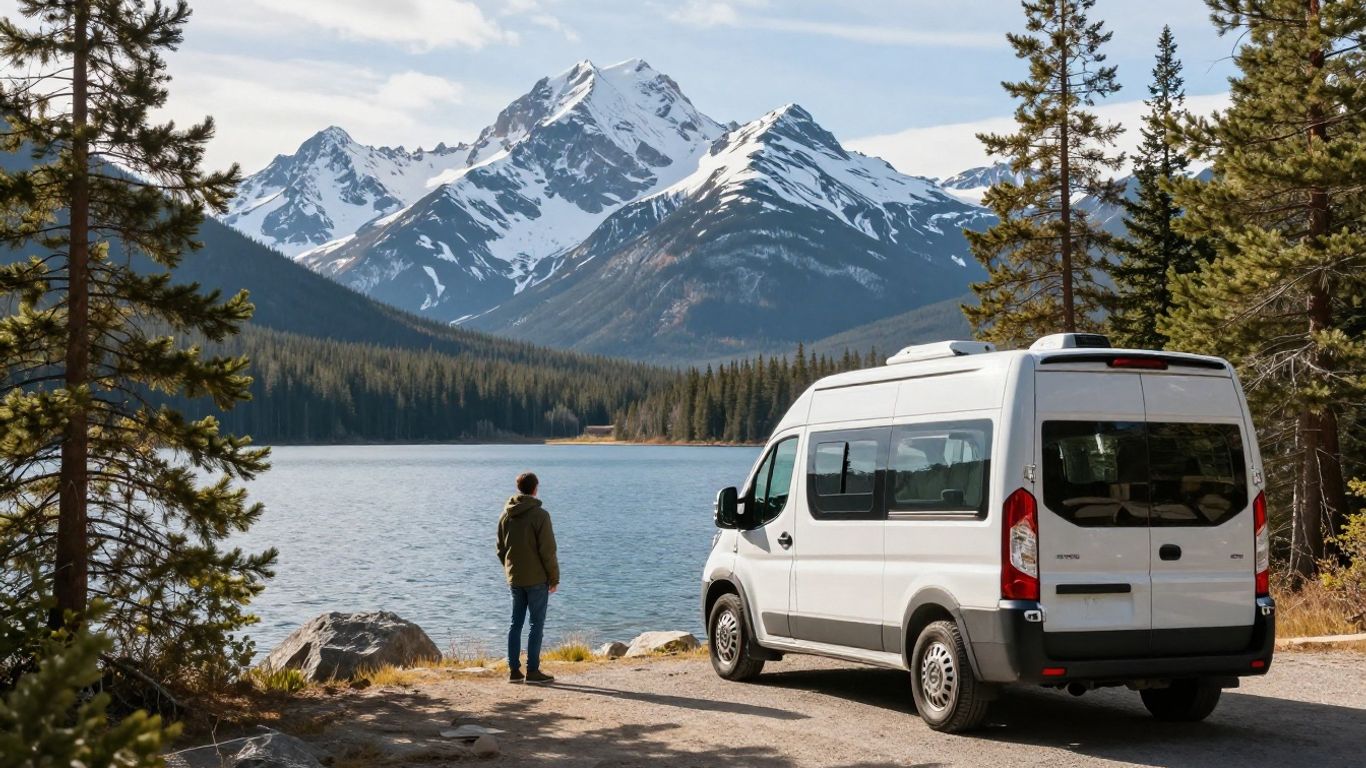
So, you’re thinking about renting a campervan for your trip to Canada? That’s awesome! It’s a fantastic way to see the country. But, if you’re new to this, there are a few things that can trip you up. I’ve seen people make the same mistakes over and over, and honestly, it can really put a damper on an otherwise amazing adventure. Let’s talk about how to avoid those common oops moments so your campervan hire Canada first time experience is smooth sailing.
Key Takeaways
- When picking a campervan, think about how easy it is to drive and park, not just how much space it has. A smaller, more agile van is often better for exploring.
- Don’t just look at the daily rental price. Factor in gas, campsite fees, and always set aside money for unexpected repairs or issues.
- Driving a campervan is different from a car. Take it slow, plan your routes carefully, and practice parking before you hit the open road.
- Do a thorough check of the campervan when you pick it up. Make sure you know how all the systems work and document any existing damage.
- Pack light! Bring versatile clothing and use clever packing tricks to save space. You can always do laundry on the road.
Choosing The Right Campervan For Your Canadian Adventure
Understanding Vehicle Size and Maneuverability
When you first look at campervans, it’s easy to be drawn to the biggest ones. They look so spacious and comfortable, right? But here’s the thing: a larger van isn’t just more room to spread out. It’s also a bigger challenge to drive and park, especially on those winding Canadian roads you might be picturing. Think about pulling into a beautiful, secluded spot you found after a long day. If you can’t actually maneuver the van into it, all that extra space suddenly feels like a burden. Agility often trumps excess space when it comes to enjoying your trip.
Assessing Your Actual Space Needs
Before you book anything, take a good, hard look at who’s traveling and what you really need. If it’s just you and a partner, a smaller, more compact campervan is probably going to be a much better fit. It’ll be easier to handle, simpler to park, and you’ll be able to access places larger rigs can only dream of. Trying out a couple of different sizes before your big trip can really help you figure out what works best for your travel style.
Prioritizing Agility Over Excess Space
Think about your typical day on the road. You’ll be driving, stopping at viewpoints, maybe exploring small towns, and looking for places to park overnight. A van that’s easier to handle means less stress and more enjoyment. You’ll be able to navigate narrow streets and tight parking spots with confidence. This freedom to explore without constantly worrying about the van’s size is a huge part of what makes a campervan trip so great. It’s about the experience, not just the square footage inside.
Navigating The Costs Of Campervan Hire Canada First Time
So, you’ve picked out your campervan and you’re getting ready for the big adventure. That’s awesome! But before you hit the road, let’s talk about the money side of things. It’s super easy to get caught up in the daily rental price and think that’s your whole budget sorted. The real cost of a campervan trip often has a few extra bits you need to think about.
Beyond The Daily Rental Rate
That advertised daily rate is just the starting point. You’ve got to factor in a bunch of other expenses that can really add up. Think about insurance – it’s not always included and can be a significant cost, especially for first-timers. Some companies might also charge extra for things like mileage limits, or even for specific equipment like camping chairs or a portable grill. Always ask for a full breakdown of what’s included and what’s not.
Accounting For Fuel And Campsite Fees
Fuel is a big one. Campervans are not exactly known for their fuel efficiency, especially when you’re driving through the vast landscapes of Canada. You’ll want to budget generously for gas. Then there are campsite fees. While you might dream of pulling over anywhere, most established campgrounds, especially those with hookups for power and water, come with a nightly charge. These can range from quite affordable to surprisingly pricey, depending on the location and amenities. If you plan on using propane for your fridge or stove, that’s another cost to consider.
Budgeting For Unexpected Expenses
Stuff happens, right? A flat tire, a minor repair, or even just needing to grab an extra blanket because the nights get colder than you expected. It’s wise to have a buffer for these kinds of things. Setting aside a small emergency fund, even just a few hundred dollars, can save you a lot of stress if something unexpected pops up. This way, a small issue doesn’t turn into a trip-ruining disaster. It’s better to have it and not need it, than to need it and not have it.
It’s easy to get excited and just focus on the fun parts, but a little bit of financial planning goes a long way. Think about all the little things that add up, from the cost of groceries to the occasional treat. Being prepared financially means you can actually relax and enjoy the journey without constantly worrying about every dollar.
Here’s a quick look at some common extra costs:
- Insurance: Check what’s covered and if you need additional protection.
- Fuel: Factor in the higher consumption of a larger vehicle.
- Campsite Fees: Research prices for different types of sites.
- Propane/Gas: For cooking and refrigeration.
- Vehicle Accessories: Sometimes extra charges for things like bedding or kitchen kits.
- Tolls and Parking: Especially in urban areas.
When you’re looking at different rental companies, don’t just compare the daily rate. Look at the total package. Websites like Motorhome Republic can help you compare different options side-by-side, making it easier to spot hidden fees and get a clearer picture of the overall expense.
Mastering The Art Of Campervan Driving
Adjusting To A Larger Vehicle
Okay, so you’ve got the keys to your temporary home on wheels. It’s exciting, right? But let’s be real, driving a campervan is a whole different ballgame than your everyday car. Think bigger, heavier, and definitely taller. You’ll notice a longer stopping distance, so give yourself plenty of room to slow down. And those gusts of wind on the highway? They can really push you around. It’s all about being more deliberate with your movements.
Planning Routes With Height Restrictions In Mind
This is a big one, especially in older towns or areas with lots of bridges. That cute little road might look scenic on the map, but if your campervan is too tall, you’re going to have a problem. Always check for low clearance signs. It’s way better to take a slightly longer route than to get stuck or, worse, damage the vehicle.
Here’s a quick rundown of things to watch out for:
- Bridge Heights: Look for signs indicating clearance. If you’re unsure, find an alternative route.
- Tunnel Clearances: Similar to bridges, tunnels can have strict height limits.
- Parking Garages: Most campervans won’t fit in standard parking garages. Plan your city stops accordingly.
- Overhanging Trees/Branches: Especially on less-traveled roads, branches can be lower than you expect.
Always do a quick walk-around before you set off. Make sure everything is secure, cupboards are shut tight, and any awnings are properly stowed. It’s a simple step that can prevent a lot of headaches.
Practicing Parking And Maneuvering
Finding a spot to park your campervan can be a challenge, especially in busy areas. Don’t be shy about practicing your parking skills in a quiet, empty parking lot before you hit the road. Get a feel for how wide your vehicle is and how it turns. Backing up can be tricky, so if you have a passenger, use them as a spotter. It might feel a bit awkward at first, but getting comfortable with maneuvering will make your trip so much smoother and less stressful.
Essential Pre-Trip Preparations
Before you even think about hitting the open road in your campervan, there are a few things you absolutely need to sort out. Skipping these steps is like trying to bake a cake without preheating the oven – it’s just not going to turn out right. Taking a little time now will save you a lot of headaches later.
Conducting A Thorough Vehicle Handover
The handover process at the rental place can feel a bit rushed. You’re excited, they’re busy, and you just want to get going. But seriously, don’t just nod along. This is your chance to really get to know the vehicle you’ll be living in for a while. Ask questions. Lots of them. Make sure you understand how everything works before you drive off.
- Walk around the entire exterior. Look for any existing scratches, dents, or dings. It’s a good idea to take photos or even a video on your phone of the vehicle’s condition. This protects you from being blamed for damage you didn’t cause.
- Ask about the tire pressure and where the spare is located. You’ll want to know how to check it.
- Confirm what tools or emergency equipment come with the van.
Understanding All Onboard Systems
Campervans have a few more systems to worry about than your average car. You’ve got water, power, and gas to consider. It’s not rocket science, but you do need to know the basics.
- Electrical System: How does the battery work? How do you hook up to shore power at a campsite? How long can you expect the battery to last when you’re not plugged in?
- Water System: Where is the fresh water tank? How do you fill it? How do you empty the grey (sink/shower) and black (toilet) water tanks? And importantly, how do you operate the toilet?
- Gas System: If your van has a gas stove or refrigerator, know how to turn the gas on and off safely. Understand how to light the stove and if there’s a pilot light.
Documenting Vehicle Condition
This ties into the handover, but it’s worth its own point. Before you drive away, make sure you have a clear record of the van’s condition. This isn’t about being suspicious; it’s about being prepared.
- Take photos and videos. Get close-ups of any existing damage, no matter how small. Document the interior condition too – check for stains, tears, or wear and tear.
- Get it in writing. If there are any issues noted during the handover, make sure they are documented on the rental agreement or a separate form provided by the company.
A little bit of diligence upfront can prevent a lot of stress and potential charges when you return the vehicle. Think of it as your insurance policy against misunderstandings.
Don’t forget to check that all cupboards and drawers are securely closed before you drive off. You don’t want your belongings flying around while you’re on the move. Also, make sure any external compartments are latched properly. It’s the small things that make a big difference on your trip.
Packing Smart For Your Road Trip
When you’re getting ready for your first campervan trip in Canada, it’s easy to get carried away and pack way too much stuff. Remember, you’re not moving house; you’re going on an adventure! The space inside a campervan is limited, and overpacking can quickly make your cozy mobile home feel cramped and chaotic. The key is to pack light and pack smart, focusing on versatility and necessity.
Avoiding Overpacking For Limited Space
It’s a common mistake for first-timers to pack as if they’re preparing for every possible weather extreme and social event. You might think you need five different pairs of shoes or a different outfit for every single day. But here’s the reality: campervans don’t have endless closets. Every item you bring takes up valuable space that could be used for something else, or worse, just adds to the clutter. A good rule of thumb is to lay out everything you think you need, then put about half of it back. You’ll be surprised at how little you actually miss.
Choosing Versatile And Quick-Dry Clothing
Think about your wardrobe in terms of layers and items that can serve multiple purposes. Instead of packing bulky sweaters, opt for thinner, insulating layers. Quick-dry fabrics are your best friend here. They take up less space, dry fast after washing (which you’ll likely need to do at a laundromat), and are often more comfortable for travel. Consider items like merino wool base layers, convertible pants, and a good waterproof outer shell. This approach not only saves space but also makes it easier to adapt to changing conditions on the road. You can find some great tips for packing for couples road trips that apply here too.
Utilizing Space-Saving Packing Techniques
How you pack is almost as important as what you pack. Rolling your clothes, rather than folding them, can save a surprising amount of space in your bags and within the van’s storage compartments. Using packing cubes or compression bags can further help organize your belongings and reduce their volume. Collapsible containers, like duffel bags or storage bins, are also incredibly useful for keeping things tidy and out of the way when not in use. Don’t forget to bring reusable shopping bags for groceries and smaller bags for organizing toiletries or electronics.
Here are a few packing strategies to keep in mind:
- Roll, don’t fold: This is a classic space-saver for clothing.
- Use packing cubes: They help compress items and keep your luggage organized.
- Invest in multi-purpose items: Think a sarong that can be a scarf, blanket, or towel.
- Decant toiletries: Transfer liquids into smaller, travel-sized containers.
Before you even start packing, take a good look at what your campervan rental actually includes. Some companies provide basic kitchenware, bedding, and even outdoor chairs. Knowing what’s already on board will prevent you from bringing duplicates and save you precious space and hassle. Always ask the rental company for a detailed list of amenities if one isn’t readily available.
Planning Your Itinerary Wisely
Okay, so you’ve got your campervan booked and you’re itching to hit the road in Canada. It’s super tempting to just wing it, right? Spontaneity is part of the fun, for sure. But trust me, showing up somewhere at dusk with no idea where you’re going to park for the night? That’s not fun, that’s just stressful. You’ll end up driving around in circles, looking for any spot, and probably paying way too much for it.
Balancing Spontaneity With Planning
Think of your itinerary like a loose sketch rather than a rigid blueprint. You want to leave room for those amazing, unexpected detours that make road trips memorable. But you also need a framework. Having a general idea of your route and booking your first couple of nights is a smart move, especially if you’re arriving late or during peak season. This way, you can relax and enjoy the drive, knowing you have a safe place to rest.
Estimating Travel Times Accurately
Here’s a big one: campervans are not race cars. They’re bigger, heavier, and slower. Google Maps estimates are usually for cars, and they don’t account for the extra time you’ll need for a campervan. You’ll be stopping more often, taking wider turns, and generally moving at a more leisurely pace. A good rule of thumb is to add at least 20% to any driving time estimate. Seriously, factor this in. It makes a huge difference.
Here’s a quick look at how driving times can change:
| Route Segment | Car Estimate (Google Maps) | Campervan Realistic Estimate (Add 20%) |
|---|---|---|
| Vancouver to Whistler | 1 hour 45 minutes | 2 hours 6 minutes |
| Banff to Jasper | 3 hours 30 minutes | 4 hours 12 minutes |
| Toronto to Niagara Falls | 1 hour 30 minutes | 1 hour 48 minutes |
Securing Initial Accommodation
Don’t leave your first night’s stay to chance. It’s a good idea to book your accommodation for at least the first night, maybe even the first two or three. This takes the pressure off right at the start of your trip. You can then use that initial base to get your bearings, figure out your van’s systems, and plan the next leg of your journey with more confidence. It sets a much more relaxed tone for the rest of your adventure.
Remember, the goal is to enjoy the journey. Rushing because you didn’t plan enough or getting stressed about where to sleep isn’t the vibe. A little bit of planning goes a long way in making sure your Canadian campervan trip is all about the amazing scenery and good times, not last-minute panic.
Understanding Overnight Parking Regulations
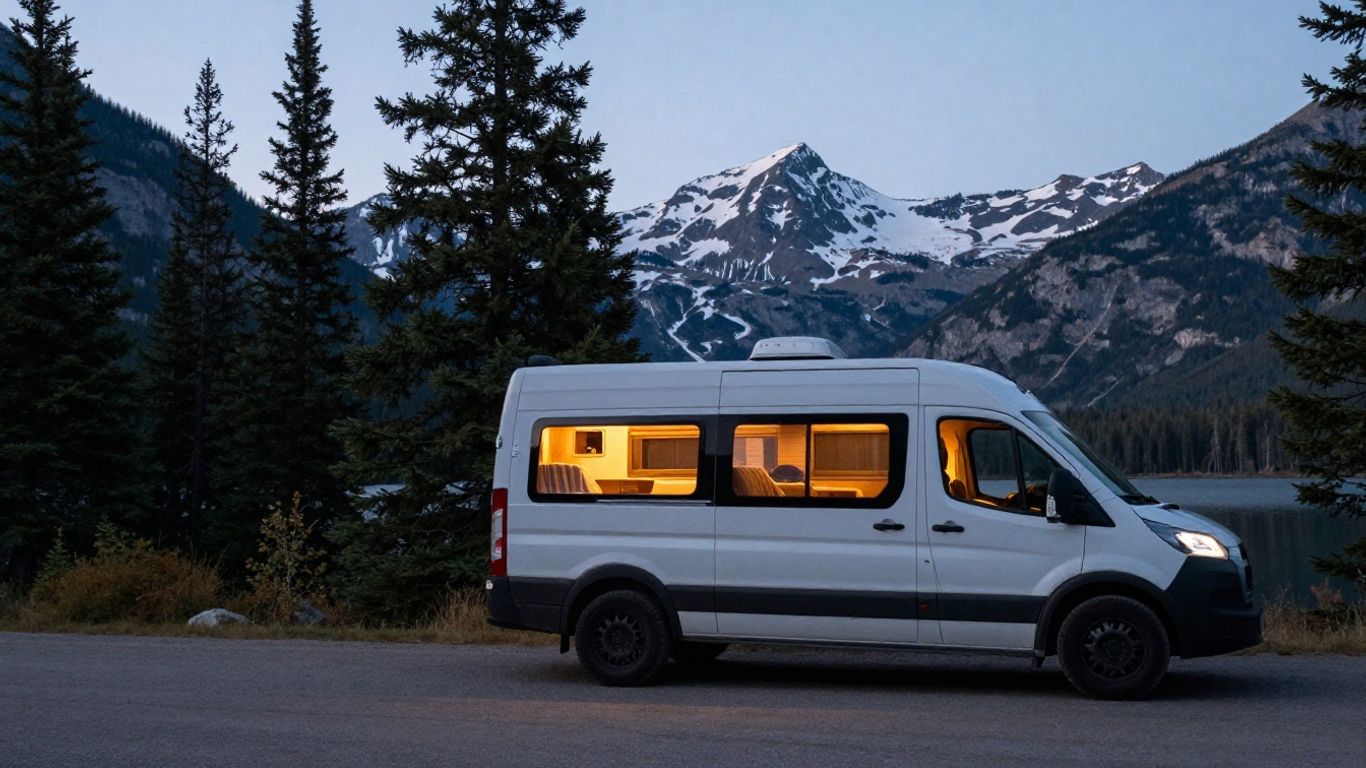
Okay, so you’ve got your campervan, you’re ready to hit the road, but where exactly can you park it for the night? This is a big one, and honestly, it’s where a lot of first-timers can get into a sticky situation. Knowing the rules about where you can and can’t park overnight is super important to avoid fines and unwanted wake-up calls.
Researching Local Parking Laws
Canada is a big place, and rules can change from province to province, and even city to city. What’s fine in one spot might get you a ticket in another. You can’t just assume it’s okay to pull over and sleep anywhere. Many towns and cities have specific bylaws against overnight parking, especially in residential areas or popular tourist spots. Always look for signs that prohibit overnight parking or sleeping. If you’re unsure, it’s better to err on the side of caution and find a designated spot.
Distinguishing Between Campsites And Freedom Camping
There’s a difference between a formal campsite and what some call ‘freedom camping’ or ‘boondocking’.
- Campsites: These are your go-to spots. Think provincial or national parks, private campgrounds, or RV parks. They usually come with amenities like hookups (water, electricity, sewer), restrooms, and sometimes even showers. You’ll typically pay a nightly fee, and reservations are often a good idea, especially during peak season.
- Freedom Camping: This is where it gets a bit trickier. It generally means parking and staying overnight in places that aren’t designated campgrounds. This could be a remote pull-off, a quiet street (if allowed), or even a Walmart parking lot (though policies vary wildly and are often not officially sanctioned for sleeping).
- Provincial/National Parks: Some have designated areas for overnight parking that aren’t full campsites, but rules are strict.
- Crown Land: In some provinces, camping on Crown land is permitted, but you must research the specific regulations for that area. It’s not a free-for-all.
- Municipal Bylaws: Cities and towns have their own rules. Some might allow overnight parking in specific lots, while others strictly forbid it.
Avoiding Fines For Improper Parking
Getting a ticket for illegal overnight parking can put a real damper on your trip and your budget. Here’s how to steer clear:
- Check Signage Religiously: Look for ‘No Overnight Parking’, ‘No Camping’, or ‘No Trespassing’ signs. If you see them, move on.
- Use Park Apps and Websites: Apps like iOverlander, Campendium, or official provincial park websites can be lifesavers. They often have user-generated information about legal parking spots and potential issues.
- Ask Locally: If you’re unsure about a spot, don’t be afraid to ask at a local visitor center, gas station, or even a friendly-looking business. They usually know the local scoop.
- Be Discreet (If Permitted): If you find a spot that seems okay for overnight parking (like a large, empty parking lot late at night), be low-key. Don’t set up chairs outside, run a generator, or make your presence obvious. The goal is to blend in.
Remember, just because you can park somewhere doesn’t mean you should. Always prioritize respecting local rules and the environment. A little bit of research upfront can save you a lot of hassle later on.
Managing Expectations For Van Life
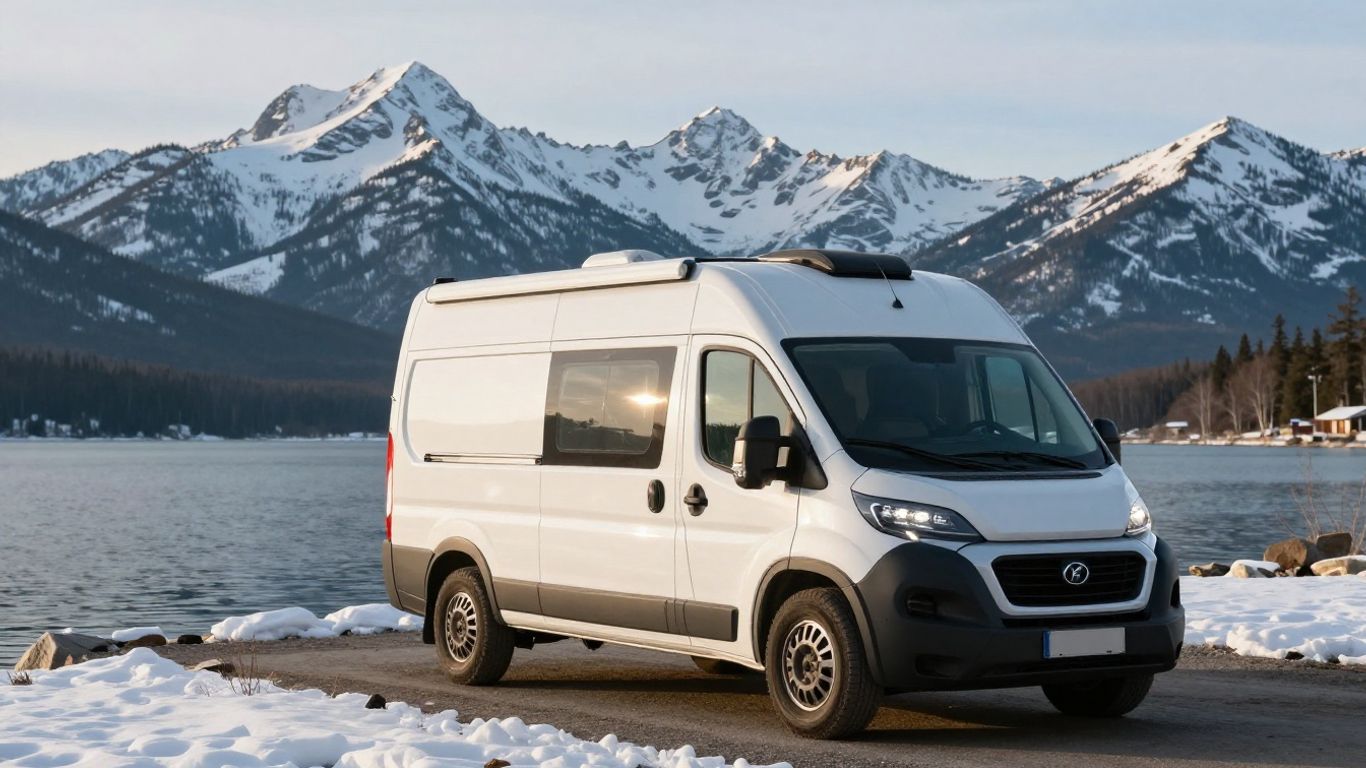
So, you’re thinking about hitting the road in a campervan. Awesome! But before you picture yourself living out a permanent vacation, let’s talk about what ‘van life’ really means, especially for first-timers. It’s not always Instagram-perfect sunsets and endless freedom. Sometimes, it’s about making do with what you’ve got.
Embracing Simplicity Over Luxury
Forget the idea of a five-star hotel on wheels. A campervan is a vehicle first and foremost. That means you’ll have to adjust your definition of comfort. Think cozy, not cavernous. You’ve got limited water, power, and space, so long, hot showers are usually out, and you’ll need to be mindful of how much you’re using. It’s about adapting to a simpler way of living, where convenience takes a backseat to the experience itself. The real luxury is the freedom to move, not the thread count of your sheets.
Adjusting To Basic Facilities
Your campervan comes with its own set of facilities, and they are, well, basic. You’ll have a water tank, a power system (often reliant on solar or the engine), and a place to sleep. This isn’t a house with unlimited resources. You’ll need to keep a close eye on your water levels, especially if you’re not near a refill point. Power management is also key; you can’t just run everything all the time without consequence. Think about how you’ll wash dishes (a sponge bath for them might be in order) and how often you can realistically charge your devices. It requires a shift in mindset from abundance to conservation.
Preparing For Varying Weather Conditions
Canada is known for its dramatic weather, and your campervan offers limited protection. You might be chasing sunshine, but sometimes the weather will chase you. Extreme heat can make a van unbearable without proper ventilation or a heater, and cold snaps can be just as challenging. Rain can be cozy, but prolonged downpours can make everything feel damp and confined. It’s wise to:
- Always check the forecast before you set off for the day or decide on your overnight spot.
- Have layers of clothing ready, as temperatures can change quickly.
- Consider if your van has adequate heating or cooling for the regions and seasons you plan to visit.
Living in a van means you’re more exposed to the elements than you might be in a traditional home. Being prepared for wind, rain, sun, and temperature swings is part of the adventure. It’s about being adaptable and not letting a little (or a lot) of bad weather ruin your trip.
Securing Your Financial Safety Net
Okay, so you’ve got your campervan booked and your route roughly planned. That’s awesome! But before you hit the road, let’s talk about money. It’s not the most exciting part, I know, but being prepared financially can save you a whole lot of stress.
Establishing An Emergency Fund
Think of this as your "oops" fund. Things happen on the road. Maybe you get a flat tire in a remote area, or the fridge decides to quit on day two. Unexpected costs pop up, and they can add up fast. It’s really smart to have some money set aside before you leave. This isn’t just for big breakdowns; it’s also for those times when campsites are way more expensive than you thought, or you just need an extra night somewhere to regroup. Having this buffer means you can handle these situations without panicking or cutting your trip short.
Understanding Insurance Coverage
Your rental company will offer insurance, and it’s important to know exactly what you’re getting. Don’t just nod along when they explain it. Ask questions. What’s the deductible? What does it cover – just accidents, or also theft? Does it cover damage to the tires or windshield? Sometimes, the basic package is pretty limited, and you might want to consider adding more coverage, especially if you’re planning on driving on less-than-perfect roads. Compare the rental company’s insurance with any coverage you might already have through your personal auto insurance or a travel credit card. You might be surprised by what’s already included.
Preparing For Unforeseen Issues
Beyond the obvious breakdowns, think about other potential money drains. What if you lose your keys? Getting a replacement, especially in a remote part of Canada, could be costly and time-consuming. What about unexpected ferry costs if your route changes? Or needing to buy specific gear you didn’t think you’d need? It’s also a good idea to have a plan for how you’ll access money if your credit card gets lost or stolen. Having a backup card or a small amount of cash stashed away can be a lifesaver. Basically, try to anticipate the "what ifs" and have a plan, even if you hope you’ll never need it.
Ready for Your Own Adventure?
So, you’ve got the lowdown on what can go wrong when you rent a campervan for the first time in Canada. It might seem like a lot, but honestly, don’t let it scare you off. A few bumps in the road are part of any good trip, and they often make for the best stories later. The main thing is to do your homework. Pick a rental company you feel good about, pack smart, and give yourself plenty of time to get used to driving your new home on wheels. Embrace the adventure, be prepared for the unexpected, and you’ll have an amazing time exploring the beautiful Canadian landscape. Happy trails!
Frequently Asked Questions
What’s the biggest difference between driving a campervan and a regular car?
Campervans are much bigger, heavier, and slower than cars. You have to think about how tall they are so you don’t hit low bridges, and they take longer to stop. Plus, strong winds can push them around more. It’s like driving a small house on wheels!
Do I really need to plan my route ahead of time?
Yes, it’s a really good idea! While being spontaneous is fun, having no plan can lead to stress, especially when you need to find a place to park for the night. Booking your first night and knowing how long it takes to get to places will save you a lot of worry.
How much should I budget for a campervan trip?
Don’t just think about the rental price. You’ll also need money for gas, which can add up fast. Don’t forget about places to park overnight (campsites often cost money), food, and activities. It’s also smart to have a little extra cash saved just in case something unexpected happens, like a flat tire.
Is it okay to park and sleep anywhere in my campervan?
Not always. Many towns and cities have rules about where you can park overnight. It’s important to look up these rules before you go. Staying in official campsites is usually the safest bet to avoid getting a ticket or being asked to move.
How much stuff should I pack?
It’s easy to overpack because campervans have limited space. Try to pack only what you really need. Choose clothes that dry quickly and can be used for different things. Lay out everything you think you need, and then put about half of it back. You’ll be surprised how much you don’t actually need.
What should I check during the vehicle handover?
When you pick up the campervan, pay close attention! Ask how the power and water systems work, how to use the gas for the stove and fridge, and how to empty the tanks. Also, take pictures or a video of the van’s condition, inside and out, to show any existing scratches or dents.
What if I’m not used to the ‘van life’ experience?
Van life is simpler than living in a regular house. You’ll have less space, and things like long, hot showers might not be possible. Be ready for basic facilities and sometimes less comfort. Embracing this simplicity is part of the adventure and can lead to great memories.
What’s the best way to get comfortable driving a campervan?
Before you hit the open road, find a big, empty parking lot. Practice turning, backing up, and getting a feel for how big the vehicle is. This will help you get used to its size and how it handles without the stress of traffic.