

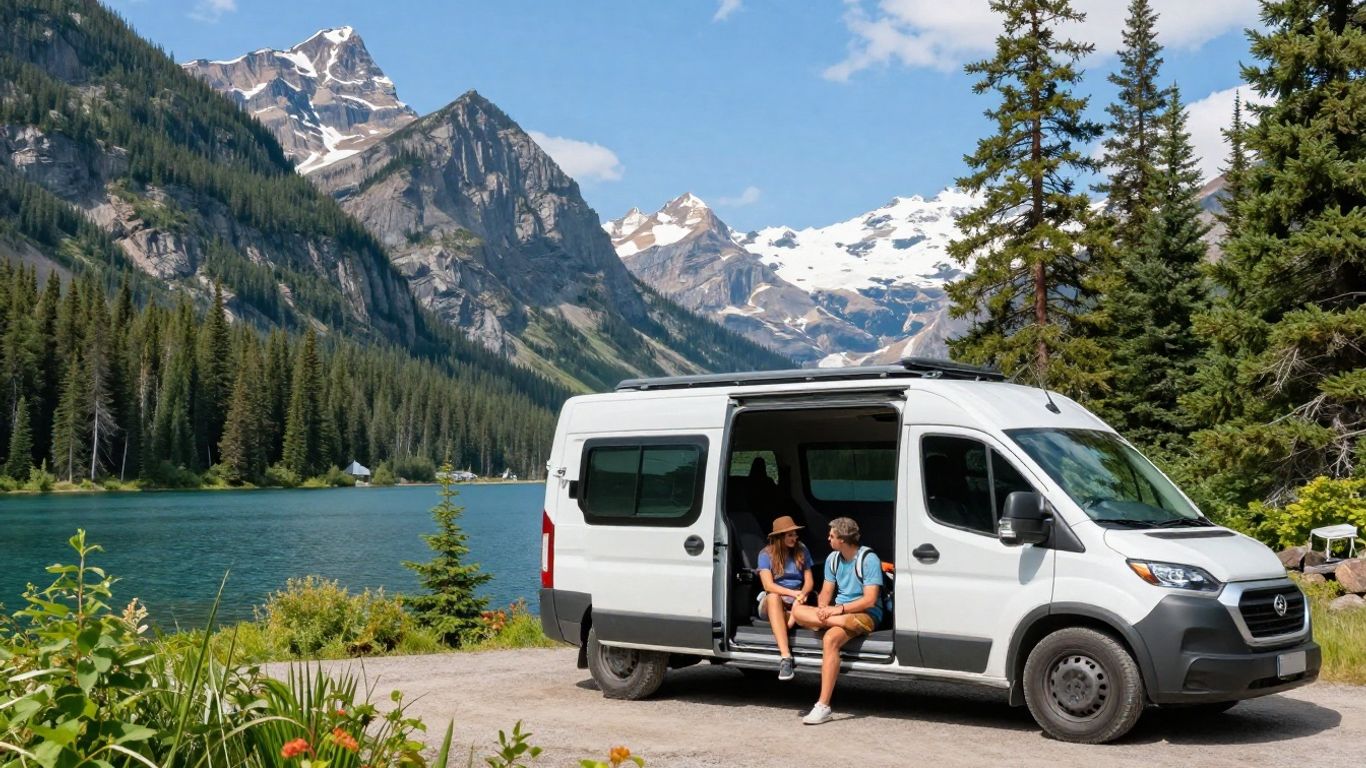
Planning a campervan trip from Australia to Canada might seem like a big undertaking, but it doesn’t have to be complicated. Think of it like planning any other big trip, just with a few extra wheels. You’ll want to sort out the basics like what kind of campervan suits you best and what’s actually included in the rental price. Then there’s the paperwork, insurance, and figuring out where you’ll actually go and park. It’s all about getting the details right so you can just enjoy the drive.
Key Takeaways
- When looking into canada campervan hire from australia, check what’s included in your rental, like insurance, mileage, and equipment, to avoid surprises.
- Make sure you meet the driver age and experience requirements, and have all necessary documents like your driver’s license and passport ready for pickup.
- Understand the insurance options and the security deposit amount required, as well as any fees for additional drivers or one-way rentals.
- Plan your route with flexibility in mind, considering scenic drives and cost-effective places to stay overnight, like campgrounds.
- Familiarize yourself with operating the campervan, including passenger limits and any specific rules for winter travel or cross-border trips.
Understanding Your Canada Campervan Hire from Australia
So, you’re an Aussie looking to rent a campervan in Canada? Awesome! It’s a fantastic way to see the country, but there are a few things to get your head around before you even think about hitting the road. Getting these details sorted upfront will save you a heap of hassle later on.
Key Considerations Before Booking
Before you click that ‘book now’ button, take a moment. Think about when you’re planning to go. Canada’s weather can be pretty wild, and what’s perfect for a summer trip might be a no-go in winter. Also, consider who’s coming with you. Are you a solo adventurer, a couple, or a family with kids? This will totally influence the size and type of campervan you’ll need. Don’t forget to check out the rental age requirements for drivers, as these can vary between companies.
- Travel Dates: Peak season (summer) means more crowds and higher prices, but better weather. Shoulder seasons (spring/fall) offer a balance.
- Number of Travelers: This dictates the sleeping arrangements and overall space required.
- Budget: Factor in rental costs, fuel, campsite fees, and daily living expenses.
- Itinerary: Have a rough idea of where you want to go. This helps in choosing a vehicle suitable for the terrain and distances.
Planning is key, but remember that part of the joy of a campervan trip is the freedom to change your mind. Build some flexibility into your schedule.
What’s Included in Your Rental
When you book a campervan, it’s not just the vehicle itself. Most companies include a basic set of kitchenware, bedding, and sometimes even camping chairs. But always double-check! Some might charge extra for things you’d assume are standard. Look out for details on mileage limits – are you getting unlimited kilometers, or is there a cap?
- Kitchen Supplies: Pots, pans, utensils, plates, cups.
- Bedding: Pillows, sheets, blankets or duvets.
- Vehicle Basics: Usually includes basic insurance, but check the specifics.
- Optional Extras: Sometimes things like GPS, child seats, or even portable toilets are available for an extra fee.
Choosing the Right Campervan Type
Canada has a huge range of campervans, from small, nippy ones perfect for couples to large, family-sized rigs. Think about what you’ll be doing. If you’re sticking to main roads and cities, a smaller van might be easier to park. If you’re heading into more remote areas or national parks, you might want something a bit more robust. The number of ‘berths’ refers to how many people it can sleep, but always check the number of seatbelts too – everyone needs to be safely buckled up.
- Class B (Campervan/Wanderer): Often built on a van chassis, these are compact and easy to drive. Good for couples or solo travelers.
- Class C (Motorhome): These have a distinctive over-cab sleeping area and are generally larger, offering more living space. Great for families.
- Class A (RV): The biggest and most luxurious, often with separate sleeping areas and full bathrooms. Best for longer trips with more people.
Navigating the Rental Process
So, you’ve picked out your dream campervan for your Canadian adventure. Awesome! But before you hit the open road, there are a few important steps to get through. It’s not super complicated, but paying attention to the details now will save you headaches later.
Driver Age and Experience Requirements
First things first, let’s talk about who can actually drive these things. Most rental companies have a minimum age, and it’s usually 21. Some might even bump that up to 25, especially for larger vehicles. You’ll also need a valid driver’s license, and it needs to be in English or accompanied by an official translation if it’s not. Make sure your license is current and hasn’t expired.
Required Documentation for Pickup
When you show up to grab your campervan, you’ll need a few things. Don’t forget these, or you might be leaving empty-handed:
- Valid Driver’s License: The one we just talked about.
- Passport: For identification purposes.
- Credit Card: This is a big one. They’ll need it for the security deposit, and it needs to be in the name of the main driver. Debit cards usually won’t cut it for the deposit.
- Rental Confirmation: Your booking details, whether printed or on your phone.
Understanding Rental Agreements and Terms
This is where you really need to read the fine print. The rental agreement is a legal document, and it lays out all the rules. Pay close attention to:
- Mileage Limits: Some rentals include unlimited mileage, while others have caps. Going over can get expensive.
- Fuel Policy: Usually, you’ll pick it up with a full tank and need to return it the same way. Check the specifics.
- Geographic Restrictions: Are there places you can’t take the campervan? Some companies restrict travel to certain areas, especially unpaved roads or remote northern regions. This can also affect your insurance coverage.
- Return Condition: What state does the vehicle need to be in when you bring it back? This includes cleaning, waste tank emptying, and fuel levels.
It’s easy to just skim through the rental agreement, especially when you’re excited to start your trip. But seriously, take the time to understand what you’re signing. Knowing the rules about where you can go, how much you can drive, and what condition the vehicle needs to be in when you return it will prevent surprises and extra charges. It’s all about being prepared so you can just enjoy the journey.
Remember to check the rental company’s specific requirements for any unique rules or procedures they might have. Every company is a little different, so doing your homework upfront is key.
Insurance and Financial Protection
Planning financial safety for your Canada campervan trip takes more than just looking at rental rates. Australia travelers should understand the insurance types, deposits, and how excess and deductible waivers work before heading off. Here’s a run-through for a less stressful experience.
Types of Insurance Coverage Available
Before you drive off, you’ll need to sort out what level of insurance coverage you want. By default, campervan rentals provide basic liability insurance, but that’s rarely enough for peace of mind. Here’s what’s usually offered:
- Standard Liability: Mostly covers damages to other vehicles and property, sometimes up to a fixed amount. It comes with a standard deductible (or excess) you must pay if something happens.
- Collision Damage Waiver (CDW): Reduces the amount you pay in case of accident or damage. Some rentals offer tiers, so you can choose less or zero excess.
- Personal Accident Insurance: Offers cover for the driver and passengers for medical costs in case of an injury while using the van.
- Theft Protection: Compensates if the vehicle is stolen (note: some items inside may not be included).
| Insurance Type | Included as Standard? | Option to Upgrade? | Typical Deductible/Excess (CAD) |
|---|---|---|---|
| Basic Liability | Yes | No | $3,000 |
| Collision Damage Waiver | No | Yes | $1,000 or $0 (with upgrade) |
| Personal Accident | No | Yes | N/A |
| Theft Protection | Sometimes | Sometimes | Varies |
It’s a good idea to read your rental’s insurance documents carefully—coverage for windscreen, tire, or underbody damage may not be included unless you upgrade.
Understanding Rental Deposits and Excess
When you pick up your campervan, you’ll have to provide a security deposit, usually by credit card. This deposit covers the insurance excess, as well as any cleaning or damage costs.
- Deposits are held or charged to your card and refunded after drop-off if the campervan is returned undamaged and as agreed.
- Amount varies—generally $1,000 to $3,000 CAD, depending on your insurance choice.
- Refund can take several business days to appear back in your account, so keep this in mind for cash flow.
Common reasons deposits might be partially withheld:
- Damage to the vehicle not covered by insurance
- Loss of equipment (such as GPS or kitchen kits)
- Extra cleaning required, or waste tanks not emptied
Options for Deductible Cancellation Insurance
If you don’t want the financial risk of a high deductible, you have some choices:
- Purchase extra insurance directly from the rental company. This usually brings the deductible down to $1,000 or even zero, but expect to pay an extra daily fee.
- Use a third-party excess reduction policy. Some travel insurance providers in Australia offer policies that cover rental car/campervan excess.
- Credit card travel insurance. Certain premium or travel-focused credit cards give rental excess coverage automatically—double check the fine print for campervan eligibility.
| Deductible Option | Upfront Cost (Daily) | Deductible After Purchase |
|---|---|---|
| Standard (no upgrade) | Included | $3,000 |
| Company’s Zero-Excess Waiver | ~$20-40 CAD | $0 |
| Third-Party Insurance | ~$5-15 AUD | Submit claim |
Picking the right insurance and deposit setup before your trip saves you from nasty surprises. It’s worth comparing both rental and independent travel insurance for the best deal.
Planning Your Campervan Journey
Maximizing Flexibility on the Road
Campervan travel is all about freedom, right? You get to ditch the rigid hotel bookings and just go where the road takes you. This means you can change your mind about where you’re heading, or how long you want to stay somewhere, without a second thought. It’s pretty cool to wake up and decide, ‘You know what, let’s head to that little town we saw on the map yesterday,’ instead of being tied to a pre-booked schedule. This kind of spontaneity is what makes campervanning so appealing.
Exploring Scenic Routes and Destinations
Canada is packed with amazing scenery, and a campervan is the perfect way to see it. Think about driving along the coast, through mountains, or past huge lakes. You can pull over whenever you see something cool, like a viewpoint or a small roadside attraction. It’s a good idea to look up some popular routes before you go, but don’t be afraid to take a detour if something catches your eye. Sometimes the best spots aren’t in the guidebooks.
Here are a few ideas to get you started:
- The Icefields Parkway (Alberta): This drive between Banff and Jasper National Parks is world-famous for its glaciers, lakes, and mountains. Seriously, it’s stunning.
- Pacific Rim Highway (British Columbia): If you love the coast, this route takes you through rainforests and along the ocean, with plenty of chances to spot wildlife.
- Cabot Trail (Nova Scotia): This one’s on the east coast and offers dramatic ocean views and charming fishing villages.
Cost-Effective Accommodation Options
One of the big perks of a campervan is that it’s your transport and your hotel all rolled into one. This can save you a good chunk of money compared to booking hotels every night. You’ll want to look into campgrounds and RV parks along your route. Some are basic with just a place to park, while others have more amenities like hookups for electricity and water, showers, and laundry facilities. Booking ahead, especially during peak season, is usually a smart move to make sure you get a spot.
Remember that while campervans offer flexibility, some popular campgrounds, especially in national parks, can fill up quickly. It’s wise to research and book these in advance, particularly if you’re traveling during summer or holidays. This way, you won’t be left scrambling for a place to park your home on wheels at the end of a long day of exploring.
Campervan Operation and Travel
Driving Your Campervan Safely
Driving a campervan is pretty similar to driving a regular car, but you’ve got to remember it’s bigger. Pay close attention to its dimensions – length, width, and especially height – when you’re on the road. Reversing can be tricky because your view is limited, so use your mirrors a lot and maybe even get out to check if you’re unsure. Always stick to the speed limits, and don’t forget that because your campervan is heavier, you’ll need more space to stop. It’s a good idea to practice driving in an open area before you hit the highway, just to get a feel for how it handles. Keep all your belongings secured inside so they don’t become projectiles if you have to brake suddenly. Remember to plan your fuel stops, too; some gas stations might be hard to get into with a larger vehicle.
Passenger Limits and Seatbelt Regulations
When it comes to who can ride along, it’s not just about how many people can physically fit. The number of passengers allowed is actually listed on the vehicle’s registration. Even if your campervan looks huge, you absolutely cannot exceed that number. Everyone needs to buckle up, and if there are kids, their car seats must be properly secured with a seatbelt. Also, those beds above the driver’s area? They’re strictly for sleeping when you’re parked, not for traveling in.
Traveling to Winter Destinations
Heading to the mountains in winter? You can do that with a campervan, but you need to be prepared. Most campervans require "winterizing" their water systems between November and April. This usually means draining the freshwater tank and adding antifreeze if you want to use the water system. Some vehicles are built for colder weather, but it’s always smart to check with the rental company about their specific policies for winter travel. Make sure you have appropriate tires and insulation, and pack extra warm gear. You’ll want to be aware of Canadian driving laws if you plan on crossing borders.
Campervan trips offer a unique blend of freedom and adventure. You get to set your own pace, discover hidden spots, and truly immerse yourself in the landscape. It’s about the journey as much as the destination, creating memories that stick with you long after you’ve returned home.
Logistics of Pickup and Return
Arranging Campervan Pickup Times
Getting your campervan is a big moment, and timing is everything. Most rental companies let you pick a pickup slot online, usually a few days before you’re set to collect the vehicle. It’s a good idea to grab the earliest slot you can, especially if you’ve got a long drive ahead. Some places even offer a quicker, self-guided tour if you’ve done all your paperwork online beforehand. This can really cut down the waiting time. Just remember, they usually can’t hold a vehicle past your scheduled time if your flight gets delayed, so plan accordingly.
Transportation to Rental Depots
Finding the depot can sometimes be a bit of a puzzle. Your booking confirmation should have the exact address and instructions. If it’s not immediately obvious, look for a ‘depot info’ button when you’re browsing vehicles online before you even book. Once you’re there, getting to the depot might mean a taxi, a shuttle service provided by the rental company, or even public transport, depending on where it’s located. It’s worth checking this out beforehand so you’re not scrambling last minute.
Return Procedures and Timelines
Dropping off the campervan is usually pretty straightforward, but there are a few things to keep in mind. Generally, if you return the vehicle clean, with empty waste tanks, and all the equipment accounted for, the process can take about half an hour. Always allow extra time for your return, especially if you have a flight to catch. Rental companies have specific hours for returns, and missing your slot could mean extra charges or complications. It’s best to confirm the exact return time and location with your rental company when you pick up the vehicle.
Cross-Border Travel Considerations
Thinking about venturing beyond Canada’s borders with your rented campervan? It’s a common question for Aussies, especially if you’re eyeing a trip down to the United States. While it’s definitely possible, there are a few important things to sort out before you even think about packing your bags.
Traveling to Neighboring Countries
Most campervan rental companies in Canada allow travel into the United States, but it’s not always a simple ‘yes’. There’s often an extra fee for this privilege, which you’ll need to arrange when you book or at least before you pick up the vehicle. Don’t assume it’s included; always confirm this with your rental provider. Some companies might even have specific requirements or restrictions on where you can go within the US, especially concerning remote or unpaved roads.
Necessary Documentation for International Travel
Beyond your standard driver’s license, you’ll likely need a few other bits and pieces. Your rental company will provide specific documentation that proves you have permission to take their vehicle across the border. This might include a letter of authorization. You’ll also need your passport, of course, and potentially an Electronic Travel Authorization (eTA) or visa depending on your nationality and the length of your stay, though for Australians entering the US from Canada, this is usually straightforward. Always double-check the latest entry requirements for the US well in advance.
Insurance for Cross-Border Journeys
This is a big one. The insurance that covers you within Canada might not automatically extend to the United States. You absolutely must confirm with your rental company that your insurance policy is valid for travel in the US. If it’s not, they’ll usually offer an add-on policy for an additional fee. Driving into the US without the correct insurance coverage is a serious risk, leaving you personally liable for any damages or accidents. It’s also worth noting that some rental companies have strict rules about where you can and cannot drive their vehicles, both within Canada and the US. Certain remote or unmaintained roads, particularly in northern regions of Canada or specific areas in Alaska, are often off-limits. Always review the rental agreement carefully for any prohibited travel areas, as straying into these zones can void your insurance and incur hefty penalties.
Dealing with Unexpected Events
Even with the best planning, things can go sideways when you’re on the road. Accidents happen, vehicles can have issues, and sometimes, you just need to know what to do. It’s good to have a plan for these moments so you can handle them without too much stress.
Accident and Damage Reporting Procedures
If you’re involved in an accident, the first thing to do is check if anyone is hurt. If there are injuries, call emergency services immediately. For any accident, no matter how small, you need to document everything. Take pictures of the damage to all vehicles involved and any property that was hit. You’ll also need to fill out any accident report forms that came with your rental. It’s really important to report any damage to the rental company within 24 hours. If you don’t, you could be held responsible for the full cost of repairs. If another vehicle or property was damaged, you’ll likely need to report it to the police within that same 24-hour window and get a police report.
What to Do in Case of Theft or Fire
In the unfortunate event of theft or fire, your immediate priority is safety. Get yourself and any passengers to a safe location away from the vehicle. Then, contact the local authorities immediately to report the incident. After that, you need to inform the rental company as soon as possible. They will guide you through the next steps, which might involve filling out more paperwork and discussing replacement options if available. Remember, your rental insurance might not cover personal belongings lost in a theft, so travel insurance is a good idea for that.
Notifying Rental Companies and Authorities
Communication is key when something goes wrong. Always keep the rental company’s contact information handy. For accidents, theft, or fire, you’ll need to notify them promptly, usually within 24 hours. Depending on the situation, you might also need to contact local police or other emergency services. Having a list of important phone numbers – the rental company, roadside assistance, and local emergency services – readily accessible in your campervan is a smart move. This ensures you can get help quickly when you need it most.
Amenities and Utilities
When you’re planning your Canadian campervan adventure, it’s good to know what kind of comforts you’ll have on board. Most campervans come equipped with the basics to make your trip easier, but it’s always smart to check the specifics with your rental company.
Understanding Electrical Hookups
Campgrounds across Canada often provide electrical hookups, which are a lifesaver for keeping your campervan’s systems running. You’ll typically find connections for 15, 30, or even 50 amps. Some spots might only offer a 20-amp hookup, which can be a bit limiting if you plan on running a lot of appliances. The plugs used are usually Type A and B, the standard ones you’d find in North America. Having a reliable power source means you can charge devices, run the fridge, and use other onboard electronics without draining your battery.
Winterizing Your Campervan’s Water System
If you’re traveling during the colder months, winterizing the water system is super important. This process prevents the pipes and tanks from freezing and bursting. Rental companies usually have specific procedures for this, especially if you’re returning the vehicle in winter. It often involves draining all the water from the tanks, pipes, and the water heater. Sometimes, they’ll add a non-toxic antifreeze to the system. It’s a good idea to ask your rental company about their winterization policy and if there are any specific instructions you need to follow.
Using Campervan Sleeping Areas
Sleeping arrangements vary a lot depending on the campervan size. Smaller vans might have a convertible dinette area that turns into a bed, while larger ones often feature dedicated sleeping quarters, sometimes even with queen-sized beds. You’ll usually find that the rental includes basic bedding like sheets, pillows, and a duvet or blankets. Some companies might charge a small fee for linen hire, so it’s worth checking. Make sure you know how to set up and take down the beds efficiently, especially if you’re using a dinette conversion – it can be a bit of a puzzle at first!
Here’s a quick rundown of what to expect:
- Bedding: Usually provided, but confirm if there’s an extra charge.
- Space: Varies greatly by vehicle type; check dimensions if sleeping space is a priority.
- Setup: Convertible beds require a few minutes to set up each night.
Always double-check what’s included in your rental package regarding amenities. Sometimes, small things like toilet chemicals or propane refills are part of an initial setup fee, while other times they’re extra. Knowing this upfront can save you from unexpected costs on the road.
Additional Driver Information
Adding an extra driver to your campervan rental in Canada isn’t always as straightforward—or as cheap—as you might think. Many travelers want to take turns driving, especially on long road trips across Canada, but each rental company has its own rules.
Adding Extra Drivers to Your Rental
Most rental agreements include only one main driver in the base price.
- Every extra driver usually needs to be listed on the rental agreement before you leave the depot.
- The additional driver must be present at pick-up, so plan your arrival accordingly.
- Roles for each driver are the same—every person who’ll drive the campervan must meet the usual requirements and sign paperwork.
If an unlisted driver is behind the wheel and there’s an accident, insurance may be void.
| Number of Drivers | Included in Base Price | Typical Extra Driver Fee (per night) |
|---|---|---|
| 1 (Primary Driver) | Yes | $0 |
| 2+ (Each Additional) | No | $5–$10 |
Requirements for Additional Drivers
To be approved as an extra driver in Canada:
- Full driver’s license in English or with an official International Driving Permit (IDP).
- Must meet the age requirement, usually 21 years and older.
- Hold their license for 12 months or more before the trip.
Keep in mind, the rental team will need everyone’s license details at pick-up. Electronic copies or photos are not accepted.
Potential Fees for Extra Drivers
Rental companies nearly always charge for extra drivers per night, for the whole rental period:
- Expect $5–$10 per extra driver, per night.
- For a two-week trip with one extra driver, this can add up to $70–$140.
- Sometimes, extra driver fees are capped at a maximum amount, or can be bundled with other extras.
When planning your Canadian road trip as a group, add the extra driver cost to your total budget early—it can slip through the cracks, but it’s a real cost for longer journeys.
Ready for Your Canadian Adventure?
So, you’ve gone through all the nitty-gritty details of planning your campervan trip across Canada. It might seem like a lot, but remember, all this prep work is what makes the trip smooth sailing. From picking the right wheels to figuring out where you’ll park it for the night, each step gets you closer to an unforgettable journey. Think of the open roads, the stunning views, and the freedom to explore at your own pace. It’s all within reach. Take that information, pack your bags, and get ready to make some amazing memories on the road. Canada’s waiting!
Frequently Asked Questions
What are the main things to think about before I book my campervan in Canada?
Before you book, make sure you check everything on the rental company’s website. Look at the rules, when you can pick up and drop off the campervan, what kind of insurance is included, and what stuff comes with it. Also, find out where the rental place is and what happens if you need to cancel or change your plans. It’s also good to know the details about the campervan itself, like how big it is and what it can do. Don’t forget to read your confirmation email carefully, as it has important info like what papers you need to bring and how to get ready before you even get there. If anything is unclear, just ask!
What documents do I need to pick up my campervan?
You’ll need a few important things to grab your campervan. Make sure you have your driver’s license, and it should be good for the whole time you’re renting. You’ll also need a credit card, usually Visa or MasterCard, because they’ll put a hold on it for a deposit. Your passport is a must, and don’t forget the rental voucher you got when you booked. It’s like your ticket to get the campervan!
How much is the security deposit, and when do I get it back?
Most campervan rentals require a security deposit, which is like a down payment to cover any potential damage or fines. This amount can range from about $500 to $2,500. They’ll charge this to your credit card when you pick up the campervan. If you return the campervan without any damage, no parking tickets, and no unpaid tolls, you’ll get your deposit back after the rental is over.
Can I drive the campervan to other countries, like the USA?
Generally, yes, you can drive your Canadian campervan into the United States. However, you *must* tell the rental company beforehand and make sure your rental agreement and insurance cover you for cross-border travel. Some companies might have special rules or require extra insurance for trips outside of Canada. It’s super important to check this before you go to avoid any problems.
What happens if I get into an accident or the campervan gets damaged?
If something happens, like an accident, theft, or damage, the first thing to do is report it. You’ll usually get a form when you pick up the campervan to fill out in these situations. You need to tell the rental company right away and call the police if necessary. Don’t admit fault or try to fix things yourself; let the rental company and their insurance handle it.
How do I hook up electricity to my campervan?
Many campsites have electrical hookups, which are like plugging your campervan into the power grid. They usually use standard plugs, often called Type A or Type B, similar to what you might find in North America. The campsites will offer different amperage options, like 15, 30, or 50 amps, so your campervan can get the power it needs. Just make sure you have the right adapter if needed.
Can I add another driver to my rental agreement?
Yes, you can usually add other drivers to your rental agreement. The extra drivers just need to be present when you pick up the campervan, show their valid driver’s license, and sign the rental contract. While many rental companies don’t charge extra for additional drivers, it’s always a good idea to confirm this, as some might have a small fee.
Is it okay to travel in my campervan during the winter?
You can definitely travel in a campervan during winter, but you need to be prepared! Many campervans have water systems that need to be ‘winterized’ from about November to April. This means you might not be able to use the regular water system unless you add antifreeze. Some campervans are built for winter, but always check with the rental company about specific rules, what gear you might need like snow chains, and if certain areas are off-limits.