

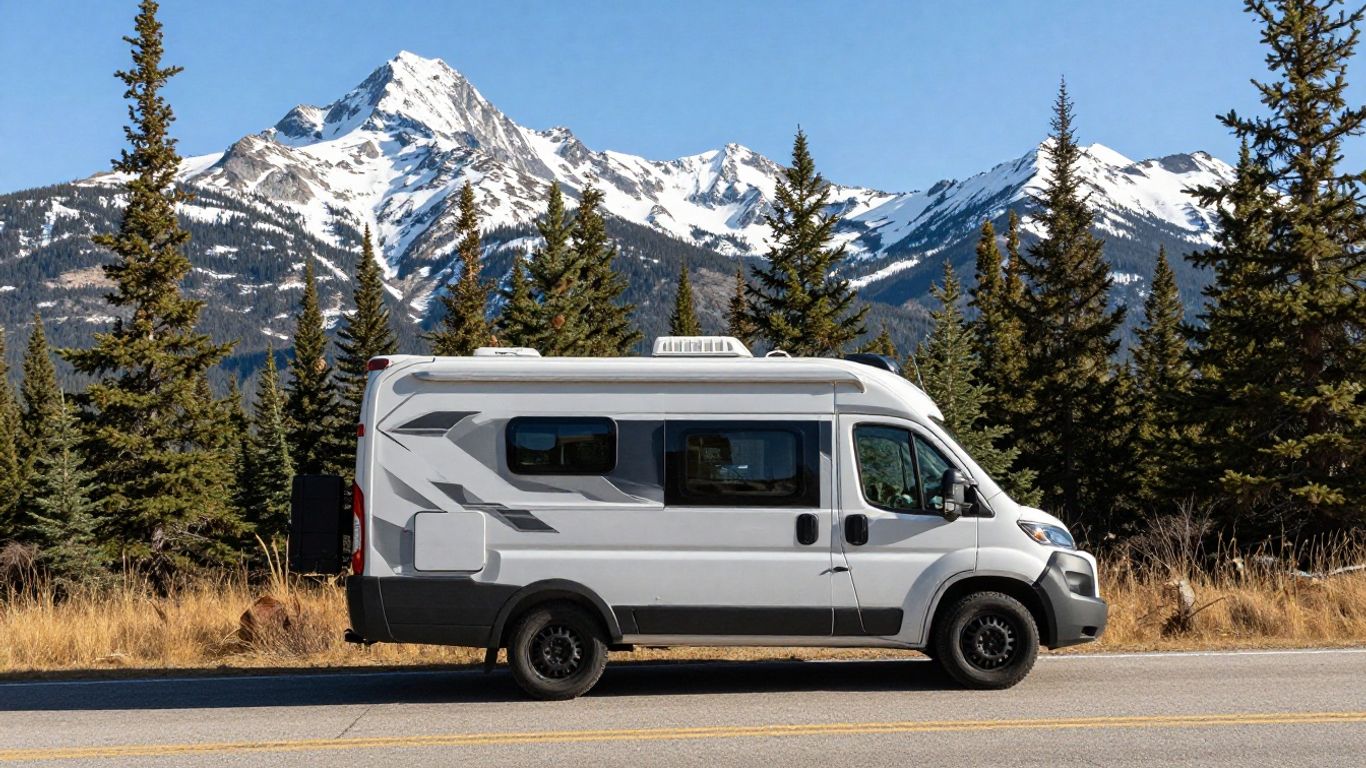
Thinking about a big road trip across Canada but starting from Germany? It sounds like a lot, but with a bit of planning, a Canada motorhome hire from Germany can be a fantastic way to see the country. This guide is here to help you figure out the practical stuff, so you can focus on the adventure. We’ll cover everything from picking the right camper to making sure you’re all set for the road.
Key Takeaways
- When looking for a Canada motorhome hire from Germany, consider picking up your vehicle in a major German city like Hamburg or Frankfurt. These hubs often have more options and better prices compared to other countries.
- Make sure you know exactly what’s included in your rental. Things like bedding, kitchenware, and even basic cleaning supplies might be extra, so check before you book.
- Get familiar with the motorhome before you leave the depot. Understand how everything works, from the stove to the toilet, and take photos of any existing damage to avoid issues later.
- Canadian roads can be different from what you’re used to. Be aware of speed limits, road signs, and the size of your vehicle, especially on smaller roads. Also, plan your campsites ahead of time, as popular spots fill up fast.
- Budgeting is key. Factor in not just the rental cost, but also fuel, campsite fees, food, and any potential tolls or parking charges. Comparing prices and looking for deals can save you money.
Understanding Your Canada Motorhome Hire From Germany
So, you’re a German planning a motorhome adventure in Canada. That’s fantastic! Getting the right vehicle is the first big step, and it’s more than just picking something that looks cool. Think about how many people will be traveling and what kind of trips you’re planning. Are you hitting the highways or exploring some more remote spots? This will really influence the size and type of motorhome you should look for.
Choosing the Right Motorhome Size
This is where you really need to be honest with yourself about your travel style. A smaller campervan might be easier to park and handle on those winding Canadian roads, but it means less space for living and storing your stuff. On the flip side, a larger motorhome gives you more room to spread out, a proper kitchen, and maybe even a separate bathroom, but it can be a bit more of a handful to drive and park, especially in cities.
Here’s a quick look at common sizes:
- Compact Campervans (e.g., VW California style): Great for 2 people, easy to drive, good fuel economy. Think of it as a very comfortable car with a bed and small kitchen.
- Class C Motorhomes (around 20-25 feet): These are often built on a truck chassis and have an over-the-cab sleeping area. They offer a good balance of living space and drivability for 3-4 people.
- Class A Motorhomes (25+ feet): The biggest ones, like a small bus. Lots of room, all the amenities, but definitely require more confidence on the road and careful planning for campsites.
Essential Inclusions and Optional Extras
When you book, pay close attention to what’s actually included. Most rentals will come with the basics like the vehicle itself, a stove, fridge, and beds. But things like bedding, towels, kitchenware (pots, pans, cutlery), and even things like outdoor chairs and tables are often extra.
- Bedding & Linens: Usually an add-on. Check if it’s just sheets or includes pillows and duvets. Sometimes, bringing your own lightweight sleeping bags can be a good idea.
- Kitchen Kits: These can vary wildly. Some are basic, others are more complete. If you plan on doing a lot of cooking, you might want to supplement what’s provided or buy a few extra items at a local supermarket.
- Outdoor Gear: Tables and chairs are nice for enjoying the scenery, but if you’re mostly staying in cities or the weather looks iffy, you might skip this to save money.
- Navigation: While GPS is common, having a good old-fashioned paper map of the area you’re visiting is always a smart backup.
Don’t just assume everything you need will be there. Read the rental company’s list carefully and consider your own travel habits. It’s better to pre-book or know you need to buy something than to be stuck without it.
Navigating Rental Agreements and Insurance
This part can feel a bit overwhelming, but it’s super important. Rental agreements lay out all the rules – mileage limits, where you can and can’t drive, what happens if you have an accident, and the return conditions. Take your time to read through it all. Ask questions if anything is unclear. Insurance is another big one. Standard rental insurance might cover the basics, but you’ll want to understand deductibles and consider additional coverage, especially for things like tires or windshield damage, which can be costly in Canada.
- Understand Deductibles: This is the amount you’ll have to pay out-of-pocket before the insurance kicks in. Lower daily rates often mean higher deductibles.
- Check Credit Card Coverage: Some credit cards offer rental insurance, but be sure to check the terms and conditions, as they often only cover certain types of vehicles or rentals.
- Review the Fine Print: Pay attention to clauses about driving on unpaved roads, crossing borders (if applicable), and what constitutes normal wear and tear versus damage.
Getting these details sorted before you even pick up the motorhome will save you a lot of headaches down the road. It sets the stage for a much more relaxed and enjoyable trip across Canada.
Planning Your German Departure Point
So, you’ve got your Canadian motorhome adventure mapped out, but before you can hit the open road in Canada, you need to figure out how to get there and where to pick up your home on wheels. For many Germans, this means starting the journey from a major German hub. Choosing the right departure point in Germany can make a big difference in your travel plans and budget.
Key German Rental Hubs
Several cities in Germany serve as popular starting points for motorhome rentals, often due to their international airport connections and the presence of major rental companies. Think about places like Frankfurt, Munich, and Düsseldorf. These locations usually have a good selection of vehicles and are well-serviced by transport links.
Here’s a quick look at some common pick-up locations:
| City | Major Airport | Typical Rental Companies |
|---|---|---|
| Frankfurt | FRA | McRent, Indie Campers |
| Munich | MUC | McRent, Star RV |
| Düsseldorf | DUS | Star RV, Paul Camper |
It’s always a good idea to check which companies operate near your preferred airport. Sometimes, a slightly less common city might offer better deals or a more convenient pick-up location for your specific itinerary.
Accessibility from Major Airports
When you’re looking at rental depots, think about how easy it is to get there from the airport. Most companies will offer transfers, but it’s worth checking the details. Some depots are right near the airport, while others might require a train or bus ride. For example, picking up a motorhome near Frankfurt Airport (FRA) is often straightforward, with many companies providing shuttle services. If you’re flying into a smaller airport, you might need to factor in more travel time or cost to reach the rental depot. It’s often recommended to fly in a day before your pick-up date to adjust to the time difference and avoid any last-minute travel stress.
Local Transportation to Depots
Once you’ve landed, getting to the actual rental office is the next step. Public transport is usually a solid option in Germany. High-speed trains (ICE) connect major cities efficiently, and local trains or trams can get you closer to the depot. Some depots are even within walking distance of train stations, like one near Mannheim that was less than a kilometer from Friedrichsfeld Süd station. If the depot is a bit further out, a taxi or ride-sharing service might be your best bet. Always confirm the exact address and the best way to reach it with your rental company beforehand. They can often provide specific directions or advice on local transport.
Planning your German departure point involves more than just booking a flight. Consider the proximity of the rental depot to the airport, the cost and time involved in reaching it, and whether you’ll need overnight accommodation nearby. A little research here can save you a lot of hassle later on.
Preparing Your Motorhome for the Journey
Getting your motorhome ready before heading out is more than just packing bags. There are some practical steps every German traveler should cover when starting a motorhome experience in Canada. It’s about getting familiar, staying comfy, and knowing how your vehicle behaves on the road.
Vehicle Familiarization and Operation
Don’t skip the initial walkaround and demo with the rental staff before you leave the depot. This is your chance to see how everything works and ask questions, especially if you’ve never driven a motorhome before. Here’s a simple checklist:
- Test how the doors, windows, and screen latches function.
- Locate and understand the operation of water, gas, and electricity systems.
- Learn how to empty the waste tanks and refill water tanks.
- Practice operating the heating and air-conditioning.
- Have a go at using parking brakes and maneuvering in reverse.
If you’re coming from Germany, keep in mind that speed limits in Canada are usually posted in kilometers per hour (km/h), and the measurement system will be different than back home. Use the rental demo to spot differences so nothing surprises you on day one.
Packing Essentials for Comfort
Packing smart can make a big difference to how cozy and organized your journey feels. Here’s what’s typically a make-or-break for comfort:
- Weather-appropriate bedding and layered clothing for chilly nights
- Cooking supplies and non-perishable foods (even if some kitchenware is included, favorites from home go a long way)
- A multi-outlet inverter for charging electronics, since outlets often require shore power connection
- Flashlights, headlamps, and travel mugs for those early morning starts
Below is a table summarizing what’s usually included with most Canadian motorhome rentals, and what you might want to bring or rent:
| Included with Rental | Consider Bringing / Renting |
|---|---|
| Basic cookware and dishes | European 2-pin adapter |
| Basic bedding and towels | Extra blankets |
| Safety kit (triangle, extinguisher) | Your own comfort pillow |
| Roadside assistance | Outdoor folding chairs |
Understanding Vehicle Dimensions and Handling
Motorhomes feel and drive much bigger than typical German cars. It pays to know your vehicle’s size and turning limits before you hit the open road. These pointers help:
- Check length, width, and height of your motorhome—especially important for bridges and parking garages.
- Practice a few slow turns and braking exercises in the depot’s lot before you head out.
- Remember that stopping distances are much longer than what you’re used to.
- When in doubt, ask at pickup for tips unique to your vehicle’s make and model.
Familiarity helps a lot—knowing Canadian road etiquette and key information can keep your journey running smoothly, especially as you leave urban areas.
The better you get to know your motorhome before leaving, the more relaxed you’ll feel as you travel through Canada’s stunning scenery. Taking care of these steps saves trouble later on.
Navigating Canadian Roads and Campsites
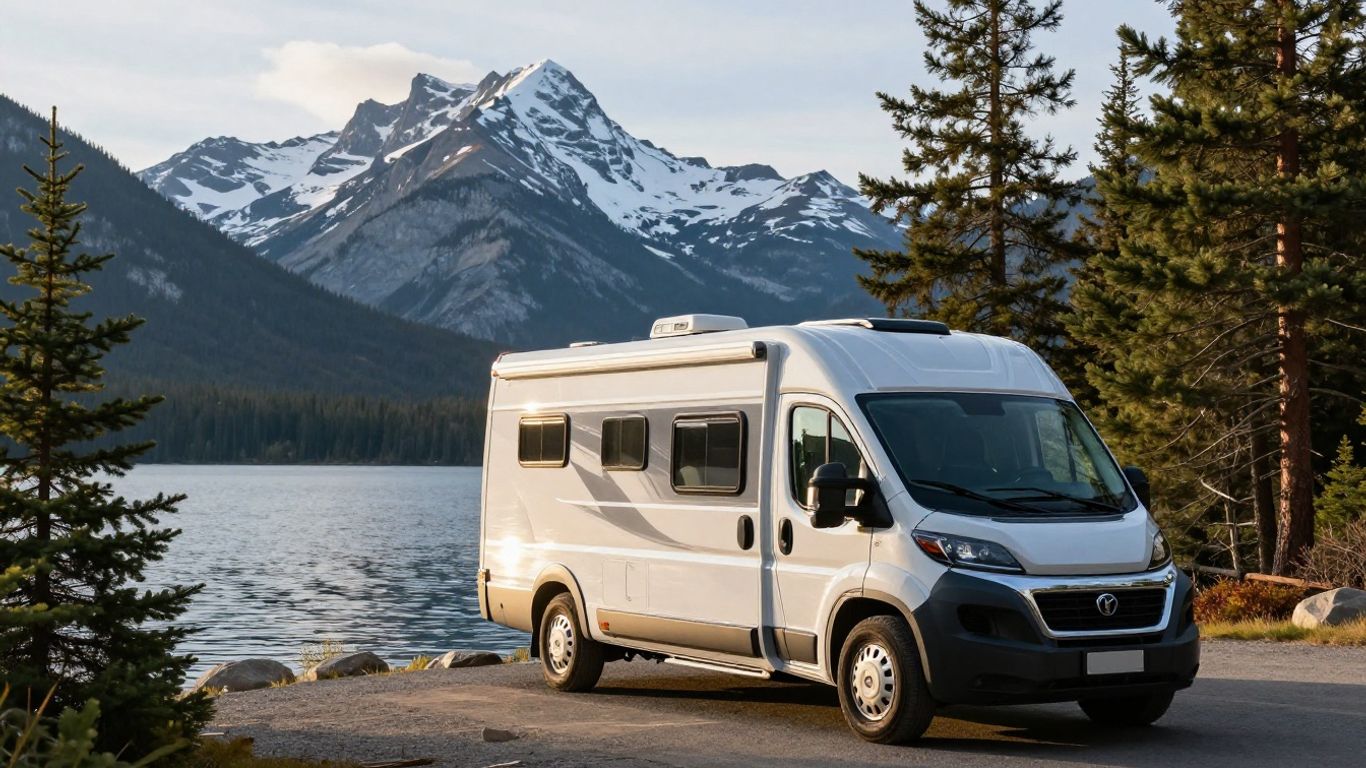
Driving a motorhome in a new country can feel a bit daunting at first, but Canada’s roads are generally well-maintained and quite manageable. You’ll find that most major highways are wide and easy to drive on. However, it’s always a good idea to be aware of your vehicle’s size, especially when turning or passing through smaller towns.
Road Rules and Driving Considerations
Canada drives on the right side of the road, just like Germany. Speed limits are posted and vary depending on the province and whether you’re in a town or on the highway. Pay attention to signs, as they’re usually clear. One thing to keep in mind is that Canadian drivers can be quite efficient at merging and passing, so be ready to adjust your speed accordingly.
- Speed Limits: Always adhere to posted speed limits. They are often lower in construction zones or near schools.
- Right-of-Way: Yield to pedestrians in crosswalks. At four-way stops, the rule is generally first-come, first-served, or yield to the right if you arrive at the same time.
- Wildlife: Be extra cautious when driving at dawn and dusk, especially in rural or forested areas, as wildlife can wander onto the road. Moose and deer are common hazards.
- Fuel: Gas stations are plentiful along major routes, but it’s wise to fill up when you see a station if you’re heading into a more remote area.
Finding and Booking Campsites
Canada has a fantastic network of campgrounds, from national and provincial parks to private RV parks. Booking ahead is highly recommended, especially during peak season (summer) and in popular tourist areas. Many parks offer different types of sites, so check for hookups (electricity, water, sewer) if you need them.
Here’s a quick look at campsite types:
| Type | Description |
|---|---|
| National Parks | Often scenic, with basic to moderate facilities. Bookings essential. |
| Provincial Parks | Similar to National Parks, managed by each province. Good for nature lovers. |
| Private RV Parks | Usually offer more amenities like pools, laundry, and Wi-Fi. |
| Boondocking/Dispersed | Free or low-cost camping on Crown land (where permitted). Requires self-sufficiency. |
Planning your overnight stops in advance will save you a lot of stress. Trying to find a spot last minute, especially with a larger vehicle, can be a real challenge. Websites and apps for booking are usually quite user-friendly.
Utilizing GPS and Navigation Tools
While GPS devices are incredibly helpful, don’t rely on them solely. It’s always best to have a good paper map or atlas as a backup. Sometimes GPS units can direct motorhomes down roads that are too narrow, have low bridges, or are simply unsuitable for larger vehicles. Look for GPS units or apps that allow you to input vehicle dimensions or select ‘avoid narrow roads’ or ‘avoid low clearances’ options. Cross-referencing with a physical map, especially in rural areas, can prevent unexpected detours or tricky situations.
Managing Your Budget Effectively
Trying to stick to a budget during a motorhome trip across Canada takes a little thought and some smart planning. It’s easy to overlook the real costs if you only focus on the initial rental price. To keep your Canada road trip from Germany affordable, go in prepared with a clear breakdown of all likely expenses.
Cost-Saving Strategies for Rentals
- Book your motorhome well in advance, especially if you’re planning to travel during the summer or at other busy times.
- Consider traveling in the off-season or shoulder season. Not only are rental rates lower, but you’ll also avoid large crowds and have more campsite choices available.
- Check for included items in your rental, like bedding, kitchen supplies, or camp chairs. Sometimes what looks like a cheap rate shoots up once you add the basics.
- Look for unlimited mileage deals rather than pay-per-kilometer plans, unless you know your route will be short. Some Canadian companies give better rates if you book for a longer period.
- Don’t forget to compare insurance options. Third-party insurance versus provider coverage can be complex—understanding rental agreements and necessary insurance matters a lot for your wallet.
Budgeting for Fuel and Daily Expenses
Fuel is a major expense on a motorhome trip, and in Canada, the distances are huge. Here’s what you should consider:
| Vehicle Type | Avg. Fuel Economy (L/100km) | Gasoline Price per Liter (CAD)* | Cost per 1,000 km (CAD) |
|---|---|---|---|
| Small Campervan | 13 | 1.60 | $208 |
| Medium Motorhome | 18 | 1.60 | $288 |
| Large RV | 22 | 1.60 | $352 |
*Fuel prices change a lot depending on location.
Other daily costs to keep in mind:
- Campsite fees (often $30–$60 per night, more in national parks)
- Food and groceries (cheaper if you cook in your camper!)
- Paid water or dump station fees (especially if heading to remote spots)
Understanding Tolls and Parking Fees
Canada has a few toll highways and bridges, depending on your route. While most provinces don’t charge for regular roads, certain routes (like Ontario’s Highway 407 or some bridges in Montréal) do add extra costs:
- Keep a little cash or a credit card handy for tolls—some don’t accept foreign cards.
- The cities (like Toronto or Vancouver) usually have higher parking fees, especially for oversized vehicles. It’s not unusual to pay $15–$30 a day or more in urban areas.
- Free parking is more common in rural towns and at some tourist spots, so it pays to check online before arriving.
When planning your trip, always add a safety buffer to your estimated budget. Unexpected repairs, souvenirs, or an extra sightseeing tour can easily push you beyond your first plan.
Taking the time to map out predictable expenses makes the rest of your trip way more relaxing. And when you do spot a deal or an unexpected cost, you’ll be ready to handle it.
Ensuring a Smooth Rental Experience
Getting your motorhome ready to go is a big part of the fun, but making sure the paperwork and the vehicle itself are sorted before you hit the road makes a huge difference. It’s all about avoiding those little headaches that can pop up.
Pre-Rental Vehicle Inspection
Before you even think about driving off, take a good look at the motorhome. Don’t just glance; really check it out. You want to catch any dings, scratches, or issues with the equipment right away. It’s way easier to sort things out when you’re still at the rental lot.
- Exterior: Walk around the whole vehicle. Look for dents, scratches, cracked lights, or tire damage. Check that all the doors and storage compartments open and close properly.
- Interior: Go through everything inside. Test the lights, faucets, toilet flush, and all the appliances (fridge, stove, heater). Make sure the beds are set up correctly and that any furniture is secure.
- Equipment: If you rented extras like chairs or a grill, inspect them too. Sometimes these can be worn out or even broken, and you don’t want to find that out at your campsite.
Documentation and Photo Evidence
This is super important. You’ll get a rental agreement and likely a vehicle condition report. Read them carefully. If you see something on the report that you don’t agree with, or if something is missing, speak up. It’s also a really good idea to take your own photos or a video of the motorhome, both inside and out, before you leave. This is your proof of the vehicle’s condition when you picked it up.
Keep copies of all your rental documents, insurance papers, and any communication with the rental company in a safe place. Having digital copies on your phone or in cloud storage is also smart, just in case.
Return Procedures and Deposit Refunds
When it’s time to bring the motorhome back, follow the rental company’s instructions. Usually, they’ll want it returned with a full tank of fuel and in a clean state (check if they mean just tidy or actually washed). The return inspection is similar to the pick-up – they’ll check for any new damage.
- Fuel: Top up the fuel tank to the level it was when you picked it up. Note the fuel receipt.
- Cleanliness: Empty the trash, wipe down surfaces, and sweep the floors. If you used the toilet, make sure it’s emptied and cleaned.
- Inspection: Be present during the final inspection. If they find any damage you didn’t cause, refer to your photos and the initial condition report.
Most companies take a security deposit. This is usually held on a credit card and refunded after the vehicle is checked and returned without issues. It can take a few days to a week or more for the refund to appear, depending on your bank.
Maximizing Your Canadian Adventure
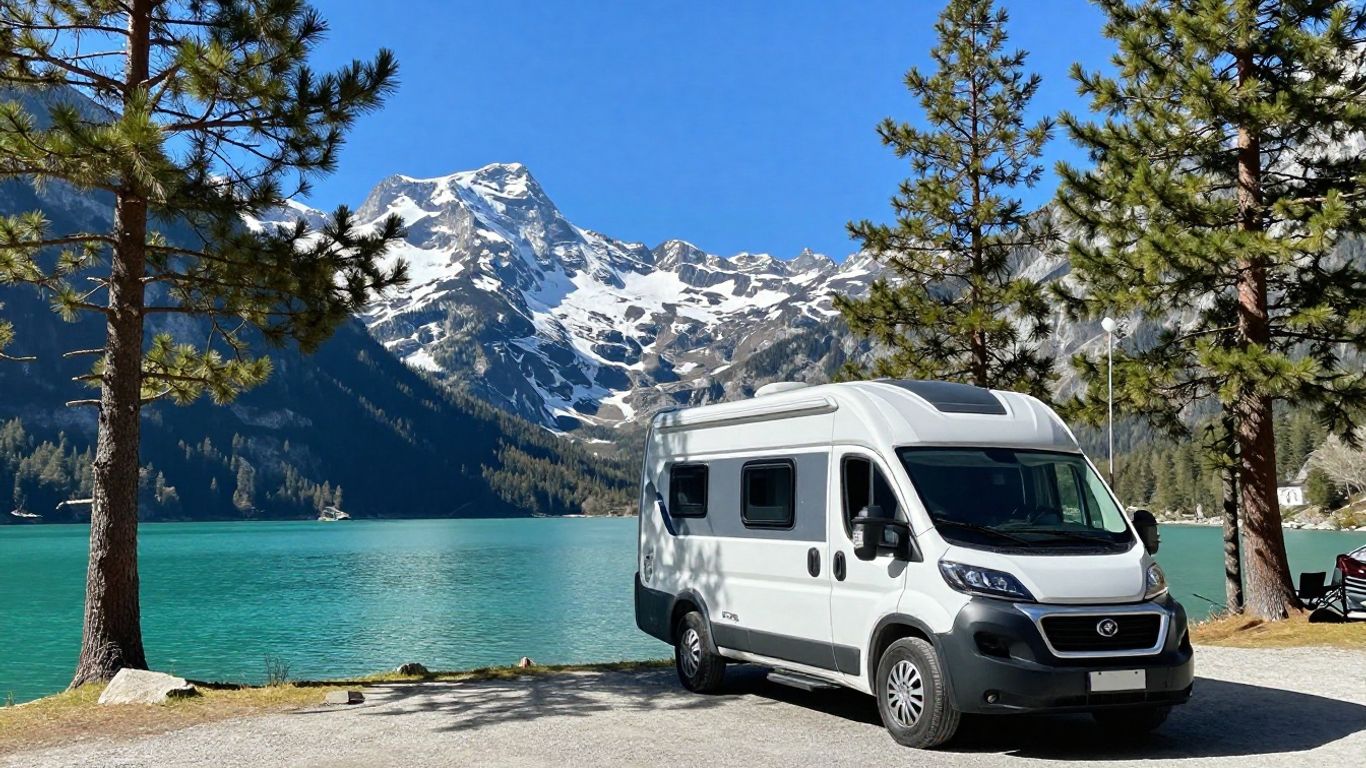
Exploring Canada by motorhome gives you the chance to shape your journey as you go, mixing must-see sights with little surprises that pop up along the way. This is where your trip switches from a vacation to true adventure. Here’s how to get the most from your time behind the wheel.
Recommended Itineraries
- The Rockies Loop: Start in Calgary, head through Banff, Jasper, and finish at Lake Louise.
- Maritime Wonders: Explore Nova Scotia’s Cabot Trail, dip into Prince Edward Island, and check out New Brunswick’s Bay of Fundy.
- Pacific Coast Route: Begin in Vancouver, work up the Sunshine Coast, and ferry over to Vancouver Island.
| Itinerary | Start Point | Highlights | Suggested Days |
|---|---|---|---|
| The Rockies Loop | Calgary | Banff, Jasper, Lake Louise | 10-14 |
| Maritime Wonders | Halifax | Cabot Trail, PEI, Bay of Fundy | 7-10 |
| Pacific Coast Route | Vancouver | Sunshine Coast, Tofino, Victoria | 8-12 |
Local Attractions and Activities
- Walk the glaciers in Jasper or ride the gondola in Whistler
- Visit indigenous cultural centers for a unique take on Canadian history
- Kayak in the Okanagan, whale-watch off the coast of Vancouver Island, or hit a local brewery in any major town
A few more favorites:
- Fundy National Park’s dramatic tides
- Hot springs near Banff or in British Columbia
- Farmers’ markets in small prairie towns for fresh local food
Embracing the Freedom of RV Travel
- Change your plans or stay longer in a place you like—no need to stick tightly to a schedule
- Stock up on groceries and cook your own meals by the lake
- Meet other travelers at campgrounds and swap stories about best routes or places to camp
Don’t feel pressured to check every box or see every landmark—some of the most memorable moments will happen by accident, miles away from any must-see list.
Let curiosity be your guide. With a motorhome, you’re not stuck to train schedules or hotel bookings. Take dirt roads, follow the signs to odd roadside stops, and enjoy the fact that your bed is always just a few steps away.
Wrapping Up Your Canadian Adventure
So, you’ve looked into motorhome hire in Canada for your German travels. It seems like a big undertaking, but honestly, it’s totally doable. You’ve got options for different types of campers, and planning ahead for things like bedding and kitchen stuff will make your trip way smoother. Remember to check out the pickup and drop-off details, and don’t forget to factor in driving on the other side of the road. It might seem like a lot of little things, but getting them sorted means you can just focus on enjoying the incredible scenery Canada has to offer. Happy travels!
Frequently Asked Questions
What’s the best way to pick up my motorhome in Germany?
Many rental places are a bit outside the main cities. You might need to take a train and then a short taxi ride to get to the rental office. It’s good to plan this trip from the airport ahead of time.
What should I check before I drive away?
Before you leave, make sure you know how everything in the motorhome works. Check the stove, fridge, and water. Also, look closely for any scratches or dents and take pictures just in case. It’s smart to test the awning too if you have one.
What kind of stuff should I pack?
It’s a good idea to bring your own bedding and kitchen items, or buy them when you get there. Things like pillows, blankets, and pots and pans might not be the best quality if you rent them. Also, soft bags for clothes are easier to fit than hard suitcases.
Are motorhomes hard to drive?
Motorhomes are bigger and wider than regular cars, so you need to be careful, especially on narrow roads or in small towns. It’s helpful to have a GPS and maybe even a paper map. Always check how much space you have when turning or parking.
How do I find places to park overnight?
You can find campsites in guidebooks or using GPS. Some people like to book ahead, but sometimes you can find great spots by just looking around, especially in smaller towns. Having a guide that lists places to park can be really useful.
What about insurance and damage?
It’s super important to check your rental agreement carefully. Take lots of pictures of the motorhome’s condition before you start your trip. This can help if there are any disagreements about damage when you return it. Getting good insurance is also a smart move.
Is it cheaper to rent in Germany than other places?
Many travelers find that renting a motorhome in Germany can give you more for your money compared to some other European countries. You can often find good deals on food and supplies there too.
What if something goes wrong with the motorhome?
If you have a problem, like a broken appliance, tell the rental company right away. Some companies might offer to swap your vehicle or help you fix it. Keeping good communication is key to solving issues quickly.