

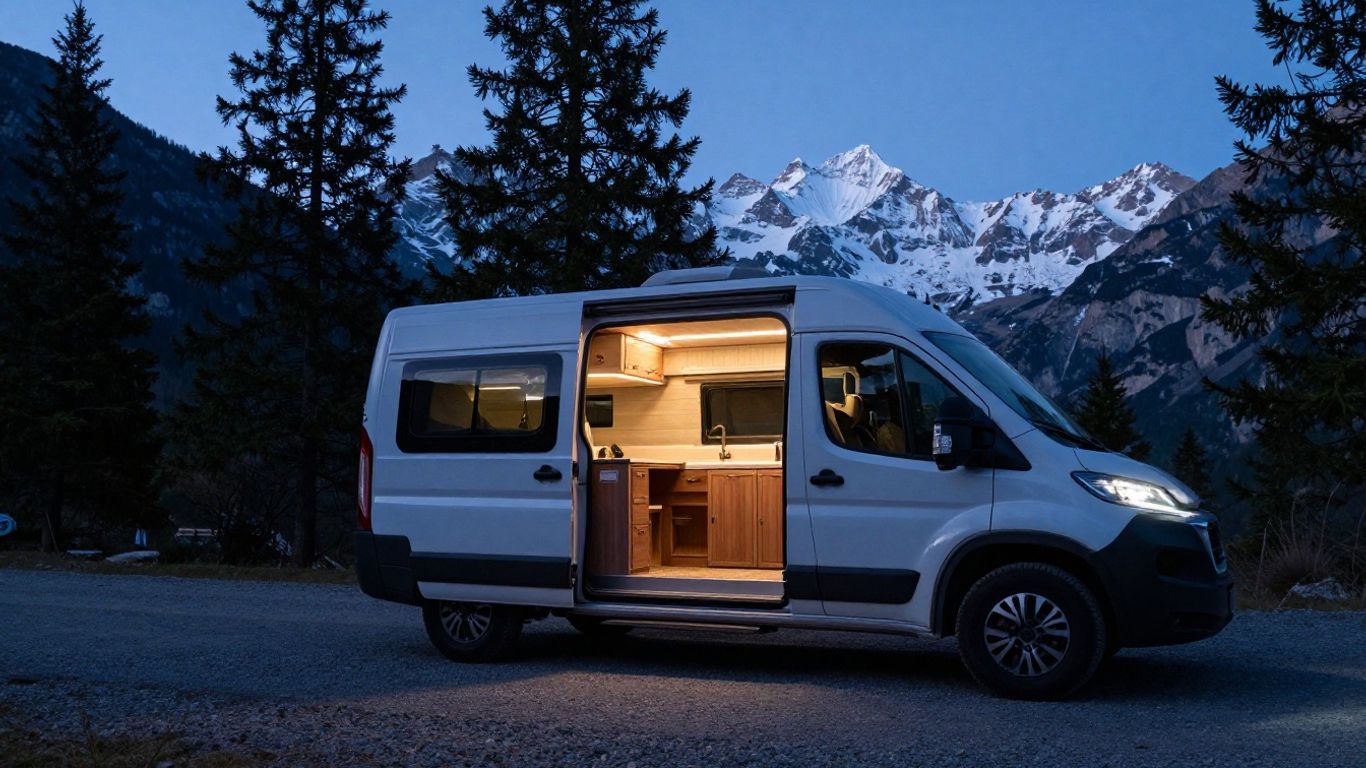
Planning a campervan trip across Canada might seem a bit daunting at first, I get it. There are a lot of moving parts to figure out, from picking the right vehicle to knowing where you’ll park it each night. It’s easy to get overwhelmed with all the details. But honestly, with a little bit of upfront planning, you can set yourself up for an amazing adventure. This guide breaks down the big decisions you need to make first, so you can start getting excited about your Canadian RV journey.
Key Takeaways
- Decide on the best time of year for your trip, considering weather and crowds. Canada offers different experiences in spring, summer, and fall.
- Choose your route carefully, balancing the desire to see a lot with realistic driving times in an RV. East Coast vs. West Coast is a big initial choice.
- Select an RV that fits your group size and comfort needs, but also consider how easy it will be to drive and park.
- Book campsites well in advance, especially if traveling during peak season or visiting popular national parks. Many spots fill up quickly.
- Factor in extra time for your first day with the RV. Picking it up, learning its features, and doing a short drive is better than rushing.
Understanding Your Canada RV Trip
Canada As A Destination For Your First RV Trip
So, you’re thinking about an RV trip to Canada? That’s fantastic! Canada is a massive country, offering incredible diversity from coast to coast. For first-timers to the RV lifestyle, it’s a surprisingly good choice. The infrastructure for RV travel is pretty well-developed, and many Canadians are accustomed to seeing motorhomes on the road. You’ll find plenty of campgrounds, and the sheer scale of the country means you can really spread out and find your own slice of wilderness. It’s a place where you can truly experience the freedom of the open road.
Why Choose Canada For An RV Adventure
What makes Canada such a draw for an RV adventure? For starters, the landscapes are just breathtaking. Think towering mountains, vast forests, stunning coastlines, and wide-open prairies. It’s a photographer’s dream and an outdoor enthusiast’s playground. Plus, the relative ease of travel compared to some other destinations makes it appealing. You don’t have to worry too much about language barriers, and the driving culture is generally quite relaxed. It’s a chance to see a different side of North America, one that’s wilder and more expansive than you might imagine. If you’re looking for a trip that combines natural beauty with a sense of adventure, Canada delivers.
First-Time RV Traveler Concerns
It’s totally normal to have some jitters before your first RV trip. What if I get lost? How do I handle hookups at campsites? What if the RV breaks down? These are all valid questions. Many rental companies offer thorough orientations, and you’ll get a manual to refer to. Don’t be afraid to ask questions! Canadians are generally very friendly and helpful. For a bit of extra peace of mind, consider booking your first few nights at a campground close to the rental depot. This gives you time to get acquainted with your rig and the basics of RV living without the pressure of covering long distances. Remember, everyone was a first-time RV traveler once. You can find some helpful tips for preparing your trip online.
Determining The Ideal Duration For Your RV Journey
Figuring out how long your RV trip in Canada should be is the first big puzzle most people face. It’s tempting to squeeze mountain peaks, vast forests, and city skyline views into a short vacation, but that urge often backfires. Planning your trip duration right can save you a lot of stress and make each day count.
Minimum Trip Length For RV Newcomers
If you’ve never traveled in an RV, or never been to Canada, give yourself plenty of time. Most first-time RV travelers agree that two weeks is the absolute minimum for a worthwhile Canadian road trip. Here’s a straightforward breakdown for new RV visitors versus more experienced travelers:
| Experience Level | Recommended Minimum Duration |
|---|---|
| New to RV and Canada | 14 days |
| RV pro, Canada newbie | 12–14 days |
| Canada and RV veteran | 10 days |
| Family gap year (traveling with kids) | 21 days |
You might think you can cover more ground in less time, but the travel days on both ends, the time zones, and pickup routines eat into your actual adventure hours. Trying to fit Canada into a week is like trying to taste every dish at an all-you-can-eat buffet in ten minutes. You leave full, but somehow unsatisfied.
Calculating The Value Of An RV Rental
It’s not just about the number of days; it’s about what you get from each one. Here are a few things to consider to work out if your trip length is worth the hassle and the price:
- The longer you rent, the lower your daily rental cost can become.
- Pick-up and drop-off days aren’t real sightseeing days, so count them as half-days at best.
- Flights to Canada are long and pricey, so maximize your time once you land.
- Budget for extra days if you want downtime—to rest, deal with jetlag, and truly settle into life on the road.
Adding a few days to your trip lets you relax, discover unexpected places, and soak in moments you’d otherwise rush past.
Impact Of Pickup And Drop-Off Days On Travel Time
People often forget how much the first and last travel days eat into the itinerary. Here’s what happens:
- You can’t usually pick up your RV right off the plane; expect to get it the next morning.
- The first day’s spent in orientation, shopping for groceries, and settling in—rarely do you get far down the road.
- On your last day, RV drop-off often has to be early, so don’t count on exploring more than a rest stop or two.
Here’s a sample outline for a 14-day trip:
| Day | Activity |
|---|---|
| 1 | Arrival in Canada |
| 2 | RV pickup and grocery shopping |
| 3–12 | Actual RV travel days |
| 13 | Return to depot/city |
| 14 | Flight home |
Those logistical days are just necessary to make the rest of the journey smooth. Spending a little extra time up front on planning your first and last days well (see these suggestions on choosing a vehicle and prepping for pickup) can transform how relaxing the rest of your trip feels.
- Expect a slower start, especially when learning how the RV works.
- Don’t aim for big distances on pickup day.
- Factor in jet lag, especially if you’re coming with family or from overseas.
A well-chosen trip length lets you balance seeing a bunch of amazing places with time to breathe, cook dinner at a lakeside campsite, or watch the sunset without staring at your watch.
Selecting The Best Time To Visit Canada
Figuring out the best time to visit Canada for your RV trip is a big piece of the puzzle. Honestly, there’s no single ‘perfect’ answer because Canada is huge, and the weather can be pretty different from coast to coast, and even from north to south. What’s ideal for one person might not be for another, depending on what you want to see and do.
Seasonal Considerations For Your RV Trip
Each season brings its own vibe and set of challenges. Winter is generally a no-go for RVing across most of Canada due to snow, ice, and road closures, especially in the mountains. Spring can be lovely, but you might still encounter snow at higher elevations, and some roads could be closed early in the season. Fall is a popular choice for many, with beautiful foliage and fewer crowds, but you risk early snowfalls later in the season.
- Spring (May-June): Wildflowers bloom, wildlife is active, and crowds are thinner. However, some mountain passes might still be closed, and temperatures can be unpredictable.
- Summer (July-August): Warmest weather, long daylight hours, and everything is open. This is peak season, meaning more people and higher prices.
- Fall (September-October): Stunning autumn colors, cooler temperatures, and fewer tourists. Be prepared for potential early snow, especially in mountainous regions.
Navigating Peak Tourist Seasons
Canada is a popular destination, and knowing when the crowds are heaviest can help you plan. The summer months, from June through August, are undeniably the busiest. This is when families are on vacation, and the weather is generally at its best across the country. You’ll find national parks, popular attractions, and campgrounds bustling with activity. This also means you’ll need to book accommodations and popular tours well in advance.
Planning your trip outside of these peak summer months can lead to a more relaxed experience with potentially lower costs and easier access to popular spots. Consider the shoulder seasons – late spring or early fall – for a good balance of decent weather and fewer crowds.
Experiencing Canada’s Natural Beauty Year-Round
While summer is prime time for many, Canada’s natural beauty shines in other seasons too. If you’re chasing the vibrant colors of the ‘Indian Summer,’ September and October are your best bet. The landscapes transform into a breathtaking display of reds, oranges, and yellows. This is also a fantastic time for wildlife viewing, as animals prepare for winter. For those who enjoy a bit of adventure and don’t mind cooler weather, spring can offer a unique perspective with awakening nature and fewer visitors. Just remember to check road conditions, especially in higher altitudes, as late spring snow is not uncommon.
| Region | Best Time for Foliage | Best Time for Wildlife | Notes |
|---|---|---|---|
| East Coast | Mid-September | Spring, Fall | Whale watching peaks July-September |
| West Coast | Early October | Year-round | Mild winters, but can be rainy |
| Rockies | Mid-September | Summer | Snow possible from September onwards |
Crafting Your Ultimate RV Route
Planning your RV trip route in Canada is where everything starts to feel real. It’s tempting to see everything, but trying to cover too much ground usually leads to exhaustion and missed moments. Aim for a route that gives you both structure and room for spontaneous detours.
Exploring East Coast Versus West Coast Options
Canada is huge, and choosing between the East and West Coasts is your first big step. Here’s what sets them apart:
- West Coast: Famous for mountains, national parks, and wildlife. More crowded, but stunning landscapes almost everywhere you look.
- East Coast: Known for charming cities and a European-like feel. Fewer tourists, lots of culture, historic spots, and plenty of coastal drives.
- Middle Canada: Prairie landscapes, small towns, and wide-open spaces—less common for first-timers but great for a different kind of adventure.
Don’t try to cross the whole country unless you have at least a month—focus on one region so you can actually enjoy it. If you’re flying in from abroad, choosing the Pacific Coast, the Rockies, or Ontario as an entry point can make things simpler (RV entry point advice).
Balancing Sightseeing With Driving Time
Trying to visit too many places is a common mistake. Long days behind the wheel mean you barely have time to explore after you park. Here are some realities to keep in mind:
- Plan your daily drives for about 200–300 km (120–180 miles). This usually gives you enough time to stop, explore, and enjoy extra activities.
- Build extra time for the unexpected—sometimes the best stories come from unplanned stops.
- Use planning tools (apps or GPS) but adjust your schedule as needed. Construction, wildlife, or bad weather can slow you down.
| Drive Time per Day | Suggested Activities |
|---|---|
| 2-3 hours | Explore parks, hikes, local food |
| 4-5 hours | Quick sightseeing, basic rest stops |
| 6+ hours | Mostly driving, minimal exploring |
The Art Of Route Planning For RV Travel
Building your route isn’t just about connecting the dots—it’s finding a balance between big sights and less-crowded gems. Here’s how to do it:
- List your must-see stops. Prioritize these on your map.
- Chart sensible distances. Avoid backtracking or marathon drives.
- Add buffer days. For weather, rest, or places you discover along the way.
- Read other travelers’ experiences and blogs. Forums and groups often suggest scenic byways or quiet parks.
- Make reservations for busy areas but leave space for freedom. Mix popular campgrounds with more flexible wild or provincial park options.
Sometimes your plan will need to change on the fly—closed parks, wildfires, or just a new recommendation from fellow travelers. Keep your schedule realistic. Canada’s vastness means a well-chosen, focused route ends up being much more rewarding than rushing from coast to coast.
Picking your route is about matching your travel days, pace, and interests—don’t let your journey turn into a race from one highlight to the next. Quality beats quantity every time.
Choosing The Right RV For Your Canadian Adventure
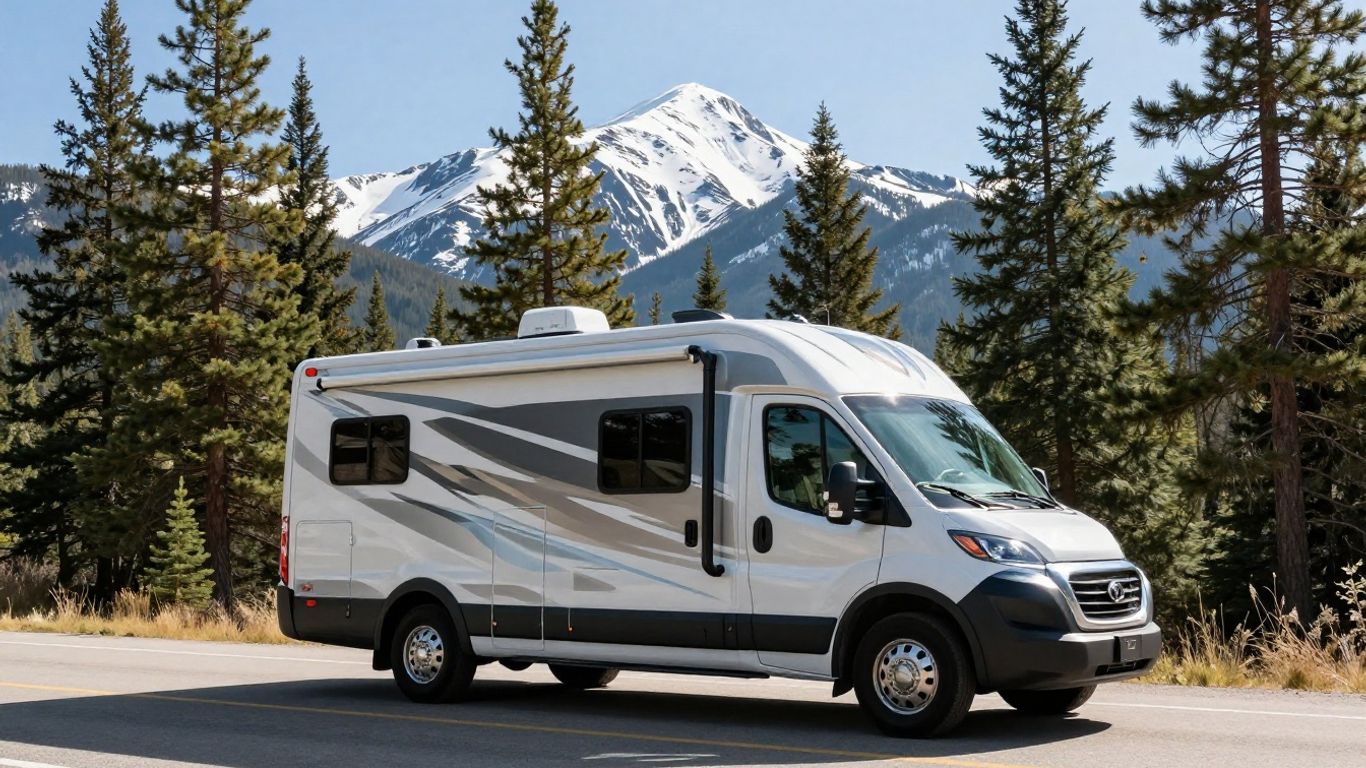
Picking the perfect RV for your trek through Canada isn’t just about grabbing the biggest rig on the lot. It depends on several factors, and honestly, the choice can make or break your trip.
Vehicle Size And Passenger Capacity
When it comes to RVs, size matters. Think about who’s coming with you. Is it you and your partner, the whole family, or maybe a couple of friends? Every extra person means more beds, seats, and space required.
Here’s a straightforward size guide for your planning:
| RV Type | Sleeps | Best For |
|---|---|---|
| Campervan | 2–3 people | Couples/small families |
| Small Motorhome | 3–4 people | Families with kids |
| Large Motorhome | 5–6 people | Groups or big families |
Don’t forget your luggage. If you’re packing hiking gear, bikes, or fishing rods, storage becomes even more important.
Balancing Comfort With Maneuverability
Comfort often fights with how easy it is to handle your RV. The bigger it is, the more luxurious, usually, but that can mean trouble on tight city streets or winding mountain roads. Here’s what you need to weigh up:
- Ease of driving – Smaller campers are a breeze on highways and tight spots.
- Parking and campsites – Less hassle with compact RVs.
- Living space – Larger vehicles mean more room to stretch out, but you might get stressed squeezing into city lots.
If your route hits lots of parks and remote areas, a big RV could be tricky. For long hauls and more chill stops, comfort might win out.
You don’t want your whole trip to feel like a wrestling match with an oversized bus—plan for the driving you’ll actually do.
Essential RV Amenities For Self-Catering
If you like eating out, you can go basic. But if you want real flexibility (and save some cash), look for these must-have features:
- A decent kitchen setup — fridge, stove, and enough prep space.
- A bathroom with a shower — especially useful if you plan to camp off-grid.
- Heating/AC for unpredictable Canadian weather.
- Storage space for groceries and gear.
Some models toss in outdoor showers, awnings, or bigger fridges, but always double-check what’s included before you book.
The truth is: the right RV is the one you’ll be happy driving AND living in for days on end. Think about how you travel, what you can live without, and what will make you grumpy after a week on the road. Take your time choosing—and when in doubt, go a little smaller. It’s easier to adjust when you’re not stuck maneuvering a giant RV into a tiny lakeside parking spot.
Navigating The Roads And Cities In Canada
Driving an RV in Canada is a bit different than what you might be used to, especially when you’re dealing with a larger vehicle. The roads themselves are generally well-maintained, and many are quite wide, which helps. You’ll find a good network of highways, including the famous Trans-Canada Highway that stretches across the country. However, it’s not always about speed. The scenery is often so stunning that you’ll want to stop every few minutes, which can really add to your travel time. So, those Google Maps estimates? You’ll probably want to add a good hour or two to them, especially if you plan on pulling over frequently for photos.
Understanding Canadian Road Conditions
Canada’s road network is extensive, from major highways to smaller rural routes. Most major roads are paved and in good condition. However, conditions can change, especially in more remote areas or during certain seasons. Winter driving, for instance, requires specific preparation and caution due to snow and ice. Always check local road reports if you’re traveling during shoulder seasons or in areas known for unpredictable weather. Speed limits are posted and generally similar to what you’d find in the US, but always pay attention to signs, as they can vary by province and whether you’re in a town or on the open road.
Pacing Your Daily Drives
When planning your daily drives, it’s wise to be realistic about how far you can comfortably travel. Don’t try to cover too much ground on your first day. A good rule of thumb for the initial drive after picking up your RV is to aim for no more than 100 kilometers (about 60 miles). This gives you time to get acquainted with the vehicle’s handling, practice parking, and get used to the different road conditions without feeling rushed. It’s better to arrive at your first campsite with plenty of daylight left and a relaxed attitude.
Here’s a breakdown of why shorter initial drives are a good idea:
- Familiarization: You need time to learn how your RV handles, brakes, and maneuvers, especially in traffic.
- Logistics: Picking up the RV often involves paperwork and a thorough orientation, which can take longer than expected.
- Unexpected Delays: Traffic, construction, or simply getting lost can happen, and you don’t want these to derail your entire first day.
City Driving With A Larger Vehicle
Driving an RV through Canadian cities can be a challenge. Streets can be narrower, parking is often limited and expensive, and traffic can be heavy. Many larger cities have RV rental depots, and it’s often recommended to explore cities either before you pick up your RV or after you drop it off. This way, you can use public transport or rent a smaller car for city excursions, leaving the RV at a campsite on the outskirts. Some rental companies may even have restrictions on where you can park or drive their RVs within certain urban areas, so always check your rental agreement. If you do plan to drive into a city with your RV, research parking options and potential route restrictions beforehand.
Securing Your Campsites
Finding a place to park your RV overnight is a big part of planning your Canadian adventure. Unlike just pulling over anywhere, Canada has specific rules about where you can legally camp with your motorhome. Generally, you’ll be looking at official campgrounds, whether they’re in national parks, provincial parks, or private operations. Wild camping, or just parking wherever you fancy, is a no-go in most protected areas and can land you with a hefty fine.
The Importance Of Advance Reservations
Booking your campsite ahead of time is often the smartest move, especially if you’re traveling during peak season or around holidays. Think of it like booking a hotel room – popular spots fill up fast. If you’ve got your heart set on a particular national park or a scenic spot near a major attraction, making a reservation weeks, or even months, in advance is highly recommended. This takes a lot of the guesswork and stress out of your trip, letting you focus on enjoying the scenery instead of hunting for a spot.
Understanding Different Campsite Reservation Systems
Canada uses a few different systems for booking campsites. National Parks are usually managed by Parks Canada, and they have their own online reservation portal. Provincial parks often have their own booking websites, managed by the specific province. Then there are private campgrounds, which each have their own booking procedures, usually through their own websites or third-party booking platforms. It’s worth noting that some parks might charge a small reservation fee on top of the nightly rate, and booking online is usually cheaper than booking over the phone.
Here’s a quick look at what to expect:
- National Parks: Managed by Parks Canada. Reservations are often mandatory during peak season. You can usually book through the Parks Canada Reservation Service website.
- Provincial Parks: Each province has its own system. For example, Ontario Parks has its own booking site, as does BC Parks. These can vary widely in terms of availability and booking windows.
- Private Campgrounds: These are run by businesses and have their own websites. They often offer more amenities like full hookups, Wi-Fi, and laundry facilities.
- Crown Land/Public Lands: In some areas outside of national and provincial parks, you might find designated camping areas on public lands. These are less common and may have fewer facilities.
Popular National Park Campsite Booking Strategies
When it comes to snagging a spot in a popular national park, timing is everything. Parks like Banff, Jasper, or Pacific Rim National Park Reserve are in high demand. Your best bet is to:
- Know the opening date for reservations: Parks Canada usually opens reservations for the entire summer season on a specific date in early spring. Mark your calendar!
- Be ready right when reservations open: Log on to the reservation website as soon as it goes live. Popular sites can be booked within minutes.
- Have backup options: If your first choice is full, have a few alternative campgrounds or even nearby provincial parks in mind.
- Consider shoulder seasons: Traveling in May, June, September, or October can significantly increase your chances of finding a spot without needing to book months in advance.
Remember that even if you can’t get a spot inside a national park, there are often private campgrounds or provincial parks just outside the park boundaries that offer great access and amenities. Don’t let a fully booked park deter you from exploring the region.
If you’re traveling in the off-season or visiting less popular parks, you might have more flexibility. Some campgrounds, especially in more remote areas or during the shoulder seasons, might not require reservations, or you might be able to book closer to your travel date. However, always check the specific park’s regulations. It’s better to be safe than sorry, and a little planning goes a long way in making your RV trip smooth sailing.
Essential Logistics For Your RV Trip
National Park Pass Requirements
Before you even think about hitting the road, it’s a good idea to look into what kind of park passes you’ll need. Canada has an amazing system of national parks, and many of them require an entry pass. For an RV trip, especially if you plan on visiting multiple parks, getting a Parks Canada Discovery Pass is usually the way to go. It covers entry for a whole year to all national parks, national historic sites, and national marine conservation areas. You can buy these online in advance or at the park gates. Don’t get caught out by not having the right pass; it can really add to your costs if you have to pay daily entry fees at every single park.
Managing Water And Waste Disposal Services
Living in an RV means you’re responsible for your own water and waste. Most RVs have tanks for fresh water, grey water (from sinks and showers), and black water (from the toilet). You’ll need to find places to refill your fresh water tank and, more importantly, dump your grey and black water tanks. These dump stations are common at campgrounds, rest stops, and sometimes even at gas stations or visitor centers. It’s not the most glamorous part of RVing, but it’s super important to do it properly and at designated spots to keep the environment clean.
- Fresh Water: Always look for potable water sources to refill your fresh water tank. Some campgrounds offer this right at your site, while others have central fill-up stations.
- Grey Water Disposal: This is water from your sinks and shower. It’s generally less hazardous than black water but still needs to be disposed of at an approved dump station.
- Black Water Disposal: This is wastewater from your toilet. It requires careful handling and must be emptied into a designated sewage dump station.
Understanding RV Hookups At Campsites
When you book a campsite, you’ll often see different types of hookups available. These are basically connections that allow your RV to access services from the campground. Knowing what you need can save you a lot of hassle.
- No Hookups (Unserviced): These sites are the most basic. You’ll rely entirely on your RV’s onboard systems (water tanks, battery power, propane). They’re usually the cheapest, but you’ll need to be more self-sufficient.
- Electric Hookup: This provides power to your RV. You’ll see different amperage options (like 30-amp or 50-amp). Make sure your RV is compatible with the site’s electrical service. This is great for running appliances and charging devices.
- Water Hookup: This connects directly to your RV’s water system, so you don’t have to rely solely on your fresh water tank. You’ll still need to manage your grey and black water tanks, though.
- Full Hookups (3-Way): These sites offer electric, water, and sewer connections. This is the most convenient option, as it mimics having all the utilities of a house, allowing for longer stays without needing to visit a dump station as frequently.
Planning for these logistical details might seem a bit mundane compared to dreaming about mountain views, but getting them sorted beforehand makes the actual trip so much smoother. It’s like packing the right clothes – you won’t regret having them when you need them, and you’ll definitely regret not having them.
First Day Considerations For Your RV Rental
Recommended Distance For Your Initial Drive
So, you’ve picked up your RV! It’s exciting, right? But before you go thinking you can cover hundreds of miles on day one, pump the brakes a little. The first day is all about getting acquainted, not conquering territory. Think of it like bringing home a new pet – you wouldn’t immediately take it on a cross-country road trip. A good rule of thumb for your initial drive is to keep it under 100 kilometers (about 60 miles). Honestly, even less is better. This gives you breathing room to figure things out without feeling rushed.
Reasons For Shorter First-Day Itineraries
There are a bunch of reasons why keeping that first day short makes a lot of sense. First off, picking up the RV itself can take longer than you expect. You’ll be going through paperwork, getting a rundown of how everything works (and trust me, there’s a lot to learn!), and then you have to actually pack your stuff in. That alone can eat up a good chunk of time. Plus, you’ll likely need to do your first big grocery shop, and Canadian supermarkets are huge. Don’t forget about potential jet lag if you’ve flown in; you might not be operating at 100%. All these little things add up, and you don’t want to be trying to set up camp in the dark.
Acclimatizing To Your RV and Canadian Roads
This is your first time driving a big vehicle like this, and Canada’s roads, while generally good, are different. You need to get a feel for the RV’s size, how it handles turns, and how much space you need. Driving in towns can be slow, and the scenery might tempt you to stop every five minutes – resisting that urge takes practice! It’s also wise to arrive at your campsite before sunset. Finding your spot and getting set up is much easier in daylight, and if you’re using a self-registration system, it’s a lifesaver. Taking it easy on day one lets you focus on these adjustments without the added stress of a long drive.
- Vehicle Familiarization: Spend time understanding all the controls, appliances, and systems. Don’t be afraid to ask the rental company questions.
- Driving Practice: Get a feel for the RV’s dimensions, braking, and turning radius in a safe, low-traffic area if possible.
- Initial Setup: Practice setting up your campsite, including leveling the RV and connecting utilities, before you’re tired and it’s getting dark.
- Grocery Run: Plan for a stop at a grocery store to stock up on essentials. Make a list beforehand to save time.
Budgeting For Your Canadian RV Experience
Alright, let’s talk money. Planning an RV trip through Canada means you’ve got to think about the costs involved. It’s not just about the rental itself; there are daily expenses that add up. Understanding these costs upfront will save you a lot of headaches later on.
Typical Nightly Costs For Camping
When you’re on the road in your RV, you’ll need places to park it overnight. These are usually campgrounds, and they vary quite a bit in price. You’ve got national and provincial parks, which often have beautiful settings but can book up fast. Then there are private campgrounds, which might offer more amenities but usually come with a higher price tag. Expect to pay anywhere from $25 to $60 CAD per night, depending on the location and what’s included.
Here’s a rough idea:
- National/Provincial Park Campgrounds: $25 – $45 CAD/night
- Private Campgrounds: $40 – $60+ CAD/night
- Recreation Areas (sometimes free or low cost): $0 – $20 CAD/night
It’s a good idea to factor in an average of about $35-$40 CAD per night for camping, especially if you’re traveling during peak season. Booking ahead is definitely the way to go, particularly for popular spots.
Factors Influencing Campsite Prices
So, why the price difference? A few things play a role. Location is a big one – campsites closer to major attractions or in highly sought-after national parks will naturally cost more. Amenities are another factor. Do you need full hookups (electricity, water, sewer)? Some sites offer just a place to park, while others have showers, laundry facilities, and even Wi-Fi. The time of year also matters; summer and holiday weekends are almost always more expensive than the shoulder seasons.
Remember that while some campsites offer basic services, others might be more primitive. Always check what’s included before booking to avoid surprises. You might need to plan for water refills and waste disposal more frequently at simpler sites.
Estimating Fuel And Other Variable Expenses
Fuel is a big one for any road trip, and RVs tend to be thirsty. Gas prices fluctuate, so keep an eye on them. You’ll also need to budget for activities, groceries if you plan to cook in your RV, and any souvenirs you might want to pick up. Don’t forget about potential costs for things like propane refills or dumping your waste tanks, though many campgrounds offer these services. For a rough estimate, consider setting aside $50-$100 CAD per day for these variable costs, depending on your travel style and how much you plan to do and see. Planning your RV rental well in advance can also help manage overall costs.
Wrapping Up Your Canadian RV Adventure Plan
So, planning an RV trip through Canada might seem like a lot at first, with all the choices about when to go, where to point your wheels, and what kind of camper fits your style. But honestly, breaking it down makes it way more manageable. You’ve got this! Think about what kind of trip you really want – is it about hitting the big sights, or finding those quiet, hidden spots? Once you have a clearer picture of your priorities, the rest of the puzzle pieces tend to fall into place a bit easier. Don’t get too bogged down in every single detail right away. Focus on the big decisions first, and you’ll be well on your way to an unforgettable Canadian adventure on the open road.
Frequently Asked Questions
Is Canada a good place for my first RV trip?
Absolutely! Canada is a fantastic choice for your first RV adventure. The roads are generally well-maintained, and the country offers stunning scenery that’s perfect for exploring from the comfort of a camper. Plus, Canadians are known for being friendly and helpful, which can make a big difference when you’re new to RV travel.
How long should my RV trip in Canada be?
For first-timers, aiming for at least two weeks is a good idea. This gives you enough time to get used to driving and living in an RV without feeling rushed. Remember that picking up and dropping off the RV takes time, and you might also be dealing with jet lag. A longer trip means more chances to relax and truly enjoy the experience.
When is the best time to visit Canada with an RV?
The summer months (June to August) are popular because the weather is generally warm and pleasant. However, this is also peak tourist season, meaning more crowds and higher prices. Spring (May) and fall (September) can be beautiful with fewer people, but you might encounter cooler weather and some attractions could be closed. Winter is generally not recommended for RV travel unless you’re specifically looking for snow and have the right equipment.
Should I plan my RV route in advance?
Yes, planning your route is super important! Canada is huge, so you can’t see everything in one trip. Decide if you want to explore the mountains and forests of the West Coast or the historic towns and coastlines of the East Coast. Think about how much driving you want to do each day and balance that with time for sightseeing and relaxing.
What kind of RV should I choose?
Consider how many people will be traveling with you and how much comfort you need. A smaller RV is easier to drive and park, especially in cities. A larger one offers more living space and amenities. Think about whether you plan to cook most meals in the RV – if so, a well-equipped kitchen is a must!
How are the roads and driving in Canada?
Canadian roads are generally good, often wider than in Europe. However, remember that RVs are large vehicles. Driving in cities can be a bit challenging, so take your time. Scenic routes might tempt you to stop often, which is wonderful, but it means your travel time will be longer than GPS estimates suggest. Always add extra time to your driving plans.
Do I need to book campsites ahead of time?
Definitely! Booking campsites in advance is highly recommended, especially if you’re traveling during the busy summer season. Popular spots in national parks can fill up months ahead. Having your campsites booked gives you peace of mind and ensures you have a place to stay each night.
What are the main things to consider for my first day with an RV rental?
Keep your first day’s drive short, maybe around 100 kilometers (about 60 miles) or less. This allows you to get comfortable with the RV’s size and handling, practice using its features, and find a campsite without feeling stressed. It’s better to have a relaxed start and get acquainted with your temporary home on wheels and the Canadian roads.