

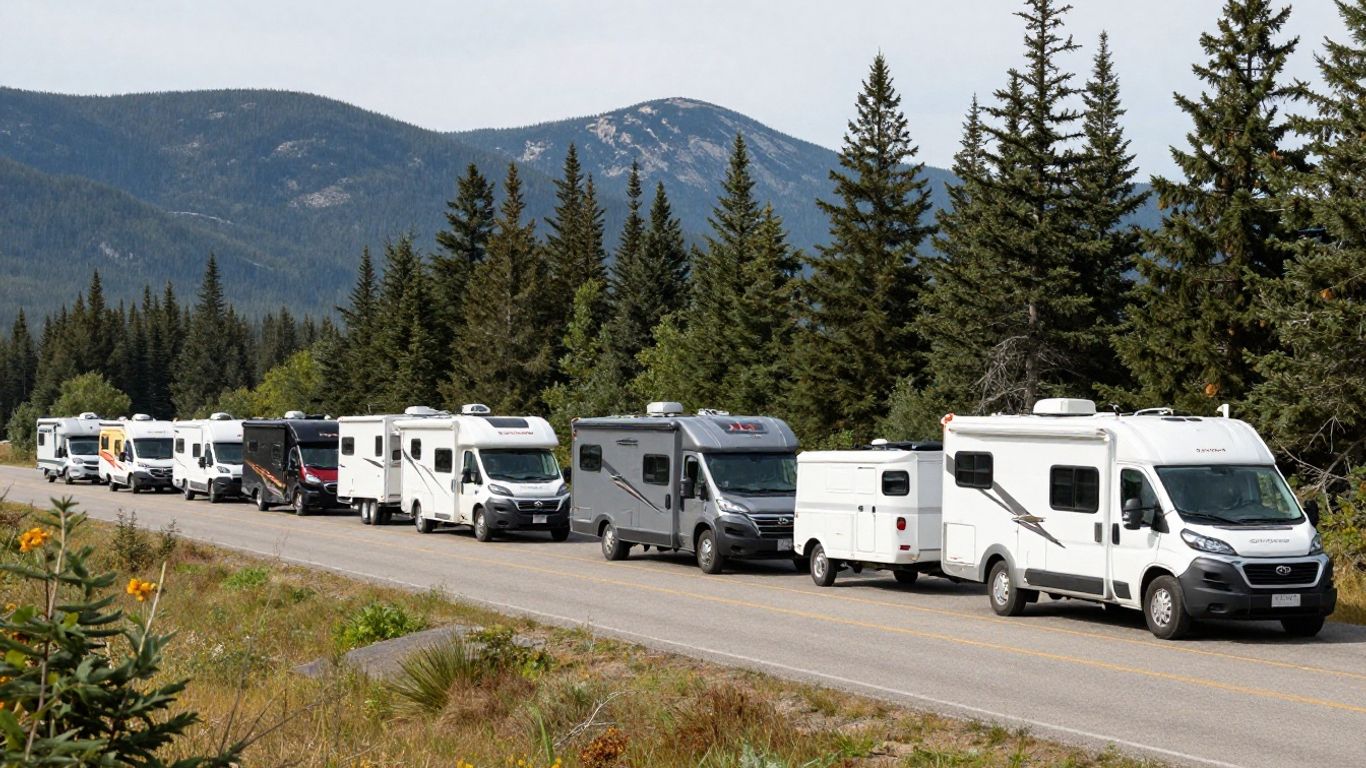
Thinking about a road trip through Canada? Renting a motorhome, or van as many call it, can be a super fun way to see the country. It gives you a lot of freedom to just go wherever the road takes you. But with so many options out there, picking the right one can feel a bit overwhelming. This guide is here to help you figure out what kind of vehicle will make your Canada motorhome hire trip awesome, without any of the usual travel headaches.
Key Takeaways
- Figure out who’s going with you and what level of comfort you need before you start looking at vehicles. This helps narrow down your choices a lot.
- There are different types of vehicles, from small converted minivans to bigger vans and even SUVs with rooftop tents. Think about what kind of trip you want.
- If you plan on driving on rougher roads, especially in places like the Yukon, a 4×4 van or an SUV with a rooftop tent might be a better bet.
- Keep an eye on the total cost. Daily rental rates are just part of it; you’ll also need to budget for gas, campsites, and maybe insurance extras.
- Booking your vehicle ahead of time, especially during peak season, is a smart move. Using a rental comparison site can also save you time and money.
Understanding Your Canada Motorhome Hire Needs
So, you’re thinking about renting a motorhome for your Canadian adventure? That’s awesome! It’s a fantastic way to see the country, offering a unique blend of freedom and comfort. But before you get swept away by images of vast landscapes and campfire singalongs, it’s super important to figure out exactly what you need. This isn’t like picking out a new pair of shoes; the wrong vehicle can really put a damper on your trip. Let’s break down how to make sure you choose the perfect home on wheels.
Assessing Your Travel Companions
Who’s coming along for the ride? This is probably the biggest factor in deciding what kind of motorhome you’ll need. Are you a solo traveler looking for a compact, easy-to-handle campervan? Or is it a romantic getaway for two, where a cozy converted van might be just the ticket? Maybe you’re wrangling a whole crew of kids, in which case, space and sleeping arrangements become way more important. Think about:
- Number of people: How many beds do you actually need? Don’t forget to factor in potential guests or if someone likes to spread out.
- Ages and needs: Traveling with little ones means thinking about car seats and maybe more storage for gear. Older folks might appreciate easier access and more comfortable seating.
- Group dynamics: Are you all best buds who don’t mind being in close quarters, or do you need a bit more personal space? Some larger motorhomes have separate sleeping areas, which can be a lifesaver.
Determining Your Comfort Expectations
What does ‘comfort’ mean to you on the road? This is where you get real with yourself about what you can live without and what’s a non-negotiable. Some people are happy with the basics – a place to sleep and a way to make coffee. Others want all the bells and whistles.
Consider these points:
- Bathroom facilities: Is a full bathroom with a shower and toilet a must-have, or are you okay with using campground facilities or a portable toilet? This can significantly impact the size and type of vehicle you’ll need.
- Kitchen setup: Do you plan on cooking elaborate meals, or will it just be for simple breakfasts and snacks? Some vans have basic burners, while others have full stoves and ovens.
- Living space: How much time do you anticipate spending inside the vehicle? If you’re planning on rainy days or just want a comfy spot to relax after a day of exploring, more interior space might be worth it.
The size of your vehicle directly impacts where you can go and how easily you can get there. A smaller van is great for navigating tight city streets or remote forest roads, while a larger motorhome might be better suited for established campgrounds with more space.
Considering The Season Of Your Travel
Canada is beautiful year-round, but the season you travel in will heavily influence your vehicle choice. Summer trips are generally more flexible, but if you’re thinking about hitting the road in the shoulder seasons or even winter, you need a vehicle that can handle it.
- Summer (June-August): Most vehicles will be fine, but demand is highest, so book early! Expect warmer temperatures, making ventilation important.
- Spring/Fall (April-May, September-October): Temperatures can fluctuate wildly. You might encounter frost or even early snow in some areas. A vehicle with decent heating is a good idea.
- Winter (November-March): This is where things get serious. You’ll need a true four-season van with proper insulation, reliable heating, and possibly even winter tires. Many rental companies won’t rent out vehicles for winter travel, or they’ll have specific models available.
Thinking through these aspects before you start looking at specific models will save you a lot of time and potential headaches down the road. It’s all about matching the vehicle to your adventure style.
Navigating Vehicle Options For Canada Motorhome Hire
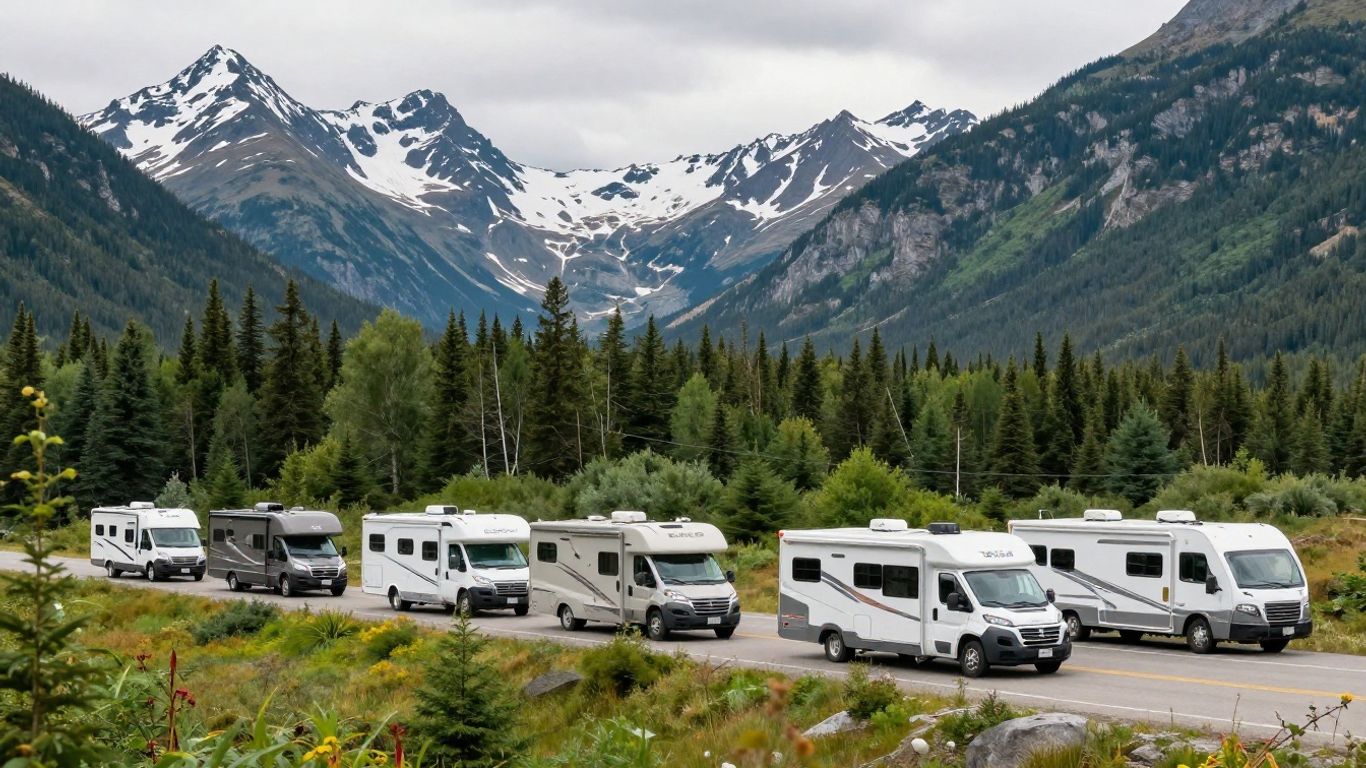
So, you’re looking at motorhome rentals in Canada, and the sheer number of choices can feel a bit overwhelming. Don’t worry, we’ll break down the main types you’ll likely encounter. It’s all about finding the right fit for your adventure, whether you’re a solo traveler or wrangling a whole crew.
The Versatile Converted Van
These are super popular, and for good reason. Think of them as a cozy, self-contained little home on wheels. They’re usually based on work vans like the Ford Transit or Ram ProMaster, but kitted out with a bed, a small kitchen area, and storage. Some even have a tiny bathroom. They’re great for couples or small groups, usually sleeping two to three people. The big plus here is they’re still pretty easy to drive and park, which is a big deal when you’re exploring towns or tighter campsites. They offer a good balance of comfort and maneuverability.
The Compact Converted Minivan
If you’re looking for something even more budget-friendly and easier to handle, a converted minivan might be your jam. These are lower and less conspicuous than a full van. They typically provide the basics for sleeping and making simple meals. They’re fantastic for couples or solo travelers who want to save money and don’t need a ton of space. Driving these is a breeze, even in busy city centers. It’s a no-frills option that still gives you a lot of freedom.
The Adventurous Rooftop Tent Setups
Now, this is where things get interesting for the more outdoorsy types. You can get minivans or even SUVs equipped with a rooftop tent. This setup is pretty neat because you get a comfortable sleeping area up high, keeping the main vehicle interior free for cooking, lounging, or storing gear. It’s a great way to feel closer to nature without the hassle of setting up a traditional tent every night. Plus, it gives you that extra bit of adventure. For those wanting to explore more rugged areas, an SUV with a rooftop tent is a solid choice, offering better handling on rougher roads than a standard car. You can find these kinds of vehicles from companies like North Campervan based in Calgary, which is handy if you’re starting your trip in the Rockies.
Choosing the right vehicle type is really the first big step in planning your Canadian road trip. It sets the tone for your entire journey, influencing where you can go and how comfortably you can travel. Take your time with this decision!
Here’s a quick look at what you might expect:
| Vehicle Type | Best For | Key Features |
|---|---|---|
| Converted Van | Couples, small groups (2-3 people) | Bed, kitchen, storage, easier to drive than RVs |
| Converted Minivan | Couples, budget travelers | Basic sleeping/cooking, very easy to drive |
| Rooftop Tent Setup | Adventurous travelers, nature lovers | Elevated sleeping, more interior space |
| SUV with Rooftop Tent | Off-road explorers | 4×4 capability, quick setup sleeping |
Choosing A Robust Vehicle For Canadian Terrain
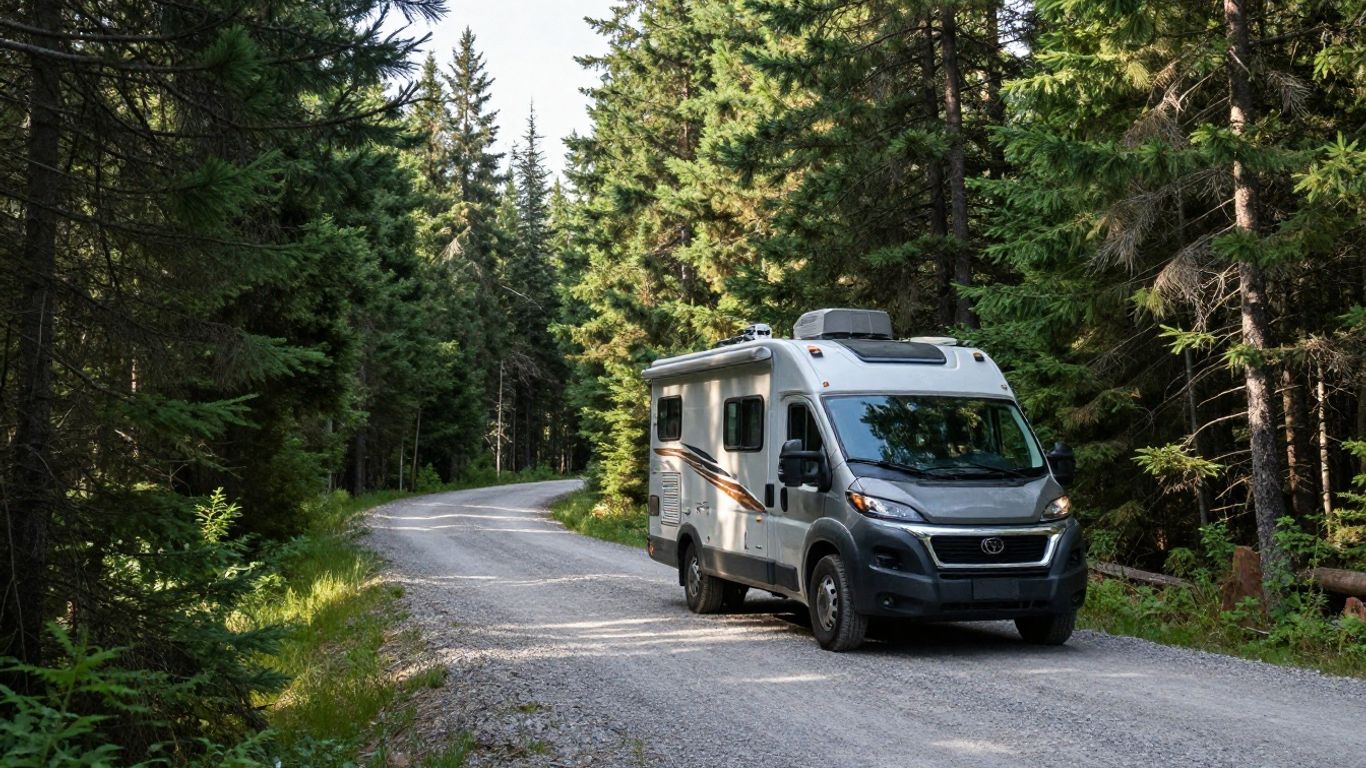
Canada’s landscapes are stunning, but they can also be pretty rugged. If your travel plans involve venturing off the main highways, you’ll want a vehicle that can handle it. Not all rental vans are built for rough roads, so picking the right one is key to a smooth adventure.
When To Opt For A 4×4 Van
If you’re dreaming of exploring remote gravel roads in the Yukon or tackling forest trails in British Columbia, a standard van might not cut it. A 4×4 van is your best bet here. These vehicles are designed to handle tougher terrain, giving you the confidence to explore areas that are inaccessible to regular two-wheel-drive models. They offer the same living amenities as a regular campervan but with the added capability to go further off the beaten path. Think of it as your ticket to finding those truly secluded spots in the Canadian wilderness.
Exploring With An SUV And Rooftop Tent
For those who crave adventure but don’t want to drive a large motorhome, an SUV paired with a rooftop tent is a fantastic alternative. This setup combines the agility and off-road prowess of an SUV with the convenience of a quick-to-deploy tent. It’s perfect for accessing more remote trailheads or simply enjoying a night under the stars without the hassle of setting up a ground tent. You get the best of both worlds: the ability to cover more ground and a comfortable, elevated sleeping space.
Here’s a quick look at when each might be suitable:
- 4×4 Van: Ideal for extended trips on unpaved roads, forest service roads, or areas known for challenging terrain. Offers more interior space and amenities than an SUV setup.
- SUV with Rooftop Tent: Great for day trips with overnight stays in more remote locations, easier maneuverability in varied conditions, and a quicker setup for sleeping.
When considering a more robust vehicle, always check the rental company’s specific policies regarding where their vehicles are permitted. Some may have restrictions on unpaved roads, even for 4×4 models. It’s always best to clarify this upfront to avoid any surprises.
Remember to factor in the type of roads you anticipate driving on when making your choice. If your itinerary is mostly paved highways, a standard van will likely suffice. But if you’re aiming for those wilder, less-traveled paths, investing in a more capable vehicle is a smart move for your Canada motorhome hire.
Budgeting For Your Canada Motorhome Hire
Alright, let’s talk about the money side of things for your Canadian motorhome adventure. It’s easy to get caught up in the excitement of the open road, but a little bit of planning when it comes to your budget can save you a lot of headaches later on. Think of it like packing – you wouldn’t leave home without the essentials, and you shouldn’t set off without a clear picture of your trip’s costs.
Understanding Daily Rental Rates
The biggest chunk of your budget will likely be the rental itself. Prices can swing quite a bit depending on when you go and what kind of vehicle you pick. For instance, during the peak summer months of July and August, you’re looking at higher daily rates. A smaller, converted minivan might run you anywhere from $130 to $180 CAD per day, while a more decked-out van or a 4×4 model could easily be $200 to $350 CAD daily. If you’re traveling in the shoulder seasons – say, May, June, September, or October – you can often snag a better deal. Expect to pay around $80 to $150 CAD for a minivan and $120 to $250 CAD for a standard converted van. These rates usually cover your mileage, but always double-check if it’s unlimited or if there’s a cap.
Anticipating Additional Travel Expenses
Beyond the daily rental fee, there are other costs to keep in mind. Fuel is a big one, and prices vary across Canada. You might see gas prices around $1.60 to $1.90 CAD per liter in 2025, with provinces like Quebec and British Columbia generally being pricier than Alberta. A van typically uses between 10 to 14 liters per 100 kilometers, so if you plan on covering a lot of ground, this adds up. Then there are campground fees. While free ‘boondocking’ is an option in some areas (just be sure to check local rules!), staying in national parks can cost between $20 and $50 CAD per night, and private campgrounds might be even more. Don’t forget potential ferry costs if you’re island-hopping, or road tolls on certain highways. A yearly national park pass, called a Discovery Pass, is about $75 CAD and grants access to all national parks.
Seasonal Price Variations
As mentioned, timing is everything when it comes to rental costs. High season (summer) means higher prices due to demand. Traveling in the spring or fall can offer significant savings. If you’re looking to save even more, consider booking well in advance, especially if you have specific dates or a particular vehicle type in mind. Some specialized vans, like those equipped for winter or with rooftop tents, are quite popular and get booked up quickly.
It’s also wise to look into insurance options. While basic coverage is often included, it usually comes with a hefty deductible. You might want to consider adding coverage to reduce this deductible or for things like glass, tires, or the undercarriage, which are sometimes excluded. Also, check if your credit card offers any rental insurance benefits.
Here’s a quick look at potential daily rental costs:
| Vehicle Type | Low Season (CAD/day) | High Season (CAD/day) |
|---|---|---|
| Converted Minivan | $80 – $150 | $130 – $180 |
| Standard Van | $120 – $250 | $200 – $350 |
| 4×4 / Specialized Van | $150 – $300 | $250 – $400+ |
Remember, these are just estimates, and actual prices can vary. Always get a few quotes and compare before you book!
Key Features To Look For In Your Rental
Picking out your rental’s features can really make or break a motorhome trip across Canada. Whether you’re looking for a smooth driving experience or a bit of luxury, paying attention to what’s actually included (or missing!) in your RV can save a ton of headaches, especially when you’re a few hours from the closest town.
Essential Amenities For Autonomy
If you want the freedom to camp off-grid for a night or two, check for these must-haves:
- Kitchen with gas burners, a compact fridge, and a sink
- Onboard fresh water and gray water tanks
- Bathroom area (toilet and shower)
- Heating and cooling (important for both summer and those chilly nights)
- Solar panels or secondary batteries for power
| Amenity | Included in Most Rentals? | Off-Grid Use? |
|---|---|---|
| Kitchen | Yes | Yes |
| Toilet + Shower | Yes (Class C, some vans) | Yes |
| Heating | Often | Yes |
| Air Conditioning | Often | Rarely Off-Grid |
| Solar Power | Sometimes | Yes |
When you’re out enjoying the wild, access to your own power and water can be the difference between cozy comfort and a lot of regrets. Seriously, don’t skip over the amenities list!
Sleeping Arrangements For Your Group
Nobody wants to be sleeping in awkward corners or makeshift beds if it can be avoided. Make sure everyone in your group actually gets a real place to sleep—otherwise, rest can get patchy fast.
Consider these options:
- Fixed beds vs. convertible dinettes/couches
- Double beds, bunk beds, or single beds
- Number of seatbelts (legally, everyone needs one while driving)
- Privacy screens or curtains for different sleeping areas
Driving And Parking Considerations
Big motorhomes aren’t always easy to park in cities or tight campgrounds. Before you rent, check:
- The vehicle’s length (bigger isn’t always better on winding backroads)
- Backup cameras, parking sensors, and blind spot mirrors
- Transmission—automatic is much easier if you’re not used to big vehicles
- Fuel type and mileage (gas or diesel with big tanks for long stretches)
As much as the spacious models look amazing online, if you’re not used to driving a big rig, be ready for a learning curve—especially the first time you try to back into a small campsite.
Every motorhome is a little different, so ask questions and really dig into what’s included before you commit. Taking a few minutes to review these things can mean a lot less stress when you hit the open road.
Selecting The Right Motorhome Size
Picking the right size motorhome for your Canadian adventure is a big deal. It’s not just about fitting everyone in; it’s about how you’ll feel driving it, where you can park it, and how much stuff you can bring along. Think about it – a giant RV might feel luxurious, but trying to squeeze it into a tight spot in a charming small town could be a real headache. On the flip side, a tiny camper might be easy to maneuver, but if you’re all crammed in, you might start wishing for a bit more elbow room.
Compact Options For Couples
If it’s just you and a partner, or maybe you’re traveling with a very young child, a smaller rig is often the way to go. These are usually built on van chassis or are the smallest "Class C" motorhomes. They’re easier on gas, simpler to drive, and fit into regular parking spots. You’ll still get a kitchen, a bathroom, and a place to sleep, often with a bed that folds out from a dinette or a cozy sleeping area above the driver’s cabin. They’re great for exploring scenic routes without feeling like you’re wrestling a bus.
- Easier to drive and park: Think fitting into a standard parking space.
- Better fuel economy: Saves you money on gas, which adds up on long trips.
- More accessible: Can often get into smaller campgrounds or more remote areas.
Mid-Size For Families
Got a couple of kids or traveling with another couple? A mid-size motorhome hits a sweet spot. These typically offer more sleeping space, often with separate sleeping areas or beds that can be made up from seating areas. You’ll also usually find a bit more living space and storage. They’re a good compromise between maneuverability and comfort, giving everyone enough room to spread out a little without being too unwieldy.
| Vehicle Type | Sleeps | Approx. Length | Ideal For |
|---|---|---|---|
| Compact Plus RV | 4 | 20-21 ft | Couple with one child, or two adults |
| Standard RV (Class C) | 5 | 24-25 ft | Small family, or two couples |
Larger Motorhomes For Extended Groups
If you’re traveling with a larger crew – think multiple families, a group of friends, or a multi-generational trip – you’ll want to look at the bigger models. These are the ones that really feel like a home on wheels, with distinct sleeping areas, often a separate bedroom, more bathroom space, and ample living and dining areas. They offer the most comfort and privacy for everyone, but be prepared for a bit more effort when it comes to driving and parking. You’ll also want to check campground size restrictions.
Choosing a motorhome size is a balancing act. Consider not just how many people need to sleep, but also how much time you’ll spend inside, what kind of roads you’ll be on, and your comfort level with driving a larger vehicle. It’s better to have a little extra space than to feel constantly cramped.
- Dedicated sleeping areas: Often a separate bedroom at the back.
- More living space: Plenty of room for everyone to relax.
- Increased amenities: May include features like a separate shower stall or more counter space.
Specialized Vehicles For All Seasons
Canada’s weather can be a bit of a wild card, right? One minute you’re enjoying sunshine, the next you’re dealing with snow. That’s why picking the right motorhome for the season you’re traveling in is a really smart move. It’s not just about comfort; it’s about safety and being able to actually enjoy your trip, no matter what Mother Nature throws at you.
Four-Season Vans For Winter Adventures
If you’re dreaming of a winter wonderland road trip, you’ll want to look for what’s often called a "four-season" or "winter-ready" van. These aren’t your average rentals. They come with extra insulation to keep the cold out and the heat in. Think double-paned windows, heated tanks to stop water from freezing, and a more robust heating system. Some even come with snow tires already fitted, which is a huge plus if you’re planning on hitting any snowy backroads. These specialized vehicles are designed to handle the chill and keep you cozy.
Here’s what to look for in a winter-ready van:
- Enhanced Insulation: Better walls, floors, and ceilings to keep the heat in.
- Powerful Heating System: Often propane-powered, designed for colder temperatures.
- Heated Tanks: Prevents fresh and grey water tanks from freezing.
- Snow Tires: For better grip on icy or snowy roads.
- Winterization: Some rentals might require you to drain water systems if temperatures drop severely, but a true four-season van minimizes this.
Renting a vehicle equipped for winter conditions means you can explore places like Banff or Jasper in the snow without worrying about freezing pipes or a lack of heat. It opens up a whole new side of Canada that many tourists miss.
Summer Travel Considerations
Come summer, your needs change. While you might not need the heavy-duty insulation of a winter van, you’ll definitely want good ventilation. Look for vehicles with:
- Multiple Opening Windows: For good airflow.
- Roof Vents or Fans: To help circulate air and remove heat.
- Air Conditioning: This can be a lifesaver in some of Canada’s hotter summer spots, especially in the prairies or southern BC.
- Awning: Great for creating shade outside your motorhome, perfect for those long summer evenings.
When you’re planning your trip, consider the specific regions you’ll be visiting and the typical weather there during your travel dates. A little research goes a long way in making sure your motorhome hire is a perfect fit for the season. For more on planning your campervan trip, check out general campervan trip planning.
Insurance And Documentation For Your Trip
Alright, let’s talk about the nitty-gritty: insurance and the paperwork you’ll need for your Canadian motorhome adventure. It might not be the most exciting part, but getting this sorted beforehand will save you a lot of headaches down the road. Seriously, don’t skip this!
Understanding Included Insurance
Most rental companies will include some basic insurance with their vehicles. Think of it as the bare minimum to get you on the road legally. This usually covers third-party liability, meaning if you accidentally damage someone else’s property or injure someone, the insurance helps cover those costs. However, it often doesn’t cover damage to the motorhome itself, or theft. You’ll want to check the specifics of what’s covered and what’s not. Sometimes, your credit card might offer some rental insurance, so it’s worth a call to your bank to see what they provide.
Necessary Travel Documents
Before you even think about packing, make sure you have these documents ready:
- Driver’s License: Your regular driver’s license should be fine if it’s in English or French. If your license is in another language, you’ll likely need an International Driving Permit (IDP). Get this in your home country before you leave.
- Passport: Obviously, you’ll need your passport to enter Canada.
- Rental Agreement: Keep a copy of your signed rental contract handy. It has all the details of your rental, including contact information for the company.
- Proof of Insurance: If you’ve opted for additional insurance, have that documentation with you.
It’s a good idea to have digital copies of all your important documents stored securely online, just in case the physical copies get lost or damaged. This includes your driver’s license, passport, and rental agreement.
When you pick up your motorhome, the rental company will go over everything with you. They’ll explain the insurance options in more detail, and you’ll have a chance to ask questions. Don’t be shy about asking for clarification on anything you don’t understand. It’s better to be over-prepared than to find out you’re underinsured when something goes wrong.
Maximizing Your Canada Motorhome Hire Experience
So, you’ve picked out the perfect motorhome for your Canadian adventure. Awesome! But before you hit the open road, let’s talk about making sure everything goes smoothly and you get the most bang for your buck. It’s not just about the vehicle itself; it’s about the whole process.
The Benefits Of Booking In Advance
Seriously, don’t wait until the last minute to book your motorhome. Especially if you’re planning to travel during the popular summer months or around holidays. The best vehicles, the ones that fit your group size and have all the features you want, get snapped up fast. Booking ahead means you’ll have a better selection and, often, better prices too. Think of it like getting the best seats at a concert – you want to be there early.
Utilizing Rental Comparators
Trying to figure out which company offers what can feel like a full-time job. That’s where rental comparators come in handy. These tools let you see a bunch of different options all in one place. You can compare models, prices, and what’s included without jumping between a dozen websites. It saves a ton of time and helps you spot deals you might have missed otherwise. It’s a smart way to get a clear picture of the market and find a good deal. You can find a great van rental comparator to help you out.
Choosing Reputable Rental Companies
When you’re looking at different companies, do a little digging. Check out reviews, see how long they’ve been around, and what kind of customer service they offer. A company with a good reputation usually means a well-maintained vehicle and reliable support if anything goes wrong on your trip. You don’t want to be stuck in the middle of nowhere with a breakdown and a company that’s hard to reach. Look for companies that have been around for a while and have positive feedback from other travelers.
Planning ahead is key to a stress-free trip. From securing your ideal vehicle to understanding all the little costs involved, a bit of preparation goes a long way. It means you can focus more on the stunning scenery and less on logistical headaches.
Here’s a quick rundown of what to keep in mind:
- Vehicle Availability: Popular models, especially 4-season vans or those with rooftop tents, are in high demand. Book months in advance for peak season travel.
- Price Comparison: Use online tools to compare rates across different companies. Look out for seasonal price changes and any special offers.
- Company Reputation: Research rental companies. Check reviews for vehicle condition, customer service, and overall reliability.
- Included Services: Understand what’s covered in the rental price – mileage limits, insurance, basic equipment, etc. This helps avoid surprises.
By taking these steps, you’re setting yourself up for a fantastic motorhome holiday across Canada. It’s all about being prepared so you can truly enjoy the freedom of the road. Remember to pack smart for the varied weather conditions you might encounter on your journey. Embarking on a motorhome holiday in Canada is an experience like no other.
Ready to Hit the Road?
So, picking the right motorhome for your Canadian adventure really comes down to what you’re looking for. Think about who’s going, how much you want to spend, and where you plan to drive. Whether it’s a small converted minivan for a cozy trip for two, or a bigger 4×4 van ready for some rougher roads, there’s something out there. Don’t forget to factor in things like the season you’re traveling in – a 4-season van is a must for winter trips! Take a bit of time to compare your options, and you’ll find the perfect ride to explore all the amazing sights Canada has to offer. Happy travels!
Frequently Asked Questions
What’s the best type of van to rent for a Canada trip?
The best van for you really depends on your trip! Think about who you’re traveling with, how much comfort you want, and when you’re going. A small converted minivan is great for couples on a budget, while a bigger van with more features is better for families. If you plan on driving on rough roads, a 4×4 van is a good idea.
How much does it cost to rent a van in Canada?
The price changes a lot depending on the time of year and the type of van. During the busy summer months, expect to pay more. Off-season is usually cheaper. Remember to also budget for gas, campsites, and any extra gear you might need.
Can I rent a van if I’m traveling with kids?
Absolutely! Renting a van is a fantastic way for families to explore Canada. Just make sure the van has enough space for everyone and can fit car seats if needed. Some larger motorhomes offer more room for bigger families.
Do I need to book my van rental way ahead of time?
Yes, it’s a really good idea to book early, especially if you’re traveling during peak season (like July and August) or if you have specific dates. Popular van types, especially those good for winter or with rooftop tents, get booked up fast. Booking ahead helps you get the best choice and prices.
What’s the difference between a converted van and a motorhome?
A converted van is usually smaller and easier to drive and park, kind of like a regular van but with a bed and a small kitchen inside. A motorhome is bigger and has more comforts, like a bathroom and more living space, but it’s harder to maneuver.
What should I look for in a rental van?
Think about what you absolutely need. Do you need a kitchen? How many people need to sleep comfortably? Will you be driving in the city a lot, or on bumpy roads? Checking things like heating, sleeping spots, and how easy it is to park will help you choose the right one.
Is insurance included when I rent a van?
Basic insurance is often part of the rental price, but it’s important to check exactly what it covers. You might want to consider adding extra insurance for more peace of mind, especially if you’re going on a long trip or driving in remote areas.
Are there special vans for winter travel?
Yes, there are! If you’re planning a Canadian adventure in the colder months, look for ‘4-season’ vans. These are built to handle the cold with better insulation and heating systems, so you can stay warm and cozy even when it’s snowy outside.