

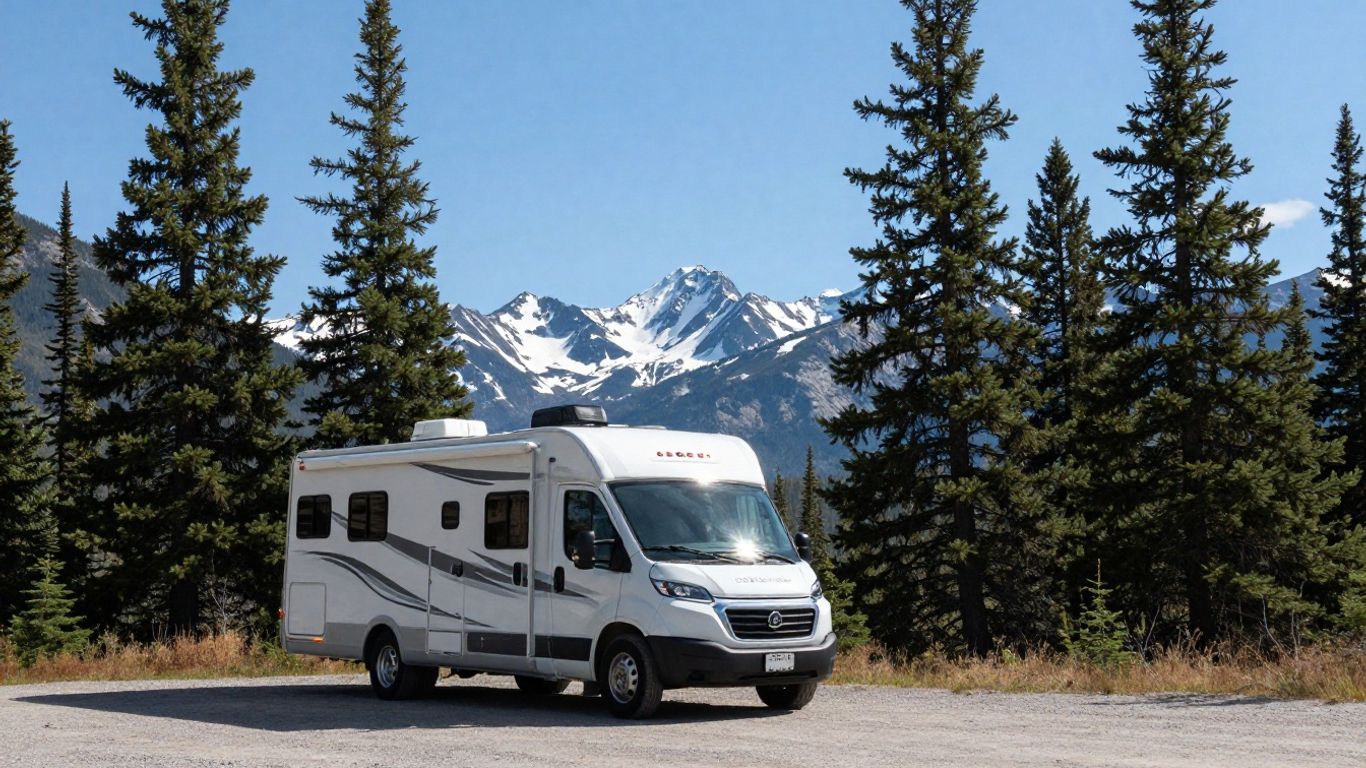
Planning a Canada RV holiday can feel like a big task, but breaking it down makes it way more manageable. Think of it like packing for a long trip – you wouldn’t just throw things in a bag, right? You figure out what you need, where you’re going, and how you’ll get there. The same goes for your RV adventure. Getting the big stuff sorted first, like your documents and route, means you can relax more when you’re actually on the road. This guide is here to help you tackle those first big decisions for your Canada RV holiday planning.
Key Takeaways
- Make sure all your travel documents, like passports and driver’s licenses, are up to date and valid for Canada. Don’t forget to check your RV’s registration and insurance too, to ensure it covers you across the border.
- When you get to the Canadian border, be ready for the border patrol. Know what you’re bringing, declare everything honestly, and be aware of any health rules or restrictions that might be in place.
- Figuring out your route is a big part of the fun. Decide which national parks or sights are must-sees and plan your stops. Remember to look up where you can get gas, especially in rural areas, and get familiar with Canadian driving rules.
- Campgrounds can fill up fast, especially during busy seasons. It’s a good idea to book your spots ahead of time. If campgrounds aren’t available, look into other options for overnight parking, but always check if it’s allowed.
- Before you leave, give your RV a good once-over. Check that everything is working safely and that you have the right insurance. Having a pre-trip checklist will help you remember all the little things you need to do before hitting the road.
Essential Documents For Your Canada RV Holiday Planning
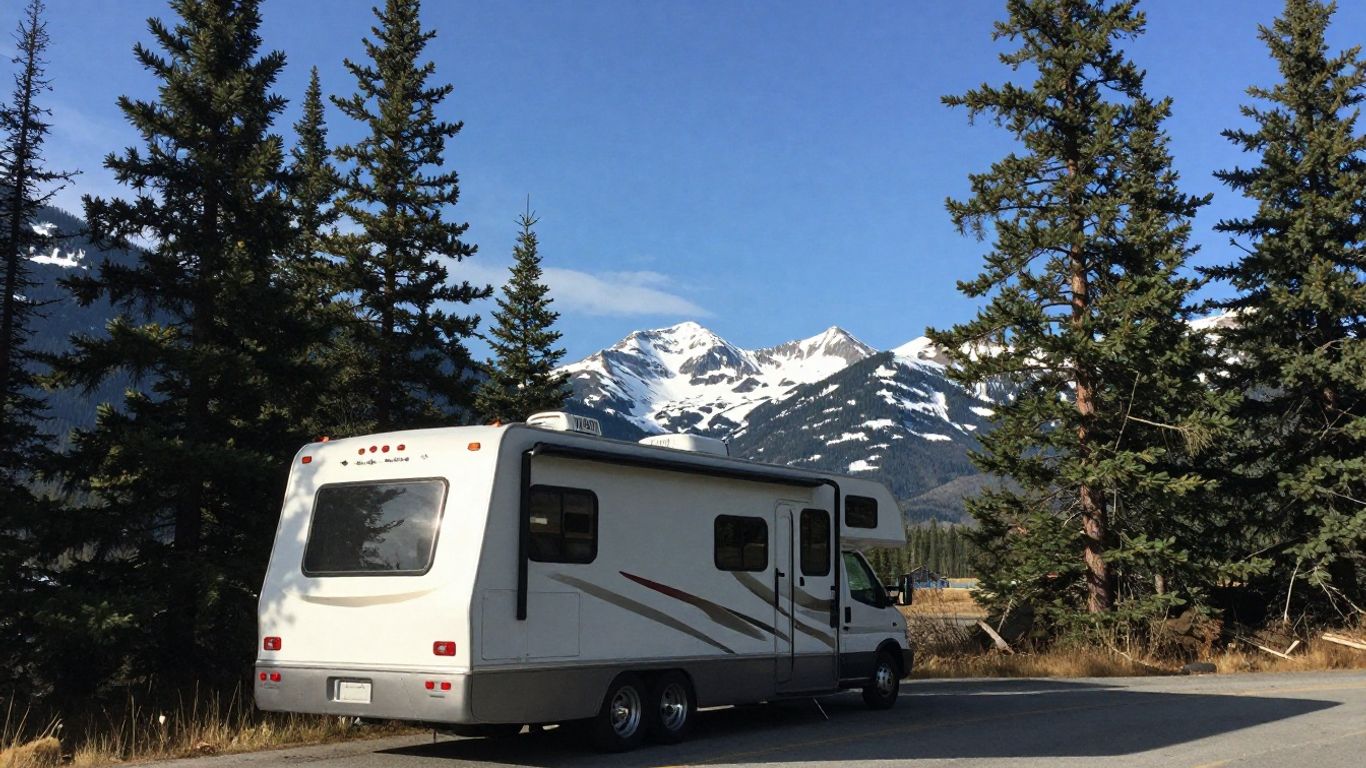
Getting your paperwork in order before you even think about hitting the road is a big deal for your Canada RV trip. It might not be the most exciting part of planning, but trust me, it makes crossing the border so much smoother. You don’t want to get to the line and realize you’re missing something important. That’s a surefire way to start your adventure with a headache.
Passport And Driver’s License Requirements
First things first, everyone traveling with you needs a valid passport. Make sure it won’t expire while you’re in Canada. For the driver, a current driver’s license is a must. Canada accepts standard U.S. driver’s licenses for operating your RV. If you have a NEXUS card, that can also be used as a travel document and might speed things up at some crossings.
Vehicle Registration And Insurance Verification
You’ll need to show proof that the RV is legally yours or that you have permission to bring it into Canada. This means having your vehicle registration papers handy. Just as important is your insurance. You absolutely must confirm that your current RV insurance policy covers you while you’re in Canada. Some U.S. policies don’t automatically extend north of the border. It’s a good idea to get a Canadian Non-Resident Inter-Province Motor Vehicle Liability Insurance Card from your provider; it acts as proof of coverage.
Additional Documentation For Pets And Trailers
Bringing a furry friend along? You’ll likely need a recent health certificate from your veterinarian, and depending on the type of pet, you might need specific permits. It’s always best to check the official Canadian government website for the most current pet import rules. If you’re towing a trailer, a fifth wheel, or even a small car behind your RV, make sure you have the registration and proof of ownership for that as well. It’s treated like a separate vehicle in terms of documentation.
Border agents are there to make sure everyone entering Canada is doing so legally and safely. Having all your documents organized and readily available will make your interaction quick and easy, letting you get on with your trip without any fuss.
Navigating The Canadian Border With Your RV
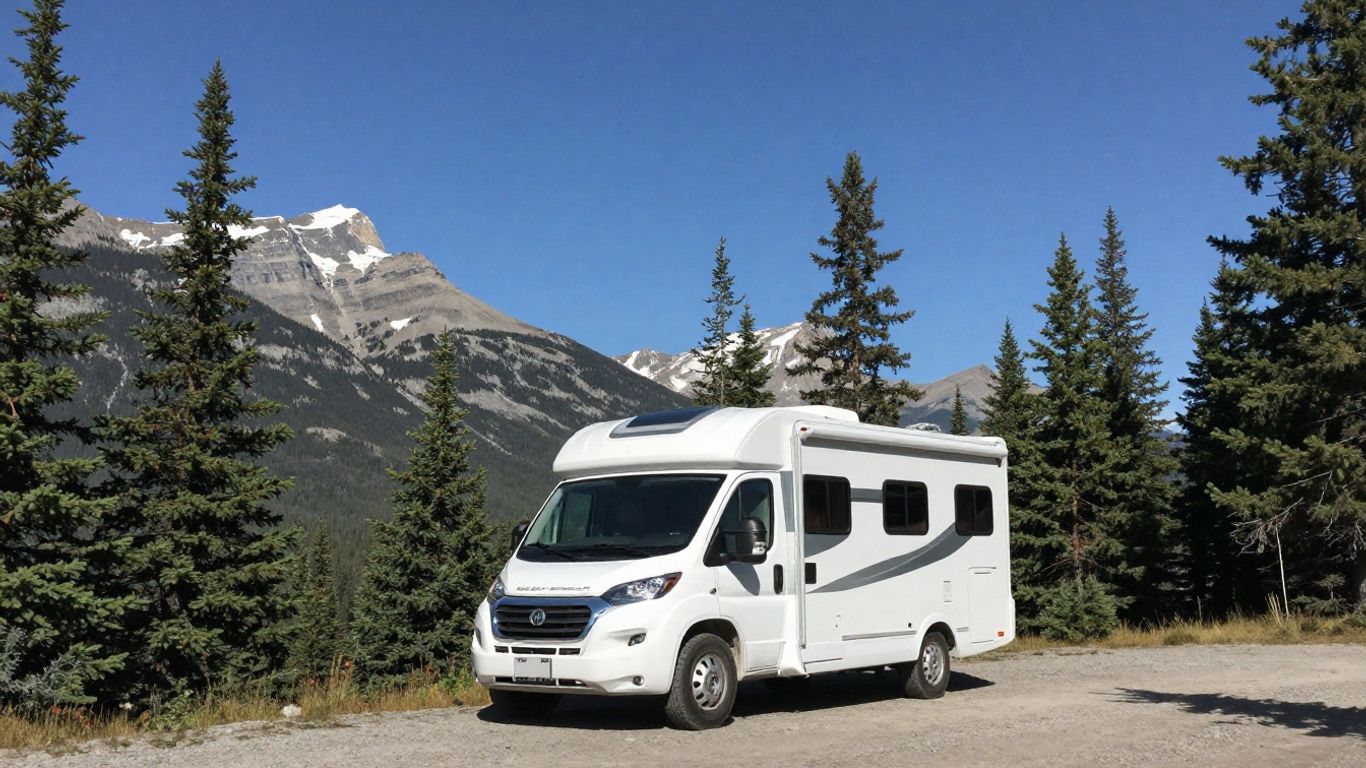
So, you’re all set for your big RV adventure in Canada! That’s awesome. But before you hit the road, let’s talk about getting across the border. It might seem a little intimidating, but with a bit of prep, it’s totally doable. Being ready with your paperwork is the biggest thing. Border agents are just doing their job, and if you’re organized and honest, they’ll likely be pretty straightforward.
Understanding Border Patrol Expectations
When you pull up to the Canadian border, expect to chat with a Canada Border Services Agency (CBSA) officer. They’ll want to know who you are, where you’re coming from, and what you’re bringing into the country. For your RV, they’ll want to see:
- Passports: Everyone in the vehicle needs a valid passport. Make sure yours aren’t expiring soon!
- Driver’s License: Your regular driver’s license should be fine, but it needs to be current.
- Vehicle Registration: You’ll need proof that you own the RV or have permission to drive it. This is usually your registration papers.
- Proof of Insurance: Your auto insurance needs to cover you while you’re in Canada. It’s a good idea to get a Canadian insurance card from your provider before you leave.
If you’re renting your RV, bring along your rental agreement, insurance details, and booking confirmation. It’s all about showing you’re legit.
Declaring Goods And Avoiding Confiscation
This is where people sometimes get tripped up. Canada has rules about what you can bring in, especially when it comes to food, alcohol, and even firewood. Bringing in too much or not declaring items can lead to them being taken away, or worse, fines.
Here’s a quick rundown:
- Food: Be careful with fresh produce, meats, and dairy. Some are restricted or banned. Check the CBSA website before you pack your cooler.
- Alcohol: There are limits on how much alcohol you can bring duty-free. If you have more, you’ll need to declare it and pay taxes.
- Firewood: Don’t bring firewood from the U.S. It can carry pests that harm Canadian forests. Buy it locally when you get there.
- Gifts: If you’re bringing gifts for people in Canada, you might need to declare them if they’re over a certain value.
When in doubt, declare it. Seriously, just tell the officer. They’d rather you be upfront than try to hide something. You can use the ArriveCAN app to pre-submit some declarations, which can speed things up before your flight to Canada.
Border agents appreciate honesty. If you’re unsure about an item, just declare it and ask. It’s better to be safe than sorry and have something confiscated or face penalties.
Health And Entry Rule Checks
While most of the COVID-19 related travel rules have been relaxed, it’s still a good idea to peek at the Government of Canada’s website before you go. Things can change, and you don’t want to be caught off guard. They might ask about your health status or require certain documentation depending on the situation.
Also, if you’re traveling with children who aren’t yours or without both parents, you’ll need a consent letter from the absent parent(s). And if you’re towing a trailer, make sure you have its registration and proof of ownership ready too. Being prepared for these checks will make your entry into Canada smooth sailing.
Planning Your Canada RV Holiday Route
Figuring out where you want to go is the real start of any RV adventure in Canada. You’ll want more than a general sense of direction—Canada is huge, and you won’t get far without a clear route. Let’s break it down step by step.
Choosing Your Must-Visit National Parks
Pick your parks carefully—Canada has more than 35 national parks, and they all offer something different.
- Write down your absolute must-sees; Banff, Jasper, and Fundy are great options, but each province has its gems.
- Think about the activities you care about most: hiking, fishing, kayaking, or relaxing with mountain views.
- Check out seasonal details. Some parks get crowded in summer, while others are best in the fall for leaf-peeping.
- Decide how long you want to spend at each stop and plan for at least one backup destination.
The sheer size of Canadian parks can surprise you—sometimes, a park drive takes hours, so budget time for exploring and downtime at camp.
Mapping Fuel Stops In Rural Areas
Running out of gas isn’t just an inconvenience out here—it can be a serious problem. Gas stations aren’t always where you expect, especially in remote provinces or across the north.
| Area | Typical Distance Between Stations |
|---|---|
| Near cities | 10-30 miles |
| Highway (urban) | 20-50 miles |
| Remote rural/north | 60-100+ miles |
| National parks | Up to 95 miles |
- Top up your tank in any major town, especially before heading into rural stretches.
- Use apps like GasBuddy for live info on upcoming fuel stops.
- Avoid night drives in the country—many stations close early or run reduced hours.
Understanding Provincial Road Rules
It’s not quite as simple as just driving north—every province in Canada has different rules of the road. There are law variations and measurement differences that can surprise you.
- Speed limits are posted in kilometers per hour, not miles.
- Different provinces may have specific rules (like right turns on red, which are sometimes not allowed in Quebec).
- Know weight and length restrictions for your RV or trailer—some secondary roads have strict limits.
Here’s a quick conversion reminder:
| US Miles | Canadian Kilometers |
|---|---|
| 10 | 16 |
| 25 | 40 |
| 50 | 80 |
| 62 | 100 |
Swapping miles for kilometers can throw you off the first few times, so keep a cheat sheet handy until it becomes second nature.
Plan for a route that’s realistic for your travel pace and skill level. Canada’s beauty is in its variety, but you’ll get more from the trip if you slow down, plan for local quirks, and build in time for unexpected finds along the way.
Securing Your Accommodation For A Canada RV Holiday
Finding a place to park your RV each night is a big part of planning your Canadian adventure. You can’t just pull over anywhere, especially in popular spots. Booking campgrounds in advance is your best bet, particularly if you’re heading to well-known national parks or traveling during the busy summer months.
Booking Campgrounds In Advance
Canada has a fantastic network of national and provincial parks, many with dedicated RV sites. However, these spots fill up fast. Think about places like Banff or Jasper in Alberta – they are stunning but incredibly popular. If you have a general idea of your route and the parks you want to visit, start looking at reservation systems as soon as possible. Many parks use online booking platforms, and some even have same-day availability, but relying on that is risky.
Here’s a quick look at what to consider when booking:
- Site Type: Are you looking for full hookups (water, electric, sewer), partial hookups, or just a place to park with no services?
- Amenities: Do you need laundry facilities, showers, Wi-Fi, or a place for kids to play?
- Location: How close do you want to be to park entrances, hiking trails, or nearby towns?
Exploring Alternative Overnight Parking
Sometimes, campgrounds are full, or you might just need a place to rest for a single night. While not as comfortable as a full-service campground, there are other options.
- Walmart: Many Walmarts across Canada allow overnight RV parking, similar to in the U.S. It’s always a good idea to check with the store manager first to confirm their policy and ensure you’re parking in an approved area.
- Rest Stops & Truck Stops: Some provincial rest areas and larger truck stops offer overnight parking. Look for signs indicating if overnight stays are permitted. These are usually basic, with no hookups, but they provide a safe place to sleep.
- Casinos & Big Box Stores: Similar to Walmart, some casinos and other large retail stores might permit overnight parking. Again, always ask permission before settling in.
Remember that these alternative spots are generally for short-term stays only, usually one night. They are not a substitute for a proper campground and often lack amenities like restrooms or waste disposal. Always be respectful of the property and leave no trace.
Considering Campground Amenities
When you’re looking at campgrounds, think about what you really need to be comfortable. Do you need full hookups for electricity and water, or are you comfortable with a more rustic experience? Some campgrounds offer basic amenities like washrooms and potable water, while others provide laundry facilities, showers, and even Wi-Fi. If you plan on visiting national parks, check if they offer overflow parking for RVs if the main campground is full. While not as scenic, it can be a lifesaver. Also, consider if you’ll be towing a vehicle; some campgrounds have length restrictions or specific parking areas for tow vehicles.
Preparing Your RV For The Journey
Alright, so you’ve got your documents sorted and you’re ready to roll towards the Great White North. But hold on a sec, before you even think about hitting the road, we need to talk about your trusty RV. It’s not just a vehicle; it’s your home away from home for this whole adventure, so making sure it’s in tip-top shape is super important. A little prep work now can save you a whole lot of headaches later.
Vehicle Inspection and Safety Standards
Canada has its rules about road safety, and they can be pretty strict, especially with bigger rigs like RVs. Border agents might want to take a peek at your tires – make sure they’ve got good tread and are properly inflated. Don’t forget about your brakes and any emergency systems; they need to be working perfectly. And of course, all your lights and signals should be clear and functional. If you’re towing a car, they’ll check that setup too. Honestly, if your RV looks a bit dodgy, they could turn you right back or send you for a more thorough check.
Ensuring Proper Insurance Coverage
This is a big one. Your standard U.S. auto insurance might not cut it when you cross the border. You absolutely need to confirm that your policy extends to Canada. Some insurers will issue a special card, often called a "Canadian insurance card," which proves you’ve got the required liability coverage. It’s a good idea to get this sorted well before you leave. Here’s a quick look at how things can differ:
| Insurance Aspect | U.S. Insurance | Canadian Requirements |
|---|---|---|
| Liability Coverage | Typically included | Mandatory |
| Accident Benefits | Varies by state | Required |
| Comprehensive | Usually optional | Strongly recommended |
Creating a Pre-Trip Checklist
Think of this like packing for a big trip, but for your RV. There are a bunch of little things that are easy to forget when you’re setting up camp or packing up to leave. Having a checklist makes sure you don’t miss anything important. You’ll want to secure anything that might be loose inside, remember to bring in your steps and any outdoor gear, and definitely turn off the water heater and pump before you drive off. It sounds simple, but ticking these off one by one will make your daily routine much smoother. You can find a good RV camping checklist online to get you started.
Getting your RV ready isn’t just about mechanical checks. It’s also about making sure you have everything you need for comfort and convenience. Think about things like your kitchen supplies, bedding, and any personal items that will make your temporary home feel more like yours. A well-prepared RV means a more relaxed trip.
Remember to also download offline maps for your navigation apps before you head out. Cell service can be spotty in many parts of Canada, especially in the more remote areas you might want to explore. Having those maps ready to go will save you from getting lost and frustrated. You can find some great options for offline maps that work offline.
Staying Connected And Prepared On The Road
Managing Connectivity in Remote Regions
When you’re RVing through Canada, cell service can be a bit of a gamble, especially once you leave the cities behind and head into the vast wilderness or along those long, empty highways. Don’t get caught without a way to reach out or find your way. Before you venture too far off the beaten path, it’s smart to have a plan for staying connected. Downloading offline maps on apps like Google Maps or Gaia GPS is a lifesaver. You can also look into getting a Canadian SIM card or an international plan from your provider to avoid surprise charges. And don’t count on finding Wi-Fi everywhere; many campgrounds outside of major towns don’t offer it.
Adapting to Metric Measurements
Canada uses the metric system, so speed limits, distances, and even fuel measurements will be in kilometers and liters, not miles and gallons. It’s not a huge deal, but it takes a little getting used to. You’ll see speed limit signs like 100 km/h instead of 65 mph. Most navigation apps can switch between units, but it’s good to have a general sense of conversion. For example, 100 kilometers is about 62 miles, and a liter is roughly a quarter of a gallon. It’s just one of those little things that reminds you you’re in a different country!
Utilizing Navigation Tools
Having reliable navigation is key for any RV trip, and Canada is no exception. While your favorite U.S. GPS apps will likely work, it’s wise to have a backup or a more specialized tool. Apps like iOverlander are fantastic for finding not just campgrounds but also free overnight parking spots, propane refill stations, and even mechanic services. For detailed backcountry maps, consider BRMB Maps. If you’re looking for places to stop for fuel, propane, or a place to park overnight, apps like GasBuddy can help you locate stations, especially in more rural areas where they can be few and far between. Planning your fuel stops is really important, particularly in the northern parts of the country.
Remember that rest stops along the highway are generally intended for short breaks, not overnight stays. While you might see other RVs parked, staying too long could mean being asked to move along by authorities. Always look for designated campgrounds or approved overnight parking locations to avoid any issues.
Ready to Hit the Road?
So, you’ve thought about where you want to go, how long you’ll be gone, and maybe even what kind of RV fits your style. That’s a huge step! Planning ahead, especially for things like campsites and border documents, really makes a difference. Don’t forget that checklist for packing up – it’s a lifesaver. Canada is an amazing place for an RV adventure, offering incredible views and freedom. With a little bit of prep work done now, you’ll be all set to enjoy the open road and make some fantastic memories. Happy travels!
Frequently Asked Questions
What papers do I need to bring my RV into Canada?
You’ll need your passport, a valid driver’s license, and your RV’s registration. Make sure your insurance covers you in Canada too. If you’re renting, bring your rental agreement and insurance papers. If you have pets, bring their shot records.
Can I just drive across the border with my RV?
Mostly, yes! But you need to be ready to talk to a border agent. Have all your documents handy. They might ask about what you’re bringing into the country, so be honest about everything.
Where can I park my RV overnight if I don’t have a campsite?
Campgrounds fill up fast, especially in summer. You can sometimes park at Walmarts, but always ask the manager first. Highway rest stops are usually only for short breaks, not overnight stays. It’s best to book campsites ahead of time.
Do I need to worry about different road rules in Canada?
Yes, you should! Canada uses kilometers instead of miles and liters instead of gallons. Also, pay attention to speed limits and road signs, as they can be different from what you’re used to.
What if I run out of gas in a remote area?
Fuel stations can be far apart in some parts of Canada, especially in the north or in national parks. It’s a good idea to fill up your gas tank whenever you see a station, especially when you’re near bigger towns or major roads.
What should I check on my RV before I leave?
Before you go, give your RV a good once-over. Check the tires, brakes, and lights to make sure everything is working safely. Also, make a list of things to do when you set up and pack up your campsite, like bringing in the steps and turning off the water pump.