

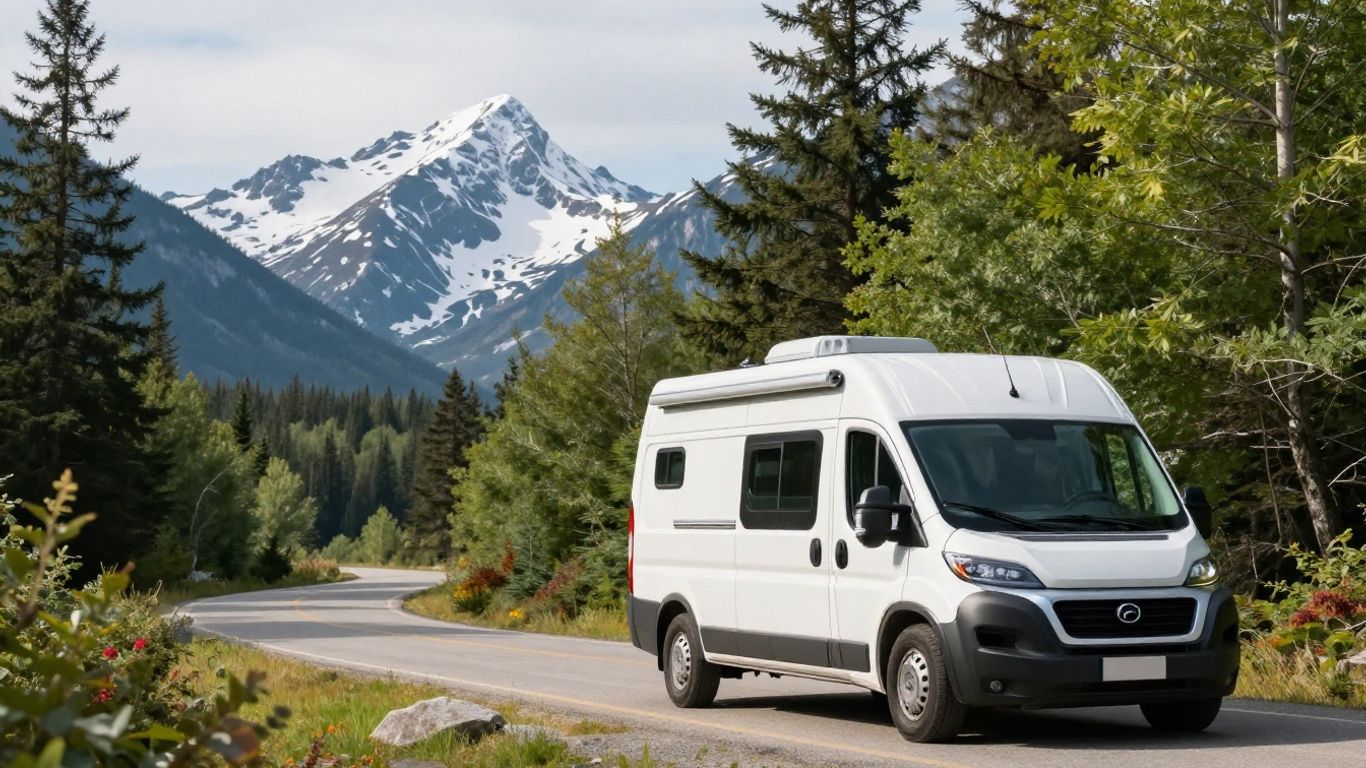
Thinking about renting a campervan for your next trip across Canada? It’s a fantastic way to see the country, but before you hit the road, you’ll want to make sure you’ve got the right campervan insurance Canada rental coverage. It’s not just about ticking a box; it’s about having peace of mind so you can actually relax and enjoy your adventure. Let’s break down what you need to know to protect yourself and your temporary home on wheels.
Key Takeaways
- Motorhomes require insurance just like regular cars, including liability, collision, and comprehensive coverage.
- While not always mandatory, insuring towed trailers for physical damage is highly recommended.
- Consider extra protection like emergency vacation expense coverage and roadside assistance for unexpected issues.
- If you plan to rent out your campervan, you’ll need specific insurance; standard policies usually don’t cover rental use.
- Insurance costs can change based on your campervan’s type, how you use it, and where you’re located, so always compare quotes.
Understanding Campervan Insurance for Your Canadian Adventure
Mandatory Coverage for Motorized Campervans
If you’re driving a motorized campervan, think of it like any other vehicle on the road – it needs insurance. In Canada, this is a legal requirement. You’ll need to carry at least the basic auto insurance that’s mandated by the province you’re in. This usually includes liability coverage, which protects you if you’re found responsible for an accident that causes damage or injury to others. It’s not really optional; it’s just part of being a registered vehicle owner. Without it, you can’t legally drive your campervan.
Recommended Protection for Towed Trailers
Now, if you’re pulling a trailer, like a travel trailer or a tent trailer, the rules are a bit different. These don’t typically require their own mandatory insurance in the same way a motorized vehicle does. However, that doesn’t mean you should skip it. It’s highly recommended to get insurance for your towed trailer. Think about it: your trailer holds your gear, your sleeping space, maybe even your kitchen. If it gets damaged in an accident, or if it’s stolen, you’re looking at a significant loss. Insurance can cover the physical damage to the trailer itself, as well as the belongings inside it.
Insurance for Full-Time RV Living
Living in your campervan full-time changes things. It’s not just a vacation vehicle anymore; it’s your actual home. This means your insurance needs to reflect that. You’ll want coverage that goes beyond just road incidents. Consider protection for your personal items stored inside, potential damage from things like sewer backup or water leaks, and even emergency expenses if your RV becomes uninhabitable while you’re on a trip. It’s about making sure your home, wherever it is, is properly protected.
Here’s a quick look at what’s generally covered:
- Liability: Covers damage or injury you cause to others.
- Physical Damage: Covers damage to your campervan from accidents, theft, or weather.
- Personal Belongings: Protects items you keep inside your RV.
- Emergency Expenses: Helps with lodging and travel if your RV breaks down mid-trip.
When you’re planning your trip, it’s easy to get caught up in the excitement of the destinations. But taking a little time to sort out your insurance beforehand can save a lot of headaches later. It’s like packing extra socks – you might not need them, but you’ll be really glad you have them if you do.
Essential Coverage Options for Campervan Rentals
When you rent a campervan for your Canadian trip, you’re not just getting a vehicle; you’re getting a home on wheels. Because of this, the insurance needs are a bit different than your average car rental. It’s smart to know what’s what so you don’t end up with a nasty surprise.
Liability Protection for Peace of Mind
This is the big one, really. Liability coverage is there to protect you if you’re found responsible for an accident that causes damage or injury to someone else. Think of it as your safety net. If you accidentally hit another vehicle or, heaven forbid, someone gets hurt because of something you did, this coverage helps pay for the costs. It’s usually a mandatory part of any auto insurance, and for good reason. Without it, a single mistake could lead to some serious financial trouble.
Collision and Comprehensive Damage Coverage
So, what happens if your rental campervan itself gets damaged? That’s where collision and comprehensive coverage come in. Collision covers damage from accidents – like hitting a tree or another vehicle. Comprehensive covers other stuff, like theft, vandalism, fire, or even damage from falling branches or hail. Most rental agreements will require you to have some form of this, and it’s usually tied to a deductible. This means you’ll pay a certain amount out-of-pocket before the insurance kicks in. Protection packages for renters in Canada offer three tiers with varying deductibles. Renters are responsible for these deductibles, which can range in amount depending on the chosen package. Understanding deductibles is key here.
Protection for Your Personal Belongings
Your campervan isn’t just the vehicle; it’s also where you’ll be storing all your stuff. From your clothes and camping gear to your electronics and kitchen supplies, it all adds up. Personal property coverage, sometimes called contents coverage, helps protect these items if they’re stolen or damaged while inside your campervan. Standard policies might cover a few thousand dollars, but if you’re traveling with expensive gear like cameras, laptops, or specialized sports equipment, you’ll want to check if you can increase that limit. It’s easy to underestimate the value of everything you pack.
When you’re on the road, your campervan becomes your temporary home. It’s not just about protecting the vehicle itself, but also the things you bring along to make your trip comfortable and enjoyable. Think about everything from your sleeping bags and cooking pots to your books and portable chargers. All of it needs consideration.
Here’s a quick look at what these coverages generally include:
- Liability: Covers damage or injury you cause to others.
- Collision: Covers damage to your rental campervan from an accident.
- Comprehensive: Covers damage from non-accident events like theft, fire, or weather.
- Personal Property: Covers your belongings inside the campervan.
Getting these coverages sorted before you hit the road means you can focus on the adventure, not on potential problems.
Beyond the Basics: Additional Campervan Insurance Benefits
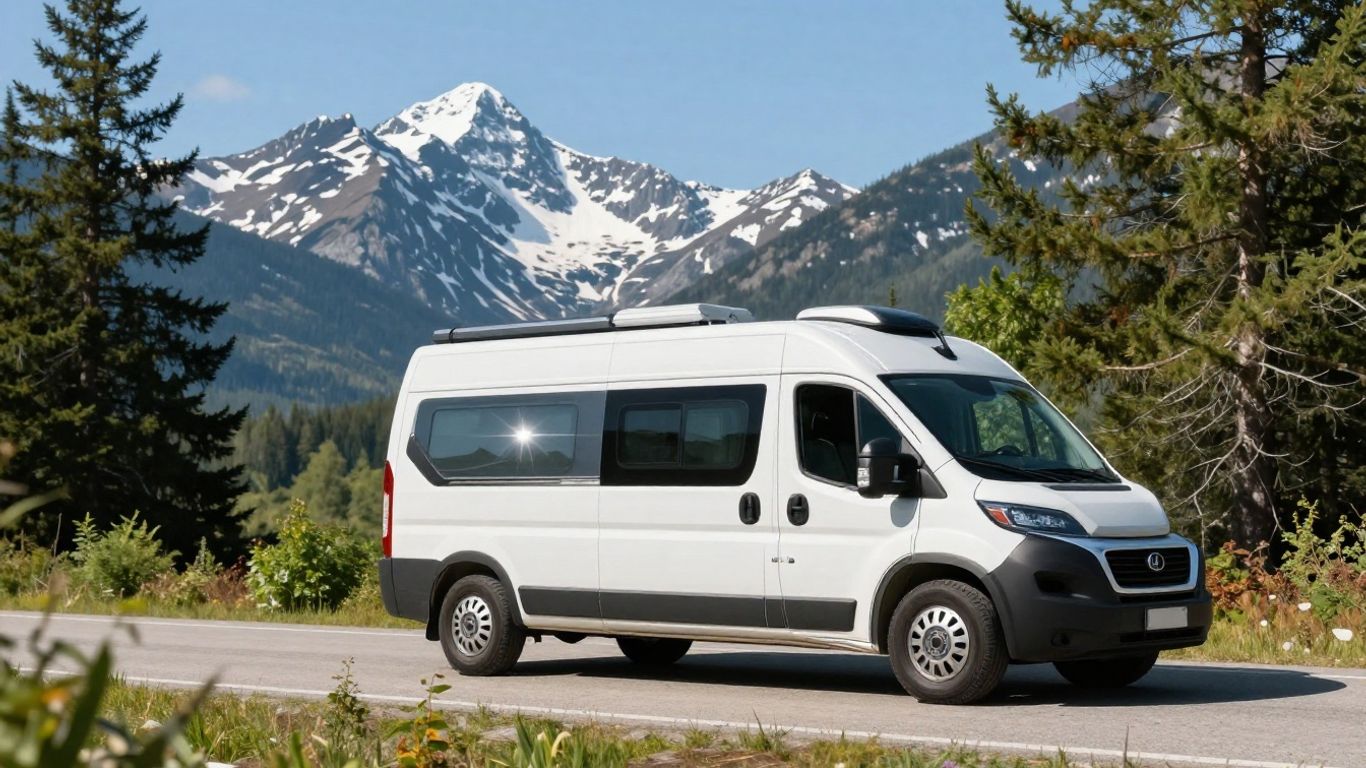
So, you’ve got the main coverages sorted for your campervan rental – liability, collision, the works. That’s great! But sometimes, the real peace of mind comes from those extra bits and pieces that protect you when things go sideways in ways you didn’t expect. Think of these as the ‘just in case’ coverages that can save your trip, and your wallet.
Emergency Vacation Expense Coverage
Imagine this: you’re halfway through your epic Canadian road trip, maybe exploring the Rockies, and your campervan decides it’s had enough. It breaks down, and you’re stuck. What now? This coverage is a lifesaver. It helps pay for unexpected costs like lodging and transportation if your campervan becomes unusable due to a covered issue. So, instead of scrambling to find a hotel and figure out how to get home, your insurance can step in. It means your trip doesn’t have to completely derail just because your wheels did.
Roadside Assistance and Towing Services
Let’s be honest, campervans are big. If you break down, it’s not like calling a tow truck for a small car. You need specialized equipment, and that can get pricey fast. Most standard auto club memberships won’t cut it for a large RV. That’s where dedicated roadside assistance for campervans comes in. It usually covers:
- Towing (with the right gear for your vehicle’s size)
- Battery boosts
- Flat tire changes
- Fuel delivery if you run dry
- Locksmith services if you lock your keys in the rig
It’s that extra layer of security knowing that help is just a phone call away, no matter where you are on those long, lonely highways.
Water Damage and Sewer Backup Protection
This one might sound a bit niche, but it’s surprisingly important, especially if you’re planning on staying put for a while or if you’re renting a trailer. Things can happen at campsites. Sometimes, plumbing issues can cause sewer backups, and other times, severe weather can lead to overland water damage. Standard policies might not cover these specific events. Having an endorsement for water damage and sewer backup means you won’t be left footing the bill for costly cleanup and repairs if your campervan or its contents get soaked from an unexpected flood or a backed-up drain.
While the big coverages like liability and collision are non-negotiable, don’t overlook these additional benefits. They might seem like small add-ons, but they can make a huge difference when you’re far from home and facing an unexpected problem. It’s all about making sure your adventure stays an adventure, not a stressful ordeal.
Specialized Insurance for Rental and Sharing Platforms
Coverage for Renting Your Campervan
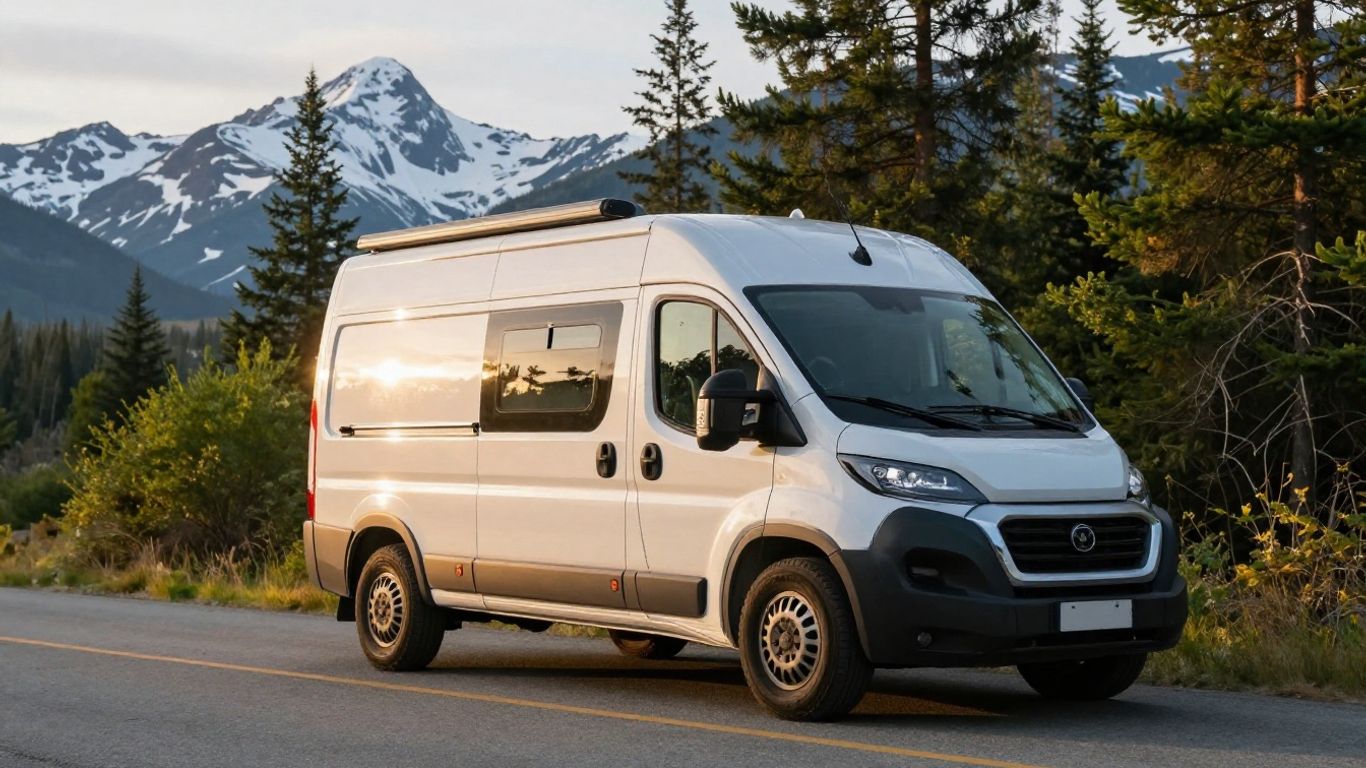
So, you’ve got a campervan sitting idle for parts of the year? Thinking about making some extra cash by renting it out? That’s a smart move, but it brings up some important insurance questions. Your regular personal campervan insurance policy likely won’t cover you if you’re renting it out. Why? Because renting it out changes how it’s used – it’s no longer just your personal vehicle; it’s being used for commercial purposes, and that ups the risk factor. You need specific coverage designed for this kind of situation.
When you list your campervan on a rental platform, they often provide their own insurance that kicks in during the rental period. This is a big deal because it protects you, the owner, and the renter. It means you can keep your normal insurance for when you’re using it yourself, and then the platform’s commercial coverage takes over when someone else is behind the wheel. It’s like having your cake and eating it too.
Here’s what these platforms typically handle:
- Liability Protection: Covers you if the renter causes an accident that injures someone or damages their property.
- Physical Damage: Protects your campervan against damage from collisions, theft, or vandalism while it’s being rented.
- Roadside Assistance: Often included, this helps renters if they break down, taking the hassle off your plate.
Understanding Peer-to-Peer Rental Insurance
Peer-to-peer rental platforms, like the ones where you can list your campervan, have their own insurance policies. These are set up to bridge the gap left by personal insurance, which usually excludes rental use. Think of it as a specialized policy that’s active only when your campervan is rented out.
It’s important to know that standard personal RV insurance policies typically have a clause stating they don’t cover commercial use. This means if an accident happens while your campervan is rented out and you’re relying on your personal policy, you might find yourself without coverage. The rental platforms’ insurance is designed to prevent this exact scenario. They screen renters and manage the insurance during the rental period, giving you peace of mind and helping to offset your ownership costs.
Renting out your campervan can be a great way to earn income, but it’s absolutely vital to have the right insurance in place. Don’t assume your personal policy will cover you; always check the specifics of both your policy and the rental platform’s coverage.
When you’re looking into this, consider these points:
- Coverage Limits: What’s the maximum amount the insurance will pay out for damages or liability claims?
- Deductibles: How much will you have to pay out-of-pocket before the insurance covers the rest?
- What’s Covered: Does it include things like mechanical breakdowns, tire damage, or interior damage caused by the renter?
Understanding these details will help you make an informed decision and protect your investment while earning income.
Factors Influencing Your Campervan Insurance Costs
So, you’re looking at campervan insurance and wondering why the prices seem to jump around. It’s not magic, and it’s not random. Several things play a role in what you’ll actually pay to get your adventure covered. Understanding these can help you figure out your budget and maybe even find ways to save a few bucks.
How Vehicle Type and Features Affect Premiums
This is a big one. The kind of campervan you’re insuring makes a huge difference. Think about it: a massive, luxury motorhome is going to cost more to insure than a small, basic campervan. The value of the vehicle is a primary driver. A brand-new, high-end model with all the bells and whistles will naturally have higher premiums than an older, more basic one. The construction and any custom features also factor in. For instance, a professionally converted van might have different rates than a DIY build, depending on how the insurer views the quality and value.
Here’s a general idea, though remember these are just averages:
| Vehicle Type | Estimated Annual Cost | Notes |
|---|---|---|
| Class A Motorhome | $1,000 – $4,000+ | Largest, most luxurious, highest cost |
| Class B Campervan | $500 – $1,500 | Compact, van-based, moderate cost |
| Class C Motorhome | $800 – $2,500 | Mid-size, cab-over, moderate to high cost |
| Travel Trailer | $300 – $600 | Towable, generally lower cost |
| Fifth Wheel Trailer | $500 – $2,500 | Towable, larger, higher cost than travel trailers |
The Impact of Your Location and Usage
Where you live and how you use your campervan are also pretty important. If you live in an area with a higher rate of theft or accidents, your premiums might be higher. Similarly, if you plan to use your campervan full-time versus just for a few weekend trips each year, that changes things. Full-time RV living often means higher coverage needs and thus higher costs. Insurers look at how many miles you’ll put on it and the types of places you’ll be driving and parking. A campervan that’s mostly parked in a driveway and only used for short trips will generally be cheaper to insure than one that’s constantly on the road, covering long distances.
Your driving record and claims history are significant factors. A history of accidents or traffic violations can lead to higher insurance premiums because insurers perceive you as a greater risk. Maintaining a clean record is one of the most effective ways to keep your costs down.
Exploring Discounts for Savings
Don’t forget about potential discounts! Most insurance companies offer ways to lower your premium. It’s always worth asking what’s available. You might get a discount for bundling your campervan insurance with other policies you have, like home or auto insurance. Some insurers offer discounts for safety features installed in your campervan, or for being part of certain professional organizations. If you’re a responsible driver with a good history, that often comes with a discount too. And if you only use your campervan occasionally, look into usage-based or pay-per-mile options; these can be a great way to save money if your campervan usage is limited.
Here are some common discounts to ask about:
- Multi-policy discount: Bundling with other insurance.
- Safety feature discount: For installed safety equipment.
- Good driver discount: For a clean driving record.
- Paid-in-full discount: Sometimes offered if you pay your premium upfront.
- Low mileage discount: For RVs used infrequently.
Navigating Insurance for Different Campervan Types
Alright, so you’ve got your campervan picked out, but did you know that the type of rig you’re driving or towing actually changes how you’ll need to insure it? It’s not a one-size-fits-all situation, and understanding these differences can save you a headache and maybe some cash.
Motorhome Insurance Requirements
Motorhomes, because they’re self-propelled vehicles, need a solid auto insurance policy. Think of it like insuring your regular car, but with a much bigger, more expensive, and more complex vehicle. You’ll definitely need liability coverage, which is mandatory pretty much everywhere, to cover any damage or injuries you might cause to others. On top of that, collision coverage is a must for protecting your own motorhome if you hit something, and comprehensive coverage handles things like theft, fire, or even a falling tree branch. The size and class of your motorhome (like a Class A, B, or C) will really affect the price, with the bigger, fancier ones usually costing more to insure.
Coverage for Travel Trailers
Now, if you’re going with a travel trailer, a pop-up, or even a truck camper, the insurance picture shifts a bit. Since these aren’t self-powered, they don’t need their own separate liability insurance – that’s usually covered by the vehicle towing it. However, you absolutely still need to protect the trailer itself. This means covering physical damage from things like accidents, storms, or theft. It’s also smart to think about coverage for the stuff inside your trailer, like your camping gear, bikes, or personal belongings. Even if your trailer is just sitting in storage for the winter, it’s still at risk from things like fire or vandalism, so keeping some form of coverage on it year-round is a good idea.
Insurance for Truck Campers and Tent Trailers
Truck campers and tent trailers are on the smaller, more nimble end of the spectrum. For truck campers, which sit in the bed of your pickup, the insurance is often tied to your truck’s policy, but you’ll want to make sure there’s specific coverage for the camper unit itself. This protects it from damage while it’s mounted and during travel. Tent trailers, often the most budget-friendly option, still need protection. Think about covering them for collision, fire, and theft. Some policies even offer extras like pet injury coverage, which is pretty neat if you travel with furry friends. The key here is to ensure the specific type of trailer is listed and covered appropriately, whether it’s a basic pop-up or a more elaborate slide-in unit for your truck.
The type of campervan or trailer you choose directly impacts your insurance needs. Motorized units require full auto coverage, while towed units focus more on physical damage to the trailer and its contents. Always check with your insurer about how your specific setup is covered.
Hit the Road with Confidence
So, you’ve got the campervan, you’re ready to explore Canada, and now you know a bit more about the insurance side of things. It might seem like a lot, but really, it boils down to picking the right coverage for how you plan to use your vehicle. Whether it’s just for a few weekend trips or you’re living the van life full-time, there’s a policy out there. Don’t forget about things like roadside help or covering your gear inside. Taking a little time to sort out your insurance means you can focus on the fun stuff – like finding the best campfire spots and enjoying the views. Happy travels!
Frequently Asked Questions
Do I absolutely need insurance for my campervan in Canada?
If you’re driving a self-powered campervan or motorhome, then yes, you must have insurance, just like any other vehicle on the road. For trailers that you tow, they don’t always need their own separate insurance, but it’s a really good idea to get coverage for them anyway, in case they get damaged or their contents are stolen.
What’s the main difference between insuring a motorhome and a trailer?
A motorhome is a vehicle that drives itself, so it needs full car insurance, covering things like accidents, theft, and damage. A trailer is something you pull behind another vehicle. While it doesn’t always need its own liability insurance, it’s smart to insure it against physical damage and for the stuff inside it.
What if my trailer just sits in one spot all year? Does it still need insurance?
Yes, it does! Even if your trailer is parked and not moving, it can still be at risk. Things like fires, water damage, theft, or someone damaging it on purpose can happen, so having insurance is still important.
Can I get insurance if I live in my RV full-time?
You sure can, but not all insurance companies offer this. You’ll need to tell them how often you plan to use your RV, and they can help you find a policy that works for living in it all year or just during certain seasons.
Is my campervan covered if I travel into the United States?
Most insurance plans allow you to travel in the U.S. for up to about six months. However, it’s always best to double-check your specific insurance policy before you head across the border to make sure you’re covered.
Can I rent out my campervan to others, like through an app?
Yes, some insurance companies have special add-ons for this. If you’re thinking about renting out your campervan on platforms where people share vehicles, let your insurance provider know so they can make sure you have the right protection.