

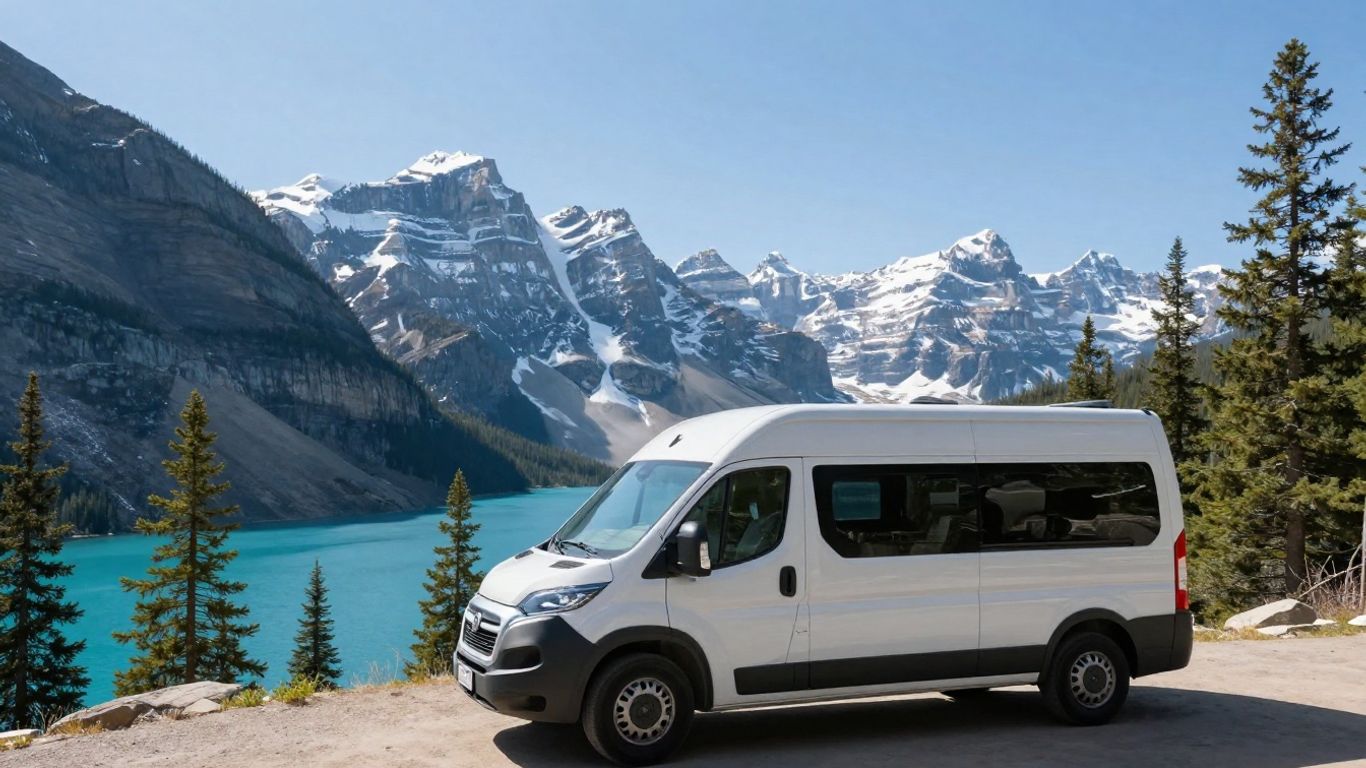
Thinking about renting a campervan in Canada? It’s a fantastic way to see the country, offering freedom and a unique travel experience. But with so many companies out there, how do you make sure you’re getting the best deal and the right vehicle for your trip? This guide will help you sort through the options for your campervan rental Canada comparison.
Key Takeaways
- When comparing campervan rental Canada options, look at what’s included. Some companies offer basic packages, while others include kitchenware, bedding, and even camping chairs. Think about what you’ll really need.
- Check the age and condition of the campervan fleet. Newer vehicles often have better amenities and are more reliable, but older models might be cheaper. A campervan rental Canada comparison should factor in vehicle age.
- Understand the insurance options and deposit requirements. These can significantly impact your total cost. Read the fine print carefully for your campervan rental Canada comparison.
- Consider the size and type of campervan. A smaller van is easier to drive and park, but a larger one offers more living space. Match the vehicle to your group size and travel plans for your campervan rental Canada comparison.
- Don’t forget about hidden fees. Things like mileage charges, one-way drop-off fees, or extra charges for specific equipment can add up. A thorough campervan rental Canada comparison means looking beyond the base price.
Understanding Campervan Rental Canada Comparison Factors
So, you’re thinking about renting a campervan in Canada? Awesome choice! It’s a fantastic way to see the country, offering a mix of freedom and comfort that hotels just can’t match. But before you get too excited about those mountain views, let’s talk about how to actually pick the right rental company. It’s not all the same out there, and a little bit of comparison goes a long way.
Key Benefits of Campervan Travel in Canada
Campervan travel in Canada really lets you experience the great outdoors without giving up your creature comforts. Think about it: you can wake up to the sound of loons on a lake, make breakfast with a view, and then just pack up and go without worrying about checking out of a hotel. It’s a super flexible way to travel.
- Affordability: Combining your transport and lodging costs can really cut down on expenses. You’ll have more money for national park passes or those delicious local treats.
- Flexibility: Don’t like your campsite? No problem. Want to stay an extra day somewhere amazing? You can. It’s your trip, your rules.
- Convenience: Having your kitchen, bathroom, and bed all in one place means less hassle. No more searching for restaurants or public restrooms constantly.
- Outdoor Access: You’re already set up to be right in the middle of nature, whether that’s a forest campground or a spot by a lake.
What to Expect from Your Canadian Campervan Adventure
Canada is huge, and your campervan trip will be shaped by where you go and when. But generally, expect stunning scenery at every turn. You’ll find a mix of well-equipped campgrounds and more rustic spots. Driving can take longer than you might think, especially with all the amazing sights pulling you over for photos. Also, be prepared for varying weather, even in summer.
Remember that driving distances in Canada are significant. Pacing yourself and planning your stops is key to enjoying the journey rather than just rushing to the destination. It’s easy to get caught up in the views, but staying focused on the road is important.
Choosing the Right Campervan for Your Trip
When picking a campervan, think about who’s going and what you plan to do. A small couple’s van is very different from a larger family model. Consider:
- Size: How many people are traveling? Do you need a lot of storage space for gear?
- Amenities: Do you need a full bathroom and kitchen, or are you okay with more basic facilities and using campground amenities?
- Season: If you’re traveling outside of peak summer, make sure the van has good heating and insulation. Winter travel requires specific considerations.
It’s often better to get a slightly larger van than you think you need, especially if you’re not used to driving bigger vehicles. It gives you more room to spread out and makes the trip more comfortable.
Navigating Campervan Rental Companies in Canada
So, you’ve decided a campervan trip through Canada is the way to go. Awesome choice! But before you can hit the open road, you’ve got to pick the right company to rent from. It’s not just about finding the cheapest option; it’s about finding the one that fits your travel style and budget best. Let’s break down how to look at the different players in the Canadian campervan market.
Major Players in the Canadian Campervan Market
Canada has a pretty good selection of campervan rental companies, from big international names to smaller, local outfits. Some companies focus on specific types of vehicles, like basic campervans or more luxurious RVs. Others might have a wider range, catering to different group sizes and comfort levels. It’s worth doing a quick search to see who operates in the cities you plan to pick up or drop off your vehicle. Think about what kind of trip you want – are you looking for a no-frills adventure, or do you want all the bells and whistles?
Comparing Rental Company Experience and Fleet Age
When you’re looking at different companies, pay attention to how long they’ve been around and what people say about them. A company with a solid track record often means a more reliable vehicle and better customer service. Also, ask about the age of their fleet. Newer vehicles usually mean fewer mechanical issues and a more comfortable ride. Older vans might be cheaper, but they could also be more prone to breakdowns, which is the last thing you want when you’re miles from anywhere.
Here’s a quick way to think about it:
- Newer Fleet: Generally more reliable, better fuel efficiency, modern amenities.
- Older Fleet: Can be more budget-friendly, but might require more maintenance and have fewer modern features.
- Company Reputation: Check reviews for customer service, vehicle condition, and ease of pickup/drop-off.
Understanding Different Vehicle Types and Sizes
Campervans come in all shapes and sizes, and picking the right one is key. You’ve got everything from small, car-like campervans perfect for couples, to larger Class C RVs that can sleep a whole family. Think about:
- How many people are traveling? Don’t cram yourselves into a van meant for two if there are four of you.
- What kind of driving will you be doing? A smaller van is easier to maneuver on narrow roads or in cities.
- What amenities do you need? Do you need a full bathroom, or is a portable toilet okay? Do you plan on cooking elaborate meals, or just making coffee and sandwiches?
Choosing a vehicle that’s too big can make driving and parking a hassle, especially in national parks or smaller towns. On the flip side, a van that’s too small will feel cramped after a few days, no matter how much you love your travel companions.
It’s a good idea to look at floor plans and vehicle dimensions online. Some companies even have videos showing you around their different models. This helps you get a feel for the space before you commit.
Essential Considerations for Your Campervan Rental Comparison
So, you’ve picked out your campervan and you’re ready to hit the road. But before you hand over your credit card, there are a few things you really need to think about. It’s not just about the base rental price; there are other costs and requirements that can really change the total amount you’ll pay, and whether the rental actually fits your trip.
Driver’s License and Age Requirements
This is a big one. Most rental companies have rules about who can drive their vehicles. You’ll definitely need a valid driver’s license, but some companies might have restrictions based on your age. For example, some might require you to be at least 21 or even 25 years old to rent certain types of campervans. It’s also worth checking if your home country’s license is accepted, or if you’ll need an International Driving Permit (IDP). Don’t get caught out at the rental counter!
- Check the minimum age: Usually 21 or 25.
- Verify license validity: Ensure your license is current and accepted.
- Consider an IDP: Especially if your license isn’t in English.
Insurance Options and Deposit Policies
Insurance can be confusing, but it’s super important. The basic insurance often comes with a really high deductible, sometimes thousands of dollars. You’ll want to look into options to lower that deductible, as it’s a small price to pay for peace of mind if something unexpected happens. Also, find out what the deposit policy is. Companies usually put a hold on your credit card for the deductible amount, and you want to make sure you have enough available credit.
| Insurance Type | Typical Deductible | What to Consider |
|---|---|---|
| Standard Collision | $5,000 – $10,000 | High, often excludes tires and windshields. |
| Reduced Liability | $0 – $500 | Recommended for peace of mind, check coverage details. |
| Supplemental (e.g., Roadside) | Varies | Can cover breakdowns, towing, and lockout services. |
Always read the fine print on insurance. Sometimes your personal travel insurance or credit card might already offer some coverage, so you don’t want to pay for something twice.
Included Amenities and Optional Equipment Packages
This is where the price can really creep up if you’re not careful. Companies offer all sorts of add-ons, from bedding and kitchen kits to camping chairs and portable toilets. Think honestly about what you actually need. Are you planning to cook every meal, or will you use camp kitchens? Do you really need those fancy camping chairs, or will a picnic blanket do? Sometimes, bringing a few of your own basics from home can save you a surprising amount of money compared to renting them.
- Kitchen Kits: Pots, pans, cutlery, dishes. Assess if you’ll use them all.
- Linen Packs: Sheets, towels, pillows. Consider bringing your own quick-dry towels.
- Camping Gear: Chairs, tables, BBQs. Often available at campsites or can be skipped.
- Portable Toilet: A lifesaver if your campervan lacks a bathroom, especially for late-night needs.
Planning Your Campervan Route and Budget
Alright, so you’ve got your campervan picked out. Now comes the part where you actually figure out where you’re going and how much it’s all going to cost. This isn’t just about picking pretty spots on a map; it’s about making sure your adventure doesn’t end with sticker shock.
Strategic Route Planning for Canadian Exploration
Canada is huge, seriously massive. You can’t just wing it and expect to see everything. It’s way better to have a general idea of where you want to go. Think about what you want to see – mountains, coastlines, big cities? Pick a region or two and focus on that. Trying to cover too much ground means you’ll spend more time driving than actually enjoying yourself. Remember, a campervan trip is about the journey, not just the destination, but you still want to get to some cool places.
- Start with a general direction: Are you heading west towards the Rockies, east to the Maritimes, or exploring the vastness of the North?
- Consider driving times: Use online maps to get a realistic idea of how long it takes to get between places. Don’t forget to factor in stops for gas, food, and just stretching your legs.
- Leave room for spontaneity: While a plan is good, don’t overschedule. Part of the fun of a campervan is pulling over when you see something amazing. Build in some buffer days.
Planning your route ahead of time is key. You’ll want to leave some wiggle room in your plans, but you should focus on a rough route before you hit the road. This helps avoid last-minute scrambles and ensures you’re heading towards places you actually want to see.
Estimating Daily Costs and Rental Expenses
This is where the budget really comes into play. It’s not just the rental fee. You’ve got to think about gas, campsites, food, and any activities you plan to do. Some campsites are pretty cheap, especially if you’re not looking for all the bells and whistles. Others, particularly in popular national parks, can add up. Cooking your own meals in the van saves a ton of money compared to eating out every night.
Here’s a rough breakdown of what to expect:
| Expense Category | Estimated Daily Cost (CAD) | Notes |
|---|---|---|
| Campervan Rental | Varies Widely | Depends on vehicle size, season, and rental duration. |
| Campsite Fees | $30 – $60 | Frontcountry sites with amenities are usually in this range. |
| Fuel | $40 – $80+ | Highly dependent on vehicle MPG and distance driven. |
| Groceries/Food | $50 – $100 | Cooking most meals in the van will keep this lower. |
| Activities/Attractions | $20 – $100+ | Varies greatly based on your interests (e.g., park passes, tours). |
| Miscellaneous (e.g. laundry, propane) | $10 – $20 | Small things add up, so budget a little extra. |
Always look at the total cost of extras. A small daily fee for something like a GPS can seem minor, but over a few weeks, it really adds up. Add up all those little charges to see the real impact on your budget.
Seasonal Considerations for Campervan Travel
When you decide to go makes a big difference. Summer and early fall are generally the best times for campervanning in Canada. The weather is usually pretty nice, and most attractions and campgrounds are open. If you’re thinking about going in the shoulder seasons (spring or fall), be prepared for cooler weather and potentially some closures. Winter travel is a whole different ballgame and usually requires a specially equipped campervan and a lot more planning. Avoid winter and early spring if you’re not up for camping in snowy conditions.
Making the Most of Your Campervan Experience
So, you’ve got your campervan booked and your route is roughly planned. Awesome! But before you hit the road, let’s talk about making sure your trip is actually fun and not just a series of minor annoyances. It’s all about being prepared and knowing what little things can make a big difference.
Tips for Driving and Parking Larger Vehicles
Driving a campervan is different from a car, no doubt about it. You’ve got more length, more height, and a different turning radius to think about. Always do a quick walk-around before you start driving to check that nothing’s loose or sticking out. Get used to checking your mirrors constantly, not just for traffic, but for clearance. When you’re approaching bridges or low-hanging branches, pay attention to those height markers – they’re there for a reason! Parking can be a bit of a puzzle too. Look for larger parking lots, like those at supermarkets or rest stops, rather than trying to squeeze into a tight city spot. If you’re unsure about a road’s width or if it’s suitable for your vehicle, it’s usually best to find an alternative route. Don’t be afraid to take your time; rushing leads to mistakes.
Understanding Campground Etiquette and Booking
Campgrounds are like little communities on wheels. To keep things friendly, there are a few unwritten rules. First off, respect your neighbors’ space. Don’t set up your chairs right on their doorstep, and keep noise levels down, especially during quiet hours (usually from 10 p.m. to 7 a.m.).
- Book Ahead: Especially during peak season (summer) or in popular national parks, campsites can fill up months in advance. Parks Canada bookings often open in January, so get online early if you have specific spots in mind.
- Check Amenities: Know what your campsite offers. Some have full hookups (water, electricity, sewer), while others are more basic. This affects what you need to bring and how you’ll manage your power and water.
- Leave No Trace: Pack out everything you pack in. This includes all trash, food scraps, and anything else you brought with you. Leave your site cleaner than you found it.
- Fire Safety: If campfires are allowed, use the designated fire rings and make sure fires are completely out before leaving them unattended or going to bed.
Waste Disposal and On-Board Facilities Management
This is probably the least glamorous part of campervan life, but it’s super important. Your campervan has tanks for fresh water, grey water (from sinks and showers), and black water (from the toilet). You’ll need to find designated dump stations to empty these tanks. Most campgrounds have them, and sometimes gas stations or specific rest stops do too.
- Fresh Water: Keep your fresh water tank topped up. You can usually do this at campgrounds or sometimes at designated water filling stations.
- Grey Water: This can often be dumped at a campground’s grey water disposal or sometimes even on the ground in specific, approved areas (check local regulations!).
- Black Water: This is the most important to handle properly. It must be disposed of at a proper dump station. Never dump black water on the ground or into regular drains.
- Toilet Paper: Use only RV-specific toilet paper, as it breaks down much faster and prevents clogs in your black water tank. Regular toilet paper can cause serious problems.
Managing your onboard facilities means understanding your tanks and knowing where to find dump stations. It’s not the most exciting topic, but getting it right means a more comfortable and responsible trip. Don’t wait until a tank is full and you’re miles from anywhere to figure this out!
Finding the Best Value in Your Campervan Rental
So, you’ve picked out your campervan and you’re ready to hit the road. But wait, there’s that extras page. GPS, camping chairs, maybe even a portable toilet? It can feel like a lot, and suddenly your budget looks a bit different. It’s a common spot to be in – wanting convenience but not wanting to pay for stuff you’ll barely use. After a lot of miles, I’ve picked up a few pointers on what’s actually worth the money and what you can probably skip.
Leveraging Comparison Websites for Deals
When you’re trying to get the most bang for your buck, comparison sites are your friend. Think of them like a one-stop shop where you can see a bunch of companies side-by-side. This makes it way easier to spot differences in pricing and what’s included. You can often see packages all laid out, which helps when you’re trying to figure out which company offers the best deal for what you actually need.
Evaluating Pricing Structures and Hidden Fees
Rental companies are businesses, and they’ve got ways of presenting their costs. It’s smart to look beyond the daily rate. Some fees might seem small at first, but they add up. For example, a daily charge for something like a GPS or an extra driver can really increase the total cost over a few weeks. Always ask about what’s included in the base price before you start adding things. Sometimes, what looks like a good deal upfront can get pricey once you add on all the extras.
Here’s a quick look at common add-ons and what to consider:
- GPS/Satellite Navigation: Daily fee. Handy if you’re not great with directions or driving in new places, but your phone might do the trick.
- Additional Driver: Fixed fee. Really important if you plan on sharing the driving duties on long stretches.
- Kitchen & Camping Packs: Often a bundle with pots, pans, chairs, and a table. Think about if you’ll actually use all of it, especially if campsites have communal BBQs.
- Linen & Towel Packs: Bedding and towels. Some places include these, others charge extra. Bringing your own can save money.
- Portable Toilet: For campervans without a built-in bathroom, this can be a lifesaver, especially late at night or if you’re parked away from facilities.
Booking in Advance for Optimal Rates
Just like with flights or hotels, booking your campervan ahead of time can often get you better prices. Companies usually have more availability and might offer early bird discounts. Plus, it gives you more time to really compare your options without feeling rushed. If you’re planning a trip during peak season, booking months in advance is almost a must to get the best selection and rates.
Always do a quick calculation of the total trip cost, including all the extras you’re considering. Sometimes, seeing the full amount is the best way to decide if it’s truly a good deal for your adventure.
Wrapping Up Your Campervan Adventure
So, you’ve done your homework and figured out how to compare campervan rental companies in Canada. That’s a big step! Remember, taking a little extra time upfront to look at different companies, what they include, and their prices will really pay off. It means you can focus on the amazing scenery and the freedom of the open road, instead of worrying about hidden fees or a van that isn’t quite right. Canada is huge and beautiful, and a campervan trip is a fantastic way to see it. Get out there and enjoy the adventure!
Frequently Asked Questions
What kind of driver’s license do I need to rent a campervan in Canada?
You usually just need a regular driver’s license that’s in English or French. If your license is in another language, you might need an International Driver’s Permit. Always check with the rental company just to be sure!
Are there age restrictions for renting a campervan?
Most companies require you to be at least 21 years old, but some might say you need to be 25. Sometimes, if you’re under 25, there’s an extra fee, so keep that in mind when you’re looking.
What should I do with the waste tanks from the campervan?
Campervans have two tanks: one for sink and shower water (grey water) and one for the toilet (black water). Some campsites have special spots to empty them. You’ll know when they’re getting full from a panel inside the van. It’s best to empty them every few days so they don’t get too heavy.
Do I need to bring my own bedding and kitchen stuff?
Many rental companies offer packages with things like bedding, towels, and kitchen items for an extra cost. If you’re flying in, it’s often easier to rent these than pack them yourself. But a cozy blanket can be nice to bring from home!
How do I compare different campervan rental companies?
It’s smart to use websites that compare different companies all in one place. Look at what’s included, how old their vehicles are, and check for any hidden costs. Reading reviews can also give you a good idea of what to expect.
When is the best time to rent a campervan in Canada?
Summer and early fall are the most popular times because the weather is usually nice and warm. If you’re not a fan of snow and ice, it’s best to avoid winter and early spring, as many roads and campsites might be closed.