

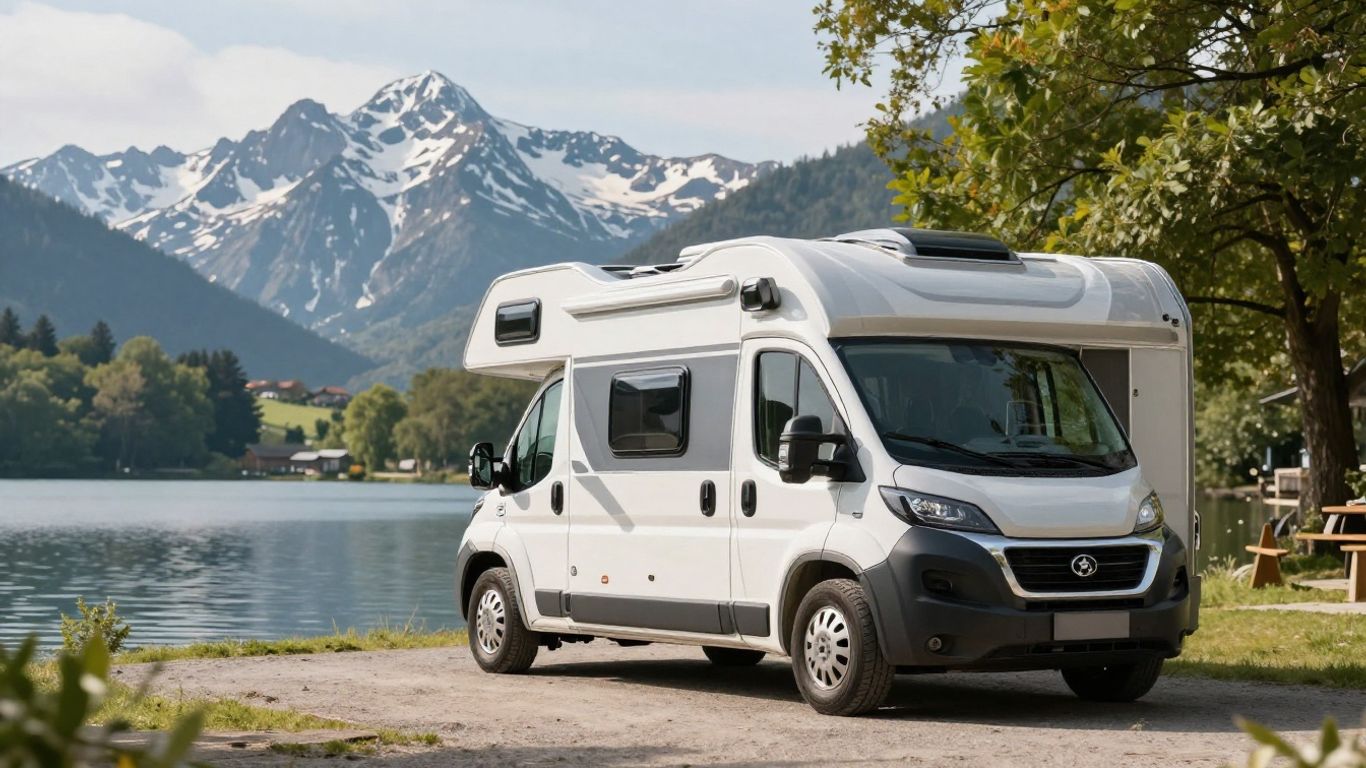
Thinking about a motorhome trip in Canada? It’s a fantastic way to see the country, offering a mix of freedom and comfort. You can wake up to amazing views, cook your own meals, and travel at your own speed. But planning can feel like a lot, especially when you’re figuring out the best time to go, where to stay, and how much it all costs. This guide breaks down the Canada motorhome season so you can get on the road with less stress and more adventure.
Key Takeaways
- The prime Canada motorhome season generally runs from May to September, with June through August offering the warmest weather but also the biggest crowds.
- Shoulder seasons (May and September) can provide a good balance of pleasant weather and fewer people, often with better pricing.
- Western Canada is famous for its stunning mountain scenery, while Atlantic Canada offers charming coastal drives and seafood experiences.
- Renting a motorhome involves various costs, including the rental fee, fuel, campground fees, and food, so budgeting is important.
- Booking campgrounds, especially in popular areas like national parks and during peak season, should be done well in advance to secure a spot.
Understanding the Canada Motorhome Season
Planning a motorhome trip across Canada is exciting, but knowing when to go can make a big difference. The "season" isn’t just about the weather; it’s about crowds, prices, and what’s even open. Generally, the prime time for RVing in Canada runs from May through September. This window offers the most agreeable weather across the country, from the Rockies to the Maritimes.
Peak Season Advantages and Considerations
Summer, especially July and August, is when Canada truly shines weather-wise. You’ll find the warmest temperatures, long daylight hours, and pretty much everything will be open – from national park visitor centers to roadside attractions. This is also when the country is at its most vibrant, with festivals and events happening all over.
However, this popularity comes with a few things to keep in mind:
- Crowds: Expect popular spots, especially in places like Banff, Jasper, and along the coasts, to be busy. Campgrounds can fill up months in advance.
- Prices: Rental rates for motorhomes and campground fees often hit their highest point during these months.
- Booking: You’ll need to book your motorhome and campsites well ahead of time, sometimes a year in advance for prime locations.
Shoulder Season: The Best of Both Worlds
If you’re looking for a sweet spot that balances good weather with fewer people and potentially better prices, consider the shoulder seasons: May, June, and September. In May and early June, you’ll see the landscape coming alive after winter, with fewer crowds and still pleasant temperatures, though some higher-elevation areas might still have snow. September offers crisp air, beautiful fall colors in many regions, and a noticeable drop in tourist numbers.
- May: Spring is arriving, wildflowers are blooming, but some campgrounds might still be opening up. Weather can be unpredictable.
- June: Things are in full swing, weather is generally great, and the days are long. It’s busy, but not usually as packed as July/August.
- September: Fall colors start appearing, the air is fresh, and you’ll find more availability. Nights can get chilly, so pack layers.
Off-Season Travel: Unique Opportunities
Traveling in the off-season, roughly from October to April, presents a different kind of adventure. Many campgrounds close, and the weather can be cold, snowy, or rainy depending on where you are. However, for the prepared traveler, there are unique perks.
- Solitude: You’ll have many popular areas almost to yourself.
- Lower Costs: Motorhome rentals and some services might be cheaper.
- Specific Activities: Some regions offer winter activities like skiing or ice fishing that are only accessible during this time.
It’s important to remember that not all motorhome rental companies operate year-round, and many services, like propane refills or dump stations, might be limited or unavailable in colder months. Always check availability and operating hours for everything you plan to use.
Choosing the right time depends on what you want from your Canadian motorhome adventure. Are you chasing the warmest weather and don’t mind the hustle, or do you prefer a quieter experience with a chance of cooler days?
Western Canada Motorhome Adventures
Western Canada is a dream for motorhome travelers, offering some of the most dramatic and varied scenery in the country. Think towering mountains, vast forests, and stunning coastlines. It’s a region that really shows off what Canada is all about.
Exploring the Rockies: Glaciers and Lakes
This is probably what most people picture when they think of a Canadian motorhome trip. Driving through Banff and Jasper National Parks feels like stepping into a postcard. You’ll see massive glaciers, impossibly blue lakes like Lake Louise and Moraine Lake, and wildlife pretty much everywhere. It’s a good idea to book your campsites well in advance here, especially if you’re traveling in July or August. The roads are generally well-maintained, but they can get busy, so patience is key.
- Must-see spots: Lake Louise, Moraine Lake, Peyto Lake, Athabasca Glacier.
- Wildlife viewing: Keep an eye out for elk, bighorn sheep, bears, and mountain goats.
- Activities: Hiking, scenic drives, photography, and boat tours on the lakes.
Coastal Drives: Vancouver to Whistler
If you prefer the ocean air, the drive from Vancouver up the Sea-to-Sky Highway to Whistler is spectacular. This route is packed with viewpoints, waterfalls, and charming small towns. Vancouver itself is a great starting point, with plenty of places to pick up your motorhome and stock up on supplies. Whistler, while known for skiing, is beautiful year-round and offers great hiking and biking in the summer. The road is paved and easy to drive, but there are some steep sections and sharp turns, so take it slow.
Best Time for Western Canada Motorhome Trips
Generally, the motorhome season in Western Canada runs from late May to early October. The peak summer months (July and August) offer the warmest weather and longest daylight hours, but they also come with the biggest crowds and highest prices for rentals and campsites.
Here’s a quick look at the seasons:
- Late May – June: Shoulder season. Weather is warming up, wildflowers are blooming, and crowds are smaller. Some higher elevation roads might still have snow early in this period.
- July – August: Peak season. Warmest weather, everything is open, but expect lots of tourists and book everything far ahead.
- September – Early October: Shoulder season. Fall colors are stunning, especially in the Rockies. Weather can be unpredictable, with cooler temperatures and a chance of early snow in the mountains, but it’s often less crowded.
Planning is everything for Western Canada. The sheer scale of the landscapes means you’ll be covering a lot of ground, and popular spots fill up fast. Don’t underestimate the need to book campsites, especially in national parks, months in advance if you want to guarantee a spot.
Atlantic Canada Motorhome Experiences
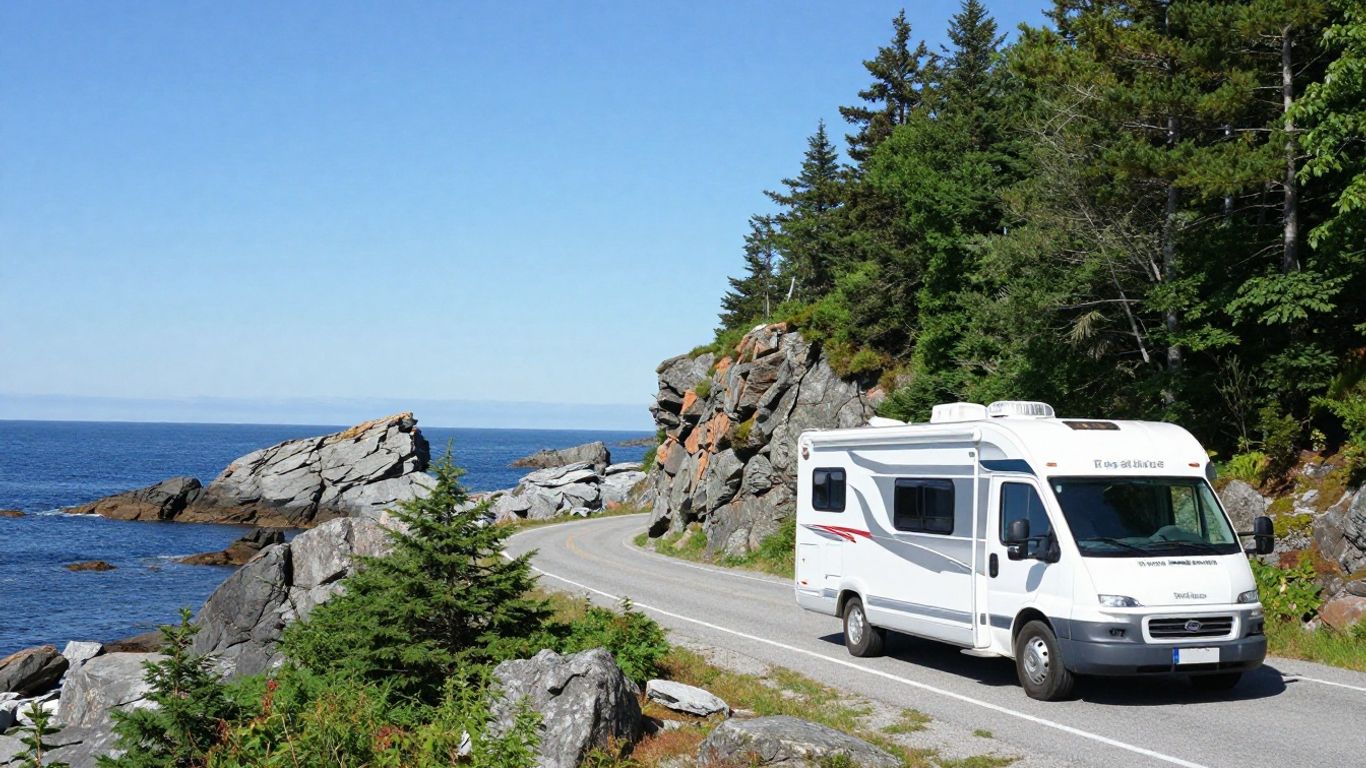
Atlantic Canada, with its rugged coastlines, charming fishing villages, and friendly locals, is a fantastic region for a motorhome trip. It’s a place where you can really slow down and soak in the scenery. Think lighthouses dotting the shore, the smell of salt in the air, and the freshest seafood you’ve ever tasted. It feels a bit more laid-back than some of the busier spots in Canada, which can be a real plus when you’re traveling in a larger vehicle.
Coastal Charm: Lighthouses and Seafood
Driving along the coast here is the main event. You’ll find iconic lighthouses practically everywhere, standing guard over the ocean. Places like Peggy’s Cove in Nova Scotia are famous for a reason, but there are countless smaller, less-known ones that are just as beautiful. Pulling over to take photos or just stare at the waves is a must. And the food? Oh, the food. Lobster rolls, fresh oysters, pan-fried scallops – it’s all part of the experience. Many small towns have little diners or restaurants right on the water where you can get a taste of the local catch. It’s pretty easy to find spots to park your motorhome for a bit and grab a bite.
Scenic Drives Through Nova Scotia and Beyond
Nova Scotia is probably the star of the show for motorhome tours in the Maritimes, but don’t count out New Brunswick and Prince Edward Island. The Cabot Trail in Cape Breton, Nova Scotia, is a world-renowned scenic drive, winding through mountains and along the coast. It can get busy, especially in peak season, so planning your stops and overnight stays is a good idea. New Brunswick offers the Bay of Fundy, famous for its incredibly high tides – seeing the tide come in is something else. Prince Edward Island, while smaller, has lovely red sand beaches and rolling green hills. The Confederation Bridge connects PEI to the mainland, and it’s quite a sight to drive over.
- Cabot Trail (Nova Scotia): A must-do loop with stunning ocean and mountain views.
- Bay of Fundy (New Brunswick/Nova Scotia): Witness the world’s highest tides.
- PEI National Park: Explore coastal trails and unique red sand beaches.
Ideal Timing for Atlantic Canada Motorhome Travel
The best time to visit Atlantic Canada by motorhome is generally from late May to early October. Summer, from July to August, is the warmest and busiest. You’ll have the best weather for exploring, but campgrounds will be full, and you’ll need to book well in advance. The shoulder seasons – June and September – can be fantastic. The crowds thin out, prices might be a little lower, and the weather is often still quite pleasant, though you might encounter cooler evenings. October can be beautiful with fall colors, but some services and campgrounds may start to close down by the end of the month.
Winter in Atlantic Canada is harsh, with significant snow and ice. Storing a motorhome through the winter requires special preparation, and many campgrounds and attractions are closed. If you’re planning a trip outside the main summer months, always check ahead for seasonal operating hours.
Here’s a quick look at when to go:
| Month | Weather |
|---|---|
| May | Cool, variable, some services opening |
| June | Pleasant, fewer crowds, good for driving |
| July-Aug | Warmest, busiest, best for beaches |
| September | Mild, beautiful fall colors, fewer crowds |
| October | Cooler, potential for early snow, many closures |
Ontario and Quebec Motorhome Itineraries
Planning a motorhome trip through Ontario and Quebec offers a fantastic blend of vibrant city life and serene natural landscapes. This region is perfect for those who enjoy a bit of everything, from exploring historic streets to finding quiet spots by a lake. You can easily combine urban adventures with peaceful countryside drives, making it a versatile choice for many travelers.
City Exploration and Natural Escapes
Ontario and Quebec are packed with diverse attractions. In Quebec, cities like Montreal and Quebec City offer a taste of European charm with their historic architecture, bustling markets, and rich culinary scenes. Montreal, for instance, is known for its festivals and unique neighborhoods, while Quebec City feels like stepping back in time with its cobblestone streets and fortified walls. On the Ontario side, Toronto provides a major metropolitan experience with world-class museums, diverse dining, and entertainment options. For a change of pace, head to Ottawa, Canada’s capital, with its Parliament Hill and national galleries.
When you’re ready to escape the city buzz, both provinces have stunning natural areas. Algonquin Provincial Park in Ontario is a prime example, famous for its clear lakes, abundant wildlife, and extensive canoe routes. It’s a great place to experience the Canadian wilderness firsthand. In Quebec, Jacques-Cartier National Park, just a short drive from Quebec City, offers dramatic valleys and opportunities for hiking, fishing, and wildlife viewing. These natural parks provide a perfect contrast to the urban exploration.
Navigating Urban and Rural Landscapes
Traveling by motorhome in this region means you can easily transition from city exploration to rural retreats. Many urban centers have RV parks or campgrounds on their outskirts, allowing you to stay close to attractions without the hassle of parking a large vehicle in the city core. From these bases, you can use public transport or shorter drives to explore the cities.
When heading into the countryside, you’ll find a network of provincial parks and private campgrounds. These spots often offer amenities like full hookups, picnic areas, and access to recreational activities. Driving between cities and natural areas is generally straightforward, with well-maintained highways connecting major points. However, be prepared for varying road conditions, especially on smaller rural routes.
Here’s a look at some popular destinations:
- Quebec City: Explore Old Quebec, visit the Plains of Abraham, and take a trip to Montmorency Falls.
- Montreal: Discover Old Montreal, visit Notre-Dame Basilica, and enjoy the city’s vibrant food scene.
- Toronto: See the CN Tower, explore the Royal Ontario Museum, and wander through Kensington Market.
- Ottawa: Tour Parliament Hill, visit the National Gallery of Canada, and stroll along the Rideau Canal.
- Algonquin Provincial Park (Ontario): Enjoy canoeing, hiking, and wildlife spotting.
- Jacques-Cartier National Park (Quebec): Experience the natural beauty of the Laurentian Mountains.
Optimal Seasons for Ontario and Quebec Motorhome Tours
The best time to tour Ontario and Quebec by motorhome really depends on what you want to see and do. Summer (June to August) offers the warmest weather, ideal for enjoying lakes, parks, and outdoor festivals. However, it’s also the busiest season, so booking campgrounds in advance is a must.
Shoulder seasons, spring (May-June) and fall (September-October), can be particularly rewarding. Spring brings blooming landscapes and fewer crowds, though some park facilities might still be opening up. Fall, on the other hand, is spectacular with the changing autumn leaves, especially in areas like Algonquin Park. The weather is cooler, and you’ll find more availability at campgrounds. Winter travel is possible but requires specific preparation for cold weather and snow, and many campgrounds close for the season.
When planning your motorhome trip through Ontario and Quebec, consider the balance between city attractions and natural beauty. The region offers a rich tapestry of experiences, from historic urban centers to vast wilderness areas. Flexibility in your itinerary can help you make the most of the diverse landscapes and cultural offerings available throughout the year.
For those looking to plan a multi-day trip that covers various regions, exploring recommended RV routes can be very helpful. You can find great options for Ontario and Quebec motorhome trips that cater to different interests and durations.
Cross-Canada Motorhome Journeys
The Ultimate Coast-to-Coast Experience
Thinking about tackling the whole country in a motorhome? That’s a big trip, but totally doable and incredibly rewarding. It’s the kind of adventure that really lets you see the vastness and variety Canada has to offer, from the Pacific coast all the way to the Atlantic. This isn’t a race; it’s about soaking it all in. Most people aim for at least three to six weeks to really enjoy it without feeling rushed. You get to wake up to new scenery almost every day, which is pretty amazing.
Planning for Extended Canada Motorhome Trips
When you’re planning a trip that spans thousands of kilometers, a little organization goes a long way. You’ll want to think about:
- Route Flexibility: While having a general plan is good, be ready to adjust. Road construction, weather, or just finding a spot you love might change your itinerary.
- Vehicle Choice: A larger motorhome might be more comfortable for a long haul, but consider fuel efficiency and maneuverability on smaller roads.
- Pacing: Aim for shorter driving days, maybe 4-6 hours, and try to stay in places for at least two nights. This gives you time to explore without constantly packing up.
- Budgeting: Factor in not just rental and fuel, but also campground fees, food, activities, and a buffer for unexpected costs. Prices can really add up over a long trip.
A cross-Canada motorhome trip is a significant undertaking, but it offers unparalleled freedom to explore the country’s diverse landscapes at your own pace. Careful planning regarding route, vehicle, and daily mileage is key to a successful and enjoyable journey.
Key Considerations for Cross-Canada RVing
Beyond the big picture, there are smaller details that make a difference. Think about booking popular campgrounds, especially in national and provincial parks, well in advance. You’ll also want to get comfortable with your motorhome’s systems – water, waste, and power – before you head out. Don’t forget to check rental options for vehicles that suit your needs for such an extensive journey. Packing smart is also important; you’ll need layers for changing weather and essentials for cooking and relaxing.
| Category | Estimated Daily Cost (CAD) | Notes |
|---|---|---|
| Motorhome Rental | $175 – $460 | Varies by size and luxury |
| Fuel | $50 – $100 | Depends on distance and vehicle |
| Campgrounds | $30 – $80 | Public vs. private parks |
| Food | $50 – $100 | More if eating out often |
| Activities/Misc. | $30 – $70 | Park passes, tours, souvenirs |
| Total Daily | $335 – $810 | Rough estimate for two people |
Motorhome Rental and Costs in Canada
Renting a motorhome for your Canadian adventure is a big part of the planning, and honestly, it can feel a bit overwhelming at first. There are different types of vehicles, and the costs can add up quickly if you’re not careful. Understanding these costs upfront will save you a lot of headaches later on.
Choosing the Right Motorhome for Your Trip
When you start looking at rentals, you’ll see a few main categories. Think about how many people are traveling and what kind of trip you’re planning. Are you hitting the big highways or exploring smaller, winding roads?
- Campervans: These are usually the smallest and most basic. Great for couples or solo travelers who don’t need a ton of space and want to be nimble on the road. They’re often the most budget-friendly.
- Class C Motorhomes: These are probably the most common. They have a separate chassis (like a truck) with a built-on living space. They offer a good balance of space, amenities, and drivability. Most families find these work well.
- Class A Motorhomes: These are the big rigs, looking more like a bus. They offer the most living space and the fanciest amenities, but they can be more challenging to drive and park, and they definitely cost more to rent and fuel.
- Truck Campers/Towables: These are a bit different. Truck campers sit in the bed of a pickup truck, and towables are trailers you pull. They offer flexibility if you already have a suitable truck, but they aren’t technically motorhomes.
Understanding Rental Costs and Budgeting
Rental prices change a lot depending on the time of year, how long you rent for, and the type of vehicle. Here’s a general idea of what you might see per day, but remember these are just estimates:
| Vehicle Type | Estimated Daily Cost (CAD) |
|---|---|
| Campervan | $115 – $205 |
| Class C Motorhome | $175 – $290 |
| Class A Luxury | $290 – $460 |
| Truck Camper/Towable | $115 – $175 |
Don’t forget to factor in other costs beyond the rental itself:
- Fuel: Motorhomes can be thirsty, especially the larger ones. Gas prices fluctuate, and you’ll be covering a lot of miles on a cross-Canada trip.
- Campgrounds: Prices vary wildly. National and provincial parks are often cheaper but book up fast. Private RV parks offer more amenities but come at a higher price.
- Insurance: Make sure you understand what’s covered and what isn’t. This can be a significant extra cost.
- Mileage Fees: Some rentals have limits on how many kilometers you can drive, with extra charges for going over.
- One-Way Fees: If you pick up in one city and drop off in another, expect a hefty fee.
- Supplies: You’ll need to budget for things like propane, cleaning supplies, and any kitchenware not included.
The biggest mistake people make is only looking at the sticker price of the rental. You really need to sit down with a calculator and map out all the potential expenses. Think about your daily driving distance, your cooking habits (eating out adds up fast!), and the types of places you plan to stay. A little bit of research now can prevent sticker shock later.
Tips for Securing Your Canada Motorhome Rental
Booking your motorhome well in advance is key, especially if you’re traveling during the peak summer months (June to August). Here are some tips to help you get a good deal and the right vehicle:
- Book Early: Seriously, the earlier the better. This gives you the best selection of vehicles and often better prices. Aim for at least 6 months ahead if you can, especially for popular times.
- Compare Companies: Don’t just go with the first rental company you find. Look at a few different providers. Some might include more in their base price, while others have lower daily rates but charge extra for everything.
- Check What’s Included: Does the rental come with bedding, kitchen supplies, and basic insurance? Knowing what’s in the box helps you compare apples to apples and avoid surprises.
- Read the Fine Print: Pay close attention to mileage limits, fuel policies (do you return it full or empty?), and cancellation policies. These details are super important.
- Consider Your Route: If you plan on driving on unpaved roads, double-check your rental agreement. Many companies prohibit this, and it could void your insurance.
Campgrounds and Stays for Your Canada Motorhome Season
Finding the right place to park your motorhome is a big part of the adventure. Canada offers a ton of options, from basic spots in the wild to places with all the bells and whistles. You’ve got national and provincial parks, which are usually in pretty amazing locations, and then there are private RV parks that often come with more amenities. Booking ahead is definitely a good idea, especially if you’re traveling during the peak summer months or heading to popular spots like the Rockies.
National and Provincial Park Campgrounds
These are often your best bet for stunning scenery. Think waking up next to a glacier or a pristine lake. They tend to be more rustic, focusing on the natural beauty rather than fancy facilities. You’ll usually find basic hookups, picnic tables, and fire pits. Some might have showers and flush toilets, but don’t expect Wi-Fi or swimming pools.
- Pros: Incredible locations, often more affordable, great for nature lovers.
- Cons: Limited amenities, can be hard to book, fewer services available in the shoulder seasons.
- Tip: Many of these spots are first-come, first-served, but popular ones require reservations months in advance. Check the specific park’s website for booking details.
Private RV Parks and Their Amenities
If you prefer a bit more comfort, private RV parks are the way to go. These places often feel more like a resort. You can expect things like full hookups (water, electricity, sewer), Wi-Fi, laundry facilities, and sometimes even pools, playgrounds, and convenience stores. They’re great for longer stays or if you just want to relax and have everything at your fingertips.
| Amenity | Typical Cost (CAD/night) | Notes |
|---|---|---|
| Full Hookups | $46 – $80 | Water, electric, sewer |
| Wi-Fi | Often included | Can be spotty in some parks |
| Laundry | Varies | Coin-operated machines common |
| Showers/Toilets | Usually available | Cleanliness can vary |
| Pool/Playground | Varies | More common in family-oriented parks |
Booking Strategies for Popular Campgrounds
Getting a spot in a sought-after campground can feel like winning the lottery. Here’s how to improve your odds:
- Plan Early: Seriously, for peak season in places like Banff or Jasper, you need to book six months to a year in advance. For renting a motorhome in Canada, timing is key, and so is booking your campsite.
- Be Flexible: If your first choice is booked, have a few backup options. Sometimes shifting your dates by a day or two can open up availability.
- Check Mid-Week: Weekends are prime time. If you can swing it, arriving on a Sunday and leaving on a Thursday often means more open spots.
- Look for Cancellations: People do cancel reservations. Keep checking the booking websites, especially closer to your travel dates.
The joy of RVing in Canada is the freedom to stop when you see something amazing. However, this freedom comes with the responsibility of planning your overnight stays. Popular campgrounds, especially those in national and provincial parks, fill up incredibly fast. It’s not uncommon for sites to be reserved months ahead of time, particularly for summer travel and weekends. Don’t underestimate the need for advance booking to avoid disappointment and ensure you have a place to rest your wheels.
Driving and Navigation Tips for Canada Motorhome Travel
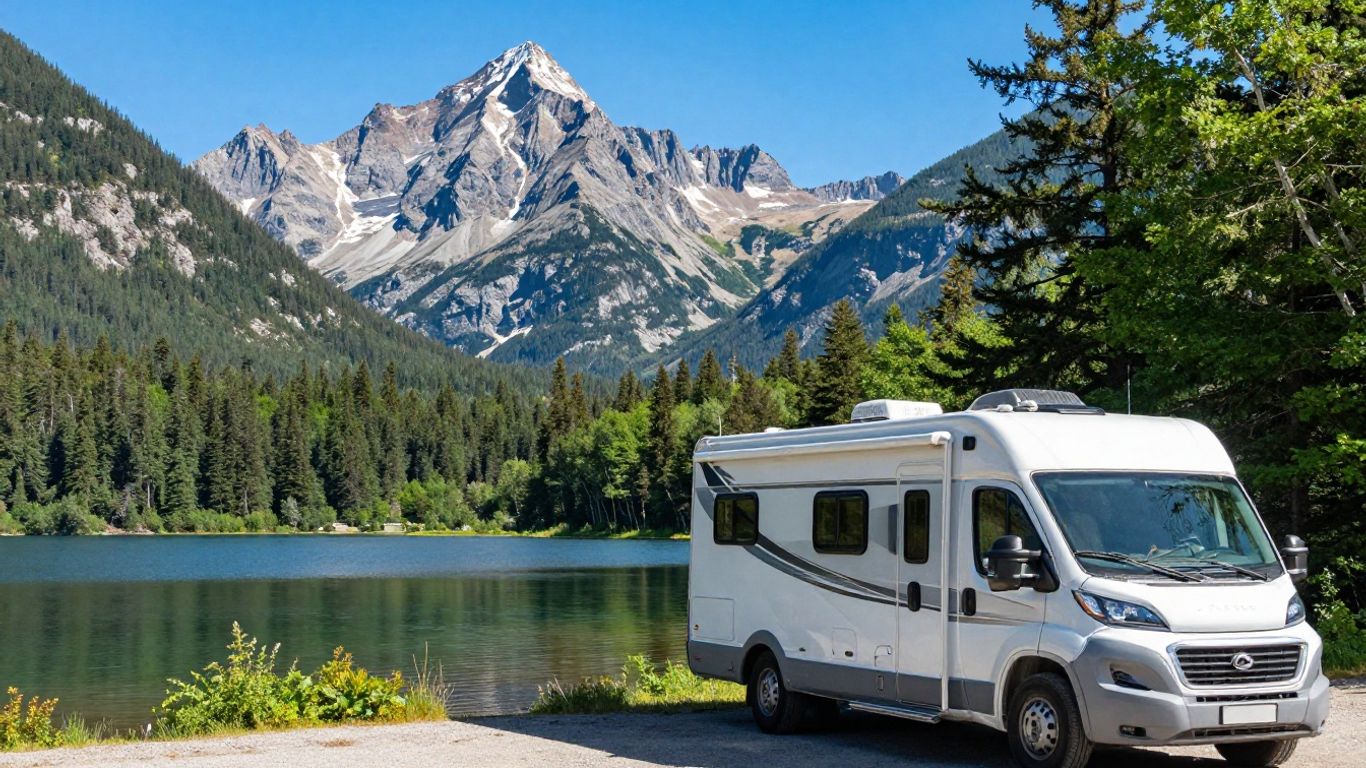
Hitting the open road in a motorhome across Canada is an amazing experience, but it does come with its own set of quirks. You’ll want to be prepared so you can just enjoy the scenery instead of stressing about the drive.
Adapting to Canadian Road Conditions
Canada’s roads can vary a lot, from smooth highways to winding country lanes. Always adjust your speed based on the road conditions and the size of your vehicle. Remember, you’re driving something bigger and heavier than a car, so stopping distances will be longer. Mountain passes can be steep and twisty, and in some areas, you might encounter gravel roads. It’s a good idea to check your route beforehand, especially if you’re heading into more remote areas. Some campsites might be off the beaten path, so knowing what to expect road-wise is helpful.
Navigation Tools for RV Travel
While GPS is super handy, don’t rely on it solely. Cell service can be spotty in many parts of Canada, especially in national parks and rural regions. Downloading offline maps is a smart move. Apps like Google Maps or dedicated RV GPS apps can be useful, but sometimes they underestimate travel times for larger vehicles. A good old-fashioned paper map is also a great backup. It’s also wise to have a plan for refueling, as stations can be far apart in some stretches. Consider using a tool like CanadaMotorhomeTrips.com for planning your routes and finding points of interest.
Wildlife Awareness on Canadian Roads
This is a big one, especially if you’re traveling during dawn or dusk. Animals like moose, deer, and elk are often active during these times and can wander onto the road. Hitting one of these large animals can cause serious damage to your motorhome and is dangerous for both you and the animal. It’s recommended to avoid driving during these low-light hours whenever possible. If you do see wildlife near the road, slow down, keep your distance, and never feed them. They are wild, after all, and need to be respected.
Ready for Your Canadian RV Adventure?
So, there you have it. Canada’s a huge place, and planning your motorhome trip really depends on where you want to go and when. Whether you’re dreaming of the Rocky Mountains or the East Coast charm, knowing what to expect season-wise can make all the difference. Remember to book ahead, especially for those prime summer months, and don’t be afraid to chat with fellow travelers – they’re often the best source of local tips. Pack your bags, grab your map (or GPS!), and get ready for an unforgettable journey on the open road. Canada’s waiting!
Frequently Asked Questions
When is the best time to travel in a motorhome in Canada?
The most popular time to rent a motorhome in Canada is from May to September. Summer, from June to August, offers the warmest weather, but it’s also the busiest. If you want fewer crowds and good value, consider May or September. These ‘shoulder’ months can be lovely, though some campgrounds might have fewer services, and the nights can get chilly.
How much does it generally cost to rent a motorhome in Canada?
The price for renting a motorhome can change a lot depending on the type of vehicle, how long you rent it for, and the time of year. Smaller campervans might cost around $115 to $205 CAD per day. Bigger ones, like Class C motorhomes, could be $175 to $290 CAD daily. Luxury Class A motorhomes are usually the most expensive, ranging from $290 to $460 CAD or more per day.
What are the main regions in Canada good for motorhome trips?
Canada offers amazing motorhome adventures in different areas. Western Canada is famous for its stunning mountains and lakes, like in Banff and Jasper. Atlantic Canada is perfect for scenic coastal drives, lighthouses, and fresh seafood. Ontario and Quebec offer a mix of big cities and beautiful nature, while a cross-Canada trip is the ultimate adventure for seeing the whole country.
Do I need a special driver’s license to rent a motorhome in Canada?
In most cases, you can rent a motorhome in Canada with a regular driver’s license. If your license isn’t in English or French, an International Driving Permit might be helpful. It’s always a good idea to check with the rental company about their specific requirements before you book.
Where can I park my motorhome overnight?
You have several options for overnight stays. National and provincial park campgrounds are often in beautiful, natural settings and can be a great value. Private RV parks usually offer more amenities like showers, laundry facilities, and sometimes even pools. Popular spots, especially in national parks and coastal areas during summer, fill up fast, so booking ahead is highly recommended.
Is it difficult to drive a motorhome in Canada?
Driving a motorhome is different from driving a car, but many people find it quite manageable. Roads in Canada are generally good, especially the main highways. However, motorhomes are larger and slower, so planning extra time for journeys is wise. It’s also recommended to avoid driving at dawn or dusk, as wildlife like deer and moose can be on the roads.
What should I consider when planning a long motorhome trip across Canada?
A cross-Canada trip is a huge adventure! You’ll need to plan for a longer rental period, which can affect costs. Think about the route carefully, as distances are vast. You’ll also need to budget for fuel, campsites, food, and activities over several weeks. Booking your motorhome and popular campgrounds well in advance is crucial for such an extensive journey.
Can I save money by cooking my own meals in a motorhome?
Absolutely! Cooking your own meals in a motorhome is a fantastic way to save money compared to eating out for every meal. Most motorhomes come with a kitchen or kitchenette, allowing you to prepare breakfast, lunch, and dinner. This also gives you more flexibility to try local foods or enjoy a picnic with a view.