
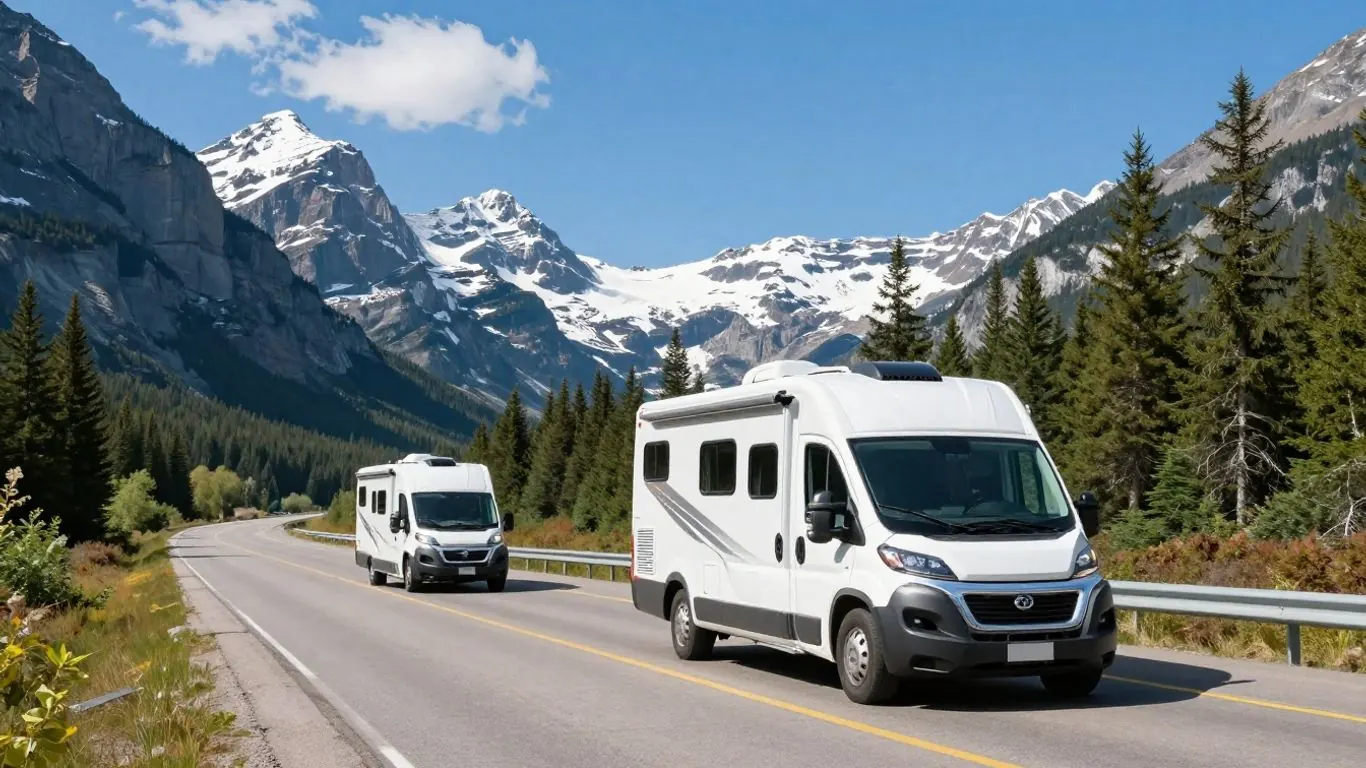
Thinking about renting an RV in Canada? It’s a fantastic way to see the country, but picking the right starting point can make a big difference. Let’s break down some of the best cities to kick off your adventure.
Key Takeaways
Major cities like Vancouver, Calgary, Toronto, Montreal, and Halifax offer distinct advantages for starting your Canadian RV road trip, depending on your desired route.
National chains, local providers, and peer-to-peer platforms all offer different RV options; research them based on your location and needs.
Booking your RV well in advance, especially for peak season, can lead to significant savings and better availability, with fall often being the best time for early bird deals.
Always clarify what’s included with your rental, such as kitchen gear and bedding, and plan for airport transfers and local transportation to your pick-up location.
Understanding Canada RV Rental Pick Up Locations
When you’re planning an RV adventure across Canada, picking the right starting city is a big deal. It’s not just about where you begin; it’s about how that location sets you up for the rest of your trip. Think of it like choosing your base camp before a big hike – you want it to be convenient and well-equipped.
Major Cities with RV Rental Offices
Canada has a bunch of major cities where you can easily find RV rental places. Big names like Vancouver, Calgary, Toronto, Montreal, and Halifax are common spots. These cities usually have multiple rental companies, from big national chains to smaller, local outfits. You’ll find everything from basic campervans to larger motorhomes ready to go.
Vancouver: Great for exploring the West Coast and heading into the mountains.
Calgary: Your gateway to Banff and Jasper National Parks.
Toronto: A central hub for exploring Ontario and heading east.
Montreal: Perfect for diving into Quebec’s unique culture and landscapes.
Halifax: Ideal for an East Coast adventure through the Maritimes.
Typical Hours and Operation Details
It’s a good idea to check their specific hours before you plan your pick-up.
Location Accessibility Considerations
When you’re looking at pick-up locations, think about how easy it is to get there. Do they offer shuttle services? Some companies are right in the city center, while others might be a bit further out, closer to major highways or industrial areas. If you’re flying in, a location with good airport transfer options can save you a lot of hassle and money. Also, consider if you’ll need to pick up groceries or supplies nearby before you hit the road.
Picking a pick-up location that’s easy to get to and from can make a big difference in how smoothly your trip starts. It’s worth spending a little extra time researching this aspect before you book.
Beyond the big companies, there’s also a growing market for peer-to-peer rentals through apps like RVezy or Outdoorsy.
Pros and Cons of Starting from Vancouver
Vancouver is a fantastic starting point for an RV adventure, especially if you’re keen to explore the western half of Canada. It’s a major hub, meaning you’ll find a good selection of rental companies and RV models to choose from. Plus, the scenery right out of the city is pretty spectacular.
Convenient Access to Western Canada
Starting your trip in Vancouver puts you in a prime spot to head east into the mountains or north towards the coast. You’re right on the doorstep of British Columbia’s incredible natural beauty. Think towering forests, dramatic coastlines, and the start of the journey towards the Rockies. It’s a great launchpad for exploring places like Whistler, the Okanagan Valley, or even heading further afield.
Scenic One-Way Trip Opportunities
Vancouver is a popular choice for one-way rentals. Many people fly into Vancouver, pick up their RV, and drive east towards Calgary or even further. This lets you cover a lot of ground without having to backtrack. You can drive through the stunning Okanagan Valley, with its orchards and lakes, cross the dramatic mountain passes of the Rockies, and end up in a completely different part of the country. It really maximizes your vacation time.
Notable Local Rental Companies
While there are national chains, Vancouver also has a good number of local RV rental businesses. These can sometimes offer more unique RV types or more personalized service. You might find smaller, specialized companies here that focus on specific types of vehicles, like campervans or more compact motorhomes, which can be great for couples or smaller groups.
National Chains: Often have a wide variety of RVs and multiple locations. Good for standard options.
Local Providers: Can offer more niche vehicles and potentially more flexible terms.
Picking up your RV in Vancouver means you’re starting in a city that’s both a major international gateway and a gateway to some of Canada’s most breathtaking landscapes. The convenience of a one-way trip from here is a big draw for many travelers looking to see as much as possible.
Why Calgary Appeals to RV Travelers
It’s a city that blends urban convenience with immediate access to some of the most stunning natural landscapes in the country. Plus, getting your rental sorted is usually pretty straightforward here.
Gateway to the Canadian Rockies
Calgary’s biggest draw is its proximity to the Canadian Rockies. We’re talking Banff, Jasper, and Yoho National Parks, all within a relatively easy drive. This means you can pick up your RV and be surrounded by breathtaking mountain scenery within a few hours. It’s a popular route for a reason – the views are just incredible. Many people choose to rent an RV in Calgary specifically to explore this iconic mountain range. It’s a trip that really sticks with you.
Popular National Parks Nearby
When you rent an RV in Calgary, you’re setting yourself up for some epic park visits. Banff National Park is probably the most famous, with its turquoise lakes like Lake Louise and Moraine Lake, and the charming town of Banff itself. Then there’s Jasper, which is a bit wilder and offers incredible wildlife viewing opportunities. Yoho National Park in British Columbia is also easily accessible, boasting the stunning Emerald Lake and Takakkaw Falls. Planning your RV trip in Canada should definitely include these gems.
Here’s a quick look at the driving times from Calgary:
Ease of Airport Transfers and Pick-Up
Calgary International Airport (YYC) is a major hub, making it easy to fly in from other parts of Canada or internationally. From the airport, most RV rental companies are a relatively short drive away. You can often arrange shuttle services or grab a taxi or rideshare. The rental process itself is usually pretty standard, but it’s always a good idea to book in advance, especially during peak season. You’ll want to get on the road as quickly as possible to start enjoying those mountain views.
Picking up your RV in Calgary means you’re practically starting your adventure before you even leave the city limits. The transition from urban life to the vastness of the Rockies is remarkably swift, allowing you to soak in the grandeur of the mountains sooner rather than later. It’s a practical choice for maximizing your time in nature.
Calgary also offers a good selection of rental companies, from large national chains to smaller, local providers. This competition can sometimes mean better deals for renters. Plus, if you’re considering a one-way trip, Calgary is a common drop-off point for rentals originating from Vancouver, which can be a convenient option if your itinerary flows that way.
Toronto as an RV Launchpad
Toronto is a fantastic starting point for an RV adventure, especially if you’re looking to explore the eastern half of Canada. It’s a massive city, so you’d expect a lot of options for renting a vehicle, and you wouldn’t be wrong. The sheer number of rental companies here means you’re likely to find a vehicle that fits your needs and budget.
Central Location for Eastern Adventures
Being in Southern Ontario, Toronto puts you in a prime spot for exploring a huge chunk of the province and beyond. You’re not too far from the Great Lakes, and it’s a pretty straightforward drive to Quebec or even down into the US if that’s part of your plan.
Availability of Large Rental Fleets
Because Toronto is such a major hub, you’ll find a wide variety of RVs available. We’re talking everything from smaller campervans perfect for a couple to large motorhomes that can sleep a whole family. This means you have a better chance of snagging the exact type of RV you want, especially if you book ahead.
Compact Campervans: Great for couples or solo travelers, easy to drive and park.
Class C Motorhomes: A popular choice, offering a good balance of living space and drivability.
Large Class A Motorhomes: For those who want maximum space and amenities.
Exploring Ontario and Beyond
From Toronto, you can easily head north to explore Ontario’s cottage country, like Muskoka, or venture towards the Thousand Islands region. If you’re feeling ambitious, a trip east into Quebec or west towards Manitoba is also quite doable. Planning an RV trip in Canada involves key decisions like choosing the best time to visit, considering seasonal weather and crowds. Selecting the right RV size for your group is crucial. Route planning should balance must-see attractions with realistic driving distances and buffer days. Factor in extra time for RV pickup and drop-off, as these days significantly impact actual travel time. Canada offers a vast and beautiful landscape for RV adventures, with well-developed infrastructure for travelers. Planning an RV trip
When you pick up your RV in Toronto, remember that it’s a busy city. It might seem like a hassle, but it’s better than realizing you forgot something important once you’re miles away.
Routes Into French Canada
Montreal is a fantastic starting point if you’re looking to explore Quebec and its unique culture. It’s a city that really blends old-world charm with a modern vibe, making it a great place to kick off an RV adventure. From here, you can easily head east towards Quebec City, a place that feels like stepping back in time with its historic architecture and cobblestone streets. It’s a must-see, especially if you’re interested in Canadian history. The drive along the St. Lawrence River is pretty scenic, too. You’ll find charming towns and beautiful views along the way, making the journey as enjoyable as the destination.
Bilingual Rental Service Options
When you’re picking up your RV in Montreal, you’ll find that most rental companies are well-equipped to handle travelers from all over. Many have staff who speak both French and English, which is super helpful. It makes the whole pick-up process smoother, from signing the paperwork to getting the rundown on how everything in the RV works. It’s good to know you can ask questions in the language you’re most comfortable with. This really helps avoid any confusion, especially when you’re getting ready for a long trip.
Cultural Destinations near Montreal
Beyond the big cities, Quebec is full of smaller towns and natural wonders that are perfect for RV exploration. Think about heading towards the Gaspé Peninsula, known for its dramatic coastlines and national parks like Forillon. It’s a bit of a drive, but totally worth it for the stunning scenery and outdoor activities. Or, you could explore the Laurentian Mountains just north of Montreal for some beautiful lake views and hiking. Even closer, you can find charming villages and local markets that give you a real taste of Quebecois life. It’s a region that offers a lot, whether you’re into nature or just want to soak up the local atmosphere.
Exploring Nova Scotia and Atlantic Provinces
Halifax is a fantastic spot to kick off an RV adventure, especially if you’re keen on exploring Canada’s East Coast. It’s a city with a deep maritime history, and you can feel it everywhere you go. ’ From Halifax, you’ve got easy access to the rest of Nova Scotia, and beyond that, the other Atlantic provinces like Prince Edward Island, New Brunswick, and Newfoundland and Labrador.
Best Times to See Fall Foliage
The leaves put on a pretty spectacular show, turning the rolling hills and forests into a vibrant tapestry of reds, oranges, and yellows. It’s a really popular time for scenic drives, so book your RV and any campsites well in advance if you’re heading out during peak foliage season.
Unique Campervan and Niche Rentals
While you can find standard RVs here, Halifax also has a growing number of places offering more specialized rentals. You might find smaller campervans perfect for couples, or even some retro-style vehicles if that’s your thing. It’s worth doing a bit of digging to see if there’s a unique option that fits your travel style. Sometimes these smaller, more niche rentals can be easier to maneuver on some of the narrower coastal roads you might encounter.
Picking up your RV in Halifax means you’re right on the doorstep of some truly stunning coastal drives. You can head out to Peggy’s Cove, with its iconic lighthouse, or explore the rugged beauty of Cape Breton Island and the famous Cabot Trail. The seafood is also incredible, so be prepared for some delicious meals along the way.
Advantages of One-Way RV Rentals Across Canada
Thinking about an RV trip across Canada but dreading the drive back to where you started? A one-way rental might be just the ticket. It’s a pretty sweet deal that lets you explore more without the hassle of backtracking. You can essentially design your trip to go from point A to point B, hitting all the spots you want to see along the way.
Save Time and Avoid Backtracking
This is probably the biggest perk. Instead of spending days driving back to your original pick-up location, you can use that time to see more of Canada. Imagine flying into Vancouver, picking up your RV, and driving all the way to Calgary, dropping it off there. That’s a whole lot of incredible scenery and experiences you wouldn’t get if you had to turn around.
Maximizes your vacation time.
Allows for more diverse destinations.
Reduces driving fatigue.
Popular One-Way Routes
While you can technically do a one-way rental between most major cities, some routes are more common and often have better availability. These are usually between major hubs that attract a lot of tourists. Some popular ones include:
Vancouver, BC to Calgary, Alberta: A classic route that takes you through the stunning Rocky Mountains or the scenic Okanagan Valley.
Calgary, Alberta to Vancouver, BC: The reverse of the above, perfect if you want to end your trip on the Pacific coast.
Toronto, Ontario to Montreal, Quebec (or vice versa): Great for exploring the heart of Eastern Canada.
Halifax, Nova Scotia to St. John’s, Newfoundland (or other Atlantic provinces): Ideal for a coastal adventure.
One-Way Fees and Booking Tips
So, what’s the catch?
Book Early: One-way rentals are popular, especially during peak season.
Check with national chains and even some larger local providers.
Dropping off your RV in a different city is a game-changer for planning your Canadian adventure. It lets you focus on the journey and the destinations, rather than the logistics of getting back.
National Chains vs Local Providers
When you’re looking to rent an RV in Canada, you’ve got a couple of main paths to go down regarding the companies you can rent from: the big national players and the smaller, local outfits. National chains, like Canadream or Go RVing, often have offices spread out across the country. This is super handy if you’re planning a one-way trip, as they usually have more flexibility for pick-ups and drop-offs in different cities. They tend to have a wide variety of RV types, from campervans to larger motorhomes, and often have standardized rental processes.
Local companies, on the other hand, might offer a more personalized touch. Sometimes they specialize in certain types of RVs, like vintage campers or specific van conversions, which can be really cool if you’re after something unique. You might find them in smaller towns or specific regions, and they can sometimes offer more competitive pricing, especially if you’re not doing a one-way rental. It’s worth checking out both to see what fits your trip best.
Peer-to-Peer and App-Based Rentals
Then there’s the whole other world of renting directly from RV owners, kind of like how you’d book a room on Airbnb. Websites and apps like RVezy or Outdoorsy have popped up, connecting people who own RVs with people who want to rent them.
This peer-to-peer model can be a fantastic way to find unique vehicles and potentially save some money. However, it’s important to do your homework. Read reviews carefully, understand the insurance policies, and make sure you’re comfortable with the owner and the condition of the RV before you commit. It’s a bit more hands-on than renting from a big company, but the rewards can be pretty great.
Specialty and Unique RV Options
Beyond the standard motorhomes and travel trailers, Canada has a growing market for specialty RV rentals. If you’re dreaming of a specific kind of road trip, there are companies that cater to that. Think Westfalia campers for that classic van life feel, or Sprinter vans that are often kitted out for more rugged adventures. Some places might even offer vintage Airstreams or custom-built rigs.
These niche rentals can really make your trip stand out. They often come with specific features tailored to their style, whether it’s off-grid capabilities for a remote camping trip or a compact design perfect for navigating smaller roads. It’s all about finding the right vehicle that matches the adventure you have in mind.
Here’s a quick look at what you might find:
Campervans: Great for solo travelers or couples, easy to drive and park.
Class C Motorhomes: A popular choice, offering a good balance of living space and drivability.
Luxury RVs: For those who want all the comforts of home, often with high-end finishes.
Vintage Campers: For a retro experience, often with unique styling.
Picking the right rental company and vehicle type is a big part of setting the stage for your Canadian RV adventure. Don’t just go for the first option you see. Take a little time to compare national brands, explore peer-to-peer platforms, and see if any specialty rentals call to you. Your choice can significantly impact your budget, your convenience, and the overall vibe of your trip.
Seasonal Considerations for Pick-Up Cities

When you’re planning to pick up an RV in Canada, the time of year you travel can really change your experience, and not just for the weather. It’s something to think about when you’re deciding which city makes the most sense for your trip.
Peak vs Shoulder Travel Months
This is when everyone wants to be on the road, especially in popular spots like the Rockies or the East Coast. Booking way in advance is a must if you want to snag a good RV, and campsites fill up fast. If you’re looking to save a bit and avoid the biggest rush, consider the shoulder months. The weather is usually still pretty nice, but there are fewer tourists around. This can mean better deals on rentals and easier access to popular spots. Planning an RV trip in Canada from New Zealand requires advance booking, especially for summer travel, to secure vehicles and campsites. Popular routes include the Icefields Parkway and coast-to-coast drives, offering diverse landscapes and experiences.
Weather-Related Factors
Obviously, the weather plays a huge role. Head to Calgary in winter, and you’re looking at snow and cold, perfect for skiing but maybe not for a leisurely drive through the prairies. Summer generally offers the most reliable weather across the country, with warm days and less chance of snow. However, even in summer, mountain passes can get unexpected snow, and coastal areas can be foggy. Fall is beautiful, especially in Eastern Canada, but you risk colder snaps and early snow in some regions. Spring can be a mixed bag, with melting snow causing road issues in some areas and lingering cold in others.
Festival and Event Calendars
Sometimes, the best reason to pick a city at a certain time is what’s happening there. On the flip side, attending a local festival could be a highlight of your trip! For example, picking up in Montreal during the summer might mean you can catch some of the city’s famous jazz or comedy festivals. Halifax in the summer is great for its maritime festivals. Checking the local event calendars for your chosen pick-up city can add another layer to your planning and might even inspire your route.
The timing of your RV rental pick-up can significantly impact your budget and overall travel experience.
Airport Transfers and Local Transportation
Getting to your RV rental pick-up location from the airport, or back to the airport after drop-off, is something you really need to think about ahead of time. Most RV rental depots aren’t right next to the airport or in the city center. They’re often located in industrial areas or on the outskirts, which means getting there can be a bit of a trek.
Distance to Rental Locations from Airports
It’s pretty common for rental offices to be a good distance from major airports. Think anywhere from 20 to 60 kilometers (about 12 to 37 miles) away. Don’t assume you can just hop on a quick shuttle.
Options for Reaching Pick-Up Offices
So, what are your choices for getting to the rental depot?
Taxis and Ride-Sharing: This is usually the most straightforward option, but it can get pricey, especially for longer distances. If you’re traveling with a group, splitting the fare might make it more manageable.
Rental Company Shuttles: Some companies offer their own shuttle services, particularly if their depot is a bit out of the way. It’s worth checking if this is available when you book.
Public Transportation: In some cities, you might be able to combine buses or trains to get closer, but this often involves multiple transfers and can take a significant amount of time. It’s usually best for shorter distances or if you’re on a very tight budget and have plenty of time.
Pre-arranged Transfers: Some travel agencies or booking platforms might help you arrange a transfer as part of your package. This can simplify things a lot.
Planning for Drop-Off Logistics
Don’t forget about the return trip! You’ll need to get from the rental office back to the airport or your next destination. The same transport options apply, but you’ll need to factor in the time it takes to return the RV and complete any paperwork. You can find more details on planning your trip and what to expect when you book your campervan .
Getting to and from your RV rental location is a detail that often gets overlooked in the excitement of planning a road trip. Planning this in advance saves a lot of hassle on your travel days.
Regional Differences in Rental Pricing
Big hubs like Vancouver or Toronto might have more competition, which can sometimes lead to better deals, especially if you book way in advance. Sometimes, flying into a slightly less popular city and picking up your RV there could save you a chunk of change.
Fuel Costs in Various Provinces
You’ll notice differences between provinces. Keep this in mind when planning your route and estimating your daily fuel expenses. A more fuel-efficient RV model can really help here, especially on longer drives. Smaller RVs might get around 18-22 liters per 100 km, while larger ones can easily go over 25 liters per 100 km. Even a few liters saved per day adds up over a multi-week trip.
Ways to Save with Early Booking
Rental companies often have special promotions for early birds, especially in the fall for the following summer. Seriously, if you see a good deal in the fall, grab it because those offers don’t stick around forever.
Look for "early bird" specials that often include extra perks.
Don’t forget to factor in optional extras. Things like mileage packages, insurance waivers, and even basic amenities like bedding and kitchenware can add up. Sometimes, bringing your own bedding or opting for a limited mileage plan (if you’ve calculated your route carefully) can save you money.
Must-Know Rental Requirements for Each City
Pick-up requirements can differ by city and depot: opening hours, documents to bring, and rules on driver age and deposits. Check them for your chosen city before booking flights.
Age and License Restrictions
You’ll also need to have held a valid, full driver’s license for at least a year. Don’t assume a standard license is all you need; while most RVs don’t require a special commercial license, it’s always good to confirm. Some companies might have different rules, so always double-check before you book.
License Duration: Usually requires at least one year of holding a full license.
Insurance and Liability Points
This is a big one. Basic insurance is often included in your rental agreement, but it might not cover everything you’d want. You’ll likely have the option to purchase a damage waiver, which is like extra protection against accidental damage. Also, remember that credit card insurance usually doesn’t cover RV rentals, so don’t count on that.
It’s really important to understand exactly what your insurance covers and what it doesn’t. You don’t want any surprises when you’re miles away from home. Taking a few extra minutes to read the fine print can save you a lot of headaches and money down the road.
What’s Included with Your RV Rental
When you rent an RV, don’t automatically assume it comes fully stocked. Things like kitchenware, bedding, and even basic cleaning supplies might be extra charges. You can often add these as packages, or you might choose to bring your own to save a bit. Some companies might throw in free mileage or airport transfers as part of a deal, especially if you book early, so keep an eye out for those.
Wrapping Up Your RV Adventure Planning
So, picking the right city to grab your RV is a pretty big deal for your Canadian trip. It’s not just about where you start, but how that starting point fits with your whole travel plan. Think about what you want to see, how much time you have, and what kind of vibe you’re going for. Whether you land in a big hub like Vancouver or Calgary, or a smaller spot, the key is to make it work for you . Do a little homework, compare your options, and you’ll be well on your way to an awesome RV adventure across Canada. Happy trails!
When is the best time to rent an RV in Canada?
Fall is especially beautiful in Eastern Canada for seeing colorful leaves.
What do I need to rent an RV in Canada?
You’ll also need to arrange for insurance, which rental companies can help you with. Credit card insurance usually doesn’t cover RVs, so check your options carefully.
Do I need a special license to drive an RV?
Nope! For most RV rentals in Canada, a regular driver’s license is all you need. You don’t need a special commercial license. Just make sure you’re comfortable driving a larger vehicle.
Are kitchen supplies and bedding included with an RV rental?
Often, basic kitchen items like pots, pans, and dishes, as well as bedding and towels, are not automatically included. You might need to rent these as an extra option or bring your own. It’s best to confirm this when you book your RV.
How do I get to the RV rental location?
RV rental offices are typically located outside of major city centers, sometimes quite a distance away. Taxis can be expensive, so it’s a good idea to arrange for an airport transfer or have a friend or family member help you get to the pickup spot. Plan this ahead of time!
What are one-way RV rentals?
A one-way rental means you can pick up the RV in one city and drop it off in another. This is super convenient because you don’t have to drive all the way back to where you started. It saves time and lets you explore more places.
How can I save money on an RV rental?
Look out for special deals offered by rental companies, like discounts on mileage or free extras.
What’s the difference between national chains and local RV rental companies?
National chains have offices in many cities across Canada, offering a wide range of RVs and often easier one-way rentals. Local or smaller companies might offer more unique RV types, like campervans, and sometimes more personalized service. There are also apps like RVezy and Outdoorsy where you can rent directly from RV owners, which can be more affordable.
Use this guide for trip ideas, not a current quotation or a guarantee of access, safety, inclusions or availability. Confirm the requirements and conditions for your dates, destination and provider before booking.