Thinking about renting a motorhome in Canada? Lots of people wonder if they need a special license or an international permit. The good news is, for most of you, it’s pretty straightforward. This guide breaks down the motorhome hire Canada license requirements so you can focus on the adventure ahead.
Key Takeaways
You generally don’t need a special license to rent an RV in Canada; your regular, valid driver’s license from your home country is usually enough.
You also need to be 21 or older.
If you have an international license, you absolutely must carry your original home country license with you at all times. One without the other won’t work.
Make sure the credit card you use for the rental deposit is in the principal driver’s name, matching the name on the license.
Some larger motorhomes with air brakes might require a specific endorsement on your license, so check with the rental company if you’re eyeing those types of vehicles.
Standard Driver’s License Validity
So, you’re thinking about renting a motorhome in Canada? Great! The good news is that for most people, you won’t need a special license. Your regular, unrestricted driver’s license from your home country is usually all you need. This applies to most standard RVs, including many Class A and C motorhomes, as long as they don’t have air brakes. It’s pretty straightforward, which is a relief when you’re planning a big trip.
Minimum Age and License Duration
There are a couple of key things to keep in mind regarding your license. This isn’t usually a problem for most folks, but it’s worth double-checking if you’ve recently passed your test.
Here’s a quick rundown:
License Validity: Must be valid throughout your rental period and at least one day after your return.
International Driver’s Permits
It’s always a good idea to check with the specific rental company you’re booking with. They’ll have the most up-to-date information on their requirements, and it’s better to be prepared than surprised at pickup.
Valid Home Country License
So, you’re looking to rent an RV in Canada, huh? Great choice! Before you even think about packing your bags, let’s talk about the most important thing: your driver’s license. You absolutely need a valid driver’s license from your home country to rent an RV here. It sounds simple, but there are a few catches. This license needs to be current and valid for the entire duration of your rental, and then some – usually at least one day after you plan to return the vehicle. Don’t let it expire while you’re still on the road!
License Must Be In Latin Alphabet
This is a pretty straightforward one, but it trips some people up. ), you’ll likely need to get an International Driving Permit (IDP). Rental companies need to be able to read your license easily. So, if your license is in, say, Cyrillic or Arabic script, an IDP is a must-have. It’s basically a translation of your home license, and it makes things so much smoother when you’re at the rental counter.
Principal Driver’s License History
Here’s something that often gets overlooked: how long you’ve had your license. This isn’t just a random rule; it’s about ensuring you have some experience behind the wheel. They’re not looking for professional race car drivers, just someone who’s comfortable and has a bit of a track record. So, dig out that old license or check your records if you’re not sure how long you’ve been driving. It’s a key piece of information they’ll want to verify.
Remember, you’ll need to present your original driver’s license from your home country when you pick up the RV. An International Driving Permit is great, but it’s not a replacement for your actual license. Both are usually required, so don’t leave your home license behind!
Here’s a quick rundown of what you’ll need:
Valid Driver’s License: From your country of residence.
Alphabet: Must be in the Latin alphabet, or accompanied by an International Driving Permit.
Credit Card: Must be in the principal driver’s name for security deposits.
European Driver’s License Classes
For travelers from Europe, your Class B driver’s license is accepted for most standard motorhome hires in Canada. This makes the process straightforward if you’re coming from countries like France, Germany, or Spain, where Class B is the norm for regular passenger vehicles.
Swiss Resident License Details
If you have transitioned to the newer formats, check with your rental company beforehand, but most expect to see the legally-recognized pink version at pickup.
Verify your license is still valid for use abroad.
Bring all official supporting license documents with you.
Contact the rental agency before your trip if you only have a newer license style.
Necessity of Original License
Having your original, physical driver’s license with you is not just a good idea—it’s mandatory. Rental companies and local police won’t accept a photocopy, scan, or photo on your phone as proof of licensing.
Always carry the original license throughout the rental period.
), you’ll also need an International Driving Permit (IDP) alongside the original.
The IDP acts only as a translation—it’s not valid by itself for vehicle rental or official checks.
Showing up at the counter without your original license—even if you have an International Permit—means you simply won’t be allowed to rent the camper, and your travel plans can unravel fast.
Vehicle Type and Driving Privileges
So, you’ve got your license sorted, but what kind of motorhome can you actually drive with it? This is where things get a little interesting, and it really depends on the size and features of the RV you’re eyeing.
Driving Standard RVs with a Car License
For most folks, a regular, unrestricted driver’s license issued in their home country is perfectly fine for driving many types of motorhomes in Canada. Think of your typical Class B or C motorhomes, or even some smaller Class A models. Generally, if the vehicle weighs under 11,000 kilograms (about 24,250 pounds) and doesn’t have air brakes, your standard license should cover it. It’s always a good idea to double-check the specific weight limits with the rental company, though, just to be absolutely sure you’re within the legal bounds of your license.
Understanding Air Brake Endorsements

Now, here’s a key point: air brakes. Many larger, heavier motorhomes, especially diesel-powered Class A and Super C models, are equipped with air brakes. These systems work differently than the hydraulic brakes you’re used to in a car. Because of this, you’ll likely need a specific endorsement on your driver’s license to operate a vehicle with air brakes. This isn’t usually a big deal if you’re used to driving larger trucks, but for most car drivers, it’s a new requirement. You’ll need to check with your local licensing authority on how to obtain this endorsement, which often involves a written test and sometimes a practical one. Without it, you won’t be legally allowed to drive those bigger rigs.
Class A and C Motorhome Restrictions
When it comes to Class A and C motorhomes, the main restriction often comes down to those air brakes we just talked about. While your standard license might let you drive a Class A or C motorhome, it’s usually with the caveat that it doesn’t have air brakes. If the motorhome you want to rent, particularly a larger Class A, is equipped with air brakes, you’ll need that special endorsement. Rental companies are usually pretty clear about this, but it’s your responsibility to make sure your license matches the vehicle’s specifications. It’s worth looking into Canadian road rules to get a better feel for provincial differences.
Here’s a quick rundown of what your standard license might cover:
Class A Motorhomes: Typically allowed, but only if they do not have air brakes.
Class B Motorhomes: Generally fine with a standard license.
Class C Motorhomes: Similar to Class A, usually permitted if air brakes are absent.
Travel Trailers & Fifth Wheels: Often drivable with a standard license, provided you’re comfortable towing.
It’s always best practice to confirm the exact vehicle specifications and any licensing requirements directly with the rental company before you book. They deal with this daily and can provide the most accurate information for the specific RV you’re interested in.
Documentation Needed for Pickup
Alright, so you’ve picked out your perfect RV and you’re ready to hit the road. But before you can even think about scenic routes and campfire stories, there are a few bits of paperwork you absolutely need to have ready. Think of it as your golden ticket to adventure.
Required Identification for All Drivers
First things first, everyone who plans on getting behind the wheel needs to be present at the rental depot. And yes, they all need to bring their identification. This isn’t just a suggestion; it’s a hard requirement. You’ll typically need two forms of photo ID. A passport is usually a safe bet, and of course, your valid driver’s license. Make sure these are current and haven’t expired. It’s also a good idea to bring any accompanying documents that came with your license, especially if it’s not a standard plastic card.
Credit Card in Principal Driver’s Name
This one’s pretty important. The rental company needs a credit card, and it must be in the name of the main driver – the person whose name is on the rental agreement. They’ll usually put a hold on this card, kind of like a security deposit, to cover any potential damage or deductibles. So, no borrowing your buddy’s card for this; it has to match the primary renter’s ID.
License Verification Procedures
Rental companies have to check your driving credentials. For many international licenses, this is straightforward. However, if you have a license from certain countries, like the UK, they might need to verify your driving record online. This could involve getting a special code from your country’s licensing authority beforehand. It’s worth looking into this well in advance of your pickup date. Failure to have your license properly verified can mean you won’t be able to pick up your RV, no matter how excited you are to leave.
Here’s a quick rundown of what to expect:
Primary Photo ID: Usually your passport.
Valid Driver’s License: The one that allows you to drive the RV class you’ve rented.
Secondary Photo ID: Sometimes requested, another form of official ID.
Credit Card: In the principal driver’s name for the security hold.
International Driving Permit (if applicable): If your home license isn’t in Latin script or recognized directly.
It’s always best to double-check with your specific rental company about their exact documentation requirements. Policies can vary slightly, and you don’t want any surprises at the counter. A quick call or email can save you a lot of hassle later on.
Navigating Canadian Driving Regulations
So, you’ve got your motorhome sorted and your license is good to go. Now, let’s talk about actually driving in Canada. It’s not rocket science, but there are a few things to keep in mind to make your trip smooth sailing.
Canadian Road Rules and Speed Limits
First off, Canada uses kilometers per hour (km/h) for speed limits, not miles per hour. You’ll see signs everywhere, so just keep an eye on those. Generally, speed limits are lower in towns and cities and higher on highways. Always stick to the posted limits; they’re there for a reason. Seatbelts are mandatory for everyone in the vehicle, no exceptions. It’s pretty straightforward, but it’s easy to get caught out if you’re not paying attention, especially when you’re excited about the scenery.
Wildlife and Mountainous Area Driving
Canada has some incredible wildlife, and sometimes, they decide the road is the best place to be. This is especially true around dawn and dusk. Keep your eyes peeled, particularly in rural or forested areas. If you see an animal, slow down and give it plenty of space. When you’re driving through mountainous regions, take it easy. Use lower gears when going downhill to save your brakes and maintain control. It might feel slow, but it’s much safer.
Kilometer-Based Travel
Most motorhome rentals come with a set number of kilometers included, often either 500km or 1,000km, depending on the package you booked. You can usually pre-pay for extra kilometers if you know you’ll be covering a lot of ground, or you can pay for any overage when you return the vehicle. Most people tend to drive between 150-250km per day, but this really depends on your itinerary. It’s a good idea to map out your daily drives to estimate your mileage and avoid surprise charges. Planning your route is key, and you might want to look into accessible campgrounds if you have specific needs.
Remember that Canada is a vast country. Distances can be deceiving, and what looks like a short hop on a map can take several hours to drive. Factor in time for stops, potential road construction, and just enjoying the views. It’s a vacation, after all!
Special Circumstances and Restrictions
Okay, so you’ve got your license sorted, but Canada’s roads can throw a few curveballs, especially when you’re behind the wheel of a big motorhome. It’s not just about having the right paper; it’s about knowing where you can and can’t go, and what might affect your rental.
Driving on Remote Highways
Most rental companies are pretty clear on this: stick to paved, public roads. Think of it like this, your motorhome is built for comfort on highways, not for bouncing around on gravel tracks or unmaintained routes. Trying to take your rental off-road or onto unsealed surfaces is a big no-no and will almost certainly void your insurance. It’s a safety thing, really. These vehicles are heavy, and the suspension isn’t designed for rough terrain. Plus, getting stuck out in the middle of nowhere with a rental RV is a recipe for a really bad day.
Northern Surcharges and Permissions
If your adventure plans include heading up north, like into the Yukon or the Northwest Territories, you might run into some extra rules. Some rental companies have specific policies about driving in these regions. It’s not uncommon to see surcharges added to your rental agreement, and you might need explicit permission to drive your motorhome into these more remote areas. Always check with your rental provider beforehand if you’re thinking about a northern expedition.
Winter Travel Considerations
Driving a motorhome in winter conditions across Canada is a whole different ballgame. While some companies might allow it, many will have restrictions. You’ll likely need to ensure the vehicle is properly equipped for snow and ice, which might mean specific tires or even chains. Some rental agreements might prohibit winter travel altogether, especially in regions known for heavy snowfall. It’s super important to discuss your travel dates and intended routes with the rental company. They can tell you what’s allowed and what safety precautions you absolutely must take. Don’t assume you can just drive anywhere, anytime, especially when the snow starts flying.
Additional Driver Policies
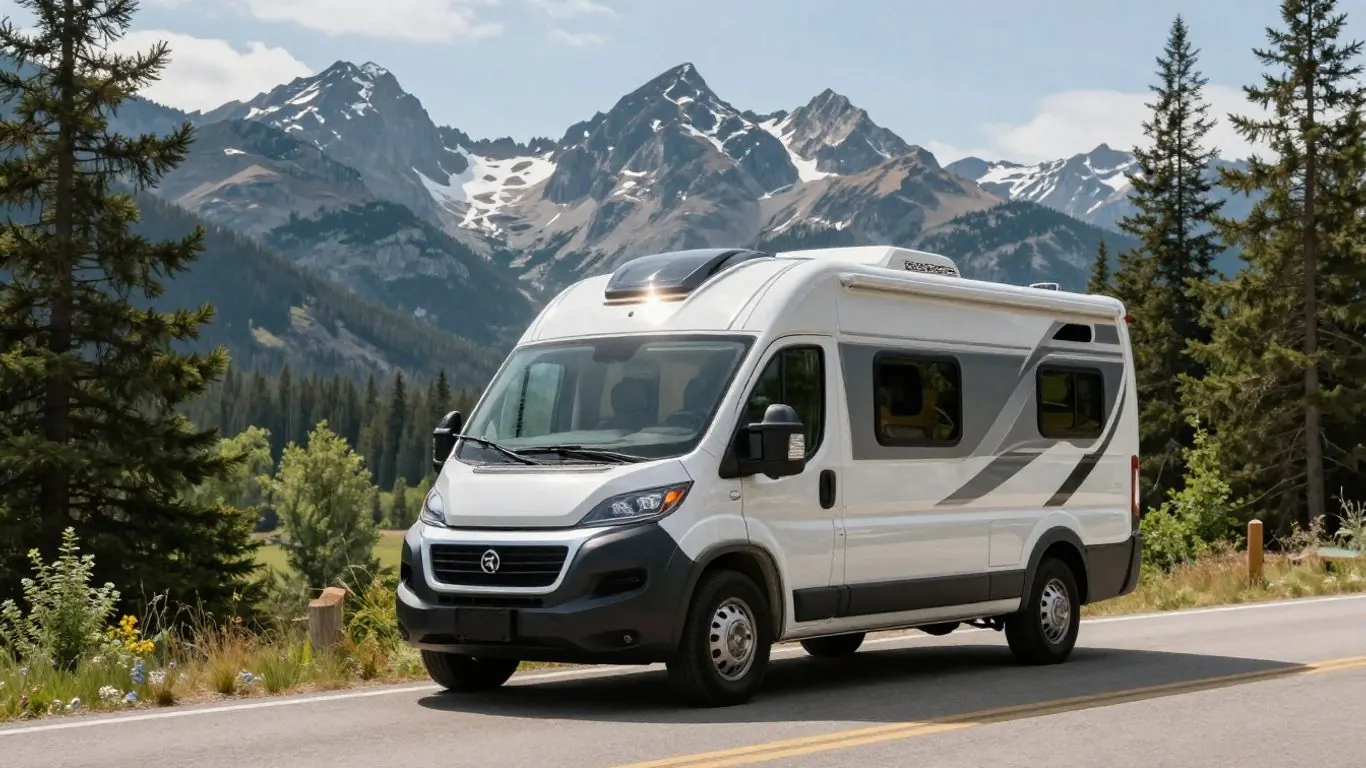
When planning a motorhome trip in Canada, it’s normal for friends or family to want to take turns at the wheel. But RV rental companies have clear rules about who can drive their vehicles. Every extra driver must meet the same requirements as the main renter. This includes age, license validity, and experience duration. Ignore this, and you could run into insurance problems or risk losing your security deposit.
Included Driver Coverage
If you want to add extra drivers, here’s what to expect:
Only those listed on the rental contract are legally allowed to drive.
Extra drivers must be present at pick-up and show their licenses.
Rental agreements often specify the total number of permitted drivers.
Fees for Extra Drivers
Here’s the typical process:
Pay the surcharge during pick-up—no under-the-table arrangements.
Get all drivers’ names and license details on the paperwork, or risk insurance issues later.
If you skip the official process, that free’ extra driver can turn out expensive in case of an accident—insurance won’t help if the driver wasn’t on record.
Insurance Implications for Unauthorised Drivers
This is a serious point that often gets overlooked. If someone who isn’t on the contract drives and gets into an accident:
The rental company could void your agreement on the spot
Legal liability falls entirely on the person who rented the RV
Here’s a quick rundown of the risks:
No coverage for damages, injuries, or theft if an unauthorized driver is involved
Trouble with local law enforcement if authority checks the paperwork
It’s a lot less trouble than explaining a claim to your insurer if something goes wrong.
Driver License Holding Period
When you’re looking to rent a motorhome in Canada, one of the first things rental companies check is your driving history. It’s not just about having a valid license; it’s also about how long you’ve held it. Most companies require that the principal driver has possessed a full, valid license for at least two years. This isn’t just a random rule; it’s tied directly to their insurance policies. They need to know that drivers behind the wheel of their expensive RVs have a solid track record.
Contacting Insurers for Exceptions
What if you don’t quite meet the standard two-year holding period? Don’t panic just yet. Some rental companies might be able to check with their insurance providers to see if an exception can be made. This often depends on the specific insurer and the circumstances. It’s always a good idea to call ahead and explain your situation.
Restrictions on Certain Occupations
Believe it or not, your job can sometimes affect your ability to rent an RV. Certain occupations are considered higher risk by insurance companies. This can include people who work in professional entertainment, professional sports, or even certain delivery services if the vehicle is used for business. If you fall into one of these categories, you’ll likely need to get prior approval from the rental company and their insurers. It’s best to clarify this when you book to avoid any surprises at pickup.
Here’s a quick rundown of common requirements:
License Type: Must be a standard car license (Class B or equivalent) for most RVs under 3500kg.
It’s really important to be upfront about any driving convictions or points on your license. Rental companies have to declare this information to their insurers, and having too many points could mean you’re not covered to drive. Always check the specific terms and conditions of the rental company you choose.
Wrapping Up Your RV Adventure Plans
So, getting behind the wheel of a motorhome in Canada is pretty straightforward, which is great news! Most folks just need their regular driver’s license from home, as long as it’s in English or uses Latin letters and you’ve had it for at least a year. You also need to be 21 or older. Just remember to bring that license and a credit card in the main driver’s name when you pick up your RV. It’s all about making sure you’re legally covered and the rental company has their bases covered too. Happy travels!
Do I need a special license to rent an RV in Canada?
Nope! For most motorhomes, a regular driver’s license from your home country is all you need. Just make sure it’s valid and written in the Latin alphabet. If your license isn’t in English, you might need an official translation or an International Driving Permit, but always keep your original license with you too.
How long do I need to have my driver’s license?
This applies to both the main driver and any additional drivers who will be operating the RV.
What’s the minimum age to rent an RV?
Some rental companies might have higher age limits, so it’s always a good idea to check their specific rules.
Can I drive any type of RV with a regular car license?
Most standard RVs, like Class A, B, and C motorhomes (that don’t have air brakes), can be driven with a regular driver’s license. However, if an RV is very heavy and has air brakes, you might need a special endorsement on your license.
What documents do I need when picking up the RV?
You’ll need to bring your valid driver’s license and usually two forms of identification, like your passport. It’s also super important to have a credit card in the main driver’s name, as rental companies often put a hold on it for a security deposit.
What if my driver’s license isn’t in English?
If your license isn’t in the Latin alphabet or English, you’ll likely need an International Driving Permit (IDP) or an official translation. You must carry both your original license and the IDP or translation at all times.
Are there any extra fees for additional drivers?
It’s important that only authorized drivers operate the RV, as your insurance might not cover accidents involving unauthorized drivers.
What happens if I get penalty points on my license before renting?
You need to tell the rental company about any penalty points or driving convictions you have. Depending on the severity and number of points, they might not be able to offer you insurance or rent you an RV.
Use this guide for trip ideas, not a current quotation or a guarantee of access, safety, inclusions or availability. Confirm the requirements and conditions for your dates, destination and provider before booking.