

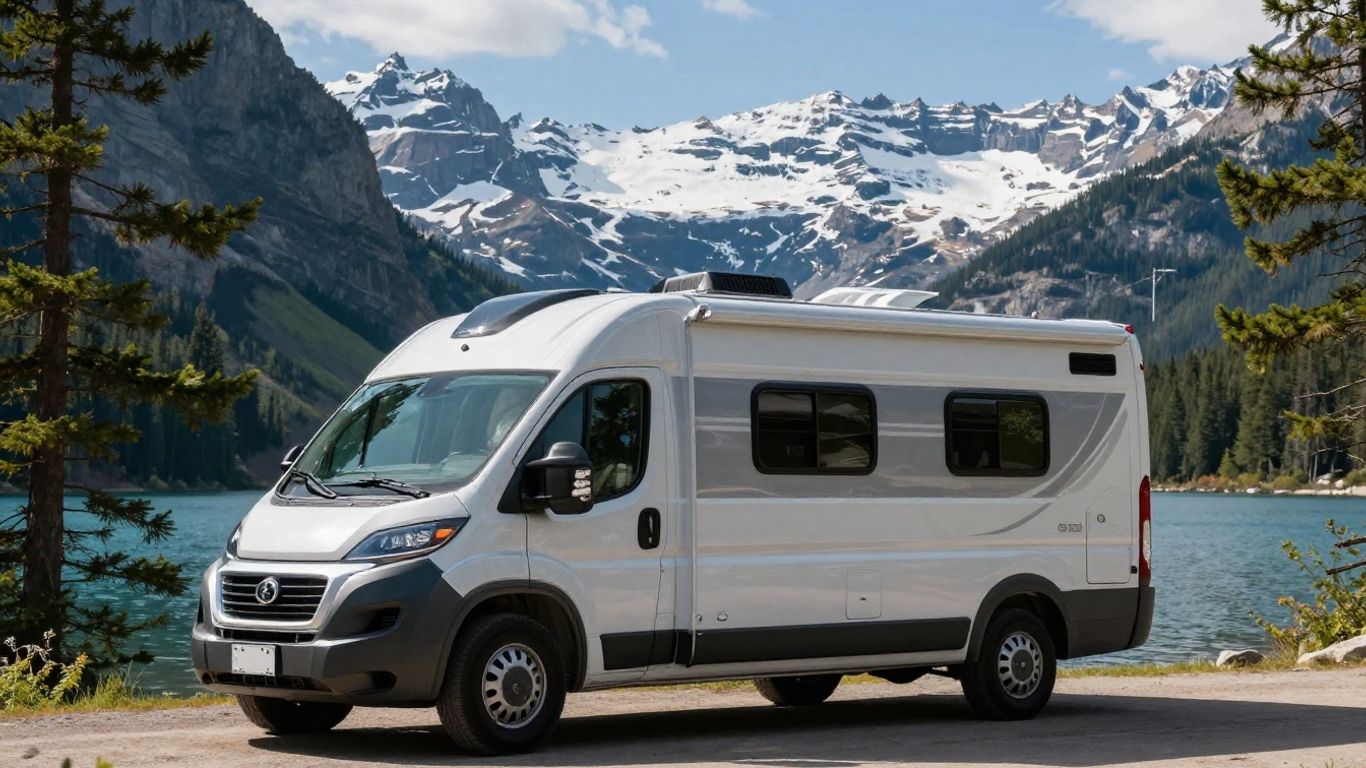
Planning a motorhome trip across Canada is exciting, but figuring out where to rent from can feel like a maze. Prices change, insurance details can be confusing, and not all comparison sites are created equal. This guide is here to help you sort through the options, making your motorhome rental Canada comparison a breeze so you can focus on the adventure ahead.
Key Takeaways
- Using motorhome rental Canada comparison sites saves time and often money by showing multiple offers at once.
- Authentik Canada, Motorhome Republic, and Cruise Canada are major players, each with different strengths for comparing rentals.
- Don’t forget about alternatives like CU Campers, Campstar, and peer-to-peer options like Outdoorsy and RVezy for potentially different pricing or vehicle types.
- Always book in advance, especially for peak season, and pay close attention to what’s included in the price beyond the base rate, like mileage and insurance.
- Understand the differences between vehicle types (like RVs vs. campervans) and carefully review insurance and cancellation policies before you commit.
Navigating Motorhome Rental Canada Comparison Tools
Renting a motorhome in Canada can feel like a big task, right? Prices can jump around, insurance details get confusing, and you’re left wondering if you’re actually getting a good deal. That’s where comparison tools come in. They’re like your personal assistant for finding the best RV rental.
Understanding the Advantages of Comparison Sites
So, why bother with a comparison site instead of just hitting up each rental company’s website one by one? For starters, it saves you a ton of time. Instead of clicking through five, ten, or even more different sites, you get a bunch of options laid out right in front of you. It’s way easier to see who’s offering what.
- See More Options at Once: You can view offers from multiple rental companies without leaving one website. This is a huge time saver.
- Clearer Pricing: These sites usually make it pretty clear what’s included in the price. You can often see if mileage, insurance, or even basic kitchen stuff is part of the deal upfront.
- Potentially Better Deals: Comparison sites often work with rental companies to get special rates. Some even promise to match a lower price if you find one elsewhere.
- One Point of Contact: If you have questions or run into a problem, you usually deal with the comparison site’s customer service, not a different person at each rental company.
Using a comparison tool is a smart first step. It cuts down on the research time and helps you get a clearer picture of the market before you commit.
Key Features of Top Comparison Platforms
When you’re looking at these comparison sites, keep an eye out for a few things. Not all of them are created equal, and some might be a better fit for what you need.
- Vehicle Variety: Does the site show a good range of motorhome types, from small campervans to larger RVs? More options usually mean a better chance of finding exactly what you’re looking for.
- Rental Company Partnerships: Who does the site work with? A site that partners with well-known Canadian rental companies is generally a good sign.
- User Interface: Is the website easy to use? Can you filter your search results easily by dates, location, vehicle size, and price?
- Customer Reviews: What do other people say about the site and the rental companies it lists? Look for sites with good overall ratings and lots of reviews.
Identifying the Best Fit for Your Needs
Think about what’s most important for your trip. Are you looking for the absolute cheapest option, or is a specific type of vehicle more important? Maybe you need a company with lots of pick-up locations across Canada.
Here’s a quick way to think about it:
- Your Budget: Some sites focus on finding the lowest prices, while others might have higher base rates but include more.
- Vehicle Type: Do you need a compact campervan for two or a big RV for the whole family? Make sure the site shows what you’re after.
- Travel Style: Are you planning a short trip or a long cross-country adventure? This might influence which companies or sites are better suited.
- Customer Service: If something goes wrong, how easy is it to get help? Check reviews for comments on customer support.
By looking at these comparison tools with these points in mind, you’ll be well on your way to finding the perfect motorhome for your Canadian adventure without all the usual hassle.
Comparing Leading Motorhome Rental Providers in Canada
When you’re looking to rent a motorhome in Canada, you’ll find a mix of big names and smaller players. Some are direct rental companies with their own fleets, while others act as aggregators, pulling together options from various suppliers. It’s good to know who’s who and what they’re known for.
Authentik Canada: Local Expertise and Transparency
Authentik Canada is a Canadian company that really knows its stuff when it comes to RV rentals within the country. They focus on making the whole process clear, which is a big plus. You won’t find a huge international network here, but what they do, they do well for Canada and the US.
- Pros: Clear pricing, specialized Canadian knowledge, good customer service.
- Cons: Limited to Canada and the US, not a global comparison site.
They pride themselves on being upfront about costs, so you’re less likely to run into surprise fees down the road. This local focus can be really helpful if you’re planning a trip that sticks to Canadian soil.
Motorhome Republic: Global Reach and Wide Selection
Motorhome Republic is a different beast altogether. Think of them as a massive online marketplace for RVs, working with hundreds of rental partners all over the world, including Canada. If you want to see a ton of different options all in one place, this is a good spot to start.
- Pros: Huge selection of vehicles, global presence, often has deals.
- Cons: Customer service can sometimes be slow, details can vary by supplier.
They have a presence in many countries, which means they’ve got a lot of experience. Just be aware that because they work with so many different companies, the specifics of your rental (like insurance or what’s included) can differ depending on who you end up renting from.
Cruise Canada: Nationwide Fleet and Competitive Rates
Cruise Canada is one of the larger, more established rental companies operating directly across Canada. They have a pretty big fleet spread out across the country, making them a convenient option for many travelers. They often compete on price, which can be attractive if you’re trying to keep costs down.
- Pros: Large fleet across Canada, competitive base prices, many pick-up locations.
- Cons: Not a comparison site (you see only their vehicles), many add-ons cost extra, mileage limits can apply.
While they offer competitive base rates, it’s important to look closely at what’s included. Things like mileage, kitchen kits, or even just basic insurance might be extra charges. This means you need to do a bit more homework to get the full picture of the cost.
Exploring Alternative Motorhome Rental Options
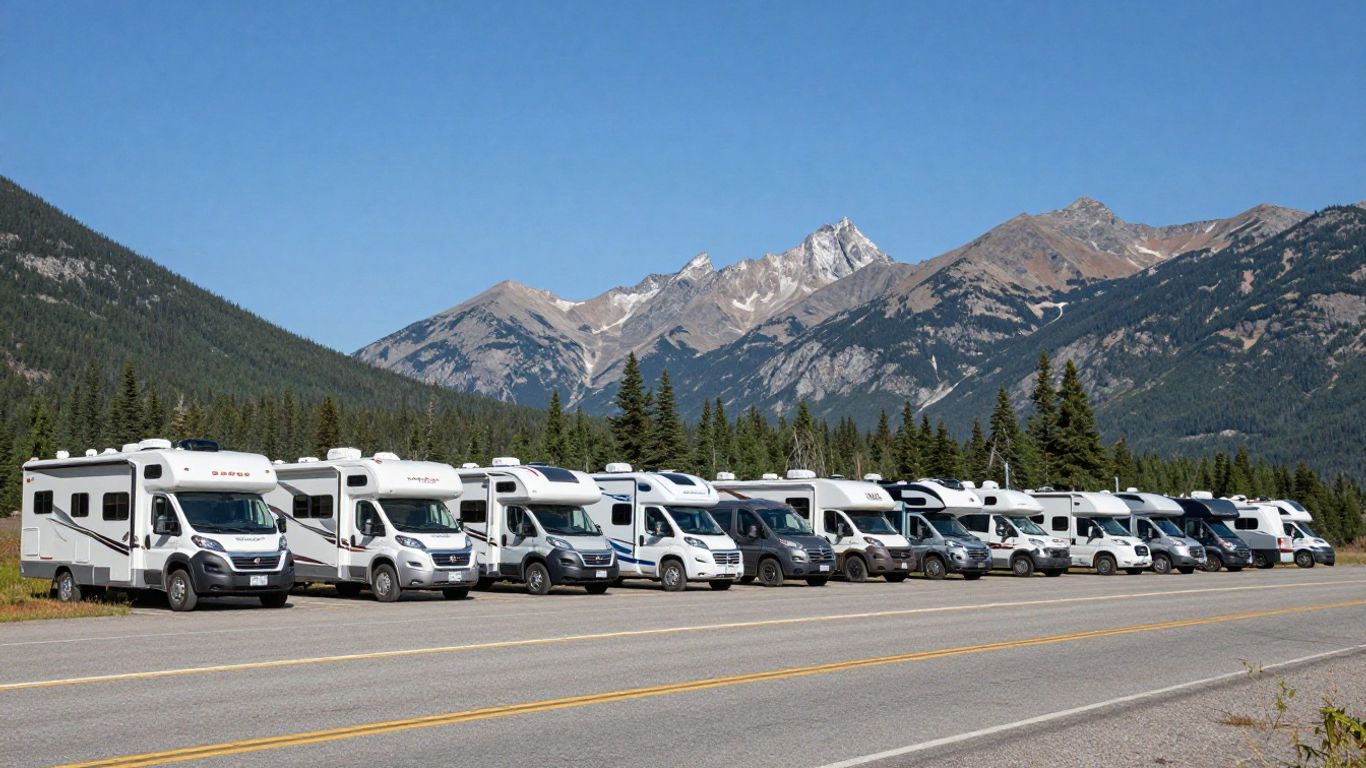
Beyond the big names you see advertised everywhere, there are some other ways to snag a motorhome for your Canadian adventure. Sometimes these alternatives can offer a bit more flexibility or even save you some cash. It’s worth taking a peek!
CU Campers: Transparent Pricing and Customization
CU Campers is a platform that really tries to make things clear from the get-go. They focus on showing you the full price, including things that other companies might tack on later. This means fewer surprises when you’re looking at the final bill. They also seem to let you customize your rental a bit more, which is nice if you have specific needs for your trip. Think of it as getting a rental that’s a little more tailored to you.
Campstar: International Network with Local Partners
Campstar is interesting because it’s a bigger international site, but they work with lots of local rental companies right there in Canada. This gives you access to a pretty wide variety of vehicles, from the standard RVs to maybe some more unique campervans. Because they partner with local outfits, you often get a good mix of a large selection and that local touch. It’s like having a global reach but with a friendly neighborhood feel.
Peer-to-Peer Platforms: Outdoorsy and RVezy
This is where things get really different. Platforms like Outdoorsy and RVezy are basically like Airbnb, but for RVs. You’re renting directly from the motorhome owner, not a big rental company. This can often mean lower prices because there’s no big corporate overhead. Plus, you can find some really cool, privately owned rigs that you won’t see in a standard rental fleet. It’s a great way to connect with locals and get a more authentic experience.
- Pros: Often cheaper, unique vehicle selection, direct connection with owners.
- Cons: Insurance and policies can vary wildly by owner, less standardized customer service, vehicle condition depends on the owner’s upkeep.
- Best for: Travelers looking for budget options, unique RVs, or a more personal rental experience.
When considering peer-to-peer rentals, always read reviews carefully, check the owner’s specific cancellation policy, and understand exactly what the insurance covers. It’s a bit more hands-on than renting from a big company, but the rewards can be significant.
Maximizing Your Motorhome Rental Canada Comparison
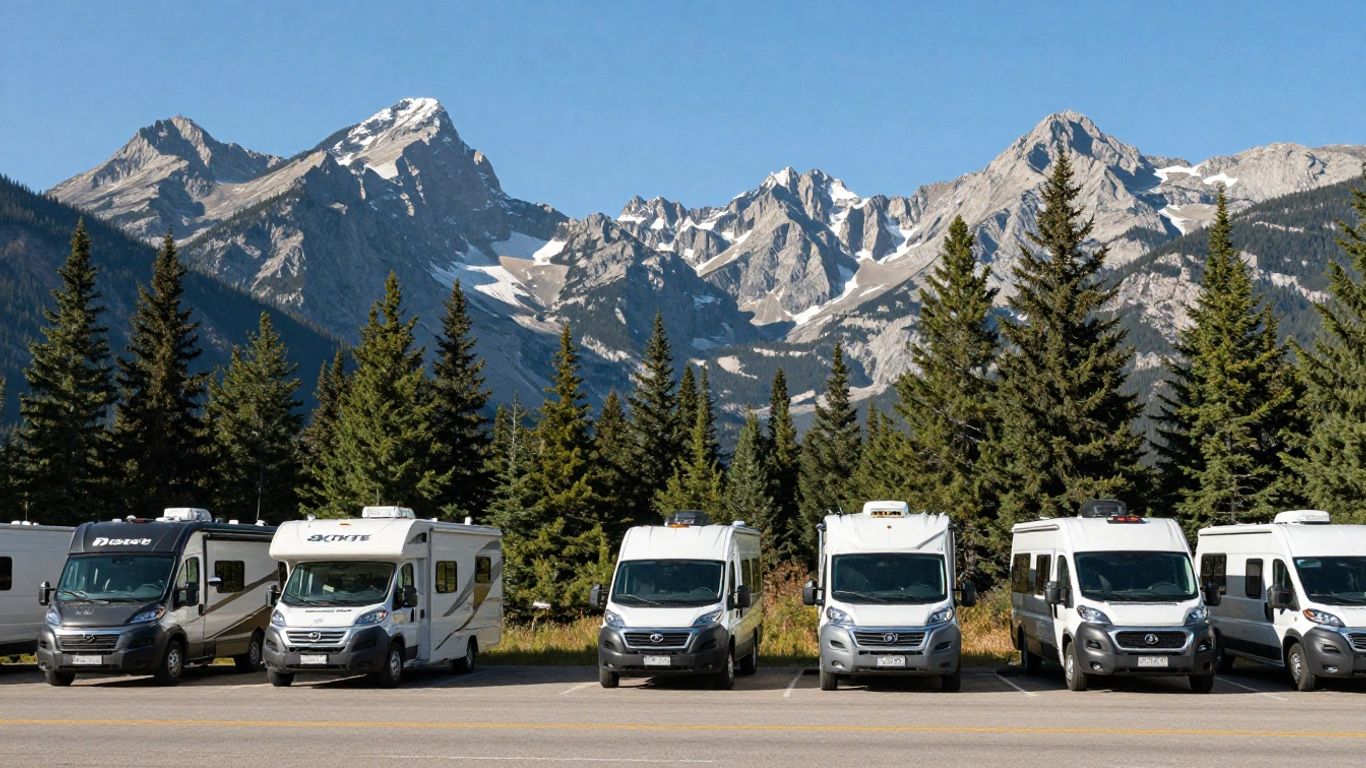
So, you’ve looked at a few options and maybe even started comparing prices. That’s great! But to really get the best deal and avoid any headaches down the road, there are a few more things to keep in mind. It’s not just about the sticker price; it’s about what you’re actually getting for your money and how to plan ahead.
The Importance of Booking in Advance
Seriously, don’t wait until the last minute. Especially if you’re planning a trip during peak season, like summer or holidays. The best vehicles, the ones that are newer or have that specific layout you like, get snapped up fast. Booking early means you have a much better chance of getting the exact motorhome you want, and often, you’ll snag a better price too. Think of it like getting the best seats at a concert – the sooner you buy, the better your options.
- Summer & Holiday Peaks: Prices can jump significantly, and availability plummets.
- Shoulder Seasons (Spring/Fall): Still great weather in many parts of Canada, but often with lower prices and more choices.
- Winter Travel: Least expensive, but requires a vehicle suited for colder conditions and fewer campsites might be open.
Understanding Seasonal Pricing Differences
Canada is huge, and its weather changes a lot depending on the time of year and where you are. This directly impacts motorhome rental prices. High season, typically June through August, will always be the most expensive. This is when everyone wants to be out exploring. Shoulder seasons, like May and September, can offer a sweet spot with decent weather and more reasonable rates. Winter travel is the cheapest, but you need to be prepared for cold weather and potentially limited access to certain areas or services.
| Season | Typical Months | Price Range | Availability | Notes |
|---|---|---|---|---|
| High Season | June – August | Highest | Lowest | Best weather, most popular |
| Shoulder | May, Sept-Oct | Mid-range | Good | Good balance of weather and price |
| Low Season | Nov – April | Lowest | Lowest | Cold weather, limited access, fewer options |
Scrutinizing Inclusions Beyond the Base Price
This is where things can get tricky. The advertised price is rarely the final price. You need to look closely at what’s actually included. Does it come with unlimited mileage, or is there a cap? What about insurance – is basic coverage enough, or do you need to pay extra for peace of mind? Don’t forget things like kitchen kits, bedding, and even propane for the stove. Sometimes, these add-ons can really inflate the total cost.
Always ask for a full breakdown of all potential charges before you commit. It’s better to know upfront than to be surprised at pick-up.
- Mileage: Unlimited or a daily/total limit? What’s the cost per extra mile?
- Insurance: What’s covered? What’s the deductible (the amount you pay if something goes wrong)?
- Equipment: Are kitchen supplies, bedding, and camping chairs included, or are they extra?
- Prep Fees: Some companies charge a cleaning or preparation fee.
- Taxes: Don’t forget to factor in provincial and federal taxes.
Key Considerations for Your Canadian Motorhome Adventure
Understanding Vehicle Types: RVs vs. Campervans
So, you’re ready to hit the road in Canada, but which kind of home on wheels is right for you? It really boils down to what you plan to do and who you’re traveling with. Think of RVs (recreational vehicles) as the bigger, more spacious option. They often come with separate sleeping areas, a full bathroom, and a more equipped kitchen. These are great if you’re a family or a group who wants more room to spread out and enjoy home comforts, even when you’re miles from anywhere. Campervans, on the other hand, are generally smaller, more like a van that’s been converted. They’re easier to drive and park, kind of like a regular car, and are perfect for couples or solo travelers who prioritize maneuverability and a simpler setup. You might have a more compact kitchen and a bathroom that’s more of a wet bath (where the shower and toilet are in the same space). Choosing between an RV and a campervan is all about balancing space and convenience for your specific trip.
Navigating Insurance and Deductible Options
This is a big one, folks. When you rent a motorhome, insurance isn’t usually as straightforward as your car insurance back home. You’ll want to pay close attention to the deductible – that’s the amount you’d have to pay out-of-pocket if something goes wrong, like an accident or damage. Some rental companies might offer a super low daily rate, but then hit you with a really high deductible. Others might charge a bit more upfront but have a much lower, or even zero, deductible. It’s worth looking into options that reduce your deductible, especially if you’re not used to driving larger vehicles. Always ask for a clear breakdown of what the insurance covers and what the deductible is. It’s better to know now than to be surprised later.
Evaluating Cancellation Policies and Flexibility
Life happens, right? Plans change. That’s why understanding the cancellation policy before you book is super important. Some companies are pretty strict: cancel within 30 days, and you might lose your whole deposit, or even the full rental cost. Others are more understanding, especially these days, and might offer free cancellation up to a week or two before your trip. If you’re someone who likes to keep their options open or if your travel dates aren’t set in stone, look for rentals with more flexible cancellation terms. It can save you a lot of stress if you suddenly need to change your plans.
When planning your Canadian motorhome trip, remember that the "Great White North" is vast. Roads can be long and sometimes remote. Always keep an eye on your fuel and water levels, especially when venturing away from major towns. It’s also wise to have a physical map or an offline digital version, as cell service can be spotty in many beautiful, out-of-the-way places.
Wrapping Up Your Canadian RV Adventure
So, you’ve looked at the options for renting an RV in Canada. It can seem like a lot at first, with all the different sites and what they offer. But remember, the goal is to find the best fit for your trip. Whether you go with a big comparison site to see tons of choices or a local specialist for that personal touch, the key is to compare what’s actually included, not just the daily price. Book early, especially if you want the best pick of vehicles and prices. Keep an eye on mileage, insurance details, and any extra fees. With a little planning and by using the tools we’ve talked about, you’ll be well on your way to an amazing road trip across Canada. Happy travels!
Frequently Asked Questions
Why should I use a website that compares RV rentals instead of checking each company’s site myself?
Using a comparison website is like having a super-fast shopper! It shows you deals from many different rental companies all in one place. This saves you tons of time because you don’t have to visit each company’s website one by one. Plus, these sites often have special prices that are lower than what you’d find directly, and they make it clear what’s included in the price, so there are no nasty surprises later.
What’s the best time of year to rent an RV in Canada to save money?
To get the best deals and avoid big crowds, try renting during the ‘shoulder seasons.’ This means the periods right before or after the main summer rush, like May, June, September, or October. Prices can be 20% to 40% cheaper than in July or August, and you’ll still get to see beautiful scenery, especially the amazing fall colors in September.
What should I look out for besides the daily rental price?
The daily price is just the start! Always check what else is included. Does it have unlimited miles, or is there a limit each day? What kind of insurance is offered, and how much would it cost to lower your ‘deductible’ (the amount you pay if something goes wrong)? Also, see if things like bedding, kitchen stuff, or camping chairs cost extra. Sometimes, hidden fees for cleaning or dumping waste can add up too.
What’s the difference between an RV and a campervan?
Think of an RV as a bigger, more spacious home on wheels, often with separate areas for sleeping, cooking, and living. A campervan is more like a van that’s been converted to include basic living essentials; it’s smaller, easier to drive, and can fit into tighter parking spots. Campervans are usually a bit cheaper to rent too.
Can I rent an RV from someone directly, like through a sharing app?
Yes, you can! Websites like Outdoorsy and RVezy connect you directly with RV owners. This can sometimes get you a better price or a more unique vehicle. However, it’s super important to carefully check the condition of the RV, what insurance is included, and the rules for canceling, because these things can be different for every owner.
How far in advance should I book my RV rental in Canada?
It’s best to book as early as you possibly can, ideally 5 to 6 months before your trip. The earlier you book, the more money you’ll save – prices can sometimes double if you wait until the last minute! Booking ahead also means you get the first pick of all the available RVs, so you can choose the one that’s perfect for your adventure.